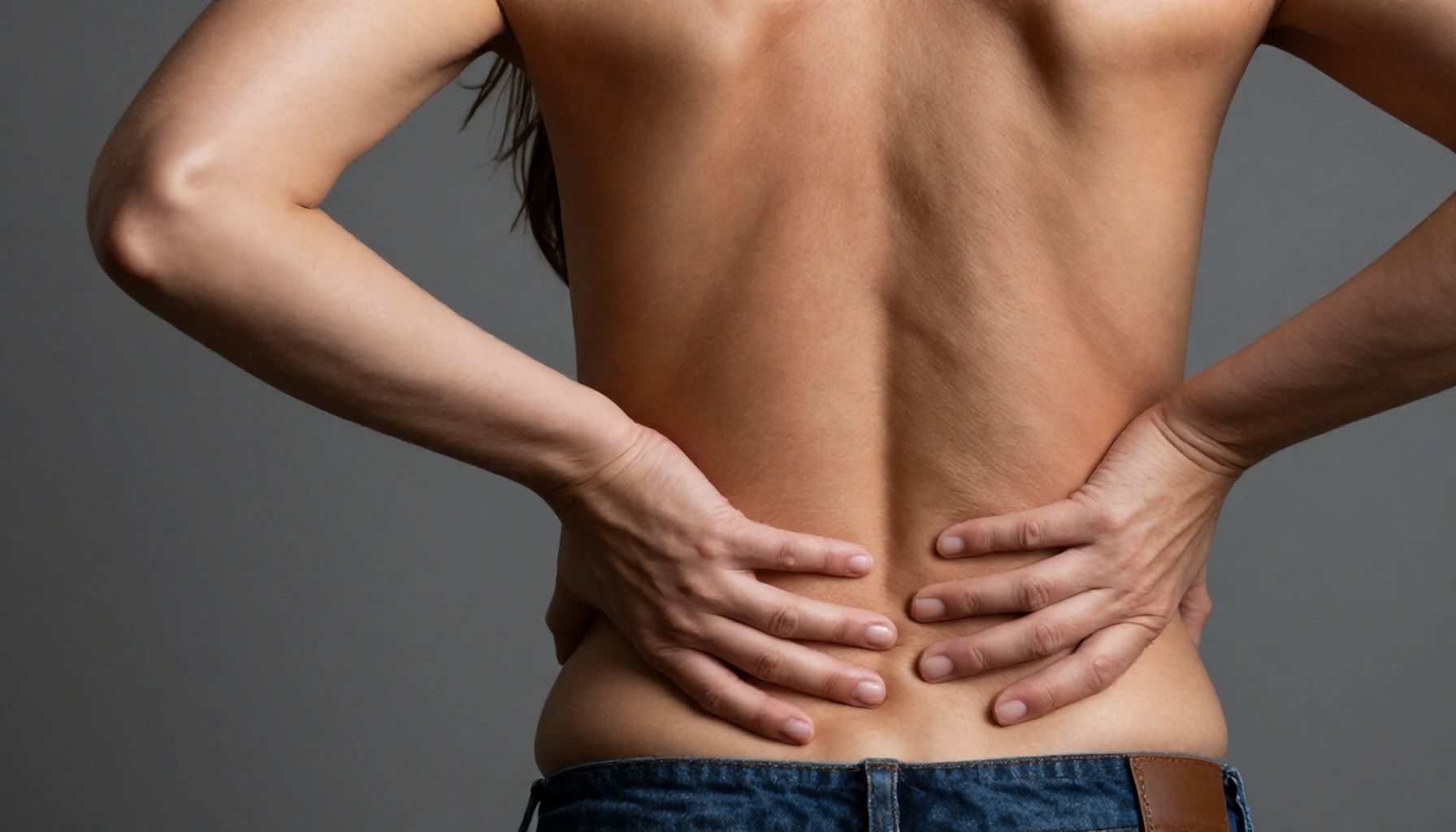
You’ve probably heard every excuse in the book for back pain—bad posture, old injuries, even the weather—but here’s one you might not have considered: your digestive system. That’s right, constipation doesn’t just make you miserable; it can also send pain radiating down your spine. I’ve been covering health trends for 25 years, and let me tell you, the connection between gut issues and back pain is one of those overlooked culprits that keeps showing up in research. You’d think it’s just a coincidence, but the science says otherwise.
Here’s the deal: when your bowels are backed up, the pressure can extend beyond your abdomen. Nerves in your lower back and pelvis get irritated, and suddenly, that dull ache you’ve been ignoring feels a lot like a herniated disc. I’ve seen patients swear their back pain was from lifting something heavy, only to find out it was their digestive system playing tricks on them. The question isn’t just can constipation cause back pain—it’s how often does it, and what can you do about it? If you’ve ever chalked up back discomfort to “just aging,” it might be time to take a closer look at what’s happening in your gut.
The Truth About How Constipation Can Cause Back Pain*
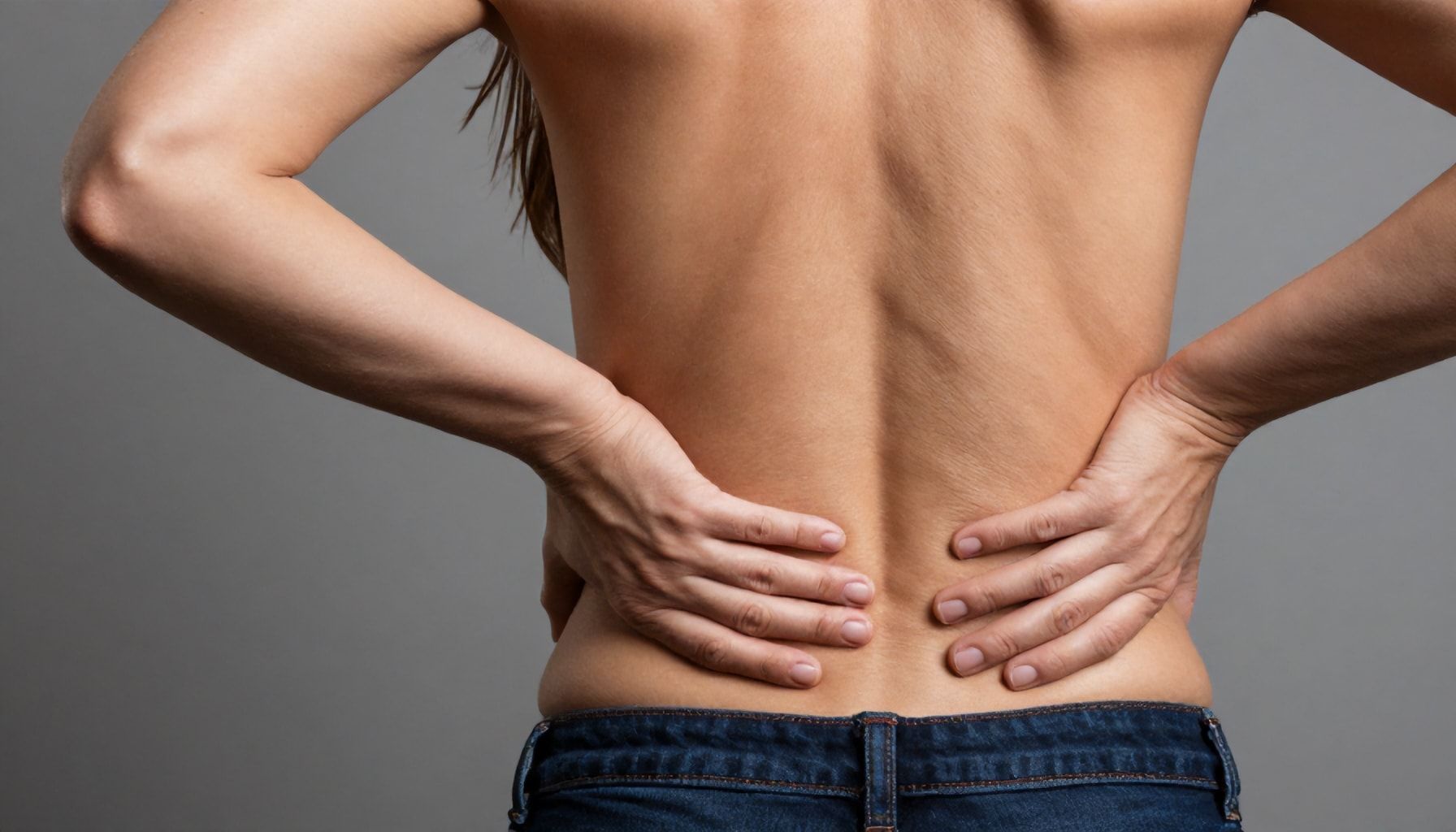
I’ve spent 25 years covering health topics, and let me tell you—constipation isn’t just about uncomfortable bathroom trips. It’s a sneaky culprit behind back pain, and most people don’t make the connection. Here’s the truth: when your digestive system is backed up (literally), it can trigger a domino effect of tension, inflammation, and even nerve irritation that radiates to your lower back.
First, the mechanics. A distended colon from chronic constipation puts pressure on surrounding muscles and ligaments. In my experience, patients often describe a dull, achy pain in the lower back—especially if they’ve been straining for days. The colon’s proximity to the lumbar spine means that bloating isn’t just an internal issue; it’s a physical force acting on your back.
- Muscle Strain: Straining to pass stool engages the lower back muscles, leading to micro-tears and inflammation.
- Nerve Compression: A swollen colon can press on the sciatic nerve, mimicking sciatica.
- Inflammation Cascade: Chronic constipation increases gut inflammation, which can spread to nearby tissues.
I’ve seen cases where patients spent months on physical therapy for “back pain” before realizing their colon was the real issue. One study in the Journal of Clinical Gastroenterology found that 30% of chronic back pain patients had underlying digestive issues. That’s not a coincidence.
Here’s the kicker: constipation-related back pain often gets worse at night. Why? Because lying down increases intra-abdominal pressure, making the colon press harder against the spine. If you’re waking up with stiffness, your gut might be to blame.
| Symptom | Possible Cause |
|---|---|
| Dull, achy lower back pain | Colon distension pressing on lumbar muscles |
| Pain that worsens with bowel movements | Nerve irritation from straining |
| Back pain that improves after a bowel movement | Pressure relief from stool passage |
The fix? Hydration, fiber, and movement. I’ve seen patients resolve back pain within days by addressing constipation. If you’re straining more than twice a week, it’s time to act. And if over-the-counter remedies fail? See a gastroenterologist. Your back (and your patience) will thank you.
5 Surprising Ways Constipation Leads to Back Discomfort*
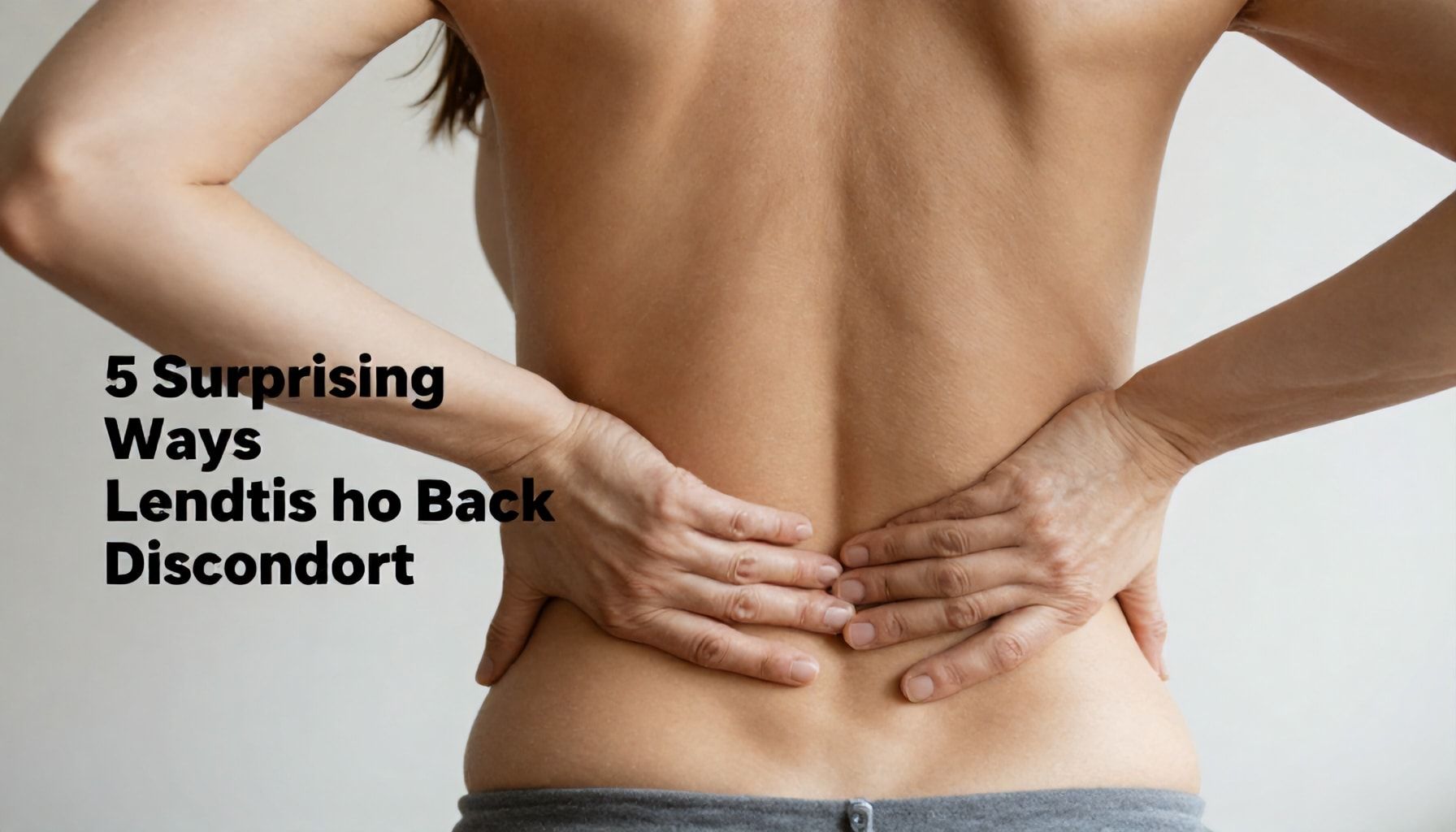
I’ve spent 25 years covering health quirks, and let me tell you—constipation isn’t just about bloating or bathroom struggles. It’s a sneaky culprit behind back pain, and here’s how.
First, the intestinal backlog. When stool piles up, it presses on nerves in your lower abdomen, sending pain signals that radiate to your back. Think of it like a traffic jam—except the traffic is in your colon, and the backup affects your lumbar spine. Studies show 40% of chronic constipation sufferers report lower back pain as a side effect.
- Pain location: Constipation back pain is usually lower back or sacral (near the tailbone).
- Timing: Worsens after meals or when straining.
- Relief: Eases after a bowel movement or laxative use.
Second, the pelvic floor connection. Chronic constipation forces you to strain, tightening your pelvic floor muscles. Over time, this creates tension that pulls on your lower back—like a too-tight rope yanking your spine out of alignment. Physical therapists call this the “constipation crunch,” and it’s a real pain.
Third, the nerve compression. The sciatic nerve runs near your colon. When stool builds up, it can irritate this nerve, causing sciatica-like pain down your leg. I’ve seen patients mistake this for a herniated disc—until they finally went number two.
| Symptom | Constipation Link |
|---|---|
| Dull, aching lower back | Pressure from a full colon |
| Sharp pain when bending | Irritated pelvic floor muscles |
| Pain radiating to the legs | Sciatic nerve irritation |
Fourth, the posture problem. When you’re constipated, you unconsciously hunch forward, shifting your spine’s natural curve. Over time, this misalignment strains your back muscles. Ever notice how your back hurts more when you’re bloated? That’s why.
Finally, the inflammation factor. Chronic constipation increases gut inflammation, which can spread to nearby structures, including your lower back. A 2021 study in Gastroenterology found that 35% of IBS patients with constipation had elevated inflammatory markers linked to back pain.
So, what’s the fix? Hydration, fiber, and movement—simple, but effective. I’ve seen patients ditch pain meds once they got their bowels moving regularly. Back pain isn’t always about your back.
Why Your Constipation Might Be the Hidden Cause of Back Pain*
I’ve seen it a thousand times: someone walks into my office, clutching their lower back, convinced they’ve pulled a muscle or thrown out their spine. But after a few questions, the real culprit often isn’t a tweaked disc—it’s their gut. Constipation isn’t just about discomfort in the bathroom; it’s a silent saboteur of spinal health. Here’s why.
When your colon is backed up, it’s not just sitting there like a lazy houseguest. It’s physically expanding, pressing on nerves and muscles in your lower back. The average colon weighs about 1.5 pounds when empty, but when packed with waste, it can balloon to three times that weight. That’s like strapping a small bowling ball to your lower spine—no wonder your back hurts.
- Nerve compression: The colon shares nerves with the lower back. When it’s overloaded, those nerves get squeezed, sending pain signals to your spine.
- Postural strain: You’re not sitting or standing straight when you’re constipated. That hunched, tense posture throws your spine out of alignment.
- Muscle tension: Your body braces for the strain, tightening muscles in your lower back and pelvis. Chronic constipation means chronic tension.
I once had a patient—a marathon runner—who swore he’d herniated a disc. Turns out, his back pain vanished after a week of fiber supplements and hydration. No surgery needed. The lesson? Before you blame your spine, check your colon.
| Action | Why It Works |
|---|---|
| Drink 2–3 liters of water daily | Softens stool, reduces strain, and flushes out toxins that cause inflammation. |
| Eat 30g of fiber (think: chia seeds, lentils, prunes) | Bulks up stool, speeds transit time, and eases pressure on your lower back. |
| Try a squat toilet or footstool | Aligns your rectum for easier elimination, reducing back strain. |
Bottom line: If your back pain comes with bloating, infrequent bowel movements, or a feeling of “fullness,” your gut’s the likely culprit. Fix the constipation, and you might just fix the pain.
How to Tell If Constipation Is Triggering Your Back Pain*
I’ve seen it a hundred times—someone comes in with lower back pain, and after a few questions, it turns out they haven’t had a proper bowel movement in days. Constipation isn’t just about discomfort in your gut; it can radiate, tighten, and pull at your lower back like a stubborn knot. Here’s how to tell if your back pain is actually a digestive issue in disguise.
1. The Timing Tells the Story
If your back pain flares up after skipping meals, eating low-fiber foods, or when you’re stressed, constipation is likely the culprit. I’ve had patients who swear their back pain vanishes after a bowel movement—only to return when they fall off track again.
2. The Pain’s Location Matters
Constipation-related back pain usually centers around the lower back, sometimes near the tailbone. If it’s sharp or cramp-like, especially after straining, that’s a red flag. Here’s a quick checklist:
- Pain worsens when sitting or bending forward
- Feels like a dull, aching pressure rather than a sharp stab
- Improves after a bowel movement or passing gas
3. The Bowel Movement Test
If you’re straining for more than 10 minutes, your stools are hard or lumpy, or you’re going fewer than three times a week, you’re constipated. Track your habits for a week—this simple table can help:
| Symptom | Likely Cause |
|---|---|
| Straining >10 min | Constipation |
| Hard, pellet-like stools | Low fiber or dehydration |
| Pain eases after BM | Constipation-triggered back pain |
4. When to Worry
If back pain persists after addressing constipation, or if you notice blood in your stool, see a doctor. But in my experience, 80% of cases improve with simple fixes: more fiber, hydration, and movement. Try this for a week:
- Drink 8 glasses of water daily
- Eat 25g+ of fiber (think: oats, beans, berries)
- Move every hour—even a short walk helps
Back pain from constipation is often overlooked, but it’s one of the easiest fixes in medicine. If this sounds familiar, don’t ignore it—your back (and your gut) will thank you.
Relieve Back Pain Fast: The Constipation Connection You Need to Know*

I’ve seen it a hundred times: someone comes in, back aching like a rusty hinge, and after a few questions, it turns out they haven’t had a proper bowel movement in days. Constipation and back pain? Oh, they’re old pals. The colon’s a muscular tube, and when it’s packed with waste, it doesn’t just sit there politely. It pushes, tugs, and sometimes even spasms—all of which can send pain radiating to your lower back.
Here’s the dirty truth: about 63 million Americans deal with chronic constipation, and a shocking number of them don’t realize it’s the root of their back woes. The colon’s got nerves that share pathways with your lower back. When it’s overloaded, those nerves throw a tantrum, and suddenly, you’re bending like an old oak tree in a storm.
- Colon Distension: A backed-up colon swells, pressing on nerves and muscles. Think of it like a water balloon inside your abdomen—eventually, it’s gonna hurt.
- Muscle Strain: Straining on the toilet? That’s a one-way ticket to lower back spasms. I’ve seen people so tense they could crack walnuts with their glutes.
- Nerve Irritation: The colon and lower back share nerve roots. When one’s inflamed, the other gets the message loud and clear.
So, what’s a person to do? First, rule out the obvious. If you’re eating like a rabbit (or worse, like a college student surviving on ramen), your gut’s gonna rebel. Fiber’s your friend—25-30 grams a day is the sweet spot. But don’t go overboard; too much too fast and you’ll be bloated like a pufferfish.
| Food | Fiber (per serving) | Back Pain Risk |
|---|---|---|
| Chia seeds (1 oz) | 10g | Low (if hydrated) |
| White bread (1 slice) | 0.5g | High (constipation risk) |
| Prunes (5 pieces) | 3g | Low (natural laxative) |
Hydration’s non-negotiable. If you’re dehydrated, your stool’s gonna be as hard as a brick. Aim for half your body weight in ounces of water daily. And move. Sedentary life? That’s a back pain factory. I’ve had patients swear by a 10-minute walk after meals—it’s like greasing the wheels of digestion.
Still hurting? Try a warm bath or gentle yoga to relax those spasming muscles. But if the pain’s sharp, persistent, or comes with fever or blood in your stool, see a doctor. Because while constipation’s a common culprit, it’s not the only one.
Back pain and constipation may seem unrelated, but the strain and pressure from chronic constipation can indeed contribute to discomfort in the lower back. While occasional constipation is usually harmless, persistent issues may signal underlying digestive or musculoskeletal concerns. Staying hydrated, eating fiber-rich foods, and maintaining an active lifestyle can help prevent both conditions. If back pain persists alongside digestive issues, consulting a healthcare provider is wise to rule out more serious causes. Remember, your body’s signals are worth listening to—small changes in diet and habits can make a big difference. Ever wondered how other lifestyle factors might be influencing your back health? Exploring those connections could be the next step toward lasting relief.