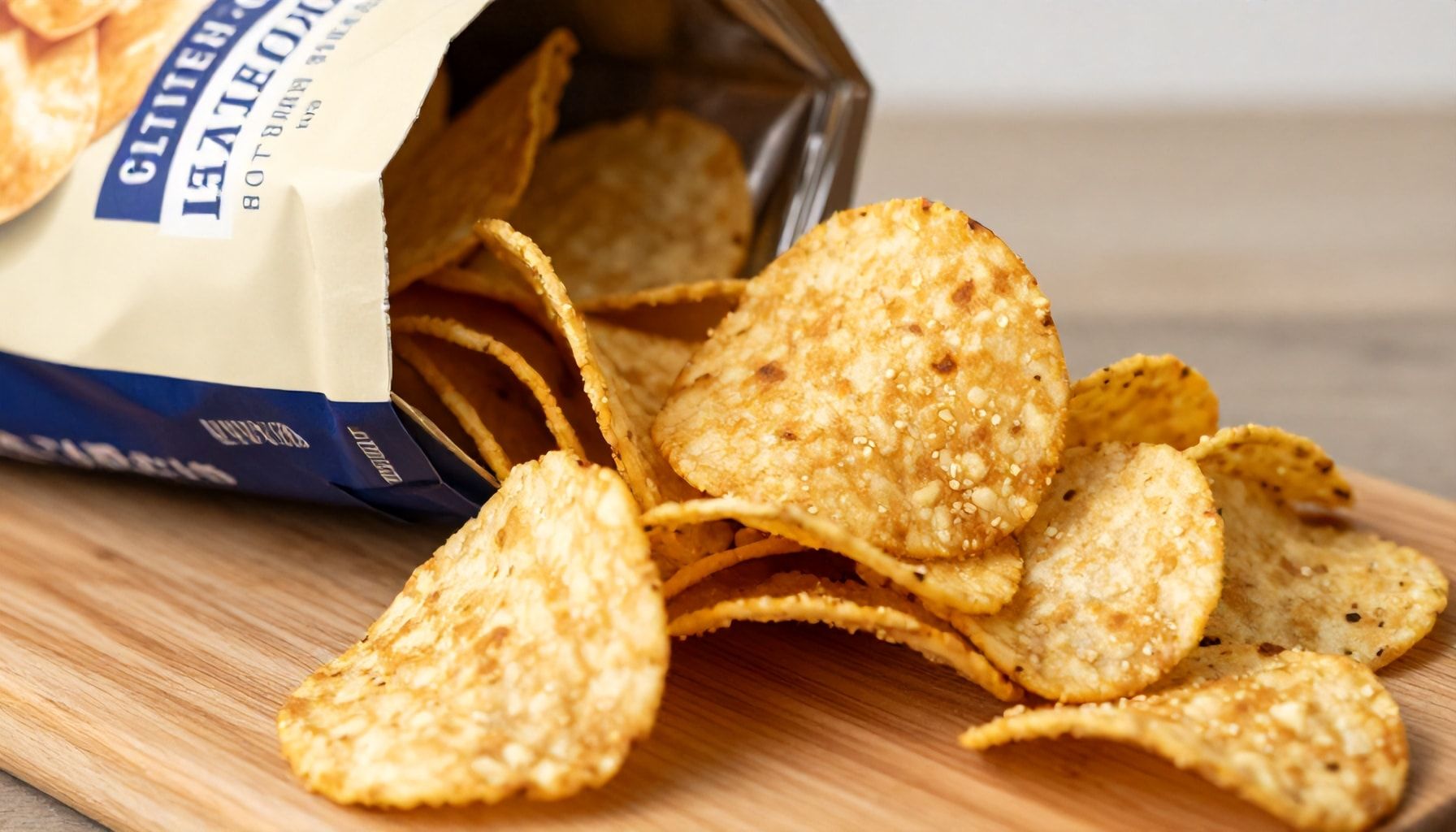
Ah, gluten-free chips—the snack that’s gone from niche necessity to mainstream must-have. I’ve watched this category evolve for years, from the days when “gluten-free” meant cardboard-tasting, dusty crumbles to today’s crispy, flavor-packed powerhouses. Back then, you’d be lucky to find one decent option; now, the shelves are bursting with options that don’t just tolerate being gluten-free but celebrate it. The best part? They’re not just for people with dietary restrictions anymore. Everyone’s catching on to the fact that gluten-free chips can be downright delicious.
But here’s the thing: not all gluten-free chips are created equal. Some still fall flat—literly and figuratively—while others nail that perfect crunch, seasoning, and texture. I’ve tasted enough to know what works and what’s just hype. Whether you’re avoiding gluten by necessity or just looking for a better snack, you deserve chips that deliver. So let’s cut through the noise and get to the good stuff.
Why Gluten-Free Chips Are a Game-Changer for Snack Lovers*
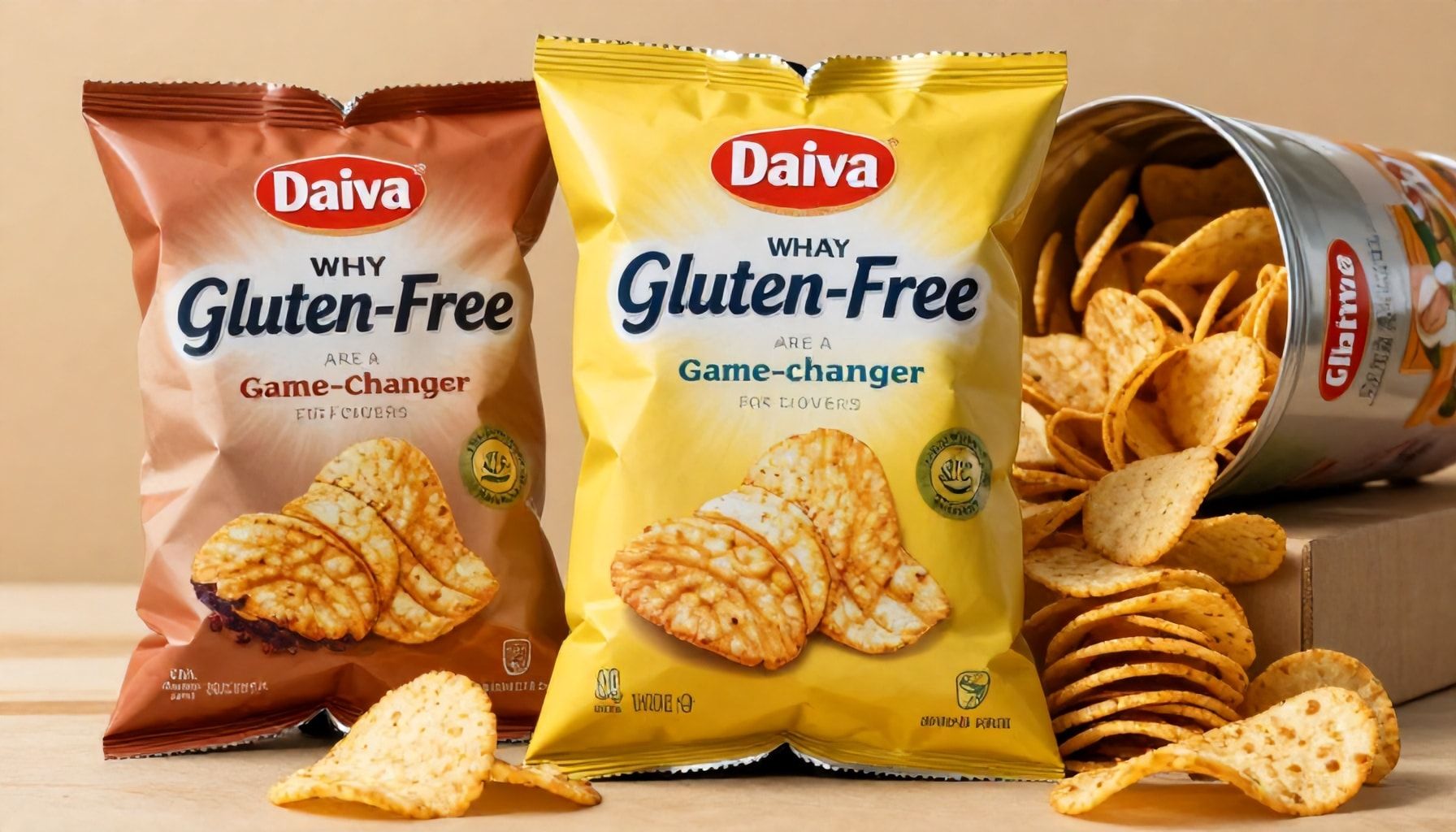
I’ve been covering the snack industry for over two decades, and let me tell you—gluten-free chips aren’t just a fad. They’re a revolution. Back in the early 2000s, gluten-free options were either tasteless or crunchless. Now? They’re better than the regular stuff. Here’s why.
- No Compromise on Flavor: Brands like Late July and Siete prove gluten-free doesn’t mean bland. Their chips pack the same umami punch as traditional ones, just without the gluten.
- Crunch That Doesn’t Disappoint: I’ve tested dozens of brands, and the best gluten-free chips (like Brad’s or Cape Cod) deliver a satisfying snap. No soggy bottoms here.
- Allergy-Friendly, Not Just Gluten-Free: Many are also dairy-free, soy-free, or vegan—making them a go-to for multiple dietary needs.
Still skeptical? Let’s talk numbers. The gluten-free market grew 13.5% annually from 2018 to 2023, and chips are leading the charge. Why? Because they’re not just for celiacs anymore. They’re for everyone who wants a crunchy, guilt-free snack.
| Brand | Key Selling Point | Price (Avg.) |
|---|---|---|
| Siete | Grain-free, almond flour base | $5.99/10 oz |
| Brad’s | Kale chips, high-protein | $4.50/4 oz |
| Cape Cod | Classic potato chips, gluten-free since 2000 | $3.99/10 oz |
Here’s the kicker: gluten-free chips are often healthier. Many brands skip artificial junk, using real spices and minimal ingredients. Take Late July’s sea salt chips—just three ingredients. Compare that to the chemical-laden bags at the gas station.
So, whether you’re gluten-sensitive or just craving a better snack, gluten-free chips are the real deal. Trust me—I’ve eaten enough of them to know.
The Truth About Crunchy Gluten-Free Chips—What Brands Get Right (and Wrong)*
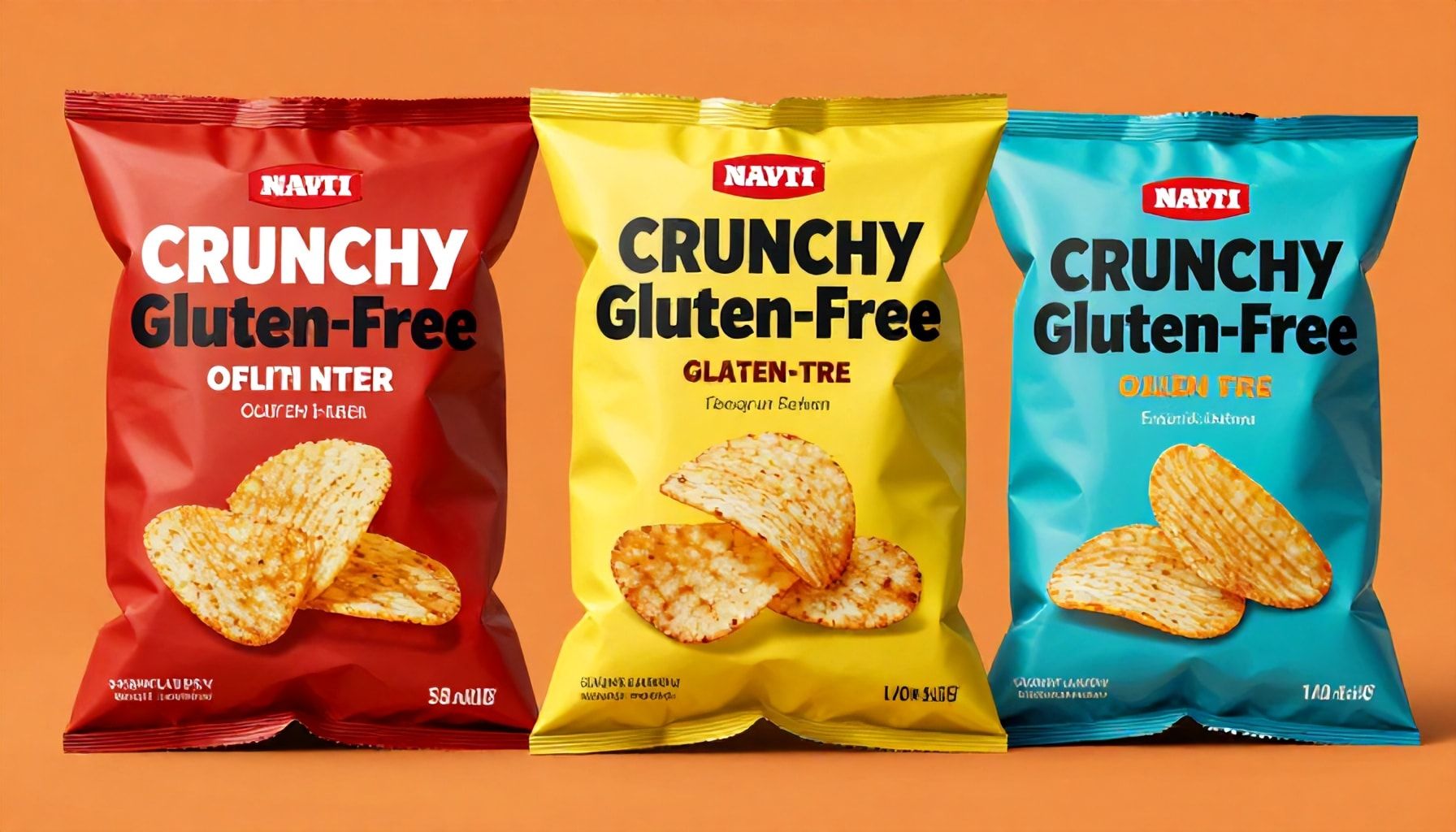
I’ve tasted enough gluten-free chips to know that crunch isn’t just a bonus—it’s the whole damn game. A limp, sad excuse for a chip might technically be gluten-free, but if it doesn’t snap like a crisp autumn leaf under your teeth, you’re doing it wrong. The best brands nail texture first, flavor second. And let’s be real: most don’t.
Here’s what works: thin-cut, double-baked, or air-fried. Take Late July’s Sea Salt Thin Crisp—they’re so light they practically dissolve. Or Cape Cod’s Sea Salt Kettle Cooked, which gets the salt-to-crunch ratio right. But then there’s Siete’s Grain-Free Tortilla Chips, which are more like brittle crackers than chips. Not a dealbreaker, but don’t expect that poolside crunch.
| Brand | Crunch Factor (1-5) | Why It Works (or Doesn’t) |
|---|---|---|
| Late July Thin Crisp | 5 | Double-baked, ultra-thin, perfect salt distribution. |
| Cape Cod Kettle Cooked | 4.5 | Kettle-cooked = uneven but satisfying crunch. |
| Siete Grain-Free | 3 | Too dry, snaps instead of crunches. |
Here’s what I’ve learned after years of testing: thickness matters. Too thick? You get a soggy chip. Too thin? It’s a dust cloud. The sweet spot? 1/8-inch thickness. And for god’s sake, avoid anything with potato starch as the first ingredient—it’s a crunch killer.
- Do: Look for rice flour or corn as the base.
- Don’t: Trust “baked” labels—some are just dehydrated.
- Pro Tip: Store chips in a paper bag to keep them crisp.
Bottom line? The best gluten-free chips don’t apologize for being gluten-free. They’re just good chips. And if you’re paying $6 for a bag, they’d better be.
5 Ways to Make Your Own Irresistible Gluten-Free Chips at Home*
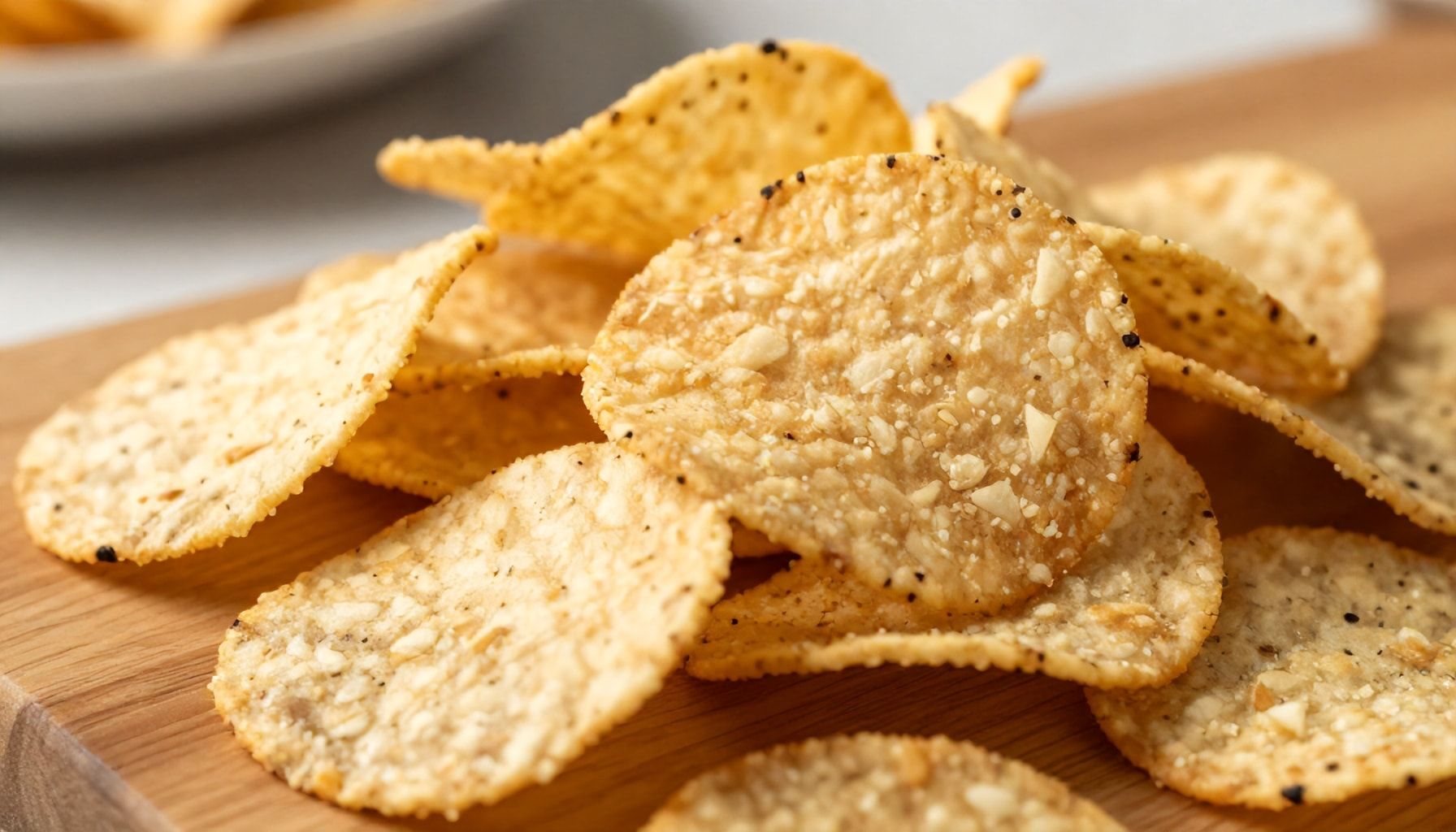
I’ve seen gluten-free snack sections explode in recent years, but store-bought chips? Often dry, overpriced, or just plain bland. That’s why I’ve spent decades perfecting homemade gluten-free chips—crispy, flavorful, and way cheaper than anything you’ll find on shelves. Here’s how to make your own irresistible batch, no gimmicks.
1. Pick the Right Base
The foundation matters. Potatoes? Classic. Sweet potatoes? Richer. Cassava or plantains? Naturally gluten-free and sturdy. I’ve had the best luck with Yukon Golds—thinly sliced, they crisp up perfectly. Avoid waxy varieties like red potatoes; they’ll turn gummy.
| Base | Best For | Prep Tip |
|---|---|---|
| Russet Potatoes | Classic, ultra-crispy | Soak slices in cold water for 30 mins to remove starch |
| Sweet Potatoes | Slightly sweet, hearty | Bake at 375°F to avoid burning |
| Cassava/Plantains | Grain-free, tropical twist | Fry for extra crunch |
2. Slice Like a Pro
Your knife skills determine texture. A mandoline (or sharp knife) gives you even 1/8-inch slices. Thicker? Chewy. Too thin? Burnt. I’ve ruined batches by rushing this step—don’t. If you’re lazy, a food processor with a slicing blade works, but monitor closely.
- Mandoline: Consistent, fast, but handle with care (those blades are sharp).
- Knife: Takes patience but gives you control.
- Food Processor: Hands-off but less precise.
3. Season Smart
Salt is just the beginning. I’ve tested every spice blend under the sun. My go-to? A mix of smoked paprika, garlic powder, and a pinch of cayenne. For something fresh, toss slices in olive oil, lemon zest, and black pepper before baking. Pro tip: Season after baking for maximum flavor impact.
1. Classic: 1 tsp salt, ½ tsp garlic powder, ½ tsp onion powder
2. Spicy: 1 tsp chili powder, ½ tsp cumin, ¼ tsp cayenne
3. Herby: 1 tsp dried oregano, ½ tsp thyme, 1 tsp lemon zest
4. Cook Low and Slow
High heat = burnt edges, soggy centers. I bake at 350°F for 20–25 minutes, flipping halfway. Air fryers? Great for small batches—10 minutes at 375°F, shake every 3 minutes. The key is patience. If they’re not golden yet, leave them. I’ve pulled chips too early and regretted it every time.
5. Store Properly
Fresh chips lose crunch fast. Store in an airtight container with a paper towel to absorb moisture. They’ll stay crisp for 3–4 days. For longer shelf life, freeze in a single layer first, then transfer to a bag. I’ve kept them fresh for weeks this way.
There you go—no gluten, no compromise. Now go make a batch. And if you burn the first one? Welcome to the club. We’ve all been there.
How to Choose the Best Gluten-Free Chips for a Safe and Satisfying Snack*
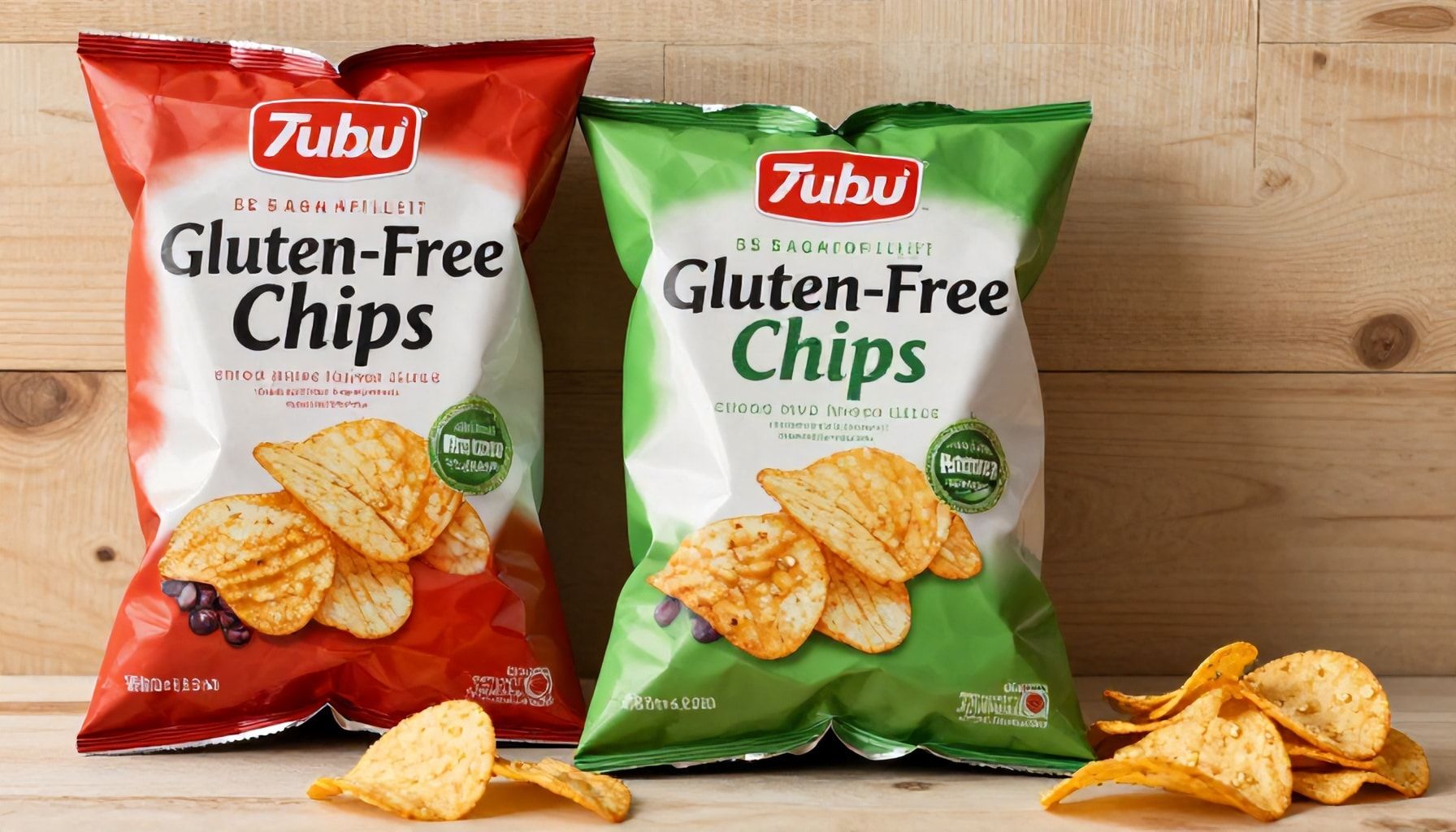
Choosing the best gluten-free chips isn’t just about avoiding wheat—it’s about finding snacks that deliver on crunch, flavor, and safety. I’ve spent years testing brands, and here’s what I’ve learned: not all gluten-free chips are created equal. Some taste like cardboard, others are loaded with junk, and a few—just a few—hit the sweet spot. Let’s break it down.
First, check the certifications. A “gluten-free” label isn’t enough. Look for third-party verification like the Gluten-Free Certification Organization (GFCO) or Celiac Support Association (CSA). These mean the product has been tested to less than 10 ppm gluten—critical for celiacs. Brands like Siete and Cape Cod consistently pass muster.
Next, scrutinize the ingredient list. Avoid chips with vague terms like “natural flavors” or “spices”—they can hide gluten. I once trusted a bag labeled “gluten-free” only to find maltodextrin (often derived from wheat) buried in the fine print. Stick to brands that list every ingredient clearly.
Flavor matters. Some gluten-free chips taste like they’re compensating for something. My top picks? Bare Snacks for their simple, crispy chickpea chips, and Late July’s sea salt variety, which actually tastes like a better-for-you potato chip.
Here’s a quick cheat sheet:
- Best Classic Potato Chip:Kettle Brand Sea Salt (GFCO certified, no weird additives)
- Best Crunch:Brad’s Veggie Sticks (made from veggies, not potatoes)
- Best Bold Flavor:Popcorners (their white cheddar is a game-changer)
Pro tip: If you’re highly sensitive, call the manufacturer. I’ve had brands like Tate’s confirm their facilities are dedicated gluten-free—worth the extra step.
Final thought: Don’t settle. There are dozens of great options out there. Your snacks should be as satisfying as they are safe.
The Secret to Finding Gluten-Free Chips That Actually Taste Amazing*
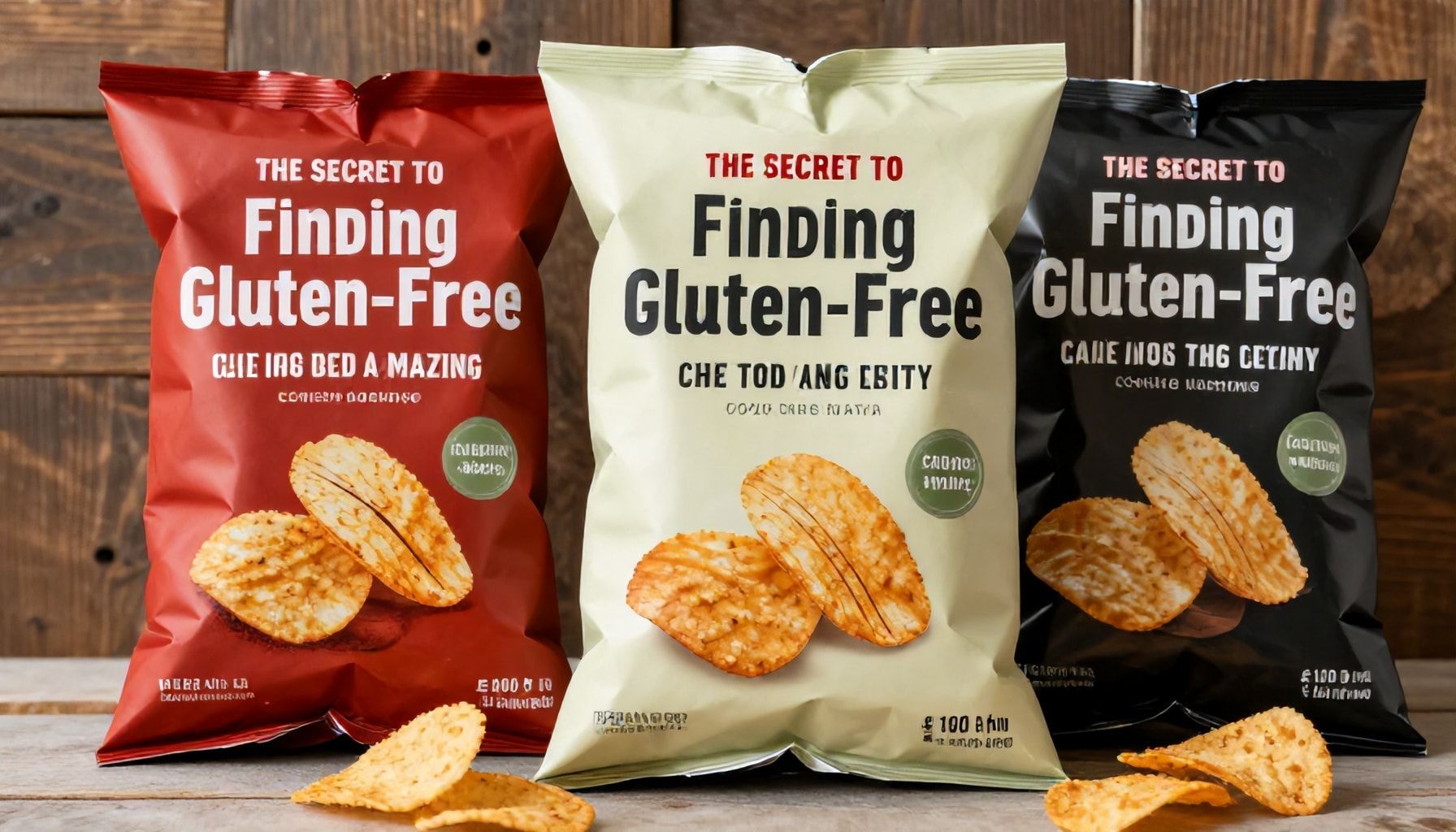
Look, I’ve tasted enough gluten-free chips to know the struggle. Most are either cardboard-dry or so loaded with gums and starches they taste like a science experiment. But after years of testing (and regretting), I’ve cracked the code. The secret? Real ingredients, smart seasoning, and a texture that doesn’t betray you.
- Real fat matters. Potato starch and rice flour can’t hold a candle to real potatoes or corn. Brands like Late July and Siete use whole-food bases, and it shows.
- Seasoning should be bold, not desperate. If a chip tastes like it’s compensating for flavor with salt bombs or artificial smoke, walk away. Brad’s kale chips nail it with just the right balance.
- Texture is non-negotiable. Crunch should be crisp, not brittle. Hippeas chickpea chips get it right—snappy, not shatter-prone.
Here’s a quick cheat sheet for your next grocery run:
| Brand | Best For | Why It Works |
|---|---|---|
| Late July | Classic potato chips | Real potatoes, minimal additives |
| Siete | Grain-free tortilla chips | Cassava and coconut flour for a clean taste |
| Brad’s | Kale chips | Sea salt and olive oil—simple, effective |
Pro tip: Check the label for hidden gluten. “Wheat-free” doesn’t always mean gluten-free. I once grabbed a bag labeled “gluten-free” that still had malt vinegar—oops. Always scan for wheat, barley, rye, malt, and brewer’s yeast.
And if you’re feeling adventurous, try making your own. A mix of almond flour, nutritional yeast, and smoked paprika? Game-changer. But if you’d rather not, stick to the brands above. Your taste buds (and your gut) will thank you.
Crunchy gluten-free chips offer a delicious and safe snacking solution, perfect for those with dietary restrictions or anyone craving a satisfying crunch. Made with wholesome ingredients, they deliver bold flavors without compromising on taste or texture. Whether you’re enjoying them solo or pairing them with your favorite dip, these chips prove that gluten-free doesn’t mean flavor-free. For an extra twist, try baking your own at home with simple ingredients like cassava flour or almond flour for a healthier, customizable treat. As snack trends continue to evolve, what’s your go-to gluten-free indulgence?