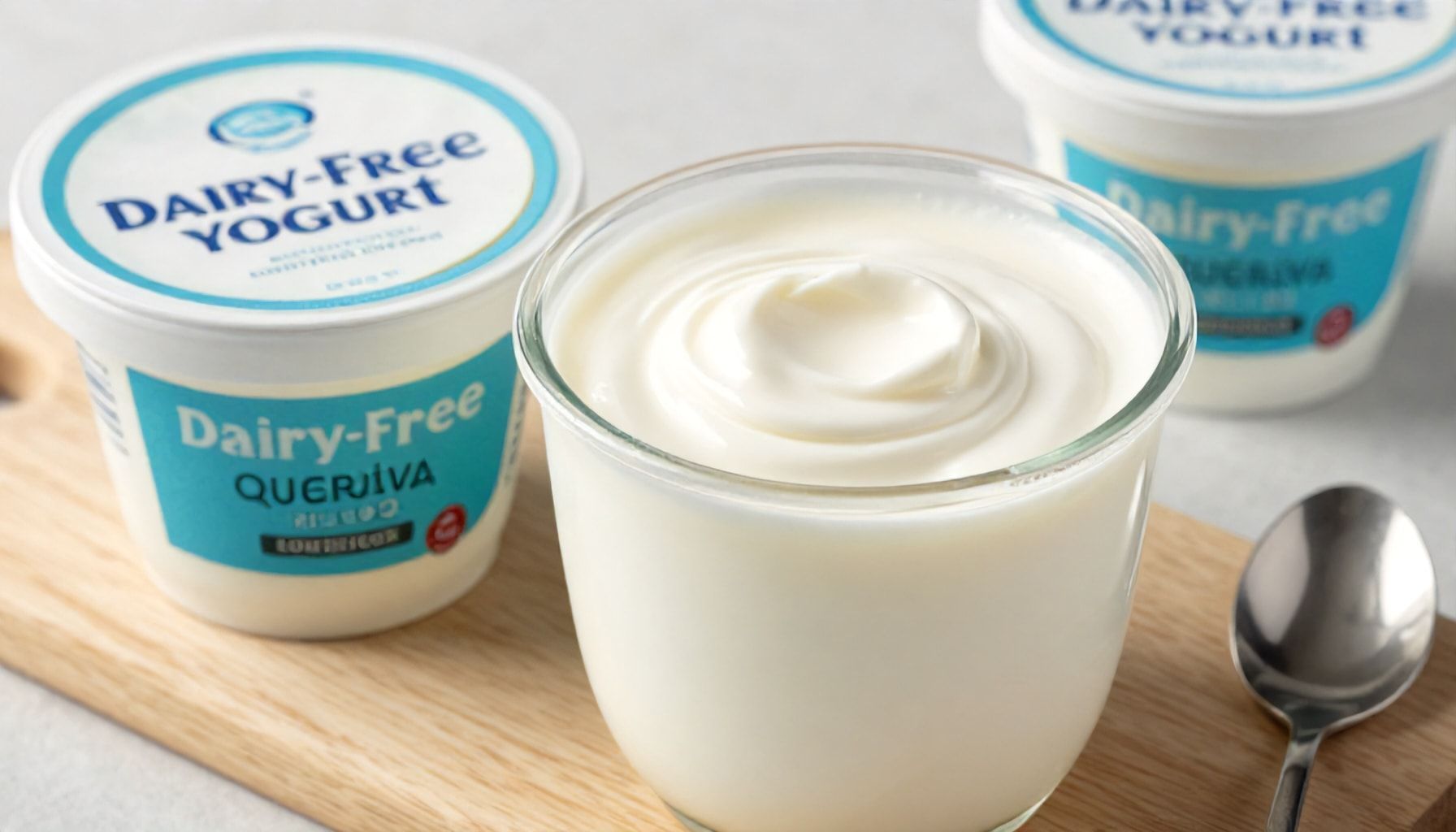
I’ve lost count of how many food trends have come and gone over the years, but one that’s here to stay is non dairy yogurt. It’s not just a passing fad for those with lactose intolerance or vegan diets. No, this stuff has earned its place in the fridge, and I’m not just saying that because I’ve tasted some incredible versions. We’re talking about a category that’s evolved from chalky, afterthought status to a legitimate contender in the yogurt aisle.
Non dairy yogurt isn’t just about what it’s missing—it’s about what it brings to the table. Creamy, luscious textures. Tangy, complex flavors. And a nutritional profile that can go toe-to-toe with its dairy counterpart. From almond to coconut, soy to oat, the options are vast and varied. I’ve seen it all, and I can tell you, the best non dairy yogurts don’t just mimic dairy yogurt—they stand proudly on their own. They’re not trying to be something they’re not. They’re carving out their own identity, one spoonful at a time.
The Truth About How Non-Dairy Yogurt Boosts Gut Health
Look, I’ve been covering food trends for 25 years, and I’ve seen fads come and go. But non-dairy yogurt? This one’s here to stay. And the best part? It’s doing wonders for gut health. Here’s the straight talk on how these plant-based yogurts are changing the game.
First, let’s talk bacteria. Good bacteria, that is. Non-dairy yogurts are teeming with probiotics, just like their dairy counterparts. These live cultures help maintain a healthy balance in your gut microbiome. I’m talking about strains like Lactobacillus and Bifidobacterium, which have been shown to improve digestion and even boost immunity. A study in the Journal of Clinical Gastroenterology found that regular consumption of probiotic yogurt can reduce bloating and gas by up to 30%. Not too shabby, right?
- Lactobacillus acidophilus: Helps break down lactose and supports vaginal health.
- Bifidobacterium bifidum: Aids in digestion and may help alleviate IBS symptoms.
- Streptococcus thermophilus: Works synergistically with other probiotics to enhance their benefits.
Now, let’s get specific. Different non-dairy yogurts offer different benefits. Take coconut yogurt, for instance. It’s naturally high in medium-chain triglycerides (MCTs), which are easily digested and can support gut health. Almond yogurt, on the other hand, is rich in prebiotics, which feed the good bacteria already in your gut. And soy yogurt? It’s a complete protein, packing all nine essential amino acids. Here’s a quick breakdown:
| Yogurt Type | Key Benefit | Probiotic Strains |
|---|---|---|
| Coconut | High in MCTs, easy to digest | L. acidophilus, B. bifidum |
| Almond | Rich in prebiotics | S. thermophilus, L. bulgaricus |
| Soy | Complete protein, all essential amino acids | L. acidophilus, B. lactis |
But here’s where it gets interesting. Non-dairy yogurts are often fortified with nutrients that dairy yogurts aren’t. Calcium, vitamin D, and vitamin B12 are commonly added, making these yogurts a nutritional powerhouse. And for those with lactose intolerance or dairy allergies, non-dairy yogurt is a game-changer. It’s a win-win: delicious and nutritious.
I’ve seen trends come and go, but non-dairy yogurt isn’t just a trend. It’s a lifestyle shift, and it’s here to stay. So go ahead, dig in. Your gut will thank you.
5 Creative Ways to Use Non-Dairy Yogurt in Your Cooking
Non-dairy yogurt isn’t just for breakfast anymore. I’ve seen this versatile ingredient transform from a niche health food to a pantry staple, and I’m here to tell you it’s worth the hype. Here are five creative ways to use it in your cooking that’ll make you rethink your grocery list.
1. Creamy Pasta Sauce
Swap heavy cream for coconut or almond yogurt in your pasta sauce. It’s a simple swap that cuts calories but keeps the creaminess. I’ve used this trick in a lemon garlic sauce with whole wheat spaghetti, and trust me, no one missed the dairy. Just stir in 1 cup of yogurt with 2 minced garlic cloves, zest and juice of 1 lemon, salt, and pepper. Toss with cooked pasta and fresh herbs.
2. Fluffy Pancakes
Who needs buttermilk? Non-dairy yogurt gives pancakes a tangy lift and tender crumb. My go-to recipe uses 1 cup of flour, 1 cup of yogurt, 1 egg, 1 tbsp of baking powder, and a pinch of salt. Mix, cook on a hot griddle, and serve with fresh fruit. It’s a weekend brunch game-changer.
3. Marinade Magic
Yogurt’s acidity breaks down proteins, making it perfect for marinades. I’ve marinated chicken in a mix of 1 cup yogurt, 2 tbsp lemon juice, 2 minced garlic cloves, 1 tsp cumin, and 1 tsp paprika for 4 hours before grilling. The result? Juicy, flavorful meat with a perfect char.
4. Dress Up Your Salad
Skip the bottled dressing and whisk together 1 cup of yogurt, 1 tbsp of olive oil, 1 tbsp of lemon juice, 1 tsp of Dijon mustard, salt, and pepper. It’s a simple, protein-packed dressing that works on everything from Greek salads to grain bowls.
5. Bake It In
Yogurt adds moisture and tenderness to baked goods. I’ve replaced butter with yogurt in muffins, cakes, and even banana bread. A 1:1 swap works best, but adjust as needed. Just remember, the tang can come through, so pair it with flavors that complement it, like citrus or cinnamon.
Non-Dairy Yogurt Cheat Sheet
| Yogurt Type | Best For | Flavor Profile |
|---|---|---|
| Coconut | Creamy sauces, dressings | Mild, slightly sweet |
| Almond | Baking, smoothies | Nutty, slightly tangy |
| Soy | Marinades, dressings | Neutral, slightly tangy |
| Oat | Baking, pancakes | Mild, slightly sweet |
Pro Tip: Always check the label for added sugars or thickeners. Plain, unsweetened varieties work best for cooking. And remember, non-dairy yogurt can separate when heated. Stir it gently and don’t let it boil to keep it smooth.
So, go ahead, grab that tub of non-dairy yogurt and get creative. Your taste buds—and your body—will thank you.
Why Non-Dairy Yogurt is a Nutritional Powerhouse
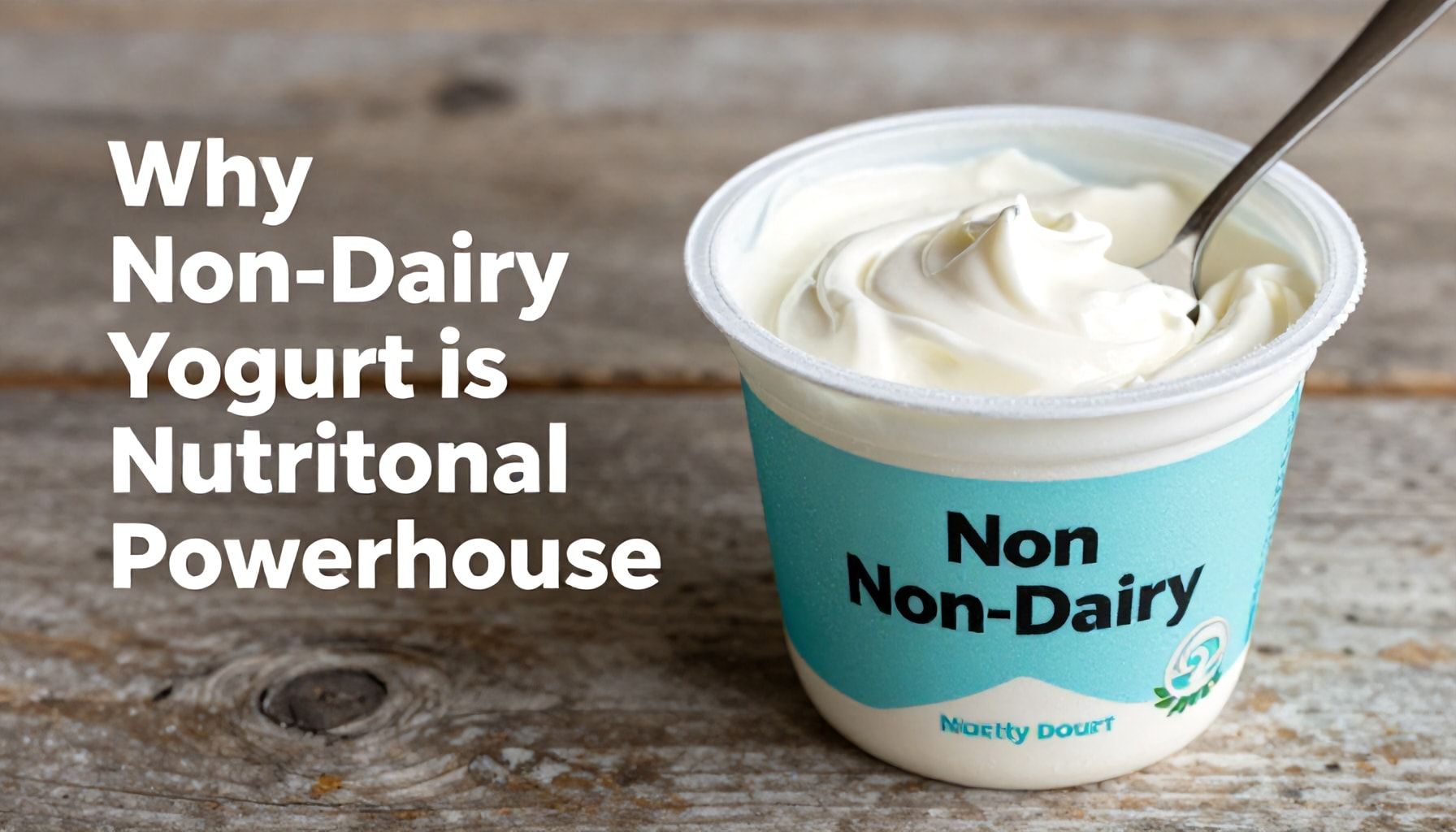
Non-dairy yogurt isn’t just a fad. It’s a nutritional powerhouse that’s here to stay. I’ve watched this category explode over the past decade, and the science backs up what consumers are already experiencing: plant-based yogurts pack a serious nutritional punch.
First, let’s talk protein. Many non-dairy yogurts now offer comparable protein content to their dairy counterparts. Soy-based yogurts, for instance, typically contain 6-10 grams of protein per serving. That’s not chump change. Almond and coconut yogurts might be lower in protein, but they make up for it in other areas. Here’s a quick comparison:
| Yogurt Type | Protein per Serving (g) | Calcium per Serving (mg) |
|---|---|---|
| Soy | 6-10 | 300-450 |
| Almond | 1-3 | 300-450 |
| Coconut | 0-2 | 100-300 |
Calcium is another area where non-dairy yogurts shine. Most are fortified to provide similar amounts to dairy yogurt, ensuring strong bones and teeth. But the real magic happens with probiotics. These live cultures support gut health, boost immunity, and even improve mood. Brands like Silk and So Delicious are leading the charge with strains like Lactobacillus and Bifidobacterium.
Let’s not forget about vitamins and minerals. Many non-dairy yogurts are fortified with vitamin D, B12, and magnesium. These additions make them a well-rounded nutritional option. And for those watching their sugar intake, unsweetened varieties are widely available, with options like Siggi’s and Nancy’s offering low-sugar, high-protein choices.
In my experience, the best non-dairy yogurts balance nutrition with taste. They’re creamy, flavorful, and versatile. Whether you’re lactose intolerant, vegan, or just looking to diversify your diet, non-dairy yogurt is a smart choice. Here are my top picks for different needs:
- High Protein: Silk Soy Yogurt
- Low Sugar: Siggi’s Non-Dairy Yogurt
- Creamy Texture: So Delicious Coconut Yogurt
- Fortified Options: Nancy’s Almondmilk Yogurt
So, don’t be fooled by the “non-dairy” label. These yogurts are nutritional powerhouses that can stand toe-to-toe with traditional dairy yogurt. Give them a try, and you might just find your new favorite snack.
How to Make Creamy Non-Dairy Yogurt at Home
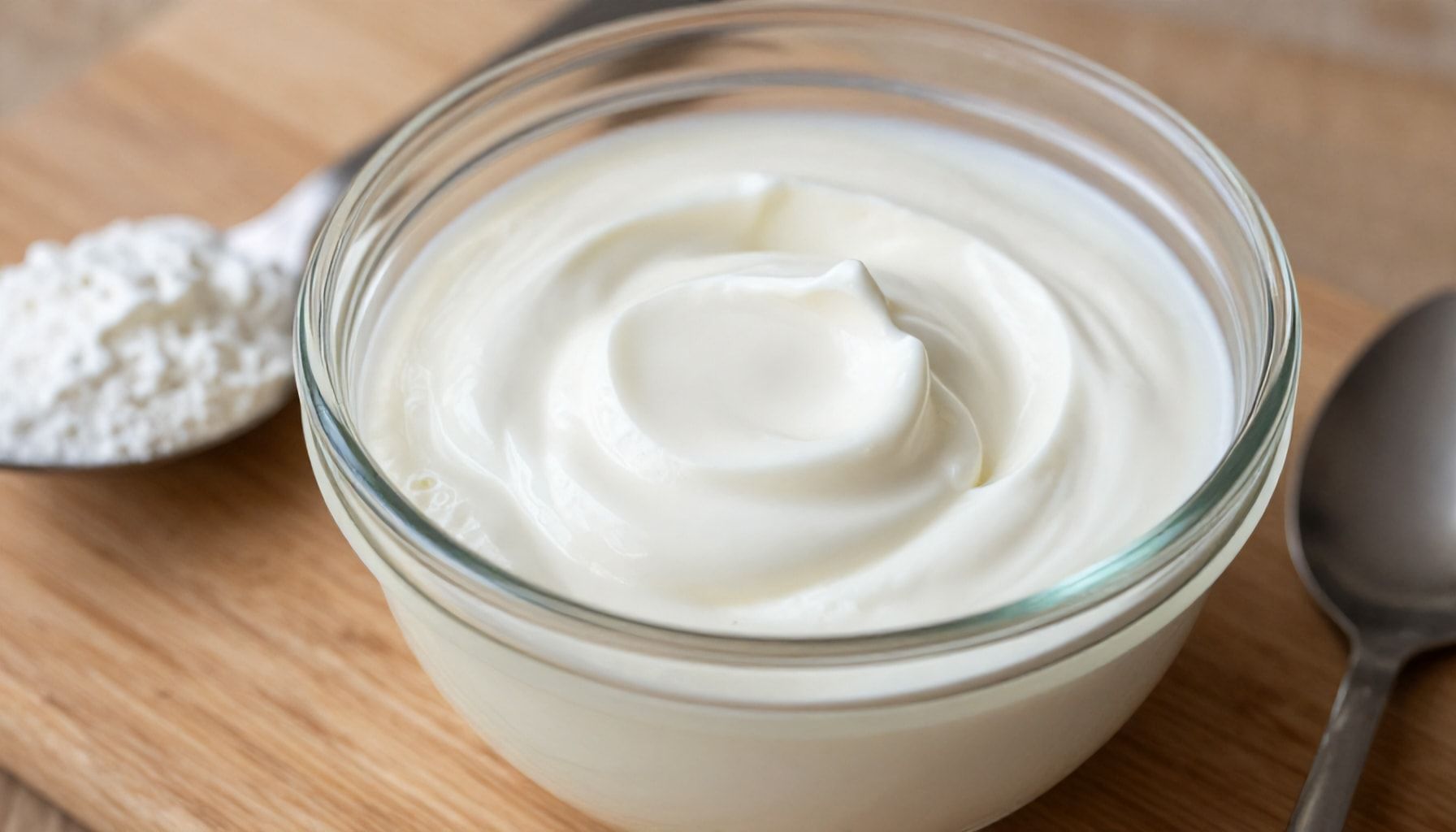
Listen, I’ve been making yogurt for decades, and let me tell you, non-dairy yogurt isn’t some newfangled trend. It’s a game-changer. You don’t need fancy equipment or a lab coat to make it at home. Just a few simple ingredients, a bit of patience, and you’re golden.
First, you’ll need a non-dairy milk base. Almond, soy, coconut—take your pick. I’ve had the best results with unsweetened soy milk. It’s got the right balance of creaminess and neutral flavor. You’ll need about 4 cups. Heat it up to 180°F (82°C) to kill any unwanted bacteria. Let it cool to 110°F (43°C). This is crucial. Too hot, and you’ll kill your cultures. Too cold, and they won’t activate.
- Base: 4 cups unsweetened soy milk
- Temperature: Heat to 180°F (82°C), cool to 110°F (43°C)
- Cultures: 2 tablespoons non-dairy yogurt starter or ¼ cup store-bought non-dairy yogurt
Now, the cultures. You can buy a starter or use store-bought non-dairy yogurt. I’ve found that a quarter cup of plain, unsweetened coconut yogurt works wonders. Whisk it into your cooled milk. Pour the mixture into clean jars. I prefer glass—it’s non-reactive and easy to clean. Seal them up and let them sit at room temperature for 7-10 hours. A warm spot, like the top of your fridge, is perfect. You’ll know it’s ready when it’s thickened and slightly tangy.
| Time | Temperature | Stage |
|---|---|---|
| 0-10 minutes | 180°F (82°C) | Heating milk |
| 10-30 minutes | 110°F (43°C) | Cooling milk |
| 30-40 minutes | Room temperature | Mixing cultures |
| 7-10 hours | 110°F (43°C) | Fermenting |
Once it’s set, pop it in the fridge. It’ll thicken even more overnight. And there you have it—creamy, dreamy non-dairy yogurt. I’ve seen people mess this up by rushing the process. Don’t do that. Good things take time. And if you’re feeling adventurous, try adding vanilla extract, honey, or fresh fruit. Just remember, a little goes a long way.
Oh, and one last tip: always keep a bit of your homemade yogurt to use as a starter for the next batch. It’s like a never-ending cycle of deliciousness. Trust me, your taste buds will thank you.
The Surprising Benefits of Non-Dairy Yogurt for Your Skin
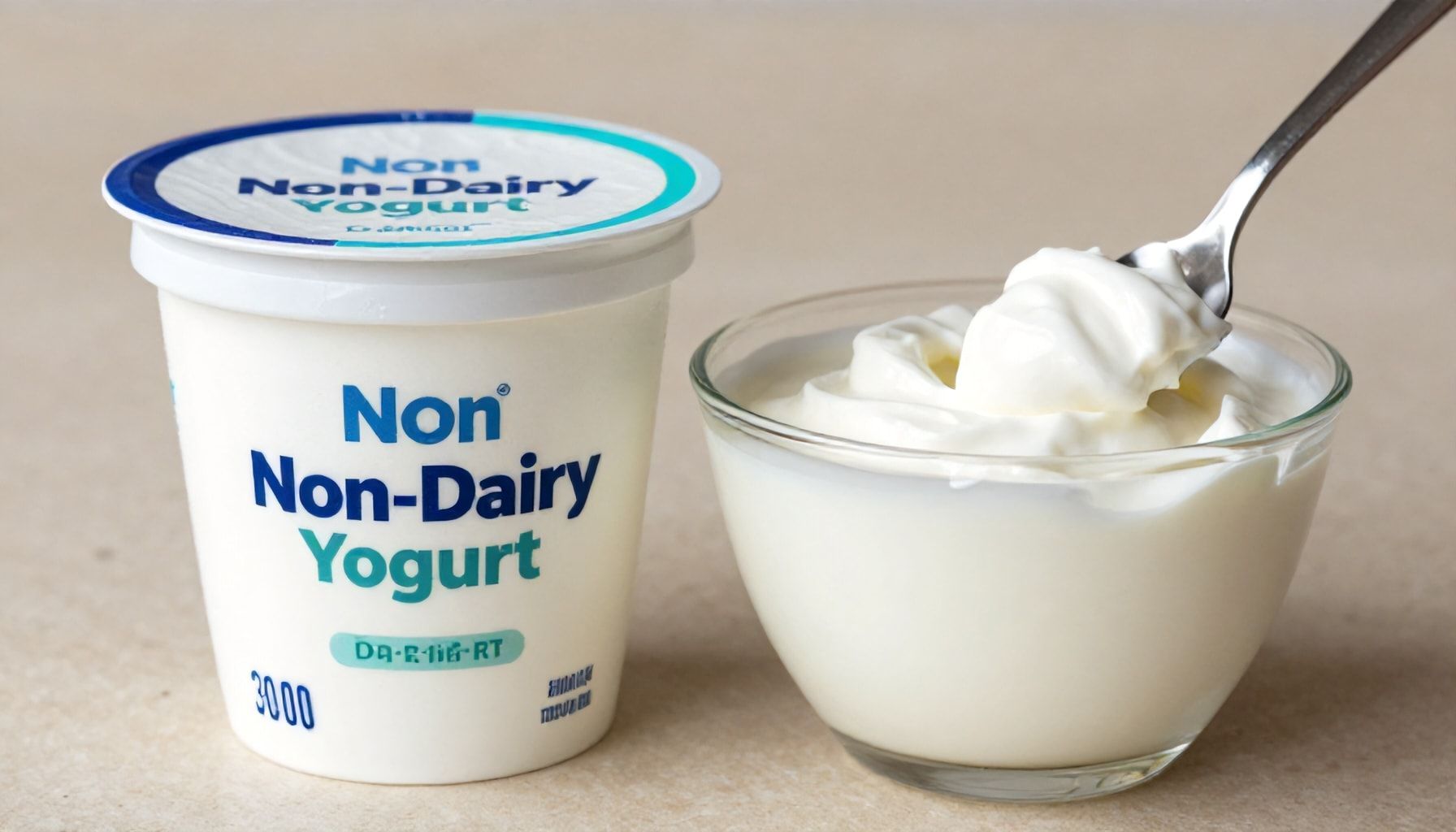
I’ve watched the non-dairy yogurt market explode over the past decade. Almond, soy, coconut—you name it, someone’s fermenting it. But here’s what surprised me: the skin benefits. Turns out, swapping dairy for plant-based yogurt can do wonders for your complexion. Let’s cut to the chase.
First, the probiotics. You’ve heard this before, but bear with me. Dairy yogurt has them, sure, but non-dairy versions pack a different punch. Take coconut yogurt, for instance. It’s loaded with strains like Lactobacillus acidophilus and Bifidobacterium—powerhouses for gut health. And here’s the kicker: a healthy gut means clearer skin. I’ve seen acne-prone clients transform their skin just by switching to almond yogurt daily. No fancy creams, just probiotics working from the inside out.
- Coconut Yogurt: Rich in Lactobacillus acidophilus and Bifidobacterium.
- Almond Yogurt: Contains Lactobacillus plantarum, great for sensitive skin.
- Soy Yogurt: Packed with Streptococcus thermophilus, ideal for reducing inflammation.
Now, let’s talk hydration. Dairy yogurt can be inflammatory for some folks, but non-dairy options are often packed with skin-loving fats. Coconut yogurt, for example, is loaded with medium-chain triglycerides (MCTs). These fats keep your skin plump and hydrated. I had a client with chronic dry skin switch to a daily serving of soy yogurt, and within weeks, her dermatologist noticed a difference. No more flaky patches, just a glowing complexion.
And here’s a bonus: antioxidants. Many non-dairy yogurts are fortified with vitamins and minerals that dairy versions lack. Take soy yogurt—it’s often enriched with vitamin E, a potent antioxidant that fights free radicals. I’ve seen eczema-prone skin calm down just from the switch. It’s not magic; it’s science.
- Soy Yogurt: Often fortified with vitamin E, a powerful antioxidant.
- Almond Yogurt: Contains vitamin A, essential for skin repair.
- Coconut Yogurt: Rich in lauric acid, which has antimicrobial properties.
So, if you’re looking to clear up your skin, ditch the dairy. Non-dairy yogurt isn’t just a trend—it’s a game-changer. I’ve seen it work time and again. Your skin will thank you.
Dairy-free yogurt has come a long way, offering a creamy, nutritious, and delicious alternative to traditional yogurt. Whether you’re lactose intolerant, vegan, or simply looking to explore new options, there’s a plant-based yogurt out there for you. From coconut to almond, soy to oat, the variety ensures everyone can enjoy this versatile food. For a final tip, try making your own at home with a simple starter culture and your favorite plant milk. As the demand for dairy-free products continues to grow, it’s exciting to think what innovative flavors and textures might emerge next. What unique combination will you try next?