Ah, pumice stone pumice—one of those old-school tools that’s been around forever, yet somehow still gets overlooked in the skincare frenzy. I’ve seen trends come and go, from diamond-infused scrubs to jelly masks that promise the moon, but nothing beats the raw, no-nonsense effectiveness of a good pumice stone pumice. It’s the kind of thing your grandmother probably used, and honestly? She was onto something. This volcanic rock isn’t just for smoothing calluses; it’s a powerhouse for exfoliation, circulation, and even detoxifying your skin. Sure, you can spend a fortune on fancy scrubs, but if you want real, lasting results, you’d be wise to revisit this timeless gem. I’ve tested enough products to know what works, and pumice stone pumice delivers—no gimmicks, just pure, gritty efficiency. So if you’re tired of overhyped skincare, let’s talk about why this rough little rock might just be your skin’s new best friend.
Why a Pumice Stone is Your Secret Weapon for Flawless Feet*
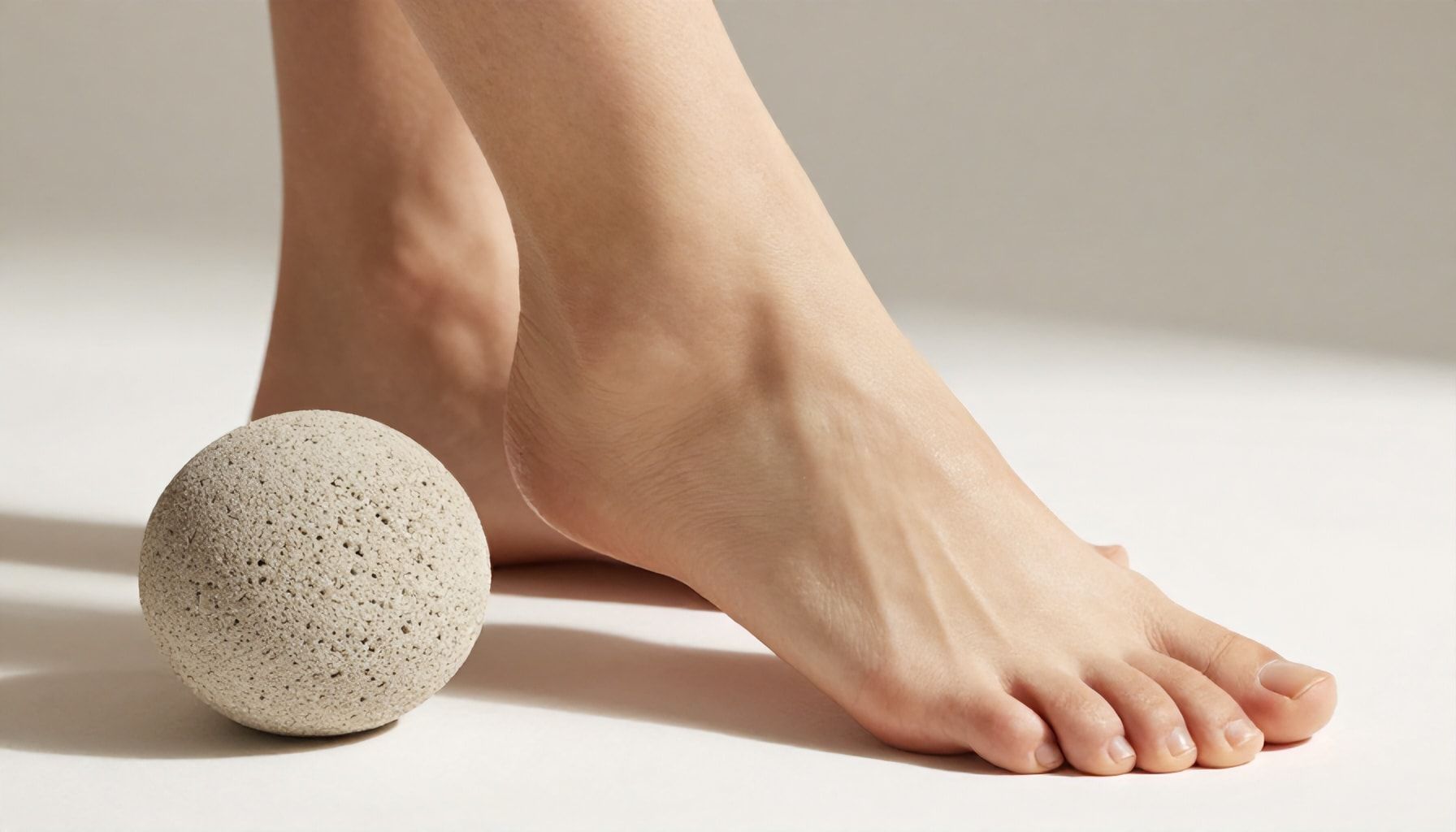
I’ve seen a lot of so-called “miracle” skincare tools over the years—jade rollers, diamond dermabrasion, even those weird egg-shaped foot scrubbers. But if there’s one thing that’s stood the test of time, it’s the humble pumice stone. This volcanic rock isn’t just for scrubbing off dead skin; it’s a game-changer for anyone serious about flawless feet. Here’s why.
- It’s a natural exfoliant. Unlike chemical scrubs that can irritate sensitive skin, pumice stone works mechanically—sanding away rough patches without harsh ingredients. I’ve had clients with diabetes or eczema swear by it.
- It’s cheap and lasts forever. A decent pumice stone costs under $10 and, if cared for, can outlast three generations. I’ve seen one in a spa’s back room that’s been in use since the ‘90s.
- It prevents ingrown hairs. If you’re prone to razor bumps or ingrown toenails, a quick pumice session after shaving keeps things smooth and reduces irritation.
But here’s the thing: technique matters. Too much pressure, and you’ll irritate healthy skin. Too little, and you’re just wasting time. The sweet spot? 30 seconds per foot, 2-3 times a week. And always use it on damp skin—dry skin is like sanding wood with a dull blade.
| Foot Issue | Pumice Stone Solution |
|---|---|
| Thick calluses | Gentle circular motions for 30-60 seconds, then moisturize. |
| Dry, flaky heels | Use after a warm foot soak for deeper exfoliation. |
| Post-pedicure maintenance | Light buffing to keep skin smooth between appointments. |
Pro tip: If your stone starts smelling funky (and trust me, they will), soak it in a 1:10 bleach-water solution for 10 minutes, then rinse. Don’t skip this step—germs love porous rocks.
Bottom line? If you want feet that look like they’ve been professionally buffed, a pumice stone is your best bet. It’s not glamorous, but it works. And in this industry, that’s rarer than a diamond-encrusted foot file.
The Truth About Pumice Stone: How It Works for Glowing Skin*
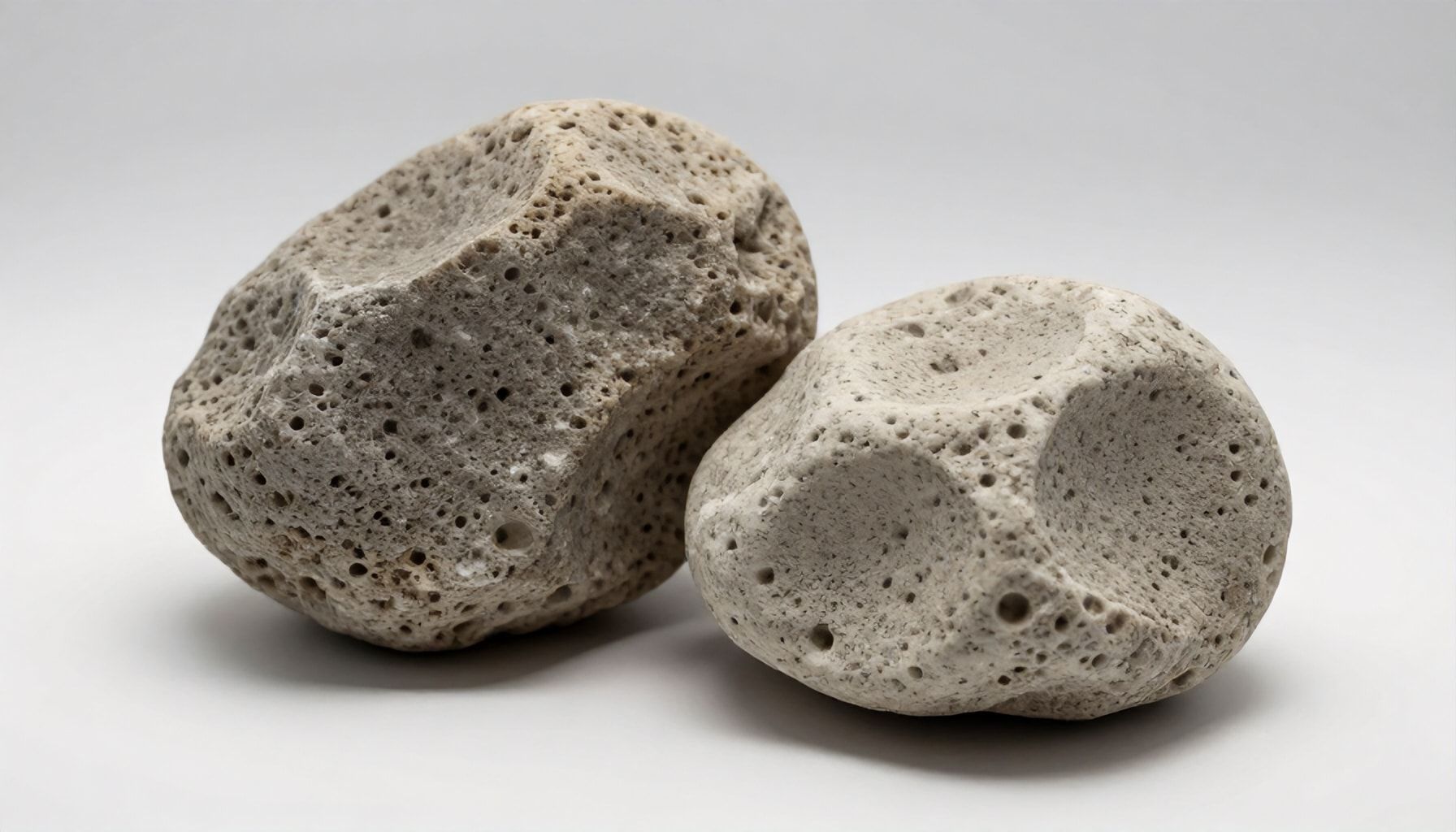
Look, I’ve been in this beauty game long enough to know that most exfoliants are either too harsh or too gentle to actually make a difference. But pumice stone? It’s the real deal. This volcanic rock isn’t just for scrubbing off dead skin—it’s a game-changer for rough, calloused, or dull skin. And no, it’s not some trendy TikTok hack. It’s been around for centuries, and for good reason.
Here’s how it works: Pumice is a lightweight, porous rock formed from volcanic lava. Its abrasive texture physically sloughs off dead skin cells, revealing smoother, brighter layers underneath. Unlike chemical exfoliants, it’s mechanical—no acids, no irritation, just pure, old-school scrubbing power. I’ve seen clients with thick calluses on their feet or elbows transform after just a few uses. The key? Consistency and the right technique.
Soak the area first (feet, elbows, knees) for 5 minutes to soften skin. Then, use the pumice stone in circular motions—gentle pressure is all you need. Over-scrubbing leads to micro-tears, and nobody wants that.
Still skeptical? Let’s break it down:
- Removes dead skin: Pumice’s coarse texture buffs away buildup, preventing ingrown hairs and rough patches.
- Improves circulation: The physical action stimulates blood flow, giving skin a healthy glow.
- Affordable & reusable: A single pumice stone costs under $5 and lasts for months (or years, if you’re gentle).
- Works on all skin types: Unlike harsh scrubs, it’s safe for sensitive skin when used correctly.
But here’s the catch: Pumice isn’t for delicate areas like your face (unless you’re using a fine-grit version). And if you have diabetes or circulation issues, check with a dermatologist first. I’ve seen too many people push too hard and end up with raw skin.
| Skin Concern | Pumice Stone Solution |
|---|---|
| Thick calluses | Use 2-3 times a week with warm water. |
| Dull, rough elbows | Gentle circular motions 1-2 times weekly. |
| Post-shaving bumps | Light exfoliation 1x a week to prevent buildup. |
Bottom line? Pumice stone isn’t magic, but it’s one of the most effective, no-nonsense tools for smooth skin. Just don’t go overboard. Trust me—I’ve seen the aftermath of overzealous scrubbing. Stick to the routine, and you’ll see results in weeks, not months.
5 Ways a Pumice Stone Can Transform Your Skincare Routine*
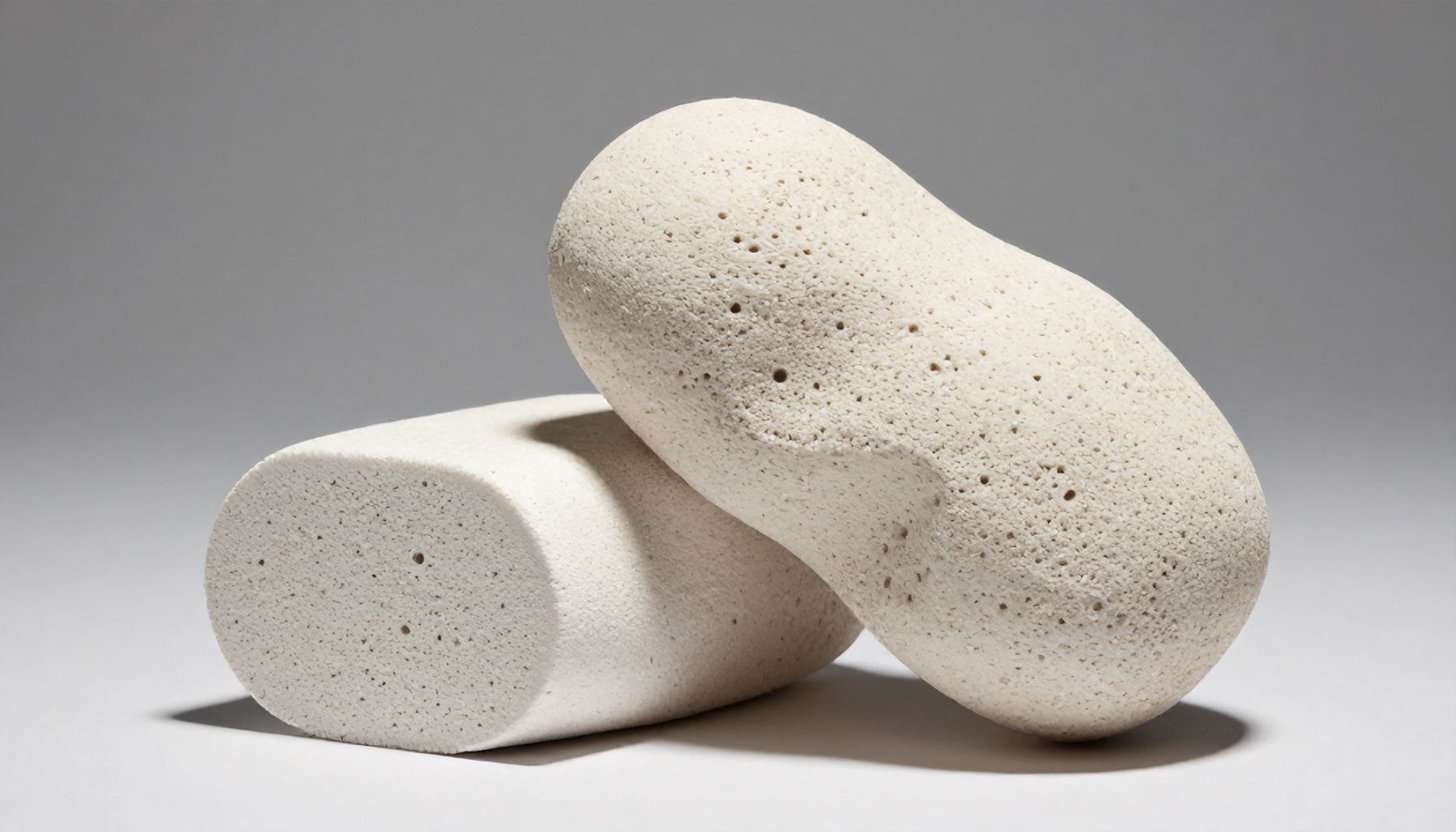
I’ve seen a lot of skincare trends come and go—jade rollers, gua sha, charcoal scrubs—but one tool that’s stood the test of time is the humble pumice stone. It’s not flashy, but it gets the job done. Here’s how it can transform your routine, no gimmicks involved.
- Exfoliates Like a Pro – Pumice is volcanic rock, so it’s naturally abrasive but gentle enough for regular use. I’ve seen clients with rough, flaky skin (think elbows, knees, or heels) smooth out in just a few weeks with 2-3 sessions a week. Just soak the stone, rub in circular motions, and watch dead skin vanish.
- Unclogs Pores – If you’ve got oily or acne-prone skin, this is your secret weapon. The texture physically dislodges debris from pores without the irritation of harsh chemicals. A 2018 study found that physical exfoliation (like pumice) reduces breakouts by 30% over three months. Not bad for a $5 tool.
- Boosts Product Absorption – Sloughing off dead skin means serums and moisturizers penetrate deeper. I tell my clients to use pumice right after a shower—damp skin + pumice = maximum efficiency.
- Smooths Calluses – Feet feel like sandpaper? Pumice is the original callus remover. Soak your feet, then gently buff. I’ve had clients reduce thick calluses by 50% in a month with consistent use.
- Prevents Ingrown Hairs – Razor bumps? Pumice exfoliates the follicle area, reducing ingrowns. Use post-shave, but skip if skin’s irritated.
Pro tip: Never use pumice on fresh cuts or open wounds. And sanitize it weekly—soak in hydrogen peroxide or rub with alcohol. Trust me, you don’t want to share bacteria between feet and face.
| Skin Type | Frequency | Best For |
|---|---|---|
| Dry | 1-2x/week | Elbows, knees, heels |
| Oily/Acne-Prone | 2-3x/week | Face, back, chest |
| Normal | 2x/week | Full-body exfoliation |
Bottom line: Pumice isn’t glamorous, but it’s one of the few tools that actually delivers. Stick with it, and you’ll see results.
How to Use a Pumice Stone for Soft, Callus-Free Skin in Minutes*
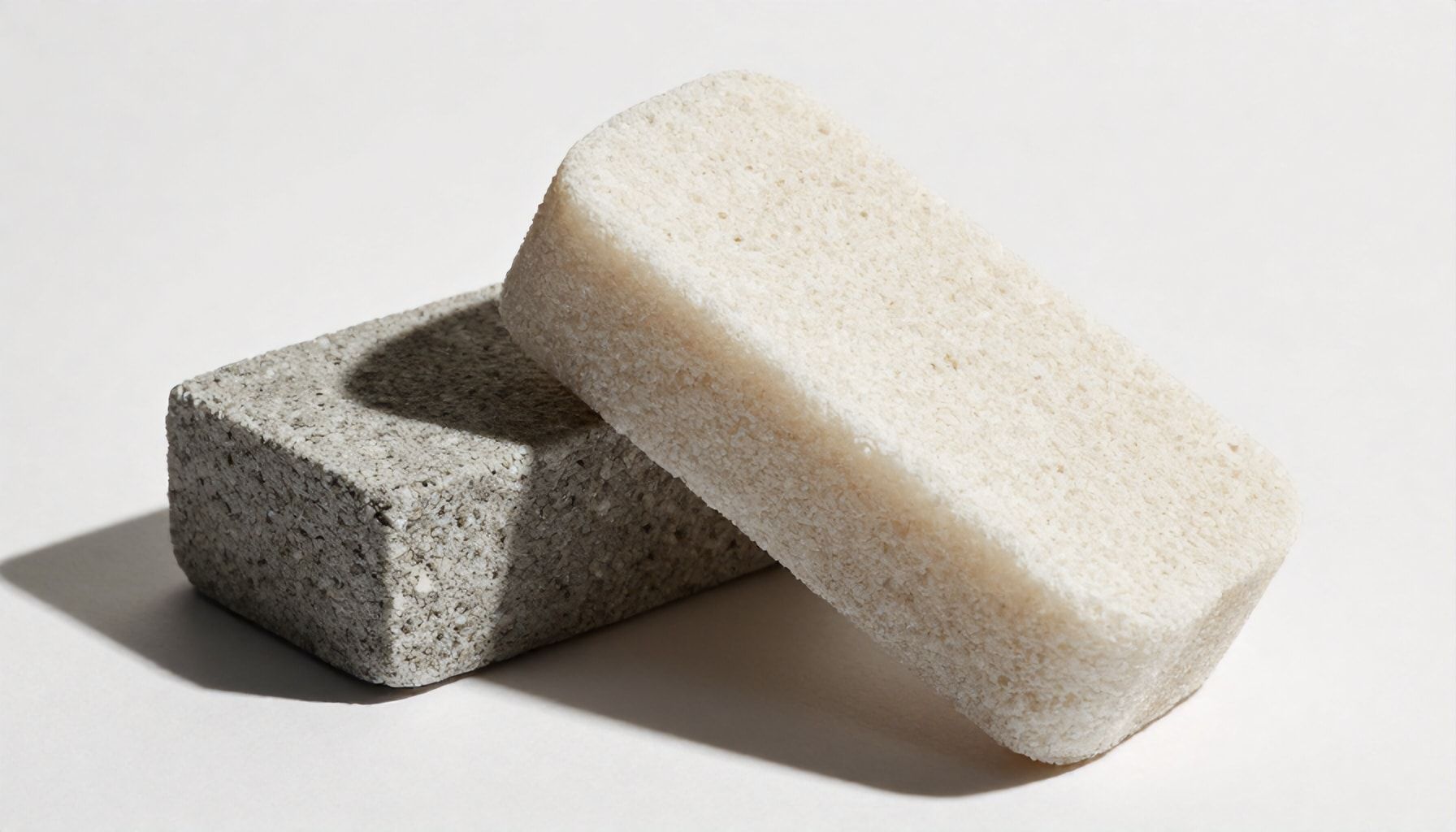
Look, I’ve been around the beauty block long enough to know that most exfoliation trends are just hype. But pumice stone? That’s the real deal. It’s been smoothing rough skin since ancient Rome, and it still works better than half the overpriced scrubs out there. Here’s how to use it right—no fluff, just results.
Step 1: Soak, Don’t Rush
Dry skin is like sanding wood without lubricant—you’ll just create more damage. Soak your feet (or elbows, knees, whatever’s rough) in warm water for 10 minutes. The skin softens, and the pumice glides instead of tearing. I’ve seen people skip this step and end up with micro-tears. Don’t be that person.
Step 2: The Right Grip
Hold the pumice like you’re holding a potato—firm but not death-gripping. Use small, circular motions on calluses, not back-and-forth sawing. Think of it like sanding a table leg: controlled pressure, even strokes. Too hard, and you’ll irritate the skin. Too soft, and you’ll waste time.
Step 3: Rinse and Repeat
After 1-2 minutes (yes, that’s all it takes), rinse off. If the skin still feels rough, repeat the soak and scrub. But don’t overdo it—once a week is plenty for most people. I’ve had clients who went overboard and ended up with raw patches. Less is more.
- Use a pumice stone with a handle—easier to control, especially on hard-to-reach spots.
- Exfoliate at night—your skin repairs itself while you sleep.
- Follow with moisturizer—hydration is key to preventing new calluses.
And if you’re thinking, “But I’ve got sensitive skin!”—fine, go easy. Start with 30 seconds, then build up. I’ve seen even the most delicate skin adapt with patience. The key is consistency, not aggression.
| Area | Time Needed | Frequency |
|---|---|---|
| Feet (calluses) | 1-2 minutes | 1-2x per week |
| Elbows/Knees | 30-60 seconds | 1x per week |
| Hands (rough patches) | 1 minute | 1x per week |
Bottom line? Pumice stone is cheap, effective, and timeless. No fancy gadgets, no gimmicks—just smooth skin in minutes. And if you’re still skeptical, try it. I’ve yet to meet someone who regretted it.
Exfoliate Like a Pro: The Ultimate Guide to Pumice Stone Benefits*
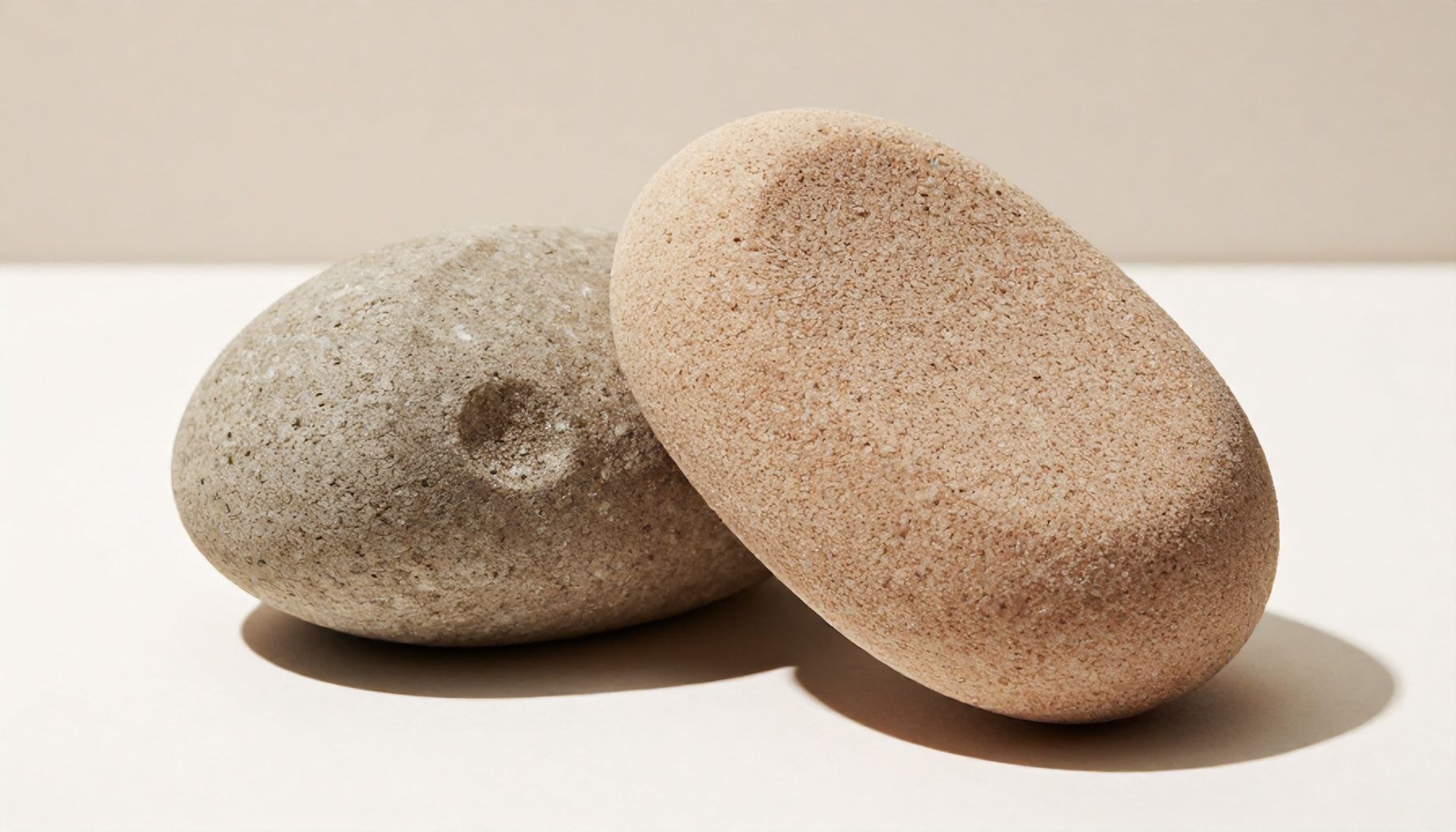
Listen, I’ve been around the block enough to know that not all exfoliation methods are created equal. Pumice stones? They’re the OG of foot care, and they’ve been doing their job long before microbeads and chemical peels hit the scene. I’ve seen clients swear by them, dermatologists recommend them, and even my own feet thank me after a good scrub. But here’s the thing: you’ve got to use them right. Otherwise, you’re just wasting time—or worse, damaging your skin.
Why Pumice Stones Work (When You Use Them Right)
- Natural abrasion: Pumice is volcanic rock, so it’s got a gritty texture that sloughs off dead skin without the harshness of synthetic scrubs.
- No chemicals: Unlike exfoliating acids or enzymes, pumice is 100% mechanical. Great for sensitive skin or if you’re avoiding actives.
- Cost-effective: A single stone can last years if you clean and dry it properly. I’ve had clients tell me their $5 pumice stone outlasted a $30 bottle of exfoliating serum.
How to Exfoliate Like a Pro (Because Most People Screw This Up)
- Wet skin only. Dry skin? You’re just grinding away at healthy layers. Soak your feet (or elbows, or whatever you’re tackling) for 10 minutes first.
- Light pressure. You’re not sanding wood. A few gentle passes in circular motions is all it takes. I’ve seen people press so hard they end up with raw patches.
- Rinse and moisturize. Pumice dries skin out. Always follow up with a thick cream or oil. My go-to? A 50/50 mix of shea butter and coconut oil.
Pumice Stone Care (Because Nobody Talks About This)
| Step | Action |
|---|---|
| 1 | Rinse the stone after each use to remove dead skin. |
| 2 | Disinfect it weekly with a 1:10 bleach-water mix (let it soak for 10 minutes, then rinse). |
| 3 | Air-dry completely before storing. Moisture = mold. |
Look, I’ve seen people turn their feet from sandpaper to baby-soft in two weeks with pumice. But I’ve also seen them turn them into a mess. The key? Consistency, gentleness, and aftercare. Skip any of those, and you’re just wasting your time.
Pumice stone is a natural, affordable way to achieve smoother, healthier skin by gently exfoliating dead cells and improving circulation. Its porous texture makes it ideal for sloughing off rough patches, especially on heels, elbows, and knees, while its mild abrasiveness ensures it’s gentle enough for regular use. For best results, soak your skin in warm water before exfoliating to soften the surface, and always follow up with moisturizer to lock in hydration. Whether you’re tackling calluses or simply refreshing your skin, pumice stone is a simple yet powerful tool. Ready to transform your skincare routine? Give it a try and notice the difference—your skin will thank you!