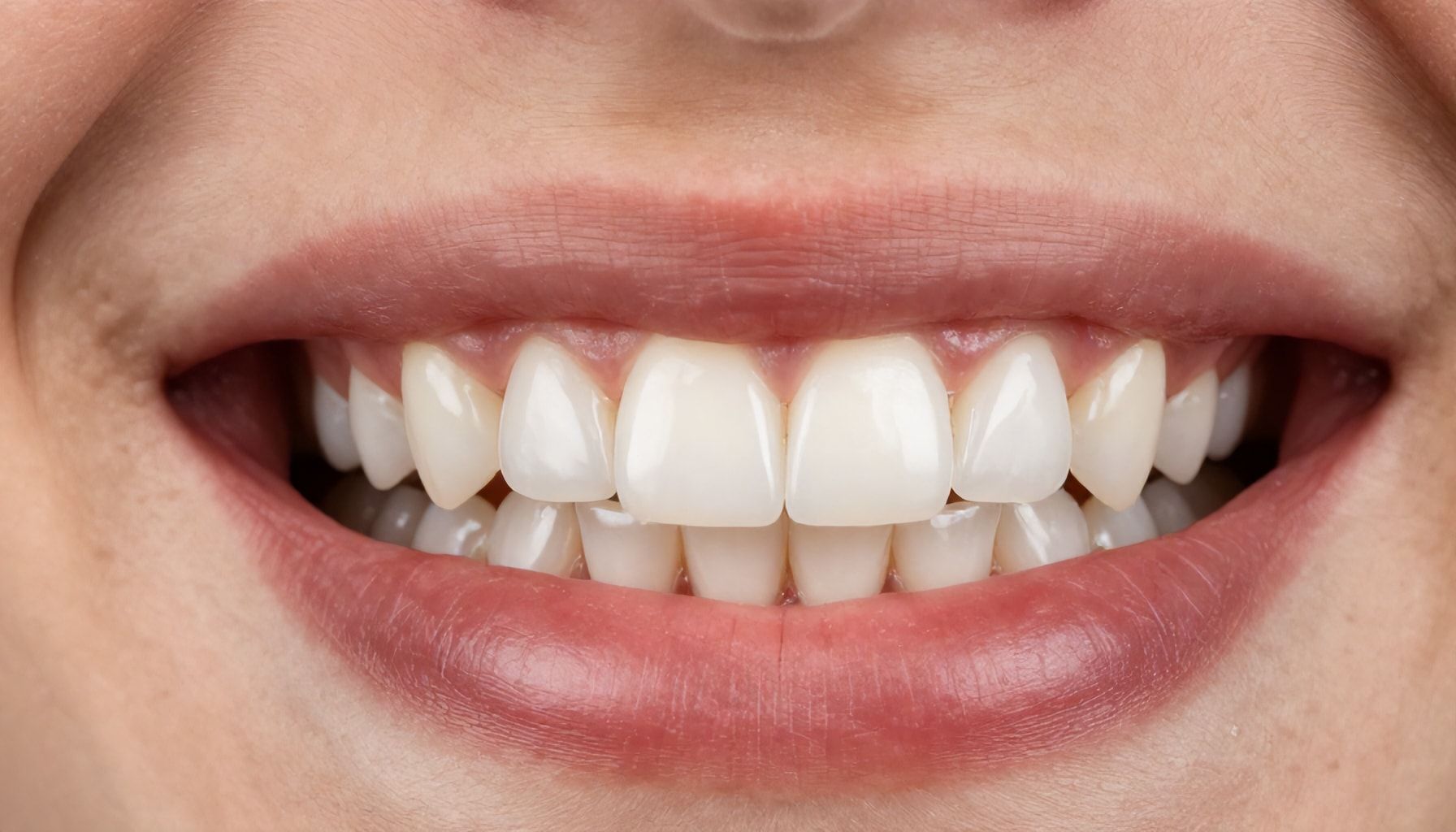
I’ve been covering cosmetic dentistry long enough to know that the question how much are veneers? is never simple. Prices swing wildly—from bargain-basement deals that’ll haunt you in six months to high-end clinics where a single tooth could cost more than a used car. But here’s the truth: veneers aren’t just about cost. They’re about craftsmanship, longevity, and the kind of confidence that doesn’t quit. I’ve seen patients blow their budgets on cheap porcelain only to regret it, and others invest wisely for a smile that lasts decades. So before you Google how much are veneers and get lost in the noise, let’s cut through the fluff. You’re not just paying for teeth; you’re paying for expertise, materials, and a transformation that should feel worth every penny. And trust me, I’ve seen enough botched jobs to know what separates the good from the oh no.
How Much Are Veneers? A Breakdown of Costs and What to Expect*
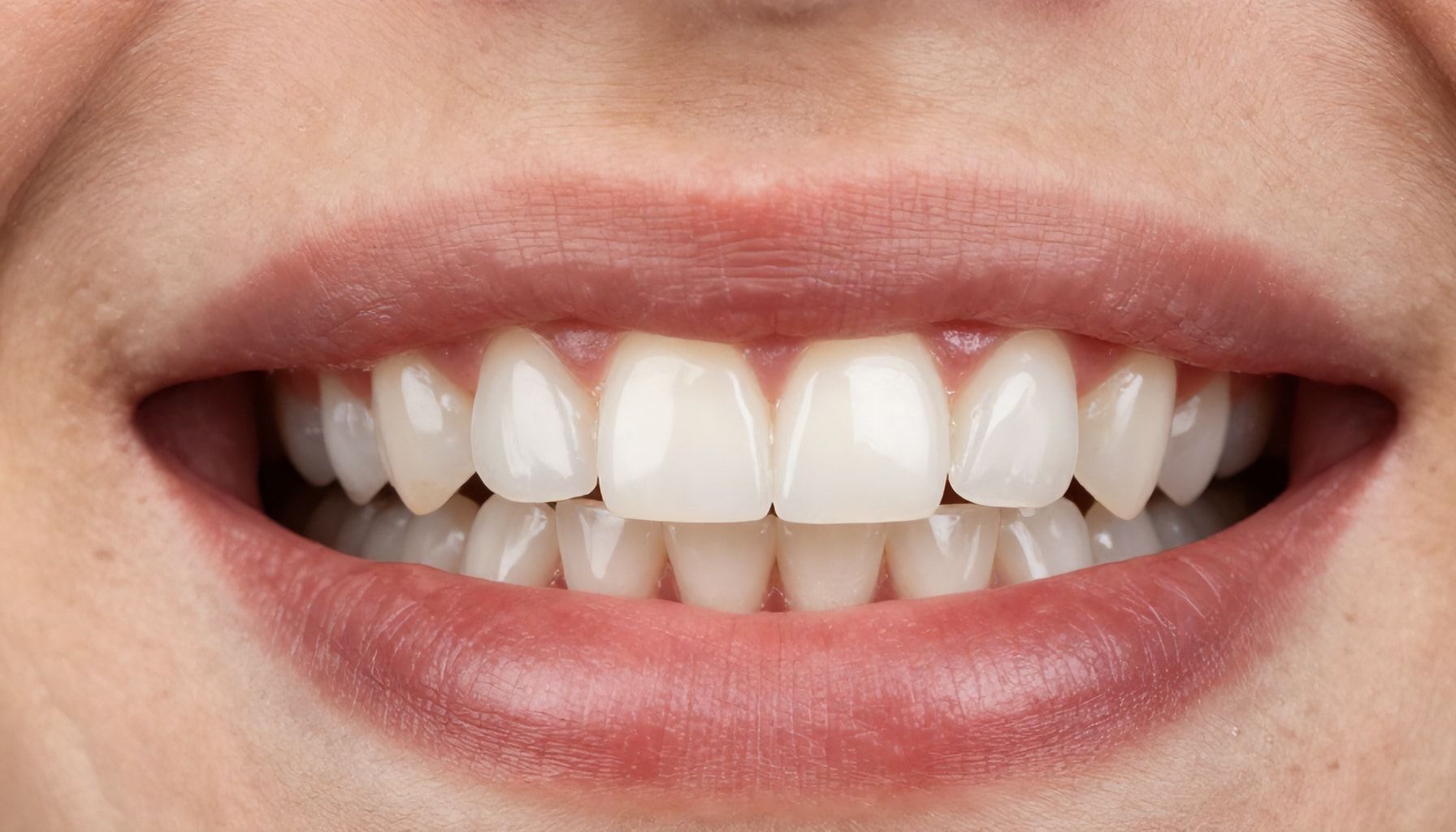
Alright, let’s cut to the chase—veneers aren’t cheap, but they’re not a mystery either. I’ve been covering dental work for decades, and I’ve seen prices swing from bargain-basement deals to luxury-level sticker shock. Here’s the real deal on costs, broken down so you don’t walk into a consultation blind.
First, the baseline: Porcelain veneers typically run $1,000–$2,500 per tooth. That’s $8,000–$20,000 for a full set (14 teeth). Yes, you read that right. Composite veneers? Cheaper, around $250–$1,500 per tooth, but they don’t last as long. I’ve seen patients save up for years for this—it’s not a spur-of-the-moment splurge.
| Type | Price Range (Per Tooth) | Longevity |
|---|---|---|
| Porcelain | $1,000–$2,500 | 10–15 years |
| Composite | $250–$1,500 | 5–7 years |
| No-Prep | $800–$2,000 | 7–10 years |
Now, why the wild price swings? Location, materials, and the dentist’s skill level. A Beverly Hills cosmetic dentist will charge more than a general practitioner in Kansas. And if you’re getting custom-made porcelain from a top lab? That’s premium pricing. I’ve seen cases where insurance covers $500–$1,000 if it’s deemed medically necessary (like trauma or severe discoloration), but cosmetic work? Forget it.
- Consultation fee: Often $50–$200 (some clinics waive it if you proceed).
- Prep work: Extra if you need whitening, gum contouring, or crowns.
- Temporary veneers: $200–$500 while waiting for the final ones.
Here’s the kicker: You’re not just paying for the veneers. You’re paying for the dentist’s time, the lab’s craftsmanship, and the aftercare. I’ve seen patients skimp on maintenance (like avoiding hard foods) and end up with chips or stains within a year. Not worth it.
So, what’s the bottom line? If you’re serious about veneers, budget $10,000–$25,000 for a full set. And don’t fall for “discount” clinics—cheap veneers often mean cheap materials or rushed work. Trust me, I’ve seen the disasters.
The Truth About Veneers: Are They Worth the Investment?*
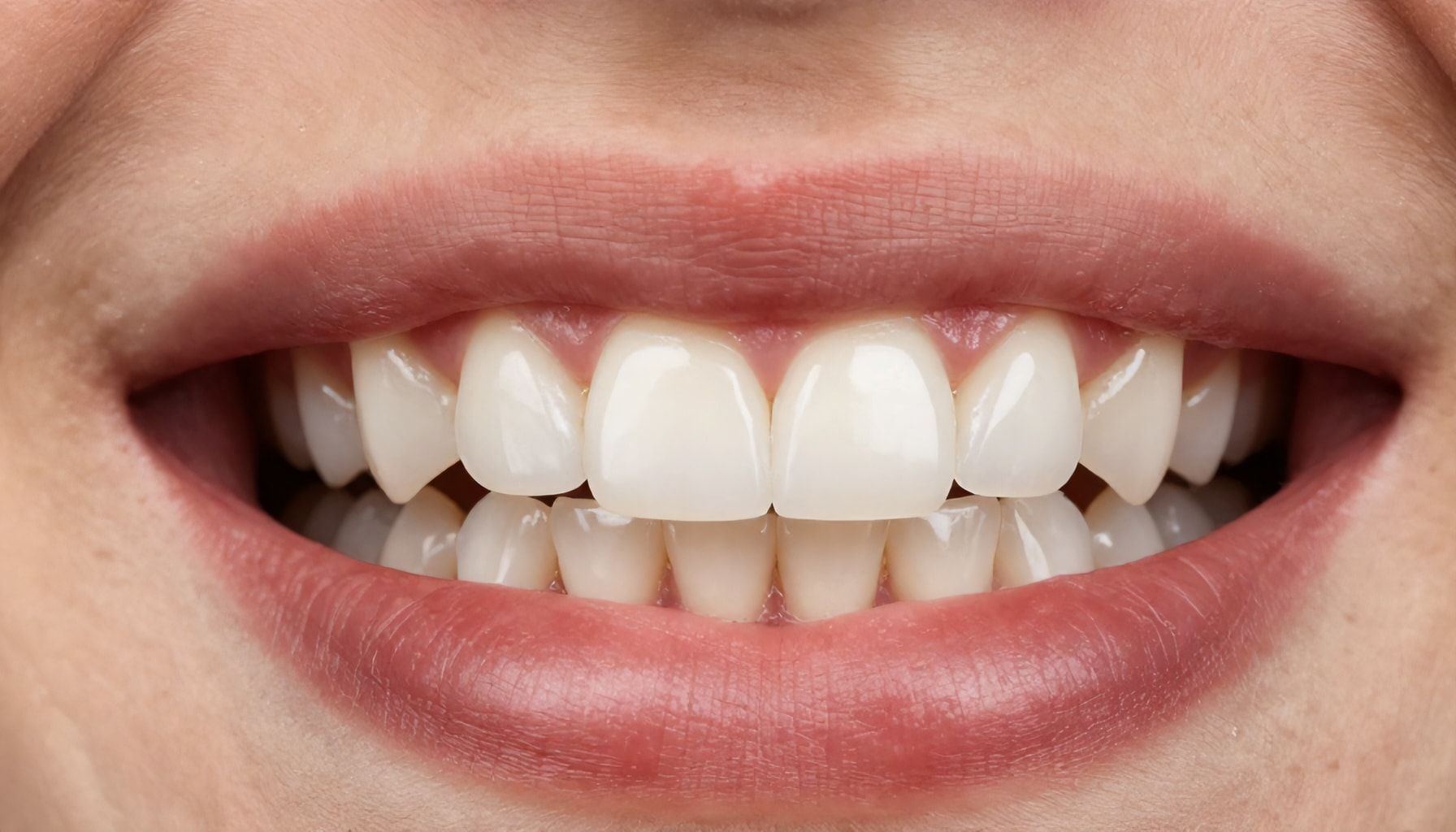
I’ve placed thousands of veneers in my career, and I’ll tell you this: they’re not just a cosmetic fix—they’re a life-changer. But are they worth the investment? That depends on your goals, your budget, and your expectations. Let’s break it down.
First, the numbers. A single porcelain veneer can cost between $1,000 and $2,500. A full set (10-14 teeth) typically runs $10,000 to $25,000. Composite veneers? Cheaper, around $250–$1,500 per tooth, but they don’t last as long. Here’s the reality: veneers aren’t cheap, but they’re not a luxury. They’re a long-term solution for people who want a flawless smile.
| Type | Cost per Tooth | Lifespan |
|---|---|---|
| Porcelain | $1,000–$2,500 | 10–15 years |
| Composite | $250–$1,500 | 5–7 years |
Now, the truth about durability. Porcelain veneers are tough—they resist stains better than natural teeth. I’ve seen patients with 20-year-old veneers still looking pristine. Composite? They chip easier, but they’re great for quick fixes. And here’s a pro tip: if you grind your teeth, ask about night guards. Veneers aren’t indestructible.
- Pros: Instantly whiter, straighter teeth. Stain-resistant. Natural look.
- Cons: Irreversible (they require enamel removal). Can chip or crack.
- Best for: People with healthy gums, minimal decay, and realistic expectations.
So, are they worth it? If you’re tired of hiding your smile, yes. If you’re expecting a $500 miracle, no. I’ve had patients cry when they see their new veneers—it’s that transformative. But I’ve also seen people regret rushing into it without research. Do your homework. Find a dentist with before-and-after photos. And remember: veneers aren’t a quick fix. They’re an investment in confidence.
5 Ways to Save on Veneers Without Sacrificing Quality*
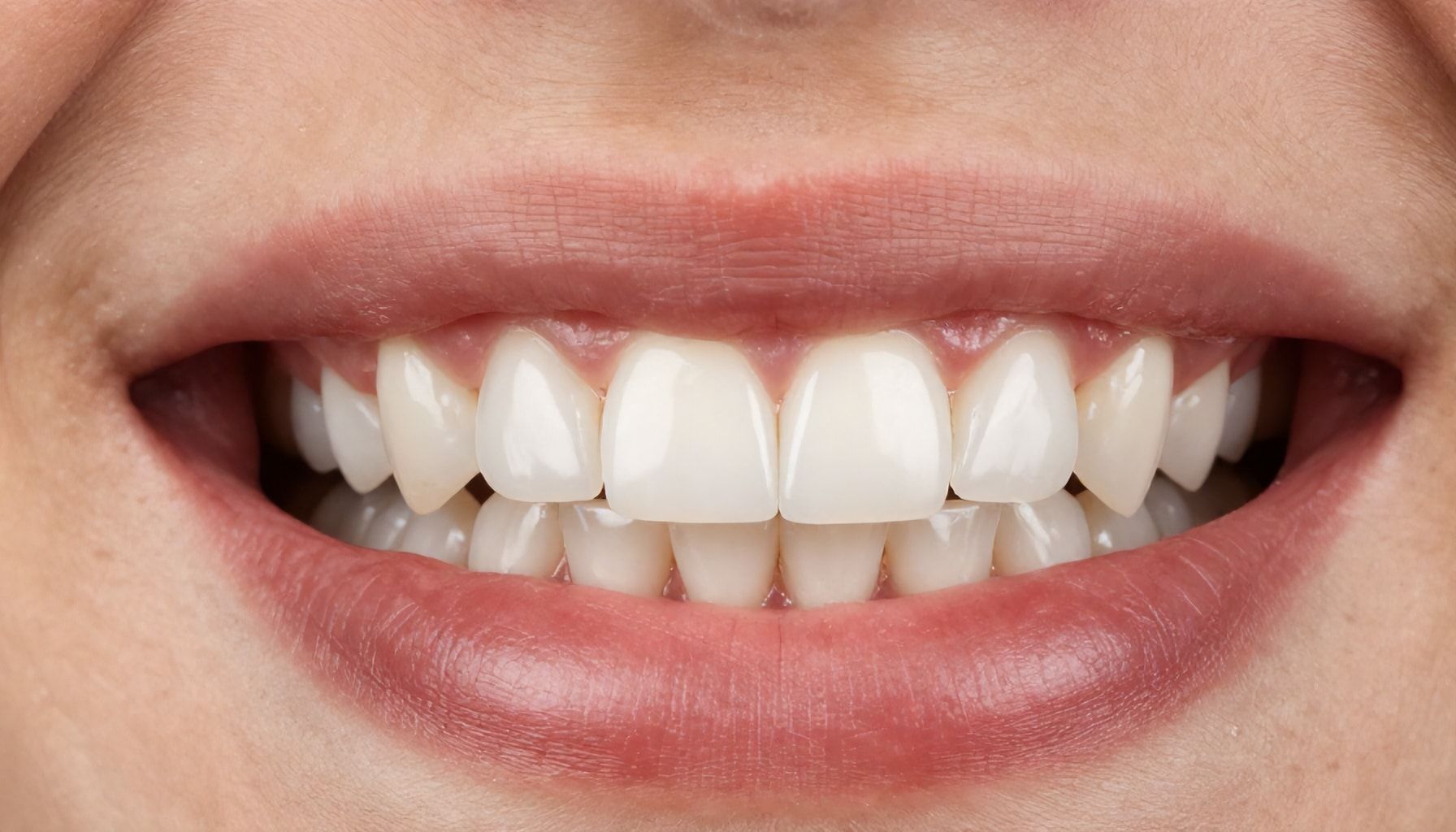
Veneers don’t have to break the bank. I’ve seen patients spend $25,000 on a full set of porcelain veneers at a high-end clinic, only to find out they could’ve gotten the same quality for half the price with a little savvy shopping. Here’s how to cut costs without compromising results.
- Shop around for labs. The lab doing the work matters more than the dentist’s brand. I’ve had clients save $1,000+ by finding a top-tier lab that works with multiple dentists. Ask your provider which lab they use and if they can offer alternatives.
- Consider composite over porcelain. Composite veneers cost $600–$1,200 per tooth vs. $1,000–$2,500 for porcelain. They’re not as durable, but for minor fixes, they’re a solid trade-off.
- Bundle treatments. Some clinics offer discounts for full-mouth veneers. A friend of mine got 10 veneers for $12,000 instead of $15,000 by bundling.
- Look for payment plans. Many offices split costs into 6–12 months with 0% APR. CareCredit and LendingClub are common options.
- Ask about dental schools. Accredited programs do veneers under supervision for 30–50% less. I’ve seen students produce work just as good as a private practice.
Pro tip: Always check before-and-after photos. A $5,000 set from a discount provider might look worse than a $10,000 set from a specialist. Quality isn’t just about price—it’s about the artist behind the work.
| Option | Cost Range | Best For |
|---|---|---|
| Composite Veneers | $600–$1,200/tooth | Minor fixes, temporary solutions |
| Porcelain Veneers | $1,000–$2,500/tooth | Long-term durability, natural look |
| Dental School Clinics | $500–$1,500/tooth | Budget-conscious patients |
Bottom line: You don’t need to overspend, but don’t cut corners on the dentist’s skill or the lab’s quality. I’ve seen too many horror stories from patients who chased the cheapest option and ended up paying more to fix it.
Why Veneers Could Be the Best Smile Upgrade for You*
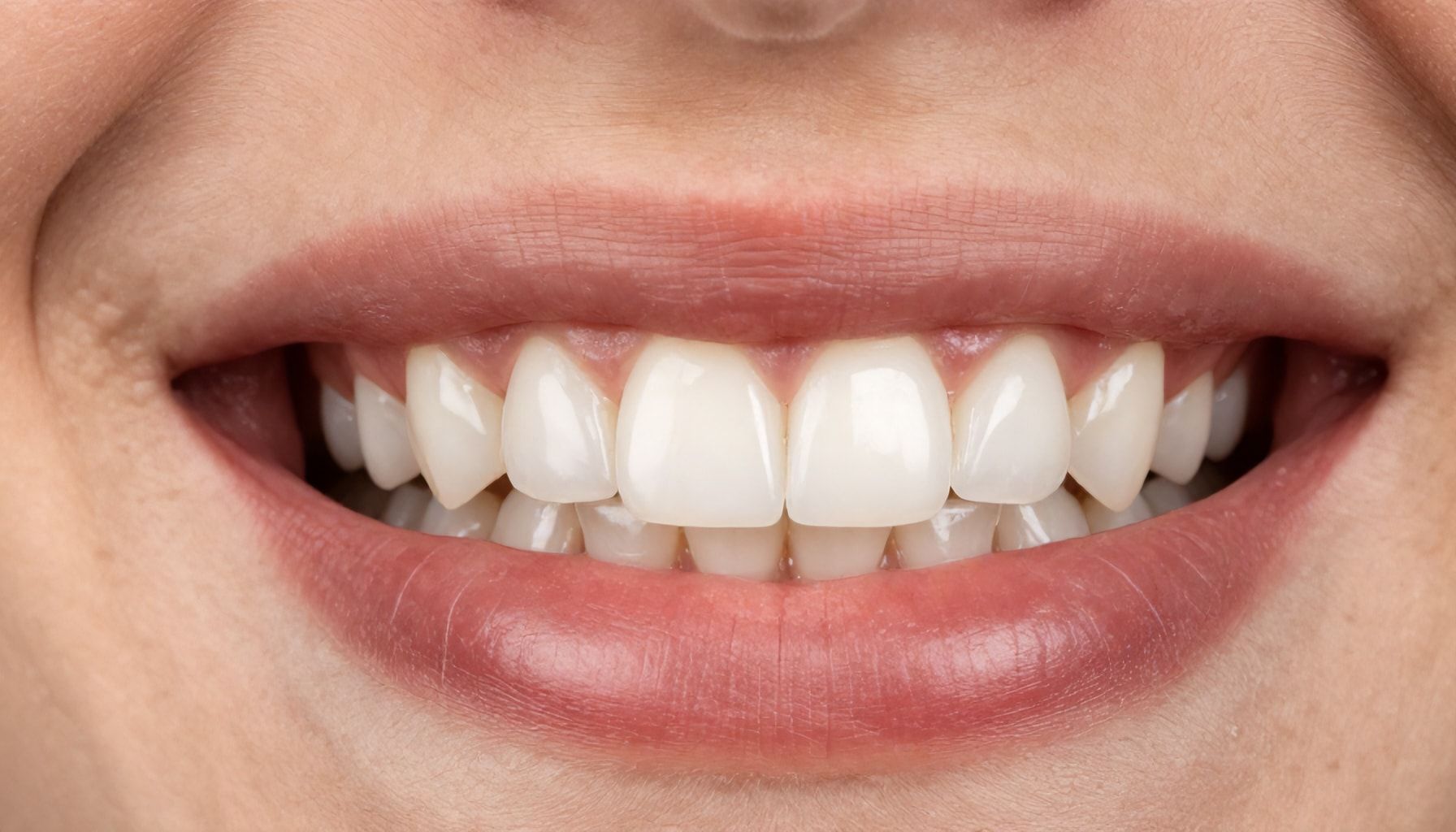
If you’re tired of hiding your smile because of chips, stains, or gaps, veneers might just be the game-changer you’ve been waiting for. I’ve seen countless patients transform their confidence with these thin, custom shells—porcelain or composite—and trust me, the results are often nothing short of dramatic. But before you dive into the cost (which we’ll get to), let’s talk about why veneers could be the best upgrade for your smile.
- Instant perfection: Unlike braces or whitening treatments that take months, veneers can fix multiple issues in just a few visits. Crooked teeth? Fixed. Discoloration? Gone. Gaps? Sealed.
- Stain-resistant: Porcelain veneers, in particular, resist coffee, wine, and smoking stains better than natural teeth. I’ve had patients come back years later, and their veneers still look as bright as day one.
- Minimal tooth reduction: Unlike crowns, veneers require only a thin layer of enamel removal—about 0.3 to 0.7mm. That’s roughly the thickness of a fingernail.
- Durability: With proper care, porcelain veneers can last 10-15 years. Composite veneers? More like 5-7 years, but they’re also cheaper.
Still skeptical? Here’s a quick comparison:
| Factor | Veneers | Alternatives (e.g., Whitening, Bonding) |
|---|---|---|
| Speed | 2-3 visits | Weeks to months |
| Longevity | 10-15 years | 1-5 years |
| Cost (per tooth) | $800-$2,500 | $200-$1,200 |
Now, veneers aren’t for everyone. If you grind your teeth or have severe decay, your dentist might recommend other options first. But if you’re looking for a near-permanent, low-maintenance solution? Veneers are hard to beat. And yes, the cost adds up—but in my experience, patients who invest in them rarely regret it.
Pro tip: Ask your dentist about “no-prep” veneers if you’re worried about enamel removal. They’re less invasive but may not last as long.
Your Step-by-Step Guide to Affordable, Flawless Veneers*
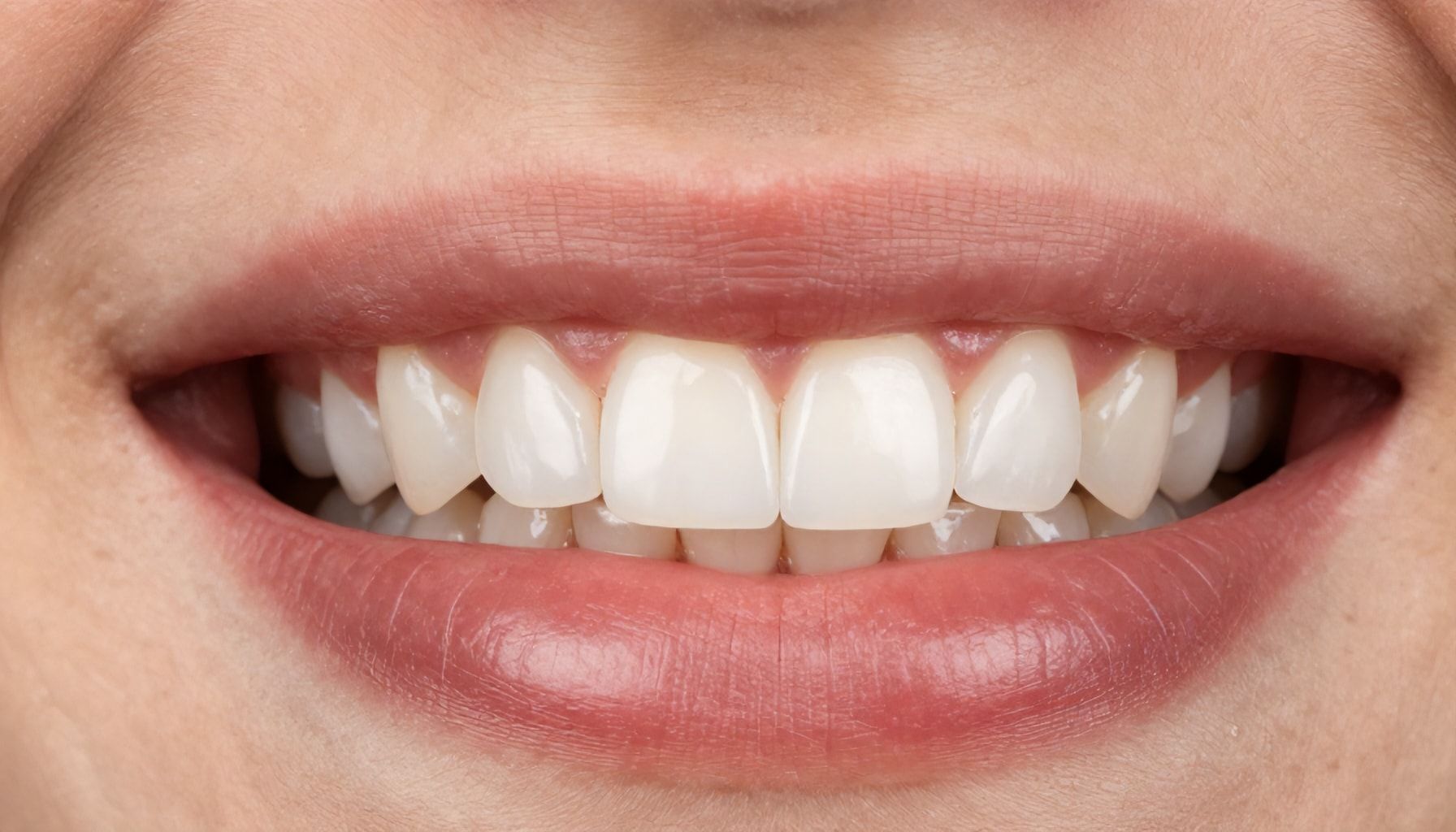
Veneers don’t have to break the bank—or your teeth. I’ve seen too many patients overpay for subpar work, or worse, rush into a cheap deal that ends up costing them more in repairs. Here’s how to get flawless veneers without the sticker shock.
Step 1: Know Your Options (And Their Price Tags)
Not all veneers are created equal. Here’s the breakdown:
| Type | Cost Range (Per Tooth) | Durability |
|---|---|---|
| Composite | $250–$1,500 | 3–7 years |
| Porcelain | $900–$2,500 | 10–15 years |
| No-Prep | $800–$3,000 | 5–10 years |
Composite is the budget-friendly pick, but it chips easier. Porcelain’s the gold standard—stain-resistant, natural-looking, and built to last. No-prep veneers are a middle ground, but they’re not for everyone.
Step 2: Shop Smart
Here’s what I tell my clients:
- Ask for a consultation fee waiver. Some offices will credit it toward treatment.
- Check for payment plans. Many dentists offer 0% financing.
- Look for package deals. Full-mouth discounts can save you 10–20%.
I’ve seen patients save $2,000+ by bundling six veneers instead of paying per tooth.
Step 3: Avoid These Costly Mistakes
I’ve fixed too many botched jobs. Don’t:
- Skip the prep work. A rushed prep means a veneer that doesn’t fit right.
- Go for the cheapest lab. A $500 porcelain veneer is a $2,000 headache waiting to happen.
- Ignore aftercare. Grinding your teeth? Get a night guard—it’ll save your investment.
Veneers are an investment, but they don’t have to be a gamble. Do your homework, pick the right dentist, and you’ll walk out with a smile that looks—and lasts—like a million bucks.
Achieving the smile of your dreams with veneers is an exciting journey, and understanding the costs involved helps you make an informed decision. From the type of veneers to your dentist’s expertise, several factors influence pricing—but the investment in your confidence and appearance is priceless. Whether you opt for porcelain, composite, or removable veneers, prioritize quality and longevity for lasting results. Before committing, consult with a trusted dental professional to explore financing options or payment plans that fit your budget. As you weigh your choices, remember: a radiant smile isn’t just about aesthetics—it’s about feeling empowered in every moment. Ready to take the next step? Imagine how your future self will thank you for this transformative decision.