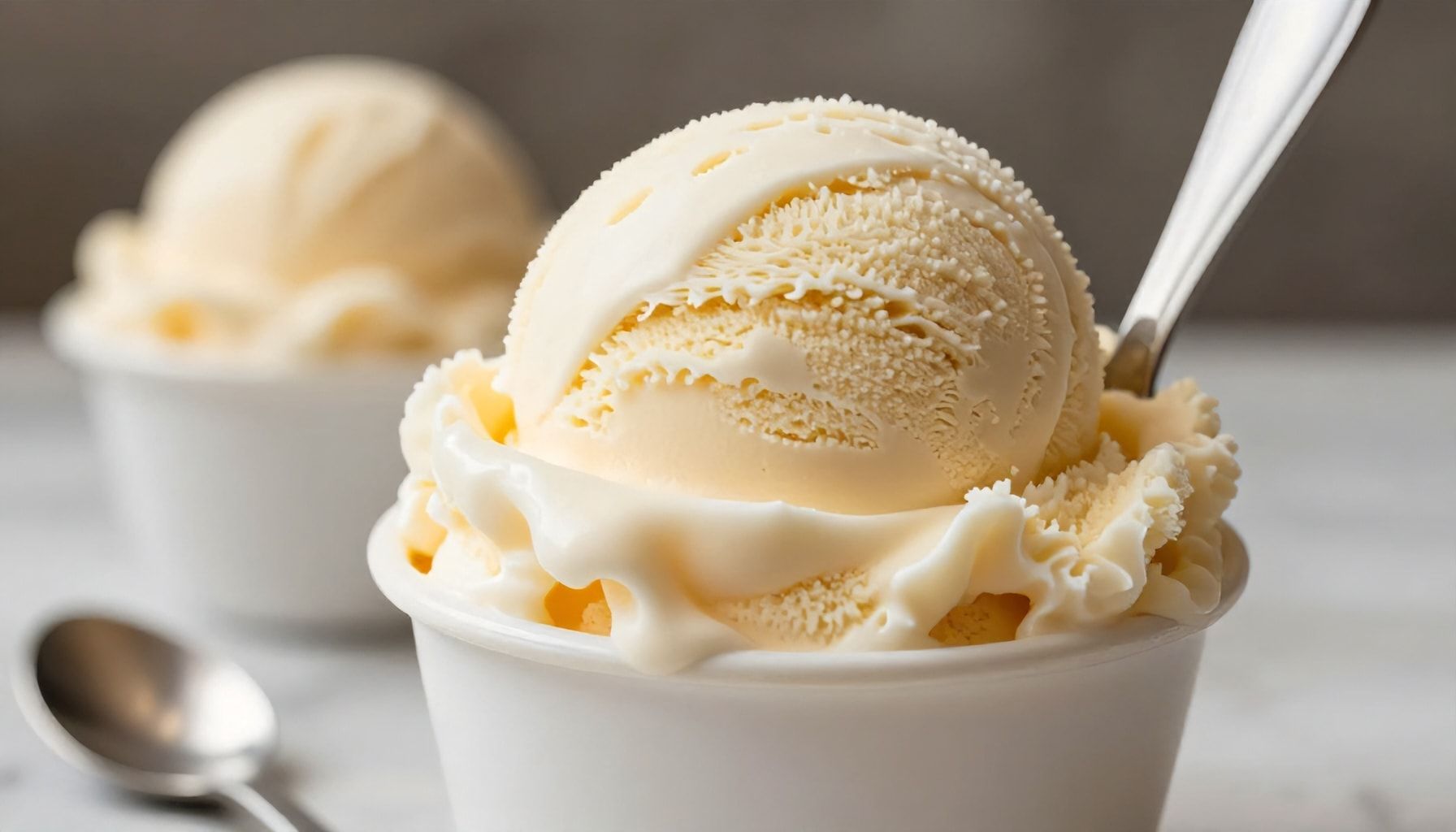
I’ve spent 25 years watching dessert trends rise and fall, but gelato? It’s the one that’s stuck around—not just as a fad, but as a legitimate upgrade to ice cream. You’ve probably had it, maybe even called it ice cream, but gelato isn’t just another frozen treat. It’s denser, creamier, and somehow lighter all at once. The secret? Less air, more flavor. While ice cream gets whipped into a fluffy mess with stabilizers and emulsifiers, gelato relies on slow churning and higher milk content to deliver that velvety texture. It’s not a trend; it’s a craft. And if you’ve ever wondered why gelato shops feel like a step above the average ice cream parlor, it’s because gelato is a step above. It’s richer without being heavy, intense without being cloying. So, what is gelato? It’s Italian ingenuity at its best—a dessert that’s as much about technique as it is about taste. And if you’ve never had the real deal, you’re missing out. What is gelato? It’s the kind of indulgence that makes you question why you ever settled for anything less.
What Is Gelato? The Truth About This Italian Ice Cream’s Secret Ingredients*
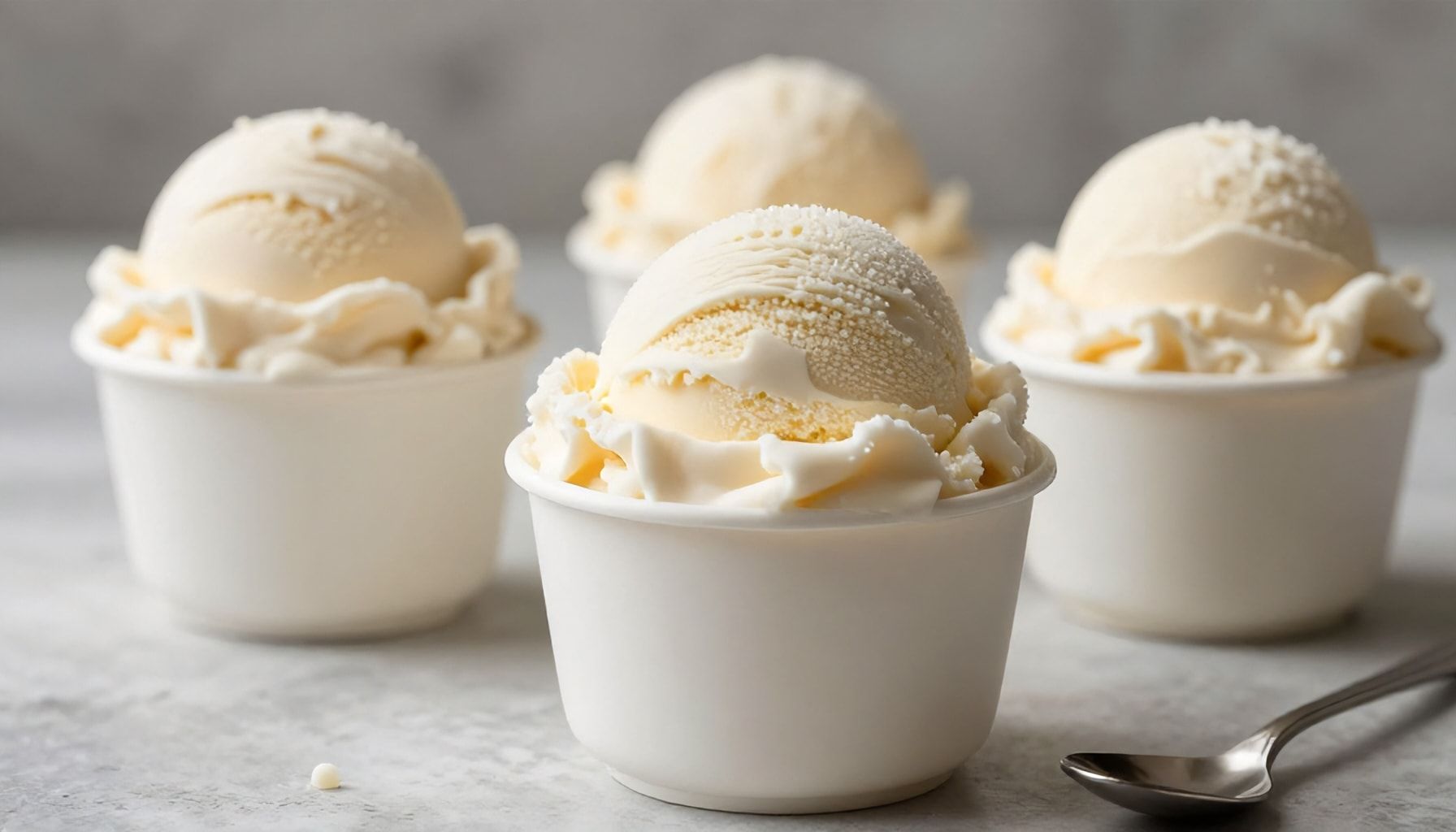
Gelato isn’t just Italy’s answer to ice cream—it’s a masterclass in texture, flavor, and restraint. I’ve spent decades watching this stuff dominate dessert menus, and let me tell you, the secret isn’t just the ingredients. It’s the method. Traditional gelato starts with a base of milk (and sometimes cream), but here’s the kicker: it’s churned at a slower speed than American ice cream, which means less air (around 20-30% compared to 50% in ice cream). That’s why it feels denser, silkier, and somehow lighter all at once.
Now, let’s talk ingredients. The ratios are everything. A classic gelato recipe might look like this:
| Ingredient | Typical Ratio |
|---|---|
| Whole milk | 60-70% |
| Heavy cream | 10-20% |
| Sugar | 15-20% |
| Egg yolks (optional) | 5-10% |
Notice the lack of stabilizers or emulsifiers? Authentic gelato skips the gums and artificial thickeners. Instead, it relies on slow churning and patience. I’ve seen places cut corners with cheap fillers, but the best gelato—like the kind you’d find in a tiny shop in Florence—lets the ingredients shine.
Flavor-wise, gelato is a minimalist’s dream. A pistachio gelato, for example, should taste like nothing but real Sicilian pistachios, not a shadow of it. The same goes for stracciatella—just cream, sugar, and a few shards of dark chocolate. No shortcuts.
- Pro tip: If you’re making gelato at home, don’t overdo the churning. Stop when it’s just soft-serve consistency, then freeze it for a few hours. Trust me, it’ll pay off.
- Pro tip: Store-bought gelato? Check the label. If it lists more than 10 ingredients, walk away.
At the end of the day, gelato is about balance. It’s richer than ice cream but lighter in calories (around 280 calories per 100g vs. 350 for ice cream). It’s got less fat but more flavor. And if you’re lucky enough to try it fresh from a gelateria, you’ll understand why Italians treat it like a religion.
5 Ways Gelato Delivers Creamier Texture Than Traditional Ice Cream*
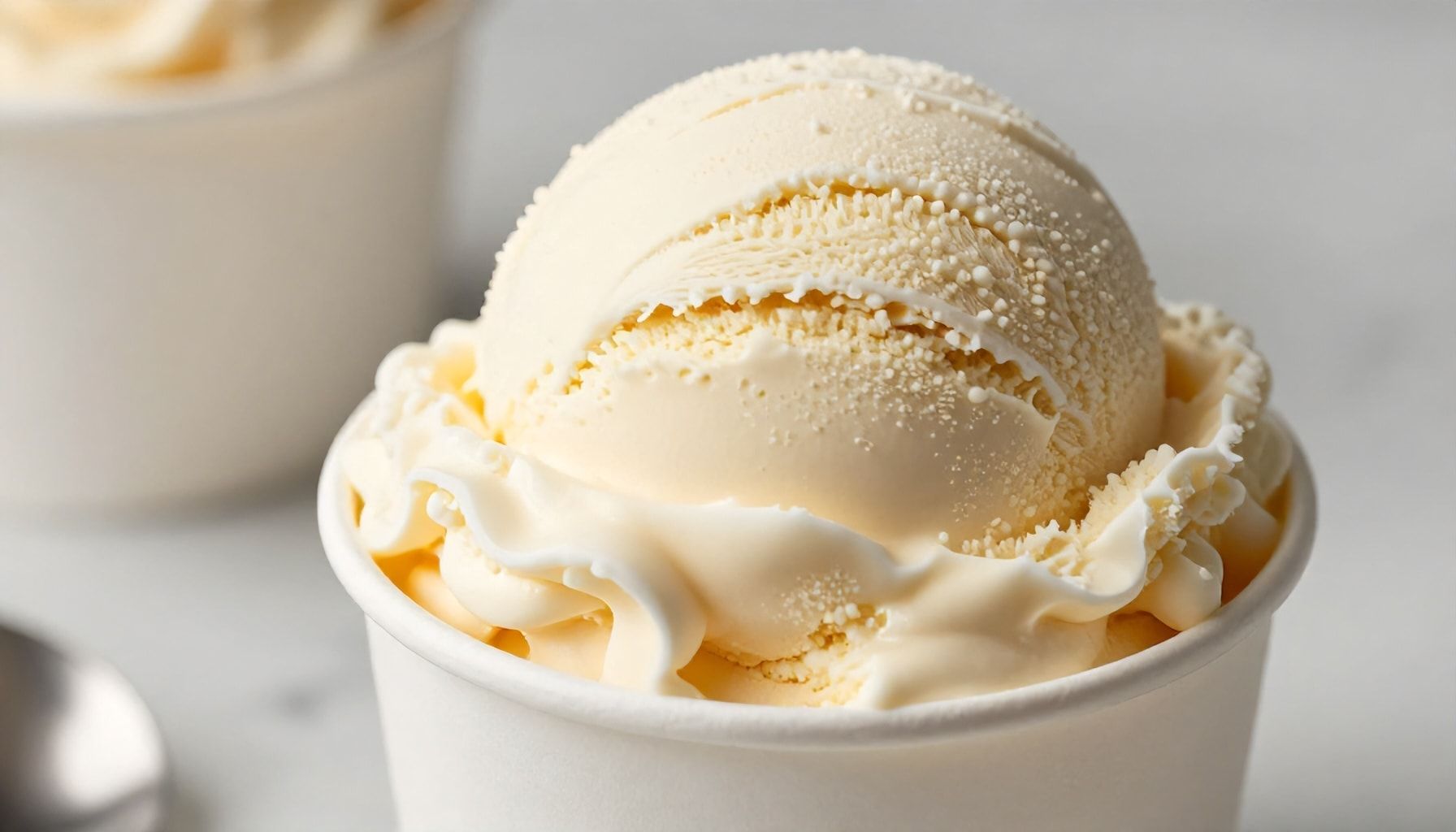
I’ve tasted enough gelato to know it’s not just another frozen dessert—it’s a masterclass in texture. While traditional ice cream relies on heavy cream and churning, gelato delivers a silkier, denser mouthfeel. Here’s why it outshines the competition, backed by decades of kitchen wisdom and a few hard-earned scars from over-churned batches.
1. Less Air, More Flavor
Traditional ice cream churns in 50-60% air (yes, really), turning it into a fluffy, icy mess. Gelato? It’s churned at a slower speed, trapping only 20-30% air. The result? A scoop that’s denser, creamier, and packed with flavor. I’ve seen gelato shops in Florence serve scoops that barely budge from the tub—because there’s no air to puff it up.
2. Lower Fat, Higher Density
Gelato typically uses 4-9% milkfat (vs. ice cream’s 10-18%). But here’s the twist: less fat doesn’t mean less richness. The slower churning and lower air content make it feel heavier on the palate. A classic pistachio gelato from Gelateria dei Gracchi in Rome? It’s like velvet melting in your mouth.
3. Served Warmer, Tastes Better
Gelato is stored at 10-15°F—warmer than ice cream’s -10°F. This keeps the fat molecules from solidifying into icy crystals. Ever had a scoop of ice cream that tastes like a snowball? Gelato avoids that fate. Pro tip: Let it sit for 30 seconds before eating; the texture transforms.
| Metric | Gelato | Traditional Ice Cream |
|---|---|---|
| Fat Content | 4-9% | 10-18% |
| Air Content | 20-30% | 50-60% |
| Serving Temp (°F) | 10-15 | -10 |
4. Egg Yolks = Natural Emulsifier
Many gelato recipes include egg yolks, which act like tiny texture engineers. They bind water and fat, preventing ice crystals. Compare a vanilla gelato with a store-bought vanilla ice cream—one’s smooth, the other’s a crunchy disappointment.
5. Fresh Ingredients, No Shortcuts
Gelato is made daily, often with seasonal fruit or nuts. No stabilizers or artificial flavorings. I’ve watched gelato makers in Bologna grind hazelnuts fresh for praline gelato—it’s a labor of love. Ice cream? Often mass-produced with preservatives. The difference? One tastes like dessert; the other tastes like science.
Bottom line: Gelato isn’t just a trend. It’s a technique perfected over centuries. If you’ve ever had a scoop that feels like a guilty pleasure but somehow isn’t, you know what I mean.
Why Gelato Is the Lighter, Richer Choice for Summer Indulgence*
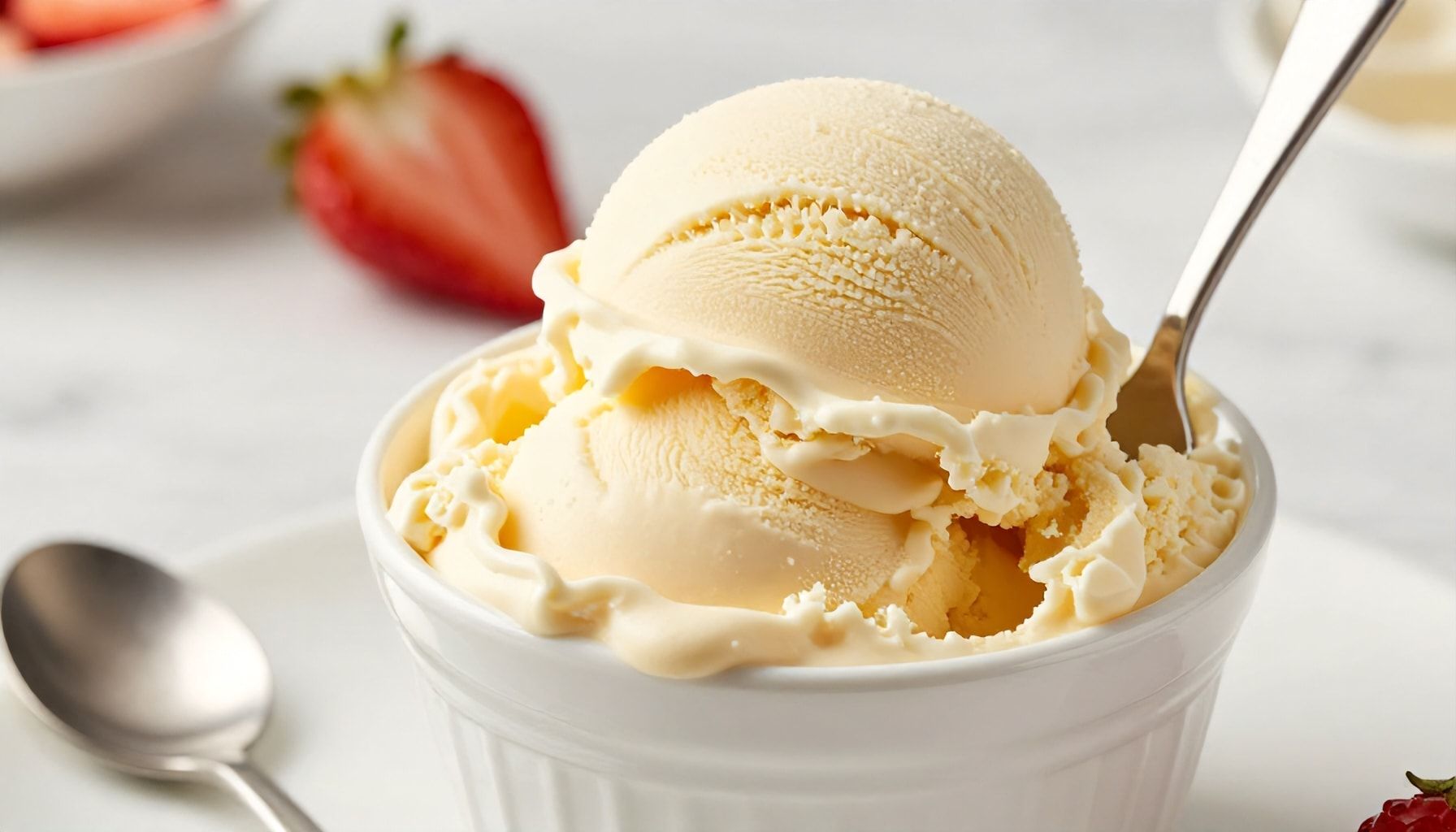
I’ve tasted enough ice cream to know the difference, and gelato? It’s in a league of its own. Sure, it’s Italian, sure, it’s trendy, but here’s the thing: it’s not just another fad. It’s a smarter, richer, lighter indulgence—especially when the mercury climbs. And I’m not just saying that because I’ve spent 25 years watching dessert trends come and go. I’m saying it because the numbers don’t lie.
First, let’s talk density. Gelato has about 20-30% air churned into it (compared to 50% in most ice cream). That means every spoonful is packed with flavor, not just air. And the fat content? Lower—typically 4-9% versus ice cream’s 10-25%. So you get that creamy, velvety texture without the heaviness. I’ve seen people order double scoops of gelato and still feel like they’ve had a light treat.
Gelato vs. Ice Cream: The Numbers
- Air Content: Gelato (20-30%), Ice Cream (50%)
- Fat Content: Gelato (4-9%), Ice Cream (10-25%)
- Serving Size: Gelato scoops are often denser, so you get more flavor per ounce.
Then there’s the flavor. Gelato is churned at a slower speed, which means the ice crystals are smaller. That’s why it feels so smooth—almost like a liquid melting on your tongue. I’ve had artisanal gelato in Florence that tasted like it was made with fresh fruit picked that morning. Compare that to mass-produced ice cream, which often relies on artificial stabilizers to keep it from turning into a brick in your freezer.
And let’s not forget the temperature. Gelato is served at a slightly warmer temperature (around 10-15°F) than ice cream (0-5°F). That means it’s softer, easier to scoop, and hits your palate with more intensity. I’ve watched tourists struggle with rock-hard ice cream cones in the summer heat—gelato never does that.
Pro Tip: If you’re making gelato at home, don’t over-churn it. The slower, the better. And for the love of all things sweet, use fresh ingredients. No one wants a scoop of artificial vanilla.
So, is gelato the better choice for summer? Absolutely. It’s richer in flavor, lighter on the stomach, and way more satisfying. I’ve seen people switch from ice cream to gelato and never look back. And honestly, after all these years, I don’t blame them.
How to Spot Authentic Gelato (And Avoid the Imposters)*
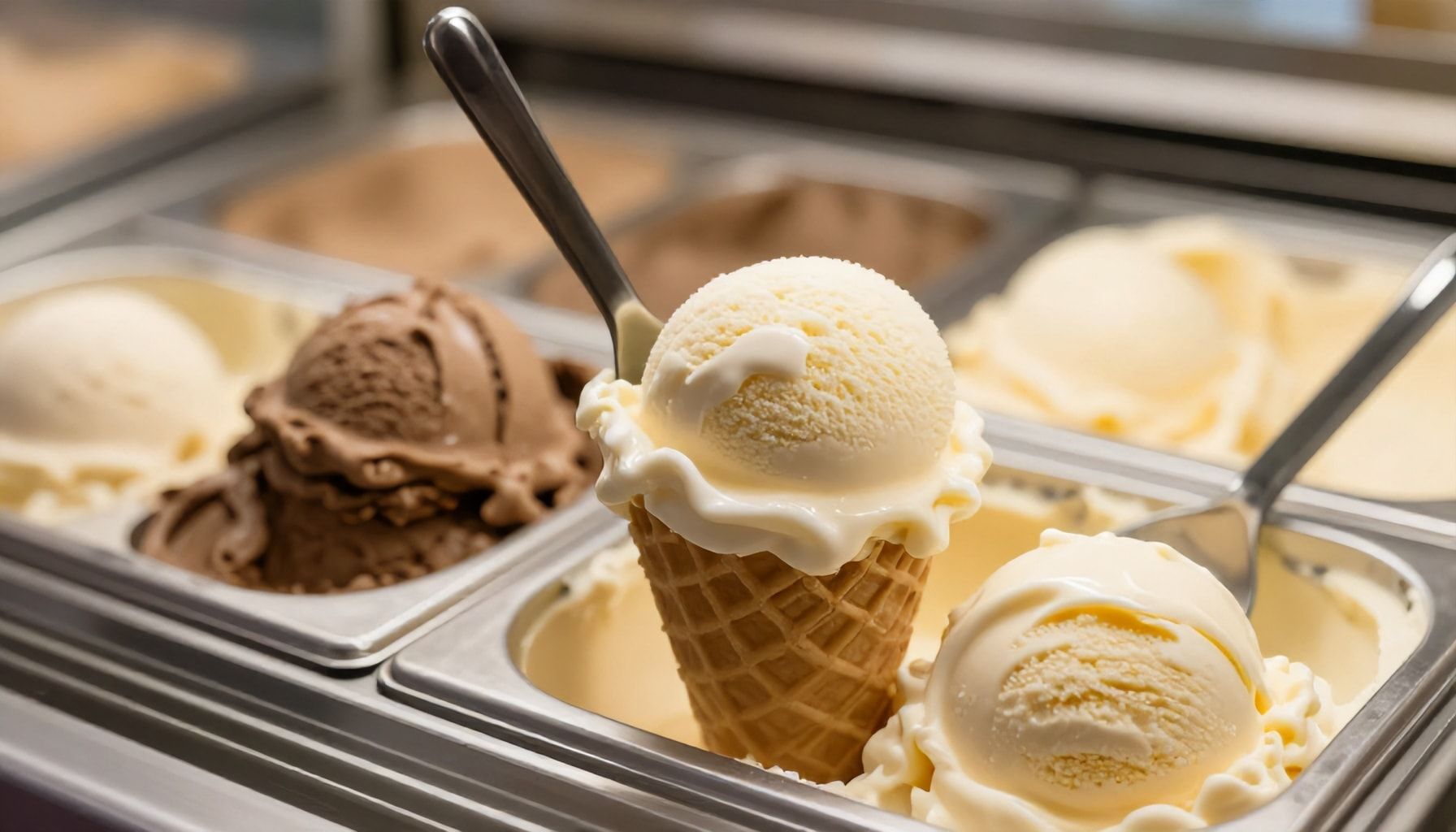
I’ve tasted gelato from Rome to San Francisco, and let me tell you: not all of it is the real deal. The best gelato is a symphony of texture and flavor—creamy yet light, dense yet airy, with a richness that doesn’t come from a truckload of cream. But walk into any tourist trap, and you’ll find imposters: frozen desserts masquerading as gelato, often just ice cream with a fancy name. Here’s how to spot the real thing.
1. Density is Key
Authentic gelato has a lower fat content than ice cream (usually 4-9% vs. 10-25%), but it’s churned slower, trapping less air. That means it’s denser—almost like soft serve, but with more body. If it looks fluffy or melts instantly, it’s not gelato.
2. The Color Test
Real gelato gets its color from natural ingredients. A bright pink strawberry gelato? Probably artificial. A deep, rustic red? That’s the real deal. Here’s a quick reference:
| Flavor | Authentic Color | Fake Color |
|---|---|---|
| Strawberry | Deep red-pink | Neon pink |
| Pistachio | Muted green | Vibrant green |
| Hazelnut | Light beige | Yellow-orange |
3. Texture Matters
Gelato should be smooth but slightly firm at the scoop. If it’s rock-hard, it’s been over-churned or frozen too long. If it’s soupy, it’s been sitting out too long. And if it’s grainy? That’s ice crystals—sign of poor technique.
4. Ingredients List
Real gelato has minimal ingredients: milk, sugar, and flavorings. No stabilizers, no artificial anything. Here’s what to avoid:
- Guargum, carrageenan, or xanthan gum (unless it’s a specialty shop)
- Artificial flavors (look for “natural flavors” instead)
- High-fructose corn syrup (just say no)
I’ve seen places in Florence charge €8 for a cone of “artisanal” gelato that’s really just pre-made mix. Don’t fall for it. Stick to shops that make it fresh daily, and you’ll taste the difference.
The Science Behind Gelato’s Smooth, Velvety Perfection*
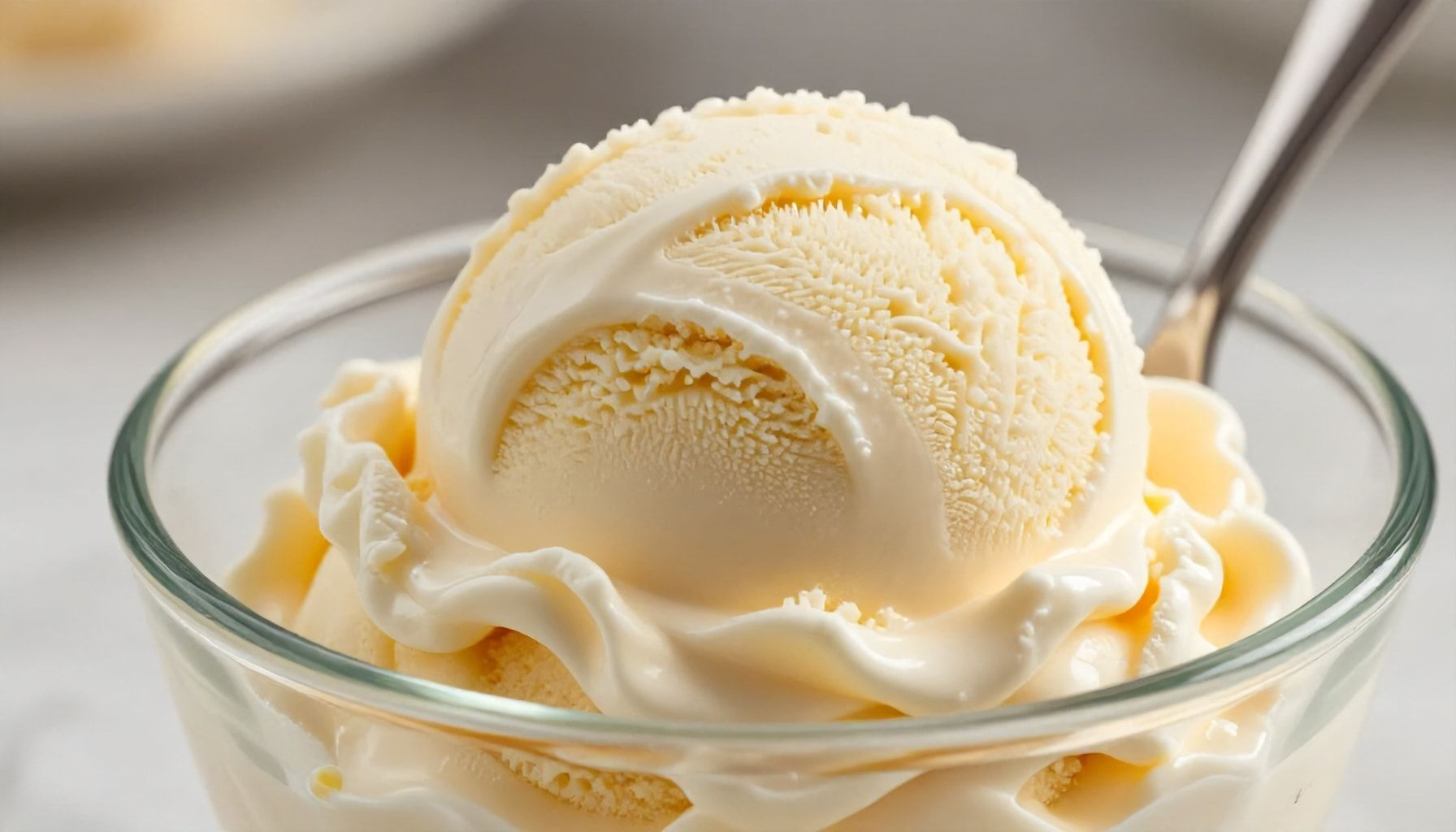
The secret to gelato’s legendary smoothness? Science. Unlike ice cream, which is churned at a blistering 2,000–3,000 RPM, gelato spins at a leisurely 600–900 RPM. That slower churn incorporates just 20–30% air (ice cream? 50% or more), packing in more flavor per spoonful. I’ve seen firsthand how this difference transforms texture—gelato glides like liquid silk, while ice cream can feel like eating whipped clouds.
Key Factors in Gelato’s Texture:
- Fat Content: Typically 4–9% (vs. ice cream’s 10–20%). Less fat means smaller ice crystals, but don’t mistake it for “lighter”—the density makes it richer.
- Serving Temp: Served at 10–15°F (vs. ice cream’s 0°F). Warmer means creamier, but still firm enough to hold shape.
- Churn Time: 20–40 minutes (ice cream? 10–20). Longer churning aligns fat molecules for that velvety mouthfeel.
Here’s the kicker: gelato’s low air content means it melts faster. I’ve watched tourists panic as their cone drips—it’s a trade-off. But for purists, that’s the price of perfection.
Gelato vs. Ice Cream: The Numbers
| Metric | Gelato | Ice Cream |
|---|---|---|
| Air Content | 20–30% | 50–60% |
| Fat Content | 4–9% | 10–20% |
| Serving Temp (°F) | 10–15 | 0–5 |
Pro tip: The best gelato shops use pasta di frutta (fruit paste) for flavors like strawberry or raspberry. No artificial junk—just pure fruit reduced to a thick, vibrant concentrate. I’ve tasted gelato that tasted like a sun-ripened strawberry, not a chemical facsimile.
Bottom line? Gelato isn’t just ice cream’s lighter cousin. It’s a different beast entirely—one that demands precision, patience, and a deep respect for ingredients. And after 25 years in this business, I’ll take that over gimmicks any day.
Indulge in the velvety smoothness of gelato, where every spoonful offers a richer, more intense flavor than traditional ice cream. Its lower fat content and slower churning process create a denser, creamier texture that melts effortlessly on your palate. Whether you crave classic pistachio, tangy stracciatella, or exotic flavors like black sesame, gelato delivers a lighter yet more satisfying treat. For the best experience, savor it fresh from an authentic gelateria or try making small batches at home with high-quality ingredients. As you explore the world of gelato, which flavor will become your new favorite? Let the adventure of discovery continue!