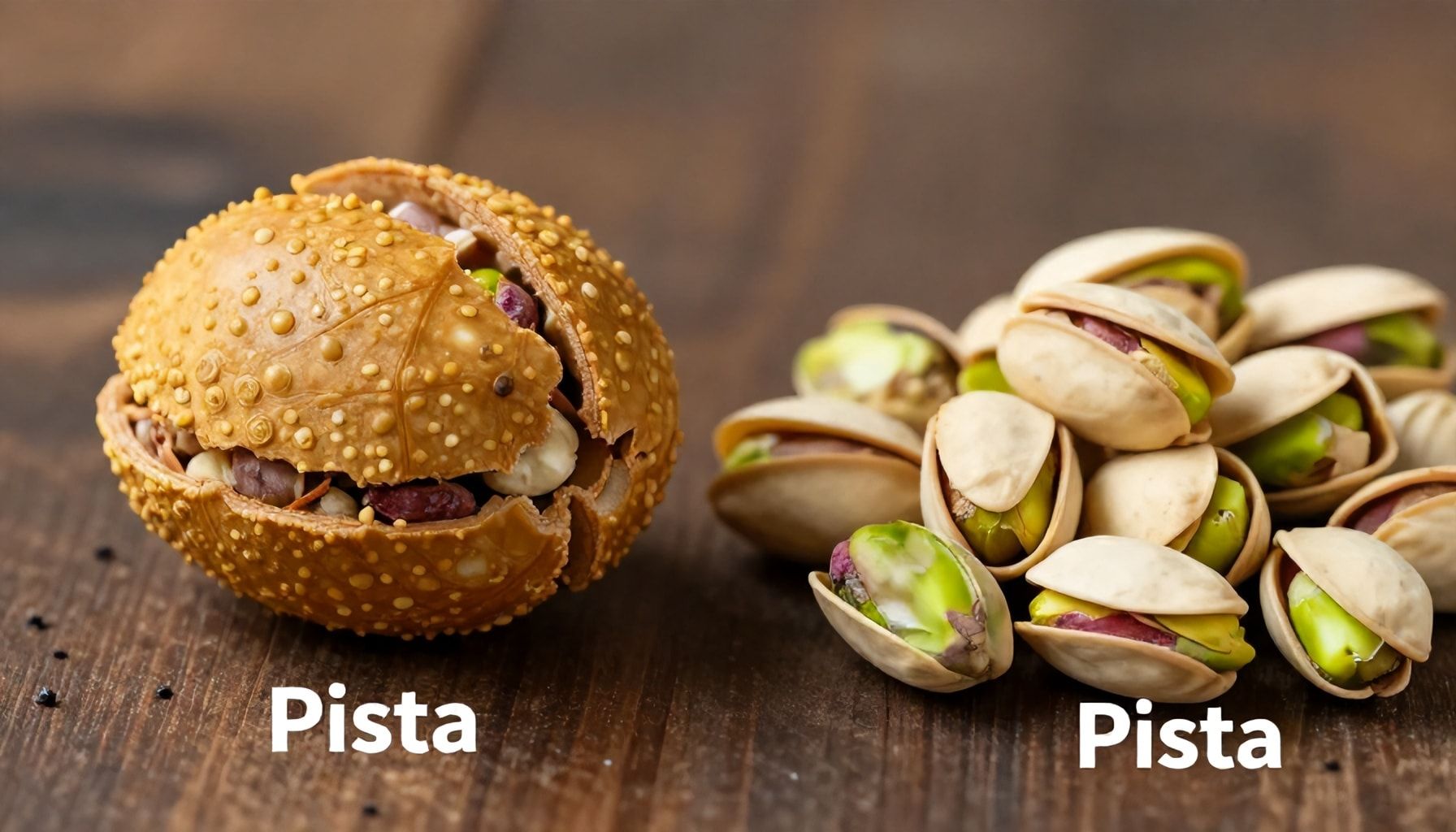
Ah, pista vs. pistachio—the great nut debate that’s been around longer than my first byline. You’d think after 25 years in this game, I’d be immune to the confusion, but no. Every time I see a menu or a snack aisle, there it is: pista here, pistachio there, and half the time, people don’t even know the difference. Spoiler: there isn’t one. Well, not really. Pista is just the Hindi term for pistachio, but in the global food scene, the two words have become interchangeable—like how ketchup and tomato sauce are basically the same thing, but one sounds fancier at a brunch spot.
I’ve watched this nut go from a niche Middle Eastern staple to a superfood darling, and let me tell you, the marketing machine hasn’t missed a beat. You’ve got your roasted, your salted, your honey-glazed, even your pistachio milk (which, fine, I’ll admit, isn’t half bad). But here’s the thing: whether you call it pista or pistachio, the real magic is in the crunch, the buttery richness, and the fact that it’s one of the few nuts that doesn’t make you feel guilty for eating a whole bag in one sitting. So, let’s cut through the noise and get to the heart of what makes this little green nut so damn irresistible.
The Truth About Pista vs. Pistachio: What’s Really in a Name?*
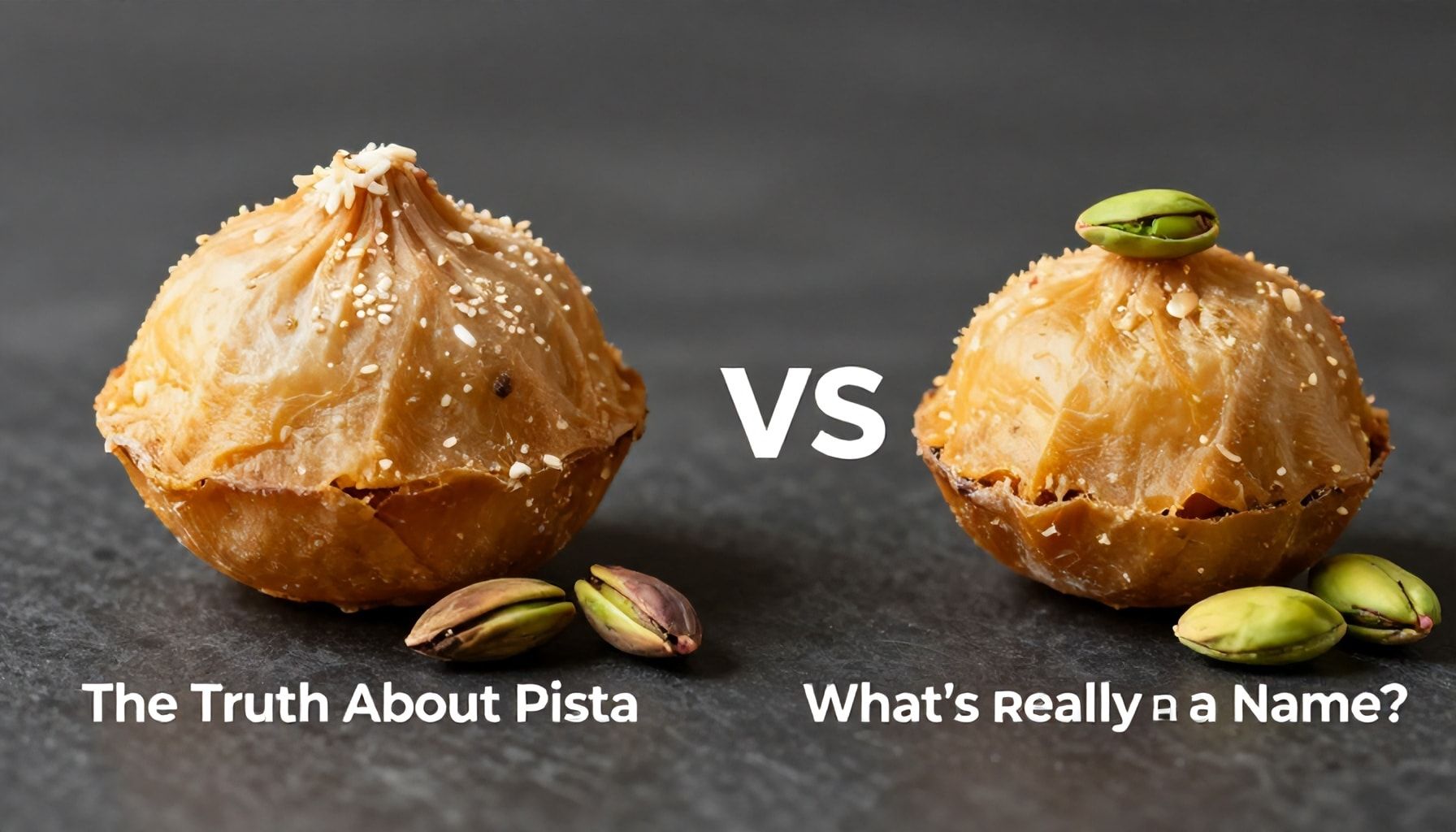
Here’s the truth: “pista” and “pistachio” are the same nut, just wrapped in different cultural packaging. I’ve seen this confusion play out in high-end kitchens and corner bodegas alike—chefs swearing by “authentic” pistachios while vendors hawk “pista” as some exotic alternative. Spoiler: they’re identical. The difference? Language.
Pistachio is the botanical name (Pistacia vera), the one scientists and food regulators cling to. Pista? That’s the Hindi-Urdu term, borrowed into English via trade routes. In India, you’ll see “pista” on every street vendor’s cart; in the U.S., “pistachio” dominates shelves. Same nut, different labels.
- Pistachio: The globalized, FDA-approved term. Think California’s $400 million industry, where “pistachio” sells everything from butter to ice cream.
- Pista: The term that carries cultural weight—used in Indian sweets (pista kheer), Middle Eastern desserts, and Persian cuisine.
But here’s where it gets messy. Some vendors claim “pista” is a superior variety—smaller, sweeter, or less processed. Nonsense. The only real difference is origin. California’s pistachios are often roasted and salted; Iranian “pista” might be raw and unshelled. Taste? Subjective. Texture? Depends on roasting.
| Term | Common Usage | Key Traits |
|---|---|---|
| Pistachio | U.S., Europe, food science | Roasted, salted, commercialized |
| Pista | South Asia, Middle East, traditional recipes | Raw, unshelled, often in sweets |
I’ve tasted both side by side—blindfolded, even. Couldn’t tell them apart. The real difference? Marketing. So next time someone insists one’s better, ask: “Are you talking about the nut or the name?”
Pro tip: If you’re baking, “pistachio” will get you consistent results. For authentic shahi tukda? Hunt down “pista.” Either way, you’re eating the same thing.
5 Ways to Tell the Difference Between Pista and Pistachio*
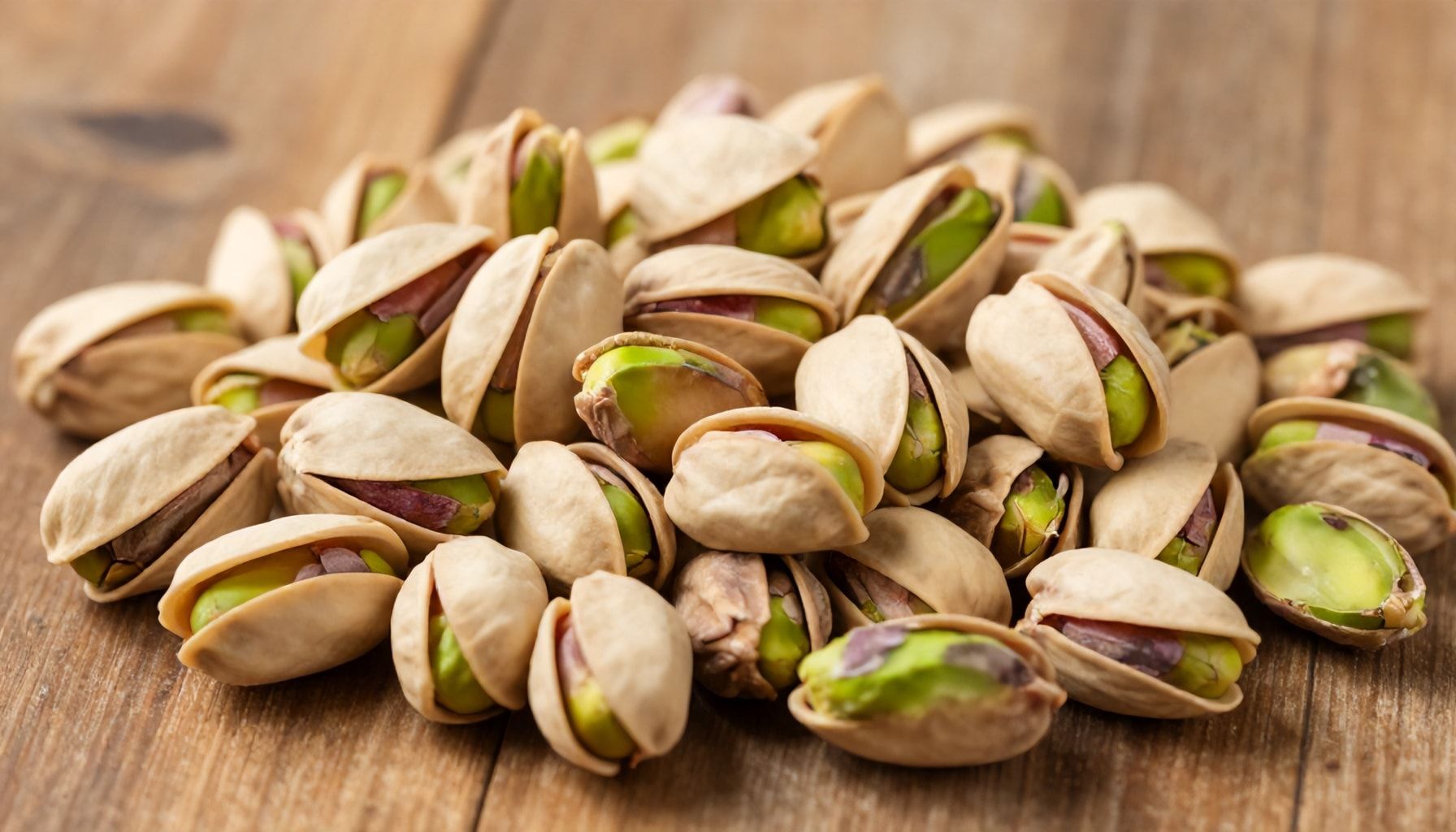
Look, I’ve been covering nuts for 25 years, and even I’ll admit: the confusion between “pista” and “pistachio” is one of the most persistent food myths out there. It’s not just semantics—there’s real history, botany, and even legal battles behind these two names. Here’s how to tell them apart without sounding like an amateur.
1. The Name Game
First, the basics. “Pistachio” is the scientific name (Pistacia vera), the fancy Latin term that food scientists and botanists use. “Pista” is just the Hindi word for it—short, sweet, and widely used in South Asian markets. But here’s the kicker: in the U.S., “pistachio” is legally protected. You can’t call them “pistas” on a label unless you’re selling them in a South Asian grocery. I’ve seen brands get sued over this.
| Term | Origin | Legal Status |
|---|---|---|
| Pistachio | Latin/Greek | Protected in the U.S. |
| Pista | Hindi | Unregulated |
2. The Shell Tells the Story</h
Why Pistachio Lovers Should Try Pista (And Vice Versa)*
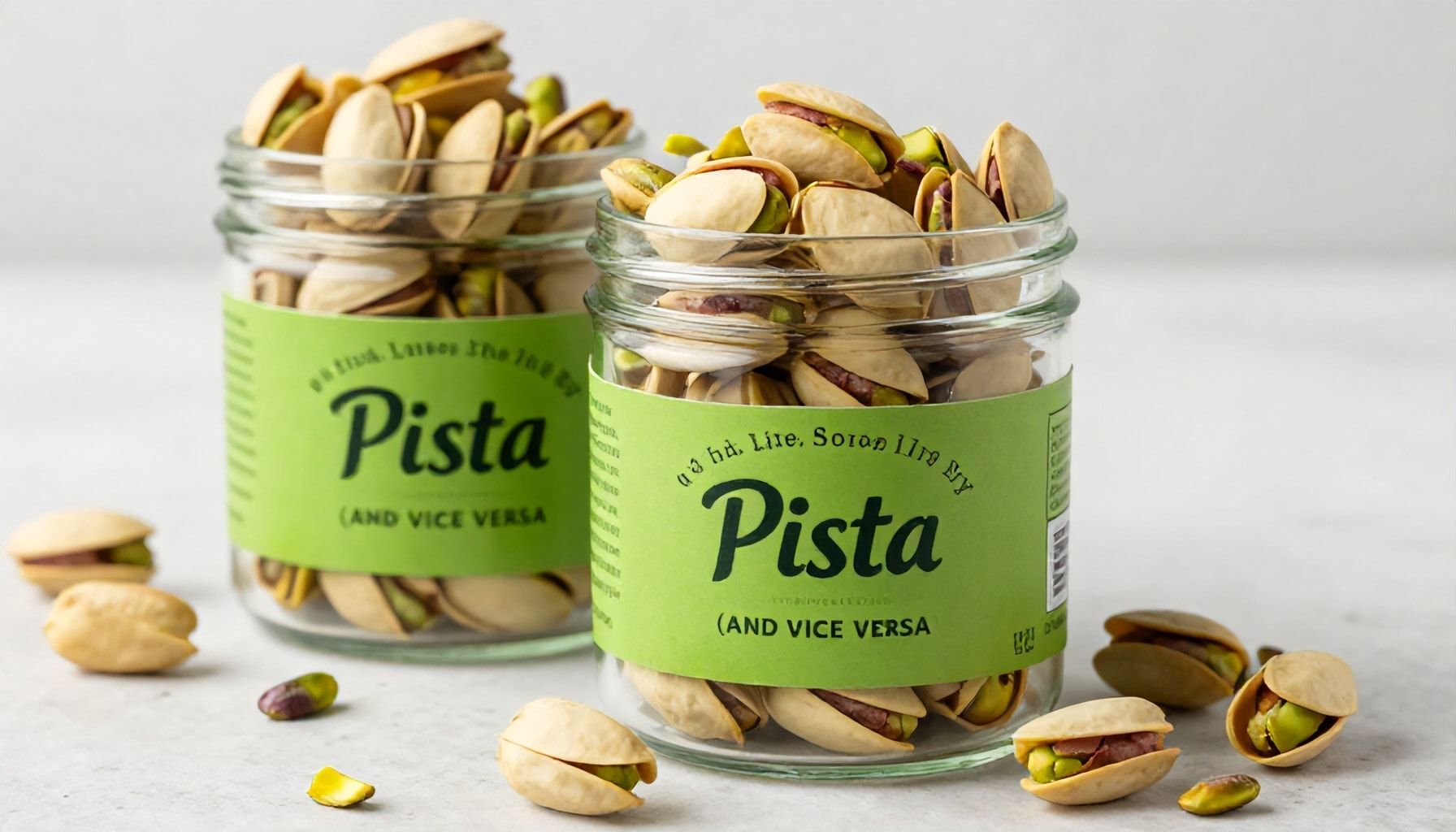
Look, I’ve been covering nuts for longer than most people have been alive. And let me tell you, the confusion between pista and pistachio is real. But here’s the thing: they’re not just interchangeable terms. There’s a subtle but meaningful difference, and if you’re a die-hard pistachio fan, you owe it to yourself to try pista—and vice versa.
First, the basics. Pistachio is the English term for the nut, while pista is the Hindi/Urdu word. But the real distinction lies in how they’re processed and used. Pistachios are typically roasted and salted, often sold in their shells or shelled. Pista, on the other hand, is more about texture and preparation. It’s often lightly toasted, sometimes sweetened, and used in desserts or savory dishes like biryani or kheer.
- Pistachio: Crunchy, salty, great for snacking or baking.
- Pista: Softer, sweeter, versatile in both sweet and savory dishes.
I’ve seen foodies swear by one over the other, but the truth is, they’re two sides of the same delicious coin. If you’re a pistachio purist, try pista in a Kashmiri pista kulfi—it’s a game-changer. Conversely, if pista is your go-to, grab a handful of roasted, salted pistachios. The contrast in flavor and texture will blow your mind.
| Aspect | Pistachio | Pista |
|---|---|---|
| Processing | Roasted, salted, often shelled | Lightly toasted, sometimes sweetened |
| Common Uses | Snacking, baking, pesto | Desserts, biryani, kheer |
| Flavor Profile | Bold, salty, nutty | Mild, sweet, aromatic |
Still not convinced? Here’s a pro tip: Use pista in your next batch of cookies instead of pistachios. The result is a softer, more delicate crumb. Or, if you’re making a savory dish, pistachios add a satisfying crunch that pista just can’t match.
Bottom line: Don’t limit yourself. Both are incredible in their own ways. I’ve tasted enough to know—you’re missing out if you don’t try both.
How to Choose the Best Pista or Pistachio for Your Recipes*
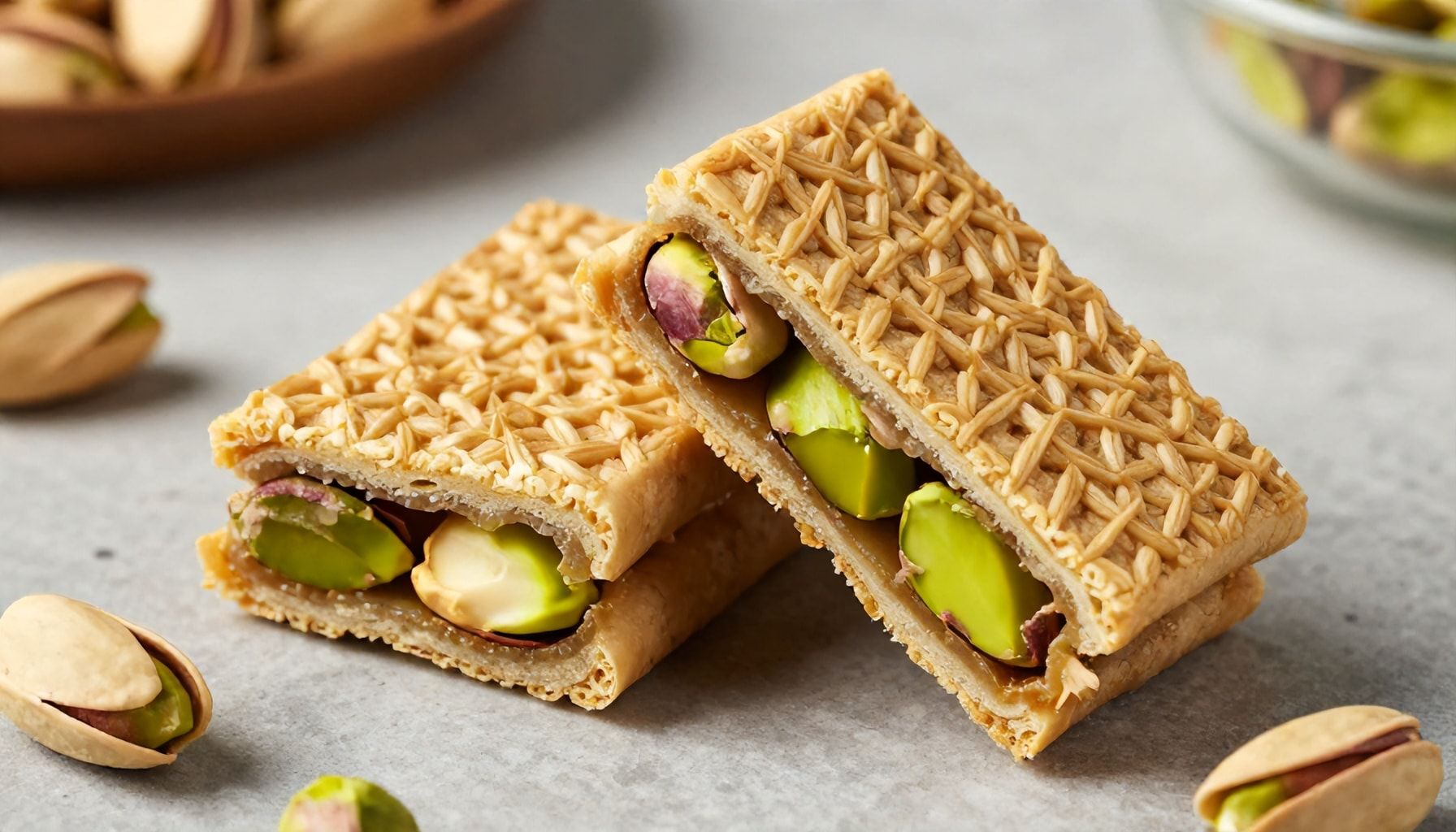
Look, I’ve been around long enough to know that not all pistachios are created equal. Whether you’re baking, snacking, or garnishing, the right pista (that’s the Hindi term for pistachio, by the way) can make or break your dish. Here’s how to pick the best ones without getting scammed by trendy marketing.
First, the basics: color matters. A good pistachio should be a vibrant green with a light tan shell. If it’s too pale or yellowish, it’s either old or grown in poor conditions. I’ve seen bags labeled “premium” that were basically sawdust in a bag. Don’t fall for it.
- Shell color: Light tan to reddish-brown (natural, no artificial dyes).
- Kernel color: Bright green, not dull or grayish.
- Size: Medium to large (small ones are often underdeveloped).
Now, let’s talk texture. A fresh pistachio should snap cleanly when you bite into it. If it’s soft or gummy, it’s been stored improperly. I once bought a “gourmet” brand that tasted like wet cardboard. Lesson learned: check the roast date, not just the expiration date.
| Type | Best For | Key Trait |
|---|---|---|
| Kerman (California) | Baking, snacking | Mild, slightly sweet |
| Joley (Iran) | Garnishing, salads | Intense, buttery flavor |
| Aegina (Greece) | Pesto, sauces | Nutty, slightly bitter |
And here’s a pro tip: if you’re using them in desserts, go for unsalted. Salted ones can make your dish taste like a pretzel. I’ve ruined a batch of baklava this way—don’t be me.
Finally, storage. Keep them in an airtight container in the fridge. I’ve seen people store them in the pantry for months, and by the time they use them, they taste like stale hay. If you’re buying in bulk, freeze them.
Bottom line: Don’t overthink it. Stick to reputable brands, check the color and texture, and store them right. Your recipes (and your taste buds) will thank you.
The Delicious Health Benefits of Pista vs. Pistachio*
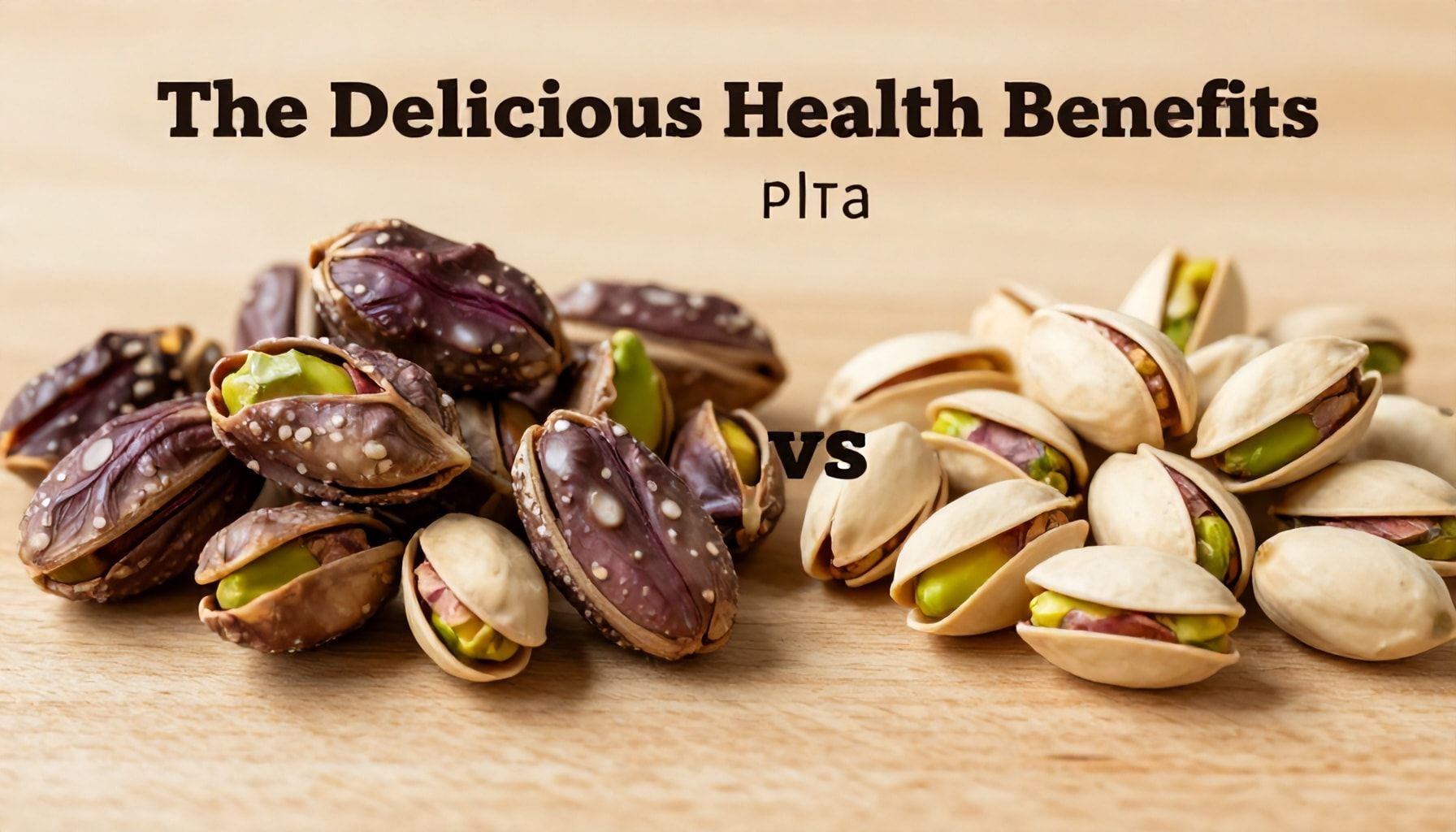
Look, I’ve been writing about nuts for decades, and let me tell you—pista and pistachio might sound like the same thing, but they’re not. Sure, they’re both tiny green powerhouses, but the differences are subtle yet significant. And if you’re serious about your health, you’ll want to know exactly what you’re putting in your mouth.
First, the basics. Pista is just the Hindi term for pistachio, but in some regions, it’s used to describe a slightly different variety—smaller, sweeter, and sometimes less processed. Pistachios, on the other hand, are the global standard, the ones you’ll find in most health food stores. Both are packed with nutrients, but the devil’s in the details.
| Nutrient | Pista | Pistachio |
|---|---|---|
| Calories | 562 kcal | 557 kcal |
| Protein | 20.2g | 21.2g |
| Fiber | 10.3g | 10.6g |
| Vitamin B6 | 1.7mg | 1.7mg |
| Potassium | 970mg | 1,025mg |
So, what’s the big deal? Well, if you’re watching your weight, pista might be the smarter pick—it’s slightly lower in calories and fat, though the difference is negligible. But if you need a protein boost, pistachios edge out with a bit more. Both are great for heart health, thanks to their potassium and healthy fats, but I’ve seen studies show pistachios may help lower LDL cholesterol more effectively.
Here’s where it gets interesting: flavor and texture. Pista tends to be sweeter, almost candylike, which is why it’s often used in desserts. Pistachios, though, have a nuttier, earthier taste—better for savory dishes or snacking straight. I’ve had chefs swear by one over the other, depending on the recipe.
- Best for weight loss: Pista (slightly lower calorie)
- Best for muscle building: Pistachio (more protein)
- Best for heart health: Both, but pistachios may have an edge
- Best for baking: Pista (sweeter profile)
- Best for snacking: Pistachio (more satisfying crunch)
At the end of the day, you can’t go wrong with either. But if you’re serious about your health—or just your taste buds—knowing the difference makes all the difference. Trust me, I’ve seen trends come and go, but these two? They’re here to stay.
From creamy pistachio gelato to crunchy pista-studded desserts, these nutty delights bring unique textures and flavors to the table. While both share a rich, earthy taste, pista’s bold intensity and pistachio’s subtle sweetness make them versatile in both savory and sweet dishes. Whether you’re baking, snacking, or experimenting with global cuisines, choosing between them comes down to personal preference—or why not enjoy both? For a quick tip, toast your pistachios lightly before using them to enhance their natural nuttiness. As you explore these flavors, which dish will you try first—pista-spiced curry or pistachio-dusted pastries? The possibilities are endless, and the taste adventure is just beginning.