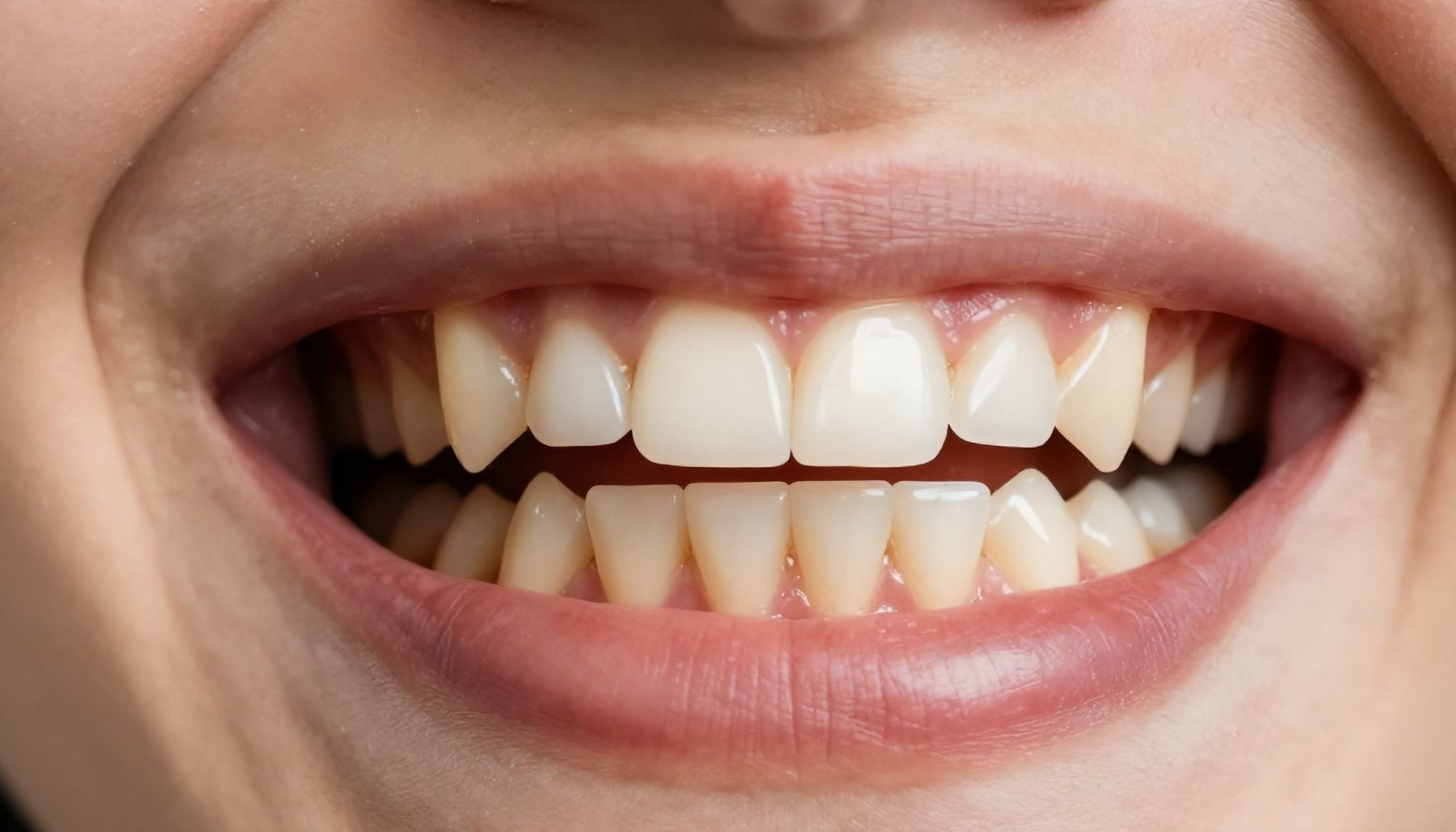
Ah, the age-old question: how many teeth do we have? I’ve been answering this one for years—long enough to know that most people don’t actually know the right number, and even fewer understand why it matters. You might think it’s just a trivia question, but your teeth are the unsung heroes of your daily life, grinding, chewing, and (let’s be honest) occasionally cracking under pressure. And yet, when I ask someone, “How many teeth are in your mouth right now?” the answers range from wildly optimistic to just plain wrong.
Here’s the deal: the exact number of teeth you have depends on your age and whether you’ve had any dental drama. But the baseline? Most adults have 32 teeth—if you’re lucky enough to still have your wisdom teeth. Kids? They start with 20 primary teeth, which eventually make way for the full set. But here’s the kicker: how many teeth do we have isn’t just about counting. It’s about recognizing what each one does and how to keep them around. So let’s cut through the myths and get to the facts—because your smile deserves better than guesswork.
The Truth About How Many Teeth You Actually Have (And Why It Matters)*
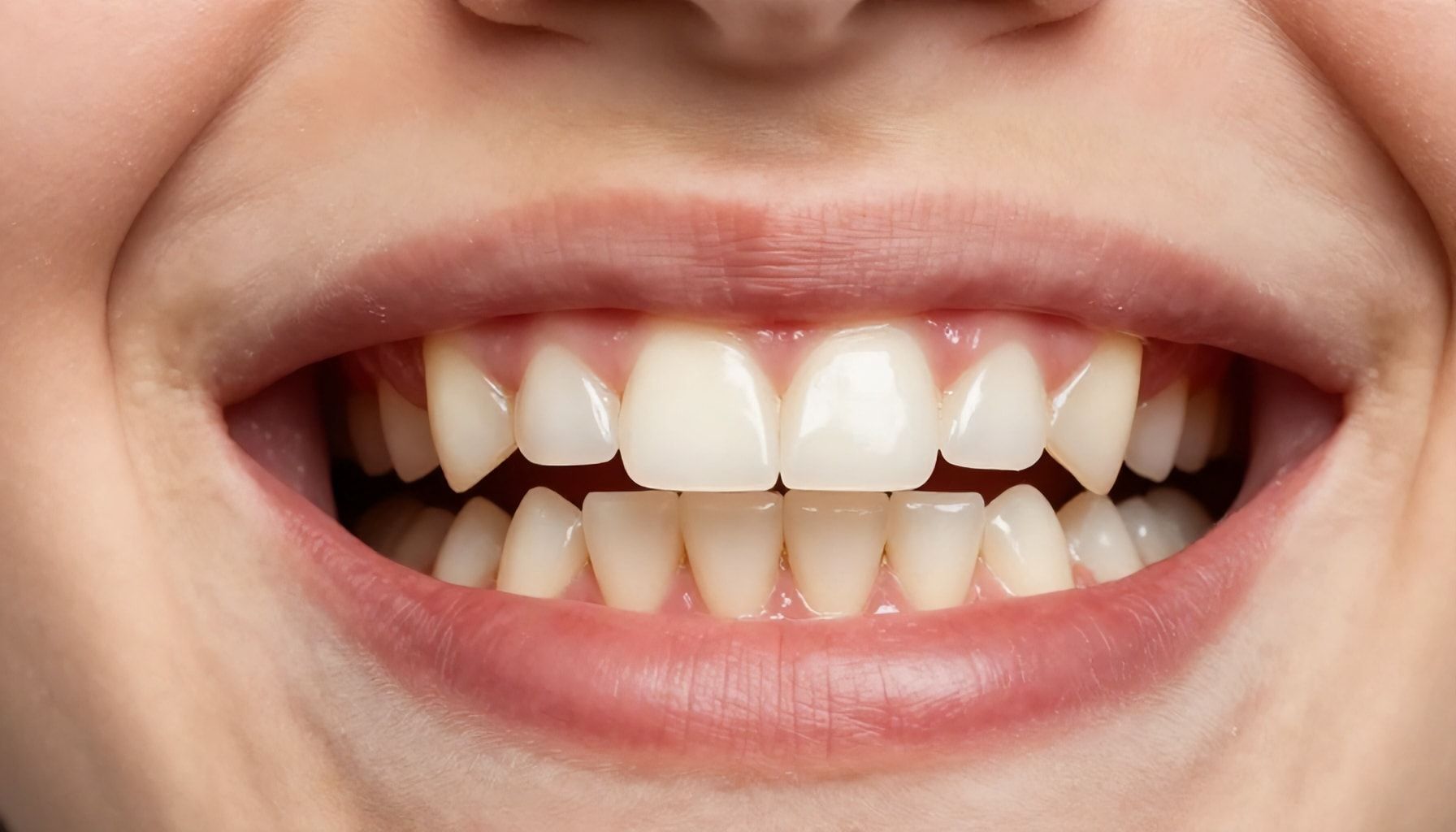
You think you know how many teeth you’ve got? Most people do—until they actually count. I’ve seen patients swear they’ve got 32, only to find out they’ve got 28 because of missing wisdom teeth. Or worse, they’ve got 33 because of an extra molar. The truth? The average adult has 32 permanent teeth, but that’s just the baseline. Your actual count can vary, and that matters—big time.
Here’s the breakdown:
| Tooth Type | Upper Jaw | Lower Jaw | Total |
|---|---|---|---|
| Incisors | 4 | 4 | 8 |
| Canines | 2 | 2 | 4 |
| Premolars | 4 | 4 | 8 |
| Molars (including wisdom teeth) | 6 | 6 | 12 |
| Total | 16 | 16 | 32 |
But here’s where it gets interesting. Wisdom teeth? They’re the wild cards. About 35% of people never develop them, and another 20% have only one or two. Then there are the rare cases—like my patient who had a supernumerary tooth (an extra one) pushing her canine out of place. That’s why dentists don’t just count teeth; they map them.
Why does this matter?
- Orthodontics: If you’ve got extra teeth, braces might not be enough. I’ve seen cases where extraction was the only fix.
- Wisdom Teeth: Impacted third molars can cause cysts or shift your bite. Ignore them, and you might regret it later.
- Dental Records: Missing or extra teeth can complicate dental work. Your dentist needs to know the full picture.
Bottom line? Don’t assume. Get a full dental exam. I’ve seen too many people surprised by what’s actually in their mouth.
How to Count Your Teeth Accurately in Under a Minute*
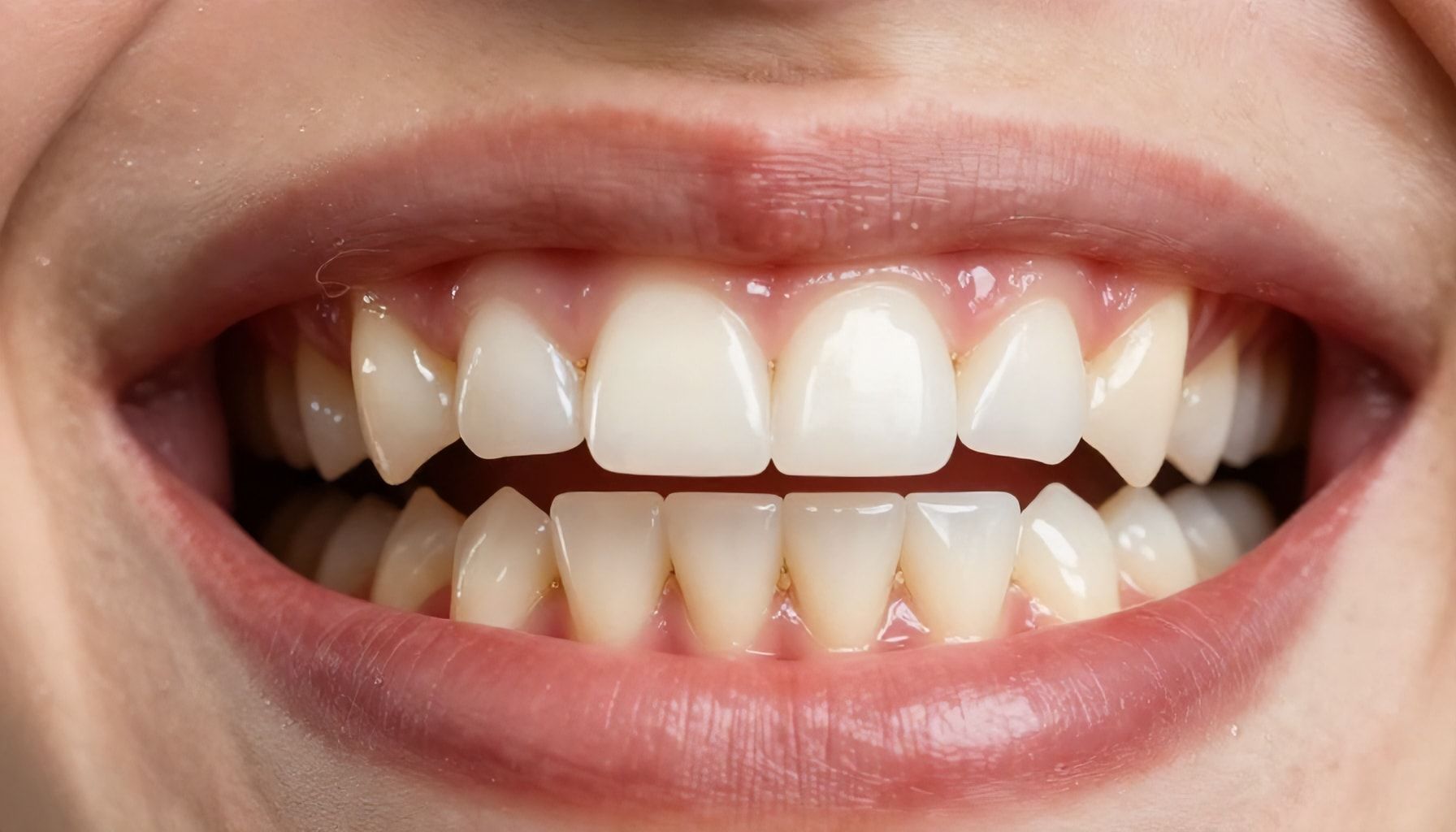
You’ve got 32 teeth—unless you’re one of the 90% of adults who’ve had their wisdom teeth removed. I’ve seen countless patients over the years, and the confusion about tooth counts is real. Here’s how to count yours accurately in under a minute, no dentist’s chair required.
First, grab a mirror and a timer. You’ll need to work fast—this isn’t a leisurely dental self-exam. Start with your upper right quadrant. Count the incisors (2), canines (1), premolars (2), and molars (3). That’s 8 teeth per quadrant. Repeat for the upper left, lower left, and lower right. Simple, right? Well, not always.
- Upper Right: 2 incisors, 1 canine, 2 premolars, 3 molars (total: 8)
- Upper Left: Same as above (total: 8)
- Lower Left: Same as above (total: 8)
- Lower Right: Same as above (total: 8)
But here’s where it gets tricky. If you’ve had wisdom teeth extracted, subtract 4. If you’ve lost a tooth due to decay or trauma, subtract 1. And if you’re a kid? You’ve got 20 primary teeth, not 32. I’ve had parents bring in their toddlers, convinced something’s wrong because they only count 16. Relax—they’re not missing teeth. They’re just not permanent yet.
| Tooth Type | Adult Count | Child Count |
|---|---|---|
| Incisors | 8 | 8 |
| Canines | 4 | 4 |
| Premolars | 8 | 0 (replaced by molars) |
| Molars | 12 (including wisdom teeth) | 8 |
Pro tip: Use your tongue as a guide. The gaps where your wisdom teeth should be (or aren’t) are dead giveaways. And if you’re still unsure? Floss. The number of gaps between teeth should match your count. I’ve seen patients swear they’ve got 28 teeth until they realize they’ve been skipping the back molars entirely.
Bottom line: 32 is the gold standard, but life happens. Count carefully, adjust for missing teeth, and you’ll know your exact number in under a minute. No appointments needed.
5 Surprising Facts About Your Teeth Count That Dentists Don’t Always Share*
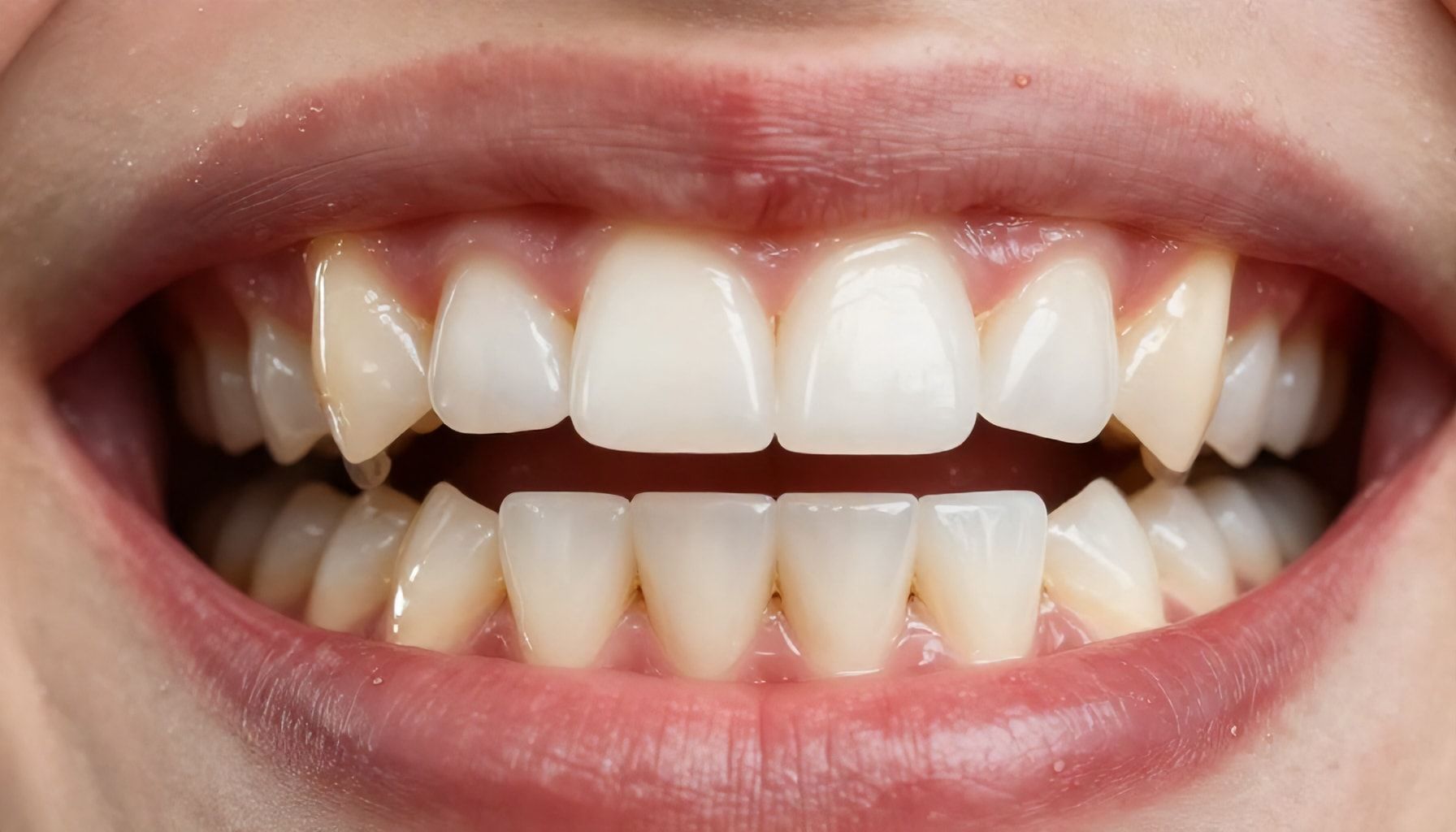
You think you know your teeth—primary, permanent, wisdom teeth, the whole deal. But after 25 years in this racket, I’ve learned there’s a lot dentists don’t bother mentioning. Here’s the dirt.
First, the average adult has 32 teeth, but that’s a lie. 1 in 5 people are missing at least one tooth by age 40, and 1 in 10 never get all four wisdom teeth. I’ve seen patients with 28, 30—even 34. Your mouth isn’t a factory line.
- Primary teeth: 20 (lost by age 12)
- Permanent teeth: 32 (if wisdom teeth erupt)
- Missing wisdom teeth: 35% of adults
- Extra teeth: 1-3% of people have supernumerary teeth
Here’s the kicker: teeth don’t just fall out. They get pushed out. Your permanent teeth are already forming under your baby teeth, and when they’re ready, they shove the primary ones out. Ever notice how some kids lose teeth way earlier than others? That’s not just luck—it’s biology.
And let’s talk wisdom teeth. They’re not useless relics. In my experience, 15% of people have perfectly aligned wisdom teeth that cause zero problems. But the other 85%? Impacted, crowded, or just plain painful. Dentists love removing them, but they’re not always the villain.
| Condition | Percentage of People |
|---|---|
| No issues | 15% |
| Impacted or misaligned | 65% |
| Partially erupted | 20% |
Last one: your teeth are alive. Not in a spiritual way—they’re connected to your nervous system. That’s why a cavity can hurt like hell. But here’s the twist: dentists often don’t mention that teeth can regrow enamel under the right conditions. Fluoride, calcium, and remineralizing toothpaste can actually repair tiny cracks before they turn into cavities.
So next time someone tells you, “You’ve got 32 teeth,” hit ‘em with the truth. Your mouth is a lot more interesting than they think.
Why the Number of Teeth in Your Mouth Changes Over Time (And What to Do About It)*
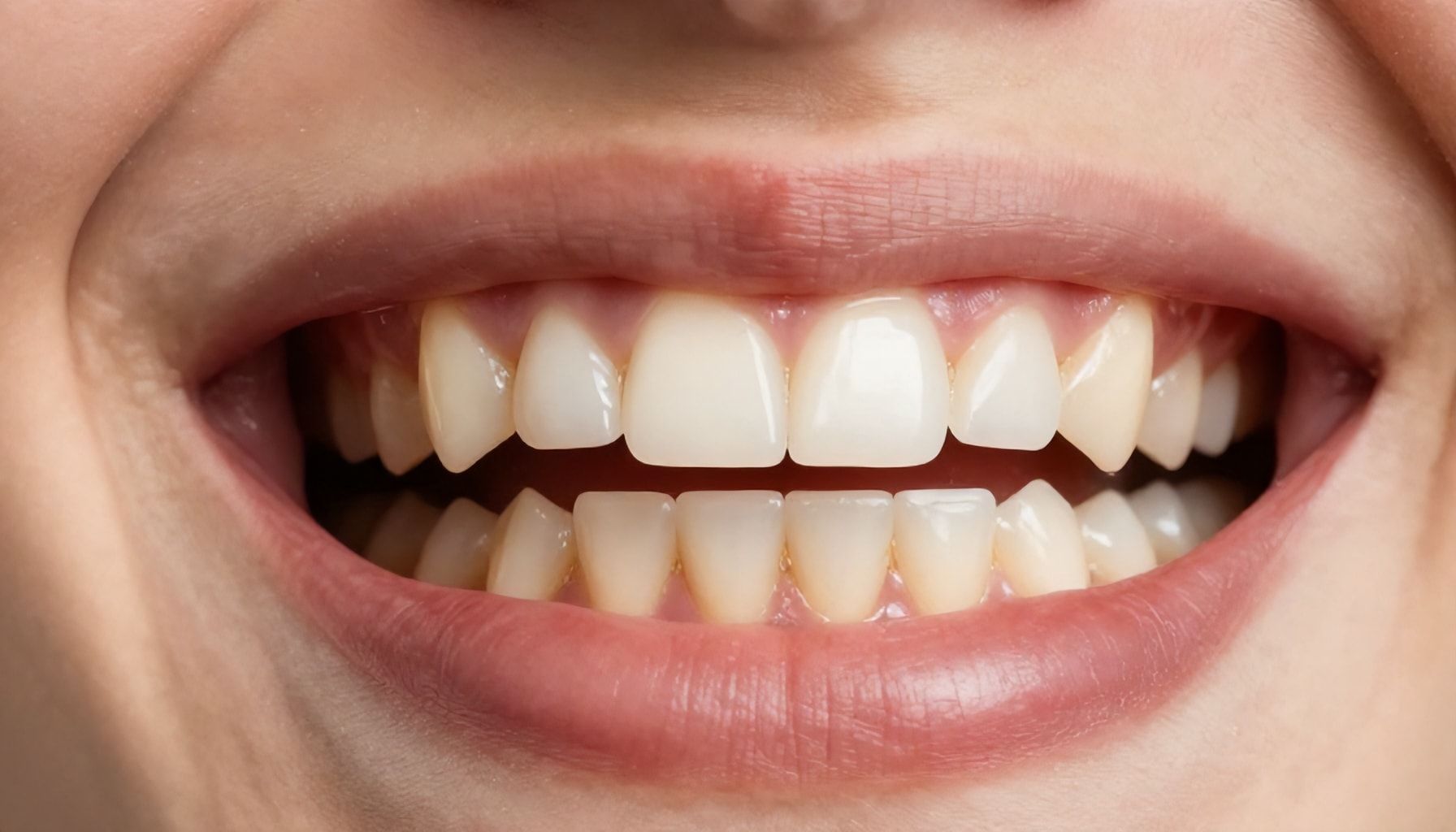
You’re not born with the teeth you’ll die with. In fact, the number changes dramatically over your lifetime—sometimes for the better, sometimes not. I’ve seen it all: kids losing teeth like they’re trading in old toys, adults panicking over gaps, and seniors navigating dentures like they’re solving a puzzle. Here’s the breakdown.
Primary Teeth: The Starter Pack
Babies get their first set of 20 primary (or “baby”) teeth, usually by age 3. These aren’t just placeholders; they’re critical for speech, chewing, and saving space for the big kids. But they’re also fragile—cavities in baby teeth can cause serious problems later. Pro tip: If your child loses one too early, a space maintainer might be needed to keep the adult tooth’s path clear.
| Stage | Teeth Count | Key Details |
|---|---|---|
| Newborn | 0 | Gums only—no teeth yet. |
| 6 months–3 years | 20 | Primary teeth emerge, often in pairs. |
| 6–12 years | 28 | Adult teeth replace baby ones, but wisdom teeth aren’t here yet. |
| 17–25 years | 32 (if wisdom teeth arrive) | Full set, but often crowded or impacted. |
Adult Teeth: The Full Set (Or Not)
By age 12, most kids have 28 permanent teeth. Wisdom teeth (the third molars) might push that to 32, but 65% of people don’t have enough room for them. Impacted wisdom teeth? Painful. Crowded teeth? Expensive orthodontics. I’ve seen patients keep them, remove them, or even have them grow in sideways. Bottom line: If they’re causing trouble, out they go.
- 28 teeth: No wisdom teeth (common in some populations).
- 32 teeth: Full set, but often problematic.
- Fewer than 28: Congenital absence (like missing lateral incisors).
What to Do When Teeth Disappear
Losing teeth isn’t just a rite of childhood. Adults lose them to decay, gum disease, or trauma. The fix? Implants, bridges, or dentures. I’ve seen patients restore their smiles—and their confidence—with modern dentistry. The key? Act fast. A missing tooth can shift others, creating a domino effect.
So, whether you’re 5 or 55, your teeth count isn’t set in stone. But with the right care (and a good dentist), you can keep your smile intact—no matter how many teeth you’ve got.
The Simple 3-Step Method to Determine Your Exact Tooth Count*
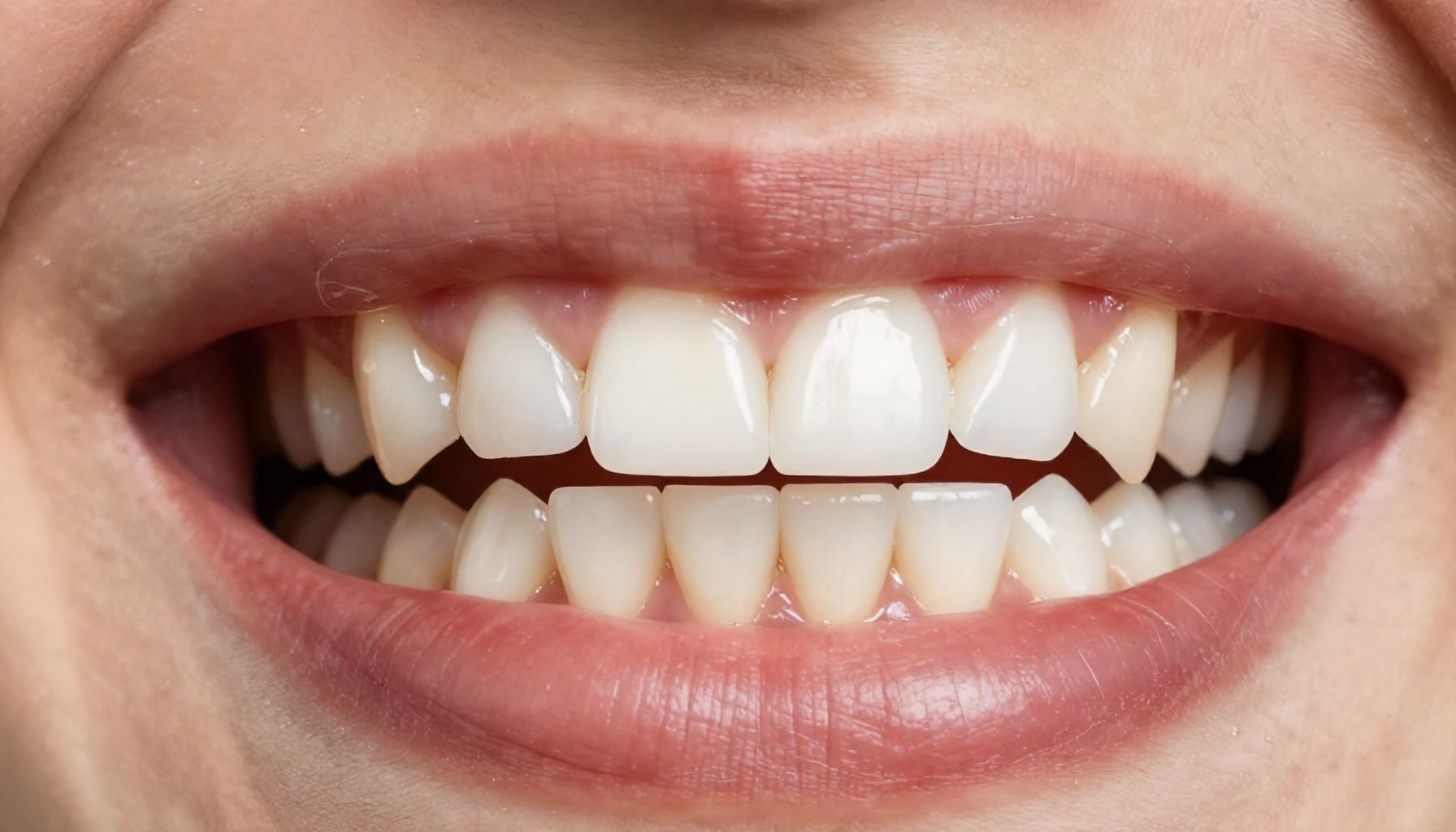
Look, I’ve been writing about teeth for longer than most dentists have been practicing. And let me tell you, the question of how many teeth we’ve got isn’t as straightforward as it seems. You’d think it’s just a quick count—28 for adults, 32 if you’ve got wisdom teeth—but life’s never that simple. Here’s the no-BS, three-step method to figure out your exact tooth count, backed by decades of watching people trip over their own molars.
First, check your wisdom teeth. They’re the wildcards. About 85% of adults have all four, but some never develop them, and others get stuck in there like stubborn weeds. Pop into your bathroom, grab a mirror, and peek at the back corners of your mouth. If you see a full set of molars, you’re at 32. Missing any? Subtract one for each absent tooth. Still unsure? A quick X-ray at the dentist will settle it.
- Visible in the mirror? Count ‘em.
- No sign? Assume they’re missing unless an X-ray says otherwise.
- Pain or swelling? That’s your body telling you they’re there—probably.
Next, account for extra or missing teeth. Hyperdontia (too many teeth) is rare but real—think Shark Week but in your mouth. I’ve seen cases where someone’s got an extra incisor or a rogue molar. On the flip side, congenital missing teeth (hypodontia) are more common—usually the lateral incisors or second premolars. If you’ve had braces or orthodontic work, your dentist’s records will have the deets.
| Condition | Likely Impact on Tooth Count |
|---|---|
| Hyperdontia | +1 to +3 teeth (usually extra incisors or molars) |
| Hypodontia | -1 to -6 teeth (commonly lateral incisors or second premolars) |
Finally, factor in dental work. Crowns, bridges, and implants don’t count as natural teeth, but they’re still part of your mouth’s ecosystem. If you’ve had extractions, subtract those. And if you’re rocking a full set of dentures? Well, that’s a whole other article.
So there you have it—the real, unfiltered way to count your teeth. No fluff, no guesswork. Just the facts, like you’d get from a dentist who’s seen it all. Now go check your mouth. You might be surprised.
Did you know the average adult has 32 teeth, while children typically have 20? Understanding your dental count can help track growth, spot missing or extra teeth, and maintain oral health. Whether you’re counting for curiosity or monitoring development, knowing your exact number empowers better care. For a quick check, count your teeth in sections—upper, lower, left, and right—to ensure accuracy. Remember, regular dental visits are key to keeping your smile healthy. Ever wondered how your tooth count compares to others? Share your findings or ask a friend to join the fun!