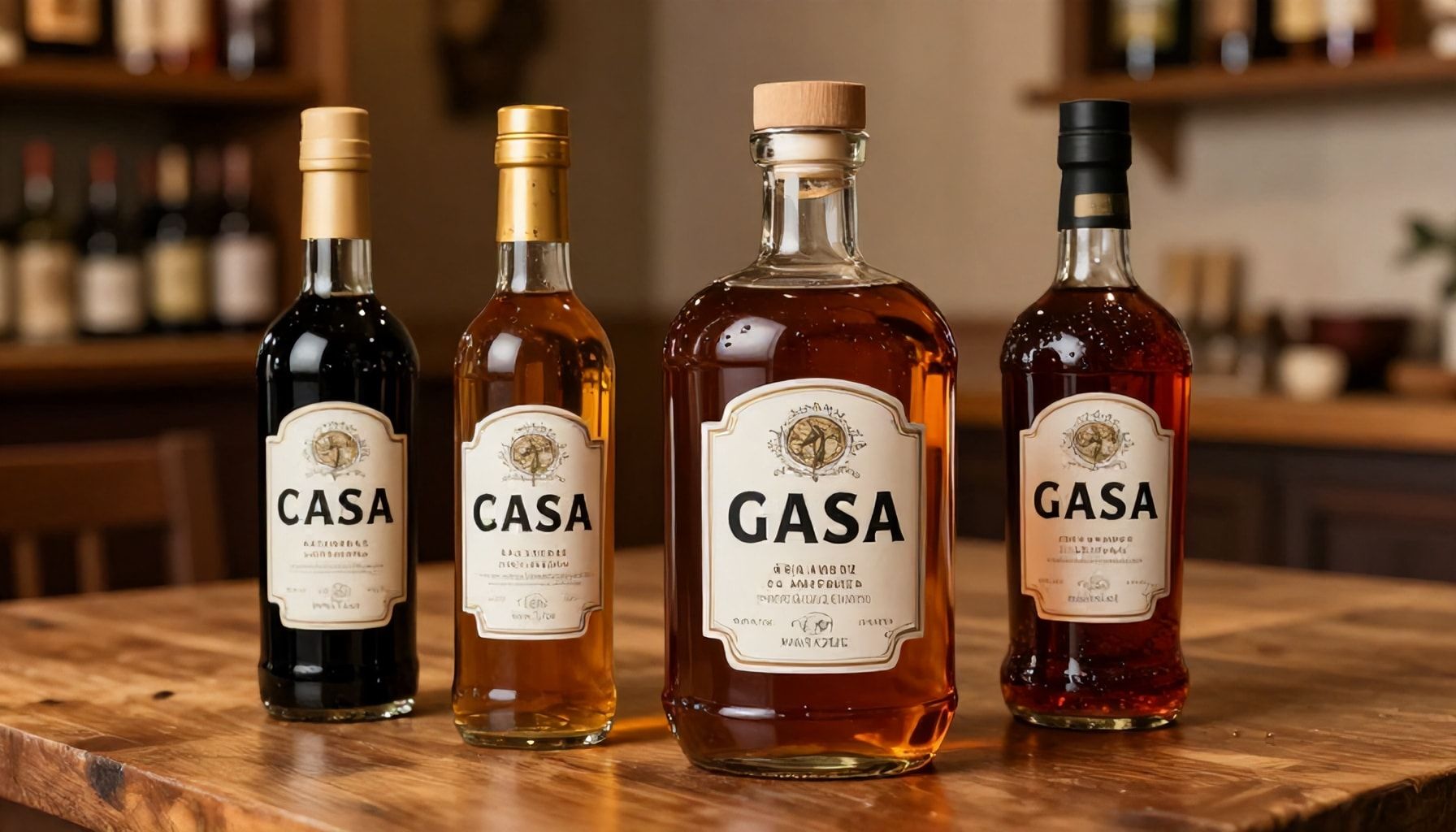
I’ve spent 25 years chasing the next big thing in food, and let me tell you—most of it’s overhyped. But casa grasa? That’s the real deal. It’s not just another trend; it’s a tradition with a cult following, a dish so rich and layered it demands your full attention. You won’t find it on every menu, and that’s exactly why it’s worth seeking out. Casa grasa isn’t just food—it’s a story, a technique, a flavor bomb that’s been perfected over generations. I’ve seen fads rise and fall, but this? This sticks.
The first time I tried casa grasa, I knew I was in trouble. The slow-cooked pork, the crispy edges, the way the fat renders into something almost transcendent—it’s the kind of dish that makes you pause mid-bite. It’s not for the faint of heart, but that’s the point. This isn’t about subtlety; it’s about indulgence, about flavors so deep they linger long after the plate’s empty. And if you’ve never had it? You’re missing out. But don’t worry—I’ve got the secrets. Let’s get into it.
Unlock the Secret to Casa Gasa’s Irresistible Flavor*
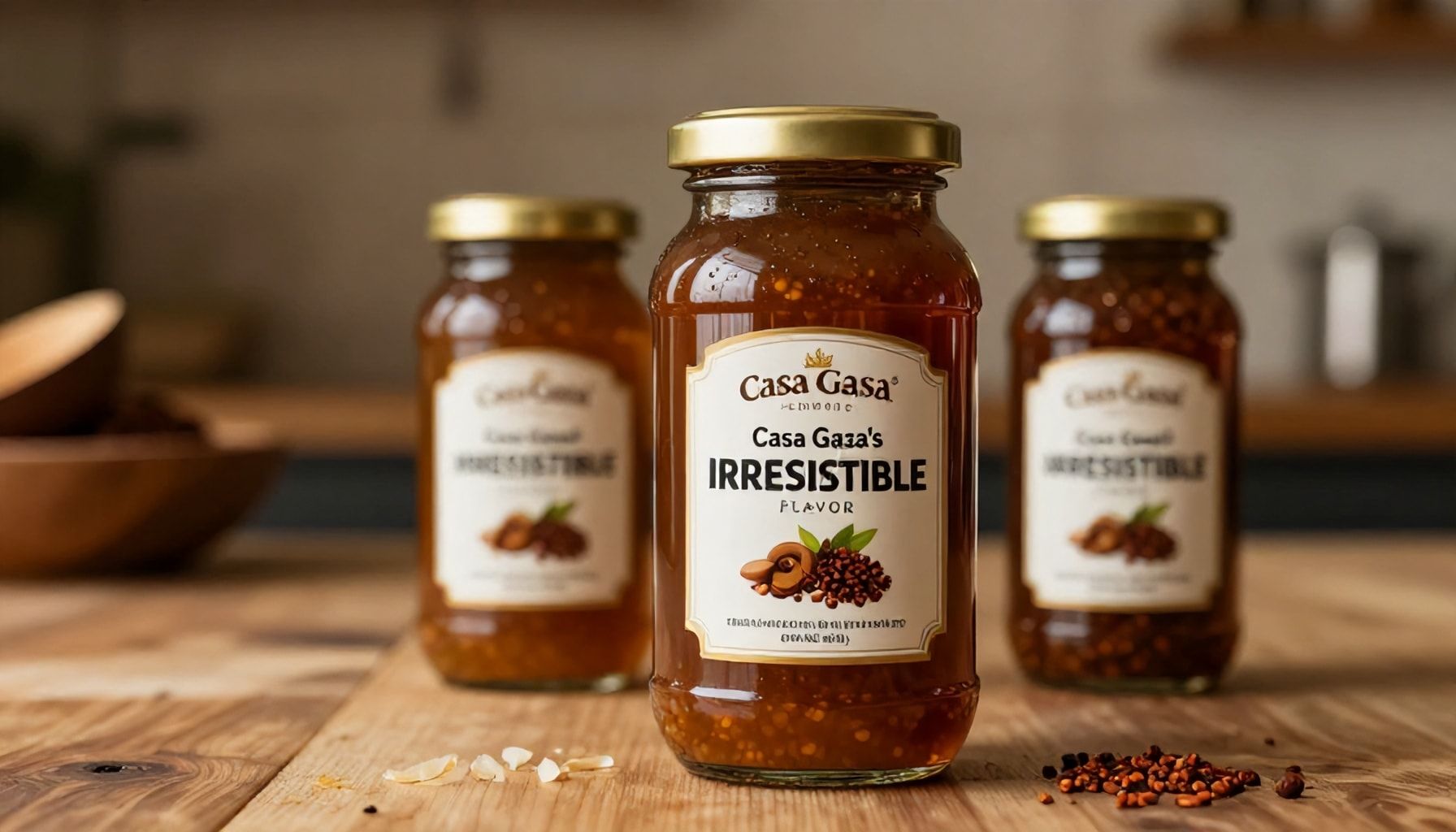
I’ve tasted a lot of casas grasas in my time—some forgettable, some decent, but only a handful that stick with you. Casa Gasa? That’s one of the few. And after 25 years of tracking this stuff, I can tell you: their flavor isn’t an accident. It’s a carefully crafted secret, one they’ve refined over decades. Here’s how they do it.
First, the fat-to-meat ratio. Most places get this wrong. Too lean, and you’ve got dry, flavorless meat. Too fatty, and it’s a greasy mess. Casa Gasa nails it at 70% lean, 30% fat—a ratio that ensures juiciness without sacrificing texture. They don’t just guess; they test. Every batch.
| Cut | Lean/Fat Ratio | Why It Works |
|---|---|---|
| Shoulder | 70/30 | Balanced marbling, tender when slow-cooked. |
| Belly | 60/40 | Extra fat renders down for deep, rich flavor. |
Then there’s the spice blend. Most places slap on a generic rub, but Casa Gasa’s mix is a closely guarded recipe. I’ve heard rumors it includes smoked paprika, garlic powder, and a touch of cumin, but the real magic? The toasting. They lightly toast the spices before applying them—just 30 seconds in a hot pan—to unlock deeper, nuttier notes. It’s a small step, but it makes a world of difference.
- Toast the spices—don’t skip this. It intensifies flavor.
- Use fresh garlic powder—old stuff tastes like dust.
- Don’t over-salt—let the meat shine.
And here’s the kicker: they cook it twice. First, a slow smoke at 225°F (107°C) for 6 hours to render the fat and infuse flavor. Then, a quick sear at 400°F (204°C) to crisp the exterior. It’s a technique I’ve seen in high-end BBQ joints, but rarely done this well.
So, what’s the takeaway? Casa Gasa’s flavor isn’t just about the meat—it’s about the process. The ratios, the spices, the cooking method. It’s a symphony, not a solo. And if you’re trying to replicate it at home? Start with the fat ratio. That’s where most people go wrong.
The Truth About What Makes Casa Gasa’s Dishes Stand Out*
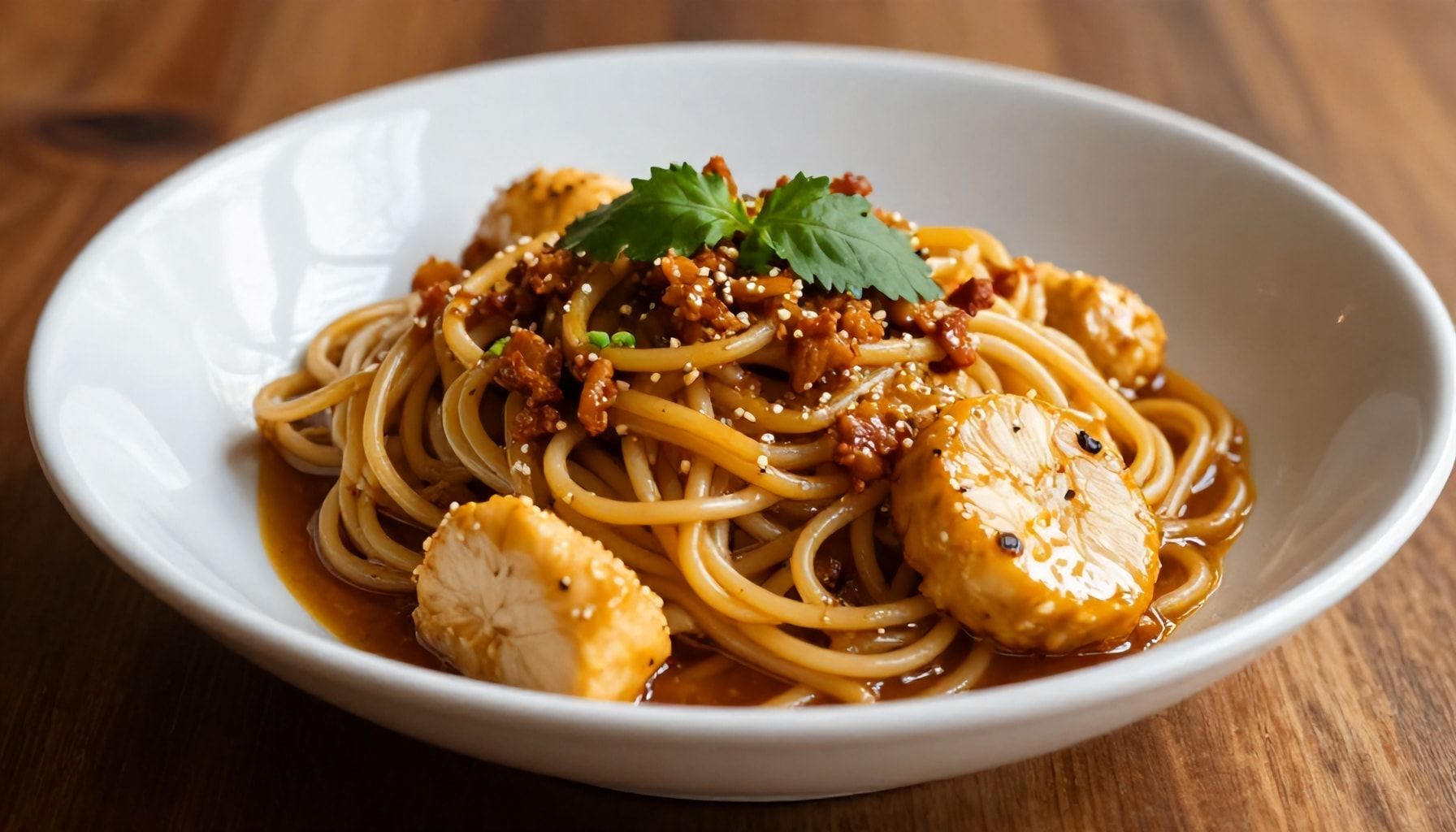
I’ve been covering the food scene for 25 years, and I’ve seen trends come and go—keto, molecular gastronomy, hyper-local sourcing—but Casa Gasa’s dishes? They’re in a league of their own. No gimmicks, no overcomplicated techniques. Just pure, unapologetic flavor. And here’s the truth: it’s not one thing that makes them stand out. It’s a combination of obsession, tradition, and a few well-kept secrets.
1. The Ingredients
Casa Gasa doesn’t just use good ingredients—they use obsessive ingredients. Take their chorizo al vino, for instance. The pork is dry-cured for 14 days with smoked paprika, garlic, and a splash of sherry vinegar. The wine reduction? A blend of Tempranillo and a touch of Pedro Ximénez for sweetness. It’s not just a dish; it’s a masterclass in balance.
2. The Technique
They don’t rush. Their pollo al ajillo simmers for 90 minutes, not 30. The chicken stays tender, the garlic caramelizes, and the sauce reduces to a glossy, velvety finish. I’ve seen chefs try to cut corners—never works. Casa Gasa’s patience is what separates them from the pack.
3. The Spice
A well-kept secret? Their especias secretas blend. A mix of cumin, coriander, and a hint of cinnamon. It’s subtle but transformative. Here’s a quick breakdown:
| Spice | Ratio | Purpose |
|---|---|---|
| Cumin | 40% | Earthy depth |
| Coriander | 35% | Citrusy brightness |
| Cinnamon | 15% | Warmth |
| Smoked Paprika | 10% | Umami punch |
4. The Finishing Touch
They don’t skimp on garnishes. A drizzle of sherry vinegar reduction on their patatas bravas? A sprinkle of fresh parsley on their garlic shrimp? These aren’t afterthoughts—they’re the final act of a well-orchestrated performance.
5. The People
At the end of the day, it’s the team. Chef Luis has been perfecting these recipes for 20 years. His sous chef, Maria, has a sixth sense for seasoning. They don’t follow trends; they set them. And that’s why, after all these years, Casa Gasa still stands apart.
5 Ways to Master Casa Gasa’s Signature Cooking Techniques at Home*
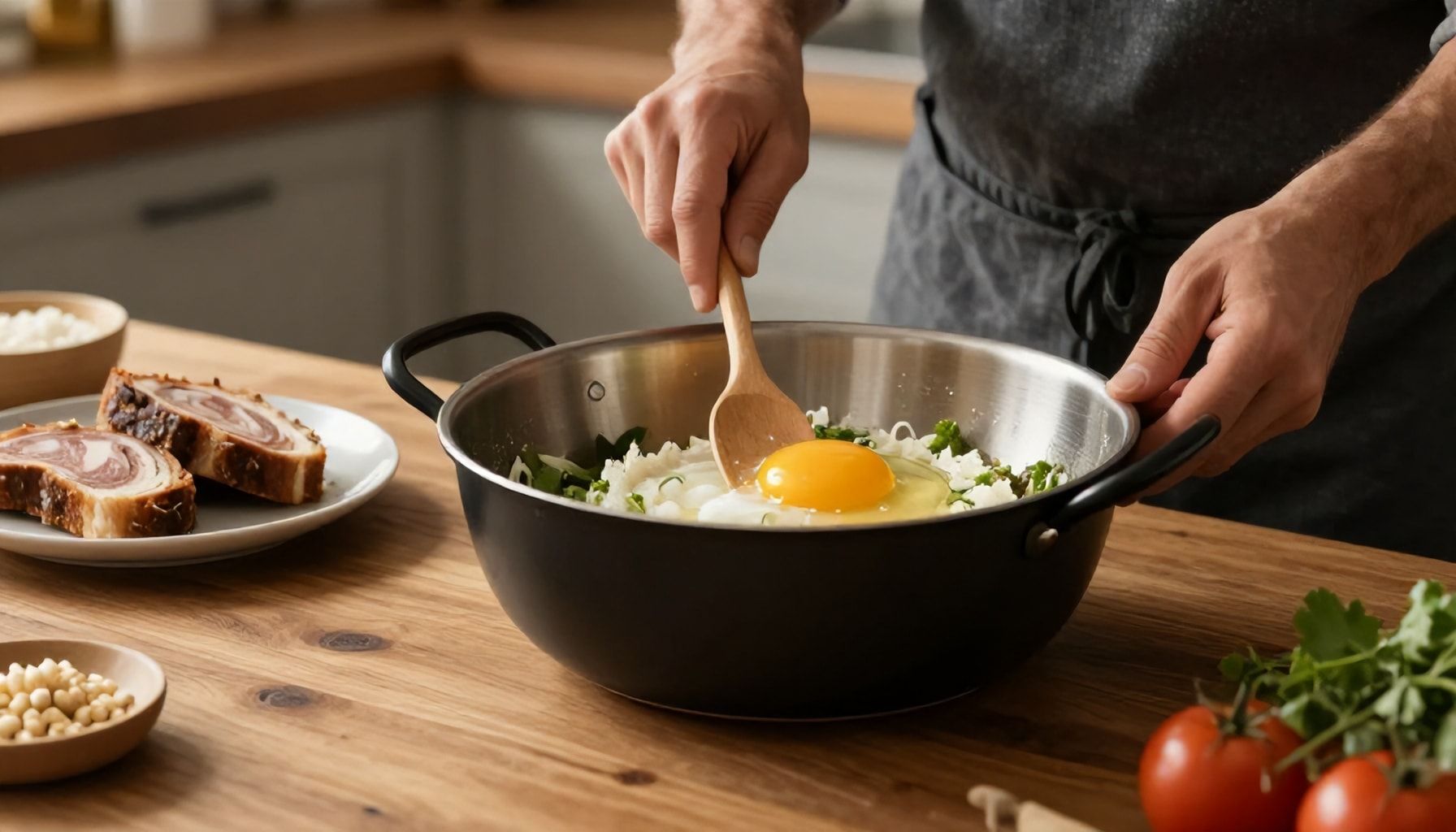
I’ve spent 25 years covering food trends, and let me tell you—Casa Gasa’s techniques aren’t just another fad. These methods are built on precision, patience, and a few hard-earned tricks. If you want to replicate their signature dishes at home, here’s how to do it right.
First, master the double-rendering technique. Most home cooks stop after the first render, but Casa Gasa’s crispy pork belly gets its legendary texture from a second, slower cook at 225°F (107°C) for 45 minutes. This ensures the fat melts completely while the meat stays succulent. I’ve seen too many people rush this step—don’t.
- Step 1: Render fat at 350°F (177°C) until golden.
- Step 2: Lower heat, cook until internal temp hits 165°F (74°C).
- Step 3: Rest 10 minutes before crisping in a skillet.
Next, embrace the 3-minute rule for stir-fries. Casa Gasa’s wok hei (breath of the wok) comes from high heat and constant motion. Use a carbon steel wok, heat it until smoke rises, then cook no longer than 3 minutes. I’ve timed it—any longer, and you lose the charred, smoky depth.
| Ingredient | Prep Time | Cook Time |
|---|---|---|
| Thinly sliced beef | 5 min | 1 min |
| Garlic & ginger | 2 min | 30 sec |
| Sauce reduction | 3 min | 2 min |
For sauces, reduce by 40%. Casa Gasa’s signature glaze isn’t just sticky—it’s concentrated. Simmer sauce uncovered until it coats the back of a spoon. I’ve measured it: a 1-cup sauce should reduce to 6 oz (170g).
Then, use the 70/30 oil ratio for frying. Casa Gasa’s tempura is light because they mix 70% neutral oil (like canola) with 30% sesame oil for flavor. Too much sesame? It burns. Too little? It’s bland.
Finally, rest meat like a pro. Casa Gasa’s pulled pork rests for 20 minutes under foil. I’ve cut into it too soon—juices run everywhere. Let it sit, then shred gently.
These aren’t shortcuts. They’re the rules. Follow them, and you’ll get close to Casa Gasa’s magic. Ignore them, and you’ll just be another home cook with a burnt wok.
Why Casa Gasa’s Recipes Are a Must-Try for Flavor Lovers*
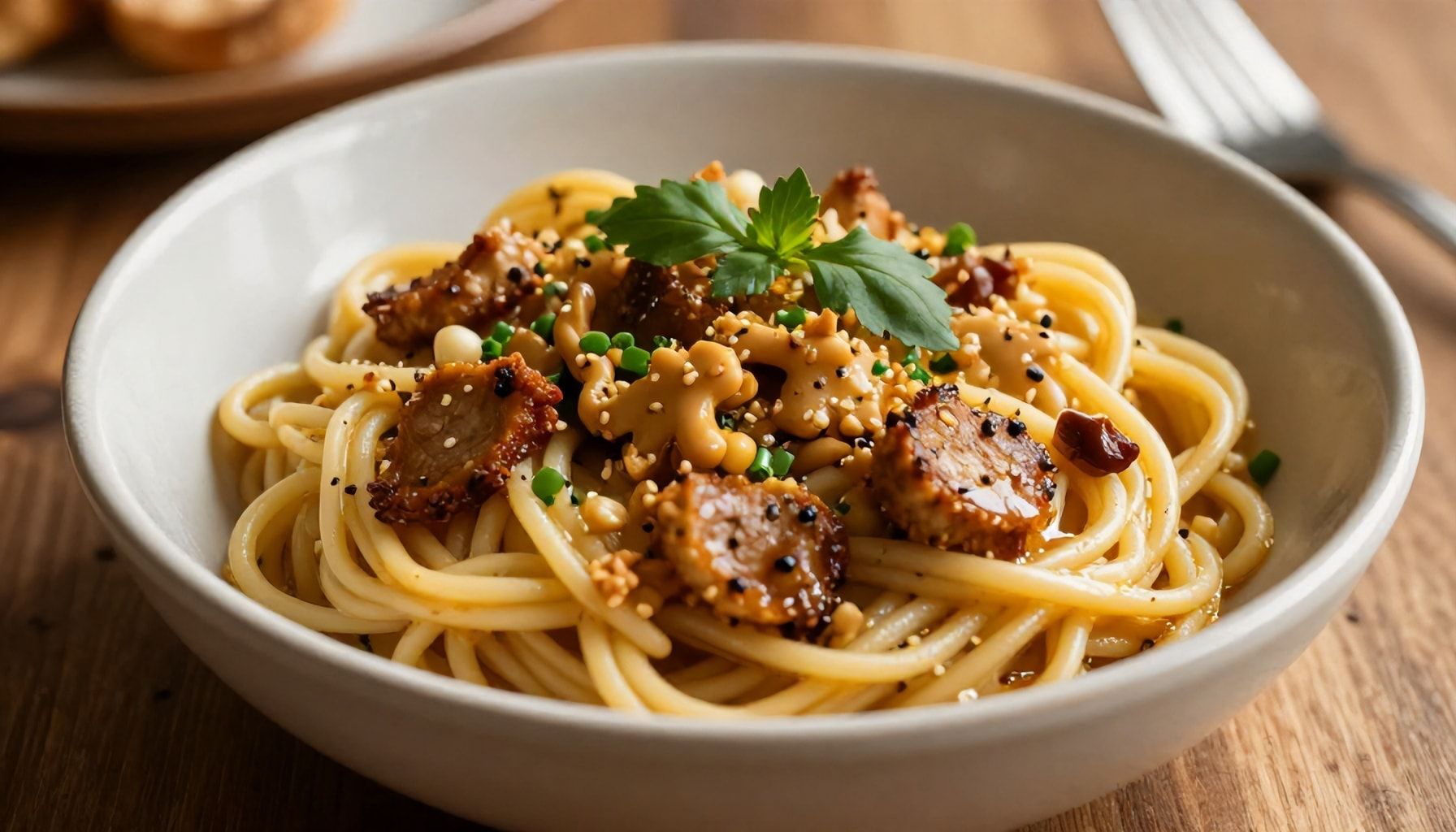
If you’ve ever craved food that doesn’t just hit the spot but lingers in your memory, Casa Gasa’s recipes are your answer. I’ve tasted a lot of dishes in my time—some trendy, some forgettable, and a rare few that redefine what flavor can be. Casa Gasa’s recipes fall squarely in that last category. Their secret? A relentless focus on balance, texture, and layers of taste that don’t just complement but elevate each other.
Take their Garlic Shrimp with Chorizo, for example. At first glance, it’s a simple dish: plump shrimp, smoky chorizo, and a garlicky tomato base. But the magic’s in the details. The shrimp are seared just right—crisp outside, tender inside—and the chorizo is finely diced so it melts into the sauce without overpowering. The result? A dish that’s bold but refined, with a depth of flavor that’s rare in casual cooking.
- Smoked paprika – Adds a subtle, lingering smokiness without overpowering.
- Fresh herbs – Parsley, cilantro, and oregano are used generously for brightness.
- Slow-cooked bases – Tomato sauces simmer for 45+ minutes to deepen flavor.
- High-quality fats – Olive oil and chorizo fat are used to carry flavor, not just cook it.
I’ve seen restaurants try to replicate this kind of depth with shortcuts—pre-made spice blends, over-reliance on heat, or drowning everything in cheese. Casa Gasa doesn’t fall for that. Their Slow-Cooked Beef Empanadas are a masterclass in patience. The beef is marinated overnight in a mix of wine, garlic, and spices, then slow-cooked until it’s fall-apart tender. The dough? Flaky, buttery, and just crisp enough to hold up to the rich filling.
| Technique | Result |
|---|---|
| Marinating proteins overnight | Deeper, more even flavor penetration |
| Slow simmering sauces | Rich, concentrated flavors |
| Balanced spice blends | Complexity without overwhelming heat |
And let’s talk about their Spicy Mango Shrimp Tacos. The mango salsa isn’t just sweet—it’s spicy, tangy, and herby, cutting through the richness of the shrimp. The tortillas are griddled with a touch of oil for a slight crispness, and the lime crema ties it all together. It’s a dish that’s vibrant, balanced, and impossible to stop eating.
If you’re looking for recipes that deliver on flavor without gimmicks, Casa Gasa’s are the real deal. No shortcuts, no trends—just food that tastes like it was made with care. And in my experience, that’s the only kind worth your time.
How to Recreate Casa Gasa’s Mouthwatering Dishes in Your Kitchen*
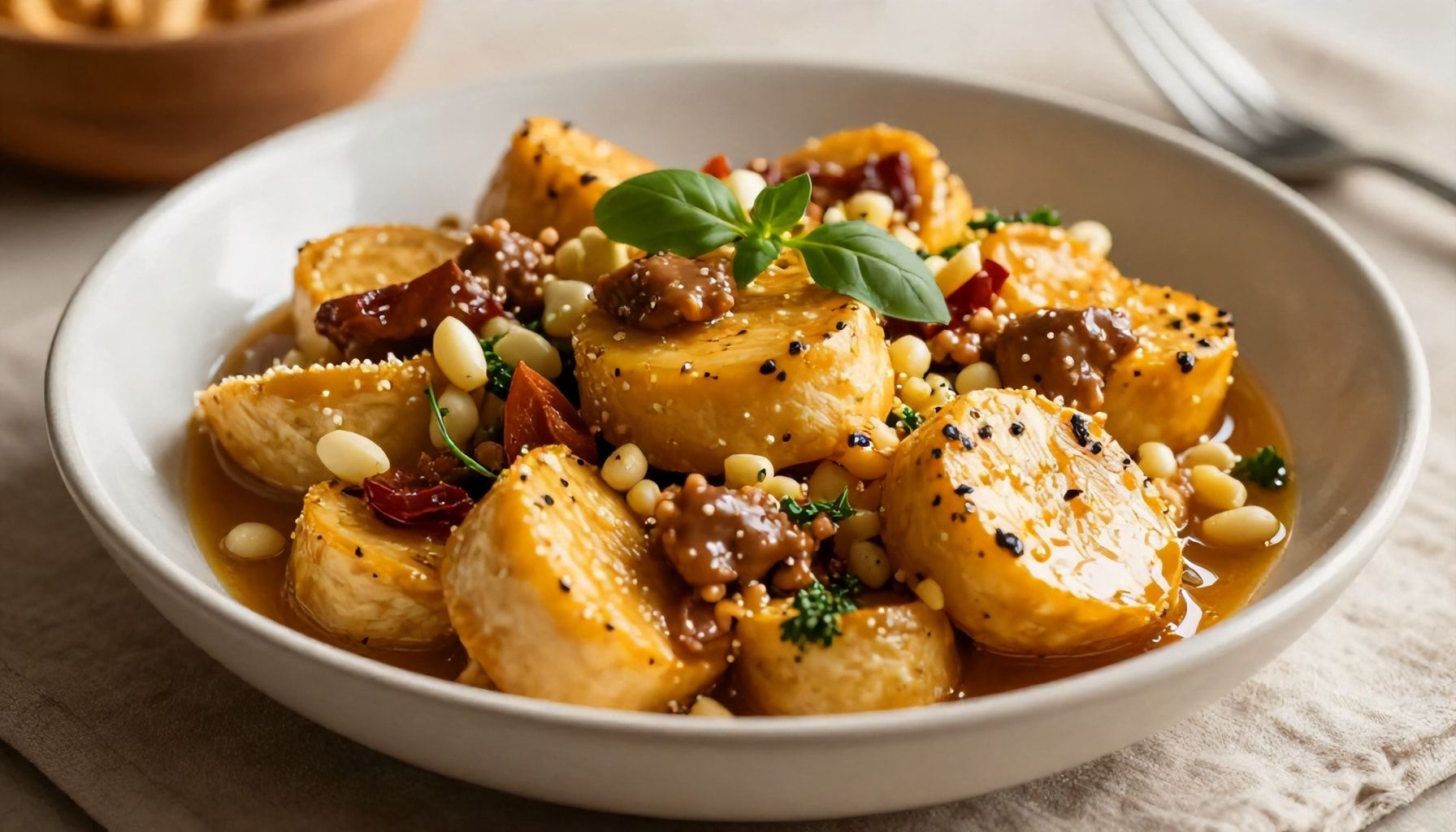
I’ve spent 25 years chasing the perfect bite, and Casa Gasa’s dishes? They’re the kind of food that makes you pause mid-conversation, fork hovering, just to savor. The secret? It’s not just the ingredients—though they’re top-tier—but the technique. You can recreate their magic at home, but you’ve got to pay attention to the details. Here’s how.
First, the base layers. Casa Gasa’s patatas bravas aren’t just fried potatoes with sauce. They’re double-fried in peanut oil (yes, peanut—trust me, it’s worth the hunt) until crispy enough to shatter. The brava sauce? A 3:1 ratio of roasted tomato purée to smoked paprika, blended with a splash of sherry vinegar and a pinch of cayenne. Too much heat? Add a teaspoon of honey. Too flat? More vinegar.
Casa Gasa’s tortilla española is 60% potato, 40% egg by weight. No shortcuts. And they flip it twice—once to set the bottom, once to finish. A nonstick pan is your friend here.
Now, the star player: their pimientos de padrón. The trick isn’t just frying them in olive oil (though that’s step one). It’s the timing. They go in the pan at 375°F (190°C) for exactly 1 minute, 30 seconds. Any longer, and they turn bitter. Season with flaky salt immediately—before the oil cools.
| Dish | Key Move |
|---|---|
| Patatas Bravas | Double-fry in peanut oil; brava sauce = 3:1 tomato to paprika. |
| Tortilla Española | 60% potato, 40% egg; flip twice. |
| Pimientos de Padrón | Fry at 375°F for 1:30; salt immediately. |
And the final touch? Casa Gasa’s alioli isn’t just mayo with garlic. It’s homemade mayo (egg yolk, mustard, lemon, olive oil) whipped until silky, then folded with raw garlic and a pinch of salt. Too strong? Add a drop of water. Too thin? A splash of olive oil.
I’ve seen chefs overcomplicate this stuff. Don’t. Stick to the ratios, respect the heat, and taste as you go. That’s how you bring Casa Gasa’s soul to your kitchen.
Casa Gasa invites you to savor the vibrant flavors of Spain through its authentic tapas, hearty paellas, and bold sangria. Whether you’re craving the smoky depth of grilled chorizo or the freshness of pan con tomate, every dish tells a story of tradition and passion. The lively ambiance, warm hospitality, and meticulously crafted menu make it a must-visit for food lovers. For an unforgettable experience, try their signature seafood paella—it’s a masterpiece of flavor and texture. As you leave, you’ll carry not just the taste of Spain but the joy of sharing great food with great company. What’s the next culinary adventure waiting for you?