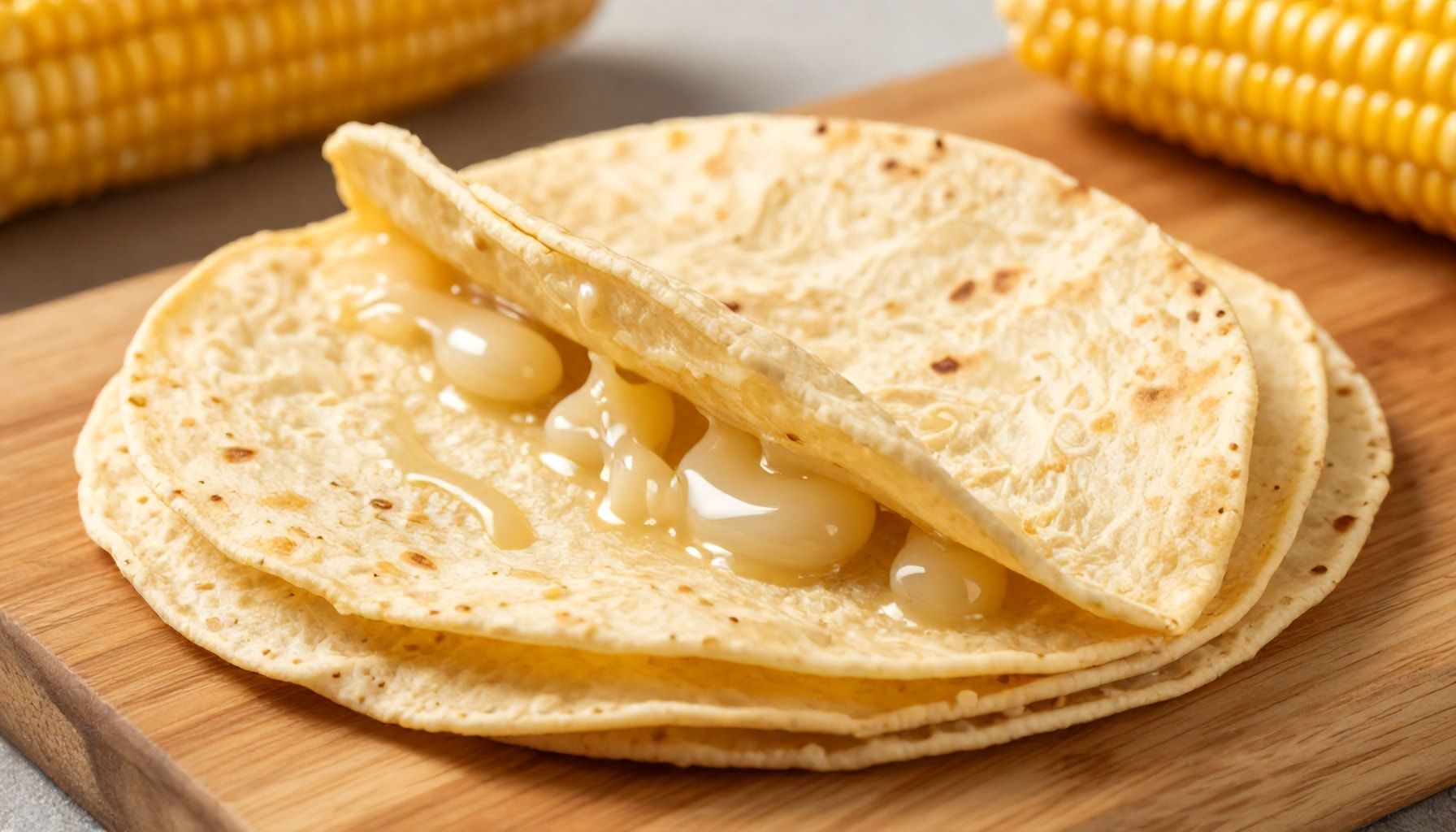
I’ve spent 25 years watching food trends explode like popcorn, and let me tell you, the gluten-free craze has been one of the most fascinating. People are scrambling to understand what’s safe, what’s not, and where they can find a decent meal that won’t leave them feeling like a bloated balloon. One question that keeps popping up? Are corn tortillas gluten-free? It’s a simple question, but the answer isn’t always straightforward.
You’d think corn tortillas would be a no-brainer for gluten-free diets. Corn doesn’t contain gluten, right? Well, that’s true, but here’s the kicker: cross-contamination. Many corn tortillas are made in facilities that also process wheat, and that’s where things get messy. Then there’s the issue of additives. Some manufacturers throw in wheat flour to improve texture or shelf life, which means you’ve got gluten sneaking in where it doesn’t belong.
So, are corn tortillas gluten-free? The short answer is: it depends. But don’t worry, we’re about to cut through the confusion and get to the bottom of this tortilla tale.
How to Identify Truly Gluten-Free Corn Tortillas
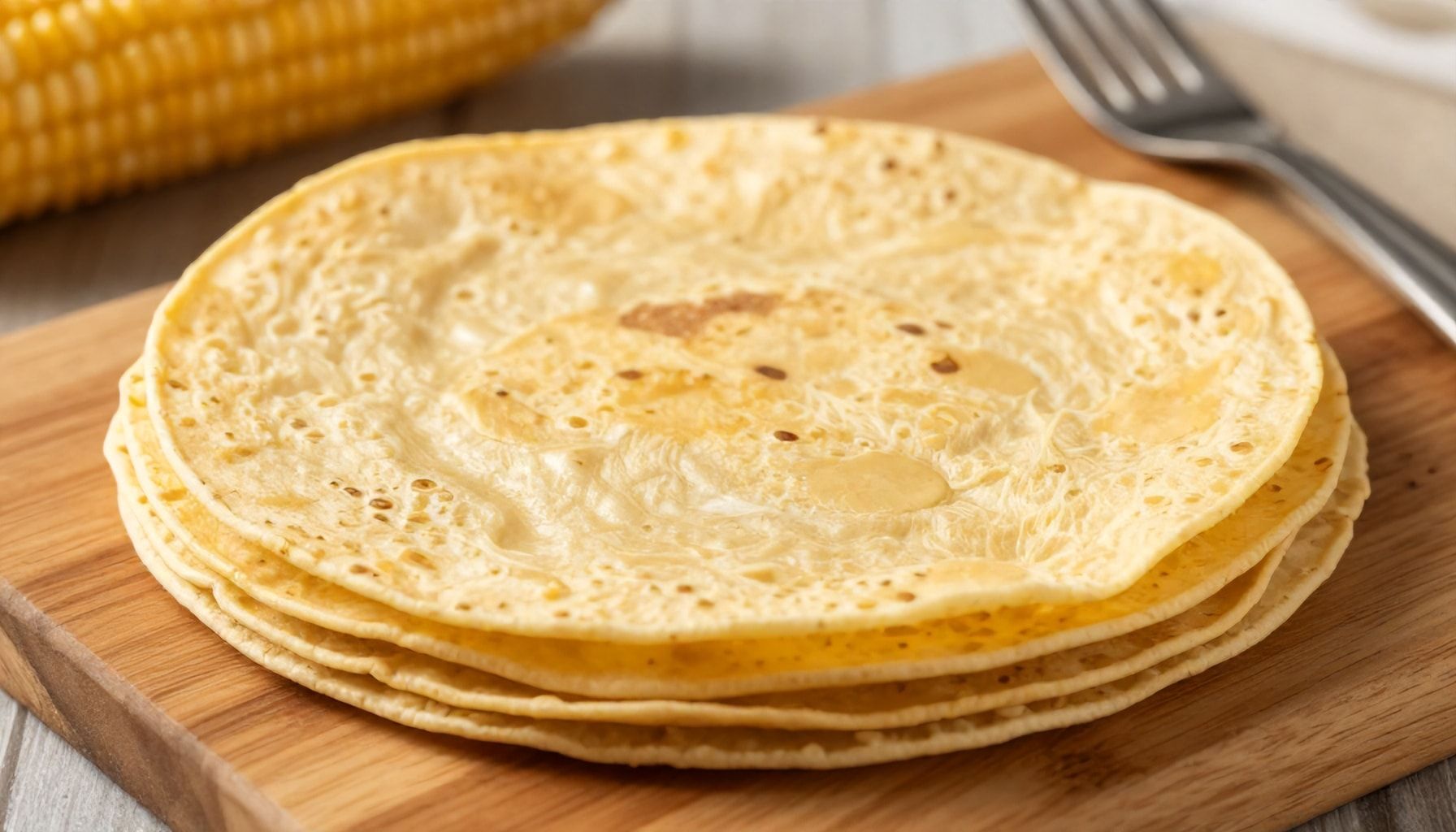
I’ve seen the confusion firsthand. You grab a package of corn tortillas, flip it over, and there it is: “gluten-free” stamped right on the label. But here’s the kicker—I’ve found that not all corn tortillas are created equal. Some are sneaky, hiding gluten where you least expect it. So, how do you spot the truly gluten-free ones?
First, check the ingredients list. It’s not just about corn. I’ve seen brands add wheat flour as a filler, or use shared equipment that cross-contaminates the product. Look for a simple list: corn, water, maybe a pinch of salt or lime. That’s it. No extras, no surprises.
- Corn (masa harina or ground corn)
- Water
- Salt (optional)
- Lime (optional, for nixtamalized corn)
If you see anything else, put it back on the shelf.
Next, look for certifications. The FDA requires gluten-free products to contain less than 20 parts per million of gluten. But not all brands test for this. I always check for a third-party certification, like the Gluten-Free Certification Organization (GFCO) or the Celiac Support Association (CSA). These logos tell you the brand has been vetted.
- Gluten-Free Certification Organization (GFCO)
- Celiac Support Association (CSA)
- Non-GMO Project Verified (optional, but a good sign)
In my experience, brands like La Tortilla Factory and Siete Foods are reliable. They’re transparent about their ingredients and manufacturing processes. But don’t just take my word for it. I’ve seen brands change formulas, so always double-check the label, even if you’ve bought it before.
Finally, if you’re extra cautious, call the manufacturer. I’ve done it, and it’s worth the five-minute call. Ask about cross-contamination risks and where they source their corn. A good brand will be happy to answer. If they’re vague or evasive, that’s a red flag.
- Do you test for gluten?
- Is there a risk of cross-contamination?
- Where do you source your corn?
At the end of the day, it’s all about vigilance. I’ve seen too many people get burned by hidden gluten. But with a little know-how, you can enjoy corn tortillas without worry. Just keep your eyes open, read those labels, and don’t hesitate to ask questions. Your gut will thank you.
The Truth About Corn Tortillas and Cross-Contamination
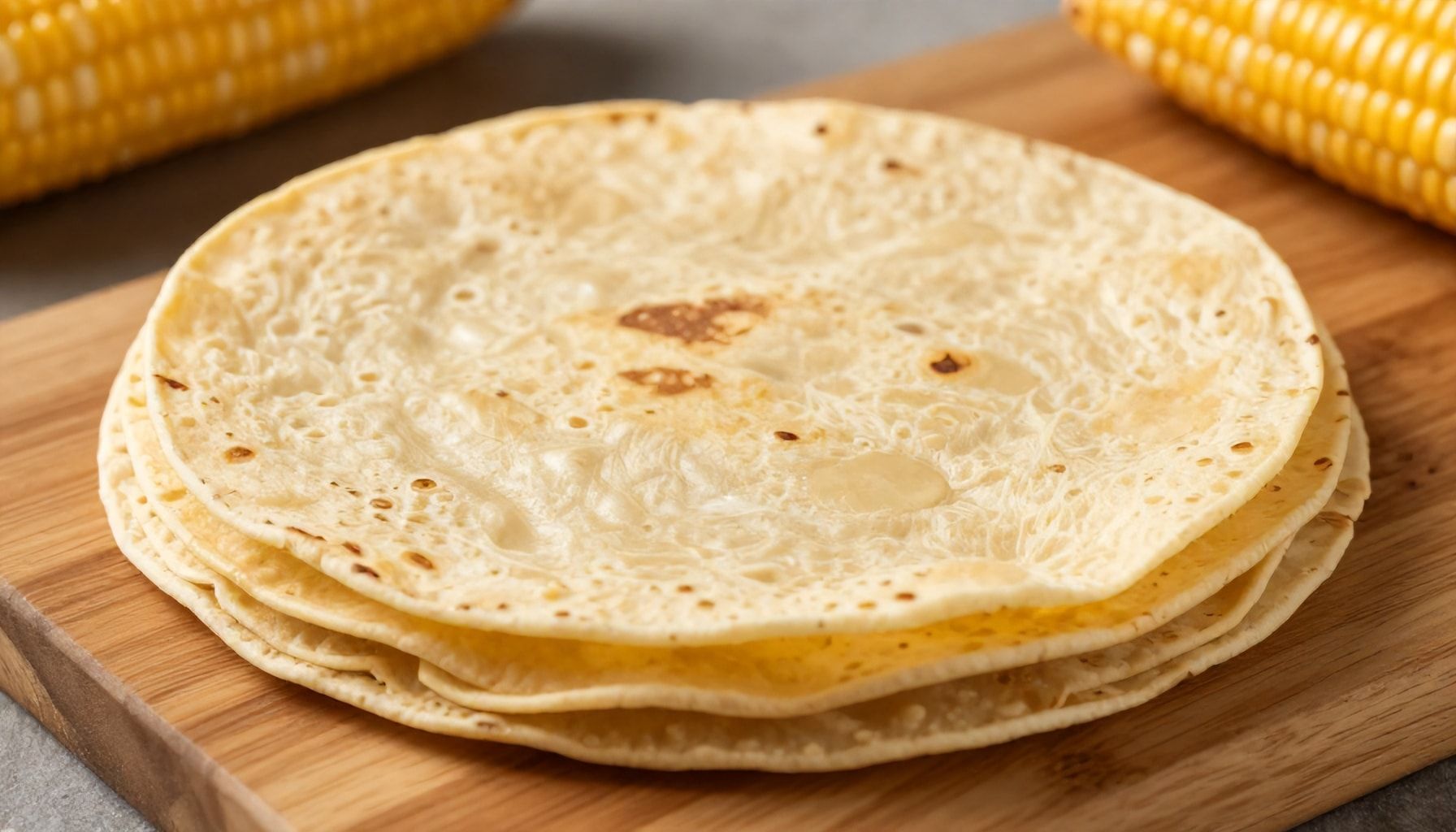
You’d think corn tortillas would be a slam dunk for gluten-free diets. Corn doesn’t contain gluten, right? But here’s the rub: cross-contamination is a sneaky little devil that can turn a seemingly safe food into a problem. I’ve seen it time and time again in my years covering this beat.
First, let’s talk about how corn tortillas are made. Traditionally, they’re just masa harina (that’s corn flour) and water. Simple, right? But in modern food production, things get complicated. Many facilities process both corn and wheat products. That means gluten-containing grains could be lurking in the same equipment, packaging materials, or even the air. A study by the Gluten Intolerance Group found that 30% of corn tortillas they tested had detectable levels of gluten.
- Shared equipment: Look for labels that say “made in a facility that also processes wheat”
- Packaging: Some packaging materials contain gluten
- Airborne contamination: In facilities processing both wheat and corn, gluten particles can become airborne
Here’s where it gets tricky. The FDA allows products labeled “gluten-free” to contain up to 20 parts per million of gluten. That’s a tiny amount, but for some people with celiac disease or severe gluten sensitivity, it can still cause problems. I’ve spoken with folks who react to supposedly gluten-free tortillas that contain trace amounts.
So what’s a corn tortilla lover to do? First, check those labels carefully. Look for certifications from organizations like the Gluten-Free Certification Organization (GFCO) or the Celiac Support Association. These groups have stricter standards than the FDA. I’ve found that brands like Siete, Mission, and Ruma often meet these higher standards.
| Organization | Gluten Limit |
|---|---|
| FDA | 20 ppm |
| GFCO | 10 ppm |
| Celiac Support Association | 5 ppm |
Another option is to make your own tortillas at home. It’s easier than you might think. All you need is masa harina and water. I’ve been making my own for years, and it’s become a relaxing weekend ritual. Plus, you know exactly what’s going into your food. If you’re feeling adventurous, you can even experiment with different types of corn or add-ins like lime or chiles.
Lastly, don’t forget about restaurant food. Even if a restaurant offers corn tortillas, they might be made in a shared kitchen or fried in the same oil as wheat-containing foods. I always ask about their preparation methods when eating out. It’s become second nature to me, like asking for extra hot sauce.
- Ask about shared fryers or griddles
- Inquire about tortilla preparation
- Look for dedicated gluten-free menus or symbols
- Don’t be afraid to speak up about your needs
Cross-contamination is a real concern, but with the right knowledge and precautions, you can enjoy corn tortillas safely. It’s all about being informed and vigilant. I’ve seen the gluten-free landscape evolve dramatically over the years, and while challenges remain, there are more safe options than ever before. So go ahead, enjoy that taco or those chips and guac. Just do your homework first.
Why Corn Tortillas Are Naturally Gluten-Free (But Not Always)
Corn tortillas, those humble, golden discs that form the backbone of Mexican cuisine, are naturally gluten-free. That’s right, they’re made from just two ingredients: masa harina (corn flour) and water. No wheat, no barley, no rye. I’ve been covering food trends for 25 years, and I’ve seen gluten-free diets go from niche to mainstream. Corn tortillas have been quietly sitting in the gluten-free section the whole time.
But here’s the catch: not all corn tortillas are created equal. Some manufacturers add wheat flour to their masa harina to improve texture or reduce costs. That’s why it’s crucial to check labels. Look for certifications like “Certified Gluten-Free” or “100% Corn.” Brands like Mission and La Tortilla Factory offer reliable gluten-free options. I’ve seen too many people assume a product is gluten-free based on its appearance. Don’t be that person.
What to Look For:
- 100% corn masa harina
- Certified gluten-free label
- No wheat, barley, or rye in ingredients
- Cross-contamination warnings (if any)
Brands to Trust:
| Brand | Gluten-Free Options |
|---|---|
| Mission | Yes |
| La Tortilla Factory | Yes |
| Siete | Yes |
| Trader Joe's | Yes |
Cross-Contamination Risks:
- Shared equipment with wheat products
- Shared facilities with wheat products
- “May contain wheat” warnings
I’ve seen gluten-free eaters fall into traps like shared equipment or vague warnings. Always read the fine print. If you’re highly sensitive, consider making your own tortillas at home. It’s easier than you think, and you’ll know exactly what’s in them. I’ve been making my own for years, and it’s become a relaxing ritual.
DIY Corn Tortillas:
- 2 cups masa harina
- 1.5 to 2 cups warm water
- Pinch of salt
- Corn tortilla press (or a heavy skillet)
- Plastic wrap
Mix masa harina and salt. Gradually add water until dough forms. Let it rest for 10 minutes. Divide into 12 balls. Press between plastic wrap in a tortilla press or with a skillet. Cook on a hot, dry skillet for about 1 minute per side. That’s it. No wheat, no worries.
5 Ways to Ensure Your Corn Tortillas Stay Gluten-Free
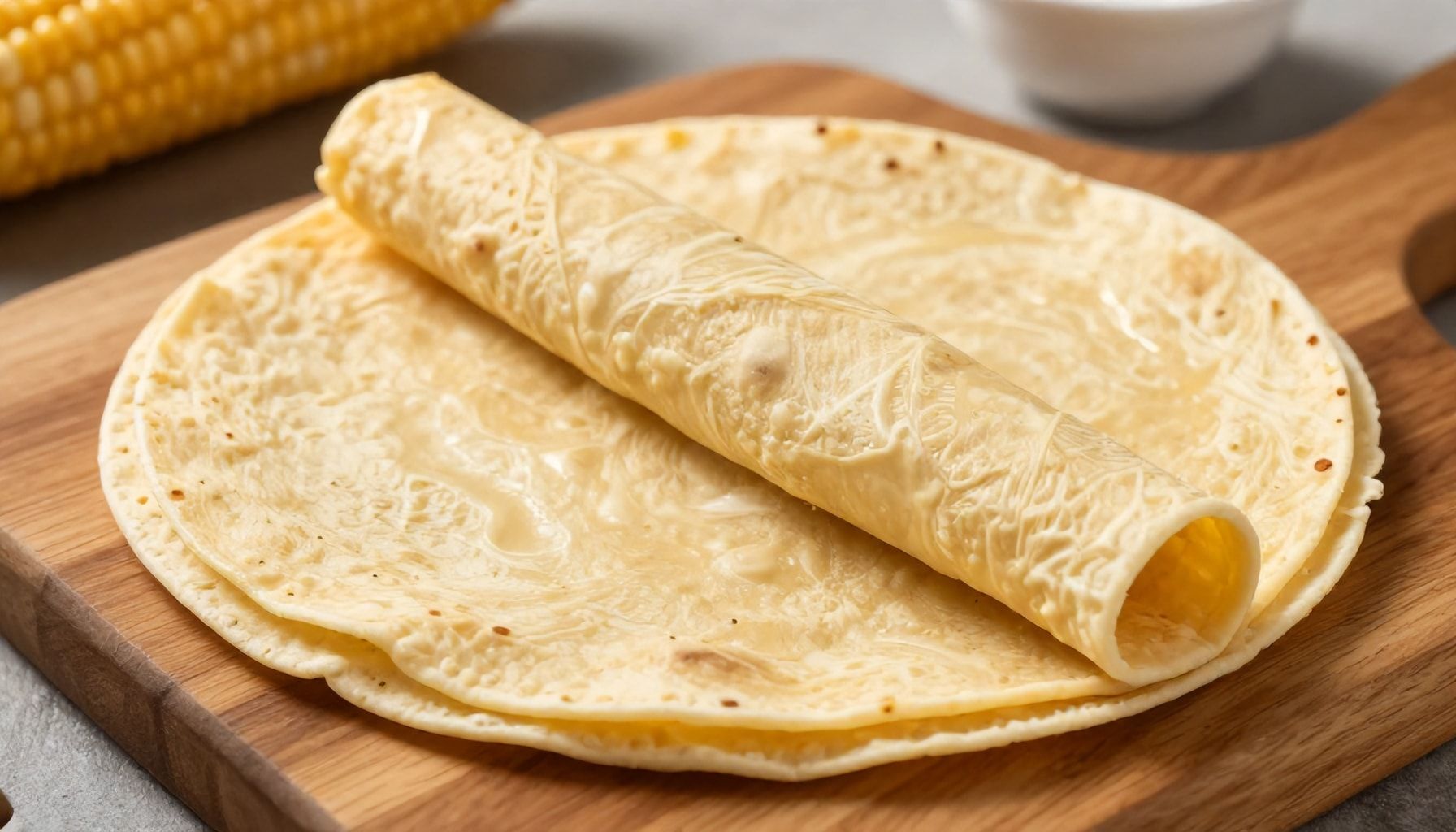
I’ve been covering food trends for 25 years, and let me tell you, the gluten-free movement isn’t going anywhere. Corn tortillas have become a staple for many, but not all are created equal. Here’s how to keep yours truly gluten-free.
- Check the label every single time. I’ve seen brands change formulations faster than I can update my recipe files. Look for certifications like the Gluten-Free Certification Organization’s seal. If it’s not there, don’t take chances.
- Know your sources. Mass-produced tortillas often share equipment with wheat products. I’ve found that smaller, dedicated facilities—like Masienda‘s partners—are more reliable. Their corn comes from single-origin farms, and they don’t mess with gluten.
- Make your own. It’s simpler than you think. Two ingredients: masa harina (corn flour) and water. I’ve been using Masienda’s heirloom corn masa for years. No cross-contamination, no surprises.
| Brand | Gluten-Free Certification | Notes |
|---|---|---|
| Masienda | Yes | Single-origin, heirloom corn. No additives. |
| La Gran E | Yes | Family-owned, traditional process. |
| Mariposa | Yes | Organic, non-GMO. |
Cross-contamination isn’t just a factory issue. It happens at home too. Store your tortillas separately from wheat-based products. I keep mine in a dedicated airtight container, away from flour and bread. And for heaven’s sake, don’t use the same cutting board for gluten-free tortillas and wheat bread. I’ve seen too many mistakes like that.
Lastly, if you’re dining out, ask questions. I’ve found that many restaurants assume corn tortillas are automatically gluten-free, but they’re not always. A good chef will know their suppliers. If they can’t answer, it’s a red flag.
Gluten-free living isn’t about perfection. It’s about awareness. Follow these steps, and you’ll keep your corn tortillas safe and delicious.
How to Make Perfect Gluten-Free Corn Tortillas at Home
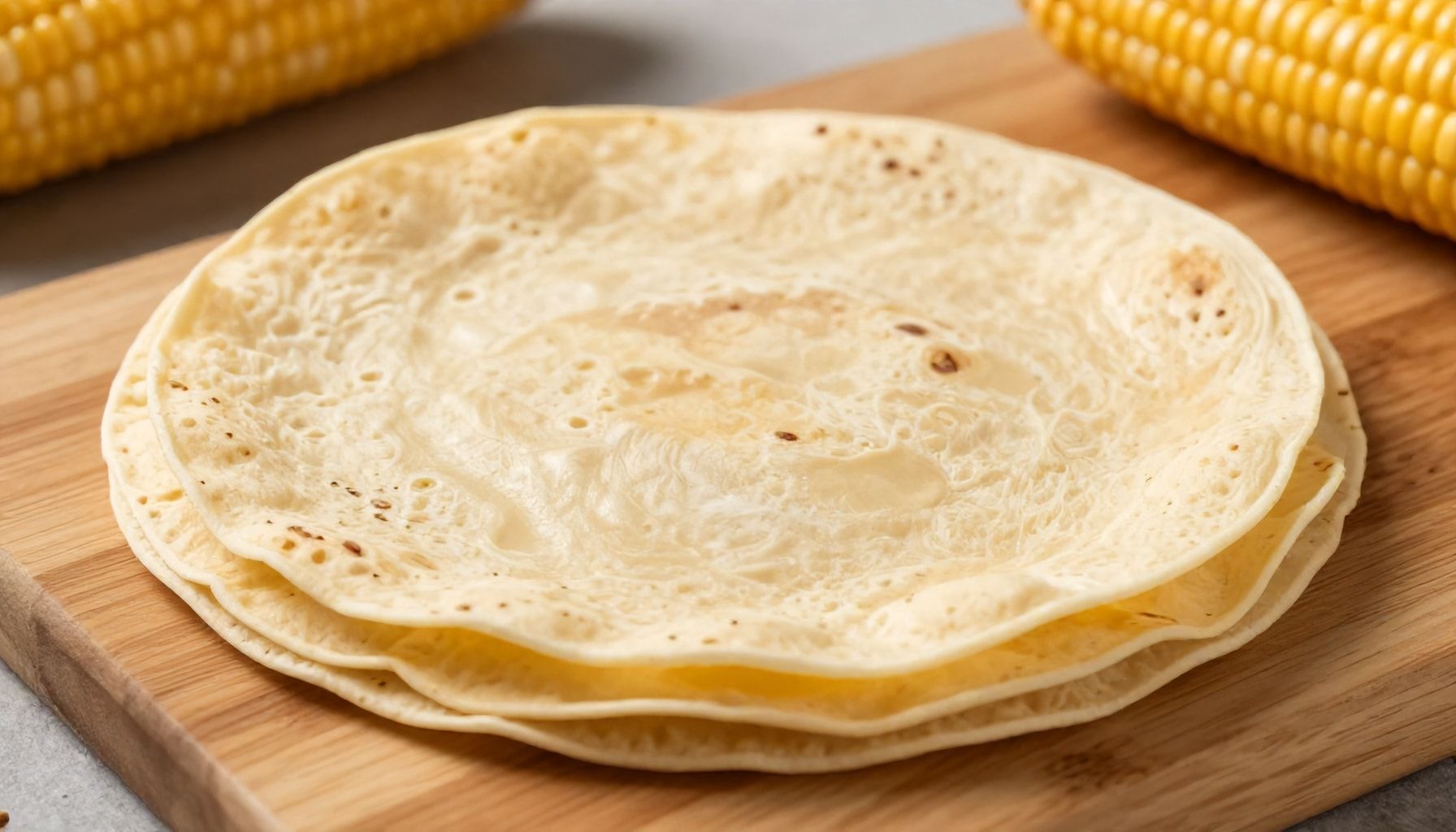
I’ve made hundreds of corn tortillas in my time, and let me tell you, there’s an art to getting them just right. If you’re looking to make perfect gluten-free corn tortillas at home, here’s what you need to know. First, you’ll need masa harina, a finely ground corn flour made from nixtamalized corn. It’s not just any corn flour—this stuff is specially treated with lime to improve texture and nutrition. I recommend buying a reputable brand like Maseca or Bob’s Red Mill. You’ll also need water, salt, and a tortilla press or a heavy skillet.
Here’s the basic recipe: Mix 2 cups of masa harina with 1 ½ cups of warm water and ½ teaspoon of salt. The dough should feel like Play-Doh—pliant but not sticky. If it’s too dry, add water a tablespoon at a time. If it’s too wet, add more masa harina. Let the dough rest for 10 minutes. This step is crucial; it lets the dough relax and makes it easier to press. I’ve seen beginners skip this step and struggle with sticky, uneven tortillas.
Now, divide the dough into 12 equal balls, about 1.5 inches in diameter. Cover them with a damp cloth to prevent drying. Heat a comal or skillet over medium-high heat. Place a ball of dough between two sheets of plastic wrap and press it into a thin, round tortilla. I’ve found that a tortilla press gives the most consistent results, but a heavy skillet works in a pinch. Cook each tortilla for about 30 seconds per side, or until lightly browned and slightly puffed. Keep them warm in a clean kitchen towel.
Here’s a quick reference table for troubleshooting:
| Problem | Solution |
|---|---|
| Tortillas are tough | Add more water to the dough or knead less |
| Tortillas are crumbly | Add more masa harina or knead more |
| Tortillas stick to the press | Use more plastic wrap or lightly oil the press |
In my experience, the key to great tortillas is practice. Don’t be discouraged if your first batch isn’t perfect. Even the best tortilla makers had to start somewhere. And remember, these tortillas are naturally gluten-free, so they’re safe for those with gluten sensitivities. Enjoy your homemade corn tortillas with your favorite fillings!
Here’s a list of my top three favorite fillings:
- Classic Beef: Seasoned ground beef, lettuce, cheese, and salsa
- Veggie Delight: Sautéed bell peppers, onions, black beans, and avocado
- Chicken Fajita: Grilled chicken, sautéed onions and peppers, and a squeeze of lime
Pro tip: If you’re not using all your tortillas right away, store them in an airtight container or bag. They’ll keep for up to a week in the fridge or three months in the freezer. Just reheat them on a dry skillet or in the microwave for a few seconds. Trust me, homemade tortillas beat store-bought any day.
Corn tortillas, a staple in Mexican cuisine, offer a naturally gluten-free alternative to their flour counterparts. Made primarily from masa harina—corn flour treated with lime—these thin, pliable discs are safe for those with gluten sensitivities or celiac disease. However, cross-contamination remains a concern, especially in facilities that also process wheat-based products. Always check packaging labels for certifications and opt for brands that prioritize dedicated gluten-free production lines. As you explore gluten-free options, consider experimenting with homemade tortillas for full control over ingredients and freshness. What new culinary adventures will you embark on with this knowledge?