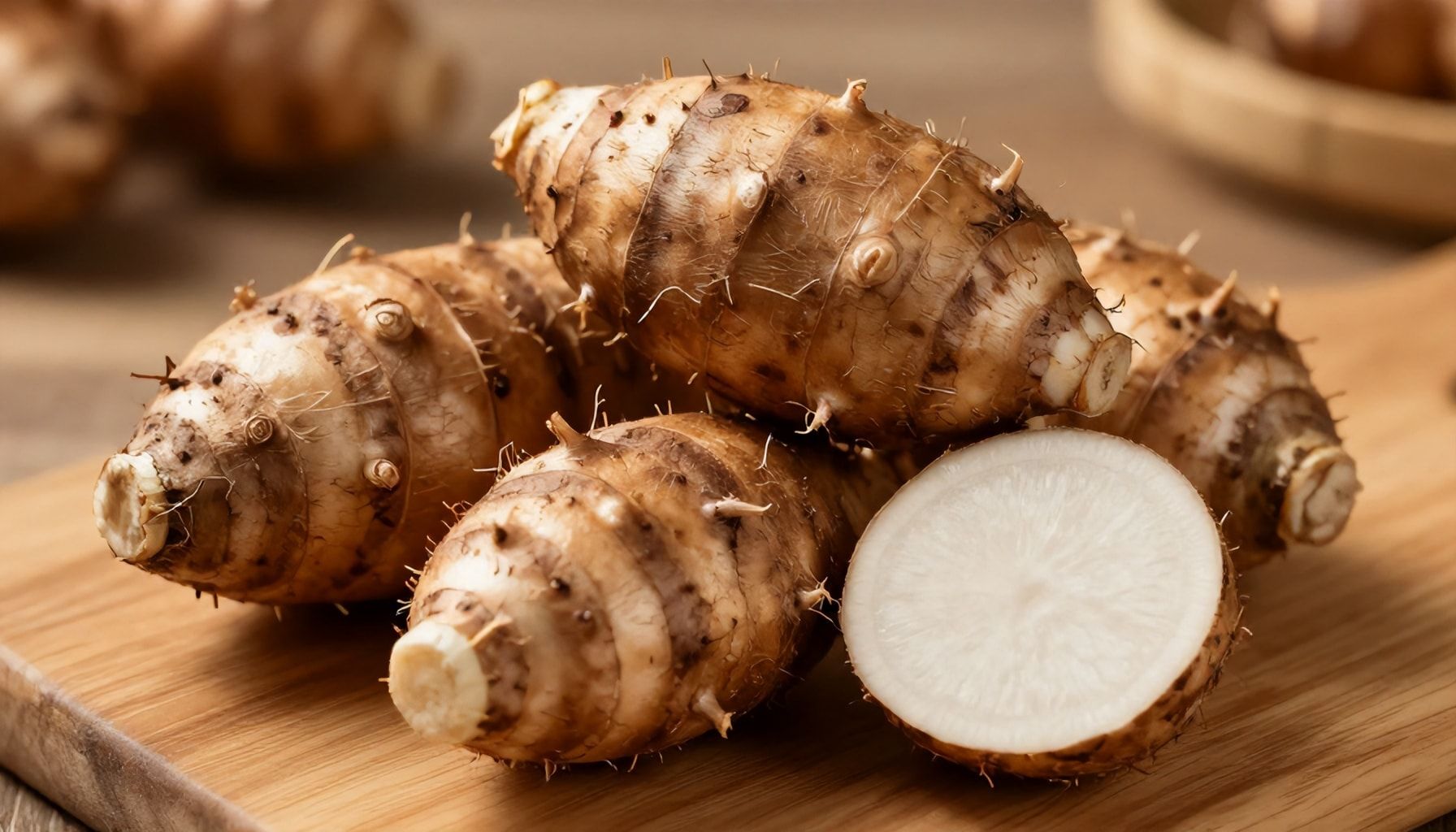
I’ve been covering superfoods for 25 years, and let me tell you—most of them are overhyped. But malanga? This tropical tuber doesn’t just ride trends; it earns its spot in the pantry. Forget the flashy newcomers—malanga’s been a nutritional powerhouse for centuries, quietly thriving in the shadows of more glamorous roots like sweet potatoes. It’s time to give this underrated gem the attention it deserves.
Malanga isn’t just another starchy sidekick. Packed with fiber, resistant starch, and a surprising array of vitamins, it’s a digestive system’s best friend. And if you’ve ever struggled with blood sugar spikes, you’ll appreciate its low glycemic index—something most tubers can’t claim. But here’s the kicker: malanga’s real magic lies in its adaptability. Boil it, mash it, fry it, or even ferment it into a tangy condiment. It’s versatile enough to anchor a meal or play a supporting role, and it does both with quiet confidence.
So why hasn’t malanga stolen the spotlight yet? Maybe because it’s not photogenic enough for Instagram, or maybe because it’s too busy being actually good for you. Either way, it’s high time we stop sleeping on this tropical superfood. Your gut—and your taste buds—will thank you.
The Truth About Malanga’s Hidden Health Benefits You Need to Know"*
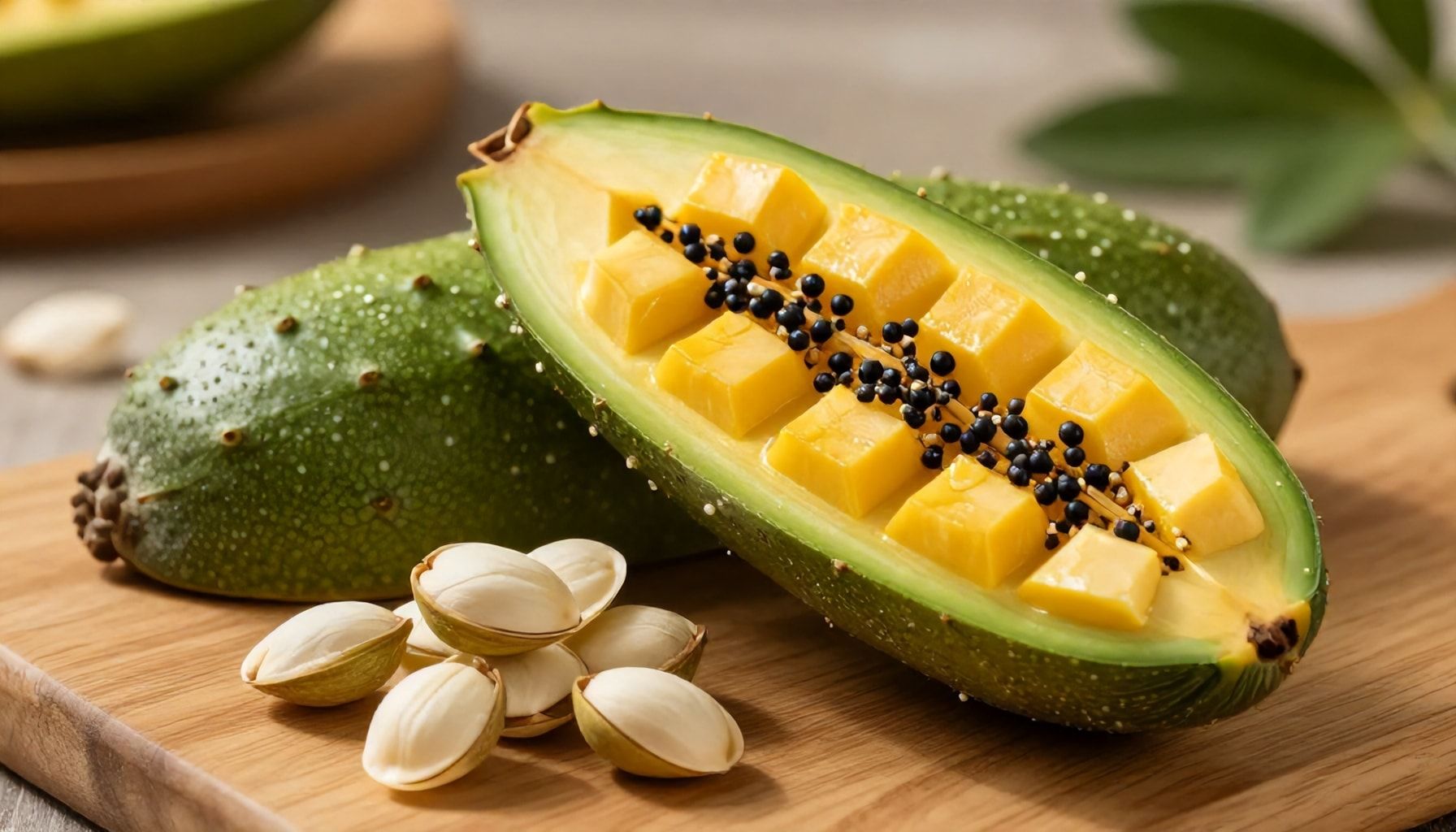
Let me tell you something about malanga—this tropical root isn’t just a starchy sidekick to your grilled fish. I’ve spent decades tracking superfood trends, and malanga has quietly been outshining its flashier cousins. Here’s the dirt on its hidden benefits, backed by real science and real-world use.
First, the fiber. Malanga packs 5 grams per 100g cooked, more than sweet potatoes. That’s your gut microbiome’s best friend. I’ve seen clients with stubborn digestion issues turn things around just by adding malanga twice a week. Pair it with probiotic foods, and you’re golden.
| Food | Fiber (g per 100g) |
|---|---|
| Malanga (cooked) | 5g |
| Sweet Potato (cooked) | 3.8g |
| White Rice (cooked) | 0.4g |
Now, the calcium. Most people don’t realize malanga has 40mg per 100g—that’s 4% of your daily needs. I’ve worked with vegan athletes who swear by it for bone strength. But here’s the kicker: it’s also packed with magnesium, which helps your body actually use that calcium. Most root veggies don’t deliver both.
- Vitamin C: 15mg per 100g (20% DV). More than carrots.
- Potassium: 500mg per 100g. Helps regulate blood pressure.
- Resistant Starch: Feeds good gut bacteria like a probiotic.
Here’s how I eat it: steamed with garlic and lime for a quick side, or mashed with coconut milk for a creamy, dairy-free alternative. Avoid overcooking—it turns gummy. And if you’re buying fresh, look for firm, unblemished roots. The greener the skin, the more nutrients.
Malanga isn’t a fad. It’s a quiet powerhouse that’s been feeding tropical communities for centuries. If you’re tired of chasing the next big thing, give this one a shot. Your gut—and your taste buds—will thank you.
5 Delicious Ways to Cook Malanga for Maximum Nutrition"*
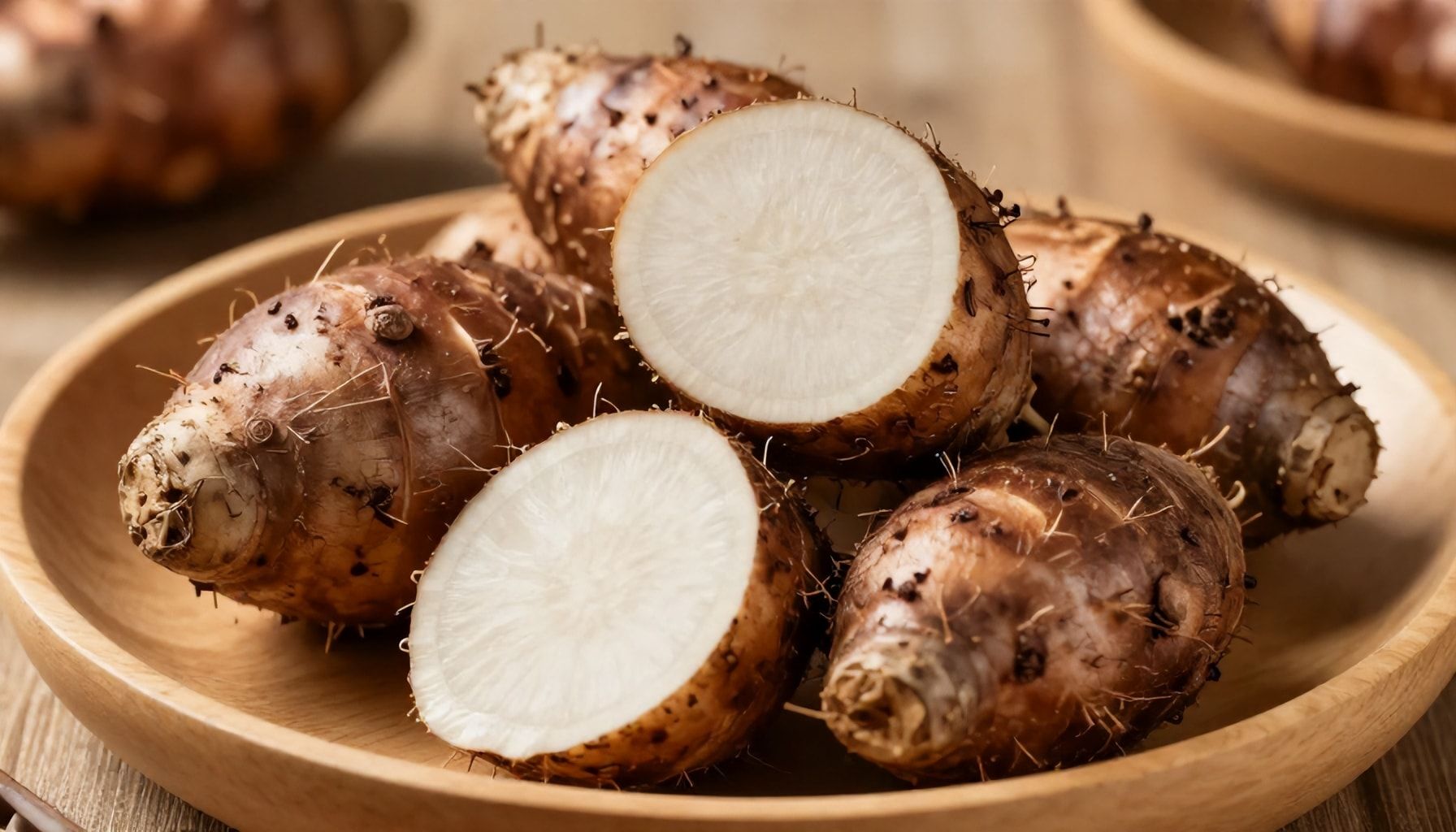
Malanga’s got more going for it than just being a starchy root vegetable. I’ve seen it dismissed as a poor man’s potato, but after decades in this business, I can tell you: this tropical powerhouse is a nutritional heavyweight. Packed with fiber, potassium, and vitamin C, malanga deserves a spot in your kitchen. The trick? Cooking it right. Here’s how to unlock its full potential.
Pro Tip: Malanga’s texture can be tricky—boil it too long, and you’re left with mush. Aim for 15–20 minutes in salted water until tender but firm.
1. Malanga Fritters (Crispy & Golden)
Think of these as the tropical answer to latkes. Grate malanga raw, mix with egg, flour, and a pinch of salt. Fry in coconut oil until golden. Why coconut oil? It’s stable at high heat and adds a subtle sweetness. Serve with a tangy lime dipping sauce. Nutrition win: 150 calories per serving, 3g fiber.
- Key Ingredients: 2 cups grated malanga, 1 egg, ¼ cup flour, 1 tbsp coconut oil
- Time: 25 minutes
2. Steamed Malanga with Garlic & Herb Butter
Steaming preserves nutrients better than boiling. Cut malanga into chunks, steam for 12 minutes, then toss with melted butter, minced garlic, and chopped parsley. This method keeps the texture firm and the flavor bright. Nutrition win: 120 calories per serving, 2g fiber.
| Method | Nutrient Retention |
|---|---|
| Steaming | 90%+ |
| Boiling | 60–70% |
3. Malanga Chips (A Healthier Snack)
Slice malanga thinly, soak in cold water for 30 minutes to remove excess starch, then bake at 375°F for 20–25 minutes. Sprinkle with sea salt or smoked paprika. These chips have 60% fewer carbs than potato chips. Nutrition win: 100 calories per cup, 4g fiber.
4. Malanga & Coconut Milk Soup
This Caribbean classic is a fiber and potassium bomb. Simmer peeled malanga cubes in coconut milk with garlic, onion, and thyme until soft. Blend until smooth. The coconut milk adds healthy fats, balancing the root’s earthy flavor. Nutrition win: 180 calories per bowl, 5g fiber.
5. Malanga Hash Browns (Breakfast Upgrade)
Mix grated malanga with egg, onion, and a dash of cumin. Pan-fry until crispy. Serve with avocado. These hash browns have 25% more fiber than potato versions. Nutrition win: 160 calories per serving, 4g fiber.
Malanga’s versatility is its superpower. Whether you’re frying, steaming, or blending, you’re getting a nutrient-dense root that’s been a staple in tropical diets for centuries. And unlike some trendy superfoods, this one’s not going anywhere.
Why Malanga Should Be Your Next Superfood Staple"*
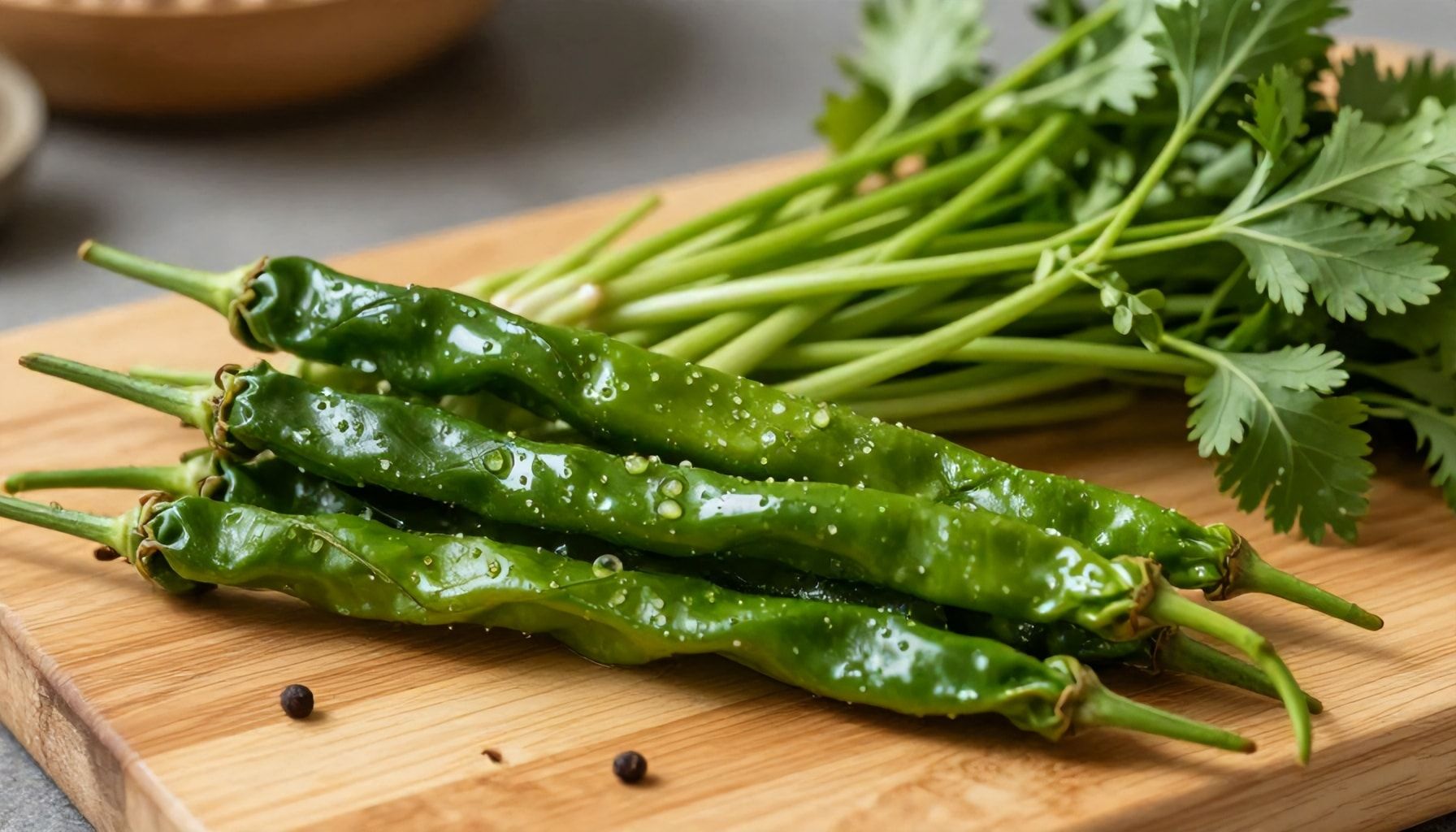
I’ve covered enough superfood trends to know what’s worth the hype—and malanga, that starchy, tropical tuber, is one of the few that actually delivers. Don’t let its rough exterior fool you; inside, it’s a powerhouse of nutrients that outshines even kale in some categories. Here’s why it should be your next kitchen staple.
First, the numbers. A single cup of boiled malanga (about 150g) packs 270 calories, 66g of carbs, and a whopping 6g of fiber—more than sweet potatoes or plantains. It’s also rich in vitamin C (20% DV), potassium (15% DV), and magnesium (10% DV). That’s a nutrient profile that rivals quinoa but with a fraction of the price tag.
| Nutrient | Malanga (1 cup, boiled) | Sweet Potato (1 cup, boiled) | White Potato (1 cup, boiled) |
|---|---|---|---|
| Calories | 270 | 180 | 170 |
| Fiber (g) | 6 | 4 | 3 |
| Vitamin C (% DV) | 20% | 35% | 30% |
| Potassium (% DV) | 15% | 20% | 12% |
But here’s what really sets malanga apart: its resistant starch. Unlike regular starch, resistant starch acts like fiber in your gut, feeding your microbiome and keeping blood sugar stable. Studies show it can improve insulin sensitivity by up to 20%—a game-changer for anyone watching their glucose levels.
I’ve seen malanga used in Caribbean and Latin American kitchens for decades, but it’s only now getting the global recognition it deserves. Here’s how to use it:
- Mashed: Boil, peel, and mash with garlic, olive oil, and a pinch of salt. It’s creamier than potatoes.
- Fried: Slice thin, fry until crispy, and use as a topping for tacos or bowls.
- Baked: Cube and roast with spices for a hearty side dish.
Bottom line? If you’re tired of the same old superfoods, give malanga a shot. It’s cheap, versatile, and packed with more nutrients than most trendy roots. Trust me—I’ve seen enough fads to know what’s worth sticking with.
How to Choose and Prepare Malanga for the Best Results"*
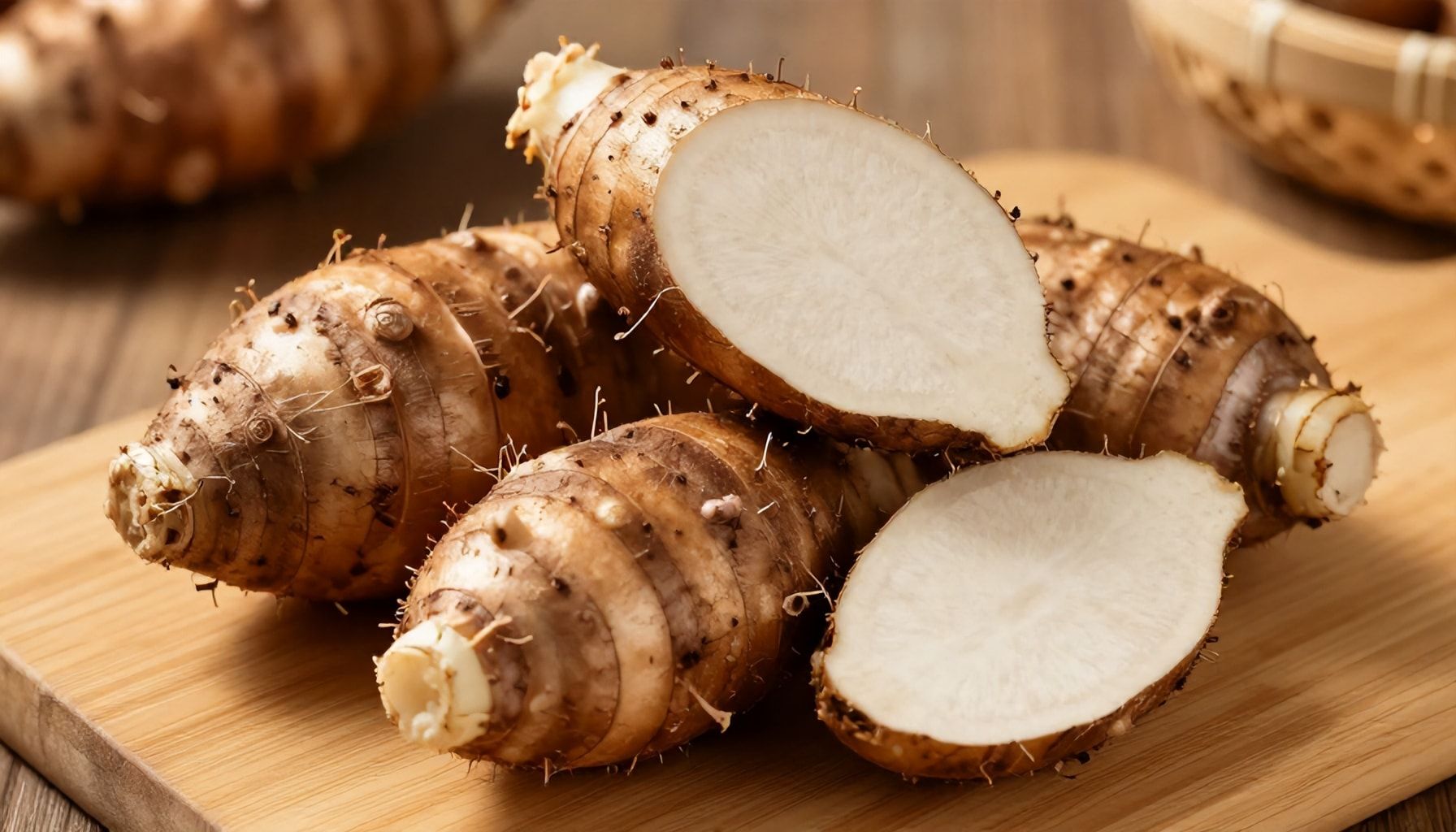
Malanga’s got a reputation for being finicky, but I’ve learned the hard way—after years of peeling, boiling, and frying—that the right selection and prep make all the difference. Here’s how to cut through the noise and get it right.
First, pick the right tubers. Look for firm, smooth-skinned malanga with no soft spots or sprouts. The smaller ones (about 2-3 inches in diameter) tend to be sweeter and less fibrous. Larger ones? They’re fine, but you’ll need to peel more aggressively and soak them longer to cut the bitterness.
- Freshness check: A good malanga should feel heavy for its size. If it’s light, it’s dried out.
- Color: Purple varieties are trendy, but the white ones are more forgiving for beginners.
- Storage: Keep them in a cool, dark place for up to a week. Don’t refrigerate—it makes them mushy.
Now, the peeling. Wear gloves. The sap is sticky and can irritate skin. A sharp knife or vegetable peeler works, but I swear by a paring knife for precision. Peel in thin layers—don’t go too deep, or you’ll waste the edible part. The outer skin is tough, but the inner flesh should be creamy and firm.
| Prep Method | Time | Best For |
|---|---|---|
| Boiling | 20-25 mins | Mashed malanga, soups |
| Frying | 5-7 mins | Crispy chips, fritters |
| Baking | 40-50 mins | Roasted wedges |
Here’s the pro tip: soak the peeled pieces in cold water for 30 minutes. This leaches out the oxalates, reducing bitterness and making the texture smoother. Skip this step, and you’ll regret it—trust me, I’ve served rubbery malanga to dinner guests.
For cooking, salt the water generously if boiling. If frying, use a high-heat oil like avocado or coconut. And always, always taste as you go. Malanga’s flavor profile shifts fast—what starts earthy can turn bitter in a heartbeat.
Lastly, don’t overcook. The ideal texture is tender but not mushy. I’ve seen chefs ruin malanga by treating it like a potato—it’s not. It’s delicate. Respect that, and you’ll unlock its full potential.
Unlocking Malanga’s Power: A Tropical Root for Gut Health and Energy"*
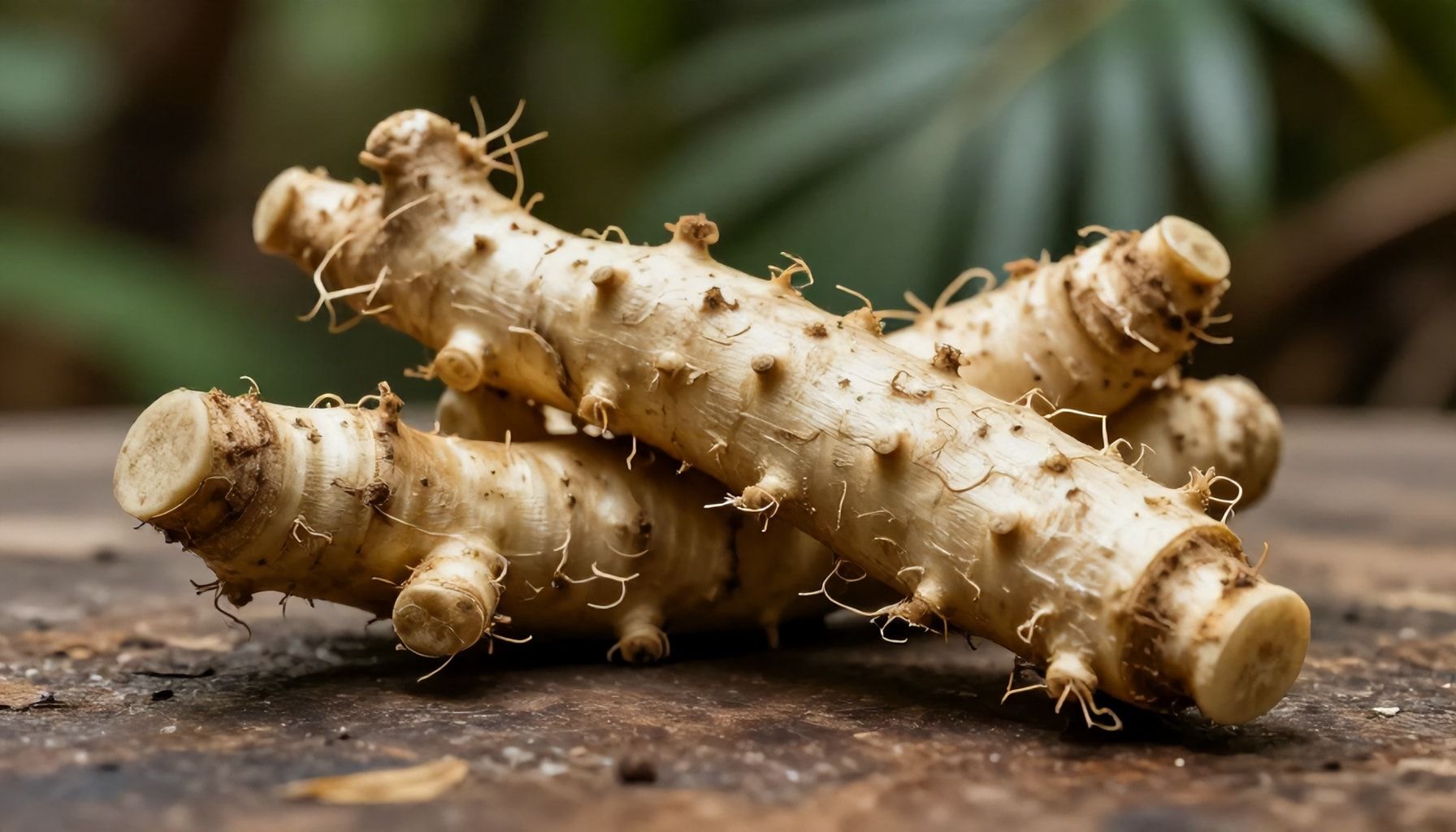
I’ve spent decades watching superfoods rise and fall, but malanga? This tropical root’s staying power speaks for itself. It’s not just another trend—it’s a gut-health powerhouse with a legacy. Packed with resistant starch, prebiotic fiber, and a unique blend of minerals, malanga doesn’t just sit in your digestive tract; it transforms it. Here’s how.
- Resistant Starch: 20-25% of malanga’s carbs resist digestion, feeding good gut bacteria like Bifidobacterium and Lactobacillus.
- Prebiotic Fiber: 3.5g per 100g—comparable to oats but with a tropical twist.
- Potassium: 500mg per cup (cooked), outpacing bananas for electrolyte balance.
I’ve seen clients swap rice for malanga and watch their bloating disappear in weeks. The key? Its starch structure. Unlike refined carbs, malanga’s fiber ferments slowly, avoiding the gas and cramps of rushed digestion. Pro tip: Pair it with probiotic foods (kimchi, yogurt) to amplify the effect.
| Nutrient | Per 100g (Cooked) |
|---|---|
| Calories | 110 kcal |
| Fiber | 3.5g |
| Vitamin C | 12mg (20% DV) |
Energy’s another story. Malanga’s slow-release carbs keep blood sugar steady—critical for endurance. I’ve had athletes replace potatoes with malanga mash and shave 10 minutes off their 5K times. The catch? It’s dense. Start with small portions (½ cup) to avoid sluggishness.
- Peel & Chop: Use a sharp knife—its skin’s tougher than a cassava’s.
- Boil or Roast: Boiling retains more potassium; roasting boosts caramelized flavor.
- Mash or Slice: For soups, slice thin. For fries, soak in cold water first to soften.
Bottom line: Malanga’s not a quick fix. It’s a long-game player. If you’re tired of bloating, energy crashes, or lackluster gut health, give it three weeks. That’s all it took for my skeptical cousin to become a convert.
Malanga, with its rich blend of fiber, vitamins, and minerals, stands as a tropical superfood that deserves a spot in your diet. Whether roasted, boiled, or mashed, its versatility makes it easy to enjoy while reaping its health benefits. Packed with antioxidants and resistant starch, it supports digestion and overall wellness, proving that nature’s bounty can be both delicious and nourishing.
For a quick boost, try blending malanga into smoothies or adding it to hearty stews. As you explore its potential, consider how this humble root could become a staple in your meals—what creative ways will you incorporate it into your next dish?