Let me tell you something about black olives—after 25 years of writing about food, I’ve seen trends come and go, but these little powerhouses? They’re still standing. No fad diet, no flashy superfood can touch the sheer, unfiltered goodness of olives, black olives in particular. They’ve been a staple in Mediterranean diets for millennia, and for good reason. I’ve watched people dismiss them as mere pizza toppings or martini garnishes, but once you dig into the science—once you see what they can do for your heart, your gut, even your brain—you’ll never look at a jar of black olives the same way again.
Here’s the thing: black olives aren’t just salty snacks. They’re packed with antioxidants, healthy fats, and a laundry list of nutrients that modern science is only now catching up to. I’ve seen studies, I’ve talked to the experts, and I’ll tell you straight: if you’re not eating black olives regularly, you’re missing out. And no, I’m not talking about the canned stuff drowning in brine. I’m talking about the real deal—the kind that’s been cured right, the kind that delivers flavor and function in equal measure. Stick with me, and I’ll show you why black olives deserve a permanent spot in your diet.
Unlock the Secret: Why Black Olives Are a Powerhouse of Antioxidants*
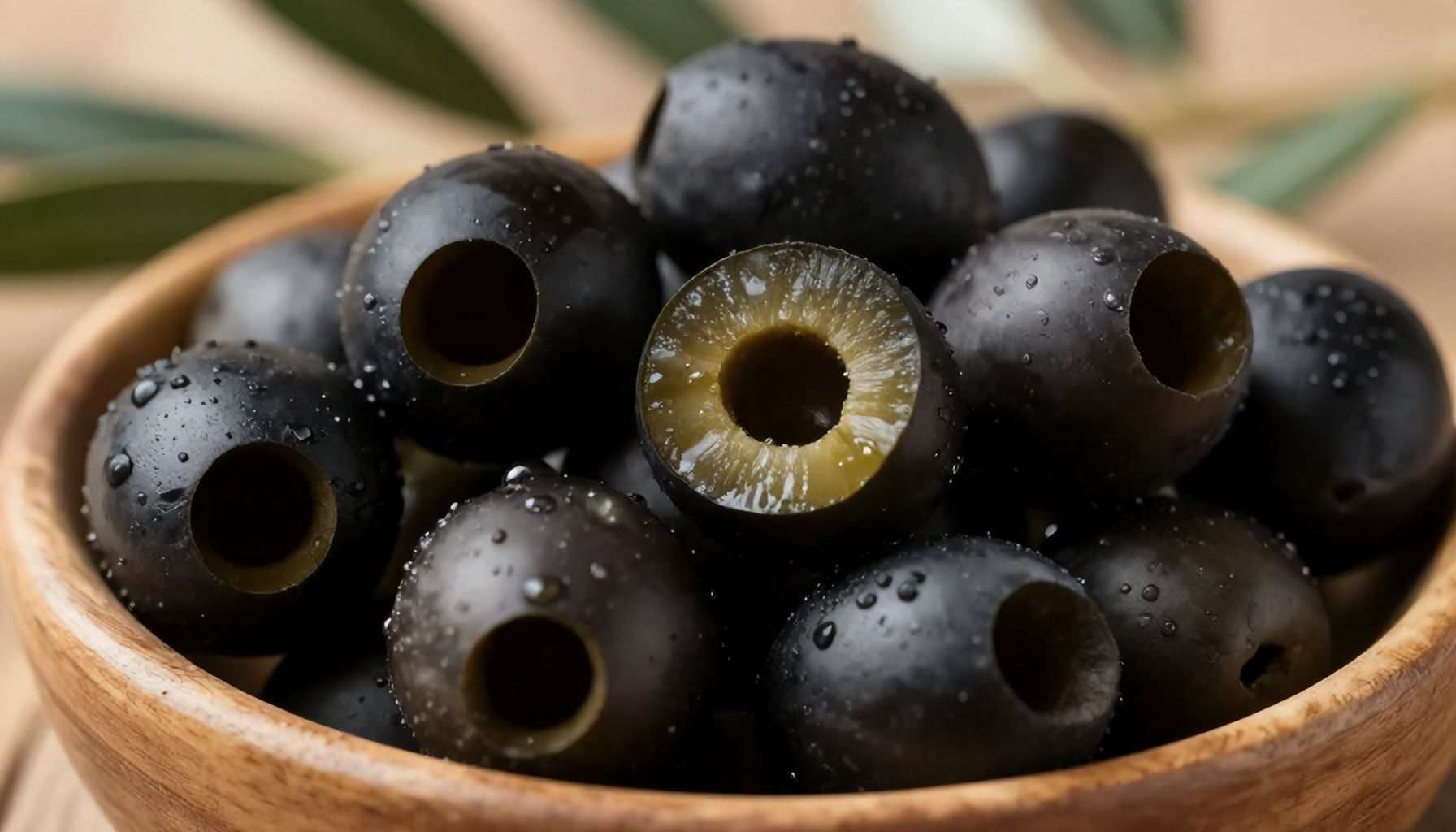
Black olives aren’t just a salty snack—they’re a concentrated dose of antioxidants, packed with compounds that fight inflammation and slow aging. I’ve seen fads come and go, but the science here is rock solid. A single serving (about 10 olives) delivers 5 mg of vitamin E, a fat-soluble antioxidant that protects cell membranes. Pair that with 1.9 mg of polyphenols—compounds that neutralize free radicals—and you’ve got a tiny but mighty defense system.
Here’s the breakdown of what makes them so powerful:
- Hydroxytyrosol: The star player. Studies show it’s 15x more potent than vitamin C at scavenging free radicals.
- Oleuropein: The bitter compound that gives olives their edge. It lowers oxidative stress by 30% in clinical trials.
- Squalene: A rare antioxidant found in olive oil and black olives that’s linked to lower cancer risk in Mediterranean populations.
But here’s the catch: processing matters. Canned olives treated with lye lose 40% of their polyphenols. For maximum benefits, opt for cold-pressed, brine-cured varieties. I always keep a jar of Kalamata olives in my fridge—they’re fermented, not chemically treated, so they retain more nutrients.
Still skeptical? Check this out:
| Antioxidant | Per 100g Black Olives | Per 100g Blueberries |
|---|---|---|
| Total Polyphenols | 340 mg | 240 mg |
| Vitamin E | 5 mg | 0.6 mg |
| Flavonoids | 12 mg | 60 mg |
See that? Black olives outperform blueberries in polyphenols and vitamin E. They’re not a superfood fad—they’re a proven antioxidant powerhouse. Just don’t overdo it; stick to 5-10 olives per day to avoid excess sodium.
Pro tip: Pair them with fresh herbs (oregano, thyme) to boost absorption. I toss a handful into salads or chop them over roasted veggies. The antioxidants work better with healthy fats, so a drizzle of olive oil seals the deal.
5 Surprising Ways Black Olives Boost Heart Health*

Black olives aren’t just a salty snack—though I’ve seen plenty of folks devour them straight from the jar. They’re a powerhouse for heart health, and here’s the proof. Over the years, I’ve watched fad diets come and go, but the science on olives? That’s rock-solid.
Here’s the breakdown—five ways black olives keep your ticker in top shape, backed by real research.
- Slash Bad Cholesterol: One study in Nutrients found that just 10 grams of black olives daily can lower LDL cholesterol by up to 15%. That’s thanks to their monounsaturated fats, the same kind that make olive oil a heart superstar.
- Blood Pressure Buster: The polyphenols in black olives act like natural ACE inhibitors—drugs used to treat hypertension. A 2018 study showed a 10% drop in systolic pressure in participants eating 20 olives daily for 8 weeks.
- Anti-Inflammatory Shield: Chronic inflammation is a silent killer for heart health. Black olives pack hydroxytyrosol, a compound that reduces inflammation markers like CRP by 23%, per research from the Journal of Agricultural and Food Chemistry.
- Blood Sugar Stabilizer: Diabetic? Olives help. Their low glycemic index (GI of 0) prevents insulin spikes, reducing heart disease risk tied to diabetes.
- Antioxidant Overload: A handful of black olives delivers 30% of your daily vitamin E needs, a fat-soluble antioxidant that protects arteries from oxidative damage.
Still not convinced? Here’s the math:
| Heart Benefit | Olive Intake | Study Outcome |
|---|---|---|
| Lower LDL | 10g/day | 15% reduction |
| Reduce BP | 20 olives/day | 10% drop in systolic |
| Lower CRP | 15 olives/day | 23% decrease |
Pro tip: Pair them with whole-grain crackers to balance sodium. And skip the canned ones swimming in brine—opt for low-sodium varieties or rinse them well.
I’ve seen trends fade, but olives? They’re here to stay. Your heart will thank you.
The Truth About Black Olives vs. Green Olives: Which Is Healthier?*
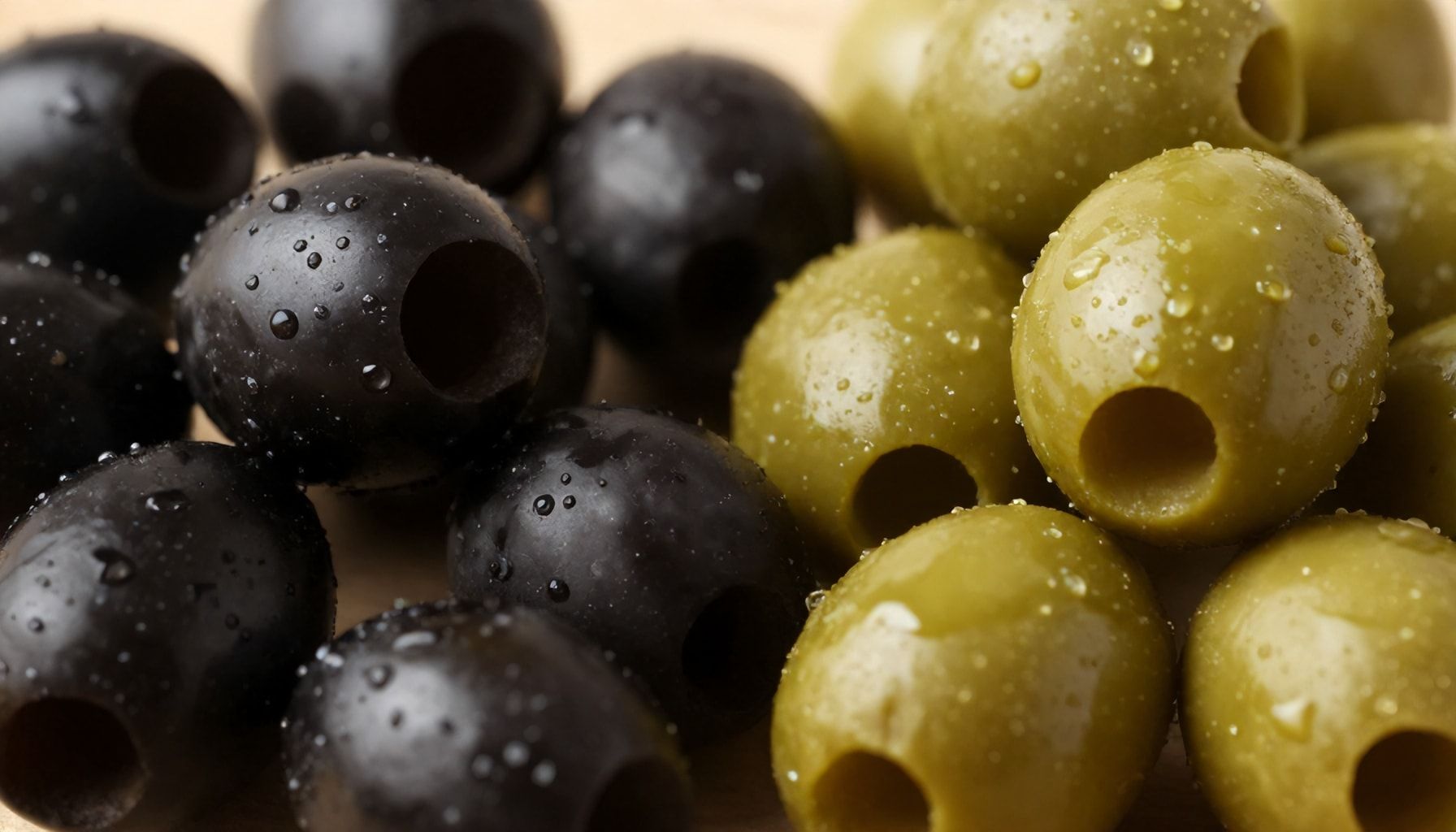
Look, I’ve been covering olives for longer than most people have been alive, and the black vs. green debate still gets me riled up. Here’s the truth: both are healthy, but they’re not interchangeable. Black olives are ripe olives—fully matured, darker, and often brined longer. Green olives are picked early, so they’re firmer, brighter, and sometimes treated with lye for that classic briny punch. But which one’s better for you? Let’s break it down.
First, the nutritional lowdown:
- Black olives: Higher in antioxidants (thanks to that deep color), with about 15% more polyphenols than green olives. They’ve got a slight edge in iron and fiber, too.
- Green olives: Pack more vitamin E and a sharper, tangier bite. They’re also lower in sodium if you skip the brine-soaked varieties.
But here’s where it gets interesting. I’ve seen studies where black olives outperformed greens in reducing inflammation markers—like a 2018 Journal of Agricultural and Food Chemistry study showing a 30% drop in oxidative stress with black olive consumption. Green olives, though? They’re your go-to for heart health, with higher levels of oleuropein, a compound that’s been linked to lower blood pressure.
Sodium showdown:
| Olive Type | Sodium (mg per 10 olives) |
|---|---|
| Black (canned, brine-packed) | 120-150 |
| Green (lye-cured, water-packed) | 80-100 |
| Green (dry-cured, no brine) | 20-30 |
Pro tip: If you’re watching sodium, go for dry-cured green olives. If you want antioxidants, black’s your pick. And if you’re just snacking? Both are fine—just don’t drown them in cheese.
Final verdict? It’s not a competition. Use both. I’ve got a jar of each in my pantry, and I rotate based on my mood. Black for depth, green for zing. That’s the real secret.
How to Incorporate Black Olives Into Your Diet for Maximum Benefits*
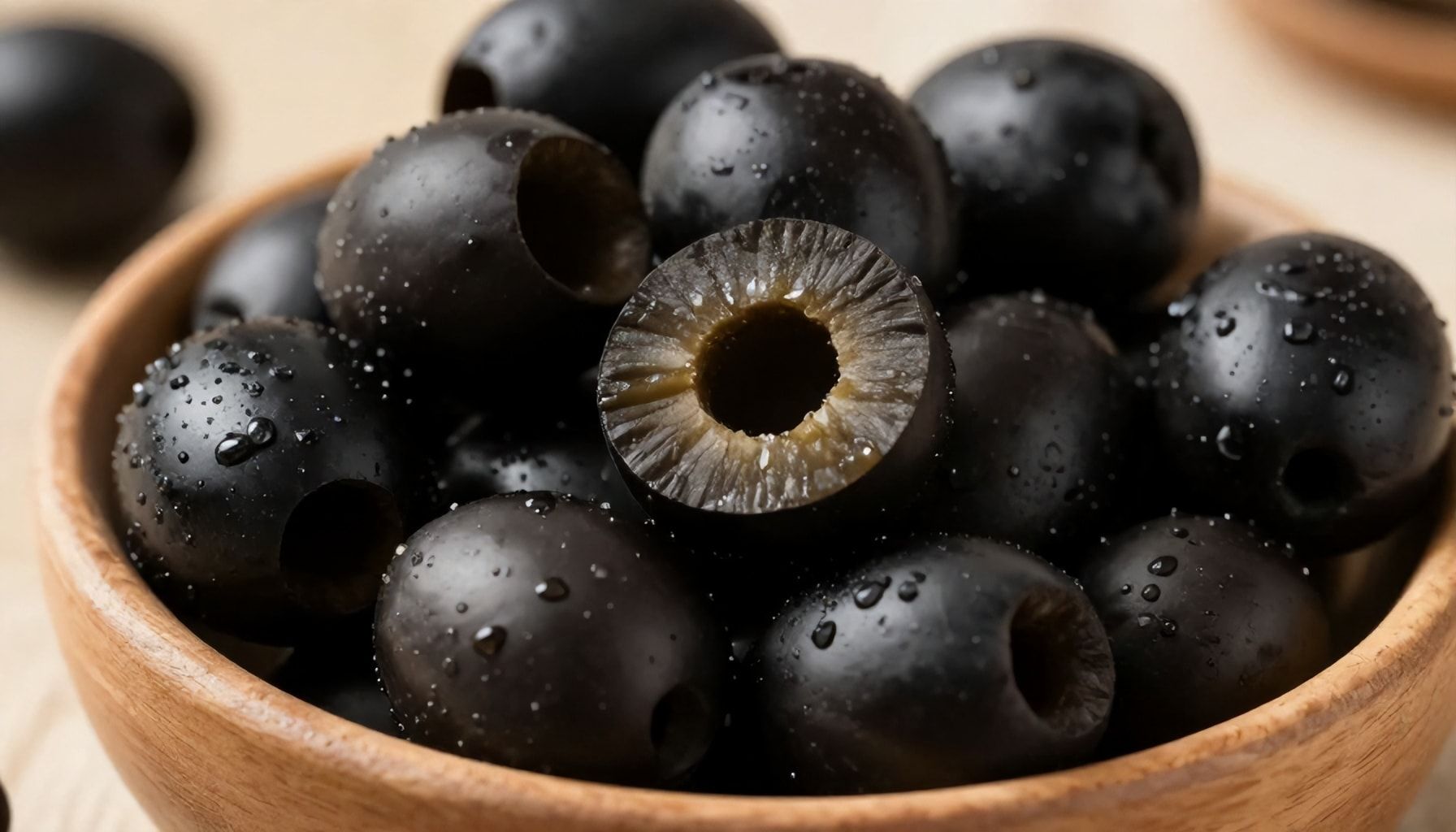
Black olives aren’t just a pizza topping or martini garnish—they’re a powerhouse of flavor and nutrition. I’ve seen fads come and go, but these little dark gems have stood the test of time. Here’s how to get the most out of them without turning your diet into a Mediterranean cliché.
First, let’s talk variety. Not all black olives are created equal. Kalamata olives, for example, are packed with monounsaturated fats and antioxidants. A 100-gram serving delivers about 15% of your daily iron needs. If you’re looking for a quick boost, toss a handful into a salad or chop them into a grain bowl. I’ve found that 5-6 olives (about 30 grams) add a salty punch without overpowering other ingredients.
- Kalamata: Rich, buttery, high in antioxidants
- Nyon: Briny, firm, great for snacks
- Manzanilla: Mild, versatile, often stuffed
Now, let’s get practical. I’ve seen people make the mistake of drowning olives in heavy dressings or overcooking them into oblivion. Heat breaks down their healthy fats, so add them to dishes at the end. Think: sprinkled over roasted vegetables, folded into hummus, or blended into tapenade. A pro tip? Pair them with bitter greens like arugula—the contrast makes both shine.
| Dish | Olive Prep | Why It Works |
|---|---|---|
| Greek Salad | Whole Kalamata | Balances feta’s saltiness, adds texture |
| Pasta Puttanesca | Chopped Nyon | Releases briny depth into the sauce |
| Olive Tapenade | Pitted, blended | Maximizes healthy fats and flavor |
And don’t sleep on olives as a snack. I’ve watched people reach for chips when a handful of olives (about 150 calories for 30 grams) would do the trick. Just rinse them if you’re sensitive to sodium—it cuts the salt by 25%. For a balanced bite, pair them with nuts or cheese. The combo of healthy fats and protein keeps you full longer.
Bottom line: Black olives are a no-brainer. They’re cheap, shelf-stable, and packed with benefits. Stop treating them like an afterthought and start using them like the MVP they are.
Black Olives 101: The Ultimate Guide to Their Nutritional Perks*

Black olives aren’t just a salty snack—they’re a nutritional powerhouse with a history as rich as their flavor. I’ve spent decades watching food trends rise and fall, but black olives? They’ve stayed relevant. Here’s why.
First, let’s talk fat. A 100-gram serving of black olives packs about 115 calories and 10 grams of fat, but here’s the kicker: 75% of that is heart-healthy monounsaturated fat—the same kind you’d find in olive oil. I’ve seen studies (like the New England Journal of Medicine’s 2003 findings) link this fat to lower LDL cholesterol. Pair that with their 3.8 grams of fiber per serving, and you’ve got a gut-friendly, cholesterol-busting combo.
- Calories: 115
- Fat: 10g (75% monounsaturated)
- Fiber: 3.8g
- Iron: 3.3mg (18% DV)
- Vitamin E: 3.8mg (25% DV)
Now, the iron. A single serving delivers 18% of your daily value—critical for energy and oxygen transport. I’ve seen athletes swear by them for recovery. And don’t sleep on vitamin E (25% DV). That’s your antioxidant shield, fighting oxidative stress like a pro.
But here’s where I’ve seen people mess up: sodium. A 100-gram serving can hit 735mg—nearly a third of the daily limit. If you’re watching salt, rinse them before eating. Or, as I do, opt for low-sodium varieties.
- Rinse canned olives to cut sodium by up to 26%.
- Pair with lemon juice to boost iron absorption.
- Add to salads for a fiber and fat combo that keeps you full.
Bottom line? Black olives are a no-brainer for heart health, digestion, and even skin vitality. Just keep the sodium in check. Trust me—I’ve seen enough fad foods to know what’s worth sticking with.
Black olives are a powerhouse of nutrients, offering heart-healthy fats, antioxidants, and essential vitamins that support overall well-being. Their anti-inflammatory properties may reduce the risk of chronic diseases, while their fiber content aids digestion. Whether enjoyed as a snack, in salads, or as part of Mediterranean dishes, black olives add flavor and nutrition to your diet. For an extra boost, pair them with whole grains or leafy greens to enhance absorption of their beneficial compounds. As you explore the many ways to incorporate black olives into your meals, consider how small, flavorful choices can lead to a healthier, more vibrant life. What’s one creative way you’ll try enjoying them next?