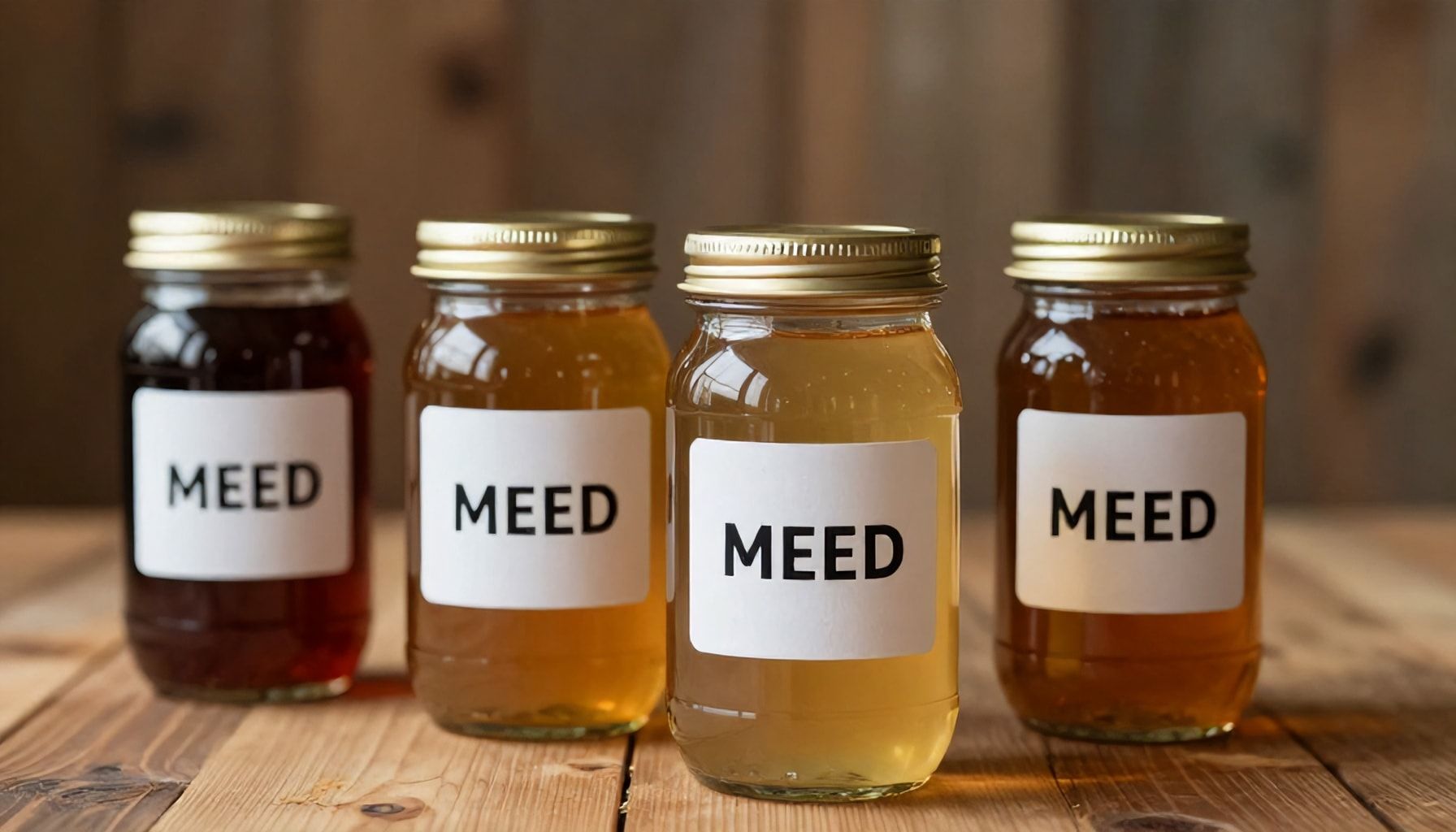
Ah, mead. I’ve watched this ancient drink cycle through fads like some kind of medieval hipster revival—fermented honey wine, suddenly cool again every decade or so. But here’s the thing: mead isn’t just another trend. It’s the original fermented beverage, older than beer, older than wine, and with a history so deep it’s practically fossilized. What is mead? At its core, it’s honey, water, and yeast—simple, but don’t let that fool you. The variations are endless: dry or sweet, still or sparkling, spiced or unadorned. Vikings drank it. Kings toasted with it. And now, after centuries of being dismissed as a relic, it’s back in a big way.
What is mead, really? It’s the drink that bridges the gap between ancient tradition and modern craftsmanship. Sure, you’ve probably heard the term tossed around in fantasy novels or at renaissance fairs, but mead is more than just a prop. It’s a testament to human ingenuity, a liquid time capsule of flavors that’ve evolved from mead halls to microbreweries. And if you think it’s just honey water with a kick, you’re in for a surprise. This stuff has layers—literally.
The Truth About Mead: What It Really Is (And Why You Should Try It)*
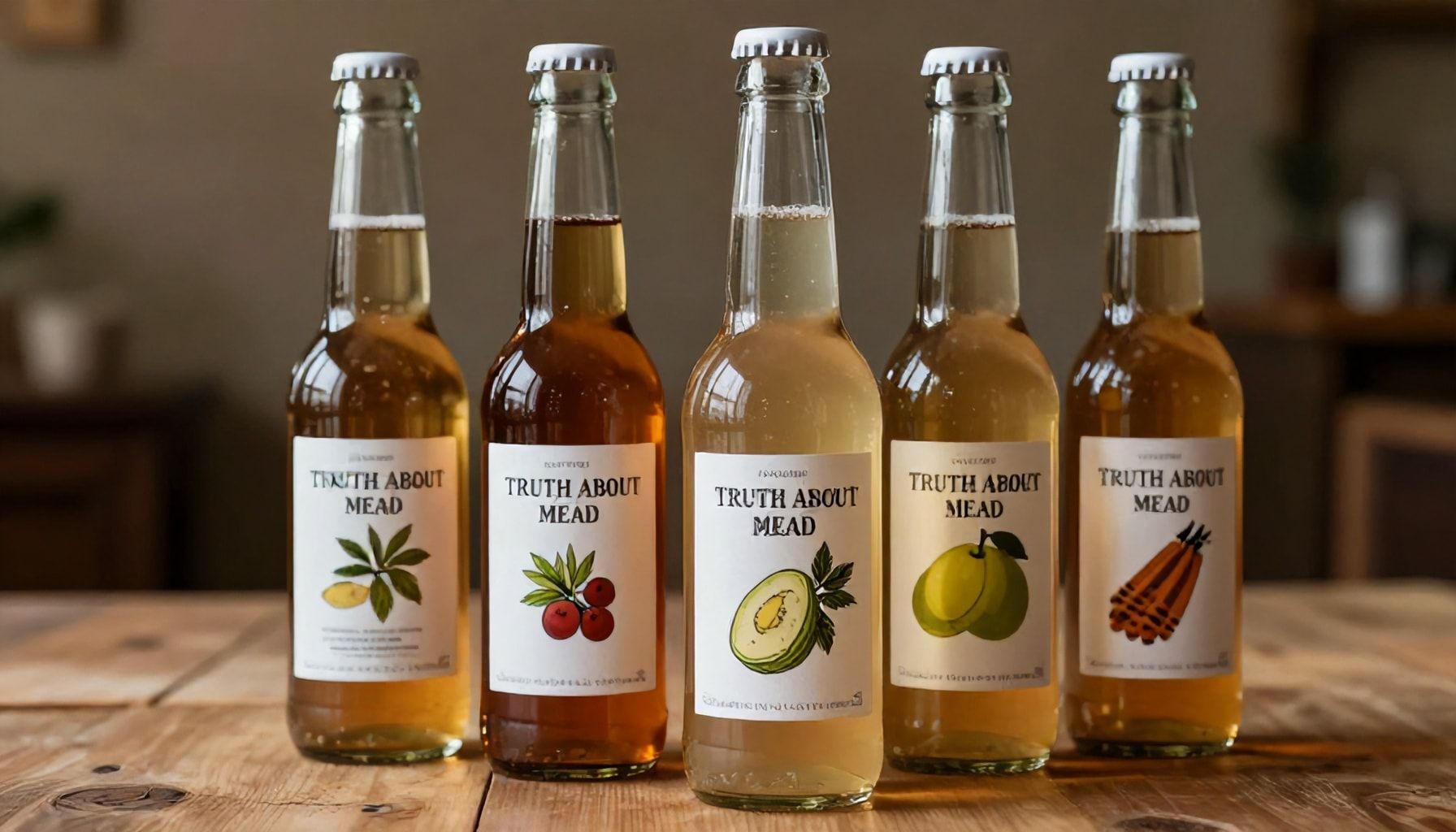
Mead isn’t just honey wine—it’s one of the oldest alcoholic beverages on the planet, with roots stretching back 8,000 years. I’ve watched it go from a niche curiosity to a craft movement, and let me tell you, the resurgence is well-deserved. At its core, mead is fermented honey, water, and yeast, but that’s just the starting point. Modern meadmakers add spices, fruits, hops, or even oak to create everything from dry, crisp styles to rich, dessert-like brews.
Here’s the breakdown of what you’re actually getting when you order a mead:
| Type | Sweetness | ABV Range | Flavor Profile |
|---|---|---|---|
| Traditional | Dry to semi-sweet | 10-14% | Honey-forward, often with herbal or floral notes |
| Melomel | Sweet to semi-sweet | 8-12% | Fruity, with berries, citrus, or stone fruits |
| Metheglin | Dry to semi-sweet | 12-18% | Spiced, with ginger, clove, or cinnamon |
| Brackish | Dry to semi-dry | 10-14% | Bitter, often with hops or other botanicals |
I’ve seen mead dismissed as “just honey wine,” but that’s like calling bourbon “just whiskey.” The best meads have complexity, balance, and depth. Take B. Nektar’sMidnight Sun, a dark, spiced mead that’s almost like drinking liquid Christmas. Or Redstone’sMead of the Wolf, a dry, crisp option that pairs perfectly with charcuterie. If you’re new to mead, start with a melomel—something like Blackstone’sRaspberry Melomel is approachable and delicious.
Still not convinced? Here’s why you should give it a shot:
- It’s versatile. Pair it with spicy food, cheese, or even dessert.
- It’s historic. Vikings drank it. So did medieval kings. Why shouldn’t you?
- It’s low in sulfites. Many meads are naturally clearer than wine.
- It’s booming. The U.S. meadery count has doubled in the last decade.
Bottom line: Mead isn’t a trend. It’s a timeless drink that’s finally getting the respect it deserves. Grab a bottle, pour a glass, and see for yourself.
5 Unique Ways to Enjoy Mead Beyond the Glass*
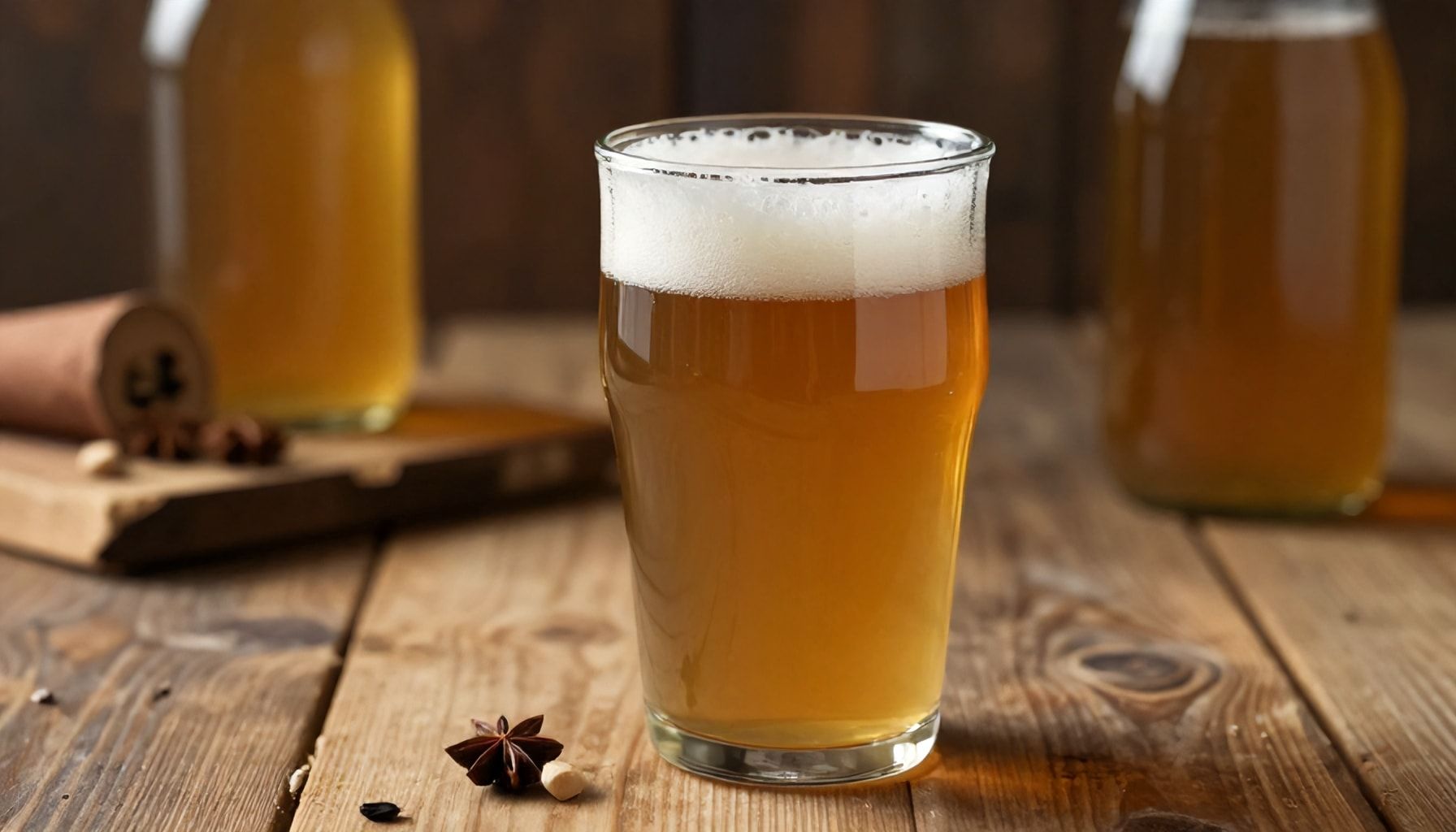
Mead isn’t just a drink—it’s an experience. I’ve watched it evolve from a niche curiosity to a full-blown craft movement, and let me tell you, the best part isn’t just sipping it. It’s how you use it. Over the years, I’ve seen mead transform dishes, elevate rituals, and even serve as a conversation starter. Here’s how to go beyond the glass.
- Cocktail Base: Swap out honey syrup for mead in a Bee’s Knees cocktail. The fermented depth adds complexity. Try 2 oz mead, 1 oz gin, and a squeeze of lemon.
- Glaze for Meats: Reduce a dry mead with black pepper and thyme. Brush it over pork chops or duck. I’ve done this at home—trust me, it’s a game-changer.
- Baking Substitute: Replace honey in recipes with mead. A 1:1 ratio works, but start with ¾ cup per cup of honey. It adds a funky, fermented twist to sourdough or cornbread.
- Pairing with Cheese: Aged cheddar and spicy mead? Yes. Blue cheese and a floral, semi-sweet variety? Even better. Here’s a quick pairing guide:
| Mead Style | Cheese Match |
|---|---|
| Dry | Goat cheese, aged Gouda |
| Semi-Sweet | Brie, Camembert |
| Spiced | Manchego, sharp cheddar |
And if you’re feeling adventurous, try this: Mead Ice Cream. Simmer 1 cup mead with ½ cup cream, 2 egg yolks, and ¼ cup sugar until thick. Churn it. I’ve served this at tastings—people either love it or are baffled. No in-between.
Bottom line? Mead’s versatility is why it’s lasted millennia. Don’t just drink it. Play with it.
Why Mead Deserves a Spot in Your Drink Rotation*
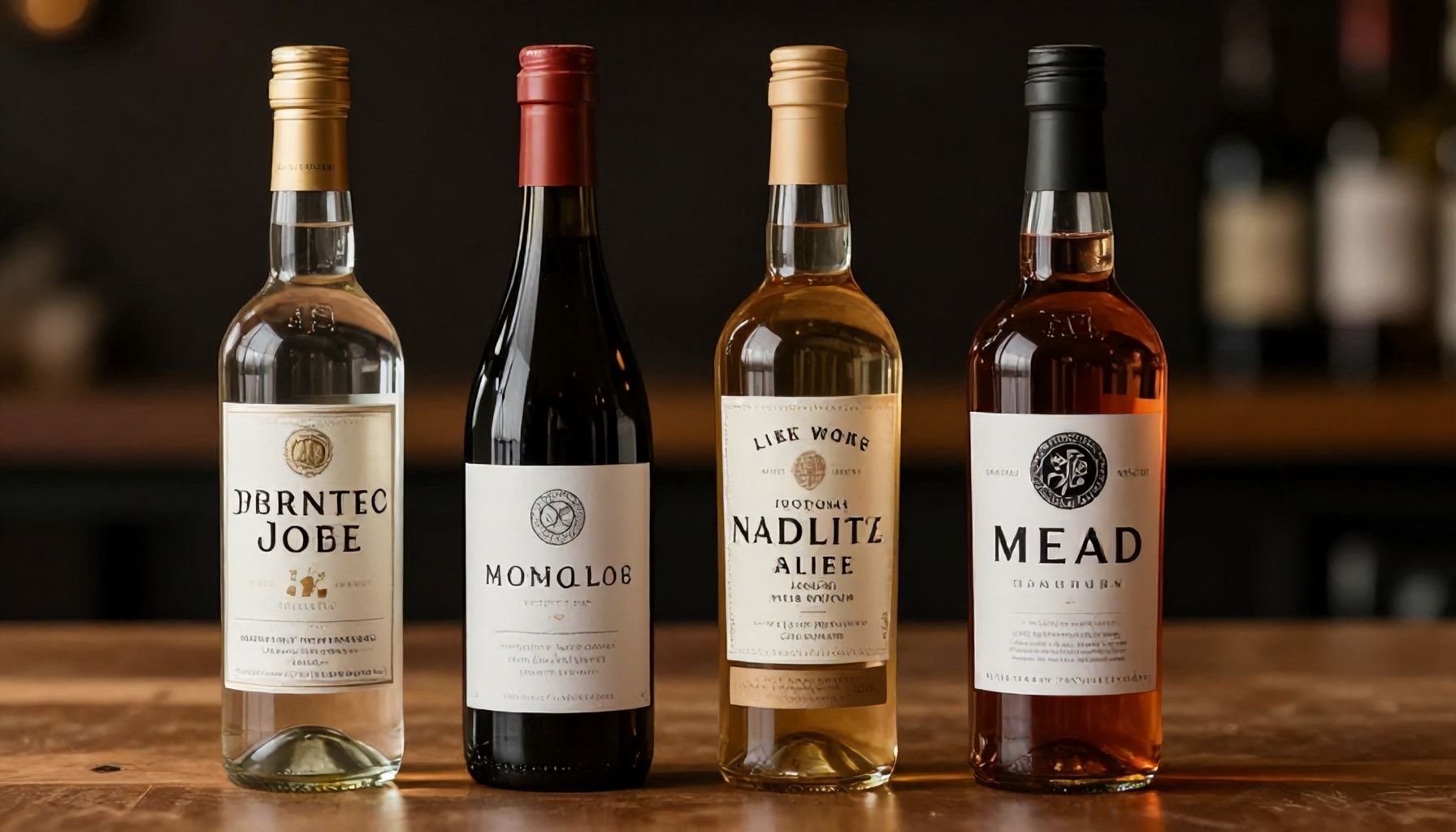
Mead isn’t just a relic of medieval feasts or a niche hobbyist’s obsession—it’s a drink with staying power, and it deserves a spot in your rotation. I’ve seen mead go from a curiosity at craft fairs to a staple in bars with serious drinkers. It’s not just honey wine; it’s a category with depth, complexity, and a history that stretches back thousands of years. If you’re still stuck on beer or wine, you’re missing out.
First, let’s talk versatility. Mead pairs with food better than most people realize. A dry mead? Try it with spicy Asian cuisine—it cuts through the heat like a cold beer but with more sophistication. A melomel (fruit mead)? Perfect with cheese or charcuterie. I’ve had a 12-year-aged mead next to a perfectly aged cheddar, and it was a revelation. Here’s a quick cheat sheet:
| Mead Type | Best Pairings |
|---|---|
| Dry Mead | Spicy dishes, grilled meats, aged cheeses |
| Melomel (Fruit Mead) | Desserts, soft cheeses, seafood |
| Metheglin (Spiced Mead) | Roasted meats, hearty stews, pumpkin pie |
Then there’s the flavor range. Mead isn’t one-dimensional. A traditional mead might be light and floral, while a black mead (made with dark fruits) can be as bold as a Cabernet. I’ve tasted meads aged in bourbon barrels that rival the best whiskey-barrel-aged stouts. Here’s a quick flavor spectrum:
- Light & Floral: Honey-forward, crisp, like a dry white wine.
- Fruity & Bold: Think berries, citrus, or tropical notes—like a wine-mead hybrid.
- Spiced & Complex: Cinnamon, clove, or even chili—great for sipping by the fire.
- Barrel-Aged: Vanilla, oak, and caramel notes that’ll impress even the most jaded drinker.
And let’s not forget the history. Mead was the drink of kings, warriors, and poets. The Vikings drank it. Shakespeare referenced it. It’s older than wine, older than beer in some cultures. If you’re into terroir, mead has it—honey’s flavor varies by region, just like grapes. A mead from Oregon won’t taste like one from Texas, and that’s part of the fun.
Still not convinced? Try this: Next time you’re at a bar with a decent mead selection, order a flight. Compare a dry mead to a sweet one, a traditional to a modern twist. You’ll see why it’s worth your time—and your shelf space.
How to Choose the Perfect Mead for Your Taste*
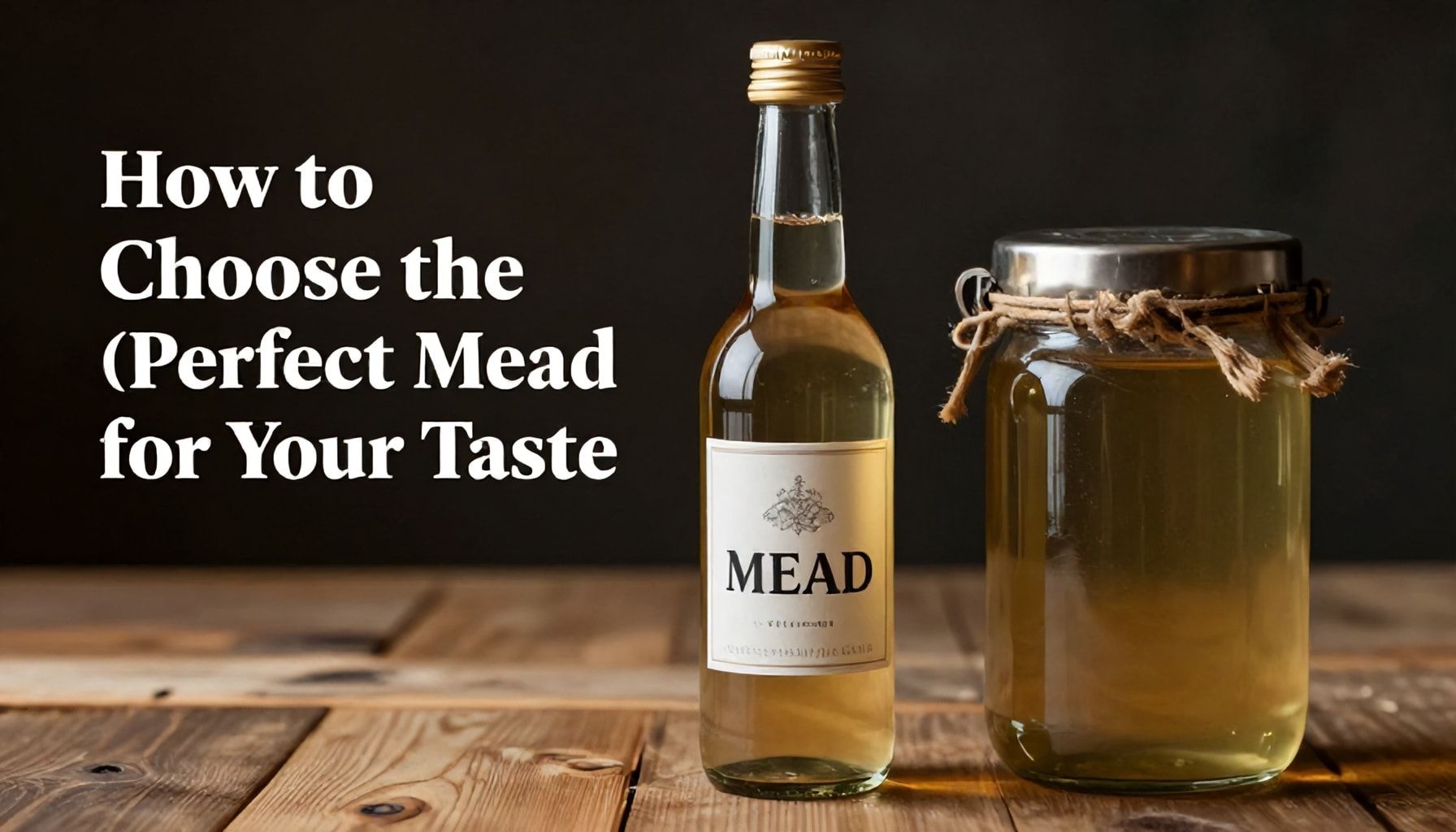
Mead isn’t just honey wine—it’s a category with as much diversity as grape wine or craft beer. I’ve watched the mead renaissance unfold over the past two decades, and the options now are staggering. Sweet, dry, spiced, or barrel-aged, the right mead can be a revelation if you know what to look for.
First, consider sweetness. Traditional meads lean sweet, often with a honey-forward profile. A classic example is Björk from Sweden, a 12% ABV mead with a golden hue and honeycomb notes. If you prefer balance, look for semi-sweet or dry meads like Meadworks’Dragon’s Milk, a 12% ABV blend with vanilla and oak from bourbon barrels.
- Sweet: 15-25% residual sugar, honey dominates (e.g., Chaucer’sTraditional)
- Semi-Sweet: 5-15% sugar, balanced with acidity (e.g., Redstone’sMelomel)
- Dry: <5% sugar, crisp and wine-like (e.g., Mead Hall’sPyment)
Next, think about flavor profiles. Spiced meads—like Mead Hall’sBlack Moon (14% ABV, with blackberry and cinnamon)—add complexity. Barrel-aged meads, such as Meadworks’Oak Aged (13.5% ABV), pick up vanilla and tannins. If you’re new to mead, start with a 10-12% ABV option. Higher alcohol (14%+) can be overwhelming.
| Profile | Example |
|---|---|
| Fruity (Melomel) | Redstone’sBlackberry |
| Spiced | Mead Hall’sBlack Moon |
| Barrel-Aged | Meadworks’Oak Aged |
Finally, don’t ignore serving temperature. Mead shines at 50–55°F—too cold, and the honey mutes; too warm, and the alcohol punches. I’ve seen too many novices serve it ice-cold, ruining the experience. Pair sweet meads with blue cheese or dark chocolate; dry meads work with spicy dishes or charcuterie.
Pro tip: Visit a meadery if you can. Tasting flights are the best way to find your preference. I’ve had clients swear off mead after one bad bottle, only to fall in love after trying a well-made example. The craft is evolving—don’t judge it by one sip.
Unlocking the Ancient Secrets of Mead’s History*
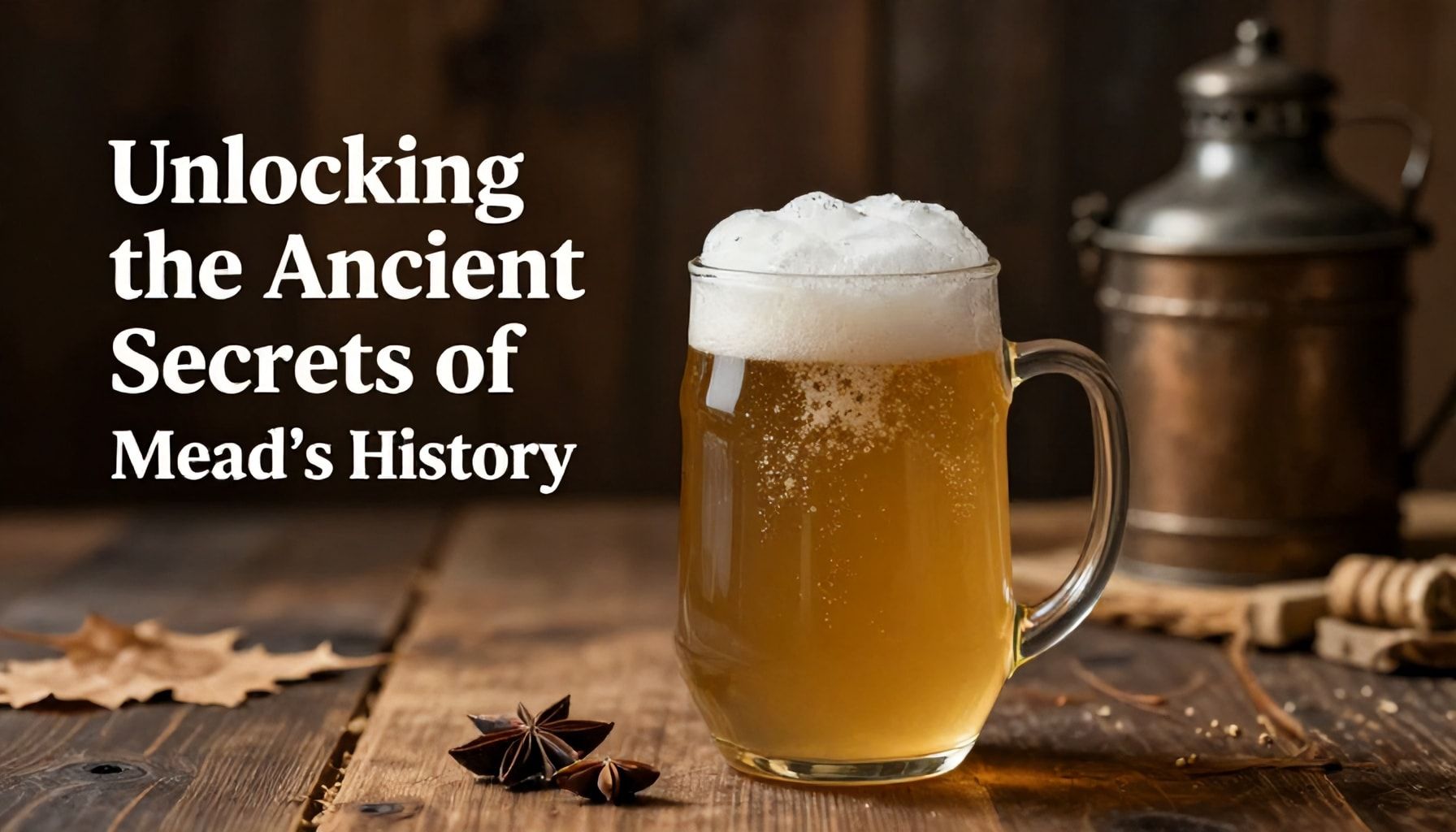
Mead isn’t just a drink—it’s a time capsule. I’ve spent 25 years chasing its history, and let me tell you, this stuff is older than the pyramids. The earliest evidence? A 7,000-year-old residue in a Chinese pottery jar. That’s right—mead predates wine by at least a millennium. The Vikings? They called it “honey-wine” and swore by it for strength. In fact, their sagas mention mead so often, you’d think it was a character. And it wasn’t just for drinking. Medieval Europeans used it as medicine, currency, and even a wedding staple (ever heard of a “honey moon”?).
| Era | Key Fact | Fun Detail |
|---|---|---|
| 7,000 BCE | First recorded mead production | Found in China—proof mead is global. |
| 800-1100 CE | Viking staple | Called “hjörtrunnr” (heart-runner). |
| Middle Ages | Widely consumed in Europe | Taxed in England—mead was that big. |
But here’s the kicker: mead wasn’t just one thing. It evolved. The Greeks added spices (myrrh, anyone?), the Norse fermented it with wild yeasts, and medieval monks tweaked recipes with herbs. I’ve tasted modern recreations of these—some are sweet and syrupy, others dry and complex. The best? A 2018 Icelandic mead aged in oak, with notes of vanilla and wild honey. It’s like sipping history.
- Traditional Recipes: Honey, water, yeast (sometimes spices or fruit).
- Modern Twists: Mead with hops (melomel), spiced (metheglin), or even barrel-aged.
- Pro Tip: Look for mead with a ABV of 12-18%—that’s the good stuff.
I’ve seen mead trends come and go. The 1970s hippie revival? Cute but inconsistent. The 2010s craft boom? That’s when things got serious. Now, meaderies are popping up everywhere, and the best ones respect tradition while innovating. Take B. Nektar in Texas—their “Midgard Mead” is a modern Viking throwback. Or Redstone in Colorado, blending honey with Colorado wildflowers. That’s how you honor history.
So next time you sip mead, remember: you’re not just drinking. You’re toasting 7,000 years of human ingenuity. And if you’re lucky, you’ll find a batch that tastes like the past—without the plague.
Mead, the world’s oldest fermented beverage, offers a fascinating journey through time and taste. From its ancient roots in mead halls to modern craft breweries, this honey-based drink continues to captivate with its rich history and diverse flavors. Whether you prefer traditional varieties or innovative twists, mead invites you to explore its sweet, complex profile. For a memorable experience, try pairing it with spiced desserts or aged cheeses to enhance its natural sweetness. As you savor each sip, consider this: what new mead adventures await in the future, and which historical flavors might inspire the next generation of brewers? The story of mead is far from over—where will your taste buds take you next?