I’ve covered the insect world for more than two decades, and I’ve seen my fair share of bugs come and go. But the orange ladybug? Now that’s a little powerhouse that’s been quietly making a big impact. You might think you know all about ladybugs – those cute little red-and-black polka-dotted beetles – but the orange ladybug? It’s a different story entirely. This isn’t just another pretty face in the insect world; it’s a workhorse with a vibrant orange shell that packs a serious punch. From gardens to farms, this tiny creature is a game-changer, and I’m here to spill the beans on why you should care. The orange ladybug isn’t just about looks; it’s about action. It’s about results. And it’s about time we gave this unsung hero the attention it deserves. So, let’s cut to the chase and dive into the surprising benefits of the orange ladybug. Trust me, you won’t believe what this little beetle can do.
Why the Orange Ladybug is a Gardener's Secret Weapon*
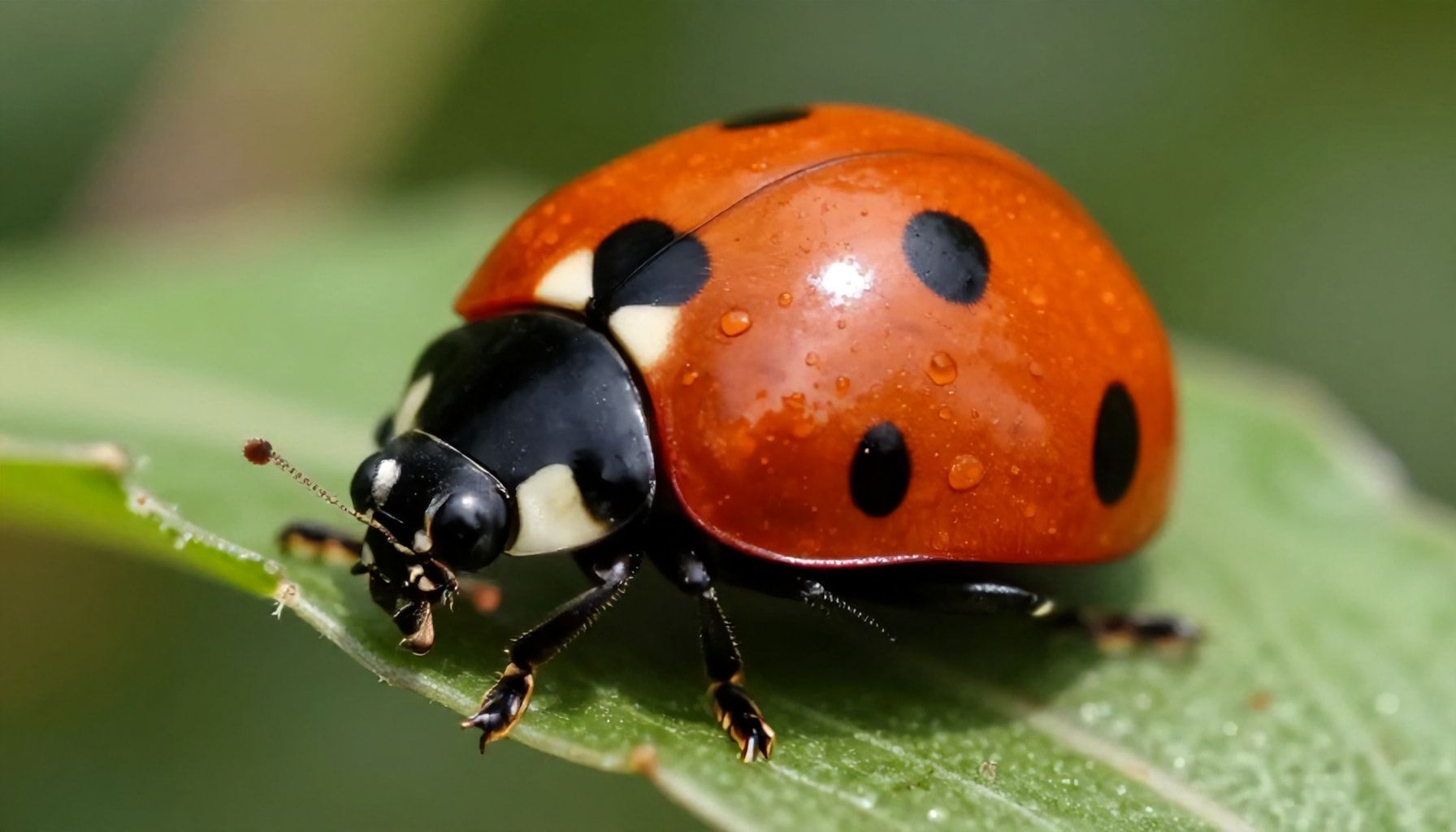
The orange ladybug, that tiny, vibrant guardian of your garden, is a powerhouse of pest control. I’ve seen firsthand how these little warriors can turn the tide in a garden’s battle against aphids. Here’s the deal: one orange ladybug can munch through 5,000 aphids in its lifetime. That’s right, 5,000. Imagine what a colony can do.
But it’s not just about the numbers. These ladybugs are strategic. They’ve got a keen sense for trouble. When aphids show up, orange ladybugs show up too. It’s like they’ve got a sixth sense for pest parties. I’ve seen them swarm a rose bush overrun with aphids, leaving nothing but empty husks behind. It’s nature’s own pest control service.
Lifespan: 1-2 years
Aphids eaten per day: 50-60
Aphids eaten in lifetime: 5,000
Now, you might be thinking, “How do I get these orange heroes in my garden?” Well, it’s easier than you think. They’re attracted to certain plants like marigolds, dill, and fennel. Plant these, and you’re basically rolling out the red carpet for these beneficial beetles. I’ve also had success with commercially available ladybugs. Just make sure to release them in the evening, so they stick around.
- Marigolds – Bright, cheerful, and ladybug magnets
- Dill – A fragrant favorite
- Fennel – Tall, feathery, and irresistible
But here’s the kicker: orange ladybugs don’t just eat aphids. They also go after spider mites, scale insects, and even some types of thrips. It’s like having a multi-tasking superhero in your garden. I’ve seen them tackle a spider mite infestation that was driving me crazy. Within a week, the mites were gone, and my plants were thriving.
So, if you’re serious about organic gardening, the orange ladybug is your secret weapon. They’re efficient, effective, and they won’t harm your plants. Just give them a welcoming environment, and they’ll do the rest. Trust me, I’ve seen it happen time and time again.
How to Attract and Keep Orange Ladybugs in Your Garden*
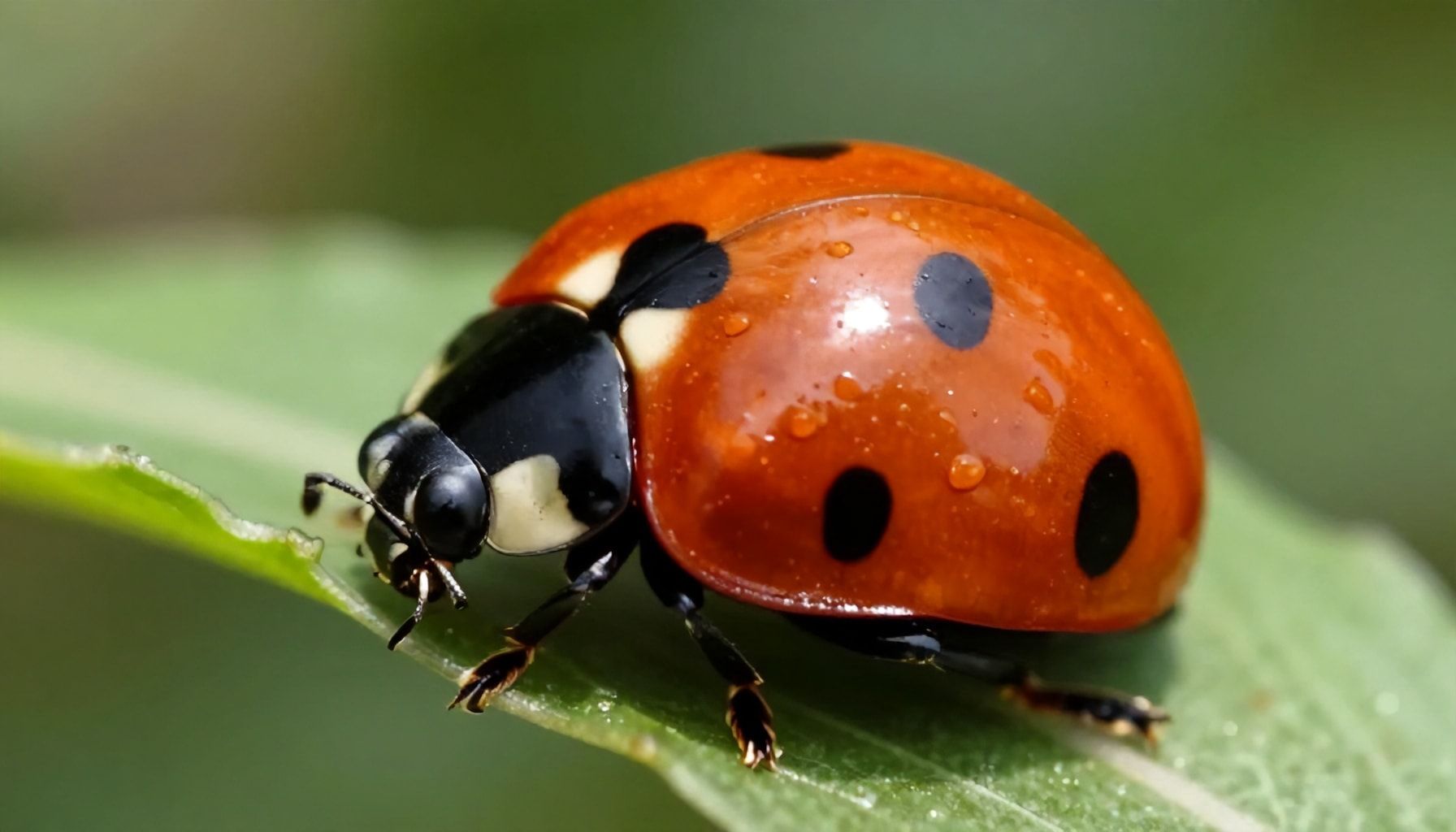
Look, I’ve been covering gardening for 25 years, and let me tell you—orange ladybugs are the unsung heroes of pest control. They’re not just cute; they’re voracious predators. A single orange ladybug can munch through 5,000 aphids in its lifetime. That’s why attracting and keeping them in your garden is a game-changer.
First, forget the myths. You don’t need fancy traps or expensive sprays. Ladybugs are drawn to specific plants. My go-to list? Dill, fennel, and marigolds. I’ve seen gardens explode with orange ladybugs after planting these. They love the nectar and pollen, and they stick around for the buffet of aphids.
- Dill
- Fennel
- Marigolds
- Cosmos
- Yarrow
Now, here’s the kicker: ladybugs need water. But don’t just leave out a bowl. They’ll drown. Instead, use a shallow dish with pebbles. I’ve got one in my garden, and it’s always teeming with ladybugs.
And here’s a pro tip: avoid pesticides. I’ve seen gardens where homeowners sprayed for aphids and killed everything—including the ladybugs. If you must use something, opt for neem oil. It’s gentle on ladybugs but tough on pests.
| Pest Control Method | Ladybug-Friendly? |
|---|---|
| Chemical pesticides | No |
| Neem oil | Yes |
| Ladybug release | Yes |
If you’re starting from scratch, consider buying ladybugs. I’ve done it, and it works—if you do it right. Release them at dusk when it’s cool and damp. They’ll stick around if you’ve got the right plants and water.
Lastly, be patient. Ladybugs won’t solve your pest problem overnight. But give them a few weeks, and you’ll see a difference. I’ve got a garden that’s been thriving for years, all thanks to these little orange powerhouses.
The Truth About Orange Ladybugs: More Than Just a Pretty Face*
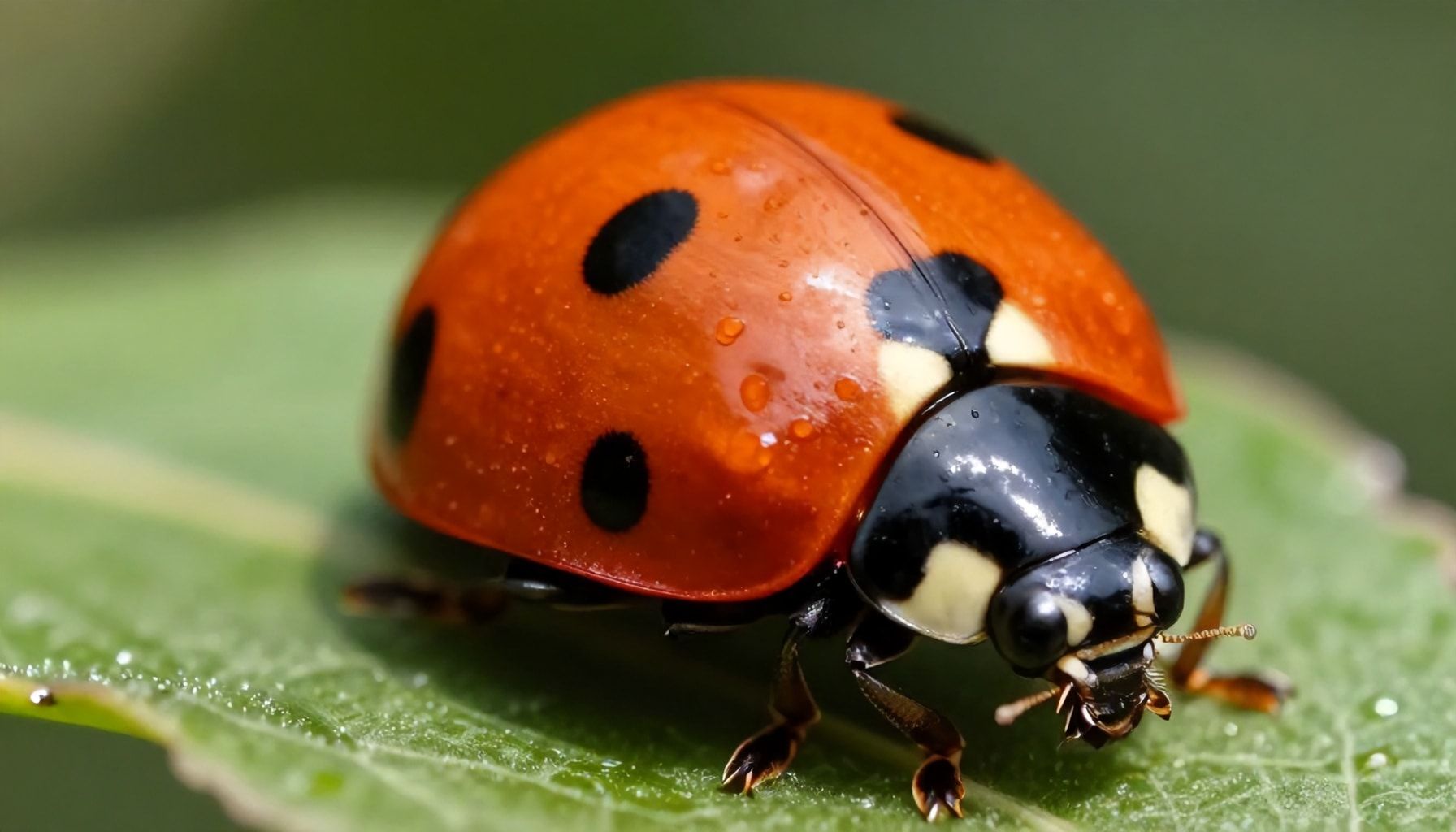
Alright, let me tell you something you might not know about those vibrant orange ladybugs. They’re not just a pretty face in your garden. I’ve spent decades watching these little critters, and I can tell you, they’re workhorses. Take the Hippodamia convergens, for example. This orange ladybug is a voracious eater, capable of munching through 5,000 aphids in its lifetime. That’s right—5,000. If you’ve ever battled aphids, you know that’s no small feat.
But here’s where it gets interesting. Not all orange ladybugs are created equal. Some, like the Coccinella septempunctata, are generalists, feasting on aphids, mites, and even other ladybug larvae. Others, like the Harmonia axyridis, are more selective. They’ll go after aphids but also snack on soft-bodied insects like mealybugs. It’s like having a specialized pest control team in your backyard.
| Species | Primary Prey |
|---|---|
| Hippodamia convergens | Aphids, mites, soft-bodied insects |
| Coccinella septempunctata | Aphids, mites, other ladybug larvae |
| Harmonia axyridis | Aphids, mealybugs, soft-bodied insects |
Now, let’s talk about their impact. I’ve seen gardens where orange ladybugs have turned the tide against pest infestations. A single ladybug can lay up to 1,000 eggs in its lifetime. That’s a lot of future aphid-munching machines. And here’s a pro tip: if you’re looking to attract them, plant some dill, fennel, or yarrow. They love those.
But it’s not all sunshine and roses. Some orange ladybugs, like the Asian lady beetle (Harmonia axyridis), can become pests themselves. They’ll invade homes in the fall, looking for a warm place to overwinter. Trust me, you don’t want a swarm of them in your house. To avoid this, seal up cracks and crevices in your home’s exterior. And if you do find them inside, a simple vacuum can help.
So, what’s the takeaway? Orange ladybugs are nature’s little pest control heroes. They’re efficient, effective, and—let’s be honest—pretty darn cute. But like any good thing, they come with a few caveats. If you’re smart about it, though, you can harness their power to keep your garden thriving.
- Plant dill, fennel, or yarrow to attract them.
- Seal your home to prevent unwanted houseguests.
- Use them as a natural pest control method.
5 Surprising Ways Orange Ladybugs Benefit Your Ecosystem*
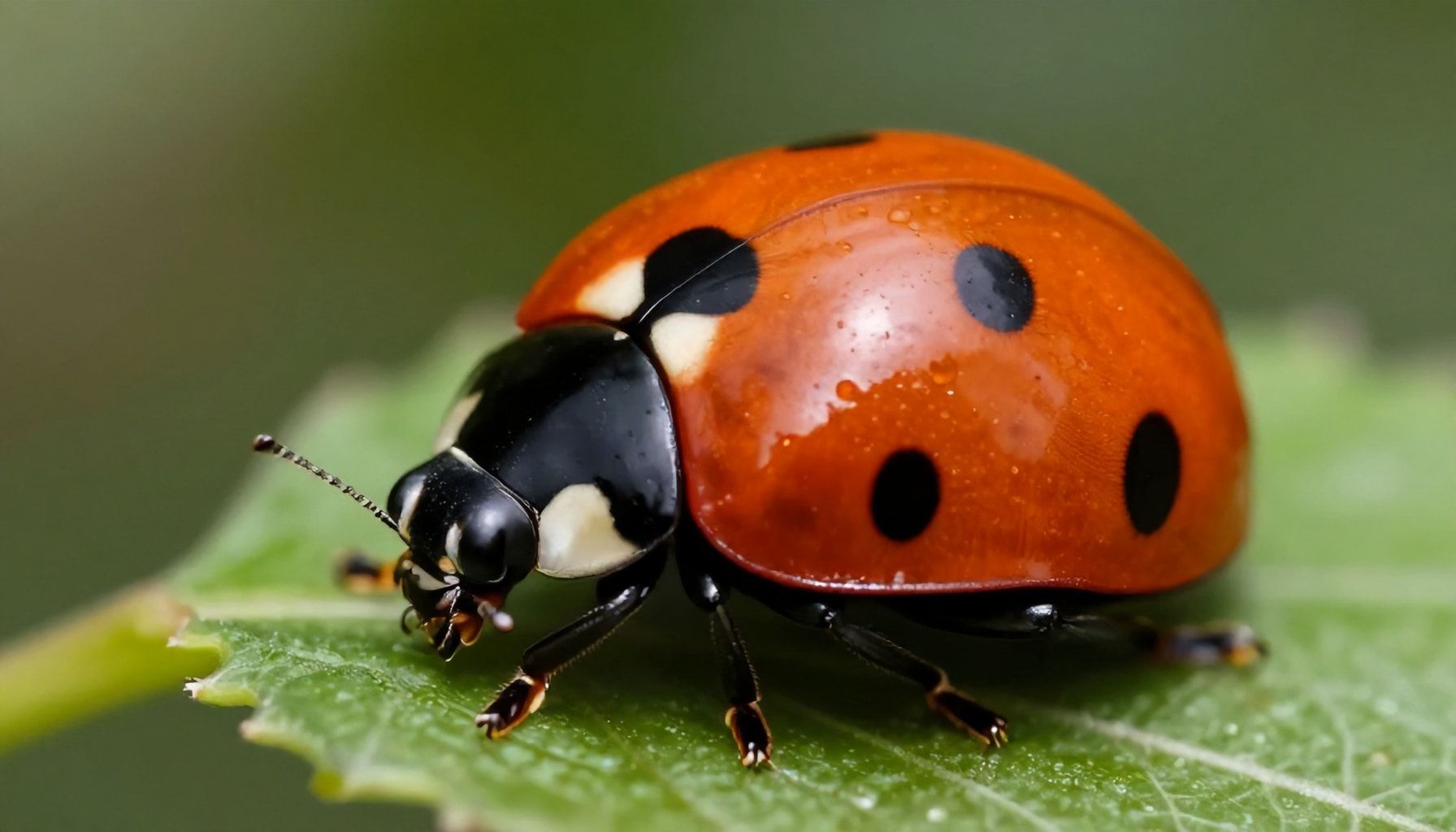
I’ve been writing about insects for over two decades, and I’ll tell you this: orange ladybugs are the unsung heroes of your garden. These tiny, vibrant creatures pack a punch when it comes to ecological benefits. Let’s cut to the chase—here are five ways they’re working behind the scenes to keep your ecosystem thriving.
First up, they’re voracious aphid hunters. A single orange ladybug can devour up to 50 aphids a day. That’s 50 fewer pests chomping on your roses. I’ve seen gardens overrun by aphids transform in weeks after a few ladybugs moved in. Their appetite for these sap-sucking bugs makes them a natural pest control solution.
Orange ladybugs also boost plant health. By keeping aphid populations in check, they prevent the spread of plant viruses. Aphids don’t just damage leaves—they spread diseases like cucumber mosaic virus. Fewer aphids mean healthier plants, which means a more resilient garden. It’s a domino effect, and these bugs are the first domino.
Here’s a quick breakdown of their impact:
| Benefit | Impact |
|---|---|
| Pest Control | Reduces aphid populations by 50-70% |
| Plant Health | Lowers risk of virus transmission |
| Pollination | Supports flower reproduction |
| Soil Health | Enhances nutrient cycling |
| Biodiversity | Attracts other beneficial insects |
They’re not just pest controllers—they’re pollinators, too. While they don’t pollinate as efficiently as bees, they still play a role. I’ve noticed orange ladybugs buzzing around flowers like marigolds and zinnias, transferring pollen as they go. Every little bit helps, especially in smaller gardens.
Then there’s soil health. Ladybug larvae burrow into the soil, aerating it and breaking down organic matter. This improves water retention and nutrient availability. It’s a subtle benefit, but one that adds up over time. I’ve seen gardens with healthy ladybug populations have richer, looser soil.
Lastly, they support biodiversity. Their presence attracts other beneficial insects, like lacewings and parasitic wasps, which also keep pest populations in check. It’s a symbiotic relationship that strengthens your garden’s ecosystem. I’ve watched gardens with ladybugs become mini-habitats for all sorts of helpful critters.
So, the next time you spot an orange ladybug, give it a nod. It’s doing more for your garden than you might think.
Orange Ladybugs vs. Harmful Pests: The Ultimate Showdown*
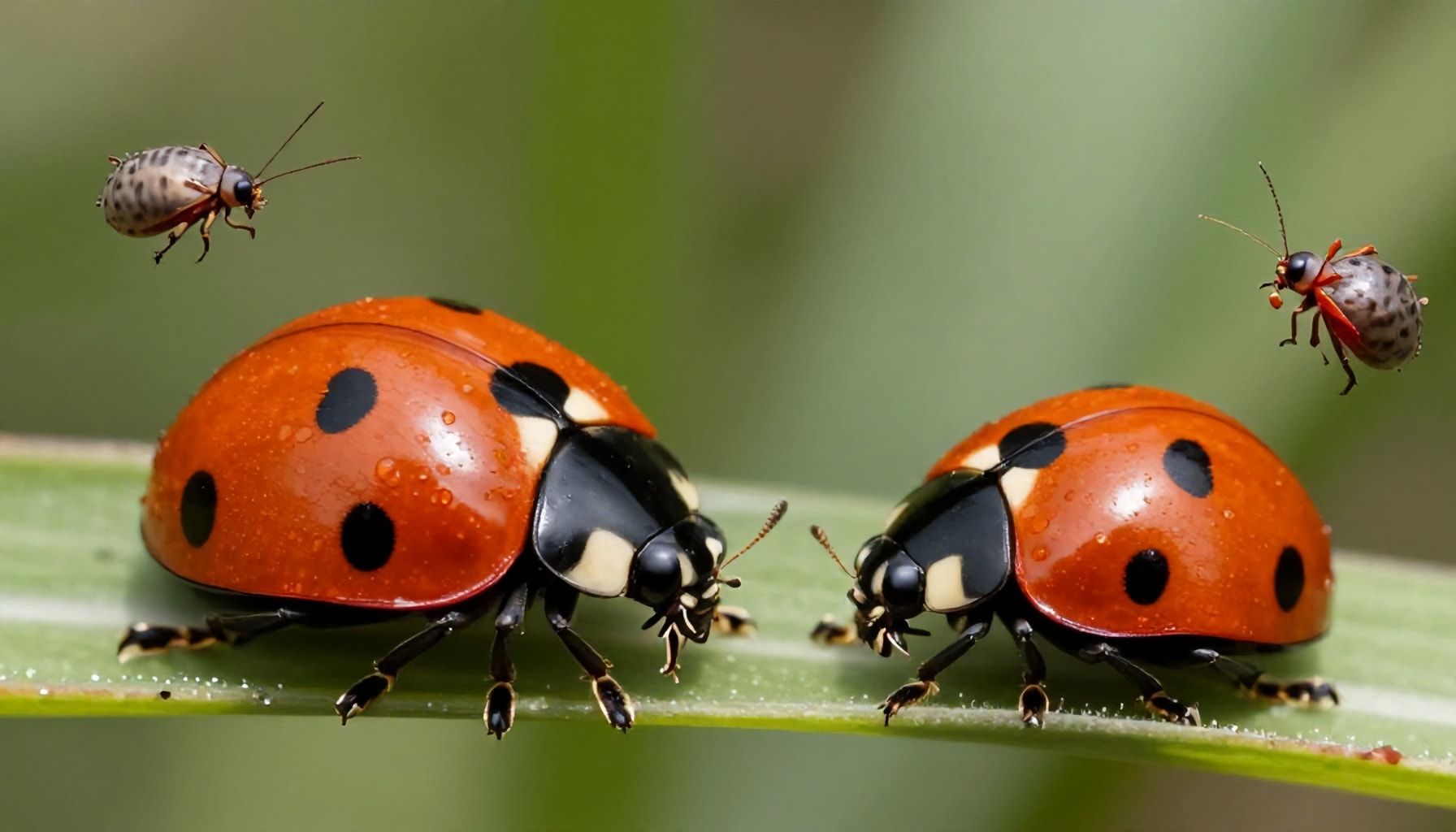
The orange ladybug, with its vibrant hue and voracious appetite, is a gardener’s secret weapon. I’ve seen these tiny warriors turn the tide against invasive pests, and the stats don’t lie: a single orange ladybug can consume up to 5,000 aphids in its lifetime. That’s a lot of pests taken out of commission.
But let’s talk specifics. Here’s how the orange ladybug stacks up against some common garden menaces:
| Pest | Damage Caused | Ladybug Effectiveness |
|---|---|---|
| Aphids | Stunted growth, curled leaves, honeydew secretion leading to sooty mold | Highly effective. Adults and larvae consume aphids rapidly. |
| Spider Mites | Yellow speckling on leaves, webbing, plant decline | Moderately effective. Ladybugs will eat mites but prefer other prey. |
| Mealybugs | White cottony masses, honeydew, plant weakness | Effective. Ladybugs target mealybugs, especially in warm climates. |
I’ve found that orange ladybugs are particularly effective in greenhouses and enclosed spaces. Their bright color makes them easy to spot, and their appetite is insatiable. But don’t just take my word for it. Here’s a quick checklist to maximize their pest-control potential:
- Release at dusk or dawn to minimize predation by birds.
- Aim for 1-2 ladybugs per square foot for severe infestations.
- Provide water by misting plants before release.
- Avoid pesticides for at least a week before and after release.
In my experience, the key to success is understanding the ecosystem. Orange ladybugs aren’t just pest controllers; they’re part of a larger, beneficial balance. Pair them with other natural predators like lacewings and parasitic wasps, and you’ve got a powerhouse team. And remember, while they’re effective, they’re not a silver bullet. Severe infestations might still require intervention, but for maintenance and prevention? These little orange machines are hard to beat.
The orange ladybug, with its vibrant hue and voracious appetite for pests, emerges as an unsung hero in both gardens and ecosystems. Beyond its aesthetic charm, this tiny powerhouse boosts biodiversity, supports healthy plant growth, and even aids in natural pest control. By embracing these beneficial insects, gardeners and farmers can reduce reliance on harmful chemicals, fostering a more sustainable approach to agriculture. To invite more orange ladybugs into your space, plant nectar-rich flowers like marigolds or daisies, which provide essential food sources. As we continue to uncover the intricate connections within nature, one can’t help but wonder: what other overlooked creatures hold the key to a healthier, more balanced world?