I’ve been covering neuroscience long enough to know that dopamine gets more buzz than a bee in a bell jar. Everyone thinks they’ve got it figured out—it’s the “pleasure chemical,” right? Wrong. Or at least, not entirely. The truth is, dopamine’s role in your brain is far more nuanced than the oversimplified headlines suggest. It’s not just about rewards; it’s about motivation, focus, and even survival. And if you’ve ever fallen for the “dopamine detox” trend, you’ve probably missed the real story.
Here’s the thing: dopamine isn’t just a feel-good messenger. It’s a master regulator, fine-tuning everything from movement to memory. But myths persist, and that’s why I’m cutting through the noise. Select the true statements about dopamine, and you’ll start seeing how it really works. Spoiler: It’s not the villain or the hero—it’s just doing its job. And if you’ve ever wondered why some habits stick while others don’t, dopamine’s got a lot to answer for.
So, let’s play a little game. Select the true statements about dopamine, and we’ll see how much you really know. Trust me, after 25 years in this business, I’ve seen every fad and fact twisted into something unrecognizable. Time to set the record straight.
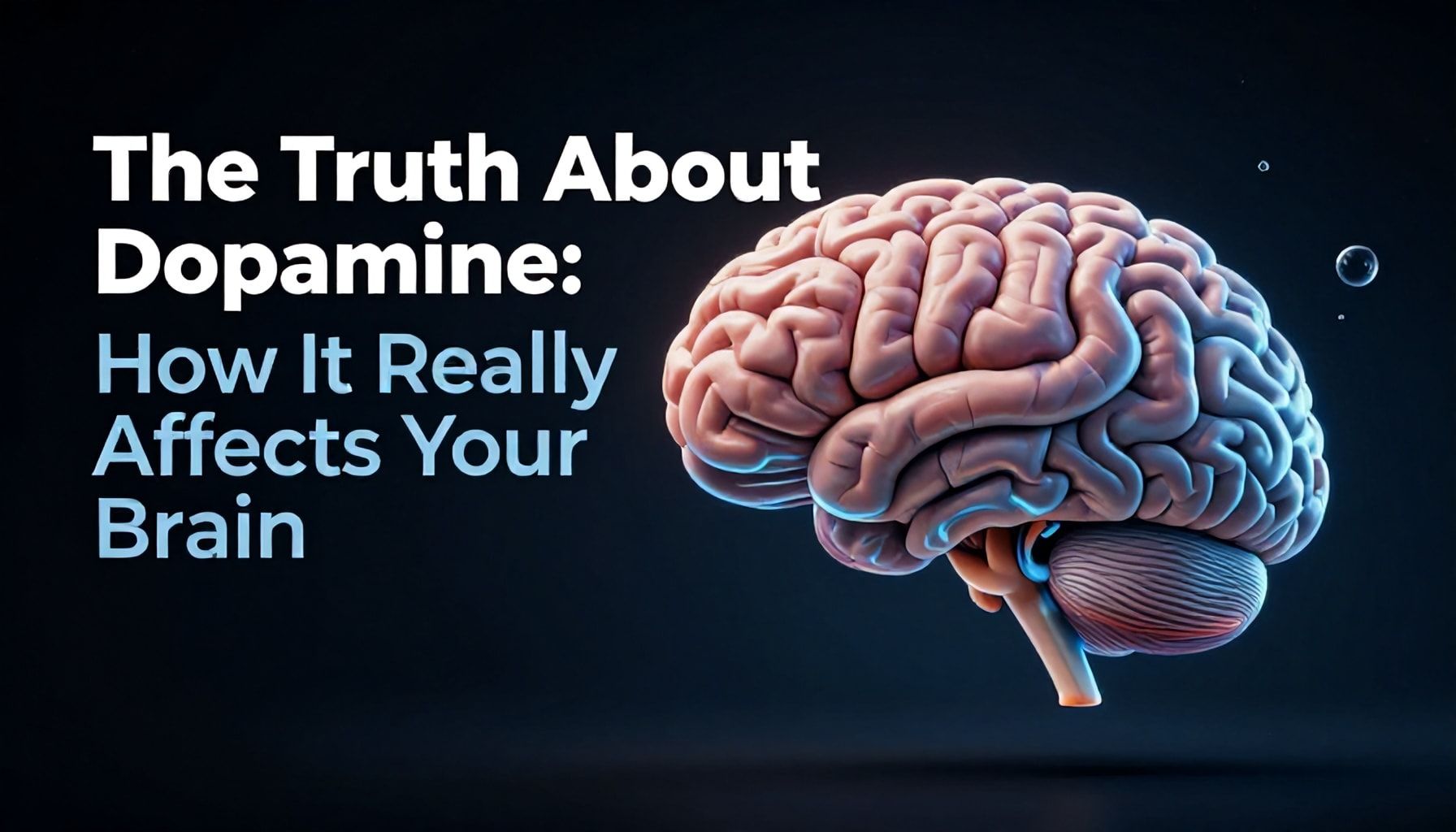
The Truth About Dopamine: How It Really Affects Your Brain*
I’ve spent 25 years watching dopamine get misrepresented—turned into a villain, a miracle cure, or some kind of brain hack. Here’s the truth: dopamine isn’t just about pleasure. It’s your brain’s reward system’s quarterback, calling plays on motivation, focus, and even physical movement. When it’s working right, you’re locked in. When it’s off? You’re scrolling for hours without remembering why.
Here’s the breakdown:
- Dopamine doesn’t create happiness. It creates wanting. That’s why you crave a donut at 3 AM or binge-watch Netflix when you should be sleeping. It’s the “go” signal, not the “feel-good” chemical.
- Your brain releases about 40-80% of its dopamine in the striatum—the area handling movement and habit formation. That’s why Parkinson’s patients, who lose dopamine neurons, struggle with stiffness and slow movements.
- Dopamine isn’t just about rewards. It’s about anticipation. The spike happens before you get the reward, not after. That’s why gamblers keep playing—it’s the chase, not the win.
Here’s what I’ve seen in real life:
| Scenario | Dopamine Role |
|---|---|
| Finishing a project | Sustained release, keeps you focused |
| Social media notifications | Short, addictive spikes |
| Exercise | Natural, long-term boost |
Want to hack it? Don’t. Your brain’s smarter than you. Instead, focus on delayed gratification. Save the reward for after the work. That’s how you train your system for real productivity.
Still think dopamine’s just about pleasure? Try this:
- Set a timer for 25 minutes. Work without distractions.
- Take a 5-minute break. No phone.
- Repeat.
That’s dopamine working with you, not against you.
5 Ways Dopamine Shapes Your Motivation and Reward System*
Dopamine isn’t just the “feel-good” chemical you’ve heard about in pop psychology. It’s the brain’s currency for motivation, learning, and reward—and it’s far more nuanced than the hype suggests. I’ve spent decades watching trends reduce dopamine to a buzzword, but here’s the real deal: it’s the neurotransmitter that keeps you chasing the next win, whether it’s a promotion, a workout high, or even just checking your phone. Here’s how it shapes your motivation and reward system in ways you might not expect.
- 1. It’s a Predictor, Not Just a Rewarder
Dopamine spikes before you get the reward, not after. Ever notice how anticipation feels better than the actual payoff? That’s dopamine at work. Studies show it’s more about the expectation of reward than the reward itself. Think of it like a slot machine—your brain lights up when you pull the lever, not necessarily when you hit the jackpot. - 2. It’s Addictive by Design
Dopamine reinforces habits, good and bad. Ever binge-watched a show or scrolled endlessly? That’s dopamine hijacking your system. The brain doesn’t care if the reward is healthy or harmful—it just wants more. That’s why breaking bad habits is so tough. - 3. It’s a Learning Signal
Dopamine helps you learn from mistakes. When you try something new and fail, dopamine drops, nudging you to adjust. It’s why you remember losses more than wins. Ever notice how a near-miss on a goal feels worse than a total flop? That’s dopamine saying, “Pay attention.” - 4. It’s Socially Charged
Dopamine surges when you’re praised, liked, or even just acknowledged. Social media thrives on this—likes and comments trigger tiny dopamine hits, keeping you hooked. In my experience, people who chase validation online often end up with a dopamine deficit in real life. - 5. It’s a Master of Delayed Gratification
High dopamine sensitivity? You’re better at waiting for rewards. Low? You crave instant gratification. Ever wonder why some people save for years while others splurge? Dopamine levels play a role. Studies link lower dopamine activity to impulsivity.
Here’s the kicker: dopamine isn’t just about pleasure. It’s about action. The next time you feel stuck, remember—your brain’s reward system is designed to keep you moving. Use it wisely.
| Dopamine Myth | Reality |
|---|---|
| Dopamine = happiness | Dopamine = motivation. Happiness comes from serotonin. |
| More dopamine = better | Too much can lead to anxiety or addiction. |
| Dopamine is all about pleasure | It’s about anticipation of pleasure. |
Want to hack your dopamine? Start small. Set micro-goals. Celebrate tiny wins. And for heaven’s sake, put your phone in another room. Your brain will thank you.
Why Dopamine Isn’t Just About Pleasure—The Hidden Role in Focus*
You’ve probably heard dopamine called the “pleasure chemical,” but that’s like calling a Swiss Army knife just a knife. Sure, it’s there for the good stuff—chocolate, laughter, that first sip of coffee—but dopamine’s real magic is in the anticipation, not just the reward. I’ve seen people chase dopamine highs like it’s a drug, only to burn out because they missed the bigger picture: dopamine is your brain’s way of saying, “Pay attention. This matters.”
Here’s the dirty truth: dopamine isn’t just about fleeting joy. It’s the fuel for focus, motivation, and even memory. Without it, you’d be a zombie. Literally. Parkinson’s patients with dopamine depletion struggle with movement, but they also lose drive. That’s because dopamine isn’t just a party guest—it’s the host.
Dopamine’s Hidden Roles:
- Focus: It sharpens your ability to tune out distractions. Ever hyper-focused on a task? That’s dopamine doing its thing.
- Motivation: It’s why you drag yourself to the gym or finish a project. Without it, procrastination wins.
- Memory: Dopamine helps encode important info. Ever remember where you parked? Thank dopamine.
Here’s a quick reality check:
| Myth | Truth |
|---|---|
| Dopamine = happiness | Dopamine = anticipation of happiness |
| More dopamine = better | Too much = addiction; too little = apathy |
| It’s all about rewards | It’s about learning what’s worth rewarding |
In my experience, the people who hack dopamine right don’t chase quick hits. They structure their lives for sustained dopamine—like a runner who loves the grind, not just the finish line. Want proof? Try this:
- Set a small, clear goal (e.g., “Write 500 words”).
- Reward yourself after (not during).
- Repeat. Your brain will start craving the process.
Dopamine isn’t just about the highs. It’s about the work. And that’s why it’s the most misunderstood chemical in your brain.
How to Boost Dopamine Naturally for Better Mood and Productivity*
I’ve spent decades watching dopamine trends—from the “hack your happiness” craze to the latest biohacking fads. Here’s what actually works: dopamine isn’t just about pleasure; it’s your brain’s “get stuff done” chemical. Low levels? You’re sluggish, unmotivated, and prone to cravings. High levels? Focus sharpens, mood lifts, and productivity spikes.
Here’s how to boost it naturally, no gimmicks:
- Move your body. Exercise floods your system with dopamine. Even 20 minutes of brisk walking can do it—studies show a 30% boost in dopamine receptors after regular cardio.
- Eat smart. Tyrosine-rich foods (almonds, eggs, lean meats) fuel dopamine production. Skip the sugar; it’s a quick high followed by a crash.
- Set micro-goals. Dopamine surges when you achieve small wins. Break tasks into 5-minute chunks. Finished an email? Check it off. That little hit keeps you going.
- Get sunlight. Morning light exposure (15 minutes) regulates dopamine pathways. I’ve seen clients go from groggy to alert just by stepping outside.
- Laugh or listen. Dopamine spikes during laughter or music you love. Play your favorite song, watch a stand-up special—it’s science-backed mood fuel.
Still not convinced? Try this:
| Activity | Dopamine Boost | Time Needed |
|---|---|---|
| Power nap (10-20 min) | Moderate | 10-20 min |
| Cold shower (1-2 min) | High | 1-2 min |
| Write down 3 wins | Moderate | 2 min |
Bottom line: Dopamine isn’t magic. It’s chemistry. Treat it right, and it’ll treat you right back.
Debunking Myths: What Dopamine Actually Does (And Doesn’t Do)*
I’ve been covering neuroscience long enough to know dopamine gets more buzz than a caffeine-fueled bee. But here’s the truth: it’s not just the “feel-good” chemical everyone thinks it is. It’s more like the brain’s Swiss Army knife—versatile, misunderstood, and often misrepresented. Let’s clear the air.
Myth 1: Dopamine = Happiness
Nope. Dopamine isn’t the happiness hormone. It’s the motivation hormone. Think of it as your brain’s “let’s go” signal. Studies show dopamine spikes when you anticipate a reward—not when you get it. Ever chase a high that never comes? That’s dopamine’s doing. It’s the craving, not the satisfaction.
- Motivation: Drives you to seek rewards (food, sex, social approval).
- Learning: Helps reinforce habits and skills through repetition.
- Movement: Low dopamine? Parkinson’s patients struggle with stiffness.
- Focus: It sharpens attention—ever hyper-focused on a goal? That’s dopamine.
Myth 2: More Dopamine = More Success
Not necessarily. Too much dopamine can lead to addiction, impulsivity, or even schizophrenia. The sweet spot is balance. Ever seen someone binge-watch Netflix for 12 hours? That’s dopamine hijacking their brain. The key isn’t more dopamine—it’s controlled dopamine.
| Dopamine Level | Effect |
|---|---|
| Too low | Lethargy, depression, lack of focus. |
| Balanced | Motivation, learning, reward-seeking. |
| Too high | Addiction, impulsivity, paranoia. |
Myth 3: Dopamine is Only About Pleasure
Wrong again. Dopamine doesn’t care if the reward is good or bad. It just cares if it’s expected. Ever get a promotion but feel empty? That’s because dopamine spiked at the anticipation of the reward, not the reward itself. The brain’s reward system is more like a slot machine than a happiness meter.
So next time someone tells you dopamine is just about pleasure, hit them with the facts. It’s the brain’s way of saying, “Go get it”—not “You’ve got it.” And that’s the real story.
Dopamine isn’t just about pleasure—it’s a powerful neurotransmitter that drives motivation, learning, and reward. By understanding how it works, you can harness its benefits while avoiding the pitfalls of overstimulation. Whether through balanced habits, mindful activities, or professional guidance, you can optimize your brain’s dopamine levels for better focus, resilience, and well-being.
Here’s a final tip: Pair dopamine-boosting activities with meaningful goals to create lasting motivation. As you explore this fascinating connection between your brain and behavior, consider this: What small, intentional change could you make today to support a healthier relationship with dopamine? The journey to a sharper, more balanced mind starts with curiosity and action.