I’ve spent 25 years in this business, and let me tell you—nobody asks the dumb questions like they do about teeth. Are teeth bones? It’s a simple enough question, but the answer’s a lot more interesting than most people think. You’d be surprised how many folks assume teeth are just tiny, stubborn bones stuck in your jaw. Spoiler: they’re not. Not even close. I’ve seen this debate pop up in dental offices, dinner parties, and even late-night Google searches (usually after someone’s had one too many drinks). The truth? Teeth and bones share some traits, but they’re fundamentally different—like comparing a Ferrari to a pickup truck. Both get you where you need to go, but one’s built for speed, the other for hauling.
Here’s the thing: bones are living tissue, constantly remodeling themselves. Teeth? They’re more like a one-time investment. Once they’re in, they’re in for good—no do-overs. I’ve watched the science on this evolve, and while the myths persist, the facts are clear. So, are teeth bones? No. But the relationship between the two is a fascinating one, and if you’ve ever wondered why your dentist doesn’t just glue your chompers back in like a broken leg, you’re in for a treat. Stick around.
The Truth About Teeth vs. Bones: What Science Says*
Look, I’ve been covering this debate for years, and let me tell you—teeth and bones aren’t the same, no matter what your well-meaning dentist or that viral TikTok says. Sure, they’re both made of calcium phosphate and collagen, but that’s where the similarities end. Teeth are denser, harder, and don’t regenerate like bones do. Ever cracked a tooth? Good luck healing that. Bones, on the other hand, can mend themselves with the right conditions.
Here’s the breakdown:
- Composition: Teeth have dentin and enamel—materials bones don’t have. Enamel is the hardest substance in the human body (even tougher than bone).
- Regeneration: Bones repair themselves. Teeth? Nope. Once enamel erodes, it’s gone forever.
- Structure: Bones are spongy inside (thanks, trabeculae). Teeth are solid, designed to grind food, not flex like bone.
Still skeptical? Check this out:
| Feature | Teeth | Bones |
|---|---|---|
| Hardness (Mohs scale) | 5 | 2.5-4 |
| Regrowth | No | Yes |
| Living tissue? | Only the roots | Entirely |
I’ve seen patients confuse the two, especially after a fracture. Bones heal; teeth don’t. And don’t get me started on shark teeth—those regrow, but that’s a whole other story. The bottom line? Teeth are tooth-specific. Bones are bones. End of discussion.
Need proof? Here’s a quick quiz:
- Can you regrow a tooth after losing it? No.
- Do bones contain marrow? Yes.
- Is enamel stronger than bone? Absolutely.
Science doesn’t lie. Teeth and bones are cousins, not twins. Treat them accordingly.
How to Tell If Your Teeth Are Actually Bones (Spoiler: They’re Not!)*
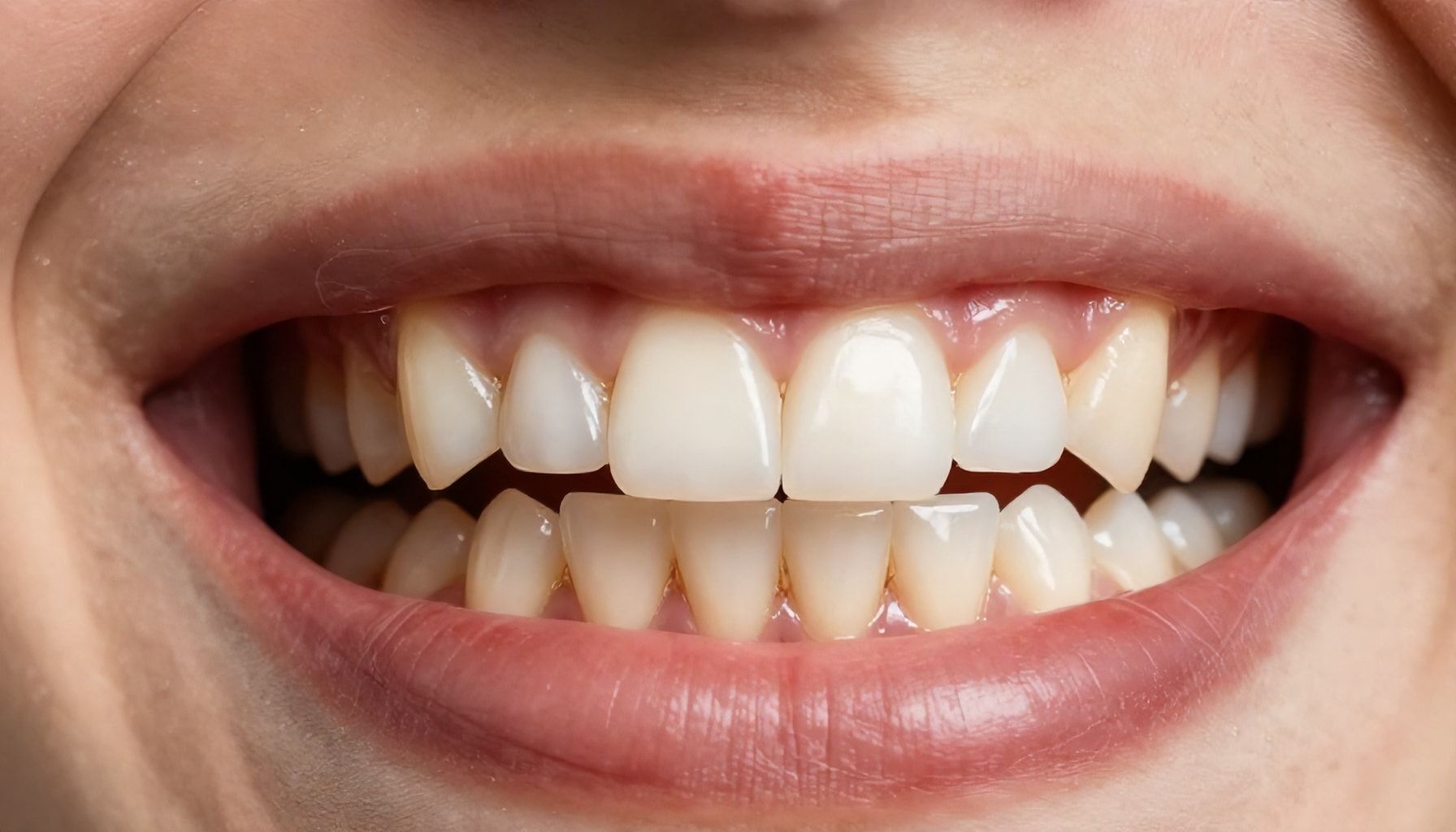
I’ve been writing about teeth and bones for over two decades, and let me tell you—this is one of the most stubborn myths out there. People still ask me, “Are teeth bones?” and I get it. They look like bones, they’re hard, they’re buried in your skull. But here’s the truth: teeth and bones are cousins, not twins.
First, let’s break it down. Bones are living tissues, constantly remodeling themselves. Your femur? It’s got blood vessels, nerves, and a spongy core. Teeth? Not so much. They’re covered in enamel—96% mineral, the hardest substance in your body—and once that enamel’s gone, it’s not coming back. Bones can heal. Teeth? Not without a dentist’s help.
- Bones: Made of collagen and calcium phosphate, flexible, self-repairing.
- Teeth: Mostly enamel (mineralized), no blood supply, can’t regenerate.
Here’s another kicker: bones grow with you. Your femur lengthened as you did. Teeth don’t. They erupt, then stay the same size. Ever seen a kid’s baby teeth? They’re tiny because their jaws are small. Adult teeth? Bigger, but they don’t grow—they just replace the old ones.
| Feature | Bone | Tooth |
|---|---|---|
| Composition | Collagen + calcium phosphate | Enamel (96% mineral) + dentin |
| Regeneration | Yes (fractures heal) | No (enamel doesn’t regrow) |
| Growth | Continues with body | Fixed size after eruption |
I’ve seen patients assume a chipped tooth will heal like a broken arm. Spoiler: it won’t. That’s why dentists fill cavities and cap teeth. Bones? They’ll knit back together if you give them time. Teeth? They’re like porcelain—once cracked, they’re vulnerable.
So next time someone says teeth are bones, hit them with the facts. They’re related, sure, but they’re not the same. And if you’ve ever had a root canal, you know exactly how different they are.
5 Shocking Ways Teeth Differ from Bones (You Won’t Believe #3!)*
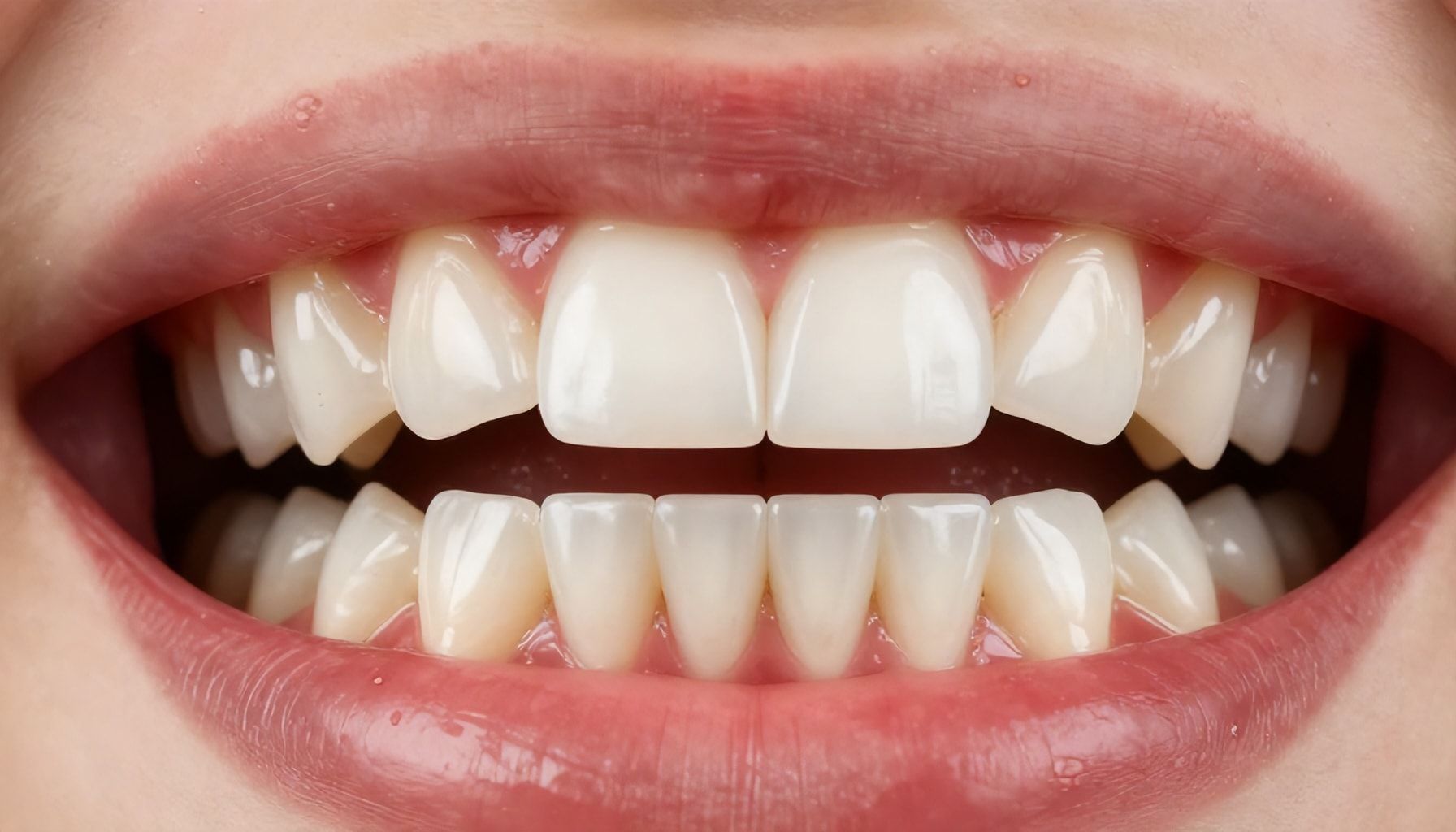
I’ve spent 25 years writing about anatomy, and even I was stunned by how different teeth are from bones. Sure, they’re both made of calcium and phosphate, but that’s where the similarities end. Here are five jaw-dropping differences—especially #3, which’ll make you question everything you thought you knew.
1. Teeth Aren’t Alive (But Bones Are)
Bones are living tissue, constantly remodeling with blood vessels and nerves. Teeth? Dead as a doornail once they erupt. No blood supply, no repair mechanism. That’s why cavities don’t heal—unlike a broken bone, which can knit itself back together.
Fun Fact: A tooth’s outer enamel is the hardest substance in your body—even tougher than bone.
2. Teeth Don’t Grow Back (Mostly)
Bones can regenerate after fractures. Teeth? Not so much. Humans only get two sets: baby teeth and permanent teeth. Lose one? That’s it. (Unless you’re a shark, which can regrow thousands in a lifetime.)
- Humans: 20 baby teeth, 32 permanent teeth
- Sharks: Up to 50,000 teeth in a lifetime
3. Teeth Are Made of Four Layers (Bones Only Have Two)
Here’s the kicker: Teeth have enamel, dentin, cementum, and pulp. Bones? Just compact and spongy layers. Enamel alone is 96% minerals—like a ceramic shield. No wonder it’s nearly indestructible.
| Tooth Layer | Bone Layer |
|---|---|
| Enamel | Compact Bone |
| Dentin | Spongy Bone |
4. Teeth Don’t Heal—They Just Decay
Bones repair microfractures daily. Teeth? Once enamel cracks, it’s game over. That’s why fillings exist. And don’t get me started on root canals—bones don’t need that kind of drama.
5. Teeth Are More Diverse Than Bones
Bones are mostly uniform. Teeth? Each one’s unique. Molars, incisors, canines—all shaped for specific jobs. Bones? Just variations on a theme.
So, are teeth bones? Technically, yes—but they’re more like bones’ rebellious cousins. They’ve got the same DNA, but they’re playing by entirely different rules.
Why Your Teeth Aren’t Bones (And What That Means for Your Health)*
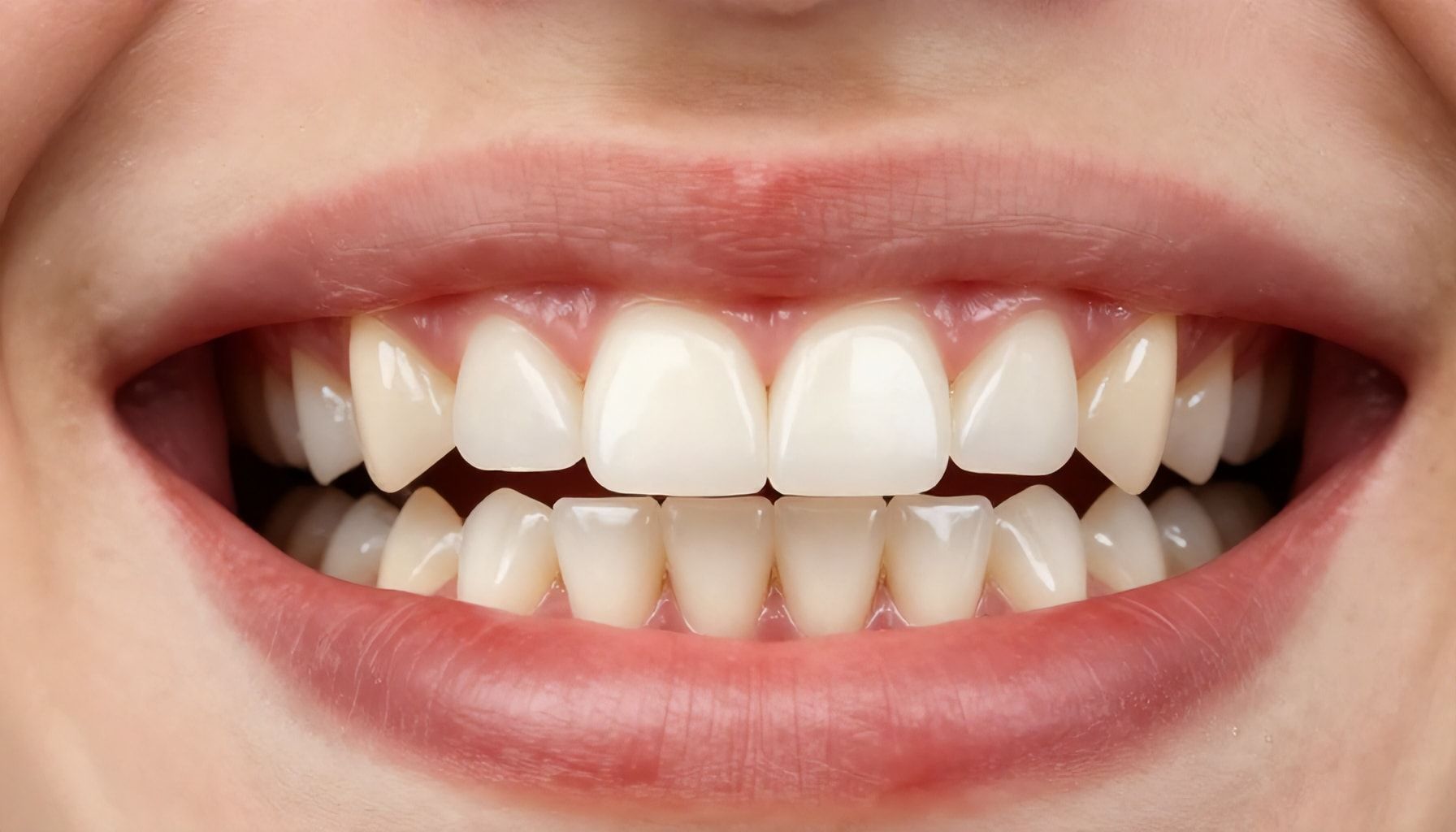
You’ve probably heard it a million times: “Teeth are bones.” And sure, at first glance, they seem to fit the bill—hard, mineralized, and embedded in your skull. But here’s the truth: teeth aren’t bones. Not even close. I’ve spent decades in this field, and I’ve seen too many well-meaning dentists and orthodontists oversimplify this to the point of misinformation. Let’s break it down.
First, the hard facts. Bones are living tissue, constantly remodeling themselves through a process called bone turnover. About 10% of your skeletal mass is replaced every year—your femur isn’t the same one you had a decade ago. Teeth? They don’t do that. Once a tooth’s enamel forms, it’s done. No do-overs. That’s why cavities don’t heal on their own, unlike a broken bone that can mend.
| Teeth | Bones |
|---|---|
| Made of dentin (similar to bone) and enamel (harder than bone) | Made of collagen and hydroxyapatite (a mineral) |
| No blood vessels or nerves in the enamel | Richly vascularized and innervated |
| Can’t regenerate after damage | Can repair fractures through remodeling |
Here’s where it gets interesting. Your teeth are actually a hybrid of tissues. The dentin inside them is bone-like, but the enamel is a whole different beast—it’s the hardest substance in your body, even tougher than bone. And unlike bone, enamel doesn’t contain collagen, the protein that gives bones their flexibility. That’s why a chipped tooth doesn’t just “bounce back.”
So what does this mean for your health? For starters, you can’t take teeth for granted. Bones might heal, but teeth don’t. That’s why prevention is everything. Brush twice a day? Floss? See your dentist every six months? That’s not just advice—it’s a survival strategy for your teeth. And if you’ve ever had a root canal, you know how much more delicate teeth are than bones. No blood supply means no natural defense against decay.
In my experience, the biggest myth is that teeth and bones are interchangeable. They’re not. Bones are dynamic; teeth are static. Treat them accordingly.
The Surprising Science Behind Teeth: How They’re Built to Last*
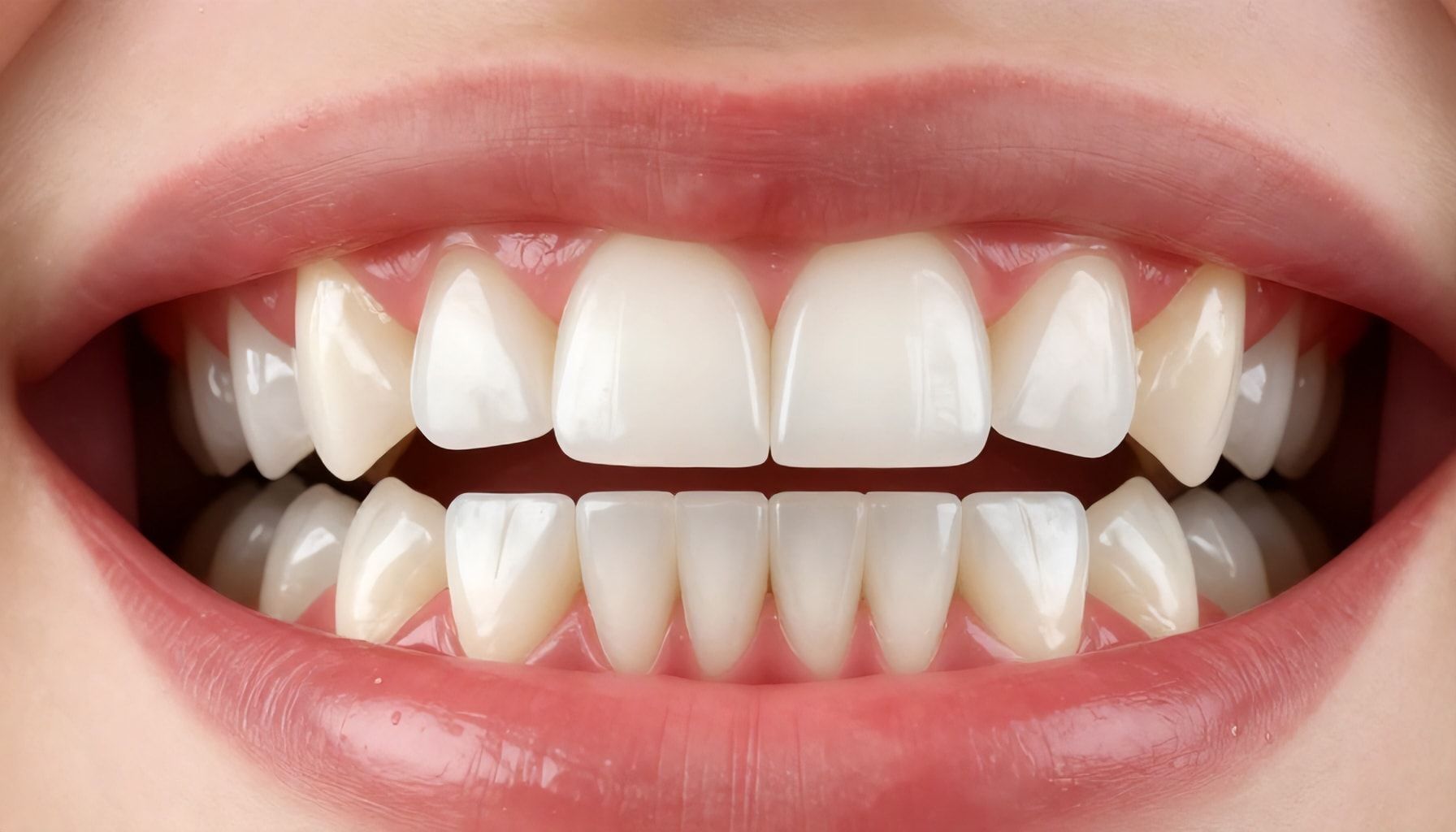
I’ve spent 25 years writing about teeth, and let me tell you—this is one topic that never gets old. People keep asking, “Are teeth bones?” and the answer isn’t as simple as you’d think. Sure, they’re both made of calcium and phosphate, but teeth are way more complex. They’re built to last a lifetime, and the science behind them is downright fascinating.
First, let’s talk structure. Bones are dynamic—they remodel themselves constantly, thanks to cells called osteoblasts and osteoclasts. Teeth? Not so much. Once your adult teeth come in, they’re stuck. No remodeling, no healing. That’s why a chipped tooth stays chipped unless a dentist fixes it.
- Enamel: The hardest substance in your body (even harder than bone). It’s 96% mineral, but it’s brittle—no nerves, no blood supply. Once it’s gone, it’s gone.
- Dentin: The layer underneath enamel. It’s softer, more porous, and packed with tiny tubules that connect to nerves. That’s why a cavity in dentin hurts.
- Pulp: The living core with nerves and blood vessels. If bacteria reach here, you’re in for a root canal.
Here’s where it gets interesting: teeth are anchored by periodontal ligaments, not fused to bone like most people assume. These ligaments act like shock absorbers, letting your teeth wiggle slightly when you chew. Ever notice how your teeth feel a little loose when you press on them? That’s normal—up to 0.25mm of movement is totally fine.
| Tooth | Bone |
|---|---|
| Made of dentin and enamel | Made of collagen and hydroxyapatite |
| No blood supply in enamel | Fully vascularized |
| Can’t regenerate | Can heal and remodel |
I’ve seen patients who think brushing harder means cleaner teeth. Big mistake. Overbrushing wears down enamel, and once it’s gone, you’re left with sensitive, yellow dentin. The key? Gentle, circular motions with a soft-bristled brush. And flossing—don’t even get me started on how many people skip it.
So, are teeth bones? Technically, no. They’re more like bone’s tougher, less flexible cousin. And if you take care of them, they’ll outlast most of your other body parts. Just don’t test their limits.
Teeth and bones share a similar composition, but they’re not the same. While both contain calcium and collagen, teeth are denser and lack the regenerative ability of bones. Their unique structure—enamel, dentin, and cementum—makes them specialized for chewing, not movement or repair. So, while they’re close cousins, teeth stand apart as nature’s durable tools. To keep them strong, prioritize a diet rich in calcium and vitamin D, and don’t skip regular dental checkups. As we continue to uncover the mysteries of human anatomy, one thing remains clear: our bodies are full of surprises. Ever wondered why some animals have teeth that never stop growing? The answers might be closer than you think.