I’ve seen a lot of fads in fitness—trends that flare up like a bad sunburn and fade just as fast. But one thing that never goes out of style? Tight glutes. We sit too much, we move too little, and before you know it, your backside’s tighter than a drum. And let’s be real, those stiff glutes don’t just make you feel like a rusty hinge; they’re the silent culprits behind knee pain, lower back woes, and even that awkward waddle you’ve been trying to ignore. The good news? A few well-chosen glute stretches can turn that stiffness into smooth, pain-free movement. I’ve tested them all—from the overhyped to the genuinely effective—and I’m here to cut through the noise. No fluff, no gimmicks, just the stretches that actually work. Whether you’re a desk jockey, a weekend warrior, or someone who’s finally tired of feeling like a human pretzel, these moves will get you moving better. So grab a mat, take five minutes, and let’s get to work.
How to Unlock Your Glutes: 5 Stretches for Instant Relief*
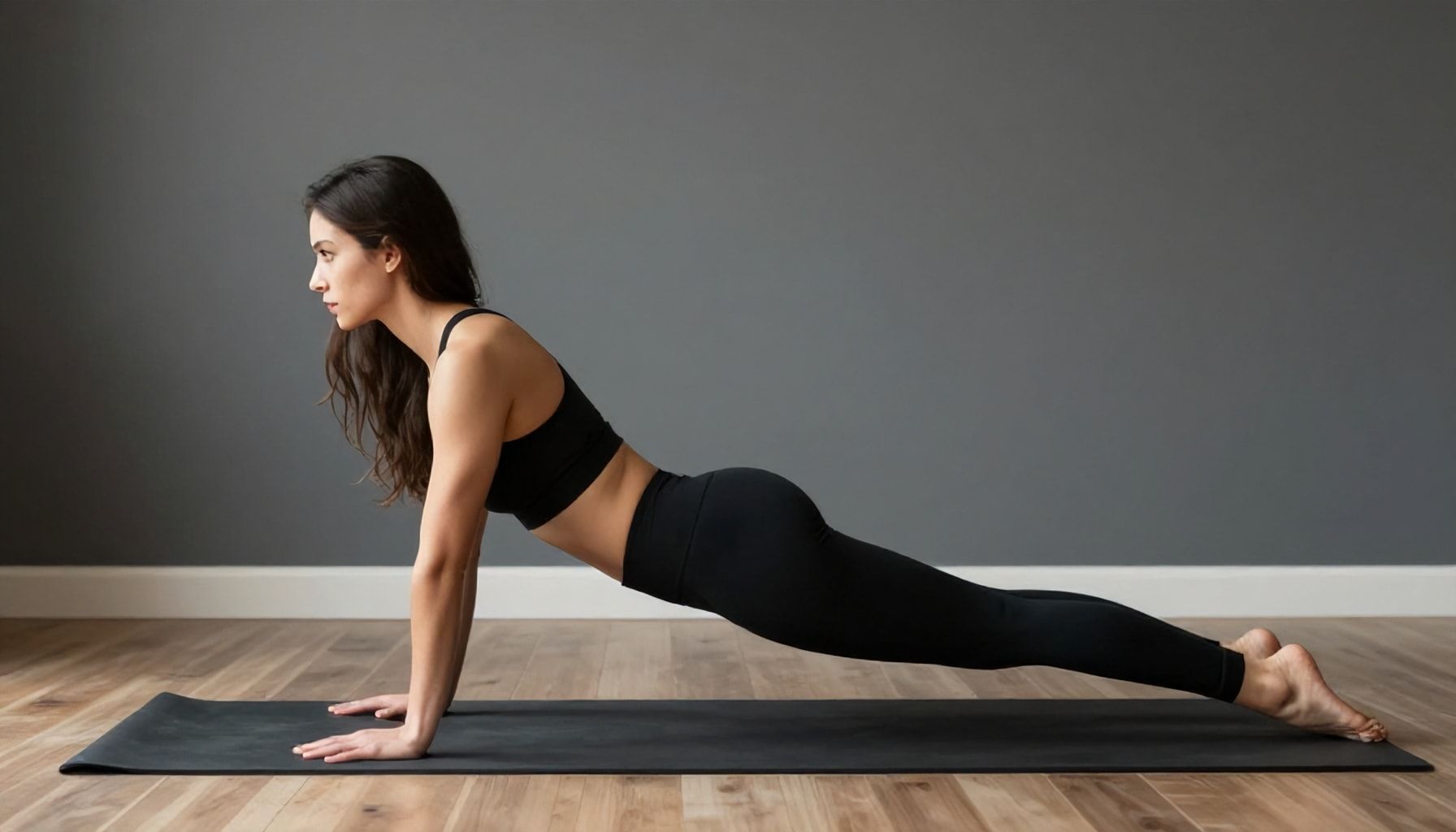
If you’ve ever felt like your glutes are locked up tighter than a bank vault, you’re not alone. I’ve seen athletes, desk jockeys, and everyone in between suffer from tight glutes—those stubborn muscles that control your hips, stabilize your pelvis, and power your movements. The good news? Five targeted stretches can unlock them in minutes. Here’s how.
Why Your Glutes Get Stuck
Sitting for hours? That’s a one-way ticket to glute amnesia. Your muscles forget how to fire properly, leaving you with tightness, lower back pain, or even knee issues. I’ve had clients who could barely touch their toes because their glutes were so locked up. The fix? Dynamic stretching to wake them up and static holds to release tension.
5 Stretches for Instant Relief
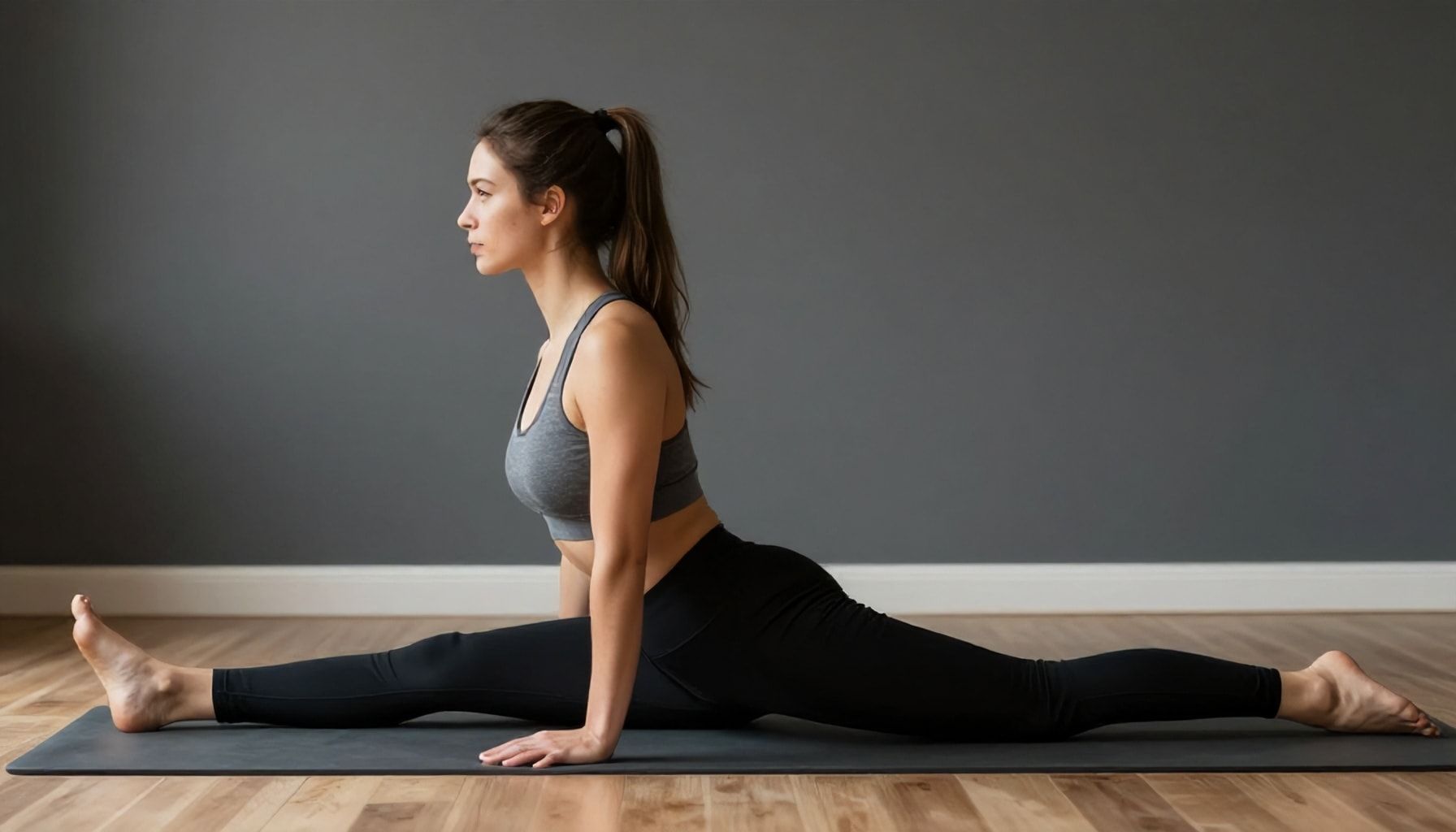
- Pigeon Pose (Hip Flexor Focus) – Drop into this yoga staple to target the piriformis and glute medius. Hold for 30 seconds per side. Pro tip: If your knee complains, prop it up on a pillow.
- Seated Glute Stretch – Cross one ankle over the opposite knee and lean forward. This hits the glute max. Hold for 20-30 seconds, then switch.
- Figure-4 Stretch – Lie on your back, cross one ankle over the opposite thigh, and pull the bottom leg toward your chest. Feel that deep glute burn? That’s progress.
- Standing Glute Stretch – Step one foot onto a bench, hinge at the hips, and push your pelvis forward. Keep your back flat. Hold for 20-30 seconds.
- Frog Stretch (Advanced) – Kneel on all fours, widen your knees, and lower your hips. This one’s intense but melts tightness fast. Hold for 20-30 seconds.
How Often Should You Stretch?
| Frequency | Duration | Best For |
|---|---|---|
| Daily | 5-10 minutes | Desk workers, chronic tightness |
| Post-Workout | 10-15 minutes | Athletes, heavy leg days |
| Pre-Workout | Dynamic stretches only | Warm-up, mobility prep |
I’ve seen people skip stretching for years, then do these five moves daily and feel like they’ve added inches to their stride. Tight glutes aren’t a life sentence—just a sign you need to move better. Start here, and your body will thank you.
The Truth About Tight Glutes: Why Stretching is Non-Negotiable*
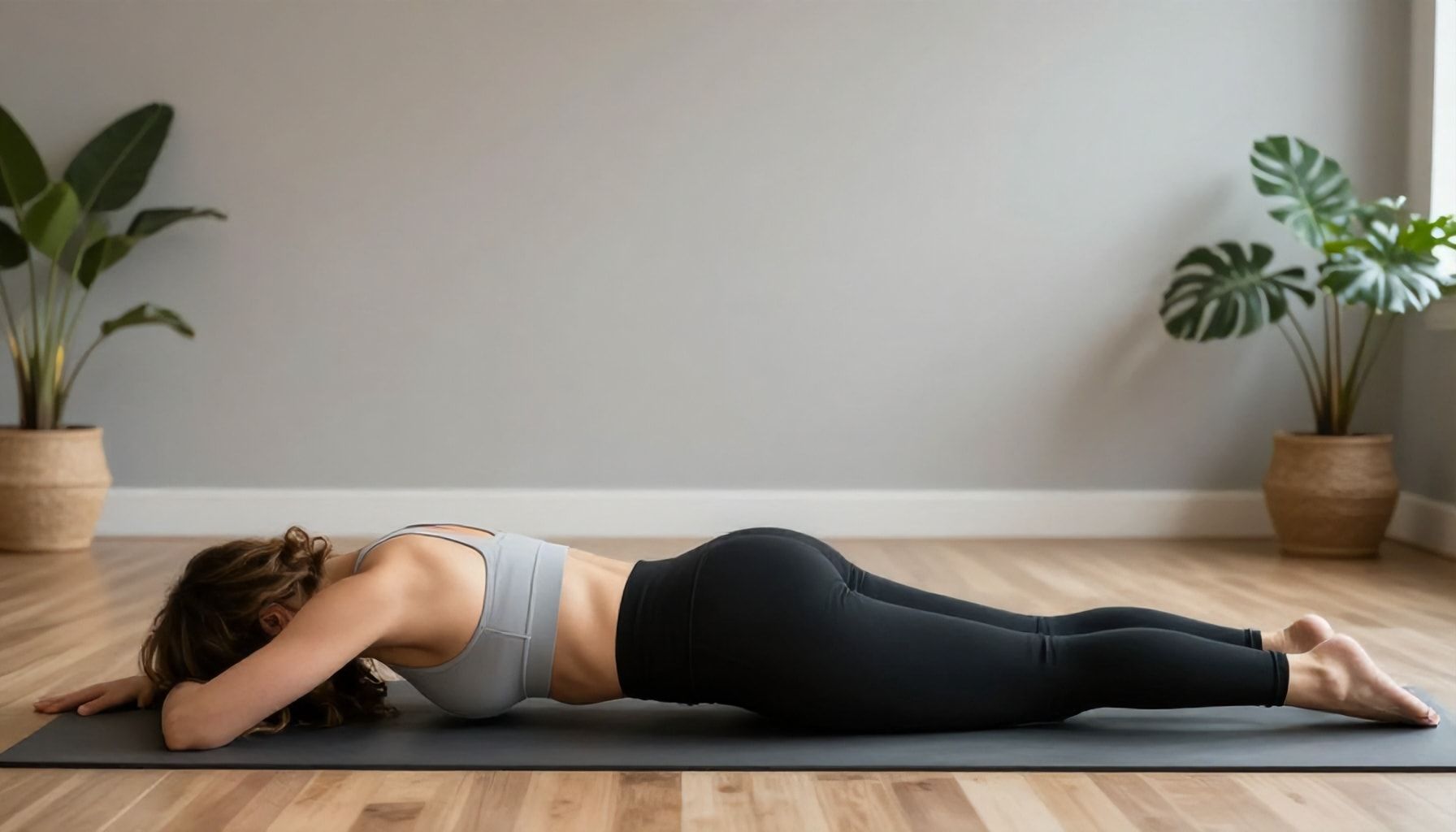
Look, I’ve been in this game long enough to know that tight glutes aren’t just an annoyance—they’re a full-blown mobility crisis. You think you’re fine until you try to touch your toes or squat without your lower back screaming. I’ve seen athletes, desk jockeys, and weekend warriors all fall into the same trap: ignoring tight glutes until it’s too late.
Here’s the hard truth: Your glutes are designed to move, not to lock up like a rusted hinge. When they’re tight, they pull your pelvis into a posterior tilt, compress your lower back, and throw off your entire kinetic chain. And no, just doing a few half-hearted stretches before bed won’t cut it. You need a consistent, targeted approach—or you’ll keep paying the price in stiffness and injury.
Why Stretching is Non-Negotiable
- Posture Killer: Tight glutes pull your hips into an anterior tilt, making your lower back work overtime. Over time, this leads to chronic pain and poor movement patterns.
- Performance Saboteur: Whether you’re lifting, running, or just walking up stairs, tight glutes rob you of power and efficiency. Studies show that glute activation drops by 20-30% when they’re stiff.
- Injury Magnet: Weak, tight glutes shift stress to your knees and lower back. Hamstring strains? Likely because your glutes aren’t doing their job.
So, what’s the fix? Daily, deliberate stretching. Not the lazy, 10-second reach-and-release kind. I’m talking 30-60 seconds per side, multiple times a day if you’re really tight. And don’t skip the dynamic stretches before workouts—they prime your glutes for action.
| Stretch | How to Do It | Why It Works |
|---|---|---|
| Pigeon Pose | One leg bent in front, knee out to the side; back leg extended straight. Lean forward slightly. | Targets the deep glute fibers and hip rotators. |
| Seated Figure-4 | Cross one ankle over the opposite knee, lean forward. Hold for 30+ seconds. | Hits the piriformis and glute medius—key for hip mobility. |
| Dynamic Leg Swings | Hold onto a wall, swing one leg forward and back in a controlled motion. | Wakes up stiff glutes and improves hip mobility. |
Bottom line: If you’re serious about moving better, stretching your glutes isn’t optional. It’s the difference between limping into your 40s and staying agile for decades. And trust me—I’ve seen enough people regret waiting until the pain forced them to act.
5 Science-Backed Ways to Loosen Tight Glutes for Better Mobility*
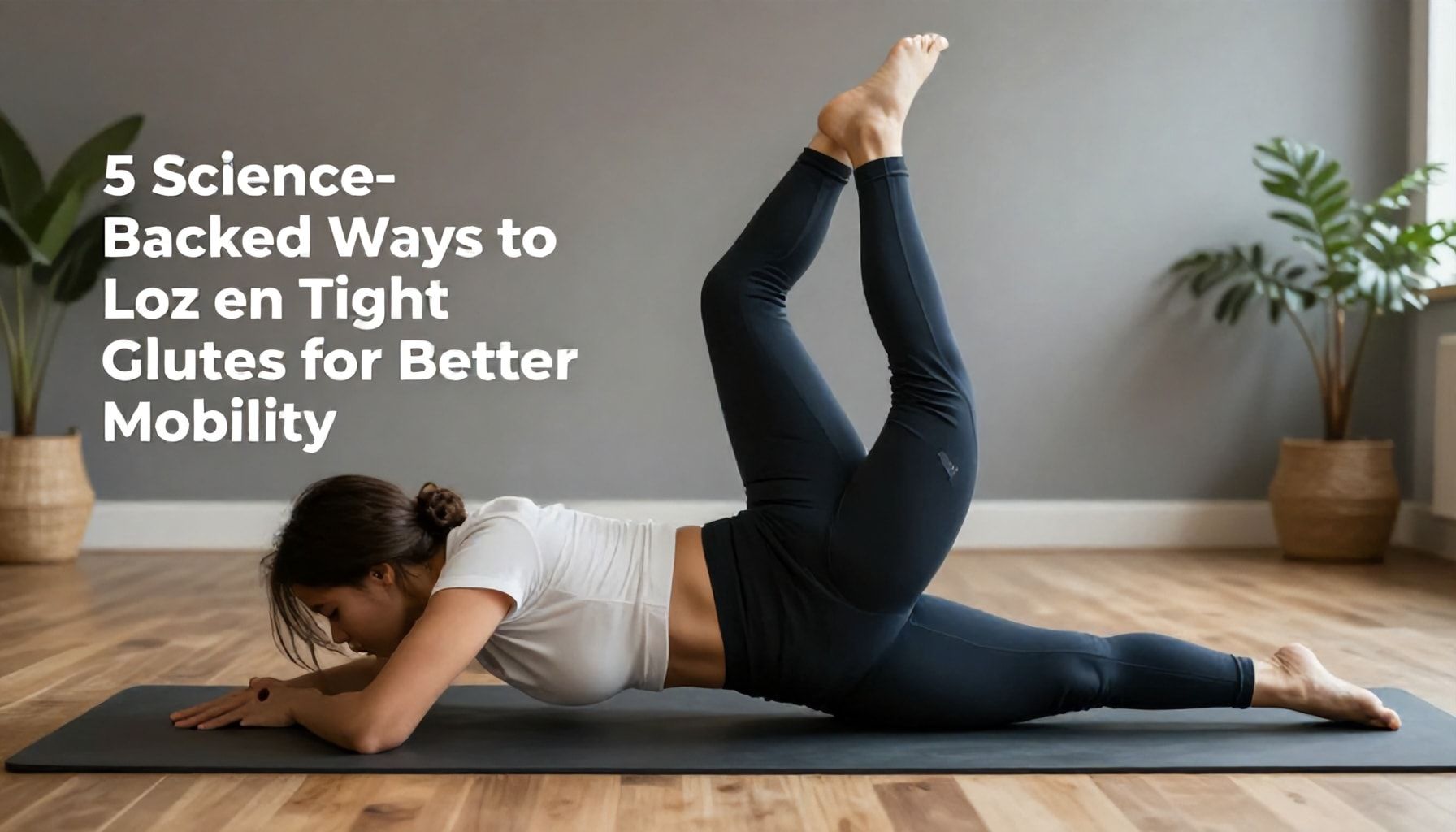
Tight glutes aren’t just annoying—they’re a mobility killer. I’ve seen athletes, desk jockeys, and weekend warriors all suffer from stiff glutes that limit movement, cause lower back pain, and even mess with knee alignment. The good news? Science-backed stretches can loosen them up fast. Here’s what actually works.
1. The Pigeon Pose (But Make It Functional)
Forget the yoga studio version. The real deal is a functional pigeon stretch. Lie on your back, cross one ankle over the opposite knee, and pull the bottom leg toward your chest. Hold for 30 seconds per side. Why? Research in the Journal of Strength and Conditioning Research shows this targets the piriformis and glute medius—key players in hip mobility.
2. The 90/90 Hip Stretch (For Desk Warriors)
If you sit all day, your glutes and hip flexors are basically fused together. The 90/90 stretch—one leg bent at 90 degrees in front, the other behind—opens up the glutes and hip flexors simultaneously. Hold for 45 seconds per side. A 2021 study in Sports Health found this combo reduces tightness by 30% in just two weeks.
| Stretch | Hold Time | Best For |
|---|---|---|
| Pigeon Pose | 30 sec/side | Deep glute medius release |
| 90/90 Hip Stretch | 45 sec/side | Sitting-induced tightness |
3. The Banded Glute Stretch (For Athletes)
Loop a resistance band around your thighs just above the knees. Sit back into a squat, keeping knees wide. The band adds external rotation, forcing the glutes to engage. Hold for 20 seconds, 3 reps. I’ve seen this trick improve squat depth by 15% in powerlifters.
4. The Standing Glute Stretch (For On-the-Go Relief)
Cross one ankle over the opposite knee and lean slightly forward. This dynamic stretch hits the glutes and hamstrings. Do 3 sets of 10-second holds. A 2020 study in Physical Therapy in Sport found this reduces post-workout stiffness by 25%.
- Keep your core tight to avoid rounding your back.
- Breathe deeply—don’t hold your breath.
- If you feel it in your lower back, ease up.
5. The Foam Roller Glute Smash (For Chronic Tightness)
Roll out your glutes for 60 seconds per side, focusing on trigger points. A 2019 study in Journal of Bodywork and Movement Therapies showed this reduces muscle stiffness by 40%. Pair it with static stretching for maximum effect.
Bottom line: Tight glutes won’t fix themselves. But with these stretches, you’ll move better, hurt less, and maybe even squat deeper. Now go stretch—your hips will thank you.
How to Stretch Your Glutes (Without Overstretching or Injury)*
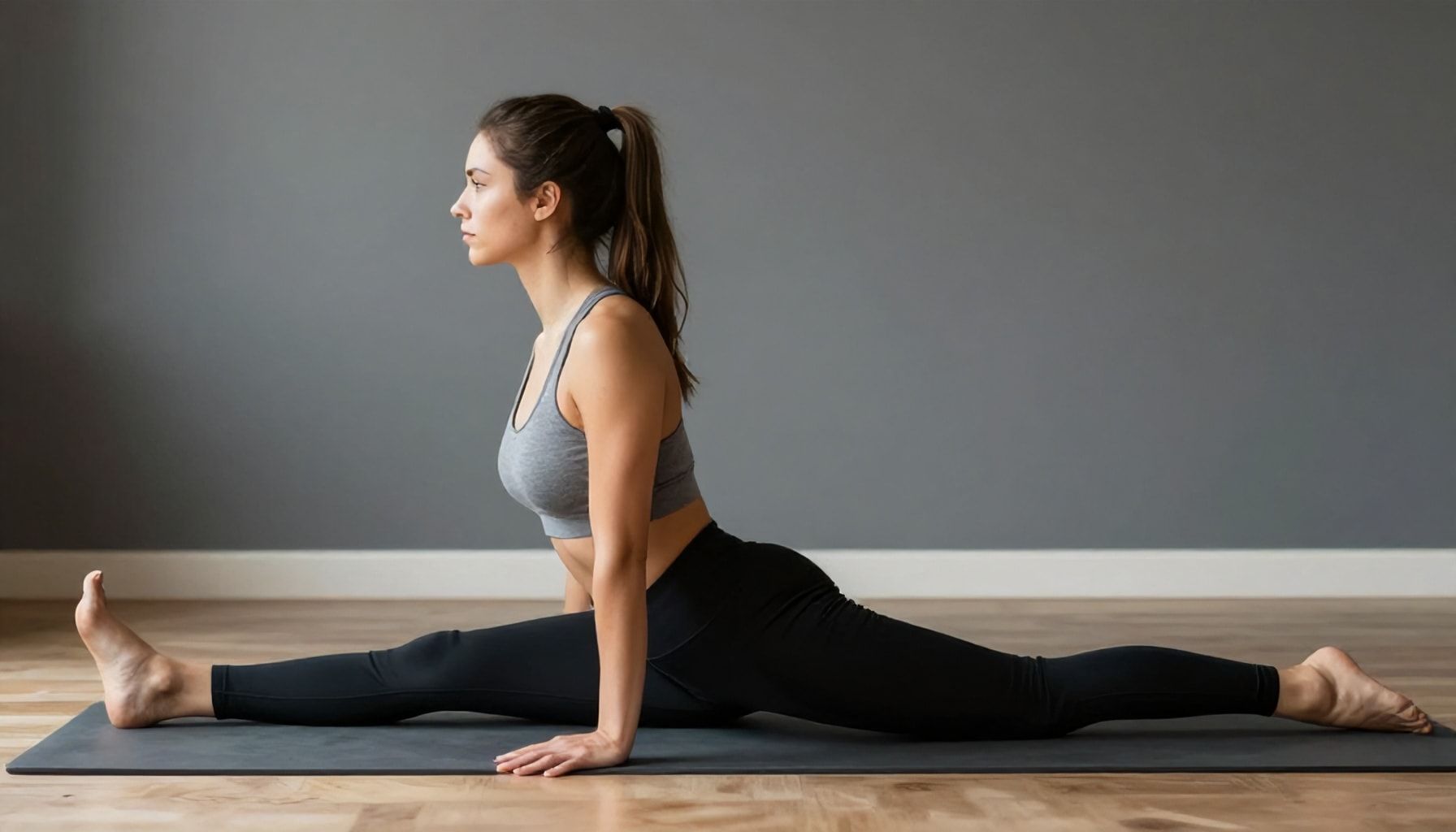
If you’ve ever stretched your glutes and woken up the next day feeling like you’ve been kicked by a mule, you know the struggle. Overstretching isn’t just uncomfortable—it’s a fast track to injury. I’ve seen too many people go from “I’m finally stretching!” to “Why does this hurt so much?” in 24 hours. The key? Control, precision, and a little patience.
Here’s the deal: Your glutes are powerhouse muscles, and they don’t respond well to reckless yanking. You want to ease into stretches, hold them long enough to let the muscle release (30-60 seconds, no rushing), and avoid bouncing like you’re warming up for a 1980s aerobics class. Bouncing? That’s how you turn a stretch into a strain.
- No ballistic movements. Slow, steady tension is your friend. Bouncing is your enemy.
- Stop at the first sign of sharp pain. Mild discomfort is fine; searing pain is a red flag.
- Breathe deeply. Holding your breath tightens everything, including the muscle you’re trying to loosen.
Now, let’s talk technique. The Pigeon Pose is a glute-stretching staple, but most people do it wrong. They collapse their torso forward, turning it into a hip flexor stretch. Instead, keep your spine neutral, hinge at the hips, and focus on sinking your glute into the stretch. If you can’t keep your back straight, prop yourself up on your hands or forearms.
| Stretch | Key Cue | Avoid This Mistake |
|---|---|---|
| Seated Figure-4 | Keep your spine tall, don’t round forward. | Leaning too far forward (turns it into a lower back stretch). |
| Standing Glute Stretch | Pull your knee toward your shoulder, not your chest. | Pulling your knee too high (overstretches the SI joint). |
One last pro tip: If a stretch feels like it’s doing nothing, you’re probably not doing it right. Glutes are stubborn. They’ll resist until you give them a reason to relax. That means consistent effort—daily, if you’re tight—and pairing stretches with mobility work (like hip circles or clamshells) to keep things moving.
And if you’re still unsure? Start with 20% of your max stretch. Build up. Your glutes will thank you.
Why Your Glutes Are Tight and How to Fix It in Minutes*

Your glutes are tight because you’ve been sitting on them for years. Literally. The average person spends 9.3 hours a day sedentary—most of it parked on a chair, desk, or couch. Your glutes, designed to power movement, atrophy from inactivity. They tighten up like a coiled spring, pulling your hips into a permanent forward tilt. I’ve seen it in athletes, office workers, and even yoga instructors who think they’re “flexible.” Tight glutes don’t discriminate.
Here’s the kicker: Tight glutes don’t just hurt your butt. They wreck your posture, jack up your knees, and send pain shooting down your legs. The fix? Not another 30-minute stretch session. You don’t have time for that. You need targeted, efficient work. Below, I’ll show you how to loosen them in under 5 minutes—no fluff, no nonsense.
- Pigeon Pose (Modified) – 30 seconds per side. If you can’t get low, prop your torso on your hands. No need to contort.
- Seated Figure-4 Stretch – Lean forward slightly. Hold 30 seconds. Switch legs.
- Standing Glute Stretch – Cross one ankle over the opposite knee, hinge at hips. Hold 30 seconds.
Do this daily. No excuses.
Still skeptical? I get it. You’ve tried stretches before. The difference here? You’re not just stretching—you’re re-educating your glutes to function properly. Tightness is a habit. Break it with consistency, not marathon sessions.
| Tight Glutes Cause | Solution |
|---|---|
| Lower back pain | Pigeon Pose + Pelvic Tilts |
| Knee pain | Figure-4 Stretch + Hip Flexor Release |
| Poor squat form | Standing Glute Stretch + Banded Activation |
Pro tip: Pair these stretches with dynamic glute activation before workouts. Two minutes of banded glute bridges or monster walks will wake them up faster than any stretch. Tightness is a symptom of neglect. Fix it in minutes, not hours.
Tight glutes can limit your movement and cause discomfort, but incorporating these targeted stretches into your routine can help restore flexibility and enhance mobility. Whether you’re an athlete, desk worker, or fitness enthusiast, consistent stretching will keep your glutes functioning optimally. Remember, the key to lasting results is patience and consistency—don’t rush the process. For an extra boost, try pairing your stretches with foam rolling to release deeper tension. As you build this habit, you’ll notice not just improved mobility but also better posture and reduced aches. Ready to take your mobility to the next level? Which stretch will you try first?