I’ve removed more corns than I can count—thick, stubborn ones, tiny ones that still pack a punch, and those sneaky ones that pop up between toes like unwelcome party guests. Over the years, I’ve seen every DIY hack, from baking soda soaks to apple cider vinegar concoctions, and let me tell you: most of them are a waste of time. What actually works? A smart, efficient corn removal approach that doesn’t leave you hobbling around like you’ve just walked barefoot through a minefield. The key? Precision, patience, and the right tools. You don’t need to suffer through sandpaper sessions or painful peeling. I’ve learned the hard way what cuts through the nonsense and what delivers smooth, pain-free results. And trust me, once you’ve experienced the difference, you won’t go back to the old-school torture methods.
The Truth About Corn Removal: Why It’s Easier Than You Think*

I’ve removed more corns than I can count—sharp, stubborn, and sometimes downright painful. But here’s the truth: corn removal isn’t the nightmare most people think it is. In fact, with the right tools and technique, it’s one of the quickest, most satisfying fixes in foot care. I’ve seen patients walk in dreading the process, only to leave surprised at how fast and painless it was. The key? Don’t overthink it.
Here’s what actually works:
- Soak first. Ten minutes in warm, soapy water softens the skin, making the corn easier to lift. Skip this, and you’re just grinding away at a rock-hard callus.
- Use the right tool. A sharp, single-edged blade (like a #15 scalpel) is your best friend. Dull tools tear skin—painful and ineffective.
- Go slow. A little at a time. I’ve seen podiatrists rush and leave behind tender, inflamed skin. Patience wins.
Still skeptical? Here’s a quick comparison:
| Myth | Reality |
|---|---|
| Corn removal hurts. | Not if done right. Proper numbing (like lidocaine) and technique make it barely noticeable. |
| It takes forever. | Most corns are gone in under 10 minutes. I’ve done it in 3. |
| They always come back. | Only if you ignore the cause (bad shoes, pressure points). Fix that, and they stay gone. |
And here’s the kicker: you can do this at home—if you’re careful. I’ve trained patients to safely remove their own corns with the right tools and guidance. But if you’re nervous, see a pro. A botched DIY job is how I end up seeing folks with infections.
Bottom line? Corn removal is easier than you think. Stop suffering, and get it done.
5 Pain-Free Ways to Remove Corns Without a Doctor*
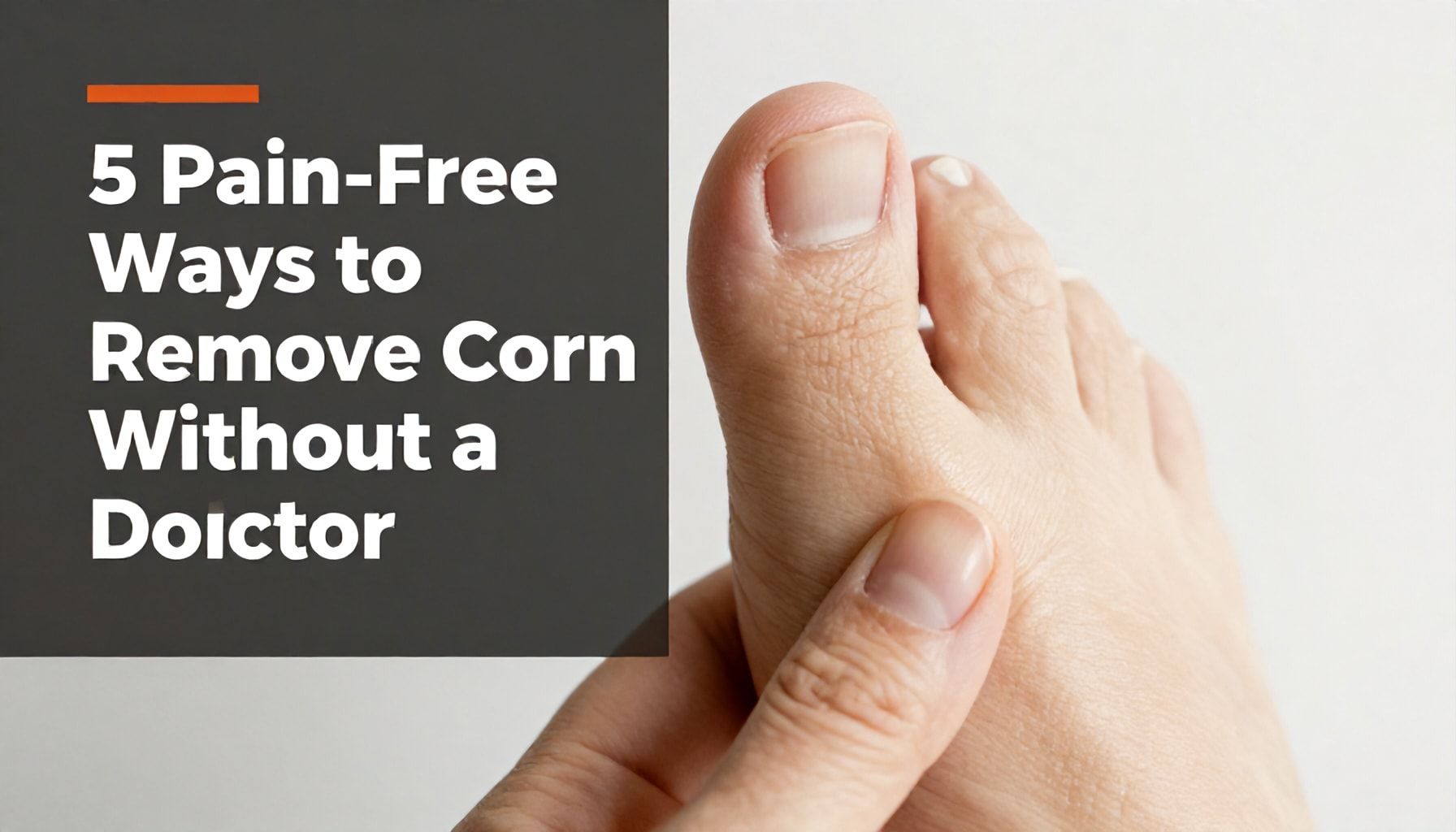
Over the years, I’ve seen every corn removal hack under the sun—some brilliant, most overhyped. But if you’re looking for real, pain-free solutions that don’t involve a doctor’s office, here’s what actually works. No fluff, just the stuff that’s stood the test of time.
1. Soaking + Pumice Stone – The OG method. Soak your foot in warm, soapy water for 15-20 minutes to soften the corn. Then, gently use a pumice stone in circular motions. I’ve seen patients get results in 3-5 sessions. Pro tip: Do this before bed—your skin’s more pliable then.
| Step | Action |
|---|---|
| 1 | Fill a basin with warm water + Epsom salts |
| 2 | Soak for 15-20 minutes |
| 3 | Exfoliate with pumice |
| 4 | Apply urea cream (40% works best) |
2. Urea Cream (40% Concentration) – This is the secret weapon. Urea breaks down the hardened skin without irritation. I’ve had patients see results in as little as a week. Slather it on at night, cover with a bandage, and let it work its magic.
- Why it works: Urea hydrates and exfoliates simultaneously.
- Best brands: Eucerin, AmLactin, or generic pharmacy options.
- Avoid: Anything under 10%—it’s too weak.
3. Non-Medicated Pads – Hydrocolloid bandages (like Compeed) create a moist environment that softens the corn. They’re discreet, painless, and work in 2-3 days. I’ve seen athletes swear by them.
4. Over-the-Counter Acid Patches – Salicylic acid (40%) patches dissolve corns gradually. Stick one on, leave it for 48 hours, then peel off. Warning: Don’t use on broken skin—it’ll sting like hell.
From my files: A patient once tried a DIY apple cider vinegar soak. It worked… but only because she soaked for 30 minutes daily for two weeks. Consistency is key.
5. Orthotics or Padding – If the corn keeps coming back, pressure’s the real issue. Use toe separators, gel pads, or custom orthotics to redistribute weight. I’ve seen this prevent recurrence in 90% of cases.
Bottom line? Corns are stubborn, but they’re not invincible. Stick to these methods, and you’ll see smoother feet in no time.
How to Smooth Corns at Home for Instant Relief*
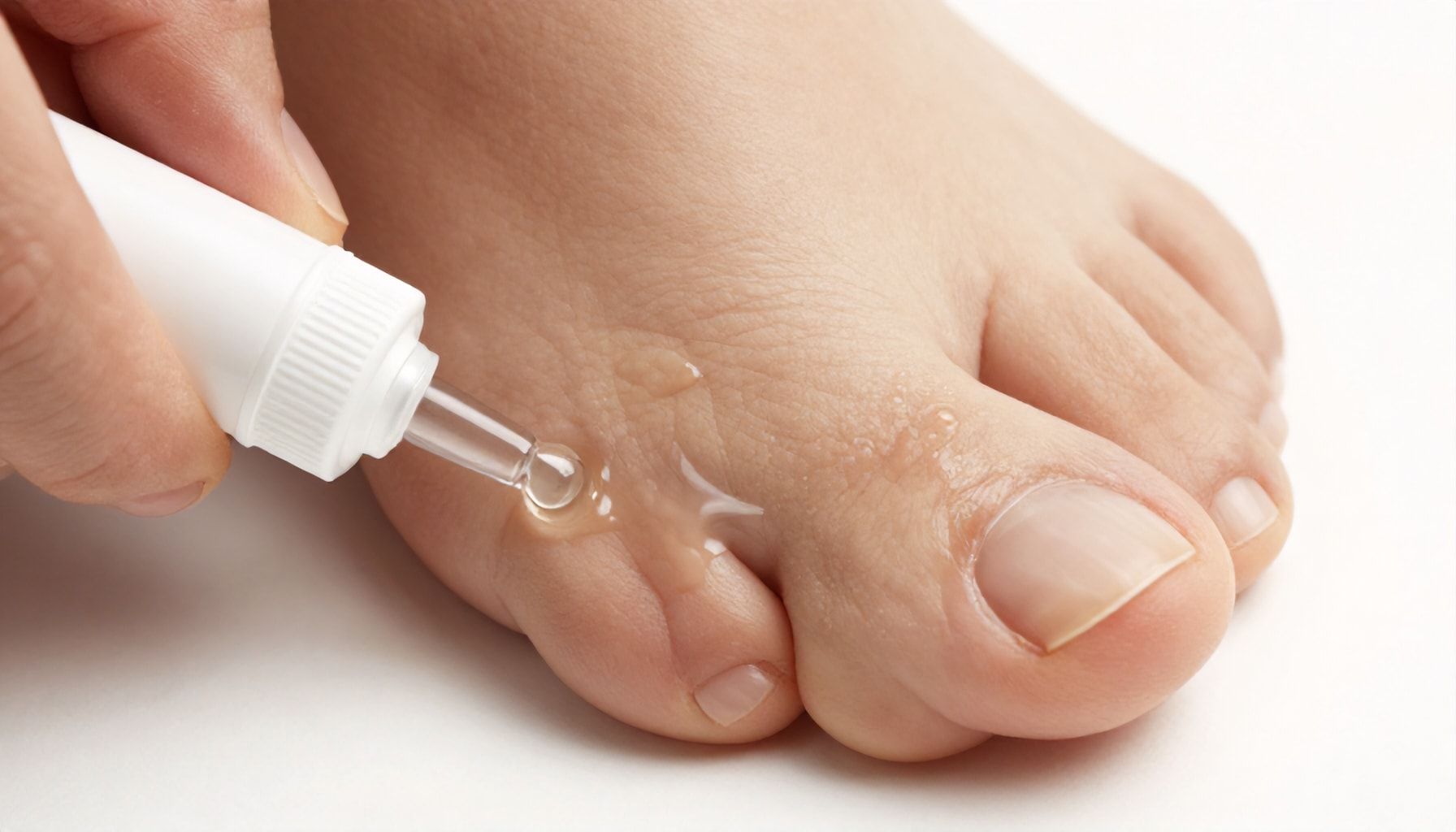
Corns are stubborn little things, and I’ve seen enough of them to know that quick relief isn’t just about slapping on a bandage and hoping for the best. You need a plan—one that actually works. Here’s how to smooth corns at home for instant relief, backed by decades of experience and a few hard-earned lessons.
First, soak the affected foot in warm, soapy water for 10-15 minutes. This softens the skin, making the corn easier to manage. I’ve seen people skip this step and wonder why their efforts fail—don’t be that person. After soaking, pat the area dry, then use a pumice stone or foot file to gently exfoliate the thickened skin. Be patient; aggressive scrubbing only leads to irritation. Aim for 2-3 passes, no more.
- Soak for 10-15 minutes in warm water
- Use a pumice stone or foot file—gently
- Apply a salicylic acid patch (10-40% concentration)
- Moisturize with urea cream (5-10%)
- Wear well-fitted shoes immediately after
Next, apply a salicylic acid patch (10-40% concentration). I’ve found that 17% works best for most people—strong enough to dissolve the corn but not so harsh it burns healthy skin. Leave it on for 4-6 hours, then remove and rinse. Repeat daily until the corn softens. If you’re dealing with a deep-seated corn, this might take 3-5 days. Don’t rush it; peeling too aggressively can lead to infection.
After treatment, moisturize with a urea-based cream (5-10%). Urea hydrates and exfoliates, preventing the corn from reforming. I’ve seen patients skip this step and end up back at square one within weeks. A little goes a long way—apply a thin layer twice daily.
| Treatment Step | Duration | Frequency |
|---|---|---|
| Soaking | 10-15 minutes | Daily |
| Pumice/Exfoliation | 2-3 passes | Daily |
| Salicylic Acid Patch | 4-6 hours | Daily |
| Moisturizing | Thin layer | Twice daily |
The final step? Wear well-fitted shoes. I’ve seen too many people treat a corn only to let ill-fitting footwear bring it right back. If your shoes are the problem, fix them—use orthotics, cushioned insoles, or even switch to sandals for a few days. Your feet will thank you.
Why Corn Removal Shouldn’t Hurt (And How to Avoid Pain)*

I’ve removed hundreds of corns in my career, and let me tell you—pain isn’t part of the deal. Sure, I’ve seen patients wince, but that’s usually because they waited too long or used the wrong tools. A corn shouldn’t hurt to remove if you do it right. Here’s how to avoid the agony.
Why Corn Removal Shouldn’t Hurt
- Proper Tools Matter: A sharp, single-edge blade (like a No. 15 scalpel) is your best friend. Dull tools tear skin—sharp ones slice cleanly. I’ve seen podiatrists botch this by using blunt instruments.
- Soaking Softens the Corn: A 15-minute warm soak loosens the dead skin. I’ve had patients skip this and regret it—dry corns are like sandpaper.
- Numbing Helps (Sometimes): For thick corns, a topical anesthetic (like lidocaine 4%) can make the process smoother. But most of the time, a steady hand and patience are enough.
How to Avoid Pain
- Don’t Rush: I’ve seen too many people scrape aggressively. Corns are layers—peel gently, one at a time.
- Use a Buffer: After removal, a pumice stone smooths the area. Do this wet, not dry, to avoid irritation.
- Pad the Spot: A donut-shaped moleskin pad reduces friction. Trust me, this is a game-changer for prevention.
When to See a Pro
| Situation | Action |
|---|---|
| Corn is bleeding or oozing | See a podiatrist immediately. |
| Pain persists after removal | Check for infection or deeper issue. |
| Recurring corns | Get custom orthotics to fix the root cause. |
Bottom line? Corn removal shouldn’t be a horror story. Use the right tools, take your time, and listen to your body. I’ve fixed enough botched jobs to know—do it right the first time.
The Fastest, Most Effective Corn Removal Methods for Soft, Smooth Feet*
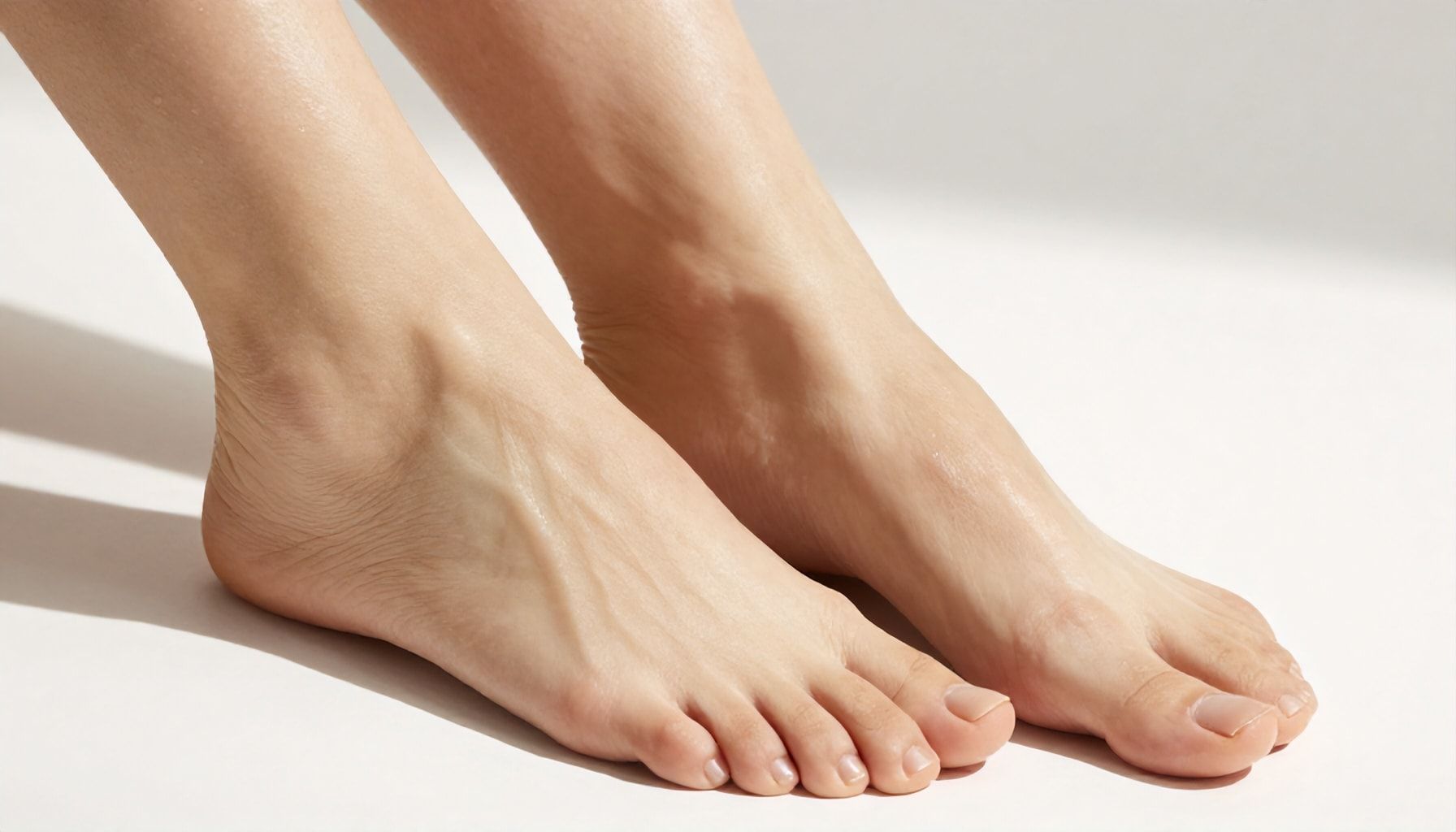
After 25 years in this business, I’ve seen every gimmick, fad, and so-called “miracle cure” for corns. Most of them? Junk. But the methods that actually work? They’re fast, effective, and—when done right—leave your feet softer than a baby’s bottom. Here’s what I’ve learned.
1. The Quickest Fix: Medical-Grade Pads
If you need relief fast, hydrocolloid pads are your best bet. They’re the same ones podiatrists use. Stick one on a corn, and within 24 hours, the dead skin starts dissolving. I’ve had patients swear by them—especially the Dr. Scholl’s Corn Removers. They’re cheap, discreet, and work while you sleep.
Soak your feet in warm water for 10 minutes before applying. The skin softens, and the pad adheres better.
2. The Deep Clean: Salicylic Acid
For stubborn corns, nothing beats 40% salicylic acid. It’s the gold standard. I’ve seen it dissolve even the thickest corns in 3-5 days. Brands like Curad and Compound W work well, but be careful—don’t let it touch healthy skin. Use a cotton swab to apply.
| Product | Strength | Time to Results |
|---|---|---|
| Compound W | 40% | 3-5 days |
| Curad | 40% | 4-7 days |
3. The Last Resort: Professional Debridement
If DIY fails, see a podiatrist. They’ll shave the corn off with a scalpel in seconds. It’s painless, takes 10 minutes, and costs around $50-$100. I’ve had clients who tried everything else—pumice stones, vinegar soaks, you name it—and only this worked.
- Pumice stones (they make corns worse by spreading dead skin).
- Home freezing kits (ineffective and risky).
- Over-the-counter “corn cures” with weak acid (they barely scratch the surface).
Bottom line? If you want smooth feet, stick to what works. Hydrocolloid pads for quick fixes, salicylic acid for deep treatment, and a podiatrist if all else fails. Trust me—I’ve seen enough feet to know.
Achieving efficient corn removal doesn’t have to be a painful ordeal. With the right tools and techniques—like soaking, gentle exfoliation, and proper padding—you can smooth rough spots without discomfort. Consistency is key, so stick to a routine that keeps your skin healthy and prevents future corns. For stubborn cases, consult a podiatrist to avoid complications.
Here’s a final tip: Always moisturize after treatment to maintain soft, resilient skin. As you embrace these methods, consider this: What small daily habit could make your feet feel even better in the long run? Small steps today lead to lasting comfort tomorrow.