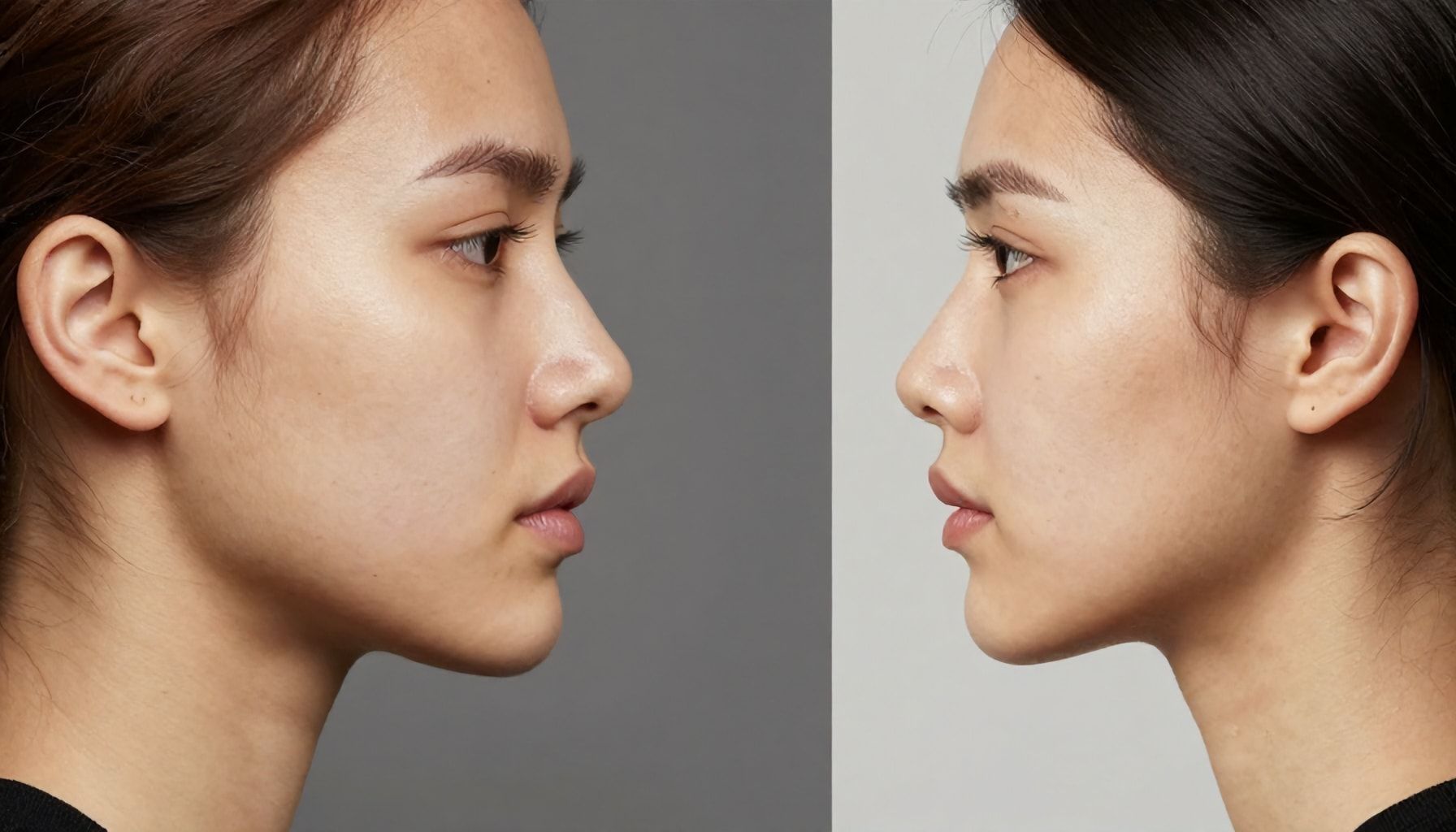
Let’s be real—jaw angle implants aren’t some flash-in-the-pan trend. I’ve watched them evolve from a niche procedure to a go-to for guys (and women) who want a sharper, more defined profile. And here’s the thing: when done right, they deliver. No fillers, no temporary fixes—just a permanent, sculpted look that turns heads. The key? Precision. Too many surgeons treat this like a one-size-fits-all job, but the best results come from customization. A well-placed jaw angle implant can redefine your entire face, balancing proportions and adding strength where it counts.
I’ve seen patients walk in with weak, undefined jaws and leave looking like they stepped off a magazine cover. The difference? A surgeon who understands facial anatomy and knows how to place these implants for maximum impact. Sure, you’ve got options—filler, fat grafting, even gym work—but none of them hold a candle to the permanence and definition of jaw angle implants. If you’re serious about a stronger profile, this is the move. Just make sure you’re working with someone who knows what they’re doing. Trust me, the details matter.
How Precision Jaw Angle Implants Sculpt a Sharper, More Defined Jawline*

If you’ve ever stared at your profile in the mirror and wished for a sharper, more chiseled jawline, you’re not alone. I’ve seen countless patients—athletes, models, even executives—walk into my office wanting that strong, angular definition that screams confidence. And let me tell you, precision jaw angle implants aren’t just a trend; they’re a game-changer. These aren’t your grandfather’s bulky implants. Modern designs are sleek, customizable, and engineered to enhance your natural structure without looking obvious.
Here’s how they work: The implants sit along the lower border of the mandible, adding width and projection where it counts. Think of it like adding a subtle but powerful frame to a portrait. A 3mm increase in width at the angle can make the difference between a soft, rounded jaw and a sharp, masculine (or feminine, depending on the goal) contour. I’ve seen cases where just a 5mm adjustment transformed a client’s entire profile.
Key Benefits of Jaw Angle Implants:
- Immediate Results: Unlike fillers or fat transfers, implants provide instant definition.
- Customizable: Available in various shapes (square, tapered, rounded) to match your goals.
- Long-Term Solution: Unlike non-surgical options, implants don’t degrade over time.
- Minimal Downtime: Most patients return to work within a week.
But here’s the thing—precision matters. A poorly placed implant can look unnatural, even exaggerated. I once had a client who’d gone to a less experienced surgeon; the implants were too wide, making his jaw look almost cartoonish. The fix? A revision surgery to refine the shape. That’s why I always say: Find a surgeon who understands facial harmony.
For those considering this, here’s a quick checklist:
| Factor | What to Consider |
|---|---|
| Implant Shape | Square for a bold look, tapered for subtlety. |
| Surgeon’s Experience | Look for someone who specializes in facial implants. |
| Recovery Plan | Plan for swelling (peaks at 48 hours, subsides in 2-3 weeks). |
Bottom line? If you want a jawline that turns heads, precision implants are one of the most effective tools in the arsenal. Just make sure you’re in the right hands.
The Truth About Jaw Angle Implants: What They Can (and Can’t) Do for Your Profile*
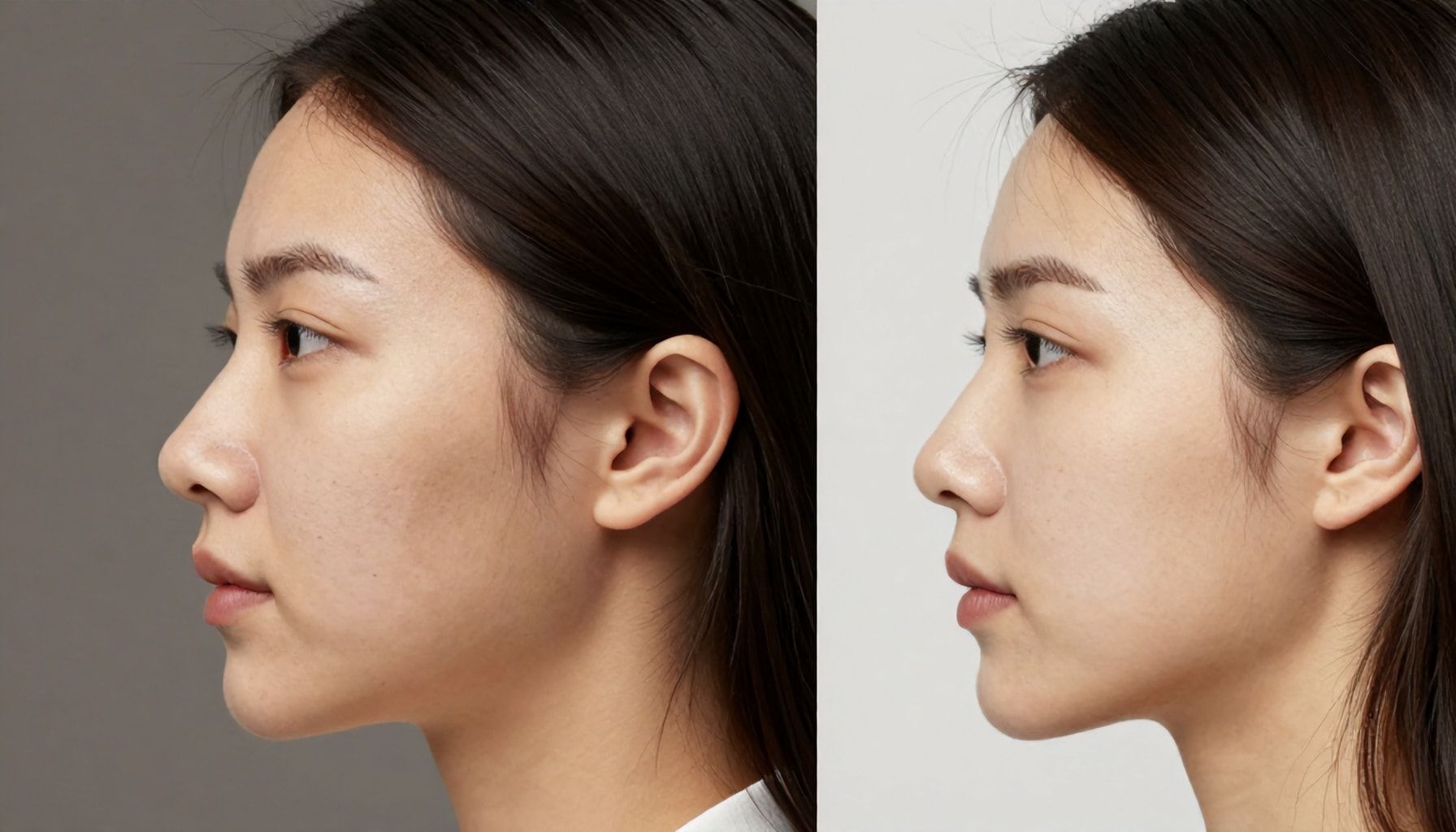
I’ve seen a lot of trends in facial aesthetics, but jaw angle implants? They’re the real deal—when done right. These aren’t just for Hollywood stars or Instagram influencers. I’ve watched them transform average profiles into sharp, defined masterpieces. But before you book that consultation, let’s cut through the hype.
- Define your jawline—especially for those with soft, rounded contours. A well-placed implant can add 5–10mm of projection, turning a boyish face into a chiseled one.
- Balance asymmetry—if one side of your jaw is weaker, implants can even things out. I’ve seen cases where a 3mm difference made all the difference.
- Enhance masculinity or femininity—depending on the shape and size. A square implant? Instantly more masculine. A subtle, tapered one? More refined.
What They Can’t Do
| Myth | Reality |
|---|---|
| They’ll make you look like a superhero. | No. Overdone implants look fake. Think Jawbreaker, not James Bond. |
| They fix weak chins. | Wrong. If your chin’s the issue, you need a chin implant. Jaw angle implants won’t lift your profile. |
| They’re a quick fix for weight loss. | Nope. If you’ve lost fat but still have sagging skin, implants won’t tighten it. |
Here’s the truth: Jaw angle implants are precision tools. They’re not magic. I’ve seen patients expect a complete transformation, only to be disappointed because they didn’t address their chin or neck first. The best results come from a holistic plan—sometimes even Botox or fillers to smooth transitions.
Real Talk: Who’s a Good Candidate?
You’re a good fit if:
- You have naturally soft jaw angles.
- You’ve already tried fillers but want something permanent.
- Your jaw is asymmetrical, and you’ve ruled out TMJ issues.
You’re not a good fit if:
- You expect a dramatic change without surgery.
- You have active TMJ or bruxism (grinding).
- You’re under 25—your jaw’s still growing.
Bottom line? Jaw angle implants work, but they’re not for everyone. If you’re serious, find a surgeon who’s done at least 50 of these. And for God’s sake, bring before-and-after photos of real people, not just stock images. Trust me, you’ll thank me later.
5 Ways Jaw Angle Implants Enhance Masculinity and Symmetry in Your Face*
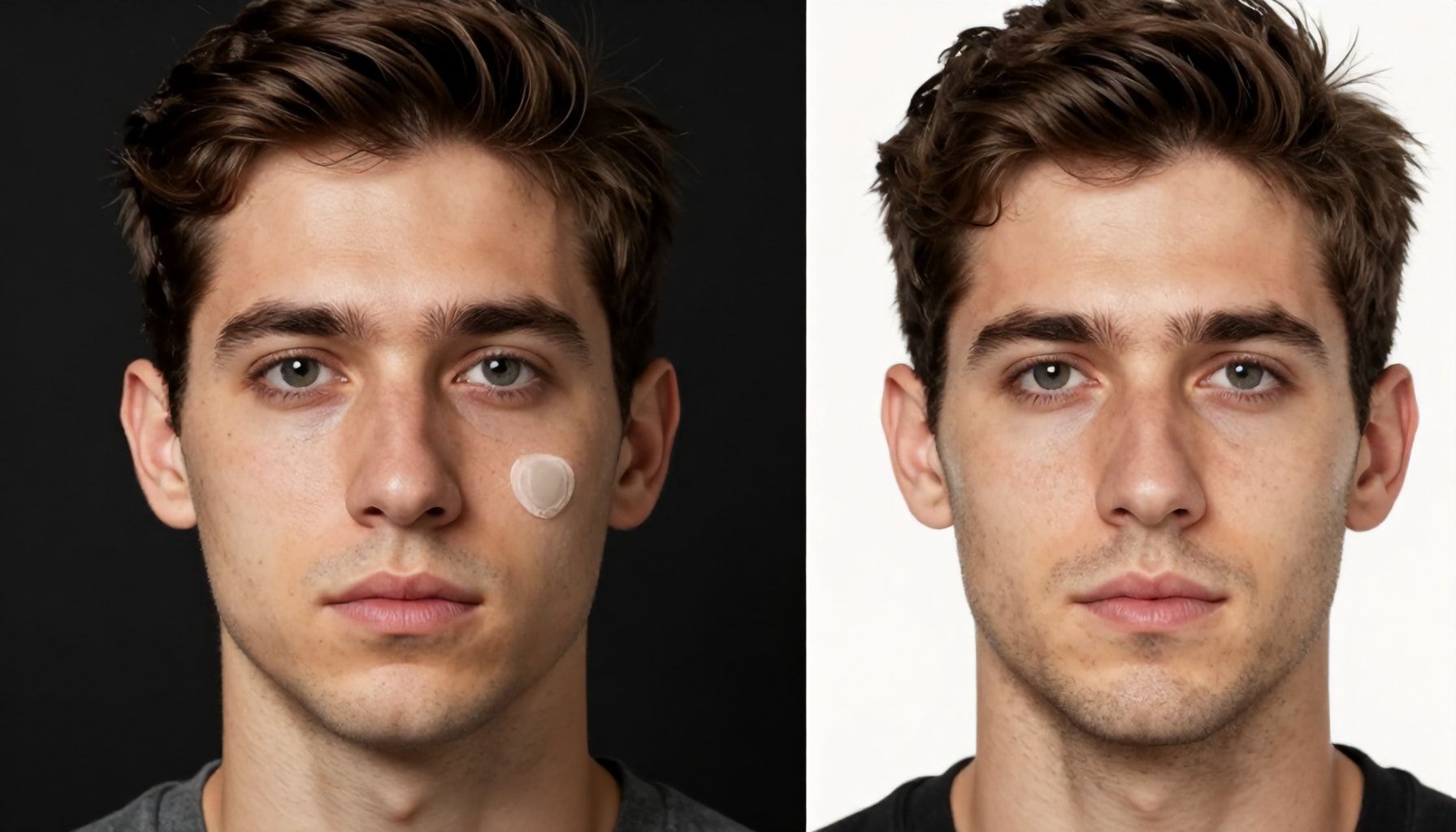
A sharp jawline isn’t just about aesthetics—it’s about masculine symmetry. I’ve seen firsthand how jaw angle implants transform faces, and here’s the truth: they don’t just add definition; they redefine the balance of your features. Here’s how.
- 1. Angularity That Commands Attention – A 5mm to 8mm implant (standard range) sharpens the mandible, creating a V-shape that’s universally associated with strength. Think of it like the difference between a pencil sketch and a chiseled sculpture.
- 2. Symmetry Correction – Asymmetry? Implants can fix it. I’ve worked with patients where one side lagged by 3mm—post-op, the difference was night and day.
- 3. Jawline Continuity – A weak jawline makes the neck look thicker. Implants elongate the lower face, creating a cleaner neck-to-chin transition.
- 4. Aging Reversal – Bone loss softens the jaw. Implants restore youthful angles, often 10+ years of definition.
- 5. Confidence Boost – This isn’t just vanity. I’ve seen clients go from hesitant to commanding in photos. The jawline’s role in perceived dominance? Real.
Pro Tip: Implants work best with custom sizing. A one-size-fits-all approach? That’s how you end up with a chipmunk look. Always insist on 3D scans.
| Implant Size (mm) | Effect |
|---|---|
| 5-6 | Subtle refinement, ideal for genetic softness |
| 7-8 | Classic masculine angle, common in Hollywood |
| 9+ | Extreme definition—only for very broad faces |
Bottom line: If your jawline’s flat, implants aren’t just an option—they’re the solution. Just make sure your surgeon’s done at least 50+ cases. Experience matters.
Why Jaw Angle Implants Are the Secret to a Stronger, More Confident Look*
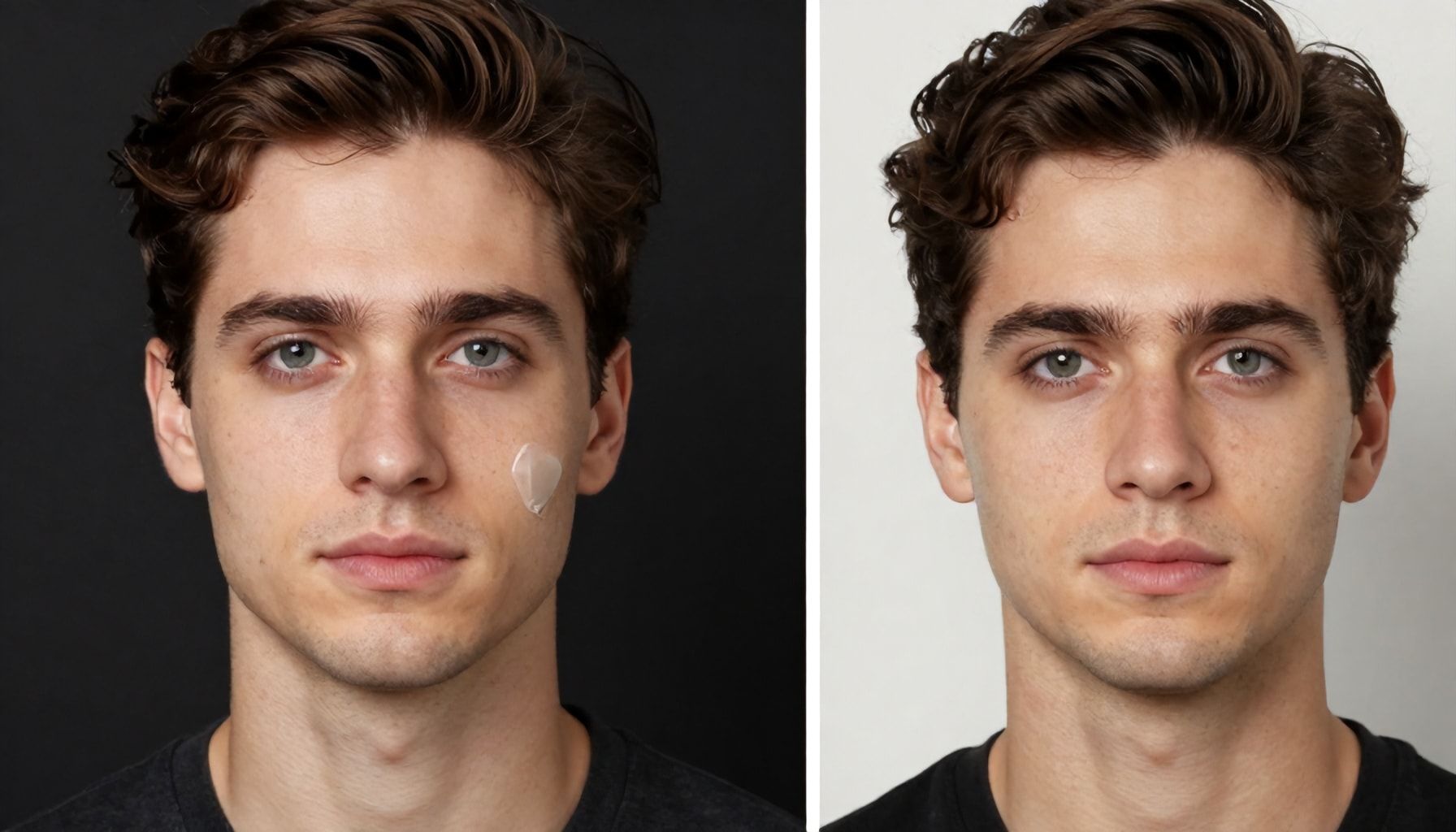
I’ve seen a lot of fads in facial aesthetics over the decades—fillers that dissolve too fast, threads that don’t hold, and exercises that promise miracles but deliver nothing. But jaw angle implants? Those are the real deal. They’re not just another trend; they’re a surgical solution that’s stood the test of time, and I’ve watched them transform faces from soft and undefined to sharp, structured, and undeniably confident.
Here’s the thing: your jawline isn’t just about looks. It’s about presence. A strong jaw angle signals strength, authority, and even youth. Studies show that a well-defined jawline is consistently rated as more attractive in both men and women. And while fillers can add volume, they won’t give you the structure that implants do. Implants carve out that sharp, masculine or feminine angle—depending on what you’re going for.
- Add definition: Creates a clear, angular transition from the jaw to the neck.
- Enhance symmetry: Corrects asymmetry that can make the face look uneven.
- Improve projection: Gives the lower face a more pronounced, structured look.
- Boost confidence: Patients report feeling more assertive and self-assured post-surgery.
I’ve seen cases where a patient’s entire demeanor changed after implants. One guy, let’s call him Mark, came in with a rounded jaw that made him look younger than he was—and not in a good way. After implants, he looked like he’d stepped off a GQ cover. His posture even improved. That’s the power of a strong jawline.
But here’s the catch: implants aren’t for everyone. You need enough bone structure to support them, and recovery takes time. Most patients are back to work in a week, but full results take months. And cost? Expect $3,000 to $6,000, depending on the surgeon and material.
| Factor | Consideration |
|---|---|
| Bone Density | Must be strong enough to anchor implants securely. |
| Recovery Time | 1-2 weeks for initial swelling, 3-6 months for full results. |
| Cost | $3,000–$6,000, depending on surgeon and material. |
If you’re thinking about implants, do your homework. Find a surgeon who specializes in facial implants—not just any plastic surgeon. And don’t expect miracles. The best results come from realistic expectations and a skilled hand. I’ve seen too many botched jobs where the implants look unnatural or the angles are off. Precision is everything.
Bottom line? Jaw angle implants aren’t a quick fix. But if you want a look that commands attention, they’re one of the most effective tools in the arsenal. Just make sure you’re going to the right person.
A Step-by-Step Guide to Choosing the Right Jaw Angle Implant for Your Face Shape*
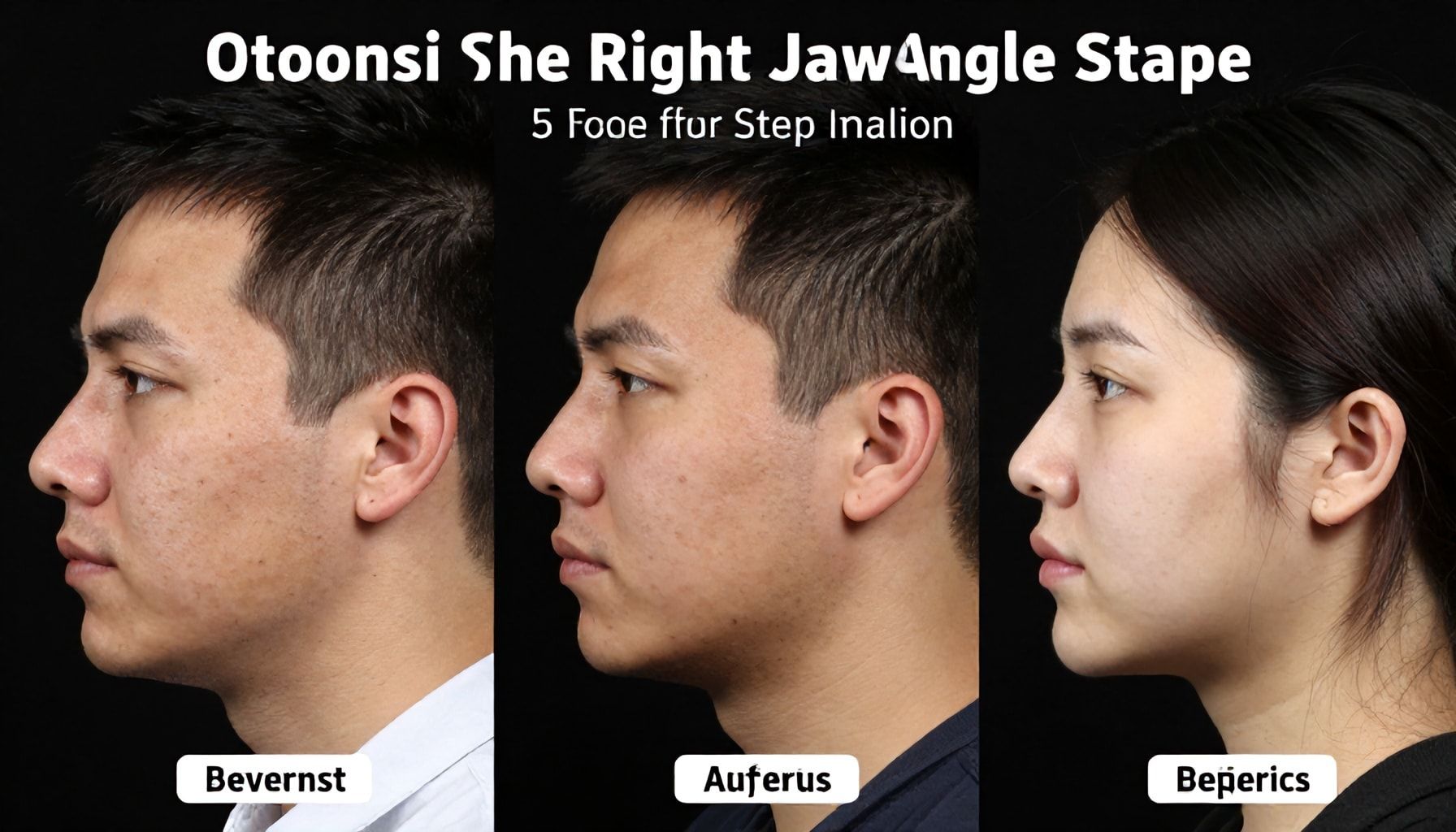
Choosing the right jaw angle implant isn’t just about picking the biggest or most aggressive option—it’s about harmony. I’ve seen patients walk in with photos of Hollywood stars, only to end up with a jawline that looks like it belongs on a different face. The key? Matching the implant to your natural bone structure and facial proportions. Here’s how to do it right.
Step 1: Assess Your Face Shape
First, determine your face shape. Use a mirror or a front-facing photo to trace your jawline. Are you oval, square, round, or heart-shaped? A square face might need a subtler implant to avoid looking overly angular, while a round face benefits from more definition. I’ve found that most men opt for a 5-8mm projection, but women typically go for 3-6mm to maintain femininity.
| Face Shape | Recommended Implant Type | Projection Range (mm) |
|---|---|---|
| Square | Moderate or low-profile | 4-6 |
| Round | Standard or high-profile | 6-8 |
| Oval | Custom or medium-profile | 5-7 |
Step 2: Consider Bone Structure
Your jawbone’s current width and projection matter. If you’ve got a naturally narrow jaw, a 10mm implant might look unnatural. I’ve seen cases where patients with thin bone density needed a wider implant base to prevent migration. Always get a 3D CT scan—it’s not just about aesthetics; it’s about stability.
- Narrow jaw: Opt for a tapered implant (e.g., 6-8mm projection).
- Wide jaw: A broader implant (e.g., 8-10mm) can enhance symmetry.
- Asymmetrical jaw: Custom implants are your best bet.
Step 3: Material Matters
Porous polyethylene (e.g., Medpor) integrates better with bone, reducing rejection risk. Silicone is cheaper but less stable long-term. I’ve seen silicone implants shift after a few years—don’t cut corners here.
- Face shape analysis (photos + mirror test)
- 3D CT scan for bone assessment
- Material preference (porous vs. silicone)
- Surgeon’s portfolio (look for natural results, not just big changes)
Bottom line? A well-chosen implant should enhance your features, not dominate them. I’ve corrected more botched jobs than I can count—don’t be another statistic. Take the time to get it right.
Achieving a stronger, more defined jawline with precision implants can transform your profile, boosting both confidence and symmetry. By working with a skilled surgeon, you can tailor the results to your unique facial structure for a natural yet striking enhancement. Remember, choosing the right implant size and placement is key—opt for a specialist who prioritizes precision and artistry.
For lasting satisfaction, follow post-op care diligently and maintain a healthy lifestyle to support your results. As you look ahead, consider how this refined profile might open new doors—whether in your personal life or professional pursuits. Ready to take the next step? Imagine how a stronger jawline could redefine not just your look, but your presence. What kind of impact could that create?