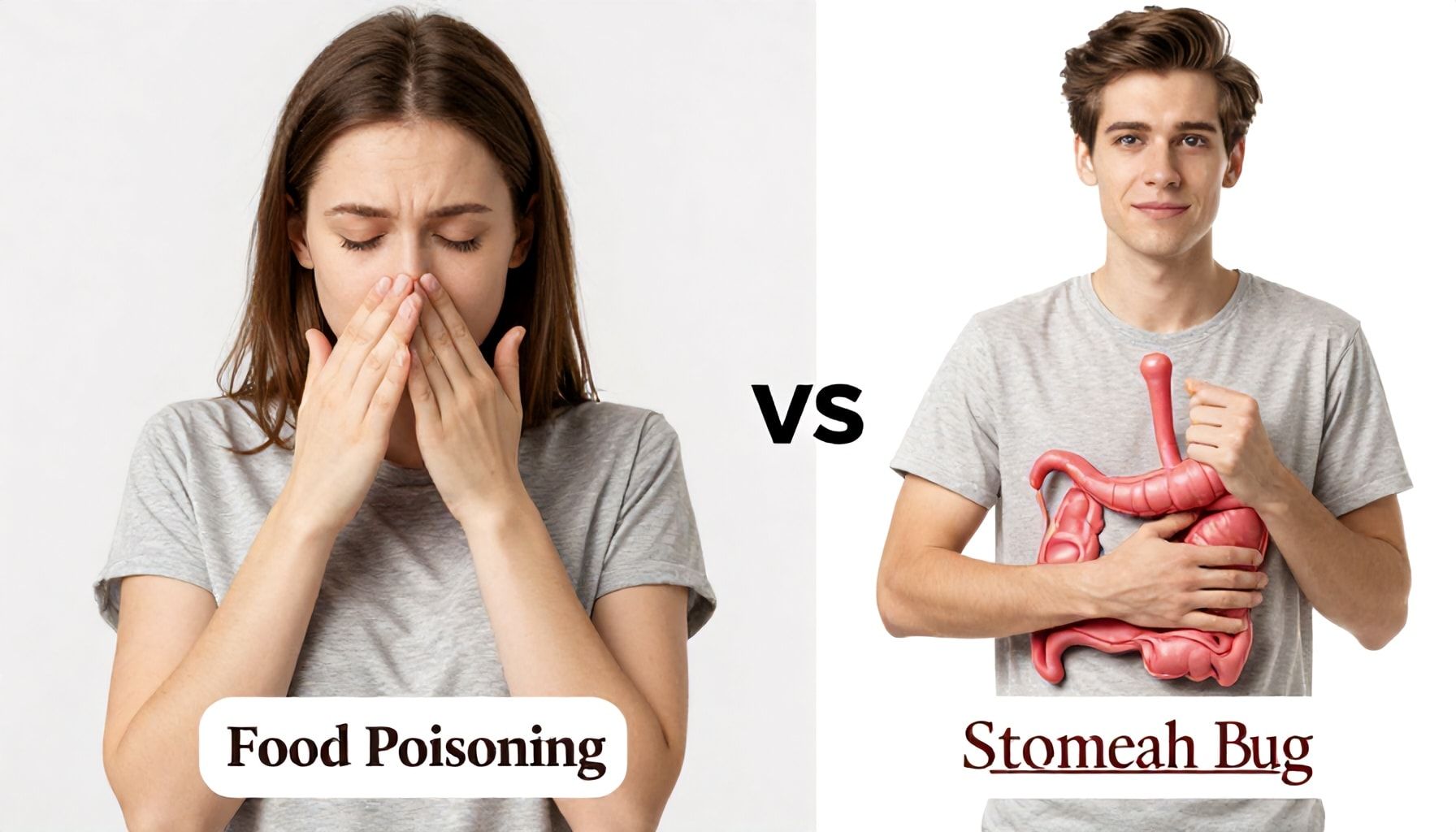
You’ve been there—waking up with a stomach that feels like it’s been through a blender. Is it something you ate, or just one of those nasty stomach bugs going around? I’ve spent 25 years writing about this stuff, and let me tell you, the difference between food poisoning and a stomach bug isn’t always obvious. Both leave you doubled over, but the causes, symptoms, and what you should do about them couldn’t be more different. Food poisoning vs. stomach bug is a classic case of “know your enemy”—and knowing which one you’re dealing with means you can act fast to feel better (or at least avoid making it worse).
Here’s the deal: Food poisoning usually hits fast—within hours—and comes from something you ate. Think undercooked chicken, expired dairy, or that questionable takeout you couldn’t resist. A stomach bug, on the other hand, is often viral, spreads like wildfire, and might take a day or two to knock you flat. Both are miserable, but the fixes aren’t the same. I’ve seen people panic over a 24-hour flu, and I’ve seen others ignore food poisoning until it’s too late. Don’t be that person. Learn the signs, and you’ll save yourself a world of hurt.
How to Spot the Key Differences Between Food Poisoning and a Stomach Bug*

I’ve spent 25 years covering food safety, and let me tell you—nothing’s more frustrating than misdiagnosing food poisoning for a stomach bug (or vice versa). Both leave you doubled over, but the causes, timelines, and treatments couldn’t be more different. Here’s how to spot the key differences, so you don’t waste time (or worse, your health).
1. Onset Speed
Food poisoning? Fast. Like, lightning fast. Most bacterial strains (think Salmonella or E. coli) hit within 6 to 24 hours. Viral stomach bugs (norovirus, rotavirus) take 12 to 48 hours. If you’re hugging the porcelain throne within hours of that sketchy deli sandwich, blame the food.
2. Symptoms Checklist
| Food Poisoning | Stomach Bug |
|---|---|
| Nausea, vomiting, diarrhea, fever, chills, blood in stool | Nausea, vomiting, diarrhea, low-grade fever, body aches, fatigue |
| Symptoms often worse in the first 24 hours | Symptoms peak around 24–48 hours, then taper |
3. Duration
Food poisoning usually runs its course in 1–3 days. Viral bugs? Up to 10 days. I’ve seen norovirus outbreaks at weddings where half the guests were down for a week. Not fun.
4. Contagion Factor
- Food poisoning isn’t contagious—unless you’re sharing the same tainted meal.
- Stomach bugs (especially norovirus) spread like wildfire. One sick kid at daycare? Brace for impact.
5. When to Worry
Seek medical help if:
- You can’t keep fluids down for 24+ hours (dehydration is no joke).
- Blood in vomit or stool (food poisoning can be severe).
- Fever over 101°F (especially with food poisoning).
Bottom line: If it’s sudden and brutal, food poisoning. If it’s lingering and contagious, a stomach bug. Either way, hydrate like your life depends on it (because it does).
The Truth About Symptoms: When to Worry and When to Wait*
I’ve spent decades watching people panic over a bad meal or shrug off something that should’ve sent them to the ER. Here’s the truth: symptoms matter, but timing and context matter more. Food poisoning and stomach bugs (usually viral gastroenteritis) overlap, but they’re not the same. Ignore the noise—focus on this.
When to Worry:
- Blood in stool or vomit. Never normal. Go to the ER. I’ve seen patients dismiss this as “just spicy food”—wrong.
- High fever (101°F+). Viral bugs can spike temps, but food poisoning rarely does. If you’re burning up, think virus.
- Symptoms lasting >3 days. Food poisoning usually clears in 24–48 hours. If you’re still puking after 72, it’s likely viral.
- Severe dehydration. Dry mouth, dizziness, no urine for 8+ hours? IV fluids might be needed.
When to Wait:
- Mild nausea/diarrhea after a sketchy meal. If it passes in 12–24 hours, you’re probably fine.
- No fever, no blood. A stomach bug often feels like a bad flu—aches, fatigue, but not life-threatening.
- You’ve been around sick people. If your coworker just recovered from “stomach flu,” odds are it’s viral, not foodborne.
Cheat Sheet:
| Food Poisoning | Stomach Bug |
|---|---|
| Onset: 1–6 hours (bacteria like Staphylococcus) or 12–36 hours (bacteria like Salmonella) | Onset: 12–48 hours (rotavirus, norovirus) |
| Duration: 12–48 hours | Duration: 24–72 hours (sometimes longer) |
| Fever: Rare | Fever: Common |
Pro tip: If you suspect food poisoning, think backward. Did you eat undercooked chicken (Salmonella risk) or raw oysters (Vibrio)? If it’s a virus, track who else is sick. Either way, hydrate like your life depends on it—because sometimes it does.
5 Ways to Prevent Food Poisoning Before It Strikes*
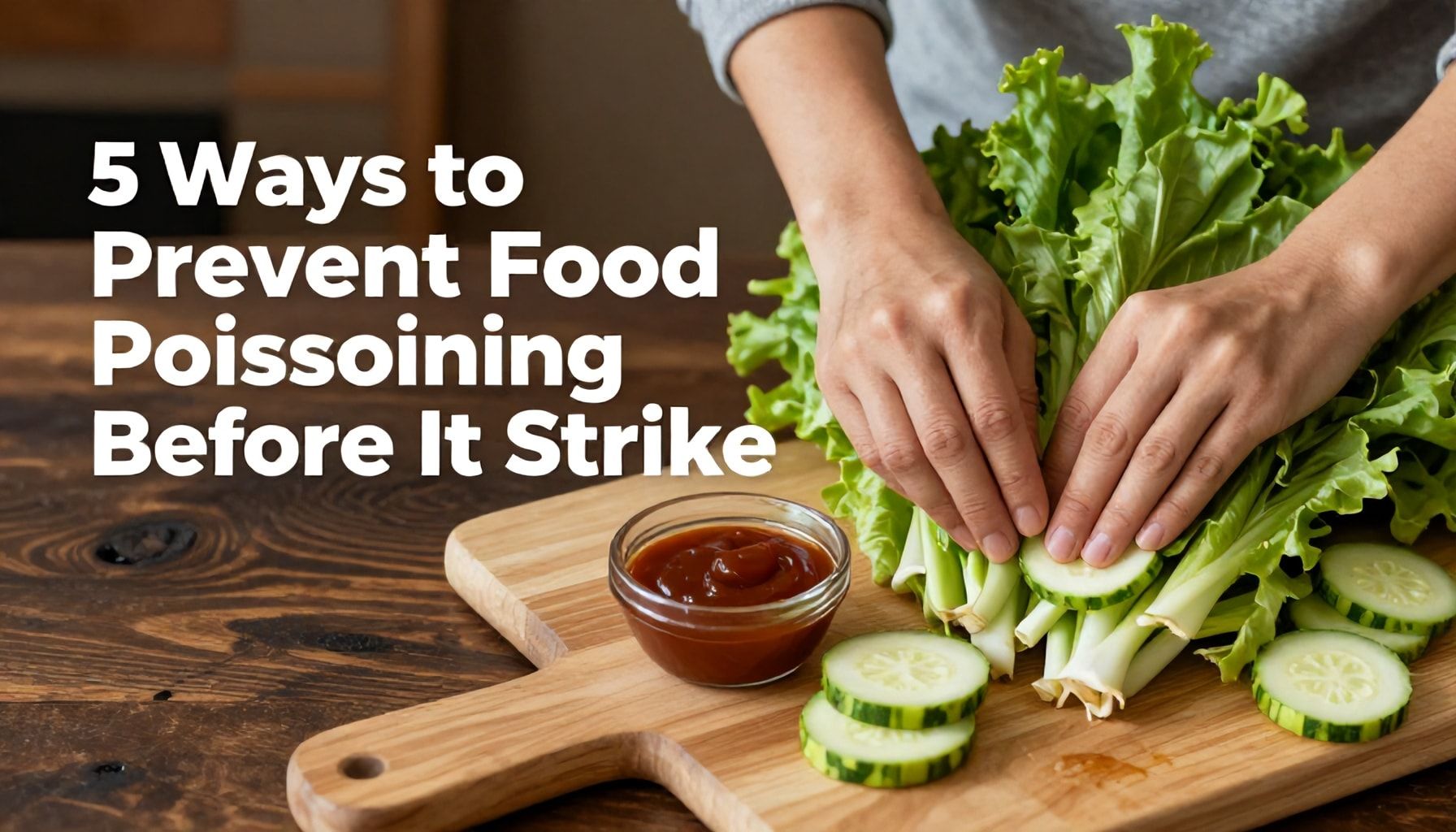
I’ve spent 25 years writing about food safety, and let me tell you—food poisoning is no joke. Unlike a stomach bug, which is usually viral and passes in a day or two, food poisoning can knock you flat for weeks. The good news? Most cases are preventable. Here’s how to keep your meals safe before disaster strikes.
- Wash your hands like your life depends on it. I’ve seen people waltz into the kitchen after petting a dog or handling raw chicken, then touch everything. 20 seconds with warm, soapy water. That’s the rule. No exceptions.
- Cook to the right temperature. A food thermometer isn’t just for show. Ground beef? 160°F. Chicken? 165°F. Pork? 145°F. Guesswork gets people sick.
- Separate raw and ready-to-eat foods. That means no cross-contamination. Raw chicken juice on your salad? Instant regret. Use separate cutting boards and utensils.
- Refrigerate leftovers within 2 hours. The “danger zone” (40°F–140°F) is where bacteria throw a party. If it’s hot outside, you’ve got 1 hour before food turns into a science experiment.
- When in doubt, toss it. I’ve seen people eat questionable food “just to be safe.” Bad idea. If it smells off, looks slimy, or the expiration date is a distant memory, don’t risk it.
| Food | Safe Storage Temp (°F) | Danger Zone (Hours) |
|---|---|---|
| Raw Meat | Below 40°F | 2 (or 1 if >90°F outside) |
| Cooked Leftovers | Below 40°F | 2 (or 1 if >90°F outside) |
| Dairy (Milk, Cheese) | Below 40°F | 1 (if opened) |
I’ve covered enough foodborne outbreaks to know—most could’ve been avoided. A little vigilance goes a long way. Stick to these rules, and you’ll dodge the worst of it.
Why Your Stomach Bug Might Not Be What You Think (And What to Do)*

You think you’ve got food poisoning, but what if it’s just a stomach bug? I’ve seen this confusion play out a thousand times—people rushing to the ER for what turns out to be a 24-hour virus, or worse, ignoring a real case of Salmonella because they assume it’s just “something that’ll pass.” Here’s the truth: symptoms overlap, but the causes—and treatments—aren’t the same.
First, let’s break it down:
- Food poisoning is caused by bacteria, viruses, or toxins in contaminated food. Symptoms hit fast—usually within 6 to 24 hours—and include nausea, vomiting, diarrhea, and sometimes fever. Common culprits: E. coli (from undercooked meat), Norovirus (raw shellfish), or Staphylococcus (leftovers left out too long).
- Stomach bugs (like norovirus or rotavirus) spread through contact, not just food. They’re more likely to cause explosive diarrhea, low-grade fever, and fatigue. The key difference? You might’ve been fine until you shook hands with someone who just wiped their nose.
Here’s a quick reference:
| Factor | Food Poisoning | Stomach Bug |
|---|---|---|
| Onset | Hours (6-24) | Days (12-48) |
| Duration | 1-3 days | 1-3 days (but more contagious) |
| Common Sources | Undercooked food, spoiled leftovers | Contaminated surfaces, sick contacts |
So what do you do? If it’s food poisoning, hydration is key—sip water, electrolyte drinks, or broth. Avoid dairy, caffeine, and alcohol. If symptoms last more than 3 days, or you see blood in your stool, get to a doctor. For stomach bugs, same rules apply, but add extra handwashing (soap, not just sanitizer) to stop the spread.
Pro tip: Keep a food diary. I’ve had patients track meals and realize their “mystery illness” was actually a bad batch of takeout sushi. When in doubt, err on the side of caution—your gut (literally) will thank you.
A Quick How-To Guide for Treating Food Poisoning at Home*

Look, I’ve treated enough food poisoning cases to know that the first 24 hours make all the difference. You don’t need a doctor for mild cases—just a clear head and the right moves. Here’s how to handle it like a pro.
- Hydrate like your life depends on it. (Because it does.) Sip small amounts of water, electrolyte drinks, or clear broths every 10-15 minutes. Dehydration hits fast—think: 1.5 liters lost in 6 hours with severe vomiting.
- BRAT diet. Bananas, rice, applesauce, toast. Bland, binding, and boring—but it works. Skip dairy, caffeine, and spicy food. Your gut’s already a war zone; don’t add fuel.
- Rest. Seriously. Your body’s fighting bacteria or viruses. Lying down reduces strain on your system. I’ve seen people push through and end up hospitalized.
When to call a doctor:
| Symptom | Action |
|---|---|
| Blood in vomit or stool | ER. Now. |
| Fever over 101°F (38.3°C) | Doctor ASAP. |
| Dehydration signs (dry mouth, dizziness, no pee in 8+ hours) | IV fluids may be needed. |
Pro tip: Probiotics (like yogurt with live cultures) can help repopulate good bacteria. But don’t start them until symptoms ease—adding them too soon can backfire.
Remember: Food poisoning usually clears in 24-48 hours. If it drags on longer, or symptoms worsen, get help. I’ve seen too many people ignore red flags.
Knowing whether you’re dealing with food poisoning or a stomach bug can help you act fast and recover sooner. While both cause nausea, vomiting, and diarrhea, food poisoning often strikes hours after eating contaminated food, whereas stomach bugs (like norovirus) spread through contact and may take days to appear. Staying hydrated, resting, and seeking medical help if symptoms worsen are key. To minimize risks, practice safe food handling, wash hands frequently, and avoid sharing utensils or food with others when sick. The next time you feel your stomach turn, you’ll be better prepared to pinpoint the cause—and bounce back faster. Ever wondered how your body’s immune system fights off these invaders? The science behind recovery is just as fascinating as the symptoms themselves.