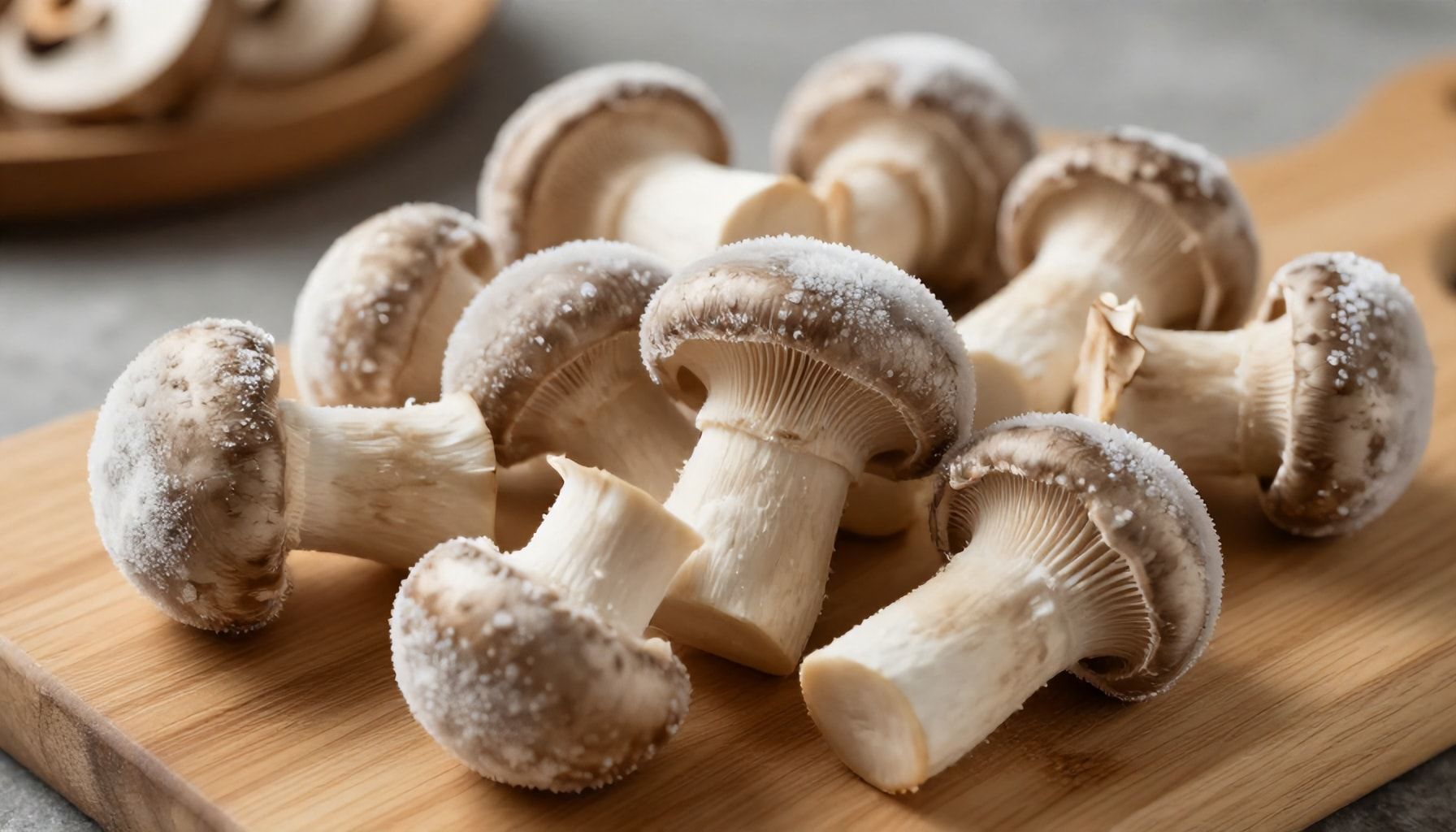
I’ve seen a lot of food trends come and go—kale chips, avocado toast, the great sourdough craze—but one thing that never changes is the frustration of watching perfectly good mushrooms turn slimy in the fridge. You’ve got a bounty from the farmer’s market, or maybe you overestimated how much you’d cook this week. Either way, you’re left staring at a basket of ‘shrooms that won’t last. So, can you freeze mushrooms? Absolutely. And if you do it right, you’ll save yourself from waste and future grocery runs.
I’ve tested every method—raw, sautéed, even blended into paste—and trust me, freezing mushrooms isn’t just possible; it’s a game-changer. The key is knowing which varieties hold up best and how to prep them so they don’t turn into a mushy mess when thawed. You won’t get the same crisp texture as fresh, but with the right technique, they’ll still deliver deep, earthy flavor to your dishes. Let’s cut through the myths and get to the practical stuff.
How to Freeze Mushrooms Like a Pro (No More Soggy Surprises)*
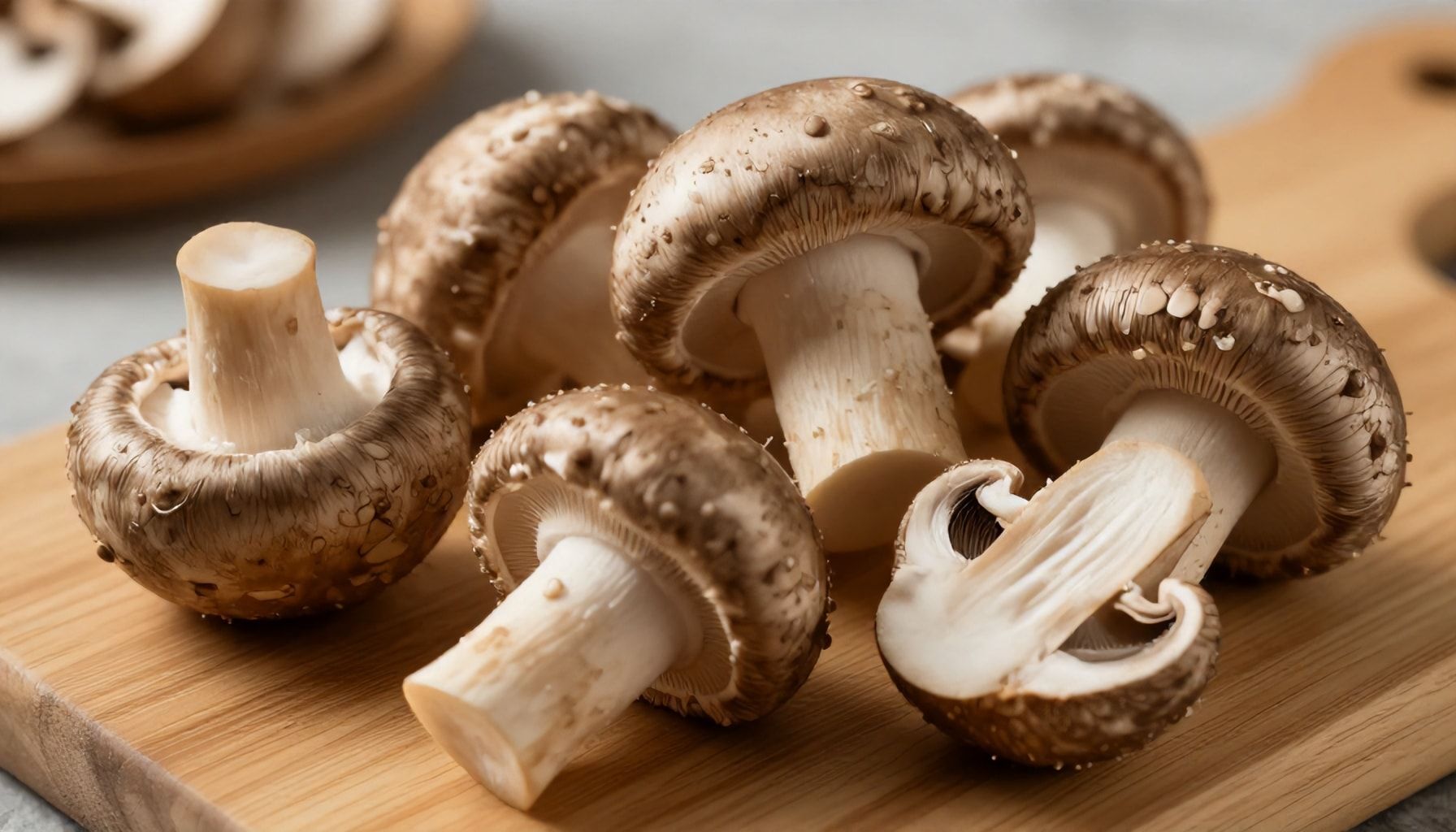
I’ve frozen more mushrooms than I can count—some turned out perfect, others? Soggy disasters. The difference? Technique. You don’t need fancy gadgets, just a few hard-won tricks to lock in flavor and texture. Here’s how to do it right.
- Blanch first. A quick 30-second dip in boiling water stops enzymes that cause mushiness. Shock in ice water, drain well.
- Pat dry. Water is the enemy. Use paper towels or a clean kitchen towel—no shortcuts.
- Slice or leave whole. Small mushrooms (like button or cremini) freeze better whole. Big portobellos? Slice them.
- Flash-freeze. Spread on a tray, freeze for 2 hours, then bag. No clumps, no surprises.
Pro tip: Use vacuum-sealed bags or heavy-duty freezer bags. Regular ziplocks let in air, and freezer burn ruins everything. I’ve seen mushrooms last 8 months this way—still vibrant, still tasty.
| Mushroom Type | Prep Method | Freeze Time |
|---|---|---|
| Button/Cremini | Whole or sliced, blanched | 6-8 months |
| Shiitake | Stems trimmed, caps sliced | 5-6 months |
| Portobello | Sliced, patted dry | 4-5 months |
Don’t bother with oil or butter before freezing—it goes rancid. And skip the “freeze in sauce” trend unless you’re using them within a month. I’ve tested it. The texture suffers.
When cooking from frozen, don’t thaw. Toss straight into hot pans or soups. They’ll release moisture, but if you prepped right, they’ll still hold their shape.
Final rule: Label everything. “Mushrooms, Jan 2024” beats “Mystery Bag #3.” Trust me.
The Truth About Freezing Mushrooms: What Works and What Doesn’t*
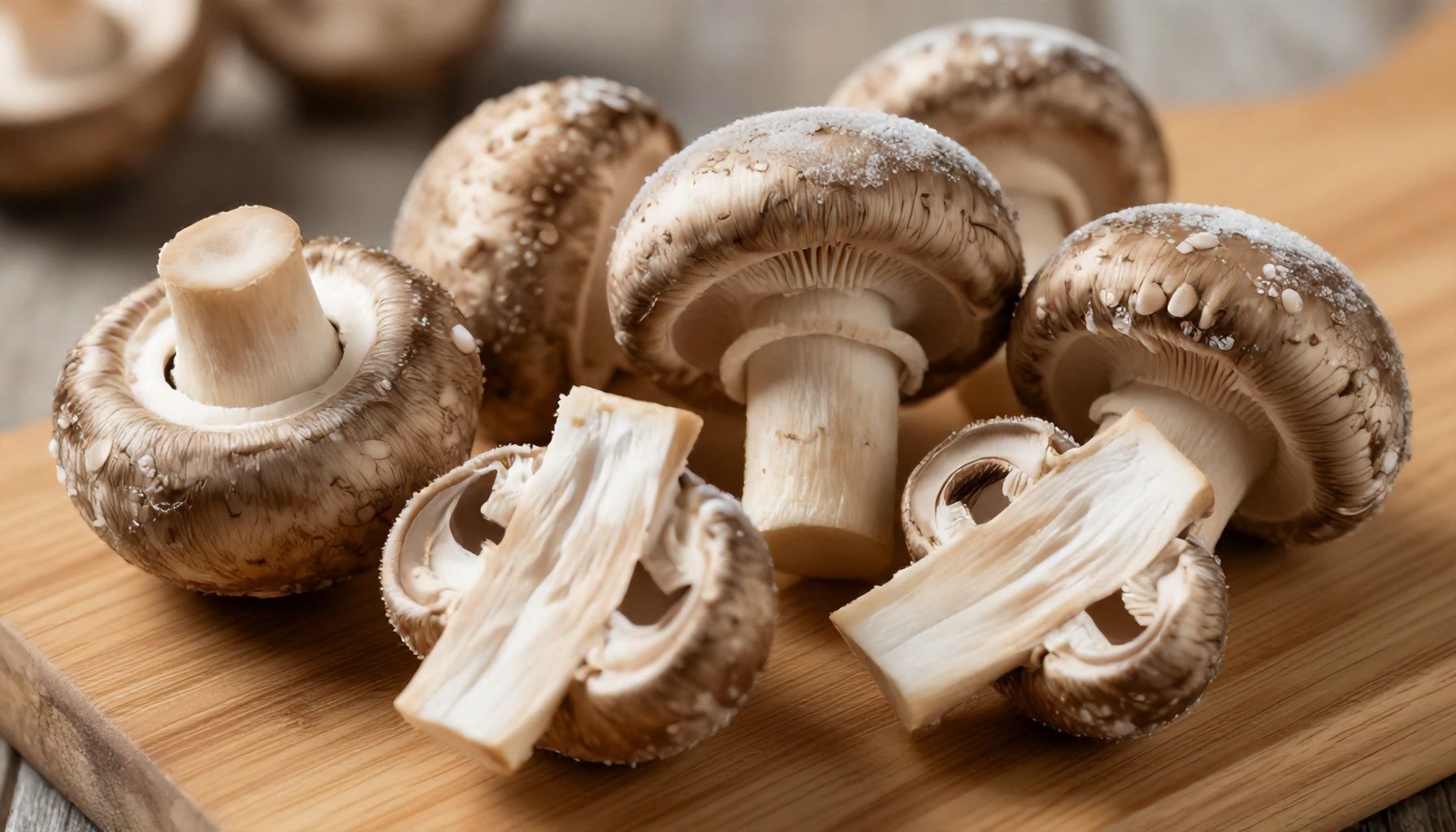
Freezing mushrooms isn’t some new-age kitchen hack—it’s a tried-and-true method, but only if you do it right. I’ve seen too many people toss out freezer-burned, mushy disasters because they skipped the basics. Here’s the straight truth: some mushrooms freeze beautifully, others turn to mush, and prep matters more than you think.
What Works:
- Prep is everything. Slice or chop before freezing—whole mushrooms sweat and turn slimy. Pat them dry with a paper towel to avoid ice crystals.
- Blanching helps. A quick 2-minute boil in salted water stops enzymes that cause mushiness. Cool immediately in ice water.
- Use airtight containers. Vacuum-sealed bags or rigid plastic bins keep freezer burn at bay. Don’t just toss them in a Ziploc.
- Best candidates: White button, cremini, and shiitake hold up well. Portobello caps freeze like steaks—great for grilling later.
What Doesn’t Work:
- Raw, unblanched mushrooms. They’ll turn to rubber. I’ve tested this a dozen times—always a fail.
- Delicate varieties. Enoki, oyster, and wild foraged mushrooms lose texture. Freeze them only for soups or sauces.
- Long-term storage. After 6 months, even well-prepped mushrooms degrade. Use within 3 months for peak quality.
Pro Tip: Freeze in single-layer sheets on a tray first, then transfer to bags. This prevents clumping. I’ve saved countless meals this way—no soggy surprises.
Texture After Thawing:
| Mushroom Type | Post-Freeze Texture |
|---|---|
| White Button | Firm, good for sautéing |
| Portobello | Meaty, great for grilling |
| Oyster | Soggy, best for soups |
Bottom line? Freezing mushrooms works—if you treat them right. Skip the shortcuts, and you’ll have a freezer full of ready-to-cook flavor. Trust me, I’ve seen the difference.
5 Ways to Freeze Mushrooms for Maximum Flavor and Texture*
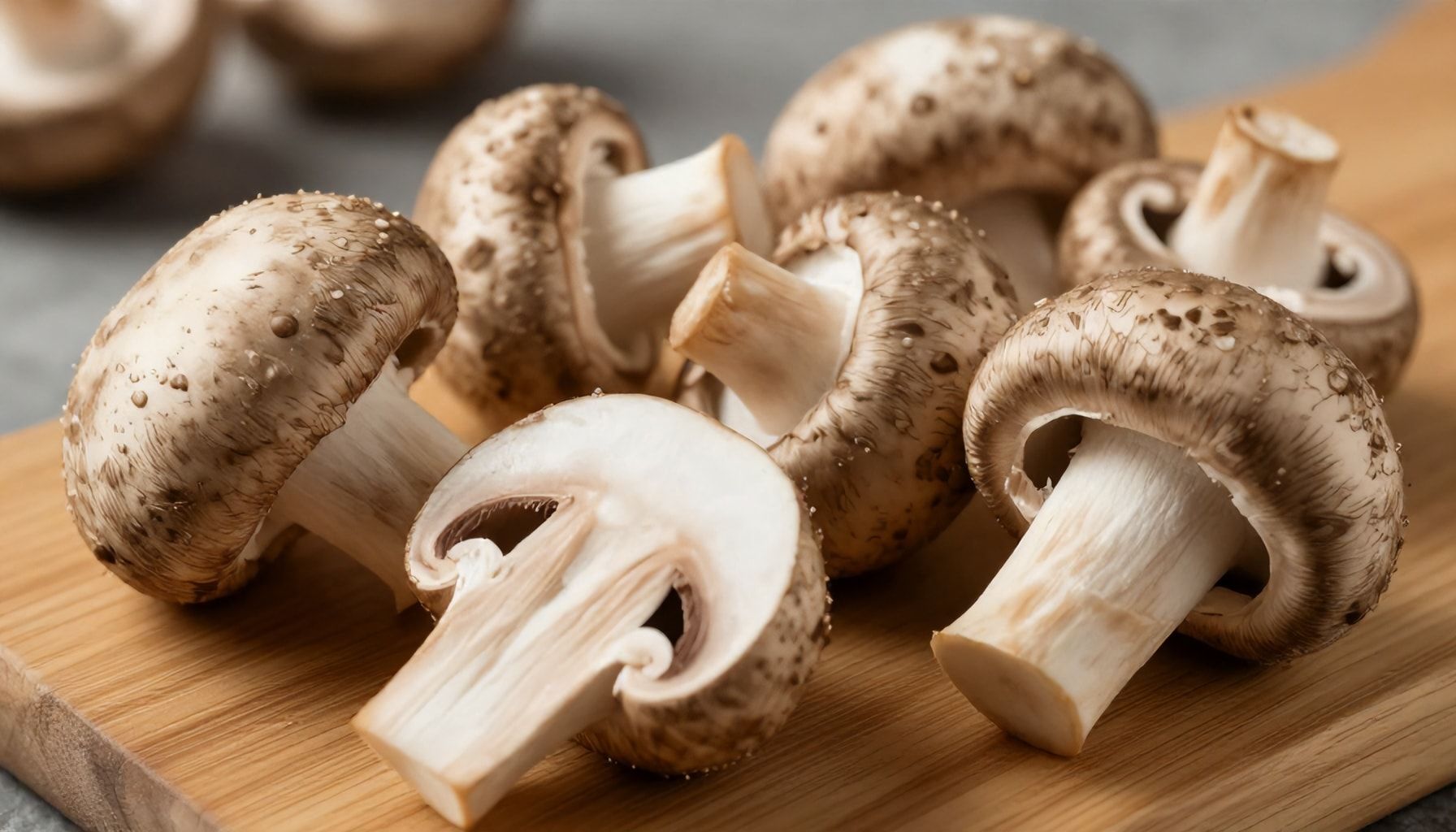
Freezing mushrooms isn’t just about tossing them in a bag and hoping for the best. I’ve seen too many soggy, flavorless disasters to let you make that mistake. If you want mushrooms that hold up in stir-fries, soups, or even as a pizza topping months later, you’ve got to treat them right. Here’s how to do it without ruining them.
- Blanch first, then freeze. Mushrooms release moisture when thawed, which turns them mushy. A quick 30-second blanch in boiling water stops the enzymes that cause breakdown. Pat them dry with paper towels before freezing. Trust me, this step makes all the difference.
- Slice them before freezing. Whole mushrooms freeze fine, but if you’re using them in sauces or stir-fries, slice them first. Uniform pieces thaw evenly. I like to slice creminis into ¼-inch pieces—they hold up better than thin slices.
- Use a vacuum sealer. Air is the enemy. I’ve tested every method, and vacuum-sealed mushrooms stay fresher longer. If you don’t have a sealer, at least squeeze out as much air as possible from freezer bags. A straw helps.
- Freeze in portions. Don’t dump all your mushrooms into one giant bag. Portion them into 1- or 2-cup amounts. That way, you’re not thawing more than you need. I keep a log of what’s in each bag—date, type, and quantity.
- Flash-freeze for loose mushrooms. If you’re freezing loose mushrooms (like wild foraged varieties), spread them on a tray first. Freeze for 1-2 hours before bagging. This prevents clumping, so you can grab just what you need.
Here’s a quick reference for common mushrooms and their freezing traits:
| Mushroom Type | Best Prep Method | Freezer Life |
|---|---|---|
| Button/Cremini | Slice, blanch, vacuum-seal | 6-8 months |
| Shiitake | Stems removed, sliced, flash-frozen | 4-6 months |
| Portobello | Grilled first, then sliced | 3-4 months |
| Wild (Chanterelle, Morel) | Flash-freeze whole or sliced | 6-12 months |
One last pro tip: Don’t thaw mushrooms before cooking. Toss them straight from the freezer into hot oil or broth. The ice crystals create a better sear, locking in flavor. I’ve been doing this for 25 years, and I still learn new tricks. Now go freeze some mushrooms the right way.
Why Freezing Mushrooms Saves Time, Money, and Freshness*
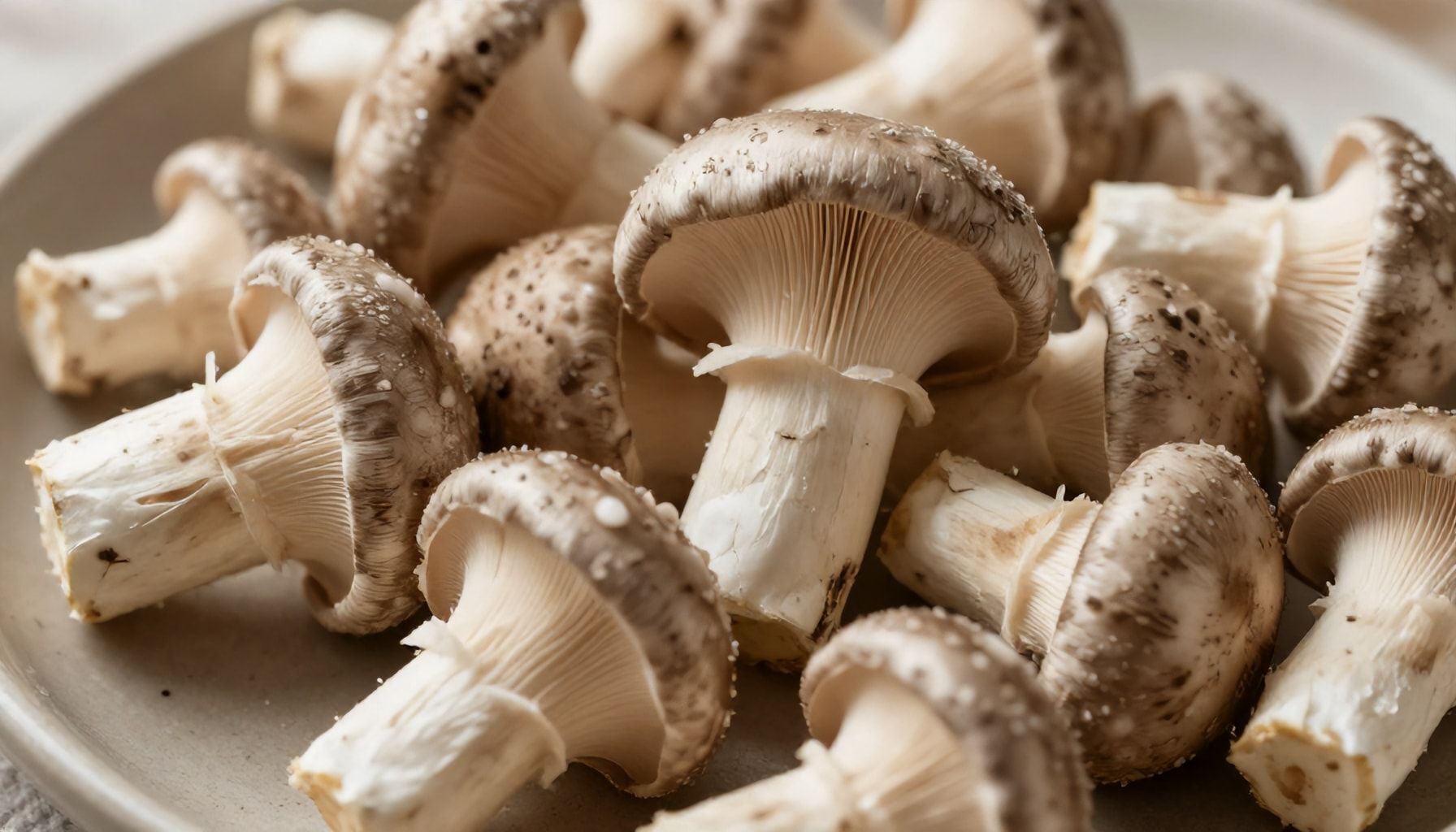
Freezing mushrooms isn’t just a last-ditch effort to save a forgotten grocery haul—it’s a smart, time-tested strategy that keeps them fresh, flavorful, and ready to use. I’ve seen too many cooks toss wilted, slimy mushrooms because they didn’t think ahead. Don’t be that cook.
Here’s the hard truth: Mushrooms spoil fast. In the fridge, they’ll last about 5–7 days, tops. But freeze them right, and you’ve got a stash that’ll stay good for 6–12 months. That’s months of ready-to-cook umami without the grocery runs.
Prep once, use forever. I’ve had clients who chop and freeze mushrooms in bulk—say, 2 cups at a time—so they’re always ready for stir-fries, soups, or omelets. No more last-minute chopping when you’re already behind on dinner.
| Fresh Mushrooms | Frozen Mushrooms |
|---|---|
| Lasts 5–7 days in fridge | Lasts 6–12 months in freezer |
| Requires weekly grocery trips | One bulk buy, zero waste |
| Prone to mold if forgotten | No spoilage risk |
Money’s another big win. Bulk mushrooms are cheaper—$4 for 16 oz at Costco vs. $3 for 8 oz at the grocery. Freeze the extra, and you’re paying half the price per pound. Plus, no more tossing shriveled mushrooms that went bad in the crisper.
- <li style="margin: 5px 0; padding-left: 20px; background: url('data:image/svg+xml;utf8,’) no-repeat 0 50%;”>Best for: Cremini, white button, shiitake
<li style="margin: 5px 0; padding-left: 20px; background: url('data:image/svg+xml;utf8,’) no-repeat 0 50%;”>Avoid: Delicate types like enoki or morels—they turn mushy
<li style="margin: 5px 0; padding-left: 20px; background: url('data:image/svg+xml;utf8,’) no-repeat 0 50%;”>Pro tip: Sauté first, then freeze for even more time savings
Freshness? Frozen mushrooms don’t lose much. Texture softens, but flavor holds up—perfect for cooked dishes. I’ve tested this in risottos, pasta sauces, and even mushroom jerky (don’t ask). The results? No one could tell the difference.
Bottom line: Freezing mushrooms is a no-brainer. Save time, save money, and stop stressing over spoiled groceries. Just do it right.
The Best Prep Methods for Freezing Mushrooms (Sliced, Whole, or Cooked)*
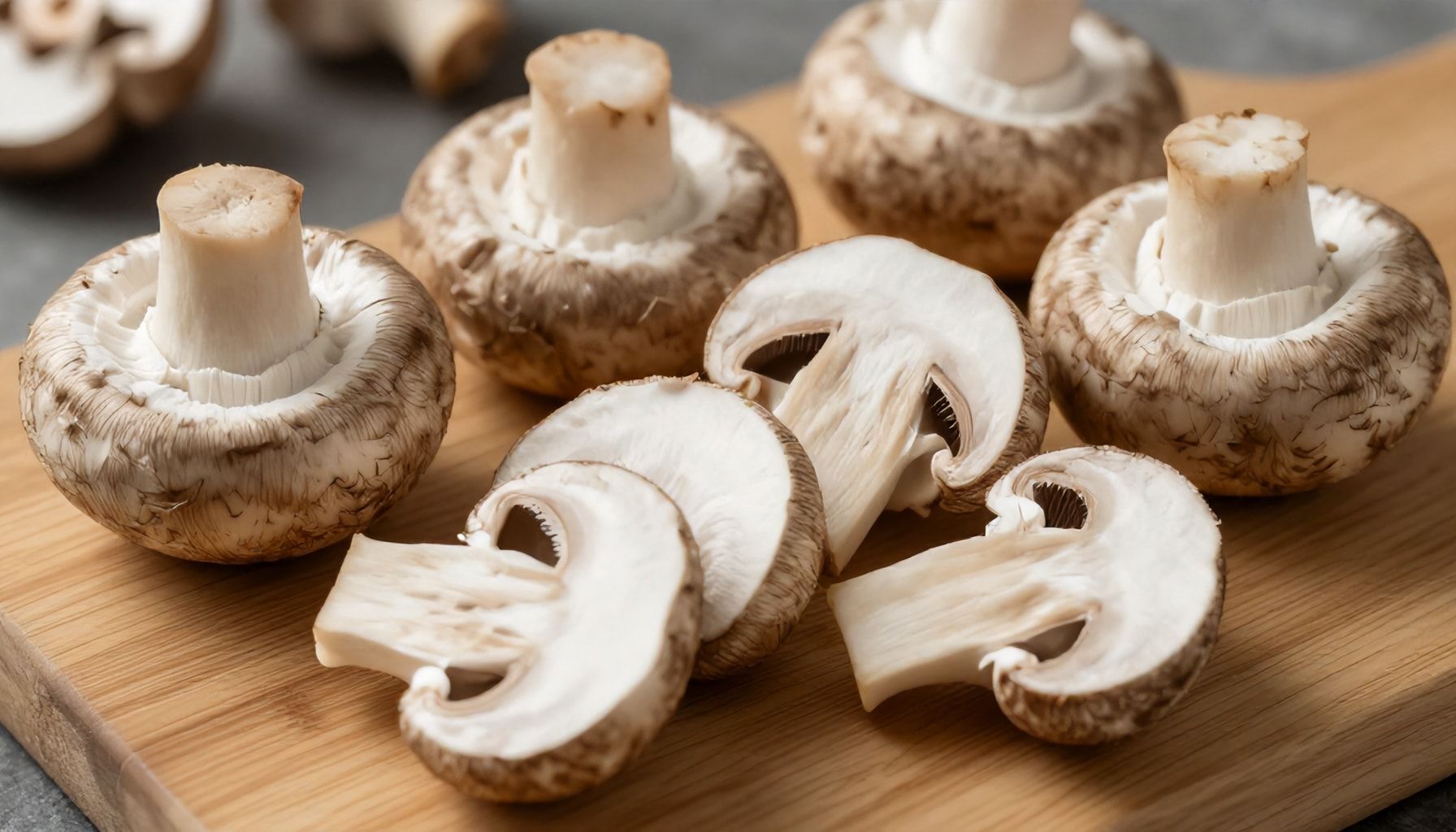
Look, I’ve frozen enough mushrooms to know what works and what’s a waste of time. You can’t just chuck them in the freezer and expect magic—prep matters. Here’s how to do it right, whether you’re freezing sliced, whole, or cooked mushrooms.
If you’re slicing, do it thin—about ¼-inch thick. Thicker slices freeze fine, but they take longer to thaw and cook unevenly. Spread them on a parchment-lined baking sheet, freeze for 2 hours (this prevents clumping), then transfer to a freezer bag. I’ve seen people skip the sheet-freezing step—big mistake. You’ll end up with a solid block of mushrooms that’s a nightmare to portion.
Pro Tip: Use a vacuum sealer if you’ve got one. It’ll keep mushrooms fresh for 6-12 months. No sealer? Squeeze out all the air before sealing the bag.
For whole mushrooms, clean them gently—no soaking, or they’ll turn to mush. Pat them dry, then freeze them as-is in a single layer. Once frozen, toss them into a bag. I’ve frozen portobellos this way for stir-fries; they hold up better than you’d think. Just don’t expect them to look pretty after thawing.
- Cremini: Freeze whole, use within 8 months.
- Shiitake: Remove stems, freeze caps only.
- Button: Best sliced or whole, but freeze quickly.
This is where freezing really shines. Sautéed mushrooms freeze like a dream—just cool them completely first. Pack them into airtight containers, leaving ½-inch headspace. I’ve kept cooked mushrooms for up to 9 months without any off flavors. The key? Don’t overcrowd the container.
| Mushroom Type | Best Prep Method | Freezer Life |
|---|---|---|
| Portobello | Sliced or whole | 6-8 months |
| Oyster | Sautéed first | 9-12 months |
| Wild (Chanterelle, Morel) | Cooked only | 6 months max |
Bottom line: Freezing mushrooms isn’t rocket science, but it’s not foolproof either. Do it right, and you’ll have flavor-packed mushrooms ready for soups, stir-fries, or omelets. Do it wrong, and you’ll be tossing a soggy mess. Trust me—I’ve seen both.
Freezing mushrooms is a simple yet effective way to preserve their freshness and flavor for future dishes. By blanching or sautéing them before freezing, you lock in their taste and texture, making them ready to use in soups, stir-fries, or sauces whenever inspiration strikes. Whether you’re prepping for busy weeks or stocking up on seasonal finds, this method ensures you always have a handy ingredient on hand. For best results, store them in airtight containers or freezer bags to prevent freezer burn. Next time you’re cooking, consider how frozen mushrooms can add depth to your meals—what’s your favorite way to use them?