Best Office Chairs for Standing Desks: Our Top Picks
In today’s modern workplace, standing desks have become increasingly popular as people strive for a healthier and more active work environment. However, standing for extended periods can be tiring, which is why having the right chair to accompany your standing desk is essential. Here, we’ve compiled a list of the best office chairs for standing desks to help you find the perfect balance between standing and sitting while you work.
Best Overall Standing Desk Chair
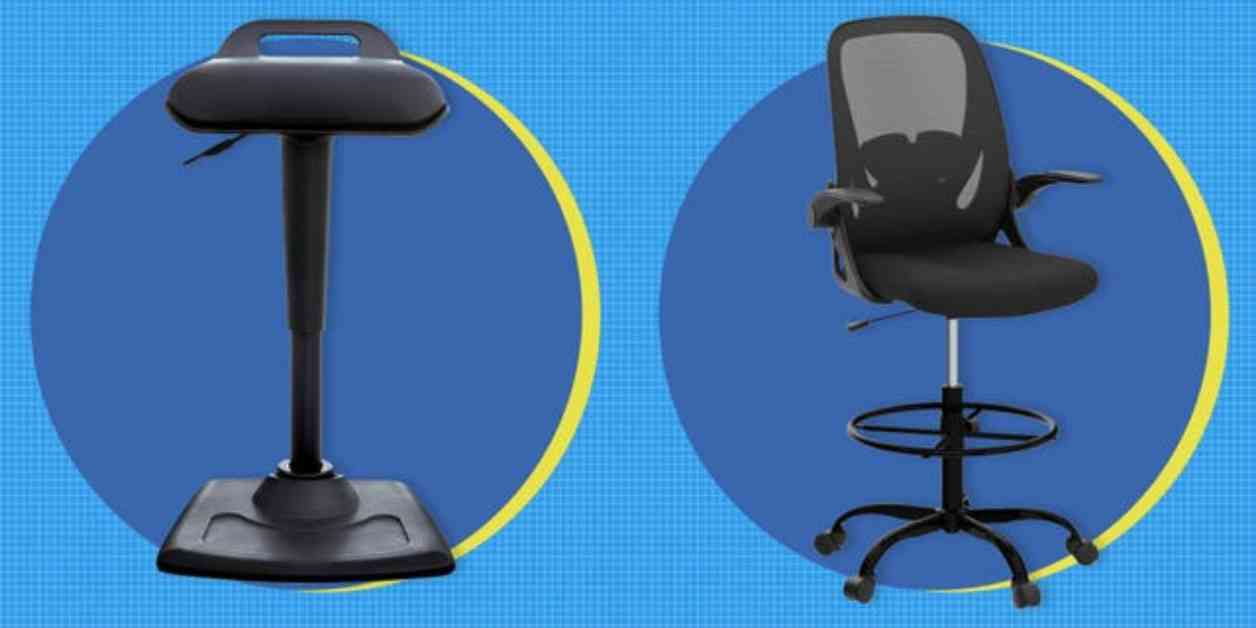
The Primy Tall Standing/Drafting Desk Chair is our top pick for the best overall standing desk chair. With adjustable armrests, lumbar support, and footrest, this chair offers unparalleled comfort and support. The durable metal frame ensures longevity, while the wide selection of colors allows you to match your office decor seamlessly. Despite its slightly bland aesthetic, the Primy chair more than makes up for it with its affordable price and high level of adjustability. It’s like a high-tech rolling barstool that cradles your spine in all the right places, making it a true winner in our books.
Best “Active Sitting” Stool Standing Desk Chair
If you’re looking for a stool that engages your entire body while working, the Vari Active Seat Adjustable Standing Desk Chair is the perfect choice. With a wobble design that encourages movement and a wide cushioned seat, this chair offers a unique and ergonomic sitting experience. Its sleek, minimalist aesthetic and height-adjustable design make it compatible with a wide variety of desks. While it may not be as supportive as a traditional desk chair, the Vari Active Seat is ideal for those who prefer a more dynamic sitting experience.
Most Comfortable Standing Desk Chair
For those who spend long hours sitting at their standing desks, the Misolant Drafting Chair Standing Desk Office Chair is the ultimate comfort solution. With a thick, padded seat and back, this executive-style chair offers exceptional comfort and support. The faux leather upholstery and diamond stitching pattern add a touch of luxury to the chair’s overall design. The heavy-duty iron frame ensures durability, making this chair a long-lasting investment. Available in a variety of colors, the Misolant chair is sure to elevate your workspace.
Best Budget Stool-Style Standing Desk Chair
If you’re looking for an affordable yet effective seating solution, the School Outfitters Learniture Adjustable Height Active Learning Stool is a great option. With a wobble design that supports active sitting, a wide, foam-padded seat, and a pneumatic gas lift for height adjustment, this stool offers comfort and versatility at an unbeatable price. Its durable polypropylene frame is built to last, while its lightweight construction allows for easy movement. Ideal for both home offices and traditional workspaces, the School Outfitters stool is a must-have for anyone seeking a budget-friendly seating option.
Best Armless Standing Desk Chair
For a simple and affordable standing desk chair, the Boss Office Products Ergonomic Works Armless Drafting Chair is a solid choice. With an armless design and adjustable height, this chair offers basic functionality at a great price. Available in several styles and colors, the Boss Office chair is a versatile and budget-friendly option for any workspace. While it may not have all the bells and whistles of pricier models, its simplicity and affordability make it a top pick for those on a budget.
Best Budget Standing Desk Chair
The Bojuzija Ergonomic Drafting/Standing Desk Chair is a modern and budget-friendly option for those seeking a quality standing desk chair without breaking the bank. With adjustable height and back, an integrated footrest, and a sleek aesthetic available in multiple colors, this chair offers comfort and style at an affordable price. The extra-thick foam padding ensures a comfortable sitting experience, while the plastic frame provides durability and support. Despite its limited adjustability, the Bojuzija chair is a great choice for those looking for a fresh and affordable seating option.
Best Balance Ball Stool-Style Standing Desk Chair
For maximum active sitting, the Gaiam Balance Ball Chair Stool is a top pick. Featuring a half-dome seat cushion that encourages core engagement, this chair offers a unique and dynamic sitting experience. The stable, 360-degree lockable swivel base and easy-inflate pump make it easy to customize the chair to your liking. With a good price point and durable metal frame, the Gaiam chair is a great option for those looking to add some movement to their workday. While its unique design may not be for everyone, the benefits of active sitting make it a worthwhile investment.
Best Faux Leather Standing Desk Chair
For those seeking a modern and stylish standing desk chair, the Lepdep Okeysen Drafting Armless Desk Chair is the perfect choice. With a faux-leather aesthetic, adjustable height and seatback, and five heavy-duty chrome casters, this chair offers both comfort and functionality. The durable tubular steel frame supports up to 400 pounds, making it a sturdy and reliable option for any workspace. Available in brown or black, the Lepdep chair adds a touch of sophistication to any office setting, while providing optimal support and comfort for long hours of sitting.
Best Modern Standing Desk Chair
If you’re looking for a bold and modern standing desk chair, the Modway Thrive Drafting/Standing Desk Chair is the ideal choice. With its eye-catching design and available in a variety of colors, this chair adds a touch of flair to any workspace. The durable, lightweight frame ensures longevity, while the free shipping and returns make it a hassle-free purchase. While adjustability is limited to height only, the Modway chair is a great option for those who prioritize style and aesthetics in their office furniture.
Why Buy a Standing Desk Chair?
Standing desks offer a range of benefits, from improved posture and reduced back pain to increased energy and productivity. However, standing for extended periods can be taxing on the body, which is why having a standing desk chair is essential. A standing desk chair allows you to sit, lean, or wobble while you work, providing a more dynamic and comfortable sitting experience. By engaging your core and muscles, a standing desk chair can help alleviate fatigue and improve circulation, leading to a healthier and more productive workday.
Is a Chair or a Stool Better for My Standing Desk?
The choice between a chair and a stool for your standing desk ultimately depends on your personal preferences and work habits. Chairs are generally more supportive and comfortable for long periods of sitting, making them ideal for those who spend hours at their desks. Stools, on the other hand, are more versatile and encourage movement, making them a great option for those who prefer a dynamic sitting experience. Whether you choose a chair or a stool, the key is to find a seating solution that promotes comfort, support, and overall well-being while you work.