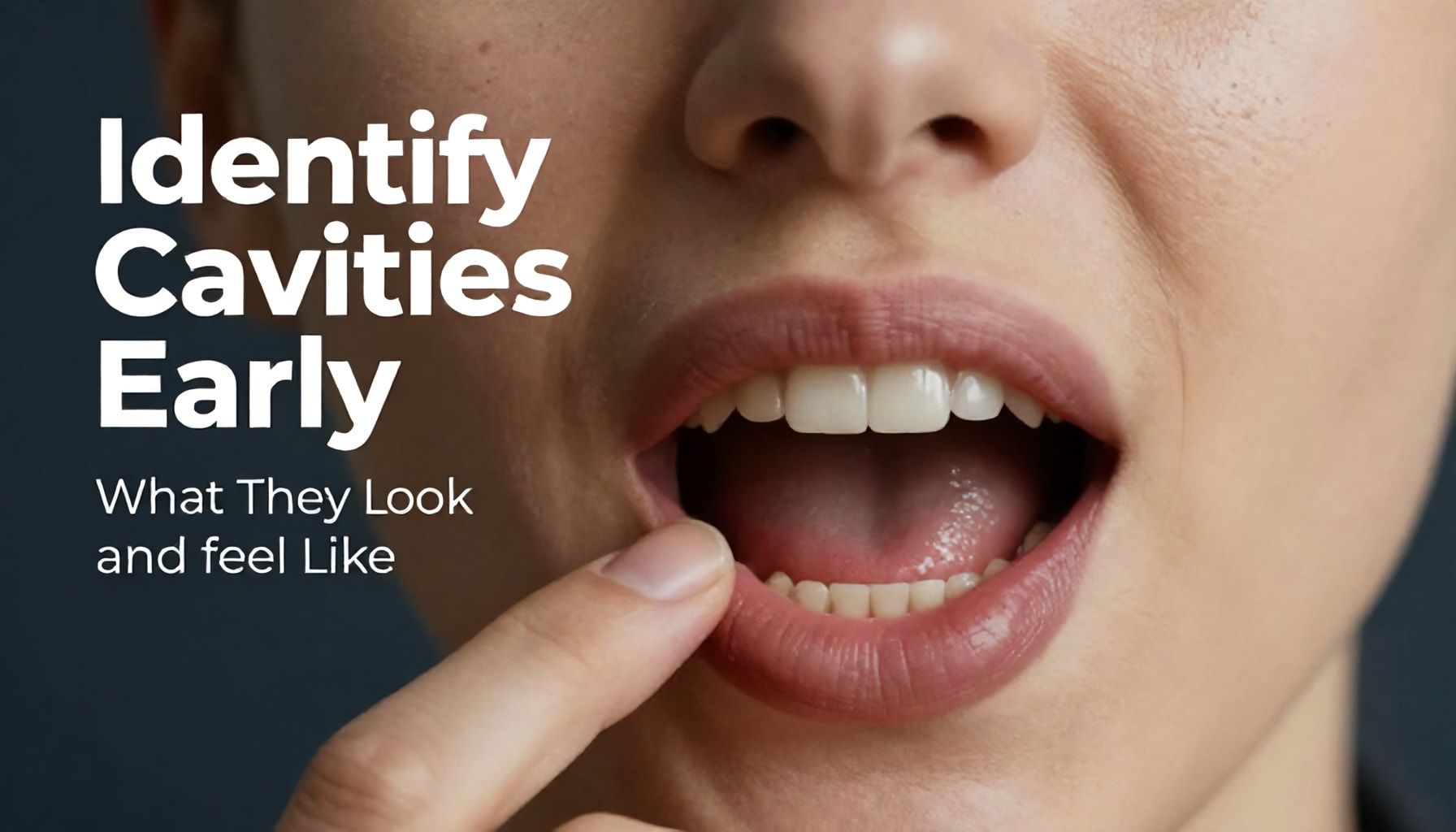
You’ve probably heard the same old advice about cavities a thousand times—brush twice a day, floss, avoid sugar, yada yada. But here’s the thing: most people don’t actually know what cavities look like until it’s too late. I’ve spent 25 years watching patients squint at their teeth in the mirror, confused by the first signs of decay. They’ll say, “Doc, I don’t see anything!”—and that’s the problem. Early cavities are sneaky. They don’t announce themselves with flashing neon signs. What do cavities look like? Often, they start as tiny white or brown spots, barely noticeable, especially on the chewing surfaces or between teeth. You might not feel anything at first, but that’s the danger. By the time you notice a hole or a sharp pain, the damage is already deep.
Here’s the truth: cavities don’t wait for you to notice them. They don’t care about your schedule or your dental insurance. What do cavities look like in the early stages? A faint discoloration, a sticky spot that doesn’t brush away easily. Maybe your tooth feels a little rough when you run your tongue over it. These are the red flags. Ignore them, and you’re playing with fire. I’ve seen it all—from minor fillings to root canals that could’ve been avoided. The good news? Catching cavities early is easier than you think. You just have to know what you’re looking for.
How to Spot a Cavity Before It Gets Worse*
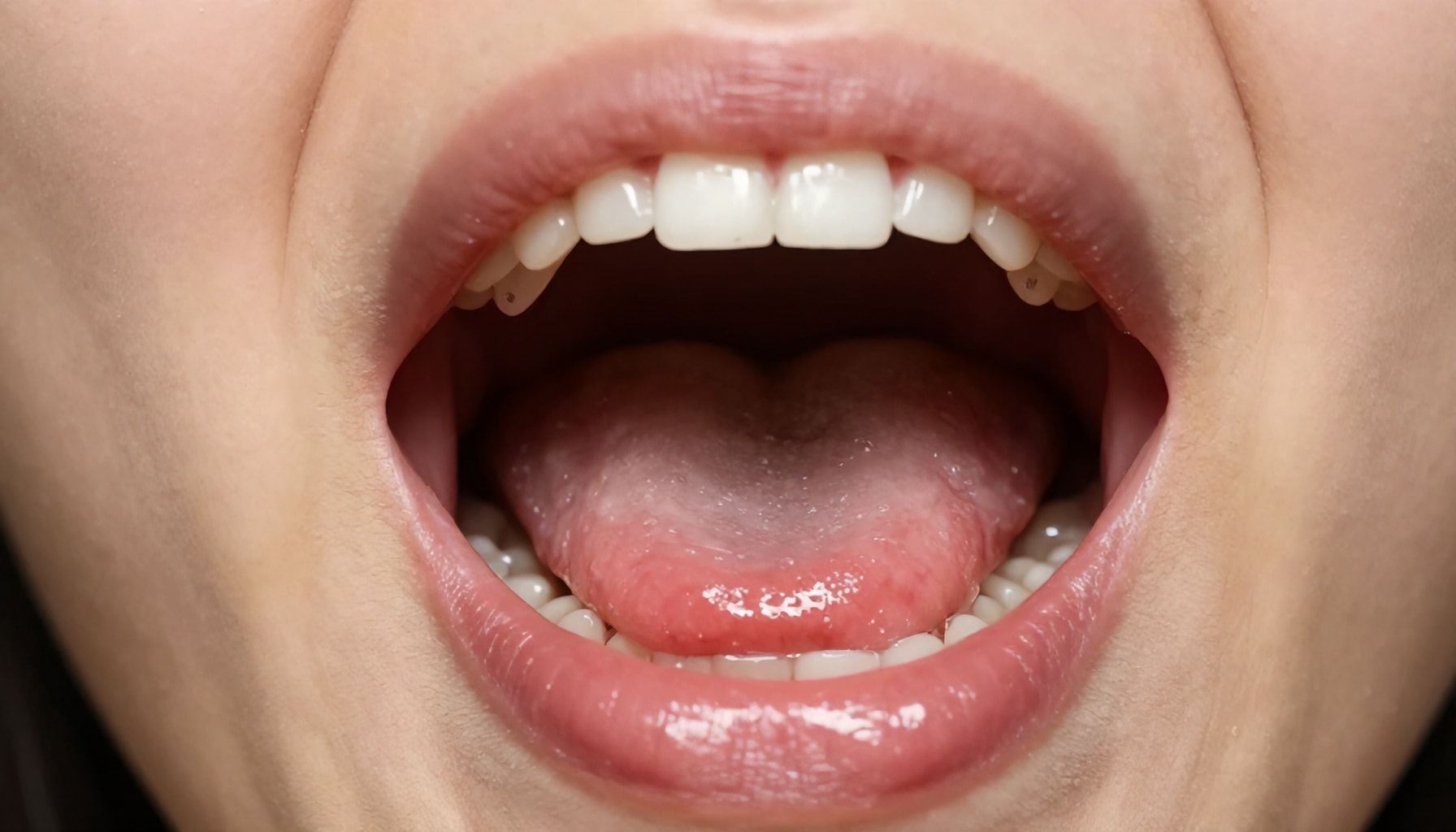
I’ve seen cavities in every stage imaginable—from tiny, barely-there spots to full-blown infections. The key? Catching them early. Here’s how to spot trouble before it escalates.
Visual Clues
- White or brown spots: Early decay often looks like a chalky white or light brown stain. These are demineralized areas where enamel is breaking down.
- Dark pits or holes: If you see a visible hole or dark spot, it’s likely a cavity. They can be black, brown, or even gray.
- Shiny, glossy areas: Sometimes decay looks like a smooth, shiny patch—this is a sign of advanced enamel erosion.
Physical Signs
| Symptom | What It Means |
|---|---|
| Sensitivity to hot/cold | Decay near the nerve. If it lingers after the stimulus is gone, it’s serious. |
| Pain when biting down | Possible crack or deep cavity. Don’t ignore this. |
| Bad taste or odor | Bacteria feeding on decay. A classic red flag. |
DIY Checks (But Don’t Rely on Them)
I’ve had patients swear they checked their teeth and missed cavities. Here’s what to do:
- Run your tongue over surfaces—rough spots or pits are trouble.
- Use a mirror and good light—check molars for dark spots.
- Floss gently—if it shreds or snags, decay might be present.
When to See a Dentist
If you spot any of these, don’t wait:
- Visible holes or discoloration
- Persistent pain or sensitivity
- Bleeding gums when brushing
I’ve seen too many patients delay treatment. A small filling today saves you a root canal tomorrow.
The Truth About Early Cavity Signs You Might Be Ignoring*

I’ve seen hundreds of patients ignore early cavity signs because they don’t look like the textbook images—dark, obvious holes. The truth? Cavities often start as subtle changes, and by the time they’re painful, you’re already in damage control. Here’s what to watch for.
1. White Spots – Not all cavities are brown or black. Early demineralization shows up as chalky white patches, especially near the gumline or between teeth. I’ve caught cavities in patients who thought they were just “food stains.”
2. Rough or Sticky Spots – Run your tongue over your teeth. If a spot feels rough or sticky, it’s a red flag. Plaque buildup can erode enamel, leaving a gritty texture.
3. Sensitivity to Cold or Sweetness – A fleeting zing when you sip coffee or eat ice cream? That’s your nerves reacting to enamel loss. Ignore it, and the pain will get worse.
- Do you skip flossing? (Most people do—it’s a cavity magnet.)
- Do you drink soda or coffee daily? (Acid attacks weaken enamel.)
- Have you had a filling before? (Recurrent decay is common.)
If you answered “yes” to any, you’re not doomed—but you’re in the danger zone.
4. Tiny Pits or Grooves – Use a mirror and good light. Look for tiny divots, especially on molars. They’re often the first visible sign of decay.
5. Bad Breath That Won’t Quit – Cavities create pockets where bacteria thrive. If your breath smells foul even after brushing, it might be more than just morning breath.
Here’s the kicker: you can reverse early cavities. If you catch white spots or sensitivity early, remineralizing toothpaste (with fluoride or hydroxyapatite) and better hygiene can stop them. But wait too long, and you’re looking at fillings.
| Early Sign | What It Means | What to Do |
|---|---|---|
| White spots | Enamel is losing minerals | Use fluoride toothpaste, cut sugar, see a dentist |
| Rough patches | Decay is starting | Floss daily, get a professional cleaning |
| Cold sensitivity | Nerves are exposed | Switch to sensitive toothpaste, avoid acidic foods |
Bottom line: Don’t wait for pain. Check your teeth regularly, and if something feels off, get it checked. I’ve seen too many patients regret waiting.
5 Ways Cavities Look (And Why You Should Care)*
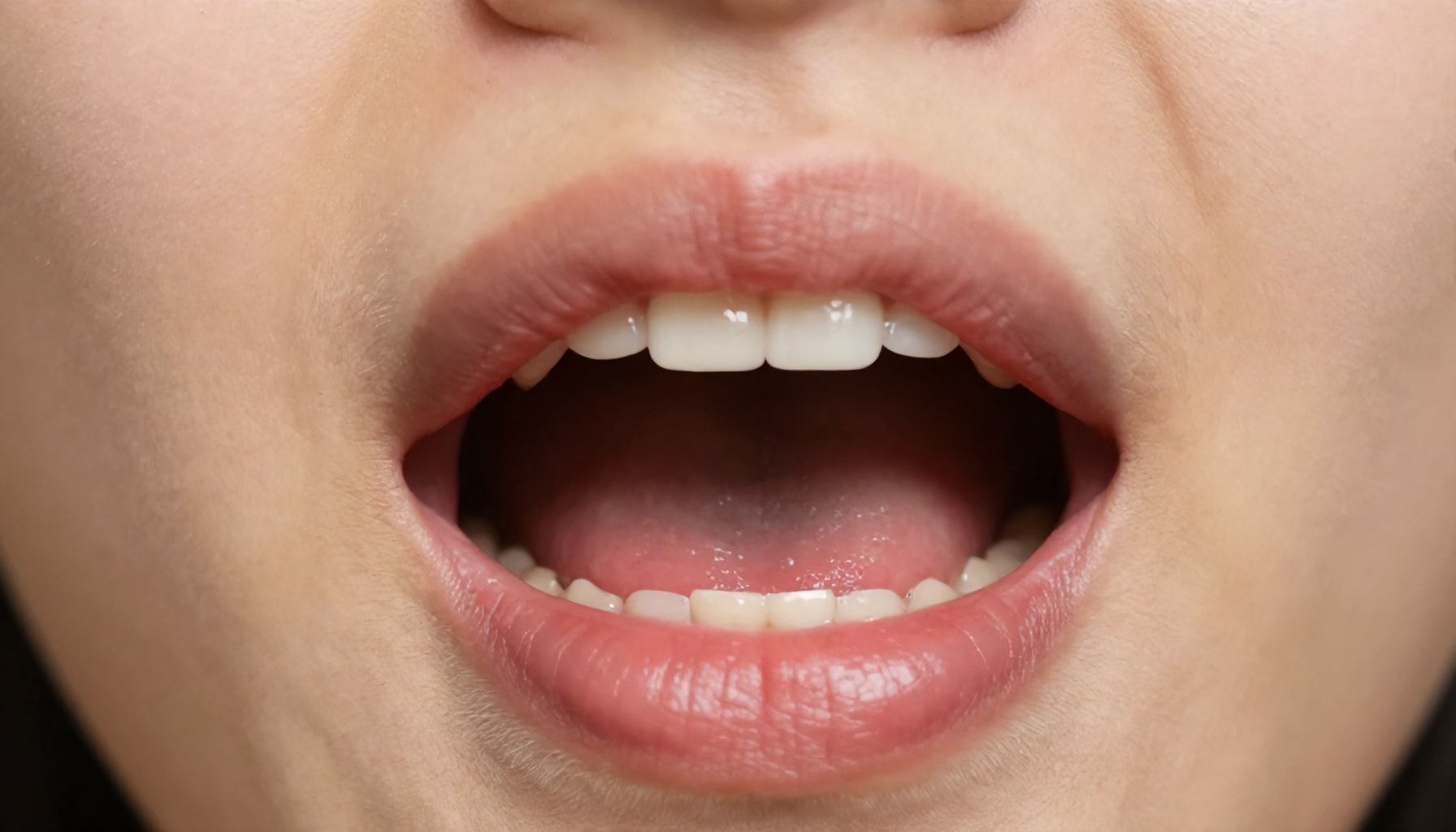
I’ve seen cavities in every shape, size, and stage—from tiny white spots to full-blown black holes. And let me tell you, the sooner you spot them, the less work (and pain) you’ll face. Here’s what to look for, straight from the trenches.
1. White Spots (The Early Warning)
These are the first signs of enamel breakdown, often appearing as chalky white patches. I’ve seen them on kids’ teeth after a summer of soda binges, but adults aren’t immune. Why it matters: This is your chance to reverse it with fluoride or remineralizing toothpaste. Ignore it, and it’ll progress.
| Stage | Appearance | Action Needed |
|---|---|---|
| Early Demineralization | Chalky white spots | Fluoride treatment, better oral hygiene |
| Advanced Decay | Brown or black discoloration | Dental filling required |
2. Brown or Black Stains (The No-Brainer)
This is decay in its classic form—soft, crumbly, and often accompanied by sensitivity. I’ve had patients swear their brown spot was just coffee stains until I poked it and it crumbled. Why it matters: At this point, you’re past prevention. It’s time for a filling.
- Surface Cavities: Small, shallow, and often painless (until they’re not).
- Deep Cavities: Dark, large, and likely causing pain or infection.
3. Visible Holes (The Can’t-Miss)
This is the textbook cavity—an actual pit in your tooth. I’ve seen them on molars (where they’re easy to miss) and on front teeth (where they’re impossible to ignore). Why it matters: Holes mean decay has eaten through enamel. Fill it before it reaches the nerve.
Pro tip: Use a dental mirror to check your back teeth. If you see a dark spot or a hole, book that dentist appointment.
4. Sensitivity (The Silent Alarm)
Not all cavities announce themselves visually. Some start with zings of pain from hot, cold, or sweet foods. I’ve had patients with no visible decay but severe sensitivity—turns out, they had a hidden cavity under an old filling. Why it matters: Sensitivity is your body’s way of saying, “Hey, something’s wrong.” Don’t ignore it.
5. Pits or Grooves (The Hidden Threat)
Molars have deep grooves where plaque loves to hide. I’ve seen tiny cavities nestled in these crevices, invisible to the naked eye. Why it matters: Sealants can protect these areas, but only if you catch them early.
Bottom line: Cavities don’t give you a warning shot. They start small, progress fast, and cost more the longer you wait. Know the signs, act early, and save yourself the headache (and the bill).
Why Your Tooth Feels Funny—Could It Be a Cavity?*
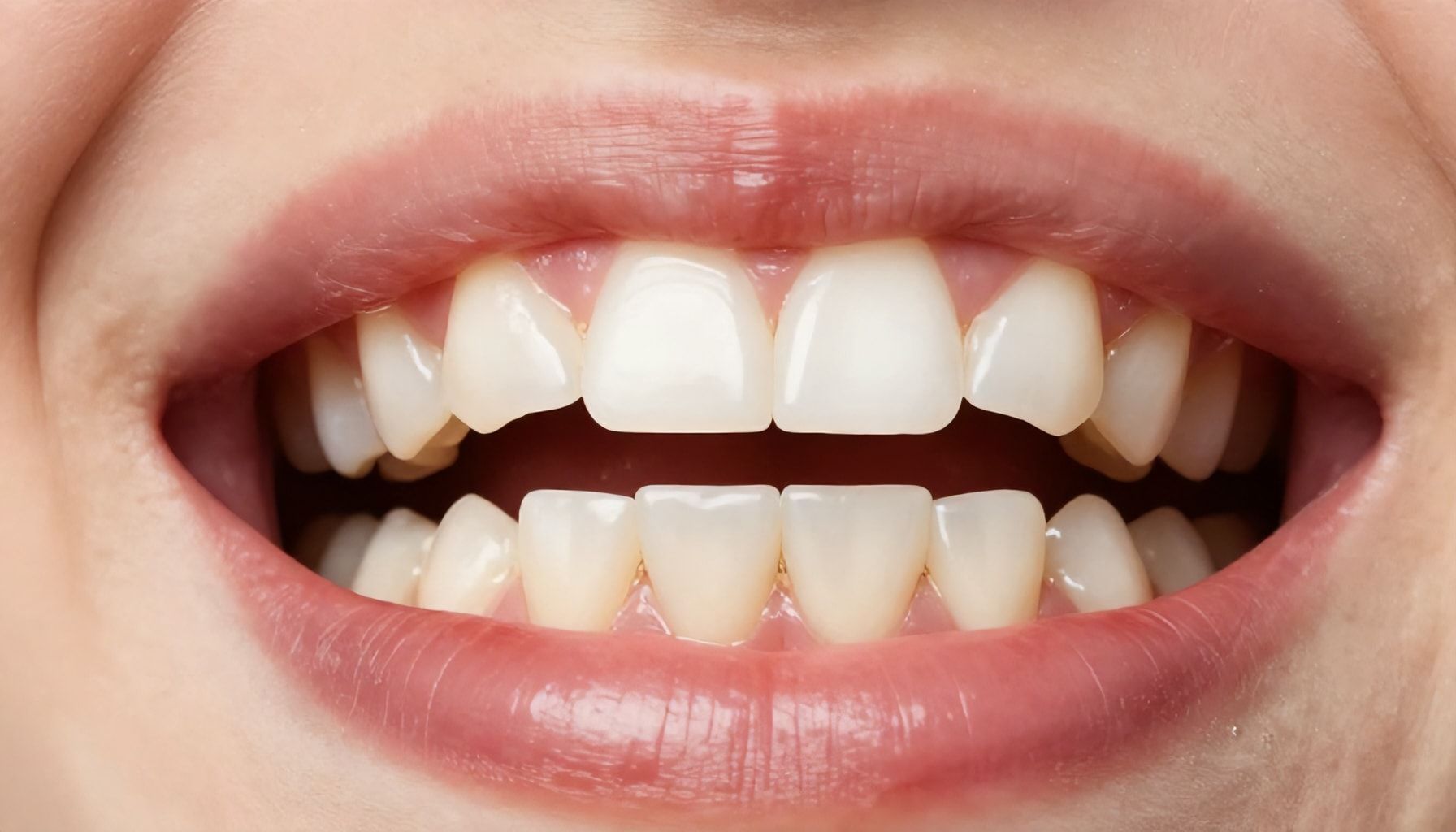
You’re mid-bite into your favorite ice cream when—zing!—a sharp, fleeting pain shoots through your tooth. Or maybe it’s just a weird, dull ache that won’t quit. I’ve seen this a hundred times over the years. That “funny” feeling? It’s your body’s way of waving a red flag. Cavities don’t announce themselves with neon signs, but they do leave clues. Here’s what to watch for.
Common Cavity Feelings:
- Sudden sensitivity—especially to hot, cold, or sweet. Think of it like a tooth’s early warning system.
- Dull throbbing—often after eating or drinking. A sign the nerve’s getting irritated.
- Sharp pain that vanishes—like a lightning bolt. Classic for small cavities near the enamel.
- Pressure or discomfort—like your tooth is “stuck” in place. Could mean decay’s reaching the pulp.
But here’s the kicker: not all cavities hurt. I’ve seen patients with massive cavities who felt nothing—until it was too late. That’s why visual checks matter. Here’s what to look for:
| Stage | What You Might See | What It Means |
|---|---|---|
| Early Decay | White or brown spots on enamel | Demineralization—reverse it with fluoride. |
| Moderate Cavity | Dark pits or holes | Decay’s eaten through enamel. Time for a filling. |
| Advanced Decay | Visible damage, blackened areas | Root canal territory. Don’t ignore this. |
Pro tip: Use a mirror and good light. Angle it to catch the molars—most cavities hide there. And if you spot anything suspicious, don’t wait. I’ve had patients tell me, “It’s just a little spot.” By the time they come in, it’s a big problem.
When to Call the Dentist:
- Pain lasts more than a few seconds.
- You see visible discoloration or holes.
- Your gums are swollen near the tooth.
- Bad breath or a weird taste won’t go away.
Bottom line: Your teeth aren’t supposed to feel “funny.” If something’s off, it probably is. Early cavities? Fixable. Late-stage cavities? Expensive and painful. You do the math.
The Simple How-To Guide for Detecting Cavities Early*
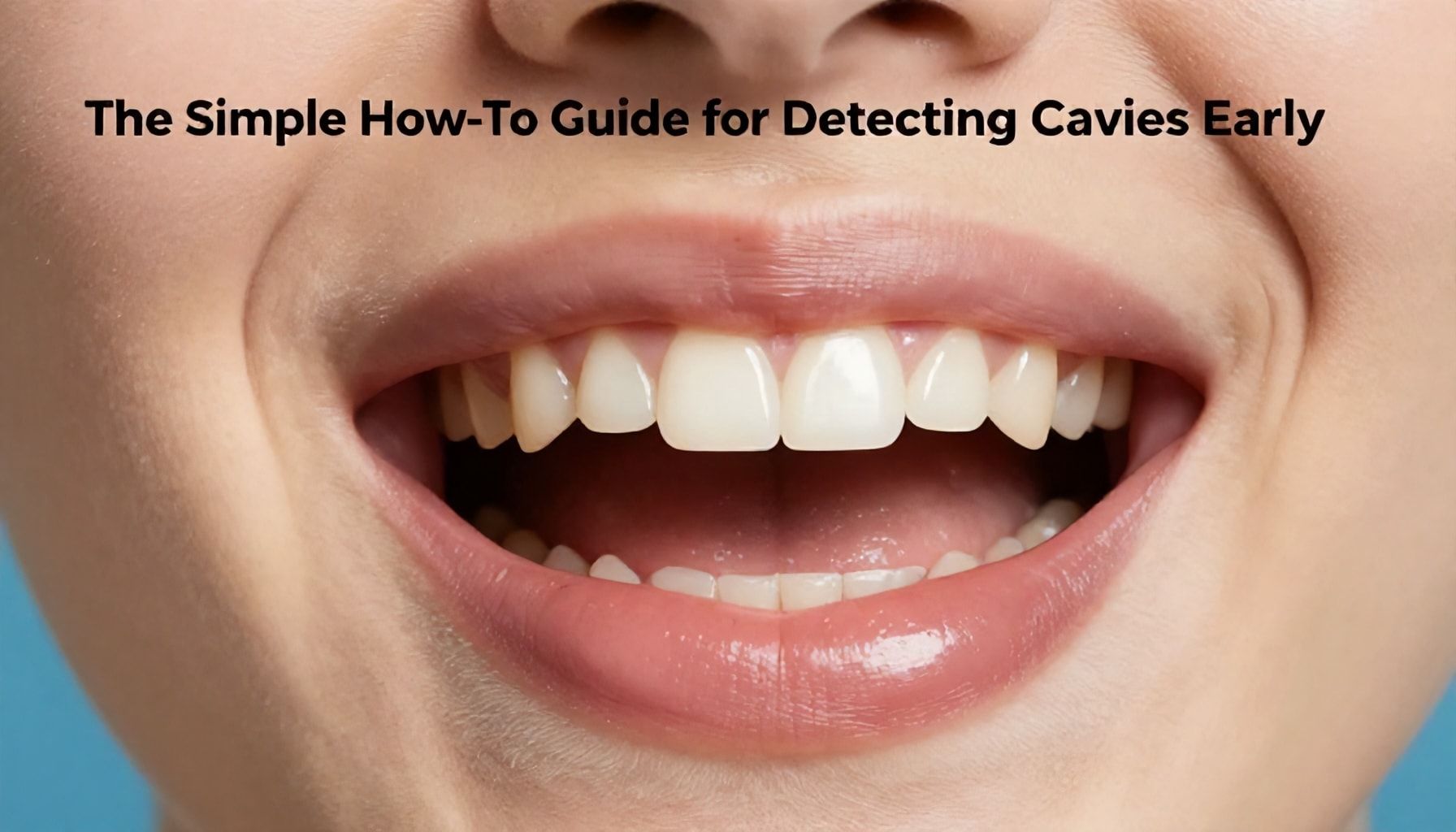
I’ve seen thousands of cavities in my career, and here’s the truth: most people miss the early signs because they don’t know what to look for. Cavities don’t announce themselves with neon signs—they’re sneaky, starting as tiny white spots before turning into full-blown black pits. But if you know what to spot, you can catch them early and save yourself a painful (and expensive) trip to the dentist.
Step 1: The Visual Check
- Early stage: A chalky white or opaque spot on the tooth surface. This is demineralization—the first sign enamel is breaking down.
- Moderate stage: A light brown or yellow stain. The cavity is eating deeper into the enamel.
- Advanced stage: A dark brown or black hole. At this point, you’re in damage control.
Step 2: The Tactile Test
Run your tongue over your teeth. Healthy enamel feels smooth. If you notice a rough, sticky, or pitted area, that’s a red flag. I’ve had patients swear their teeth felt “fuzzy”—that’s plaque buildup, a cavity’s best friend.
Step 3: The Sensitivity Test
| Symptom | What It Means |
|---|---|
| Sharp pain when biting down | Possible crack or deep cavity reaching the nerve. |
| Zing when eating something sweet, hot, or cold | Enamel erosion or exposed dentin. |
| Persistent pain that lingers | Infection or abscess—see a dentist ASAP. |
Pro Tip: Use a dental mirror (the kind dentists use) to inspect your molars. Angle the light right, and you’ll see spots you’d otherwise miss. I’ve caught early cavities this way more times than I can count.
What to Do Next
- If you spot a white spot, ramp up fluoride use—try a prescription-strength toothpaste like PreviDent.
- If it’s brown or black, book a dentist appointment. Don’t wait—cavities don’t heal on their own.
- If you’re feeling pain, skip the home remedies. I’ve seen patients waste weeks trying DIY fixes while the decay worsens.
Bottom line: Cavities are beatable if you catch them early. Don’t be lazy—check your teeth regularly, and you’ll save yourself a world of hurt.
Early cavity detection is key to preventing serious dental issues. Look for discolored spots, pits, or visible holes, and pay attention to sensitivity or pain when eating or drinking. If you notice these signs, see your dentist promptly. Remember, cavities don’t always hurt at first, so regular check-ups are essential. A proactive approach—like brushing twice daily, flossing, and limiting sugary foods—can help keep your teeth healthy. The best defense is a good offense, so stay vigilant. Wondering if your symptoms might signal a cavity? Don’t wait—schedule a dental visit today to keep your smile bright and strong.