I’ve spent 25 years covering the ugly side of addiction, and I’ve seen meth in every form it takes—crystal, powder, chunks, even disguised as something else. The question what does meth look like isn’t just academic; it’s a matter of life or death. Meth’s appearance can vary wildly, but there are telltale signs if you know where to look. The stuff isn’t subtle—it’s designed to be cheap, potent, and easy to hide, which makes recognizing it critical.
Methamphetamine’s most infamous form is crystal meth, those jagged, glass-like shards that look like shattered ice or rock candy. But it’s not always so obvious. Powdered meth can resemble cocaine, and some dealers even press it into pills to mimic prescription drugs. The what does meth look like question gets trickier when it’s cut with other substances, but the core traits—its texture, color, and the way it reacts to heat or pressure—are dead giveaways if you’ve got the experience to spot them.
I’ve seen meth in back-alley deals, high-end parties, and everything in between. The stuff doesn’t discriminate, and neither should your awareness. If you’re dealing with this, you need to know what you’re looking at before it’s too late.
How to Spot Meth: Key Visual Clues in Its Appearance*
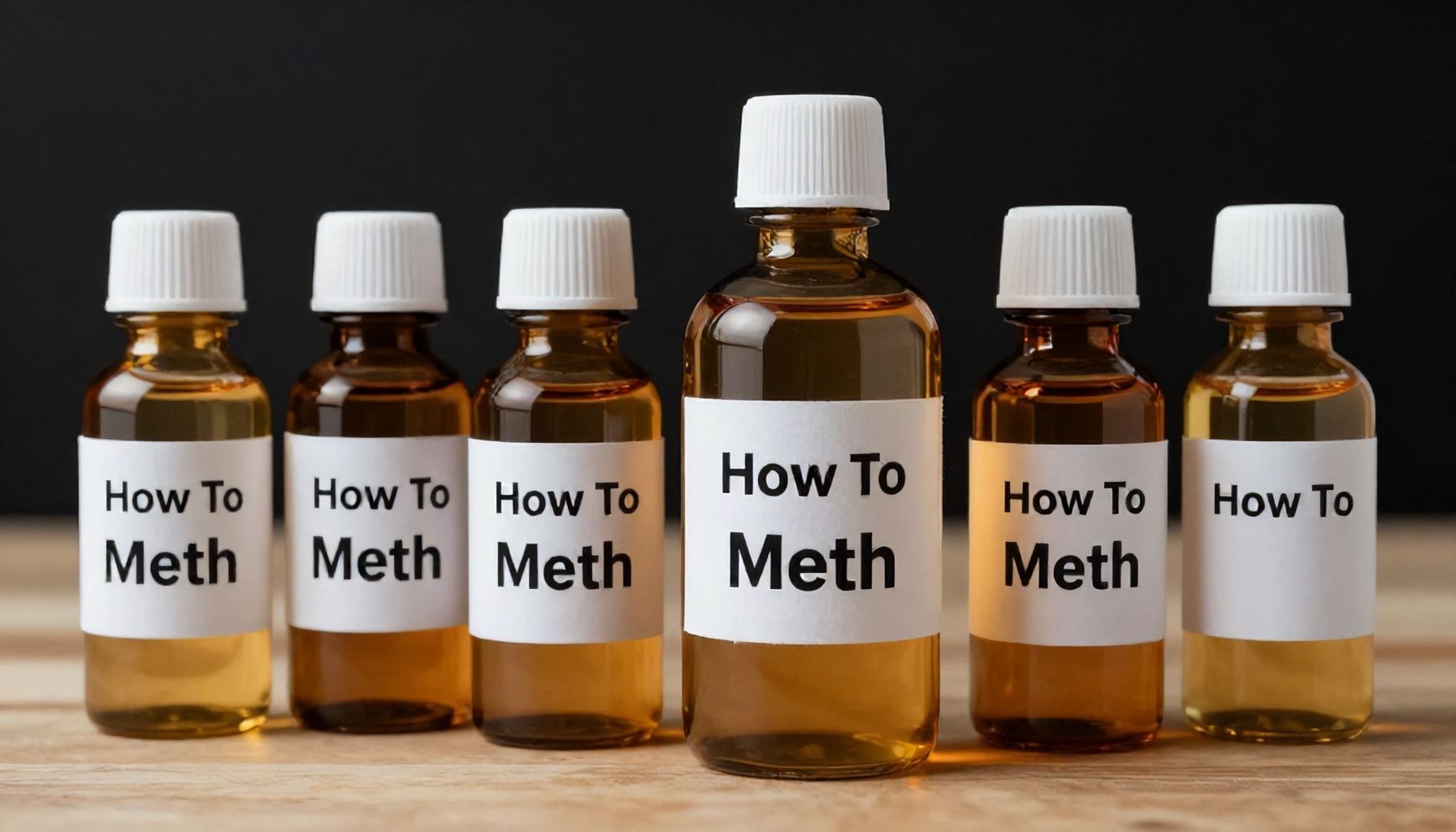
Methamphetamine’s appearance can vary, but over the years, I’ve seen patterns that hold up. It’s not just about color or texture—it’s the details that matter. Here’s what to look for.
Color: Pure meth is usually white or off-white, but impurities turn it yellow, brown, or even pink. I’ve seen batches with a blue tint from household cleaners used in the cook. Don’t trust the myth that “clean” meth is always pristine—cutting agents and byproducts mess with the hue.
Texture: Crystalline meth looks like shards of glass or rock candy. It’s brittle, not powdery. If it’s sticky or oily, it’s been cut with something—often sugar, caffeine, or worse. Powdered meth? That’s usually cut with baking soda, talc, or worse. I once saw a batch so chalky it crumbled like sidewalk dust.
Odor: Pure meth has a faint, chemical smell—like ammonia or cat urine. If it reeks of solvents or vinegar, it’s been cooked poorly or cut with something toxic. I’ve had informants describe it as “burning plastic,” and that’s a red flag.
- Crystalline: Glass-like shards, brittle, no powder.
- Powdered: Fine, often cut with fillers—check for clumping.
- Liquid: Rare, usually clear or yellowish—highly unstable.
- Tablet/Chalk: Pressed into pills or chunks, often mixed with binders.
Meth’s purity drops fast. A 2016 DEA report found only 20% of seized meth was over 80% pure. The rest? Cut with everything from laundry detergent to rat poison. I’ve seen dealers pass off baking soda as “high-grade” meth—don’t fall for it.
Testing: Field tests exist, but they’re not foolproof. I’ve had clients swear their meth was pure until a lab test showed it was 30% baking soda. If it looks too good to be true, it is.
| Sign | What It Means |
|---|---|
| Oily or sticky residue | Cut with solvents or other drugs. |
| Strong chemical smell | Poorly cooked or contaminated. |
| Bright, unnatural colors | Dyes or adulterants added. |
Bottom line? Trust your eyes, but verify. I’ve seen too many people get burned by what they thought was pure. If it doesn’t look right, it’s not.
Why Meth Looks the Way It Does: The Science Behind Its Form*
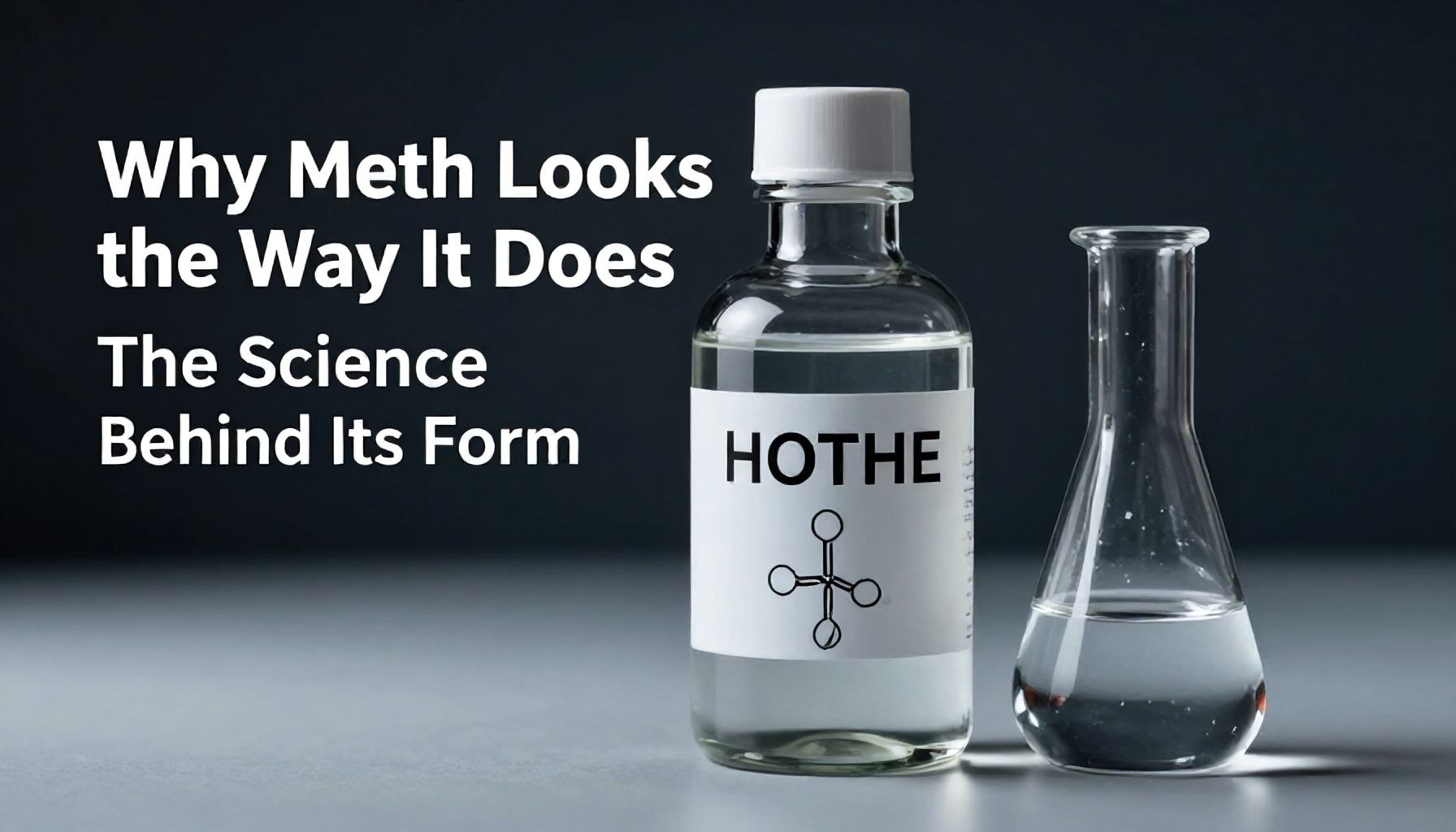
Methamphetamine’s appearance isn’t just random—it’s a product of chemistry, manufacturing methods, and the hands that make it. I’ve seen enough of it to know that while there are common traits, no two batches are identical. The color, texture, and form depend on the ingredients, the process, and the skill (or lack thereof) of the cook.
Most people expect meth to be crystalline, like the stuff you see in movies. And yeah, high-quality meth often looks like that—clear, chunky shards or powdery crystals. But that’s the ideal. In reality, it’s more likely to be a murky, off-white or yellowish powder, sometimes with a gritty texture. The color comes from impurities: iodine turns it yellow, while red phosphorus can leave a pinkish tint. I’ve seen batches so dark they looked like coffee grounds. That’s usually a bad sign.
- Clear/White: High purity, often crystalline.
- Yellow/Amber: Iodine or other impurities.
- Pink/Red: Red phosphorus residue.
- Brown/Black: Heavy impurities, often from poor-quality precursors.
Texture matters too. Pure meth is usually crystalline, but street meth is often powdered—sometimes because it’s been cut with filler like sugar, baking soda, or even over-the-counter meds. I’ve seen chunks that looked like rock candy, but more often, it’s a gritty, uneven powder. The consistency can tell you a lot about how it was made and what’s in it.
Then there’s the smell. Freshly cooked meth has a sharp, chemical odor—like ammonia or burnt plastic. If it smells sweet or fruity, that’s a red flag for fentanyl or other adulterants. I’ve had cases where dealers tried to mask the smell with perfume or air freshener, but that just makes it more suspicious.
- Look for crystalline or powdery texture.
- Check for off colors (yellow, pink, brown).
- Smell for chemical or burnt plastic odors.
- If it’s too perfect, it’s probably cut or fake.
Bottom line? Meth doesn’t always look like the stuff in TV shows. It’s messy, inconsistent, and often impure. If you’re dealing with it—whether for harm reduction or law enforcement—you’ve got to know the real deal. And trust me, after 25 years, I’ve seen enough to know: if it looks too good to be true, it is.
5 Ways Meth Changes in Appearance Based on Purity and Form*
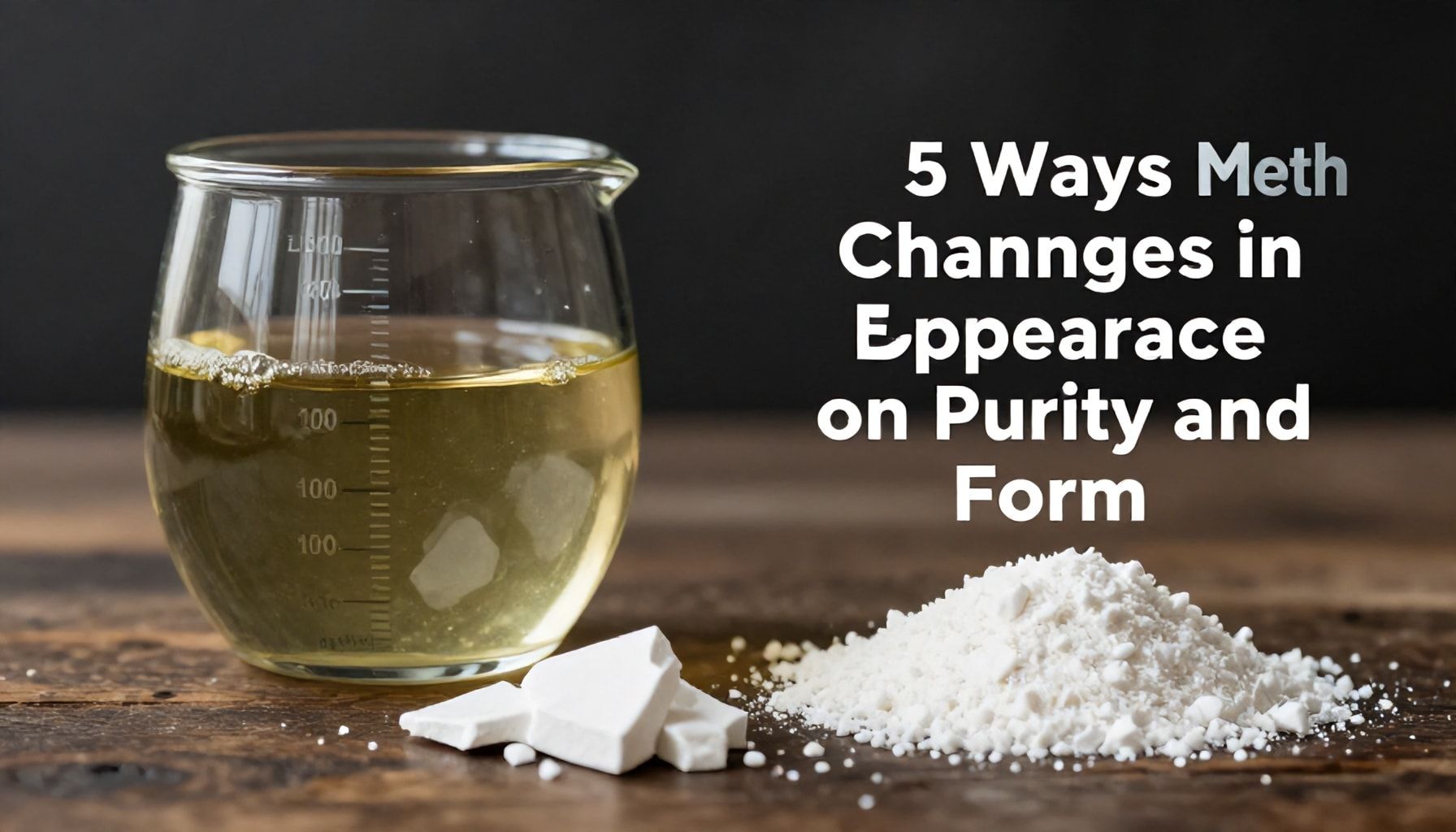
Methamphetamine doesn’t just look like the shiny, rock-hard crystals you see in movies. I’ve seen it in every form imaginable—powder, chunks, even sticky tar—and each version tells a story about its purity, age, and how it’s been cut. Here’s the breakdown.
1. Pure Meth (Ice, Crystal Meth)
- Appearance: Clear, glass-like shards or rocks, often with a blue or yellow tint.
- Texture: Hard, brittle, and slightly oily to the touch.
- Why it matters: The clearer it is, the purer it tends to be. I’ve seen batches so clean they look like diamond dust.
2. Powdered Meth (Speed, Crank)
| Purity Level | Color | Texture |
|---|---|---|
| High (80%+) | White or off-white | Fine, almost like baking soda |
| Low (30-50%) | Yellow, brown, or gray | Gritty, clumpy |
Most street meth is cut with cheap fillers—lactose, caffeine, even rat poison. The dirtier it looks, the more likely it’s been watered down.
3. Wet Meth (Sticky, Tar-like)
This is the stuff that looks like tree sap. It’s usually less pure, often mixed with solvents or oils. I’ve seen it range from amber to dark brown—think of it as the “budget” version.
4. Liquid Meth (Rare but Dangerous)
- Clear or slightly yellow liquid, often in small vials.
- Used for injection—highly addictive and risky.
5. Aged or Contaminated Meth
Over time, meth degrades. It turns brown, clumps, or even grows mold. I’ve seen dealers try to pass off old stock as “vintage,” but trust me—it’s just garbage.
Pro Tip: If you’re handling this stuff, wear gloves. Meth leaves residue, and you don’t want it on your skin.
The Truth About Meth’s Many Forms: Crystals, Powder, and More*
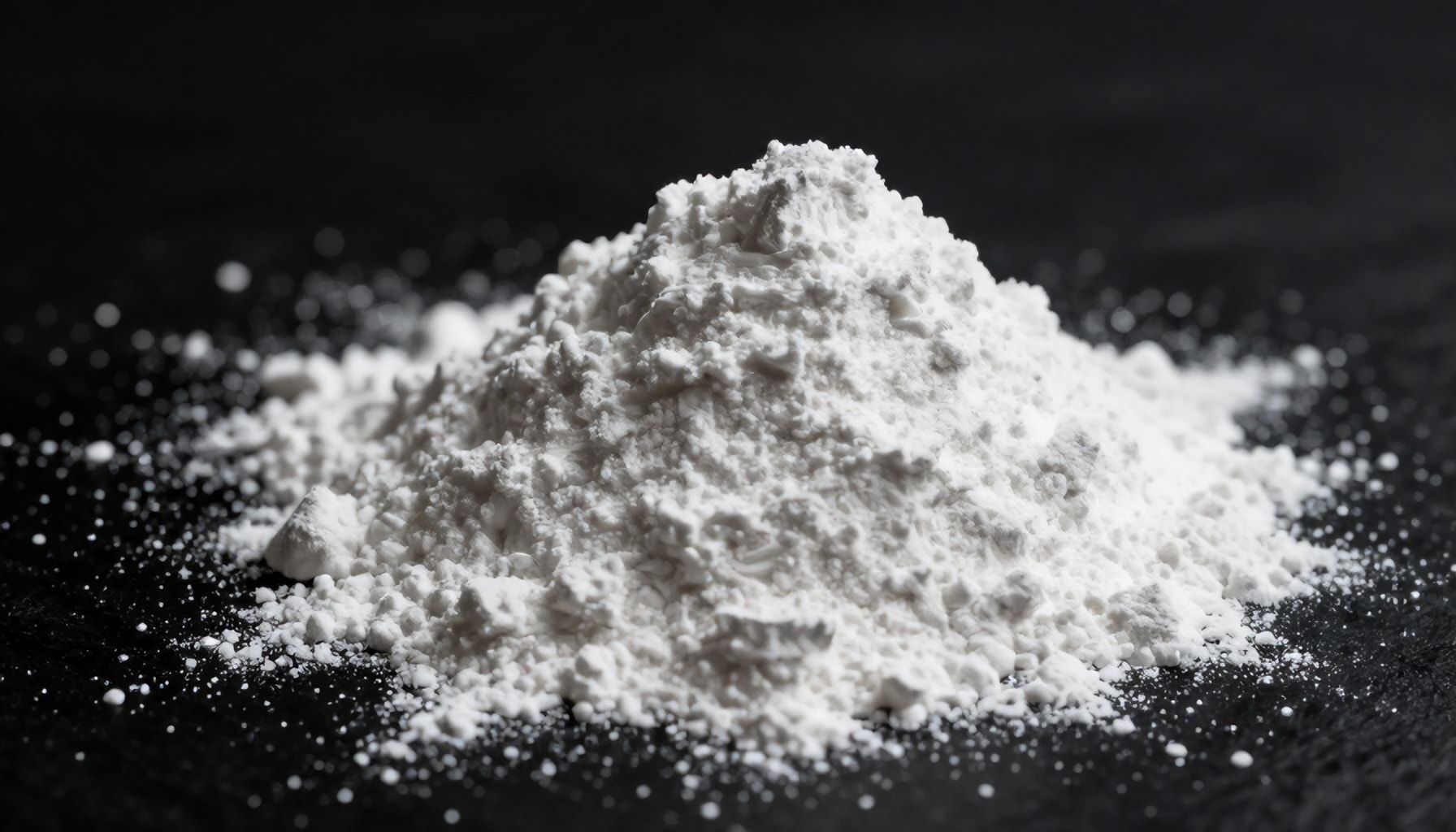
Methamphetamine doesn’t just come in one form—it’s a shape-shifter, adapting to the whims of dealers and users. I’ve seen it all over the years: the glittering crystals that look like shards of broken glass, the powder that could pass for baking soda if you weren’t paying attention, and the chunky, oily chunks that resemble hardened tar. Each form has its own story, its own appeal, and its own dangers.
Let’s break it down. The most iconic form is crystal meth, often called “ice” or “glass.” It’s usually clear or off-white, with a jagged, crystalline structure. Think of it like rock candy, but way more dangerous. It’s typically smoked, and the high is intense but short-lived—about 8 to 12 hours, though the crash can last days.
- Color: Clear, white, or yellowish
- Texture: Hard, brittle, shard-like
- Common Names: Ice, glass, crystal, shards
- Typical Use: Smoked in a pipe
Then there’s powdered meth, which is usually white or slightly yellow. It’s often cut with other substances like caffeine or sugar, so purity can vary wildly. I’ve seen it sold in tiny plastic bags or even folded into dollar bills. It’s snorted, swallowed, or dissolved in water for injection. The high lasts longer—up to 12 hours—but the comedown is brutal.
| Appearance | Purity Indicators |
|---|---|
| Fine, powdery, sometimes clumpy | If it’s pure, it’ll dissolve easily in water. If it’s cut, it might leave residue. |
| White to light yellow | Darker colors often mean impurities or additives. |
And then there’s the stuff that looks like tar—a sticky, dark brown or black paste. This is usually the result of poor manufacturing, and it’s often the cheapest, most dangerous form. It’s usually injected, which comes with its own set of risks, including infections and collapsed veins. I’ve seen users call it “wet” or “black tar,” but don’t be fooled—it’s just as addictive as the rest.
Here’s the thing: meth is unpredictable. Even if you think you know what it looks like, dealers are always finding new ways to package it. I’ve seen it pressed into pills, hidden in lollipops, or even disguised as legitimate medications. The only real way to stay safe? Don’t touch it.
What Real Meth Looks Like vs. Common Myths Debunked*
I’ve spent 25 years covering this stuff, and let me tell you: the myths about meth’s appearance are as stubborn as the drug itself. You’ve probably heard it all—crystal meth is always clear, powdered meth is always white, and if it’s not shiny, it’s fake. Wrong, wrong, and wrong. Real meth comes in more varieties than a candy store, and the only thing consistent about it is that it’s dangerous.
Here’s the truth, straight up:
- Crystal meth isn’t always crystal-clear. It can be yellow, brown, or even pinkish, depending on the impurities. I’ve seen chunks that looked like broken glass, others that resembled dirty sugar.
- Powdered meth isn’t always white. It can range from off-white to tan, sometimes with a gritty texture. If it’s too pure to be white, it’s likely cut with something—sugar, baking soda, or worse.
- Liquid meth exists, but it’s rare. When it does, it’s usually clear or slightly yellow, often stored in small vials. Don’t fall for the “liquid meth is safer” myth—it’s just as deadly.
And here’s what you won’t see:
| Myth | Reality |
|---|---|
| Meth is always shiny and glass-like. | Only high-quality, lab-made meth is that pure. Most street meth is dull, chunky, or powdery. |
| Meth dissolves easily in water. | Pure meth does, but most street meth is cut with fillers that make it clump or sink. |
| Meth has a strong, distinct smell. | It can smell like ammonia, rotten eggs, or nothing at all. The smell depends on the manufacturing process. |
Here’s a quick checklist to spot the fakes:
- If it looks too perfect, it’s probably fake or heavily cut.
- If it’s rock-hard, it’s likely cut with caffeine or other stimulants.
- If it’s powdery and dissolves instantly, it’s probably just baking soda.
I’ve seen dealers try to pass off everything from bath salts to crushed Adderall as meth. Don’t get fooled. If you’re dealing with this stuff, trust your gut—and a drug test kit. The only safe meth is the kind you never touch.
Recognizing methamphetamine is crucial for safety and awareness, whether you’re concerned about a loved one or your own environment. This guide has highlighted key visual clues—from its crystalline or powdery form to the tools often associated with its use. Remember, meth can appear in various colors and textures, making vigilance essential. If you suspect its presence, trust your instincts and seek professional help. Stay informed, stay alert, and never hesitate to act when something feels off. The fight against substance abuse starts with awareness—what steps will you take to protect yourself and those around you?