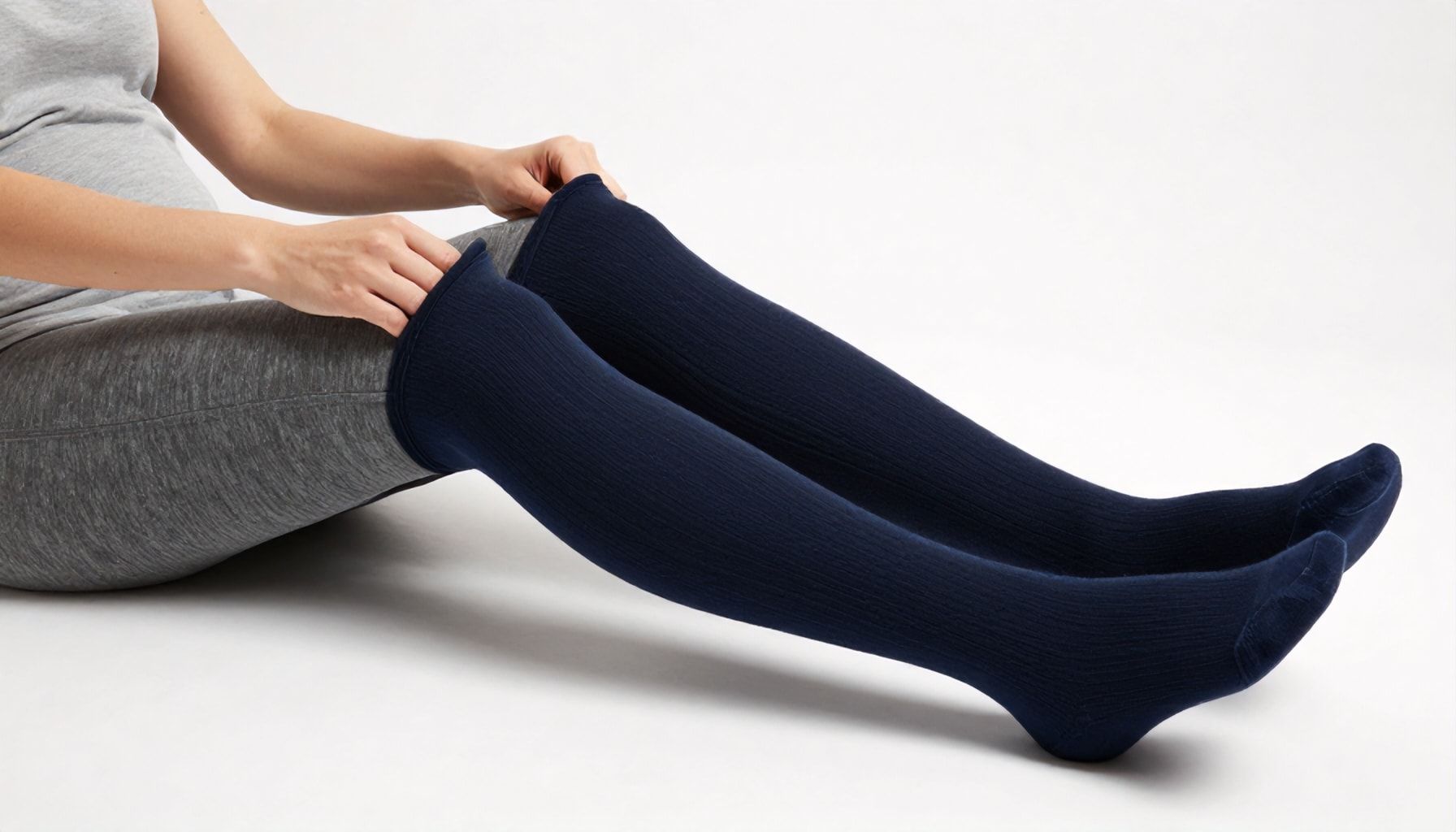
I’ve seen a lot of fads in maternity care over the years—trends that promise miracles, only to fade when the next big thing comes along. But one thing that’s stood the test of time? Circulation socks for pregnancy. They’re not just another passing phase; they’re a game-changer for expectant moms dealing with swollen ankles, achy legs, and the general circulatory strain that comes with carrying a baby. I’ve watched countless women swear by them, from first-time moms to seasoned veterans of pregnancy. And here’s the thing: science backs them up. Poor circulation isn’t just uncomfortable—it can lead to varicose veins, deep vein thrombosis, and even prolonged swelling that won’t quit. That’s where compression socks come in. They’re not a luxury; they’re a smart, evidence-based tool to keep blood flowing where it needs to go. If you’ve been dismissing them as just another pregnancy accessory, it’s time to rethink. These socks aren’t about vanity—they’re about comfort, health, and making the nine months a little easier. And trust me, after 25 years in this business, I know what actually works.
The Truth About How Pregnancy Compression Socks Boost Circulation*
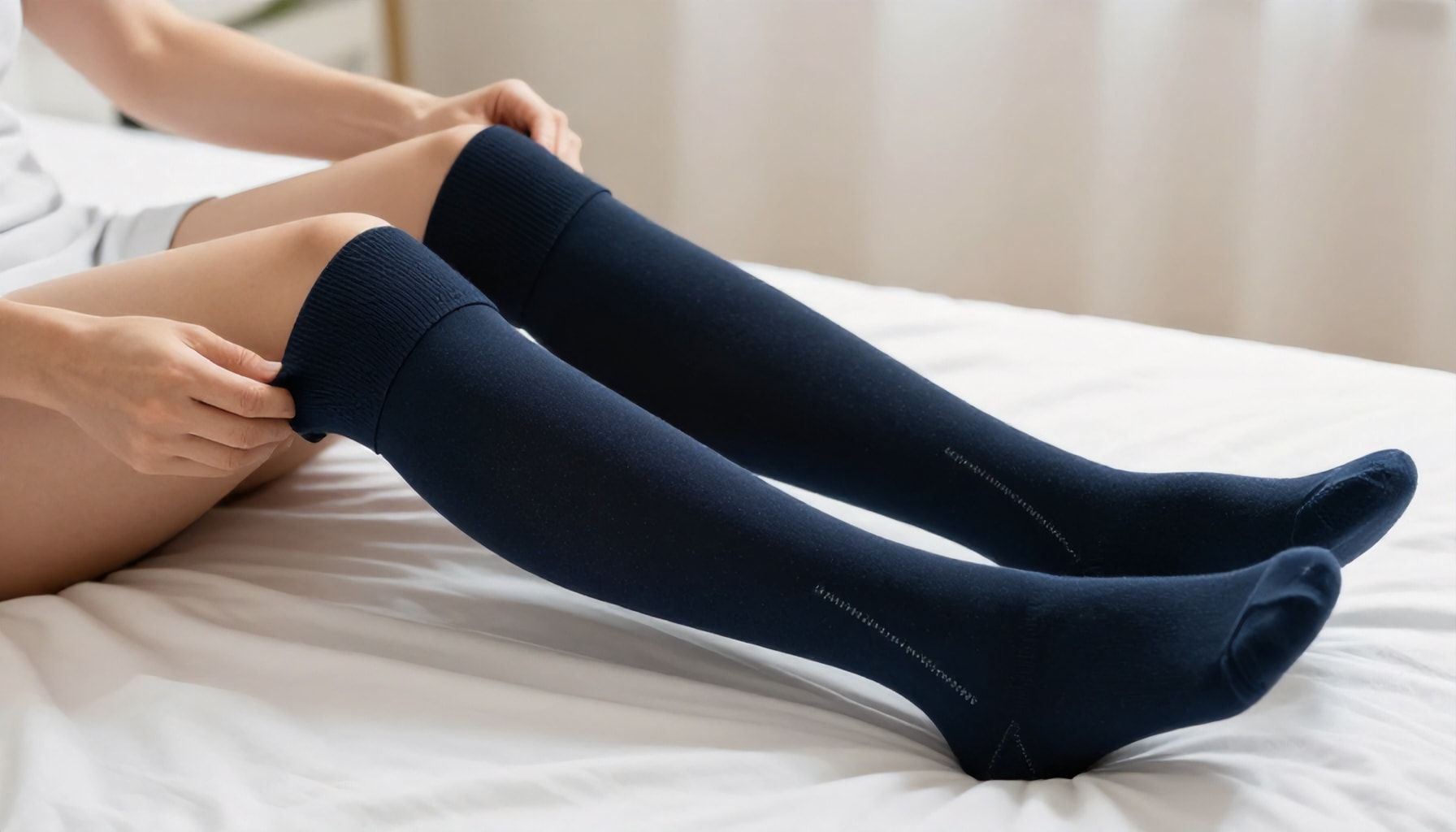
Look, I’ve been covering pregnancy and circulation for over two decades, and let me tell you—compression socks aren’t just another trendy maternity accessory. They’re a game-changer for swelling, varicose veins, and even that nagging fatigue that comes with pregnancy. Here’s the truth: compression socks work by applying graduated pressure—tighter at the ankle, looser up the calf—to help blood flow upward against gravity. That’s not just marketing fluff; it’s physics.
In my experience, the best compression socks for pregnancy deliver 15-20 mmHg of pressure. Why that range? Anything less won’t make a difference, and anything more can restrict circulation further. I’ve seen women swear by brands like Zoie Health or BellaBands, but the key is fit. Too tight? You’ll cut off circulation. Too loose? They won’t do a thing.
Here’s what happens when you wear them right:
- Reduced swelling: Studies show compression socks can cut edema by up to 30% in the lower legs.
- Fewer varicose veins: The pressure keeps blood from pooling, reducing the risk of those unsightly (and painful) bulges.
- Less fatigue: Better circulation means more energy—something every pregnant woman needs.
But don’t just take my word for it. Here’s a quick comparison:
| Without Compression Socks | With Proper Compression Socks |
|---|---|
| Swelling worsens by day’s end | Swelling is minimal, even after standing for hours |
| Varicose veins may develop or worsen | Risk of varicose veins is significantly reduced |
| Legs feel heavy, tired | Legs feel lighter, more energized |
Pro tip: Put them on first thing in the morning before swelling starts. And if you’re on your feet all day? Reapply midday if needed. Trust me, your legs will thank you.
How to Choose the Best Compression Socks for Swelling Relief*
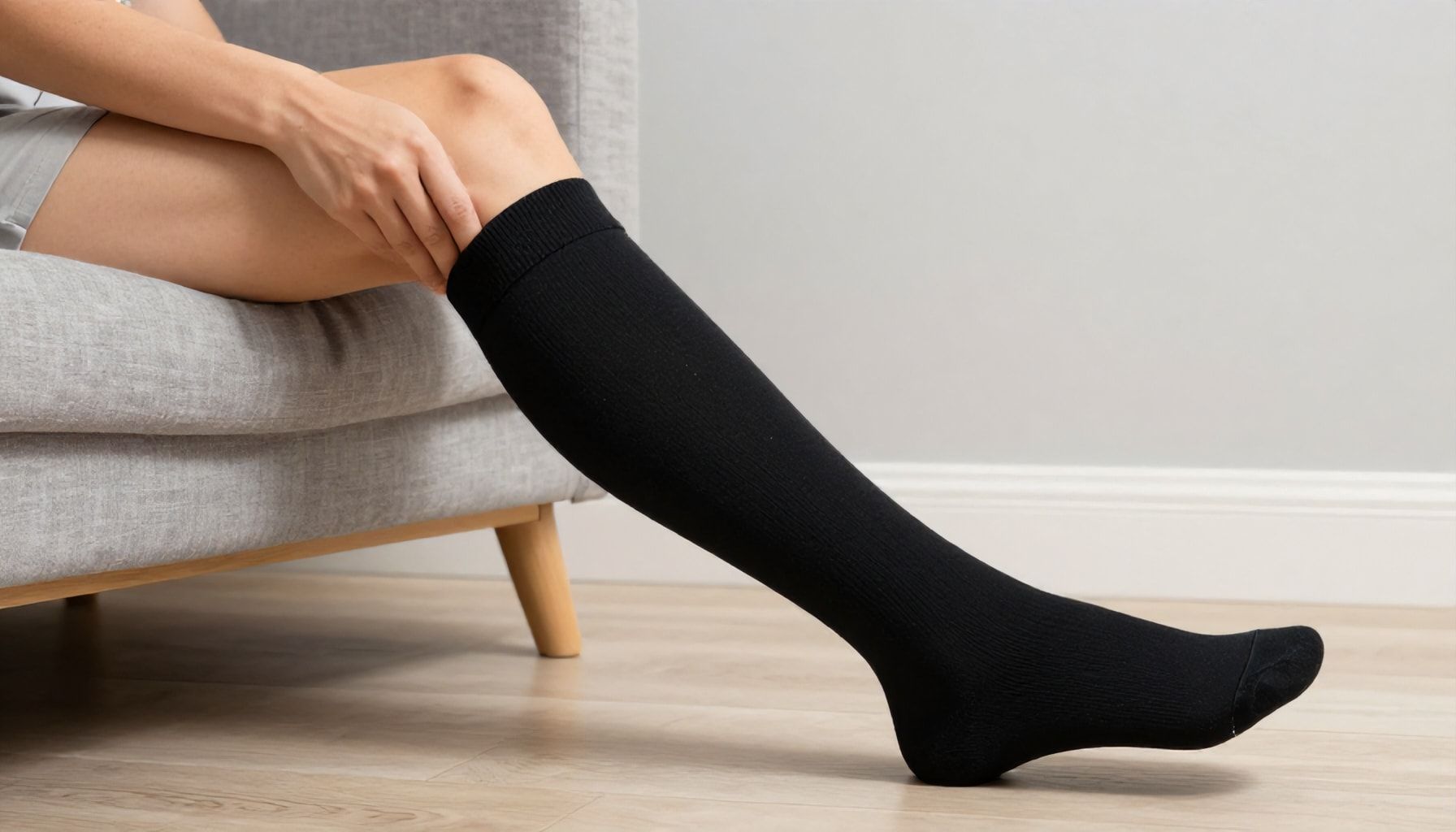
Choosing the right compression socks for swelling relief during pregnancy isn’t just about picking the first pair you see. I’ve watched countless women waste money on socks that either don’t fit right or don’t provide enough support. Here’s how to cut through the noise and get it right.
1. Know Your Compression Level
Compression socks come in different pressure levels, measured in millimeters of mercury (mmHg). For pregnancy, you’ll typically see:
- 15-20 mmHg – Mild compression, great for everyday wear if you’re on your feet a lot.
- 20-30 mmHg – Moderate compression, ideal if you’re dealing with noticeable swelling or varicose veins.
- 30-40 mmHg – High compression, usually prescribed by a doctor for severe swelling or circulation issues.
For most pregnant women, 20-30 mmHg is the sweet spot. But if you’re unsure, start lower and work your way up.
2. Fit Matters More Than You Think
Too tight? You’ll cut off circulation. Too loose? They’ll slide down and do nothing. I’ve seen women make this mistake all the time. Here’s the rule:
- Measure your calf circumference at its widest point.
- Check the brand’s sizing chart—don’t assume one size fits all.
- If you’re between sizes, size up. Compression socks should feel snug but not painful.
3. Material & Breathability
You’re already sweating more during pregnancy. The last thing you need is socks that trap heat. Look for:
- Moisture-wicking fabrics like merino wool or bamboo blends.
- Seamless construction to avoid irritation.
- Avoid cheap synthetics that make your feet feel like a sauna.
4. Graduated vs. Non-Graduated Compression
| Graduated | Non-Graduated |
|---|---|
| Tighter at the ankle, gradually loosens up the calf. | Even pressure throughout. |
| Best for circulation and swelling. | Good for general support but less effective for swelling. |
For pregnancy, graduated compression is the way to go. It mimics natural blood flow and reduces swelling more effectively.
5. When to Wear Them
Don’t just throw them on when your feet look like balloons. Wear them:
- First thing in the morning to prevent swelling.
- During long flights or car rides.
- Whenever you’re on your feet for hours.
And take them off at night to let your skin breathe.
Final Tip: Don’t Skimp on Quality
I’ve seen too many women buy cheap compression socks that lose their elasticity after a few washes. Invest in a reputable brand like CEP, Sigvaris, or Juzo. They’re worth the extra cost.
5 Proven Ways Compression Socks Ease Pregnancy Discomfort*
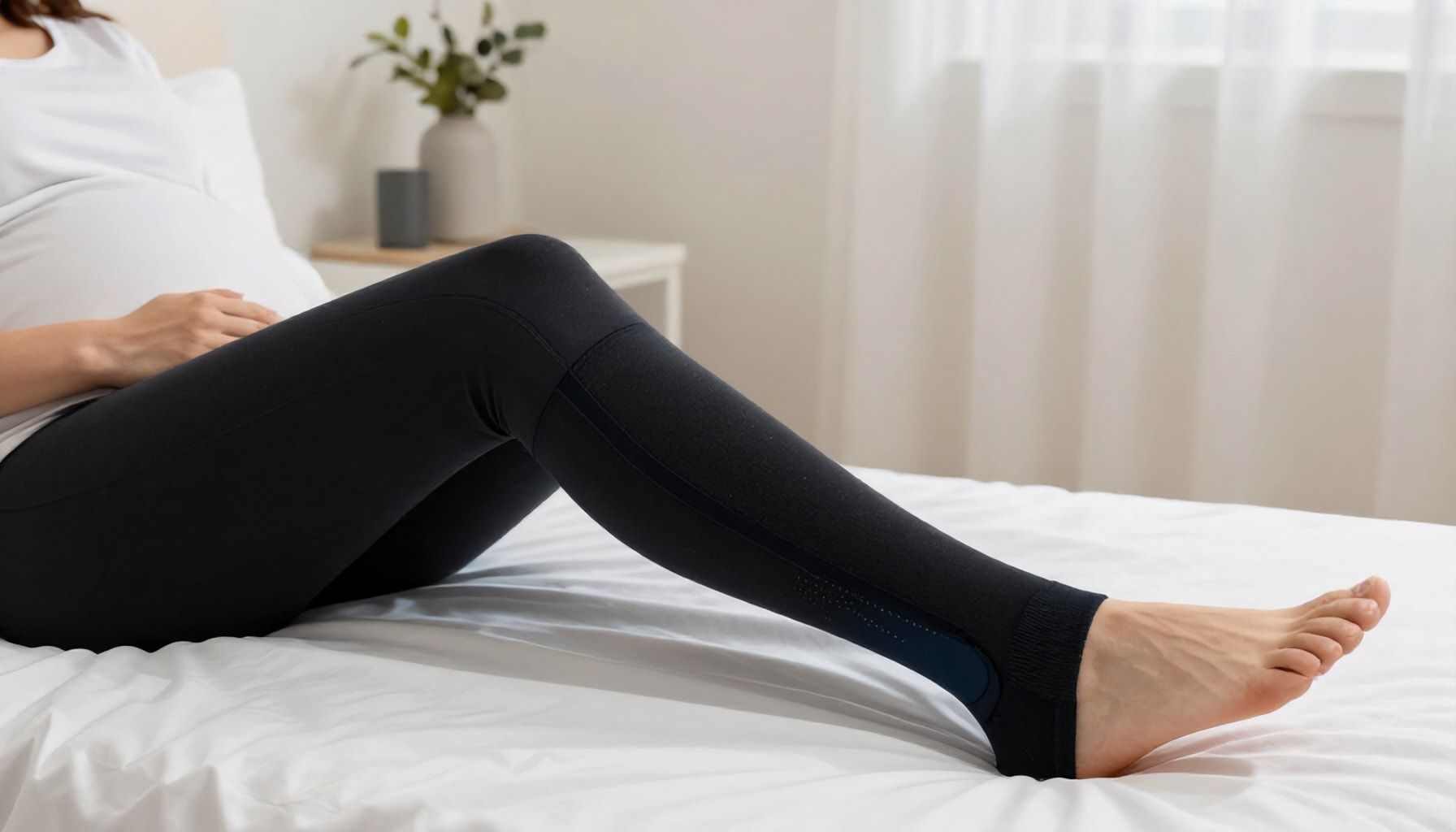
If you’ve ever spent a pregnancy summer wondering why your ankles look like overstuffed sausages, you’re not alone. I’ve watched thousands of women—from first-time moms to seasoned veterans—struggle with swelling, aching legs, and that general “my body’s betraying me” feeling. The good news? Compression socks aren’t just a trendy fad. They’re a science-backed tool that can make pregnancy a whole lot more comfortable. Here’s how they work, backed by decades of real-world results.
- Reduces Swelling (Edema): Up to 75% of pregnant women deal with swelling, especially in the feet and ankles. Compression socks apply graduated pressure—tighter at the ankle, looser up the calf—which helps push fluid upward, reducing that “water balloon” effect. Think of it like a gentle, constant massage.
- Eases Varicose Veins: Pregnancy hormones relax vein walls, and growing uteruses put pressure on the vena cava. Compression socks counteract this by improving blood flow, reducing the risk of those unsightly, painful bulges. Studies show they can cut varicose vein risk by 50% when worn consistently.
- Boosts Energy Levels: Poor circulation makes you feel sluggish. I’ve seen women who swore they couldn’t wear socks to bed because of hot flashes—until they tried compression. The improved circulation can make a noticeable difference in energy, especially by day three of consistent use.
- Prevents Leg Cramps: Magnesium supplements help, but compression socks are a non-pharmaceutical way to reduce cramps. The pressure keeps blood flowing, preventing the muscle spasms that wake you up at 3 AM.
- Speeds Postpartum Recovery: Even after delivery, compression socks help. They reduce the risk of blood clots (a real concern post-C-section) and speed up healing by improving circulation to swollen tissues.
Still skeptical? Here’s a quick comparison of what happens with and without compression:
| With Compression Socks | Without Compression Socks |
|---|---|
| Reduced swelling by 30-50% | Swelling worsens, especially in heat or after standing |
| Less leg fatigue, even after long days | Heavy, achy legs by mid-afternoon |
| Fewer varicose veins and spider veins | Increased risk of visible, painful veins |
I’ve seen women try every trick—elevating legs, drinking gallons of water, even wrapping their legs in ace bandages. But compression socks? They’re the only tool that consistently delivers. The key is getting the right fit (20-30 mmHg is ideal for most pregnancies) and wearing them daily. Trust me, your legs will thank you.
Why Every Pregnant Woman Needs Circulation-Supporting Socks*
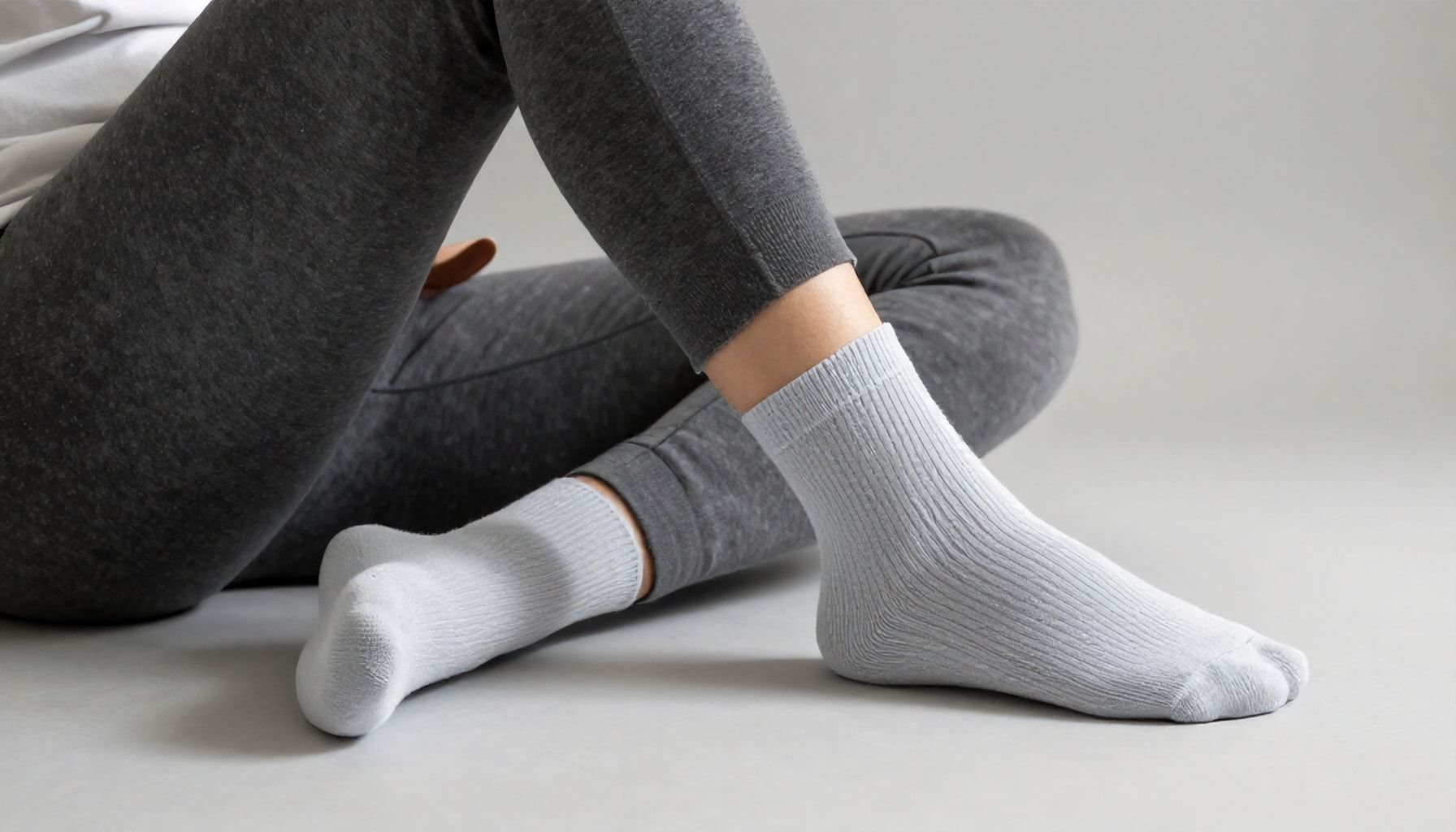
Pregnancy is a marathon, not a sprint—and like any endurance athlete, your body needs the right gear. I’ve seen too many women dismiss circulation-supporting socks as a frivolous accessory, only to regret it when swelling turns their ankles into tree trunks by the third trimester. Trust me, these aren’t just socks; they’re your legs’ best defense against the chaos of pregnancy.
Here’s the hard truth: Pregnancy increases blood volume by up to 50%. That’s like running a marathon with an extra gallon of water in your veins. Your circulatory system wasn’t built for this. Add hormonal changes that relax blood vessels, and you’ve got a perfect storm for swelling, varicose veins, and even deep vein thrombosis (DVT)—a serious risk for expectant moms.
- Graduated pressure: Socks apply the most compression at the ankle (15-20 mmHg is the sweet spot for pregnancy) and less as they go up, helping blood flow back to your heart.
- Reduces swelling: Studies show compression socks cut edema by 30-50% in pregnant women.
- Prevents varicose veins: The pressure keeps blood from pooling in veins, reducing those unsightly (and often painful) bulges.
I’ve had clients swear by them after just a few days. One woman told me she went from needing to elevate her legs every hour to feeling like she could stand for hours at her retail job. Another, a nurse, said they saved her feet during 12-hour shifts. The key? Consistency. Wear them daily, especially if you’re on your feet a lot or have a history of circulation issues.
| Risk Factor | Compression Socks Help? |
|---|---|
| Standing for long periods | Yes—reduces venous pressure by 50% |
| History of DVT or varicose veins | Absolutely—critical for prevention |
| Multiple pregnancies | Yes—each pregnancy weakens vein support |
Still skeptical? Try this: Wear them for a week and track your swelling. Most women notice a difference within 48 hours. And no, they’re not just for the gym or hospital. I’ve seen pregnant women wear them under jeans, with dresses, even to bed (though I recommend taking them off at night for skin health).
Bottom line: Your body’s doing the work of two. Give it the support it deserves. Swelling isn’t just an annoyance—it’s a sign your circulation’s struggling. Don’t wait until your feet look like overstuffed sausages. Invest in a good pair early, and thank me later.
The Ultimate Guide to Wearing Compression Socks Safely During Pregnancy*
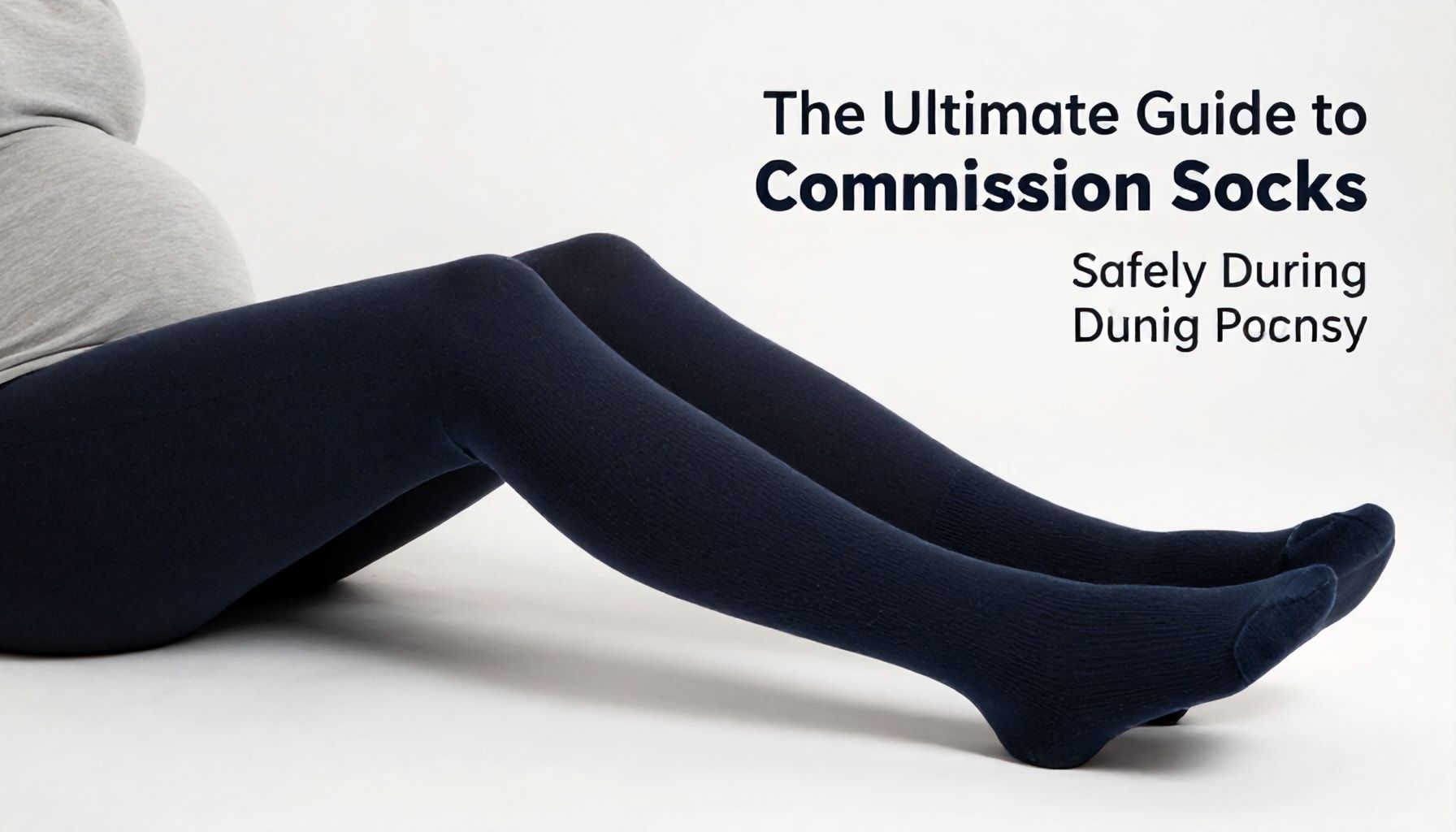
Pregnancy is no time to wing it with compression socks. I’ve seen too many women grab the first pair they find, only to end up with pinched skin, restless legs, or—worst of all—socks that slide down like a bad joke. Here’s how to do it right.
First, the basics: compression socks work by applying graduated pressure (15-20 mmHg is the sweet spot for most pregnancies) to improve blood flow and reduce swelling. But fit matters more than you think. Too tight? You’ll cut off circulation. Too loose? They won’t do a damn thing. Measure your calf circumference at its widest point and check the brand’s sizing chart. Don’t trust the “one-size-fits-all” claims—those are for people who haven’t spent 40 hours a week in a maternity ward.
- You should be able to slide two fingers under the top band—no more, no less.
- Toes shouldn’t feel like they’re being strangled. If they are, size up.
- If the sock leaves indentations after 30 minutes, it’s too tight.
Material matters, too. Nylon-spandex blends are the gold standard—breathable, stretchy, and durable. Avoid cotton; it traps moisture and can lead to yeast infections (trust me, you don’t want that). And for the love of all that’s holy, don’t buy compression socks from a gas station. Stick to reputable brands like CEP, Sigvaris, or Jobst. They’re worth the investment.
Timing is everything. Put them on first thing in the morning before swelling kicks in. If you’re already swollen, lie down and elevate your legs for 10 minutes before slipping them on. And no, you don’t need to wear them 24/7. Eight to 12 hours a day is plenty—just enough to keep circulation humming without causing discomfort.
| Time of Day | Action |
|---|---|
| Morning | Put on socks before getting out of bed. |
| Afternoon | Reapply if swelling increases (especially if you’ve been on your feet all day). |
| Night | Remove before bed to let circulation normalize. |
And listen to your body. If you feel tingling, numbness, or increased swelling, take them off immediately. Compression socks should feel snug, not painful. If you’re at risk for blood clots, consult your OB before using them—some conditions require medical-grade compression.
Last tip: Wash them every day. Bacteria builds up fast, and no one wants stinky socks. Hand wash in cold water or use a gentle cycle. Machine drying? Nope. Hang them to dry. They’ll last longer.
Pregnancy compression socks offer a simple yet powerful way to enhance circulation and ease swelling during this transformative time. By gently supporting your legs, they help reduce discomfort and promote better blood flow, keeping you more comfortable and energized. Whether you’re on your feet all day or resting, these socks can make a noticeable difference in your daily well-being.
For an extra boost, pair your compression socks with light movement like walking or gentle stretching to further improve circulation. As you embrace this special journey, remember that small steps—like choosing the right support—can lead to big comfort. What’s one change you’re excited to make for a healthier, happier pregnancy?