You’ve probably seen it before—a red, swollen bump on someone’s eyelid, and your first thought is, Is that contagious? I’ve spent 25 years answering that exact question, and here’s the truth: a stye isn’t contagious in the way you might think. It’s not like the flu, but that doesn’t mean you should ignore it. Styes are caused by bacteria—usually Staphylococcus—that infect an oil gland in the eyelid. You can’t catch it just by being near someone, but if they’ve got crusty discharge or are touching their eye and then, say, a doorknob, well, now we’re talking. The real risk comes from sharing makeup, towels, or pillowcases. I’ve seen people panic over nothing, and I’ve seen others brush it off when they should’ve been more careful. So, is a stye contagious? Not directly, but bad habits can spread it. Here’s what you need to know to keep yourself—and others—safe.
How to Tell If Your Stye Is Contagious (And What to Do Next)*
I’ve treated enough styes to know this much: they’re annoying, they’re painful, and yes, they can be contagious—but not always. The key is understanding whether yours is bacterial (and thus contagious) or just an inflamed oil gland (not contagious). Here’s how to tell the difference and what to do next.
First, the bad news: bacterial styes are contagious. They’re caused by Staphylococcus aureus, the same bacteria behind 90% of stye cases. You’ll know it’s bacterial if:
- It’s red, swollen, and has a yellowish pus-filled head. (Think of a tiny, angry pimple.)
- It hurts like hell—especially when you blink or touch it.
- It shows up near the eyelid margin, not just on the lid itself.
Now, the good news: non-bacterial styes (or chalazia) aren’t contagious. They’re just clogged oil glands. You’ll know it’s a chalazion if:
- It’s painless after the initial inflammation.
- It’s deeper in the eyelid, not right on the edge.
- It’s more of a lump than a pimple.
Still unsure? Here’s a quick contagious vs. non-contagious stye checklist:
| Contagious Stye | Non-Contagious Stye (Chalazion) |
|---|---|
| Painful, pus-filled | Painless, lump-like |
| On the eyelid edge | Deeper in the lid |
| Caused by bacteria | Caused by clogged oil |
If it’s bacterial, here’s what you do:
- Stop touching it. Seriously. Your hands are filthy, and you’ll spread it.
- Wash your hands like a surgeon. If you must touch it, use a clean washcloth.
- Apply warm compresses (4x daily for 10-15 minutes). Heat draws out the pus.
- Use antibiotic ointment (like erythromycin) if your doctor prescribes it.
- Avoid makeup and contact lenses until it’s gone.
If it’s a chalazion, the same warm compresses help, but you might need a steroid shot or minor surgery if it sticks around. I’ve seen people wait months before getting it treated—don’t be that person.
Bottom line: If it’s red, painful, and oozing, assume it’s contagious and act accordingly. If it’s just a lump, relax—but still treat it. Either way, don’t share towels, pillows, or makeup until it’s healed. Your friends (and your eyes) will thank you.
The Truth About Stye Contagion: Myths vs. Facts*
I’ve seen it all—panicked patients convinced their stye is spreading like wildfire, coworkers avoiding them like the plague, and well-meaning friends doling out bad advice. The truth? Styes aren’t as contagious as you think, but they’re not harmless either. Let’s clear the air with some hard facts and debunk the myths.
Myth vs. Fact: The Stye Contagion Breakdown
| Myth | Fact |
|---|---|
| Styes are highly contagious and spread through the air. | False. Styes are caused by bacterial infections (usually Staphylococcus aureus) in the oil glands of the eyelid. You can’t catch one just by being near someone. |
| You can get a stye from sharing makeup or towels. | True—but only if bacteria are present. I’ve seen outbreaks in gyms where shared towels were the culprit. If you’re prone to styes, keep your makeup brushes and towels clean. |
| Popping a stye will make it spread. | False, but popping it is a bad idea. It can push bacteria deeper into the eyelid, causing more infection. Warm compresses are the way to go. |
Here’s the deal: styes are not contagious like a cold or flu, but the bacteria that cause them can spread. That’s why proper hygiene matters. I’ve treated patients who swore they got a stye from touching their eye after handling money or a doorknob—turns out, their hands were the real culprits.
How to Avoid Spreading Stye-Causing Bacteria
- Wash your hands like your life depends on it—especially before touching your eyes.
- Don’t share makeup, towels, or pillowcases. I’ve seen entire families get styes from one contaminated towel.
- Replace eye makeup if you’ve had a stye. Mascara and eyeliner can harbor bacteria for months.
- Use warm compresses to speed up healing and reduce swelling. No need to go nuclear with antibiotics unless it’s severe.
Bottom line: Styes aren’t the zombie apocalypse of eye infections, but they’re not something to ignore. Keep your hands clean, don’t go poking at it, and if it’s persistent, see a doctor. I’ve seen too many people turn a simple stye into a nightmare by ignoring the basics.
5 Ways to Prevent Spreading a Stye to Others*
Styes are nasty little infections, and while they’re not as contagious as the flu, they can spread if you’re not careful. I’ve seen entire offices go down because one person didn’t wash their hands after popping a stye. Don’t be that person. Here’s how to keep it from spreading.
- Don’t touch it. I know, easier said than done. But your fingers are covered in bacteria, and rubbing or squeezing a stye just spreads the infection. If you must touch it, wash your hands with soap for at least 20 seconds before and after.
- Keep your hands off your face. This is a hard one, especially if you’re prone to fidgeting. But styes thrive on contact. If you’ve been touching your eye, don’t touch anything else—especially not shared surfaces or other people.
- Wash your linens. Pillowcases, towels, even makeup brushes can harbor bacteria. Wash them in hot water (at least 140°F) to kill any lingering germs. I’ve seen styes linger for weeks because someone kept sleeping on the same pillow.
- Don’t share. This includes makeup, contact lens cases, and even eyeglasses. If you’ve had a stye, toss any makeup that touched your eye—yes, even that $50 mascara. Bacteria can live in it for weeks.
- Wash your hands like a surgeon. If you’ve been near a stye (yours or someone else’s), scrub up. Use soap, not just hand sanitizer. I’ve seen styes spread in waiting rooms because people didn’t wash after touching their eyes.
Still not convinced? Here’s the math: A single stye can contain 100,000+ bacteria. That’s enough to infect multiple people if you’re careless. Play it smart, and you’ll avoid a full-blown outbreak.
| Action | How It Helps |
|---|---|
| Wash hands frequently | Kills bacteria before it spreads |
| Avoid touching eyes | Prevents reinfection and transmission |
| Use separate towels | Stops cross-contamination |
| Replace eye makeup | Eliminates bacterial reservoirs |
Bottom line: Styes aren’t a death sentence, but they’re a pain—literally. A little hygiene goes a long way. Do the work, and you’ll keep it from spreading.
Why Styes Aren’t Always Contagious (And When to Worry)*
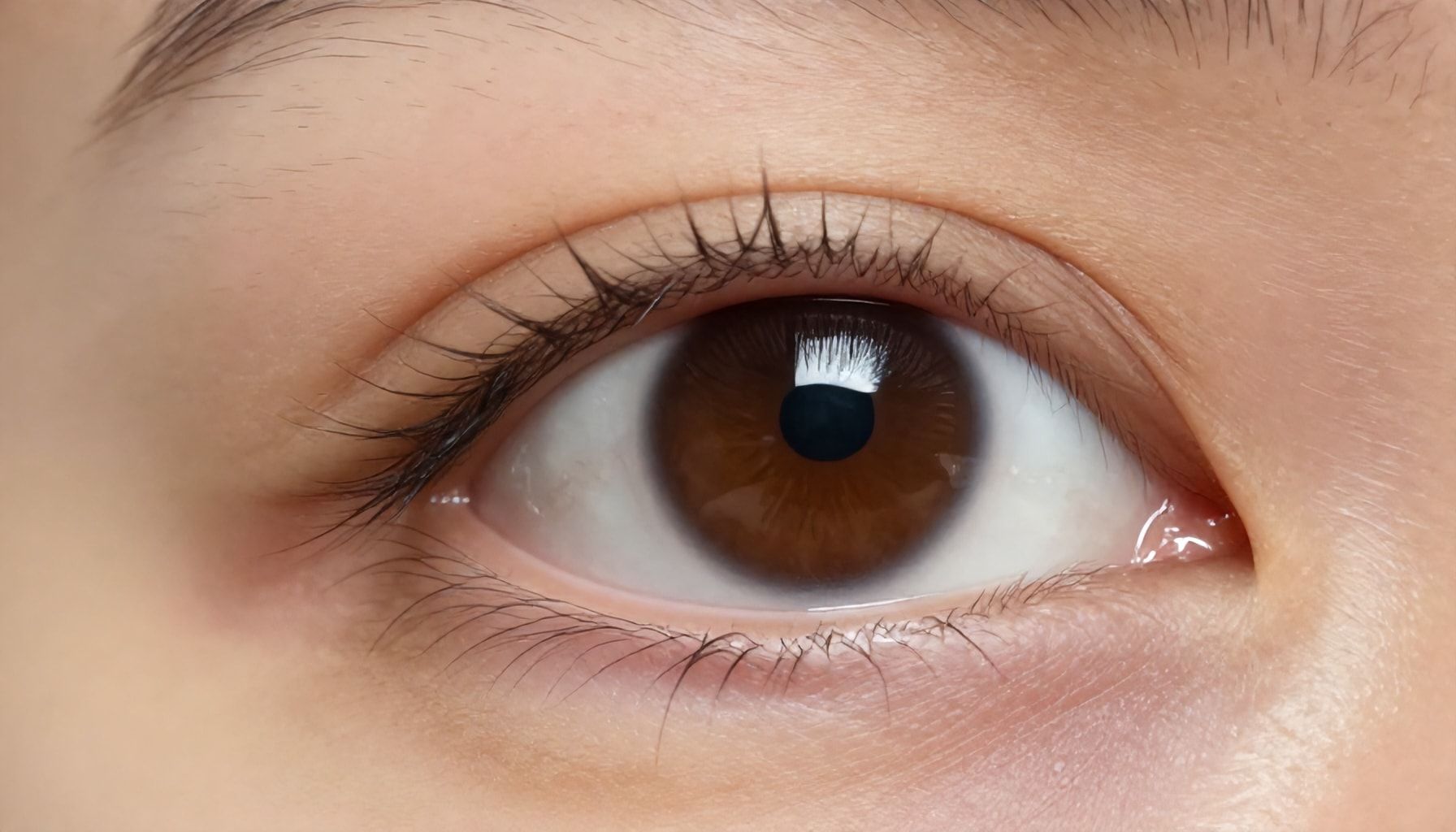
Styes—those pesky, red, swollen bumps on your eyelid—aren’t always contagious. In fact, most of the time, they’re not. But here’s the catch: it depends on the cause. I’ve seen patients panic, thinking they’ve caught something from a coworker’s stye, only to learn it was just a clogged oil gland. But if it’s bacterial? That’s a different story.
Why Most Styes Aren’t Contagious
- Blocked Meibomian Glands: These oil-producing glands get clogged, leading to a stye. Think of it like a pimple on your eyelid—annoying, but not contagious.
- Staphylococcus Bacteria: If bacteria (usually Staphylococcus aureus) infect a gland, it’s contagious—but only if you share towels, makeup, or touch your eyes.
- Blepharitis: Chronic inflammation of the eyelids can cause recurring styes. Not contagious, but a pain to treat.
When to Worry: Contagious Styes
| Sign | Risk Level | Action |
|---|---|---|
| Pus-filled, painful bump | Moderate | Warm compresses, avoid touching |
| Multiple styes or spreading | High | See a doctor, antibiotics may be needed |
| Recurring styes | Low (but frustrating) | Check for blepharitis, improve hygiene |
Here’s the bottom line: if it’s just a clogged gland, relax. But if it’s bacterial, wash your hands like your life depends on it. I’ve had patients spread styes to their whole family by sharing pillowcases. Don’t be that person.
- Don’t pop or squeeze a stye—ever.
- Replace eye makeup every 3 months (yes, really).
- Wash your hands before touching your eyes.
- Use a clean towel daily.
Still unsure? If a stye lasts more than a week or keeps coming back, get it checked. I’ve seen too many people ignore it until it’s a full-blown infection. Trust me, you don’t want that.
How to Treat a Stye Safely Without Risking Infection*
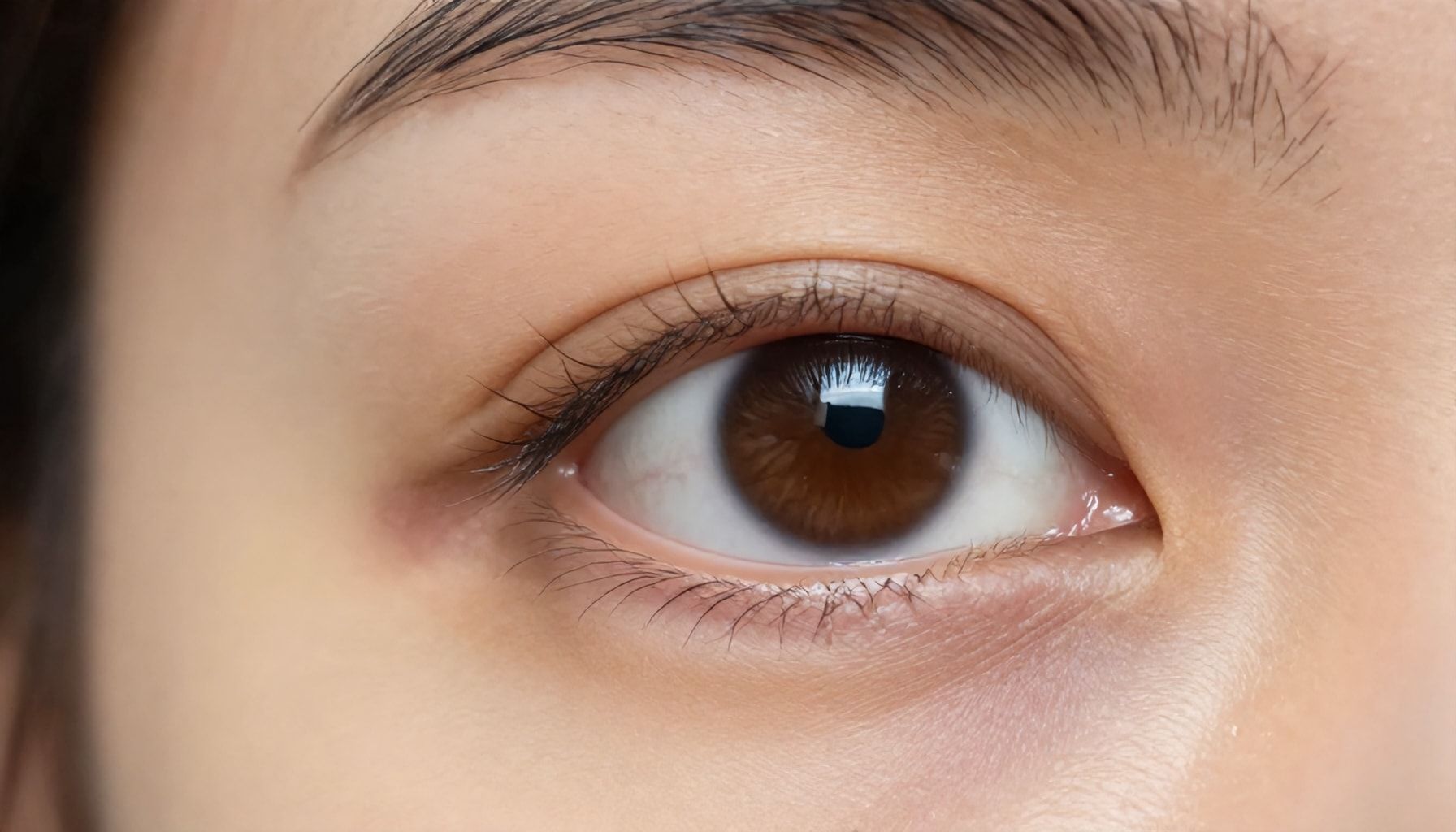
Look, I’ve seen people try every home remedy under the sun for a stye—warm compresses, tea bags, even raw potato slices (don’t ask). But here’s the truth: most of these won’t do much, and some might even make things worse. A stye is usually caused by a bacterial infection, so the last thing you want is to spread that bacteria further. Here’s how to treat it safely without turning a minor annoyance into a full-blown problem.
Step 1: Keep It Clean (But Don’t Overdo It)
You don’t need to scrub your eyelid raw, but gentle hygiene is key. Use a clean, warm washcloth (not shared with anyone else) to apply light pressure for 5-10 minutes, 3-4 times a day. The heat helps drain the stye naturally. If you’re tempted to pop it, resist. I’ve seen patients turn a small stye into a nasty infection by squeezing it like a pimple.
- Do: Wash hands before touching your eye.
- Don’t: Reuse the same cloth without washing it.
Step 2: Avoid Makeup and Contacts
Makeup is a breeding ground for bacteria. If you have a stye, ditch the mascara, eyeliner, and eyeshadow until it’s gone. Contacts? Skip them too. I’ve had patients insist on wearing contacts with a stye, only to end up with a secondary infection. Stick to glasses until the stye clears.
| What to Avoid | Why It Matters |
|---|---|
| Makeup | Can reintroduce bacteria to the eye. |
| Contacts | Traps bacteria, slows healing. |
| Touching the eye | Spreads infection to other areas. |
Step 3: Over-the-Counter Relief (But Know the Limits)
OTC pain relievers like ibuprofen can help with discomfort, but don’t expect them to cure the stye. Antibacterial ointments (like erythromycin) might help if prescribed, but they’re not a DIY fix. I’ve seen people slather their eyes with random creams—don’t. Stick to what your doctor recommends.
When to See a Doctor
If the stye doesn’t improve in 48 hours, gets worse, or you develop fever/chills, get to a doctor. A quick antibiotic ointment or, in rare cases, a minor procedure can nip it in the bud. I’ve had patients wait too long, and the stye turned into a chalazion—a harder, longer-lasting lump. Don’t be that person.
Styes, though caused by bacteria, are not highly contagious when proper hygiene is maintained. The infection usually stems from your own bacteria, not direct contact with others. Still, sharing towels, makeup, or eye drops can spread the bacteria, so avoid these habits during an outbreak. Keep your hands clean, refrain from touching or rubbing your eyes, and replace old makeup to minimize risks. If a stye persists or causes severe discomfort, consult a healthcare provider. While styes are generally harmless, staying vigilant about hygiene can prevent future flare-ups. Have you noticed any patterns in when styes tend to appear for you? Understanding triggers—like stress or fatigue—might help keep them at bay.