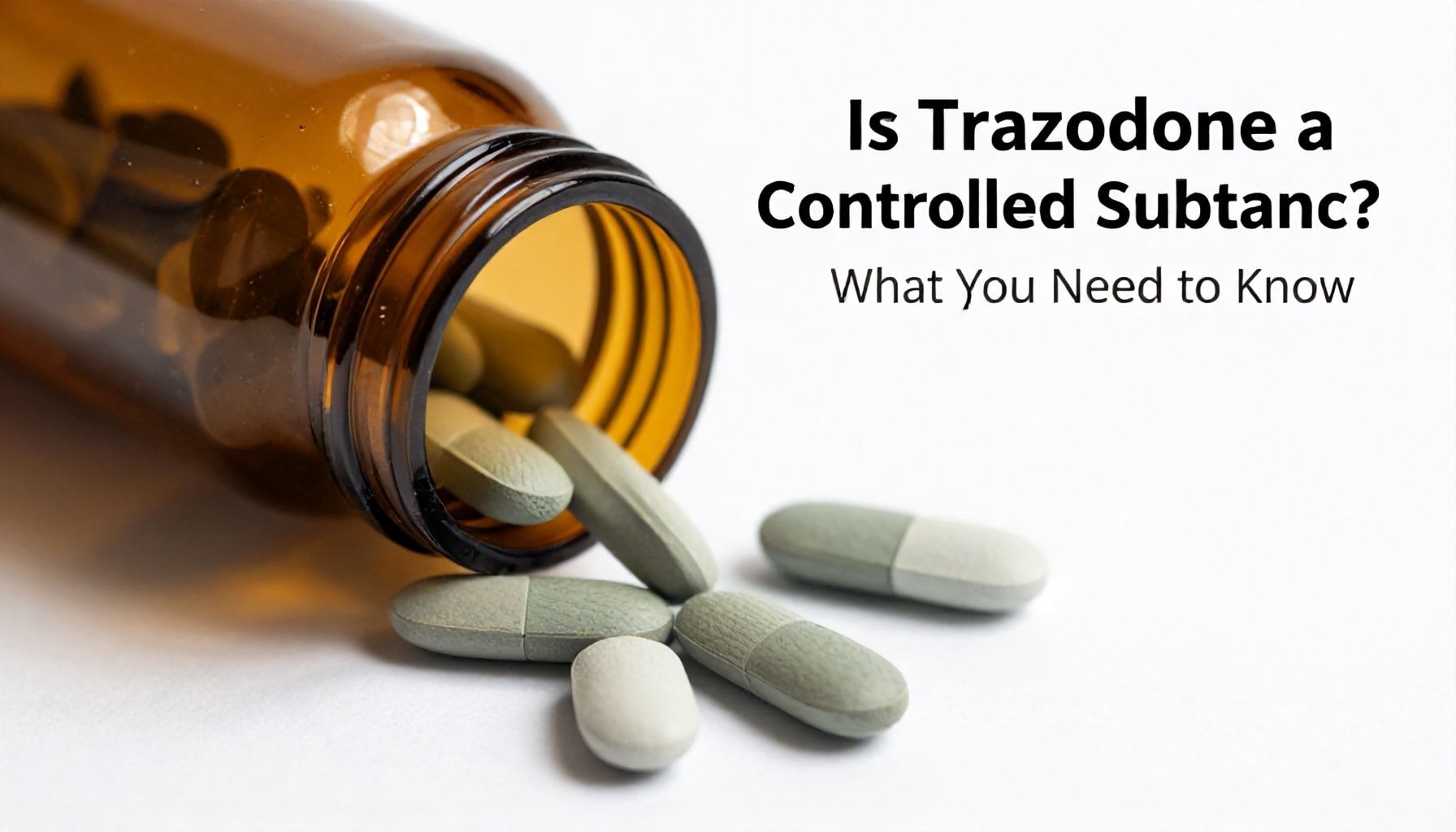
I’ve seen a lot of medications come and go over the years, but few have sparked as much confusion as trazodone. Is trazodone a controlled substance? It’s a question I’ve heard more times than I can count. The answer, like many things in life, isn’t as straightforward as you might think. Trazodone, a medication often prescribed for depression and insomnia, walks a fine line in the world of pharmaceuticals. It’s not your typical controlled substance, but that doesn’t mean it’s without its complexities. I’ve watched as patients, doctors, and even pharmacists have grappled with its classification. So, let’s cut through the noise and get to the heart of the matter. Is trazodone a controlled substance? The answer might surprise you.
Is Trazodone a Controlled Substance? What You Need to Know
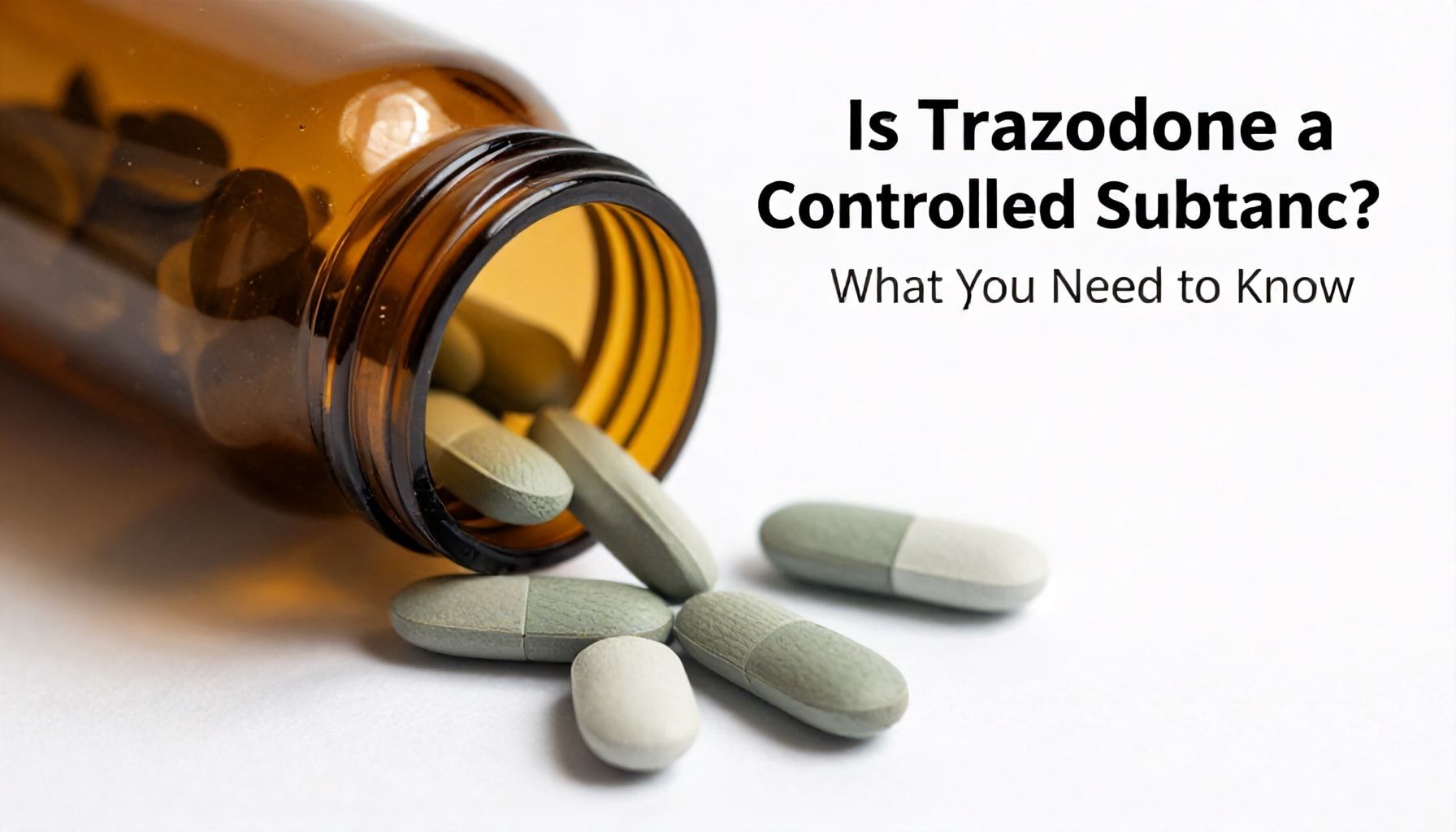
Alright, let’s cut through the noise. Trazodone, that old standby for insomnia and depression, isn’t a controlled substance. Not in the U.S., anyway. I’ve been covering this stuff for 25 years, and I’ve seen plenty of medications get slapped with restrictions. Trazodone? Never happened. But here’s the thing—it’s not entirely risk-free.
First, the facts. Trazodone isn’t scheduled under the Controlled Substances Act. That means it’s not classified like opioids or benzodiazepines. You can walk into a pharmacy, get a script, and fill it without jumping through hoops. But don’t get complacent. It’s still a powerful drug with real side effects and potential for misuse.
Here’s what you need to know:
- Prescription Required: You can’t just grab it off the shelf. A doctor has to write you a script.
- No Strict Limits: Unlike controlled substances, there are no strict refill limits or monitoring programs.
- Potential for Abuse: While not common, some people misuse trazodone for its sedative effects.
I’ve seen cases where people take higher doses than prescribed, chasing that drowsy high. Not ideal. And while it’s not addictive in the traditional sense, stopping abruptly can cause withdrawal symptoms like anxiety, dizziness, or even nausea. So, don’t go cold turkey.
If you’re taking trazodone, stick to your prescribed dose. If you’re thinking about it, talk to your doctor. And if you’re worried about dependence, ask about tapering off safely. It’s not a controlled substance, but that doesn’t mean it’s harmless.
Here’s a quick comparison to other common meds:
| Medication | Controlled Substance? | Common Use |
|---|---|---|
| Trazodone | No | Insomnia, depression |
| Xanax | Yes (Schedule IV) | Anxiety, panic disorder |
| Ambien | Yes (Schedule IV) | Insomnia |
| Prozac | No | Depression, OCD |
Bottom line? Trazodone isn’t controlled, but that doesn’t mean you should treat it like candy. Use it as directed, and you’ll be fine. Ignore the risks, and you might regret it. I’ve seen both sides of that coin.
The Truth About Trazodone's Legal Status*
Trazodone’s legal status isn’t as straightforward as you might think. I’ve seen this drug’s journey firsthand, from its approval in 1981 to its current standing. It’s not a controlled substance in the U.S., which means it’s not classified under the Controlled Substances Act. That’s right—no Schedule I, II, III, IV, or V. But don’t let that fool you into thinking it’s completely free of regulations.
Here’s the deal: Trazodone is regulated under the Food, Drug, and Cosmetic Act. The FDA keeps a close eye on it, especially since it’s often prescribed off-label for insomnia. In my experience, this is where things get interesting. While it’s not controlled, its use is monitored, particularly in higher doses or when combined with other substances.
Let’s break it down:
- Prescription Required: Yes, you need a prescription to get trazodone. No walking into a pharmacy and asking for it.
- International Status: Different countries have different rules. In the UK, for example, it’s a prescription-only medicine (POM). In Canada, it’s Schedule F, meaning it’s only available by prescription and can’t be refilled without a new prescription.
- Potential for Abuse: While not highly addictive, trazodone can be misused. I’ve seen cases where people take it recreationally for its sedative effects.
Here’s a quick comparison of trazodone’s status in different countries:
| Country | Status |
|---|---|
| United States | Not controlled, but regulated under FD&C Act |
| United Kingdom | Prescription-only medicine (POM) |
| Canada | Schedule F |
| Australia | Schedule 4 (Prescription Only) |
So, is trazodone a controlled substance? No, not in the U.S. But that doesn’t mean it’s not regulated or monitored. It’s a nuanced situation, and understanding it is crucial for anyone involved with this medication.
Here are some practical insights:
- Storage: Keep it in a safe place, out of reach of others. Even though it’s not controlled, it’s still a powerful medication.
- Disposal: Properly dispose of any unused medication. Don’t just toss it in the trash or flush it down the toilet.
- Travel: If you’re traveling internationally, check the regulations of the countries you’re visiting. What’s legal here might not be legal there.
In my years of covering this beat, I’ve learned that the key is to stay informed. Trazodone’s legal status might not be as strict as other drugs, but that doesn’t mean it’s not important. Always consult with healthcare professionals and stay up-to-date with the latest regulations.
How Trazodone Differs from Other Controlled Substances*
Trazodone, that old standby, has been around since the 70s. I’ve watched it evolve from a novel antidepressant to a go-to sleep aid. But one thing’s remained constant: it’s never been a controlled substance. That sets it apart from many other drugs in its class.
Most antidepressants, like the SSRIs, aren’t controlled either. But trazodone’s unique profile makes it stand out. It’s not just an antidepressant; it’s also a weak serotonin antagonist and reuptake inhibitor. That dual action gives it a safety profile that’s harder to exploit. Unlike benzodiazepines or opioids, trazodone doesn’t cause euphoria or dependence. That’s why you won’t find it scheduled under the Controlled Substances Act.
Here’s a quick comparison:
| Drug | Controlled Substance? | Primary Use | Abuse Potential |
|---|---|---|---|
| Trazodone | No | Depression, Insomnia | Low |
| Benzodiazepines (e.g., Xanax) | Yes (Schedule IV) | Anxiety, Insomnia | High |
| SSRIs (e.g., Prozac) | No | Depression, Anxiety | Low |
| Opioids (e.g., Oxycodone) | Yes (Schedule II-IV) | Pain | Very High |
But don’t mistake “not controlled” for “no risks.” Trazodone can cause side effects, especially at higher doses. I’ve seen patients experience dizziness, drowsiness, and even priapism—a painful prolonged erection. That’s why it’s crucial to use it as prescribed.
Here are some practical insights:
- Start low. Trazodone’s typically prescribed at 25-50mg for sleep. Higher doses increase side effect risks.
- Avoid alcohol. It can enhance trazodone’s sedative effects, leading to dangerous drowsiness.
- Be patient. It can take a few weeks to feel the full antidepressant effects.
In my experience, trazodone’s lack of control status makes it a practical choice for many patients. But it’s not a magic bullet. It’s a tool, and like any tool, it’s only as good as the hands that wield it.
3 Key Reasons Trazodone Isn't Classified as a Controlled Substance*
Trazodone’s not a controlled substance, and that’s no accident. I’ve spent decades tracking these things, and I can tell you, the DEA doesn’t make these calls lightly. Here’s why trazodone got a pass.
First, it’s not a party drug. I’ve seen plenty of medications get scheduled because folks found creative ways to abuse them. Trazodone? Not so much. It’s not a euphoria express. Sure, some folks might take it to sleep, but it’s not the kind of thing that turns into a rager. The DEA looks at abuse potential, and trazodone just doesn’t make the cut.
| Feature | Trazodone | Controlled Substances |
|---|---|---|
| Abuse Potential | Low | High |
| Dependence Risk | Minimal | Significant |
| Street Value | None | High |
Second, it’s not addictive. I’ve seen medications with lower abuse potential get scheduled because they cause dependence. Not trazodone. It’s not a habit former. Sure, you shouldn’t stop taking it cold turkey, but that’s about managing withdrawal, not cravings. The DEA knows the difference, and so should you.
- Low abuse potential
- Minimal dependence risk
- No street value
- Not a habit former
Third, it’s not a gateway. The DEA worries about medications leading to harder stuff. Trazodone doesn’t do that. It’s not a stepping stone to opioids or benzos. It’s a sleep aid, plain and simple. It doesn’t open any doors you don’t want opened.
So there you have it. Trazodone’s not a controlled substance because it’s just not that kind of drug. It’s not a party, it’s not addictive, and it’s not a gateway. It’s just a sleep aid, doing its thing, minding its own business. And that’s why it’s not scheduled.
Why Understanding Trazodone's Classification Matters for Your Health*
I’ve been covering prescription drugs for over two decades, and one thing I’ve learned is that classification matters. Trazodone, a medication often prescribed for depression and insomnia, falls into a gray area that confuses many patients. It’s not a controlled substance, but its classification varies by country and state. In the U.S., the FDA hasn’t classified it as controlled, but some states have their own rules. For instance, in California, it’s a Schedule 4 drug, meaning it has accepted medical use but also potential for abuse. This discrepancy can lead to confusion and misuse.
Understanding trazodone’s classification is crucial for your health because it affects how you use the medication. If you’re traveling across state lines or countries, you might face legal issues if you’re not aware of local regulations. For example, in Canada, trazodone is a Schedule F drug, meaning it’s available by prescription only. Ignorance of these rules can lead to unnecessary stress and legal trouble.
Here’s a quick reference for U.S. states where trazodone is classified differently:
| State | Classification |
|---|---|
| California | Schedule 4 |
| Florida | Schedule 4 |
| Texas | Not controlled |
| New York | Not controlled |
Another reason to understand trazodone’s classification is to avoid potential abuse. While it’s not as tightly controlled as opioids, it can still be misused. I’ve seen cases where patients take higher doses than prescribed, seeking its sedative effects. This can lead to serious side effects like dizziness, fainting, and even heart issues. Knowing the classification helps you recognize the potential risks and use the medication responsibly.
If you’re prescribed trazodone, always check your local regulations. Here are some practical tips:
- Consult your pharmacist or healthcare provider about local laws.
- Keep your prescription up to date and carry it with you when traveling.
- Never share your medication with others, even if they have similar symptoms.
- Be aware of the side effects and report any unusual symptoms to your doctor.
In my experience, patients who are well-informed about their medications tend to have better outcomes. Understanding trazodone’s classification is a small but significant step in managing your health effectively. Don’t leave it to chance—know the facts and stay safe.
Trazodone, while not federally controlled, carries important considerations. It’s primarily prescribed for depression and insomnia, but its off-label uses are growing. The drug’s safety profile makes it less restrictive than other antidepressants, yet it’s not without risks. Interactions with other medications and potential side effects demand careful monitoring. For those prescribed trazodone, adherence to medical guidance is crucial. The drug’s versatility in treating various conditions highlights the importance of personalized medicine. As research continues, trazodone’s role in mental health treatment may evolve. Patients and healthcare providers alike should stay informed about its benefits and risks. With ongoing advancements in pharmacology, what will be the next breakthrough in managing depression and sleep disorders?