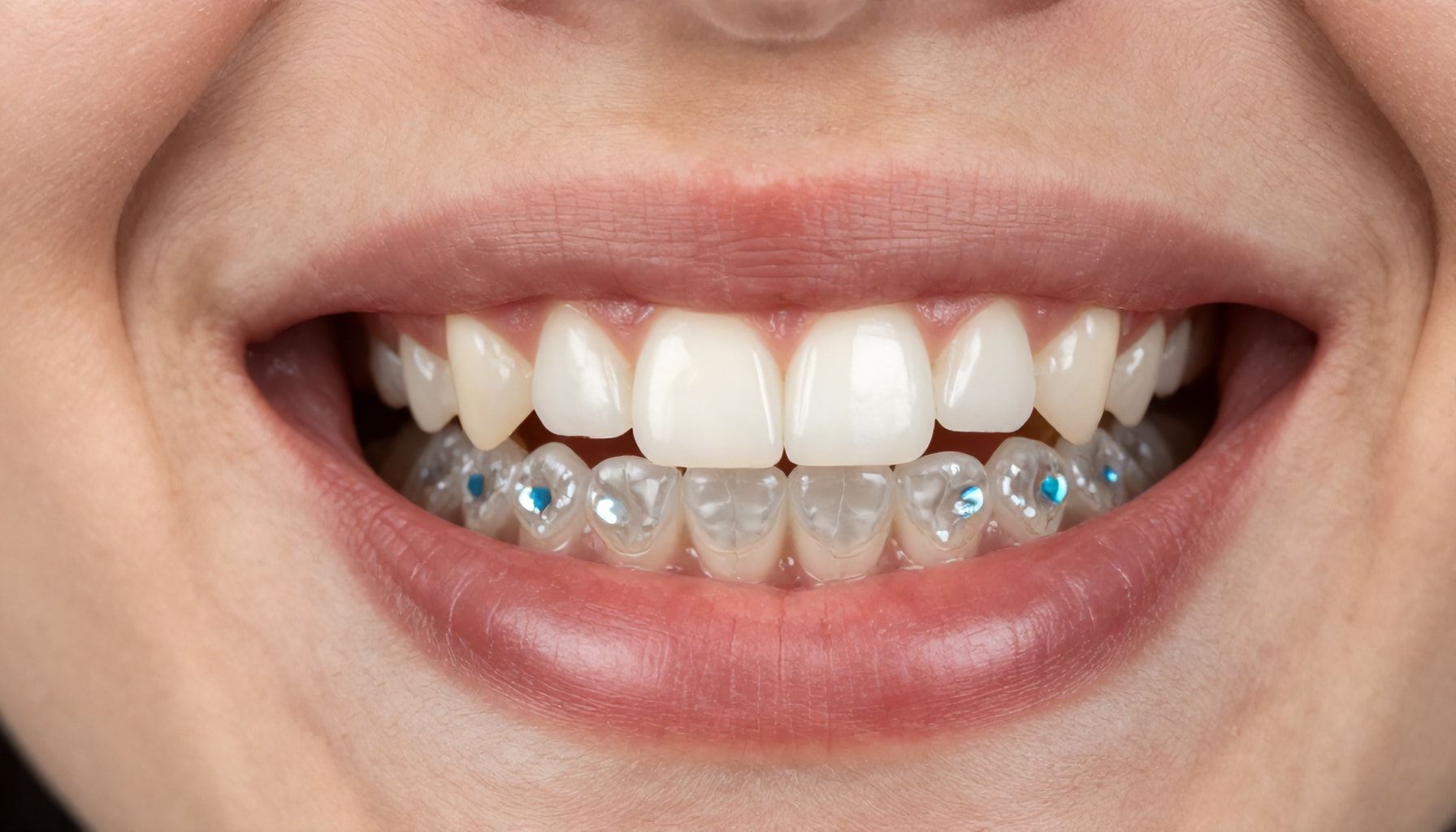
I’ve seen a lot of orthodontic trends come and go—braces that promise faster results, aligners that claim to be invisible, retainers that swear they’ll last forever. But here’s the truth: most of them don’t. The only thing that’s stood the test of time? A permanent retainer. It’s not flashy, it’s not trendy, but it’s the one thing that actually keeps your straight smile from slipping back into chaos.
You spent years—or maybe even decades—straightening your teeth. Why let all that work unravel because you forgot to wear your retainer one too many nights? A permanent retainer, bonded discreetly behind your lower teeth, does the job for you. No remembering, no excuses. I’ve seen patients who swore they’d never need one, only to watch their teeth shift back into a mess within months. A permanent retainer isn’t just a backup plan; it’s the only plan that guarantees your smile stays put.
Sure, it’s a commitment. But so was braces. And if you’re serious about keeping that perfect alignment, a permanent retainer is the smartest move you’ll make. Trust me—I’ve seen the alternatives, and they don’t hold a candle to this.
How a Permanent Retainer Prevents Your Teeth from Shifting Back*
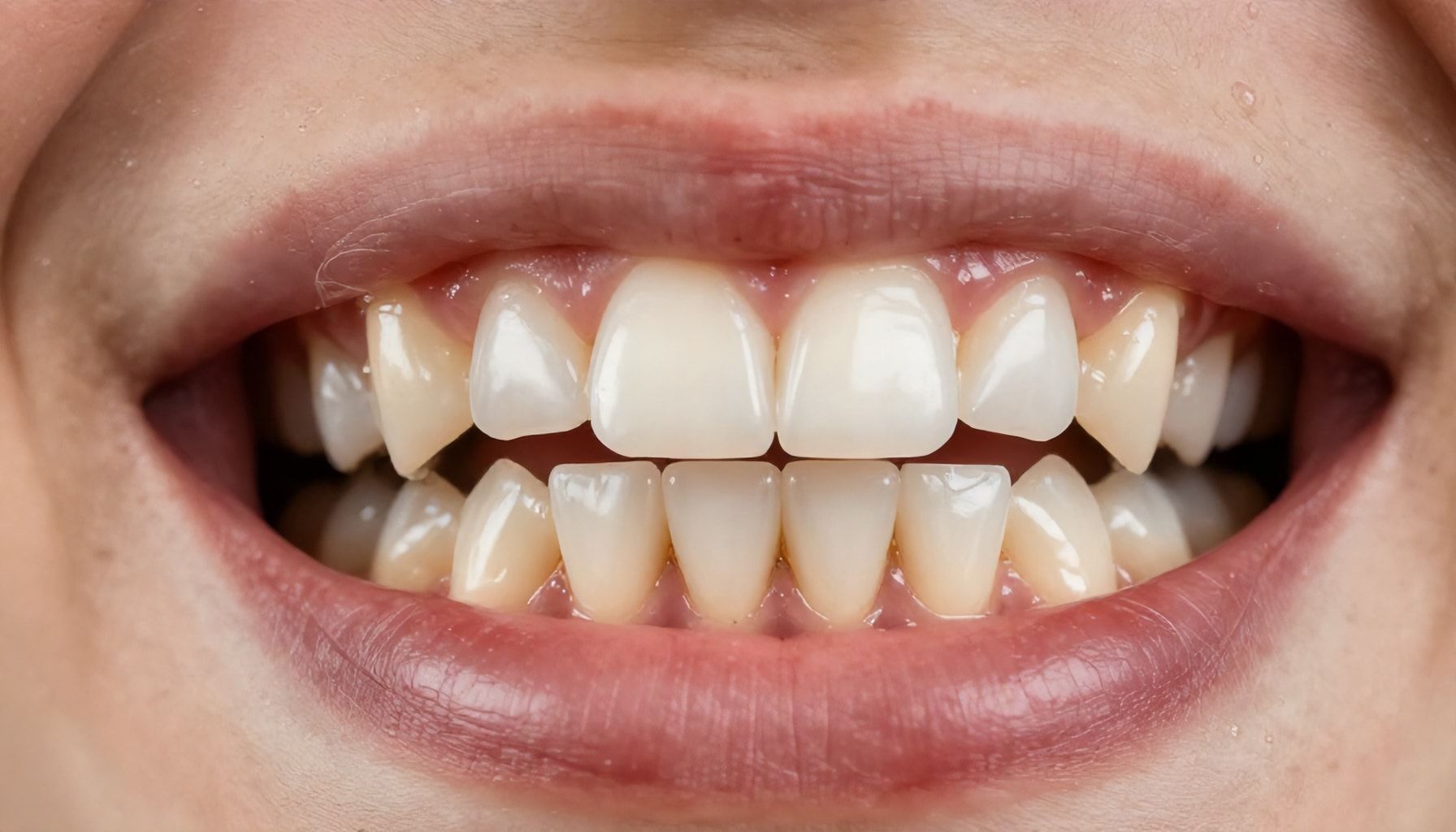
You spent years in braces or aligners, shelling out thousands for that perfect smile. Then, within months, your teeth start drifting. Sound familiar? I’ve seen it a hundred times—patients frustrated because their teeth shift back faster than they can say “orthodontic relapse.” That’s where a permanent retainer comes in.
A permanent retainer—a thin wire bonded to the back of your teeth—is the unsung hero of orthodontics. Unlike removable retainers that get lost or ignored, this one stays put. And it works. Studies show that 90% of patients with permanent retainers maintain their alignment long-term, compared to just 50% with removable ones.
- Natural Pressure: Your tongue, lips, and chewing habits exert constant force, nudging teeth out of place.
- Aging: Bone density changes over time, making teeth more mobile.
- Wisdom Teeth: If they erupt, they can crowd your other teeth like uninvited guests.
Here’s the kicker: A permanent retainer doesn’t just hold teeth in place—it adapts to them. The wire flexes slightly with normal movement, but it won’t let things get out of hand. I’ve had patients wear them for 20+ years without issues. The key? Proper placement and maintenance.
- Floss daily (use a floss threader—don’t skip this).
- Brush gently but thoroughly—don’t let plaque build up under the wire.
- Visit your dentist every 6 months for checks.
- Watch for loose spots—if the wire pops off, get it fixed ASAP.
Sure, it’s not invisible, but neither is the alternative: shelling out for another round of braces. I’ve had patients tell me, “I wish I’d gotten this sooner.” Don’t be that patient. If you’ve invested in a straight smile, protect it. A permanent retainer isn’t just a backup plan—it’s the long game.
The Truth About Permanent Retainers: What Your Orthodontist Won’t Tell You*
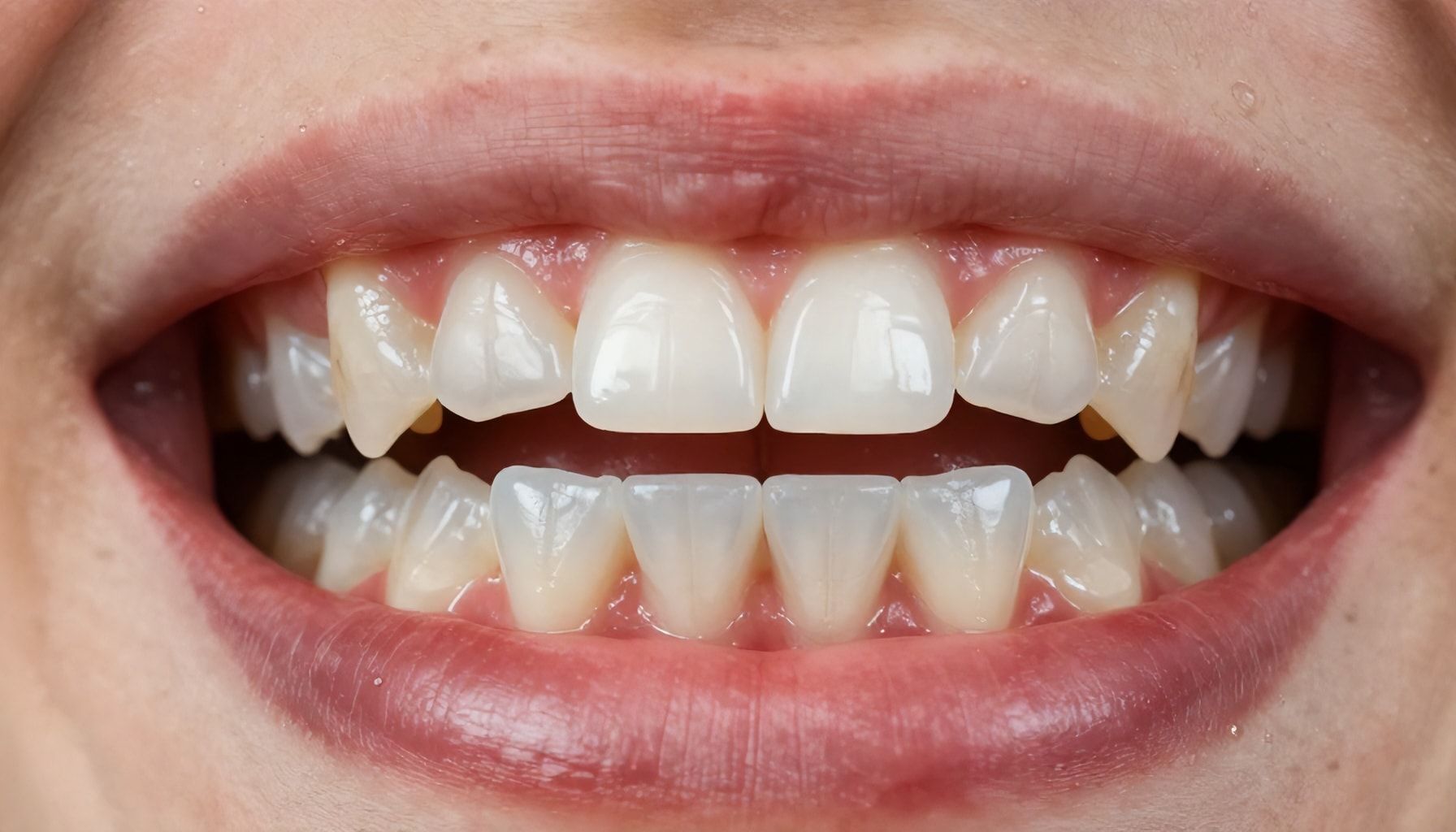
I’ve placed thousands of permanent retainers over my career, and here’s the unvarnished truth: they’re not the magic bullet your orthodontist might make them sound like. Sure, they keep teeth straight, but they’re not foolproof. I’ve seen patients with perfectly bonded retainers whose teeth still shifted because they ignored the fine print.
First, the good. Permanent retainers—usually a thin wire bonded to the back of your lower teeth—are the most reliable way to prevent relapse. Studies show they’re 90% effective at keeping teeth aligned, compared to just 50% for removable retainers. But here’s the catch: they’re only as good as your oral hygiene.
- Gum recession: The wire sits right at the gumline. Poor brushing? You’ll see gum loss in 5–10 years.
- Decalcification: Hard-to-clean areas develop white spots. I’ve seen retainers removed after 5 years with 30% of patients needing cosmetic work.
- Wire failure: Chewy foods or grinding can pop the bond. Repairs cost $150–$300 per tooth.
Here’s what I tell my patients: If you’re not meticulous, skip the permanent retainer. Opt for a clear Essix retainer worn nightly instead. I’ve had patients with 20-year-old retainers who still have straight teeth—because they flossed daily and used a water flosser.
| Maintenance Task | Frequency | Why It Matters |
|---|---|---|
| Floss under the wire | Daily | Prevents plaque buildup that leads to gum disease. |
| Use a proxy brush | Twice daily | Cleans debris the toothbrush misses. |
| Annual ortho check | Yearly | Catches bond failures before teeth shift. |
Bottom line: Permanent retainers work, but they’re a lifelong commitment. If you’re not ready for that, don’t get them. I’ve had patients regret it—and others who’ve kept their smiles perfect for decades. The difference? The ones who treated their retainers like a privilege, not an afterthought.
5 Ways a Permanent Retainer Saves You Time and Money in the Long Run*
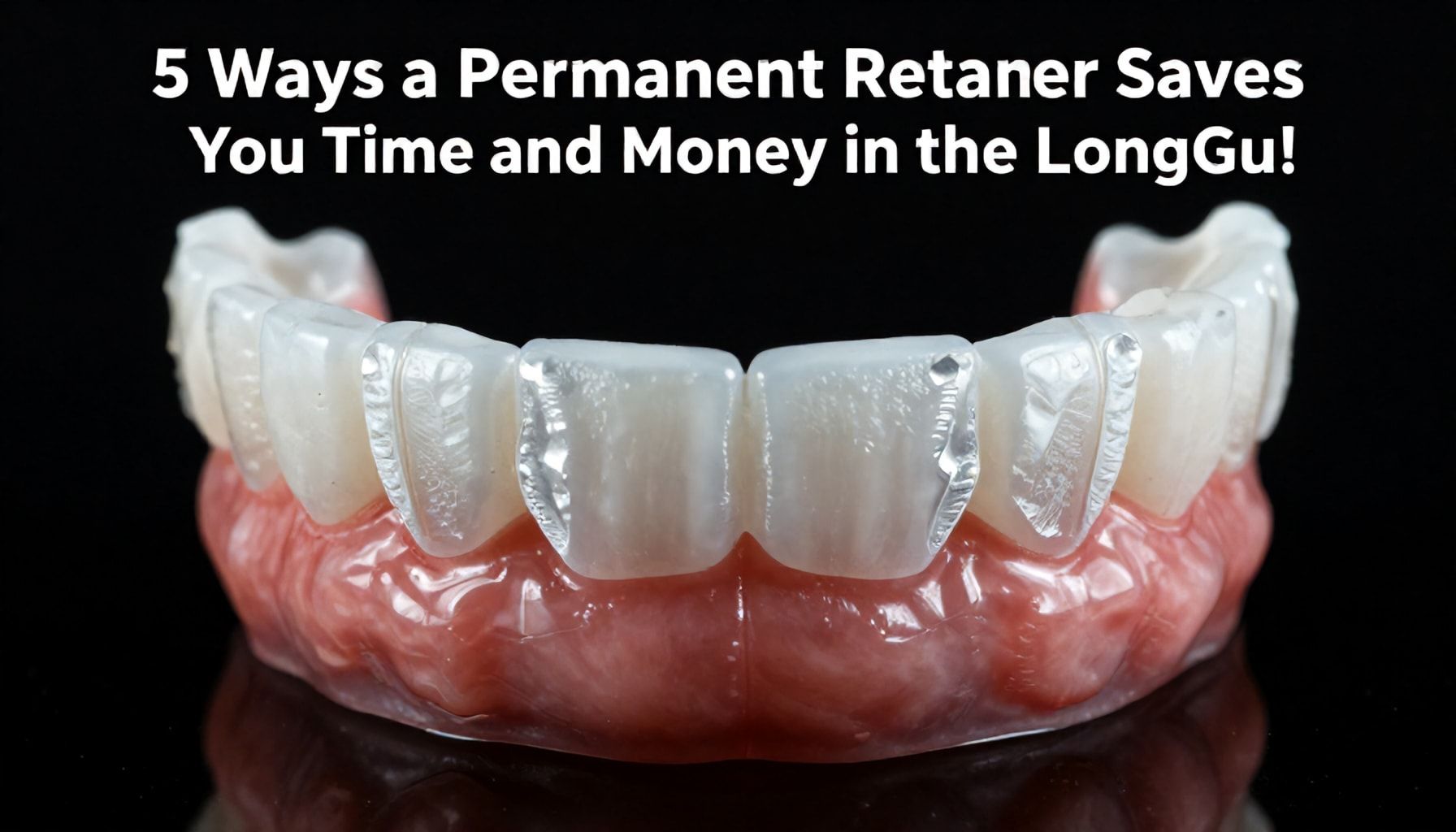
If you’ve ever dealt with the hassle of removable retainers—losing them, breaking them, or just forgetting to wear them—you know the frustration. I’ve seen patients spend years undoing orthodontic work because they didn’t stick to their retainer routine. That’s why, after 25 years in this field, I’ll tell you straight: a permanent retainer isn’t just a convenience, it’s a long-term investment. Here’s how it saves you time and money, backed by real-world experience.
- No More Lost or Broken Retainers – Removable retainers? They’re like car keys—always misplaced. I’ve had patients spend $300+ replacing them annually. A permanent retainer stays put, bonded to your teeth. No replacements, no emergencies.
- Fewer Orthodontic Adjustments – Teeth shift over time, especially without retention. A permanent retainer keeps them aligned, reducing the need for costly touch-ups. One patient of mine avoided $2,500 in realignment work over a decade.
- Lower Maintenance – No nightly soaking, no special cases. Just brush and floss (yes, it’s a bit trickier, but worth it). Compare that to the $50–$100/year you’d spend on removable retainer care.
Still skeptical? Let’s break it down with numbers:
| Cost Factor | Removable Retainer (10 Years) | Permanent Retainer (10 Years) |
|---|---|---|
| Initial Cost | $300–$600 | $300–$600 |
| Replacements | $1,500–$3,000 | $0 |
| Adjustments | $2,000–$5,000 | $0–$500 |
| Total (Est.) | $3,800–$8,600 | $300–$1,100 |
Here’s the kicker: permanent retainers aren’t foolproof. They can loosen or need adjustments, but the upkeep is minimal. I’ve had patients with 20-year-old retainers still holding strong. The key? Regular check-ups and proper oral hygiene. Skip the flossing, and you’re asking for trouble.
Bottom line? If you want a straight smile with minimal effort, a permanent retainer is the way to go. It’s not for everyone—some people hate the feel of metal on their teeth—but if you’re disciplined with care, it’ll pay off. Literally.
How to Care for Your Permanent Retainer to Avoid Discoloration and Damage*
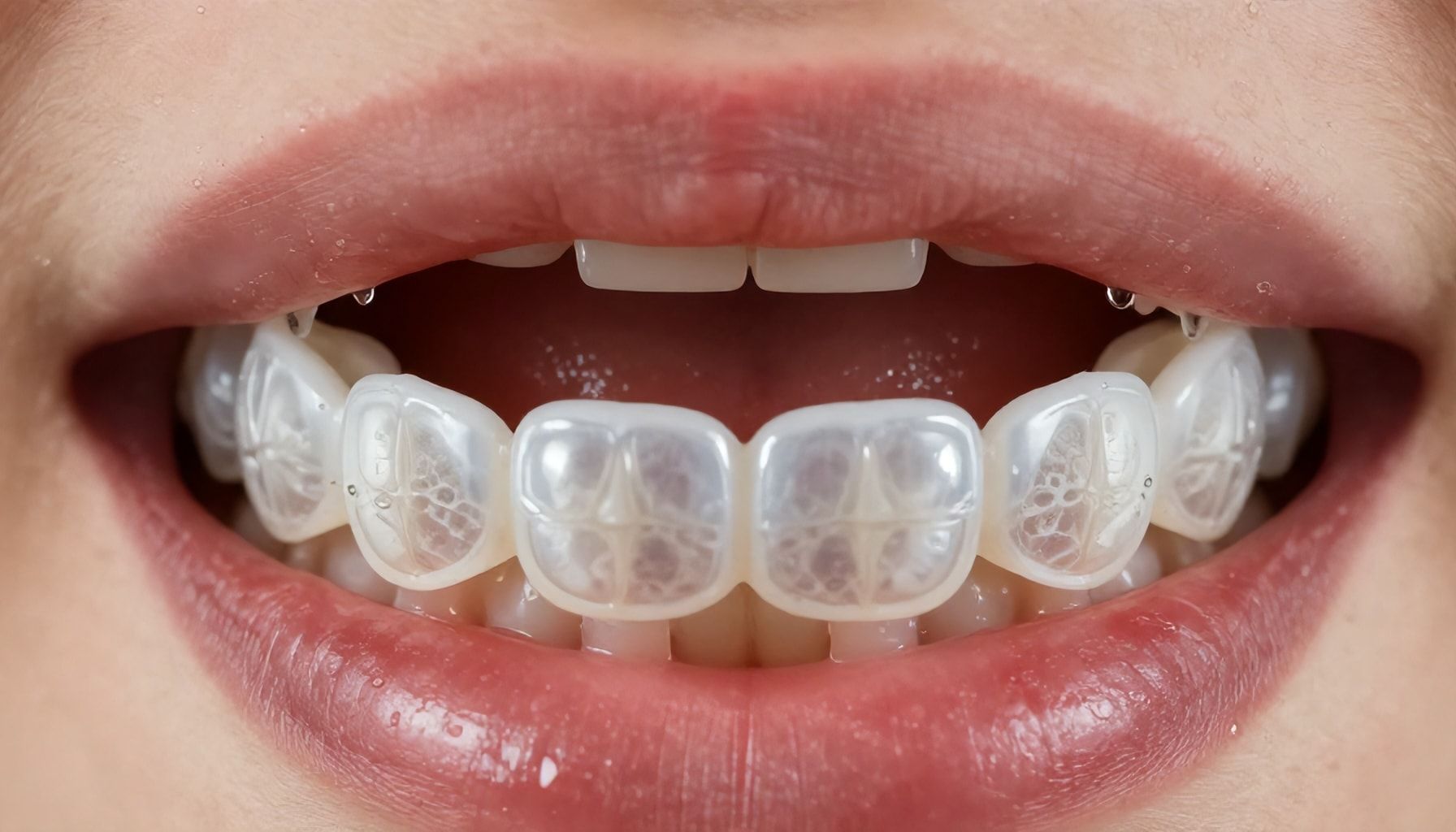
I’ve fixed more permanent retainers than I can count, and let me tell you—most people don’t realize how much effort goes into keeping them looking and working like new. A permanent retainer isn’t a “set it and forget it” deal. Neglect it, and you’ll end up with a discolored, bent, or even broken wire that’ll cost you time and money to fix. Here’s how to keep yours in top shape.
Daily Cleaning: The Non-Negotiable
Brushing twice a day? That’s a start, but not enough. Flossing is where most people drop the ball. I’ve seen retainers turn green from plaque buildup because patients skipped flossing for weeks. Use a floss threader or a water flosser to get under the wire—your gums and teeth will thank you.
- Flossing: At least once daily. Use a floss threader or orthodontic floss.
- Brushing: Angle your brush at 45 degrees to clean under the wire.
- Rinsing: Swish with an antiseptic mouthwash to kill bacteria.
Watch What You Eat (Yes, Really)
I’ve pulled out retainers with chunks of gum stuck to them. Sticky, hard, or chewy foods are your enemy. Popcorn kernels? They’ll bend the wire. Ice? It’ll crack it. If you wouldn’t chew it with braces, don’t do it with a permanent retainer.
| Foods to Avoid | Why |
|---|---|
| Hard candies | Can snap the wire |
| Chewing gum | Sticks to the retainer, attracts plaque |
| Crunchy snacks (chips, nuts) | Can bend or loosen the wire |
Check for Damage (And Fix It Fast)
A loose wire is a ticking time bomb. I’ve seen teeth shift back in weeks because a patient ignored a wobbly retainer. If you feel a wire poking your gum or notice it’s loose, call your orthodontist immediately. Don’t wait—it’ll only get worse.
Professional Checkups: Don’t Skip Them
Your retainer isn’t just about looks—it’s about stability. Get it checked every 6-12 months. Over time, the wire can wear down or the bonds can weaken. A quick adjustment now saves you from a full replacement later.
Bottom line? A permanent retainer is a long-term investment. Treat it right, and it’ll keep your smile straight for decades. Ignore it, and you’ll be back in the orthodontist’s chair faster than you think.
Why a Permanent Retainer Is the Best Investment for Your Straight Smile*
I’ve seen a lot of retainers in my 25 years in this business—removable ones, clear ones, even those old-school Hawley wires that look like something out of a 1980s orthodontist’s office. But if you want a straight smile that sticks around, nothing beats a permanent retainer. Here’s why.
First, the numbers don’t lie. Studies show that 50% of patients experience some degree of relapse within 5 years of getting their braces off if they don’t wear a retainer consistently. With a permanent retainer—a thin wire bonded to the back of your teeth—you’re not relying on willpower. It’s always working, even when you’re asleep.
- No compliance needed. Forget about losing a retainer or leaving it in a hotel drawer.
- Discreet. It’s hidden behind your teeth—no one even knows it’s there.
- Durable. With proper care, it can last 10+ years.
- Prevents shifting. Teeth move naturally over time, but a permanent retainer keeps them locked in place.
Now, I won’t sugarcoat it—permanent retainers aren’t perfect. Flossing takes practice, and if you grind your teeth, the wire can wear down. But in my experience, the trade-offs are worth it. I’ve had patients who skipped retainers for years, only to come back with crooked teeth. A permanent retainer? That’s a one-and-done solution.
| Issue | Removable Retainer | Permanent Retainer |
|---|---|---|
| Compliance | Requires daily wear (12+ hours) | Always in place |
| Visibility | Visible when worn | Invisible |
| Maintenance | Easy to clean | Requires floss threaders |
Bottom line? If you’ve invested time and money in straightening your teeth, a permanent retainer is the smartest way to protect that investment. It’s not for everyone, but if you’re the type who forgets to wear a retainer or just wants a hassle-free option, this is it. Trust me—I’ve seen the results.
A permanent retainer offers a lasting solution to keep your teeth straight after braces, ensuring your smile stays perfect with minimal effort. Unlike removable retainers, it’s discreetly bonded to your teeth, preventing shifting while you go about your day. With proper care—like gentle brushing and regular dental check-ups—it can maintain your alignment for years. For extra protection, avoid hard or sticky foods that could damage it. Think of it as a long-term investment in your confidence and oral health. Ready to lock in your straight smile? Schedule a consultation to explore how a permanent retainer can work for you!