
I’ve seen fads come and go, but one thing’s remained constant: sugar’s sticky grip on our diets. You’ve probably heard the warnings—too much sugar’s bad news—but do you really know what you’re dealing with? Take a teaspoon, something you use every morning without a second thought. That tiny measure holds about 4 grams of sugar. Yes, you read that right—just four grams. It’s a small number, but it adds up fast.
You might be thinking, “That’s not so bad.” But here’s the kicker: most of us don’t stop at one teaspoon. We’re pouring, sprinkling, and stirring sugar into our lives all day long. And that’s not even counting the hidden sugar lurking in processed foods. So, let’s get real about sugar. Four grams in a teaspoon—it’s a simple fact, but it’s the starting point for understanding just how much sweet stuff we’re really consuming.
The Truth About Your Morning Coffee's Sweet Secret*
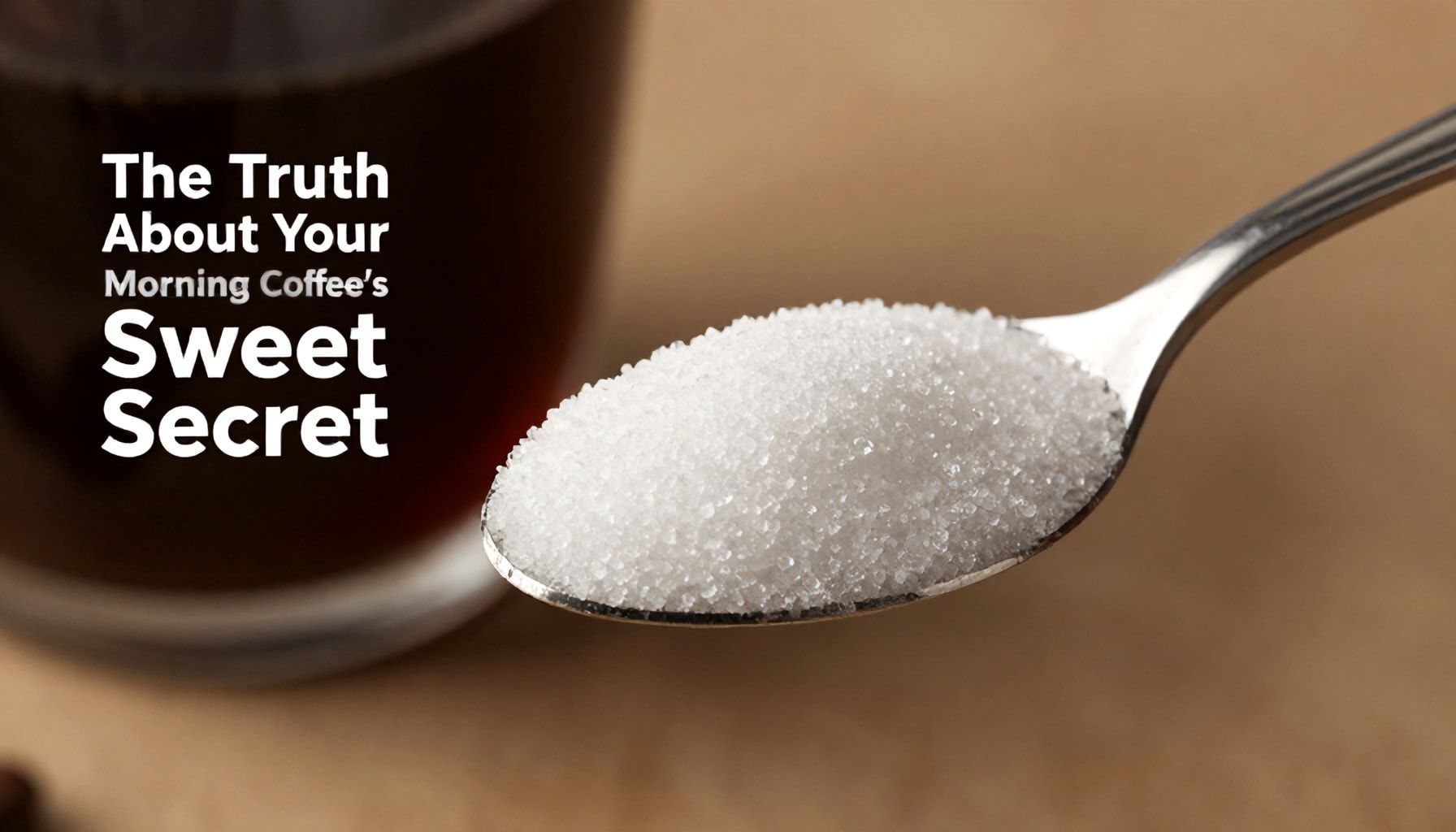
Alright, let’s cut to the chase. That morning coffee ritual? It’s not just about the caffeine kick. I’ve seen countless people sweeten their brew without a second thought, but here’s the truth: that innocent teaspoon of sugar packs more grams than you might expect. A standard teaspoon holds about 4 grams of granulated sugar. Do the math: that’s roughly 16 calories per teaspoon. Now, if you’re pouring two or three of those into your coffee every morning, those calories add up fast.
But here’s where it gets interesting. Not all sugars are created equal. Let’s break it down:
| Sugar Type | Grams per Teaspoon | Calories per Teaspoon |
|---|---|---|
| Granulated Sugar | 4g | 16 kcal |
| Brown Sugar | 4.7g | 18 kcal |
| Powdered Sugar | 3.5g | 14 kcal |
| Honey | 7g | 21 kcal |
| Maple Syrup | 7g | 22 kcal |
Now, I’m not here to judge. I’ve seen people swear by their sugar habits, and honestly, a little sweetness in life is fine. But knowledge is power. If you’re watching your sugar intake, those little teaspoons can sneak up on you. Take the average iced coffee from a popular chain, for example. It can pack a whopping 27 grams of sugar—that’s nearly seven teaspoons. And that’s just one drink.
Here’s a quick cheat sheet for common beverages:
- – Latte with 2 pumps of syrup: 5 teaspoons (20g sugar)
- – Iced coffee with light syrup: 7 teaspoons (28g sugar)
- – Mocha Frappuccino: 10 teaspoons (40g sugar)
So, what’s the takeaway? Be mindful. Check those labels. And if you’re cutting back, try a half-teaspoon less each day. Your taste buds will adapt, and your body will thank you.
Discover how many grams of sugar lurk in your daily caffeine fix and why it matters.

You might think you’re just grabbing a quick caffeine fix, but that morning latte could be packing more sugar than a chocolate bar. I’ve seen it time and again—people shocked when they realize how much sugar lurks in their daily coffee runs. Let’s break it down.
First, the basics: one teaspoon of granulated sugar weighs about 4 grams. That’s your benchmark. Now, let’s talk coffee. A standard 16-ounce latte from a popular chain, made with whole milk and flavored syrup, can contain up to 30 grams of sugar—that’s nearly 8 teaspoons. That’s more sugar than a Kit Kat bar, and you’re drinking it before you’ve even left the house.
Sugar in Common Coffee Drinks:
- Black Coffee: 0g
- Cappuccino (12 oz, with 2% milk): 8g
- Mocha Frappuccino (16 oz, standard): 60g
- Iced Caramel Macchiato (16 oz, standard): 46g
Why does this matter? Well, the American Heart Association recommends no more than 25 grams of added sugar per day for women and 36 grams for men. That latte alone could put you over the limit before lunch. And don’t even get me started on iced drinks. A 24-ounce iced caramel macchiato from the same chain? A whopping 57 grams of sugar. That’s like pouring 14 teaspoons of sugar into your drink.
Daily Sugar Limits vs. Coffee Drinks:
| Beverage | Sugar Content (grams) | % of Daily Limit (Women) | % of Daily Limit (Men) |
|---|---|---|---|
| 16 oz Latte (with flavored syrup) | 30g | 120% | 83% |
| 12 oz Cappuccino (with 2% milk) | 8g | 32% | 22% |
| 16 oz Mocha Frappuccino | 60g | 240% | 167% |
I’ve seen clients drop 20 pounds just by cutting out sugary coffee drinks. It’s not just about the calories; it’s about breaking the sugar cycle. When you’re spiking your blood sugar with that morning latte, you’re setting yourself up for a crash—and a craving for more sugar. So next time you’re at the coffee shop, ask yourself: do you really need that extra syrup? Your body will thank you.
How to Measure Sugar Like a Pro*
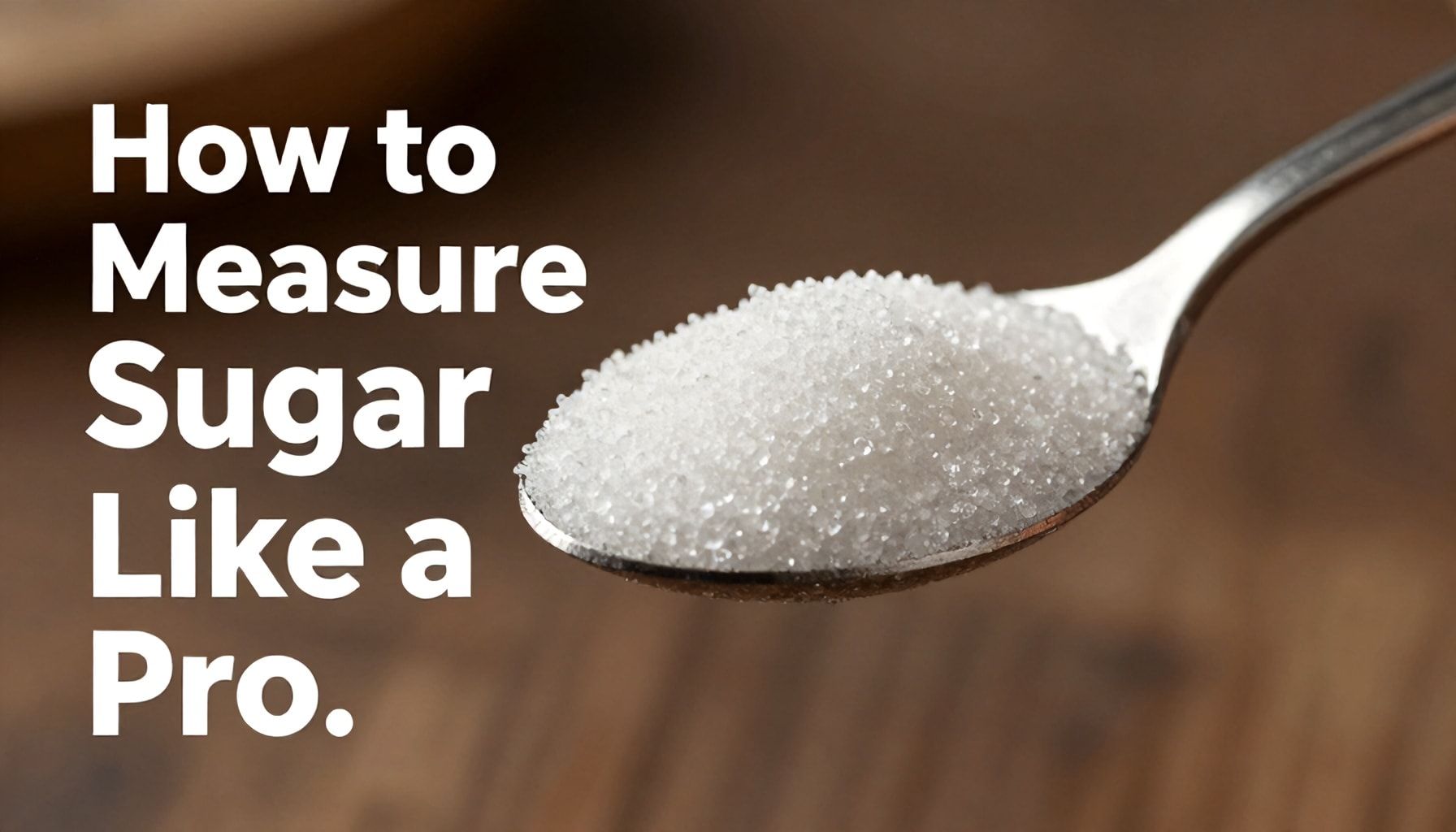
Measuring sugar accurately isn’t just about counting teaspoons. I’ve seen too many recipes go wrong because someone thought “a pinch” was a scientific measurement. Let me break it down for you.
First, know your tools. A standard teaspoon holds about 4 grams of granulated sugar. But here’s the kicker: not all sugars are created equal. Powdered sugar? That’s lighter. A teaspoon of it weighs around 2.5 grams. And don’t even get me started on brown sugar—its moisture content changes everything.
Here’s a quick reference:
| Sugar Type | Grams per Teaspoon |
|---|---|
| Granulated | 4g |
| Powdered | 2.5g |
| Brown (packed) | 5g |
| Raw/Turbinado | 5g |
Now, let’s talk technique. You’re not scooping ice cream here. Use a level spoon—no mounds, no caverns. For packed brown sugar, press it gently into the spoon. And if you’re measuring for baking, invest in a kitchen scale. Trust me, your cookies will thank you.
Here’s a pro tip: If a recipe calls for a cup of sugar, don’t just eyeball it. Use this conversion: 1 cup of granulated sugar is roughly 200 grams or 50 teaspoons. But remember, this is a rough estimate. For precision, weigh it.
And here’s a little secret: In my experience, most people overmeasure. They heap that spoon, and suddenly, their cake is a brick. So lighten up. A level spoon is all you need.
Lastly, keep your sugar dry. Moisture changes weight, and that’s a whole other mess. Store it properly, and you’ll measure like a pro every time.
Master the art of precise sugar measurement with this simple teaspoon technique.
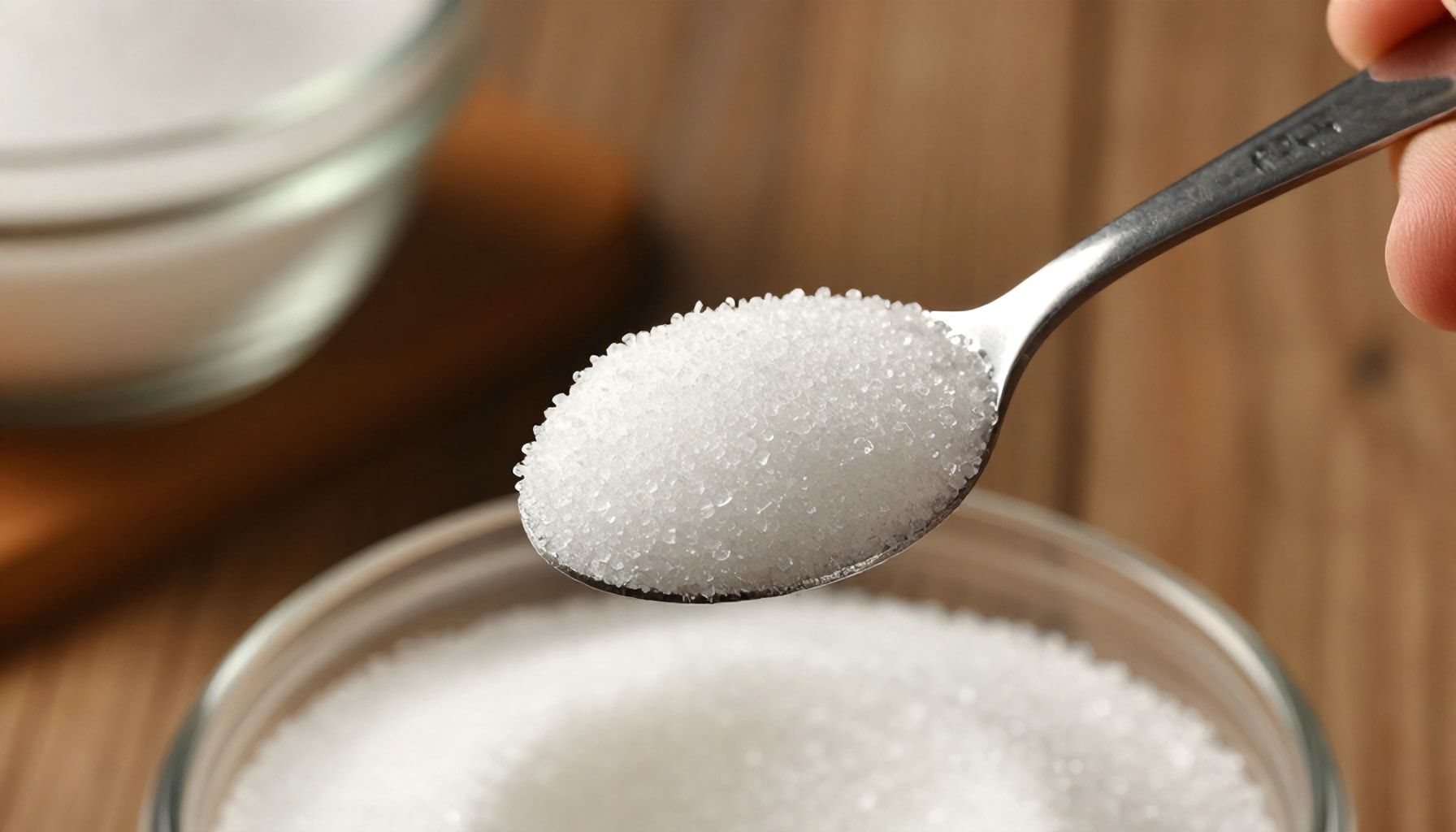
I’ve seen countless recipes ruined by a heavy hand with the sugar spoon. Too much, and your dish turns cloying; too little, and it falls flat. But here’s the thing: measuring sugar doesn’t have to be a guessing game. Master this simple teaspoon technique, and you’ll nail it every time.
First, the basics: a level teaspoon of granulated sugar weighs about 4 grams. But here’s where it gets tricky. Pack it down, and you’re looking at 5 grams. Heap it up, and you might hit 7 grams. That’s a 75% difference, folks. So, what’s the secret? Use a knife or the back of a spoon to level it off. No packing, no heaping. Just a smooth, even surface. It’s a small step, but it makes a world of difference.
Now, let’s talk about the different types of sugar. Brown sugar is denser, so a level teaspoon weighs around 5 grams. Powdered sugar is lighter, so it’s about 2.5 grams per teaspoon. And honey? That’s a whole other ball game. We’ll get to that later.
Here’s a quick reference guide for common sugars:
| Sugar Type | Grams per Teaspoon |
|---|---|
| Granulated | 4g |
| Brown | 5g |
| Powdered | 2.5g |
| Caster | 4g |
But here’s a pro tip: invest in a kitchen scale. I’ve seen too many bakers swear by the “eye it” method, only to end up with a disaster. A good digital scale will set you back about $20, but it’s a game-changer. No more guesswork, no more inconsistencies. Just precise, accurate measurements every time.
And if you’re wondering about those sticky substances like honey or maple syrup, here’s the deal: they’re denser than water, so a teaspoon weighs about 7 grams. But here’s the catch: they’re also hygroscopic, meaning they absorb water from the air. So, if you’re not using them immediately, store them in an airtight container. Trust me, you don’t want your sugar turning into a sticky mess.
Lastly, remember that this is all about practice. I’ve seen home cooks transform their baking just by paying attention to their measurements. So, grab that spoon, level it off, and happy baking!
5 Surprising Ways Sugar Grams Add Up*

You know the obvious sugar culprits: sodas, candies, pastries. But I’ve seen people get blindsided by hidden sugar grams in places they’d never expect. Here’s where those sneaky grams add up.
- Condiments: Ketchup isn’t just tomatoes and spices. One tablespoon packs about 4 grams of sugar. That’s nearly a teaspoon. And don’t even get me started on BBQ sauce.
- Yogurt: A cup of flavored yogurt can have up to 25 grams of sugar. That’s over 6 teaspoons. Stick to plain and add your own fruit.
- Granola: A half-cup serving can contain up to 15 grams of sugar. That’s nearly 4 teaspoons. Check labels carefully.
- Salad Dressing: Creamy dressings often hide 3-4 grams per tablespoon. That’s like adding a teaspoon of sugar to your greens.
- Bread: Even whole grain bread can have 2-3 grams of sugar per slice. That’s 2-3 teaspoons in a sandwich.
Here’s a quick reference table for common surprises:
| Food Item | Sugar Grams per Serving | Teaspoons of Sugar |
|---|---|---|
| Ketchup (1 tbsp) | 4g | 1 |
| Flavored Yogurt (1 cup) | 25g | 6.25 |
| Granola (1/2 cup) | 15g | 3.75 |
| Salad Dressing (1 tbsp) | 3-4g | 0.75-1 |
| Whole Grain Bread (1 slice) | 2-3g | 0.5-0.75 |
I’ve seen people cut out desserts but still struggle with weight loss. That’s often because they’re not accounting for these hidden sugars. A little here, a little there, and suddenly you’re looking at a significant intake. The key is to read labels carefully and be mindful of portion sizes. And remember, 4 grams of sugar equals about 1 teaspoon. Keep that in mind when you’re checking those labels.
Here’s a quick tip sheet for your next grocery run:
- Check the nutrition facts panel for sugar content.
- Look for hidden sugars in ingredient lists (words ending in “-ose” like sucrose, dextrose, etc.).
- Choose plain versions of foods and add your own natural sweeteners if needed.
- Be mindful of portion sizes. Just because it’s a healthy food doesn’t mean it’s sugar-free.
Stay vigilant, and you’ll be surprised how much sugar you can cut out of your diet without feeling deprived.
Understanding sugar measurements is a crucial step in managing your intake. A single teaspoon holds about 4 grams of sugar, a fact that can help you monitor your consumption more effectively. Whether you’re sweetening your morning coffee or checking nutrition labels, this knowledge empowers you to make informed choices. Remember, the American Heart Association recommends no more than 25 grams of added sugar per day for women and 36 grams for men. As you become more aware of sugar content in everyday foods and drinks, you’ll find it easier to stay within these guidelines. So, the next time you reach for the sugar bowl, consider this: how might reducing your sugar intake today benefit your health tomorrow?