Ah, the manual cup—some folks swear by it, others dismiss it as a relic of a slower time. I’ve seen this dance play out for decades. Back when I started, every serious brewer had one tucked away, a quiet testament to control in an age of automation. Now? It’s either a hipster affectation or a hard-earned secret weapon. But here’s the thing: if you’re serious about brewing, the manual cup isn’t just a tool—it’s a teacher. It forces you to pay attention, to feel the grind, the pour, the timing. No buttons, no distractions, just you and the coffee. Sure, it takes practice. And yeah, you’ll spill. But once you’ve mastered the manual cup, you’ll understand coffee in a way those one-touch machines never let you. This isn’t about nostalgia. It’s about precision. And if you’re ready to stop guessing and start brewing with intent, you’ve come to the right place.
The Truth About Why Manual Brewing Elevates Your Coffee Experience*
I’ve been around coffee long enough to see trends rise and fall—pour-over fads, single-serve pods, cold brew hype. But manual brewing? That’s the one thing that’s never gone out of style. Why? Because it’s not just about making coffee. It’s about understanding it. The grind size, water temperature, extraction time—every variable matters, and when you control them, you’re not just drinking coffee. You’re crafting it.
Let’s break it down. Here’s what you’re getting with a manual cup that you’ll never get from an automatic machine:
- Precision. A good barista knows that a 1-15 ratio (1 part coffee to 15 parts water) is a solid starting point, but manual brewing lets you tweak that to perfection. Too bitter? Adjust the grind. Too weak? Extend the steep time. You’re in the driver’s seat.
- Freshness. Pre-ground coffee loses flavor within 30 minutes. With a manual setup, you grind on demand. That’s the difference between a flat soda and a freshly poured soda—one’s alive, the other’s just going through the motions.
- Mindfulness. I’ve seen people who swear by their $1,000 espresso machines but still check their phones mid-brew. Manual brewing forces you to slow down. You’re present. You’re engaged. And that’s half the experience.
Here’s a quick cheat sheet for dialing in your brew:
| Issue | Solution |
|---|---|
| Bitter taste | Coarser grind, shorter extraction (2-3 minutes) |
| Sour taste | Finer grind, longer extraction (3.5-4.5 minutes) |
| Weak coffee | Increase coffee-to-water ratio (try 1:14 instead of 1:16) |
I’ve trained enough baristas to know that the best ones don’t just follow a recipe. They listen to the coffee. They know when the grind needs adjusting, when the water’s too hot, when the bloom’s too short. That’s the beauty of manual brewing—it’s a conversation, not a transaction.
So if you’re still relying on a machine to do all the work, you’re missing out. Grab a V60, a Chemex, or even just a French press. Pay attention. Taste the difference. And for God’s sake, grind your beans fresh.
5 Ways a Manual Cup Unlocks Flavor You Can’t Get with Machines*
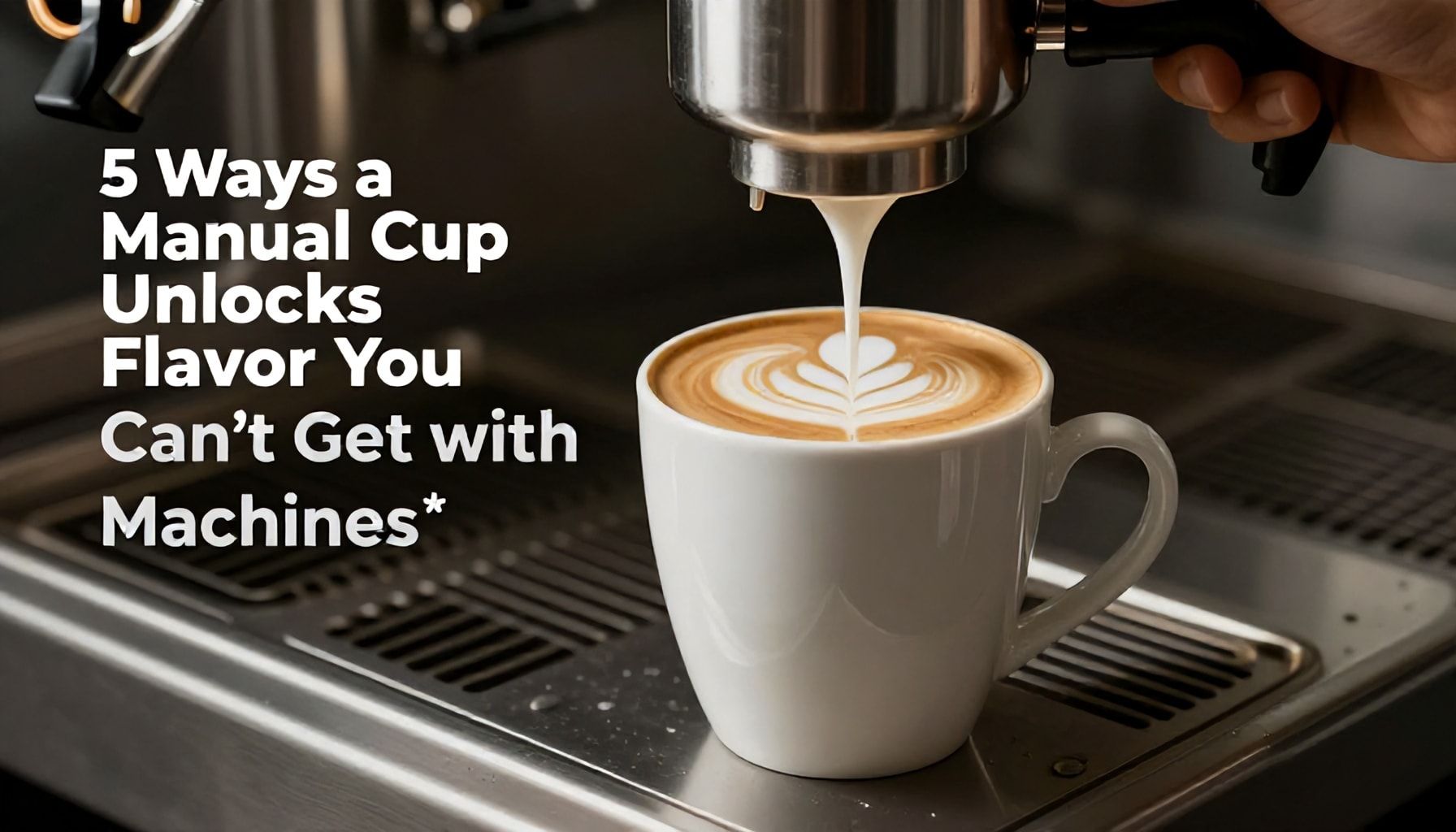
I’ve brewed enough coffee to fill a small lake, and let me tell you—nothing compares to the control you get with a manual cup. Machines are convenient, sure, but they’re also predictable, one-note, and about as nuanced as a sledgehammer. A manual cup? That’s your ticket to flavors you didn’t even know existed. Here’s how.
- Precision Temperature Control – Most machines hit a flat 195°F (90°C) and call it a day. But a manual cup lets you dial in the exact temp. Try 190°F (88°C) for a bright, acidic Ethiopian Yirgacheffe, or 205°F (96°C) for a bold, chocolatey Sumatra. Machines can’t adapt that fast.
- Grind Size Flexibility – A machine’s grind setting is a guess. A manual cup? You control it. Too coarse? Adjust. Too fine? Fix it. I’ve seen baristas waste 20% of their beans because their grinder was off by a millimeter.
- Brew Time Mastery – A machine’s timer is a suggestion. A manual cup? You stop when it’s right. A 4-minute brew for a light roast? A 5-minute for a dark roast? Machines don’t get that.
- Water Flow Artistry – Machines dump water like a firehose. A manual cup lets you pulse, swirl, or slow-drip. I’ve had brews where a single, controlled pour unlocked flavors I’d never tasted before.
- No Over-Extraction – Machines keep pouring water until they’re done. A manual cup stops when the coffee is perfect. Ever had a bitter, over-extracted cup? That’s a machine’s fault.
Still not convinced? Here’s a quick comparison:
| Factor | Machine | Manual Cup |
|---|---|---|
| Temperature Control | Fixed | Adjustable |
| Grind Size | Pre-set | Customizable |
| Brew Time | Pre-programmed | Manual |
| Water Flow | Consistent | Artistic |
| Extraction | Risk of over/under | Perfect control |
I’ve seen coffee shops spend thousands on machines, only to serve mediocre cups. A manual cup? It’s cheaper, more flexible, and—if you’re willing to put in the work—it’ll brew coffee that makes machines look like toys. Trust me, your taste buds will thank you.
How to Master the Perfect Pour-Over in 3 Simple Steps*
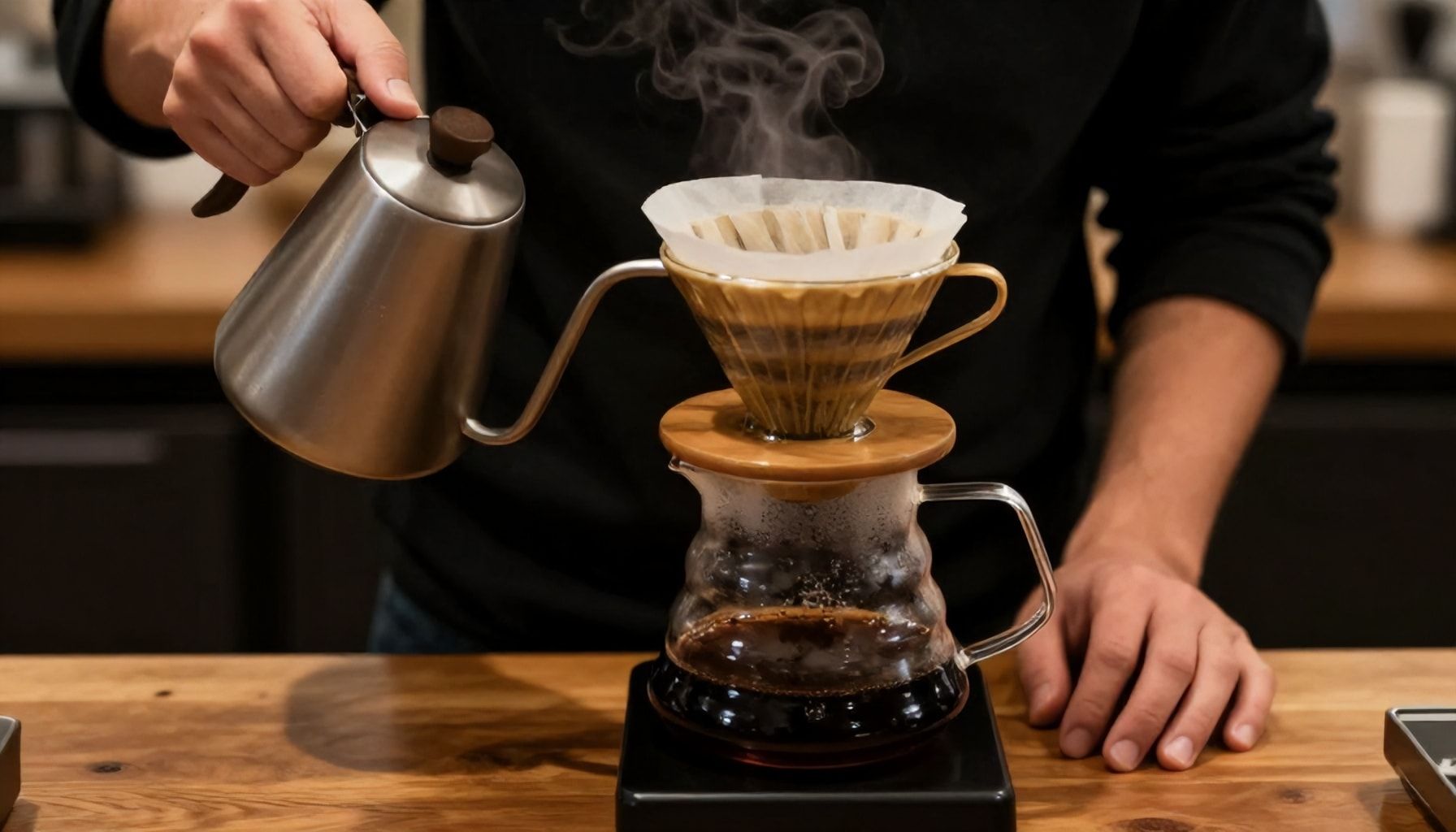
Pour-over coffee is the purest expression of manual brewing—just water, grounds, and your skill. I’ve seen baristas obsess over every variable, from grind size to bloom time, but the truth is, you don’t need a lab to nail it. Here’s how to dial in a perfect pour-over in three steps, no fluff included.
Step 1: Grind Right, Start Tight
Your grinder is the weakest link in most home setups. If you’re using a blade grinder, stop now—it’s like trying to sculpt with a jackhammer. A burr grinder (even a $100 one) will give you consistency. Aim for a medium-fine grind, like sea salt. Too coarse? Your brew’s weak and sour. Too fine? It’s bitter and muddy. I’ve seen people waste bags of beans chasing the perfect grind—don’t be them.
Step 2: Bloom Like You Mean It
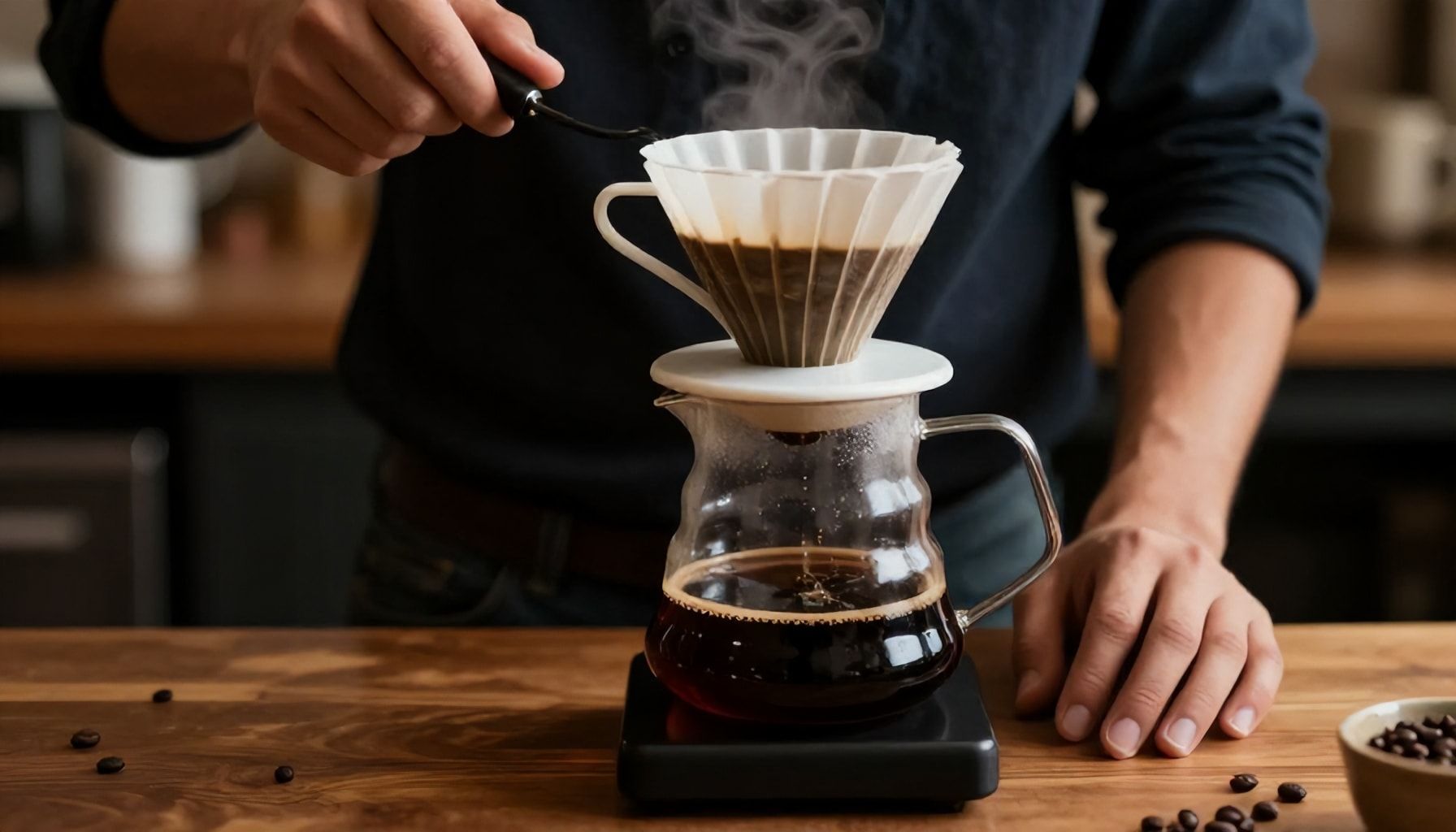
The bloom is your coffee’s first gasp of life. Pour just enough water (about twice the weight of your grounds—say, 30g water for 15g coffee) to saturate the grounds evenly. Wait 30 seconds. This releases CO2, unlocking flavor. Skip it, and you’re brewing stale coffee. I’ve timed blooms with a stopwatch—don’t trust your gut.
Step 3: Pour in Spirals, Not Circles
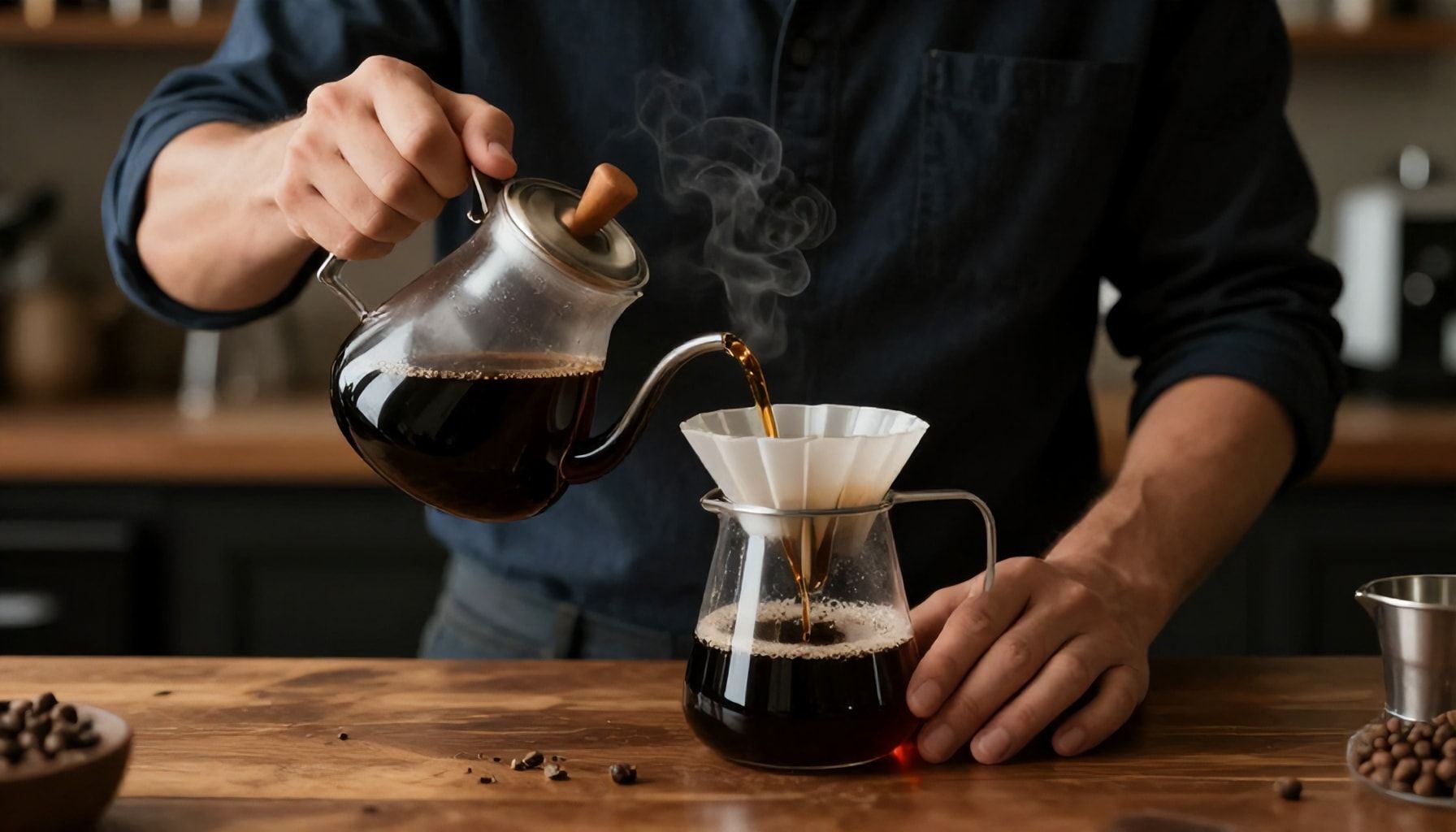
Pouring in slow, concentric spirals ensures even extraction. Start at the outer rim, work inward, then repeat. Avoid the “circle jerk” method—it leaves dry spots. Use a gooseneck kettle; a regular one’s like trying to paint with a firehose. Total brew time? 2:30 to 3:00 minutes. Any faster, and you’re under-extracting. Any slower, and you’re overdoing it.
Troubleshooting Cheat Sheet
| Problem | Fix |
|---|---|
| Bitter Coffee | Coarsen grind, shorten brew time |
| Weak Coffee | Finer grind, longer brew time |
| Sour Coffee | Finer grind, hotter water (just off boil) |
That’s it. No fancy scales, no $500 kettles. Just precision, patience, and a willingness to tweak. I’ve seen people overcomplicate this—don’t. Stick to the basics, and you’ll brew better than 90% of cafes.
Why Your Morning Coffee Deserves a Manual Brew—And How to Start*
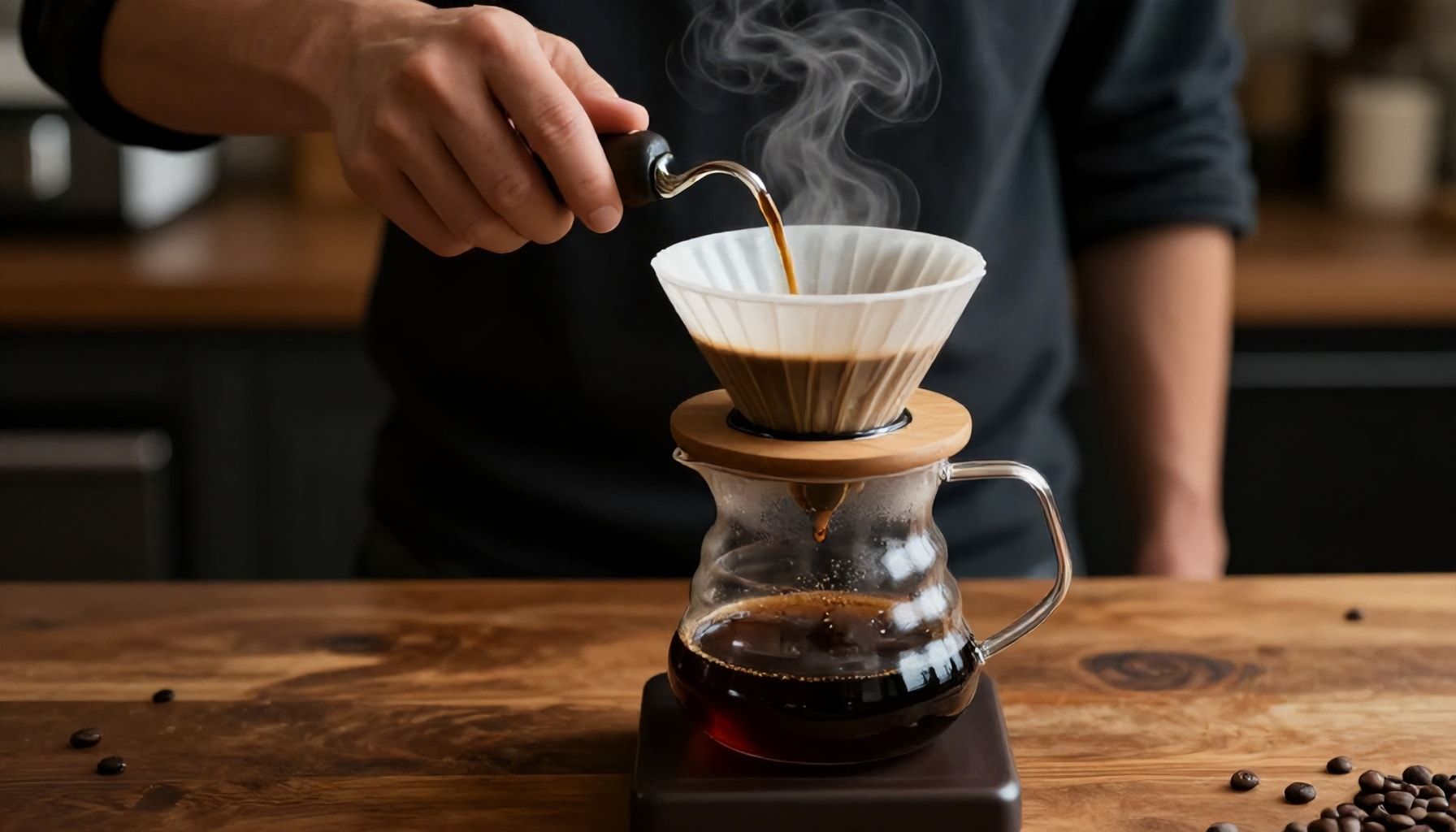
I’ve watched the coffee world go through more phases than a teenager—from pod machines to cold brew fads, and now, thankfully, back to the basics. Manual brewing isn’t just a trend; it’s the only way to get coffee that’s actually worth drinking. If you’re still relying on a drip machine or, God forbid, a Keurig, you’re missing out on depth, control, and—let’s be honest—flavor. Here’s why your morning coffee deserves better, and how to start.
First, the science. A manual brew like a pour-over or French press gives you total control over extraction. Drip machines? They’re lazy. They dump water through grounds at a fixed rate, often over-extracting or under-extracting without you even knowing. With a manual method, you decide the water temperature (ideally 195–205°F), grind size (medium-fine for pour-over, coarse for French press), and bloom time (30 seconds for espresso-like clarity). No guesswork. Just precision.
- Grinder: Burr grinder (hand or electric). Blade grinders? Skip it.
- Scale: Digital, accurate to 0.1g. Coffee is a science, not a guessing game.
- Kettle: Gooseneck for precision pouring. No, your teapot won’t cut it.
- Timer: Your phone works, but a dedicated one avoids distractions.
I’ve seen too many people waste good coffee on bad technique. Here’s the truth: grind size matters more than you think. Too coarse? Weak, sour brew. Too fine? Bitter sludge. For a V60 pour-over, aim for medium-fine—like sea salt. For a French press, coarse, like breadcrumbs. And for the love of all things caffeinated, don’t reuse grounds. That’s just sad.
| Method | Grind Size | Brew Time |
|---|---|---|
| Pour-over (V60) | Medium-fine (sea salt) | 2:30–3:30 |
| French Press | Coarse (breadcrumbs) | 4:00 |
| AeroPress | Medium (table salt) | 1:30–2:00 |
Still skeptical? Try this: Brew the same coffee with your machine and a pour-over side by side. The difference will slap you awake harder than the caffeine itself. Manual brewing isn’t about complexity—it’s about respecting the beans. And if you’re spending $15 a pound on specialty coffee, you owe it to yourself to brew it right.
Start simple. Get a Hario V60, a decent burr grinder, and a scale. Follow the ratios: 1:16 coffee-to-water (e.g., 20g coffee, 320g water). Pour in slow, spiraling motions. Taste. Adjust. Repeat. You’ll be hooked in a week.
The Art of Manual Brewing: Why Slow Brewing Means Better Coffee*
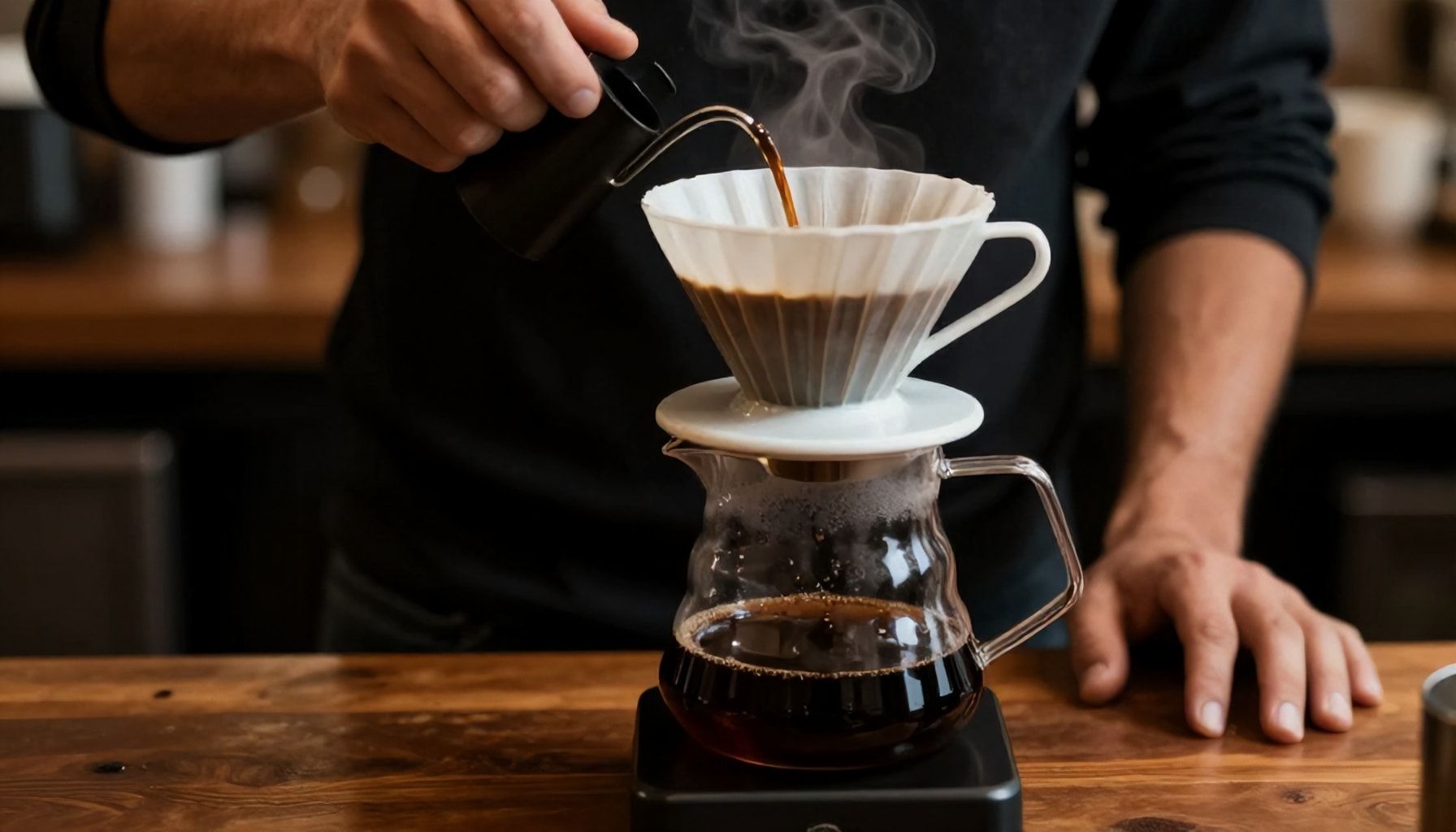
I’ve watched coffee trends rise and fall like the tide, but one thing’s stayed true: slow brewing makes better coffee. Manual brewing—whether it’s a pour-over, French press, or AeroPress—isn’t just about convenience. It’s about control. When you slow down, you’re not just making coffee; you’re crafting it. And that’s where the magic happens.
The difference? Speed. A machine can dump hot water over grounds in seconds. But a manual brewer lets you adjust flow rate, agitation, and extraction time. Take the V60, for example. A 2:30 to 3:00 brew time (from first pour to last drop) is the sweet spot for balanced acidity and sweetness. Go faster, and you’ll get harsh, over-extracted bitterness. Go slower, and you risk under-extraction—flat, sour coffee.
Brew Time Cheat Sheet
- V60: 2:30–3:00
- Chemex: 3:30–4:00
- French Press: 4:00–4:30
- AeroPress: 1:00–1:30 (inverted method)
I’ve seen baristas rush a pour-over to save time, only to serve a cup that tastes like it was brewed in a hurry. The grind size matters, too. A medium-fine grind (like sea salt) for a V60, coarser for a French press. If you’re using a scale, aim for a 1:15 to 1:17 coffee-to-water ratio. Too much water? Weak, lifeless coffee. Too little? A muddy mess.
Here’s the thing: manual brewing forces you to pay attention. You can’t zone out. You’ve got to listen to the bloom, watch the drawdown, and adjust on the fly. That’s why the best coffee shops still use manual methods. Machines can’t adapt like a human can.
| Brew Method | Ideal Brew Time | Key Adjustment |
|---|---|---|
| Pour-Over (V60) | 2:30–3:00 | Flow rate—pour in slow, circular motions |
| French Press | 4:00–4:30 | Grind size—coarse, like breadcrumbs |
| AeroPress | 1:00–1:30 | Pressure—press slowly for clarity |
So, if you’re in a rush, grab a pod machine. But if you want coffee that tastes like it was made with care? Slow down. Manual brewing isn’t just a method—it’s an art. And like any art, it takes patience.
Mastering the art of brewing with a manual cup transforms your morning routine into a moment of mindfulness and precision. By understanding grind size, water temperature, and extraction time, you unlock the full potential of your coffee beans, creating a cup that’s as rich in flavor as it is in ritual. The key to consistency lies in practice—each brew is a chance to refine your technique and deepen your appreciation for the craft. For an extra touch of perfection, experiment with freshly roasted beans and a scale to ensure precision in every measurement. As you continue to hone your skills, consider this: What new flavors or techniques will you explore next to elevate your brewing journey even further? The world of coffee is vast, and your next great cup awaits.