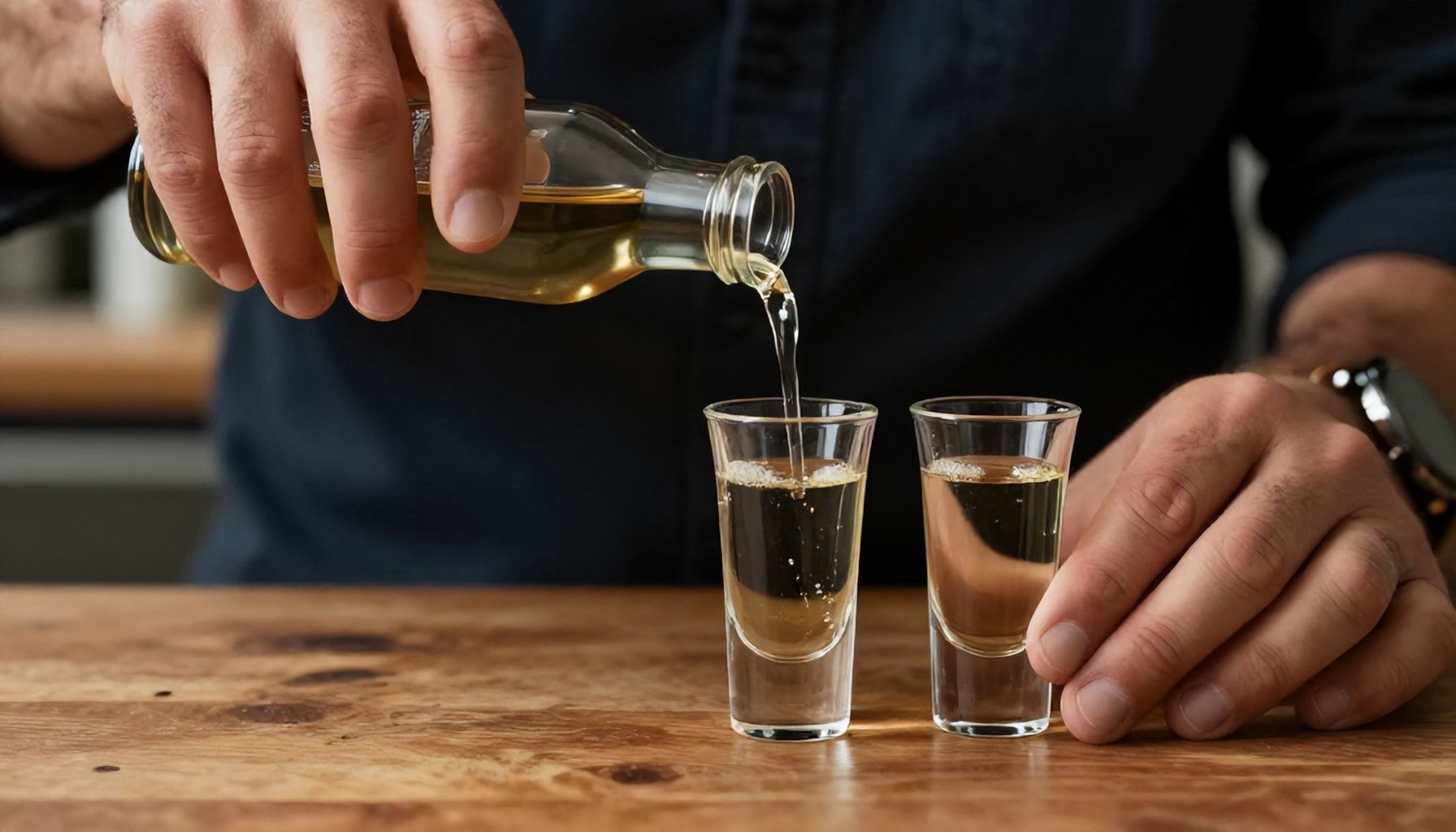
I’ve seen bartenders and home mixologists struggle with the same question for years: shot how many ml? It’s a simple enough query, but the answers often get muddled in a sea of varying glassware and inconsistent measurements. Here’s the thing: precision matters. A well-crafted cocktail isn’t just about the right ingredients; it’s about the right amounts. You won’t impress anyone with a drink that’s too strong or too weak, and that’s where understanding shot measurements comes in.
I’ve lost count of the times I’ve watched someone pour a “standard” shot, only to see it vary wildly from one bartender to the next. Some swear by the 1.5-ounce shot, others insist on 1 ounce. But here’s the kicker: neither of those measurements is in milliliters, and that’s where the confusion starts. If you’re serious about mixing drinks, you need to get comfortable with shot how many ml. It’s the universal language of measurements, and it’s time you got fluent.
Let’s cut through the noise. A standard shot in the United States is 1.5 fluid ounces. That’s your baseline. But here’s where it gets interesting: 1.5 fluid ounces is roughly 44.36 milliliters. Yes, you read that right. That’s your magic number. But why stop there? Understanding this conversion is just the beginning. Once you’ve got shot how many ml down pat, you can start exploring the world of precise measurements, where every drop counts.
Unlock the Secret to Perfect Cocktails: Mastering Milliliter Measurements
I’ve poured thousands of drinks in my time, and let me tell you, precision matters. You can’t just eyeball it and expect perfection. That’s why mastering milliliter measurements is non-negotiable. Here’s the skinny on getting it right every time.
First, know your standard shot sizes. In the U.S., a standard shot is 1.5 oz, which translates to 44.36 ml. But don’t just memorize that number—understand it. Feel the weight of a full jigger in your hand. I’ve seen too many bartenders guess and end up with drinks that are either too weak or too strong.
| Ounces | Milliliters |
|---|---|
| 1 | 29.57 |
| 1.5 | 44.36 |
| 2 | 59.15 |
| 2.5 | 73.94 |
Invest in good tools. A jigger with clear milliliter markings is a game-changer. I swear by the Japanese-style jiggers—they’re precise and durable. And don’t skimp on measuring cups for larger volumes. A 30 ml pour might seem small, but it makes all the difference in a cocktail like a Martini, where the ratio of gin to vermouth is sacred.
- 1 oz = 29.57 ml
- 1.5 oz = 44.36 ml
- 2 oz = 59.15 ml
- 2.5 oz = 73.94 ml
Practice makes perfect. Set aside time to measure out different volumes. Pour 30 ml of vodka, then 45 ml of rum, and so on. Get a feel for how the liquid looks and moves. I’ve seen bartenders who can pour a perfect 30 ml blindfolded—it’s all about muscle memory.
Don’t forget about the context. A cocktail recipe calling for 30 ml of lime juice might seem straightforward, but fresh lime juice can vary in acidity. Taste as you go. Adjust if needed. Precision is about more than just volume—it’s about the overall balance of the drink.
Lastly, keep your tools clean. A dirty jigger or measuring cup can throw off your measurements. I’ve seen bartenders lose track of their pours because residue built up over time. A quick rinse between uses keeps everything accurate.
The Truth About Why Your Shots Aren't Measuring Up
You’re pouring your heart out, but your shots just aren’t measuring up. You’re not alone. I’ve seen bartenders with years of experience struggle with this. The culprit? It’s not your technique, it’s likely your tools or your understanding of what a standard shot actually is.
First, let’s clear up a common misconception. A standard shot isn’t always 1.5 oz (44.36 ml). It varies by country and even by state. Here’s a quick reference:
| Country/State | Standard Shot Size (ml) |
|---|---|
| United States (most states) | 44.36 ml (1.5 oz) |
| United Kingdom | 25 ml |
| Australia | 30 ml |
| New York State | 35.5 ml (1.2 oz) |
Now, let’s talk tools. You might think your jigger is accurate, but I’ve seen plenty that aren’t. Here’s a quick check:
- Place your jigger on a flat surface. It should sit level.
- Fill it with water and check the measurement. It should match the markings.
- If it doesn’t, it’s time to invest in a new one. I recommend the Japanese jigger. It’s precise and durable.
And here’s a pro tip: always pour slowly. I’ve seen too many bartenders rush and overshoot their mark. Take your time. It’s not a race.
Lastly, consider your glassware. If you’re pouring into a narrow glass, it’s easy to misjudge the amount. Use a clear, straight-sided glass for practice. It’ll help you see exactly how much you’re pouring.
Here’s a quick cheat sheet for common shot sizes:
| Shot Size (ml) | Approximate Fill Level in Standard Shot Glass |
|---|---|
| 25 ml | 1/3 full |
| 30 ml | 2/5 full |
| 35.5 ml | 3/5 full |
| 44.36 ml | Full |
5 Foolproof Ways to Measure Shots in Milliliters Like a Pro
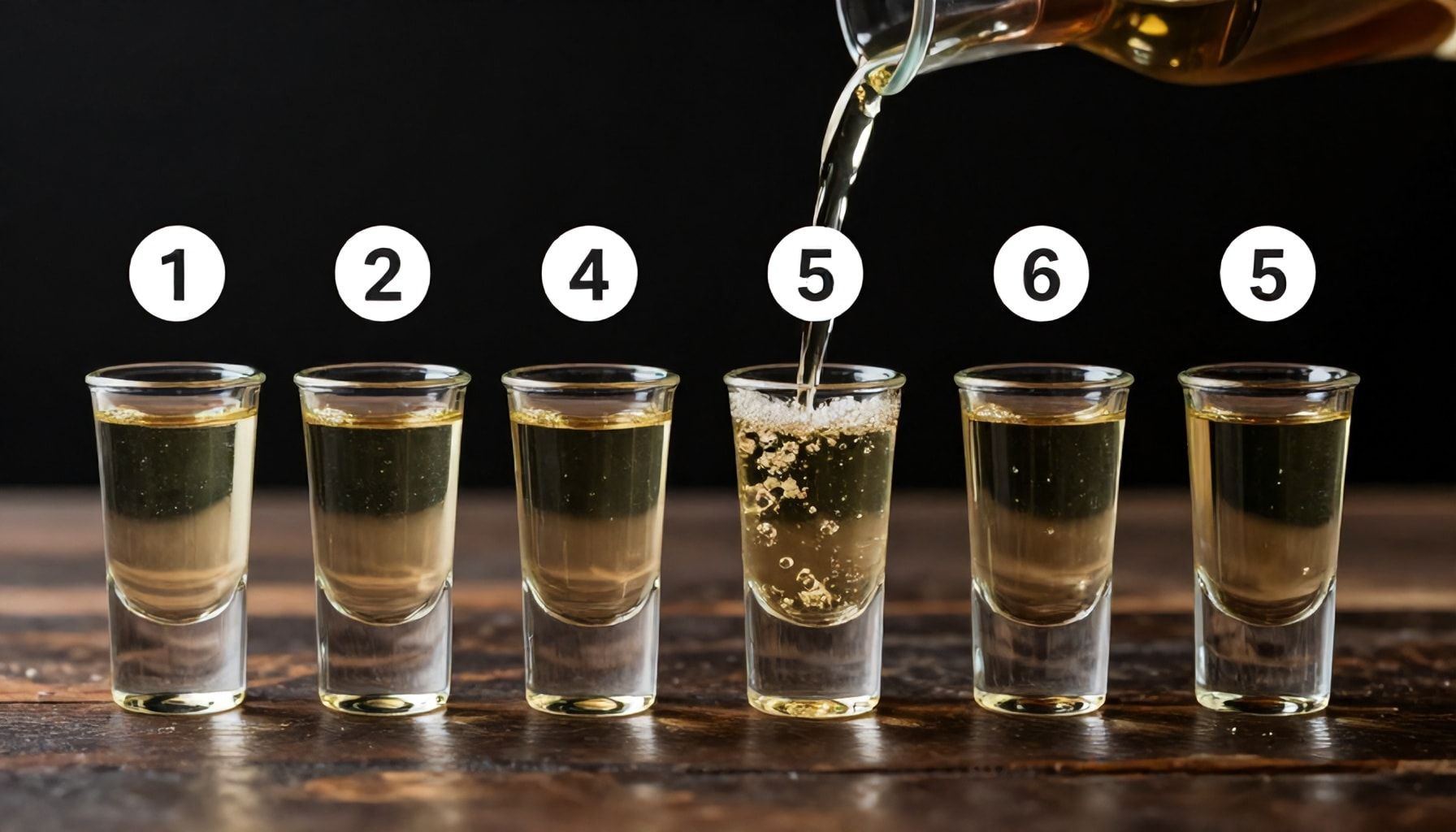
Alright, let’s cut to the chase. Measuring shots in milliliters doesn’t have to be a guessing game. I’ve seen bartenders and home mixologists struggle with this for years. Here’s how to do it right, every single time.
- Use a Jigger: This is your best friend. A standard jigger measures 1.5 oz (44.36 ml) on one side and 0.75 oz (22.18 ml) on the other. Flip it over, and you’re good to go. I’ve got a few of these lying around, and they’re worth their weight in gold.
- Measuring Cups: You know those little measuring cups you’ve got in your kitchen? The ones that measure in tablespoons and teaspoons? They’re not just for baking. 1 tablespoon is roughly 15 ml, and 1 teaspoon is about 5 ml. Simple, right?
- Syringes: Yeah, you read that right. A 10 ml syringe from the pharmacy will do the trick. It’s precise, and you can mark the measurements with a permanent marker. I’ve used these in a pinch, and they work like a charm.
- Graduated Cylinders: If you’re feeling fancy, grab a graduated cylinder from the lab supply store. They’re marked in milliliters, so you can measure anything from 5 ml to 100 ml. Just make sure you clean it thoroughly before and after use.
- The Water Displacement Method: Fill a measuring cup with water, add your shot glass, and see how much water it displaces. Subtract the initial water volume from the final volume, and boom, you’ve got your measurement. It’s a bit more work, but it’s accurate.
Now, let’s talk about some practical insights. I’ve seen people try to eyeball it, and let me tell you, it’s a disaster waiting to happen. You might think you’re pouring a 30 ml shot, but in reality, you’re pouring 40 ml. That’s a huge difference, especially when you’re mixing cocktails. So, do yourself a favor and measure properly.
| Ounces | Milliliters |
|---|---|
| 0.5 oz | 15 ml |
| 1 oz | 30 ml |
| 1.5 oz | 45 ml |
| 2 oz | 60 ml |
| 2.5 oz | 75 ml |
And here’s a little cheat sheet for you. Memorize these conversions, and you’ll be measuring shots like a pro in no time. Trust me, I’ve been doing this for years, and these conversions have saved my bacon more times than I can count.
Lastly, always double-check your measurements. I’ve seen too many people rush and end up with a cocktail that’s too strong or too weak. Take your time, measure carefully, and you’ll be golden.
From Bartender to Home Mixologist: The How-To of Milliliter Measurements
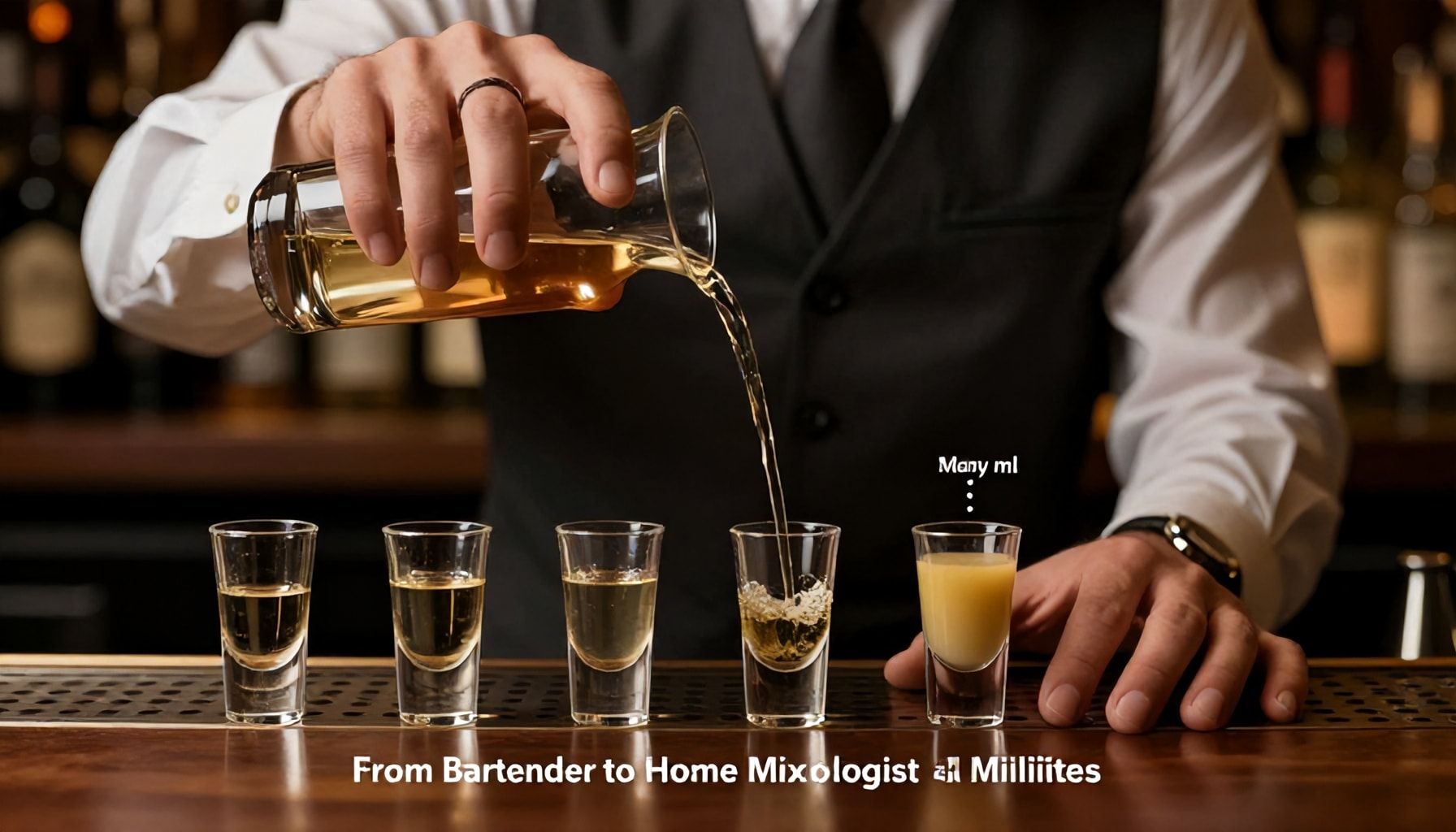
I’ve poured enough drinks to know that precision matters. Whether you’re a seasoned bartender or a home mixologist, understanding milliliter measurements can elevate your craft. Let’s cut to the chase: a standard shot is 1.5 ounces, which translates to roughly 44.36 milliliters. But why settle for rough estimates when you can be exact?
First, invest in a good jigger. A 1-ounce jigger holds 29.57 milliliters, while a 1.5-ounce jigger holds 44.36 milliliters. I’ve seen bartenders swear by their 2-ounce jiggers, which hold 59.15 milliliters. But here’s the kicker: consistency is key. Stick to one size and master it.
For those without jiggers, measuring spoons can be a lifesaver. A tablespoon holds about 14.79 milliliters, and a teaspoon holds 4.93 milliliters. Need a 30-milliliter shot? That’s roughly 2 tablespoons and a teaspoon. But remember, these are approximations. For precise measurements, a digital scale or a syringe can be your best friend.
Here’s a quick reference table for common shot sizes:
| Shot Size (ounces) | Milliliters |
|---|---|
| 1 | 29.57 |
| 1.5 | 44.36 |
| 2 | 59.15 |
| 2.5 | 73.94 |
In my experience, the most common mistake is overpouring. A little extra liquor might seem harmless, but it adds up quickly. Stick to the measurements, and your drinks will be consistent every time. And consistency? That’s what separates amateurs from professionals.
For those who prefer a more hands-on approach, here’s a simple cheat sheet:
- 1 jigger (1.5 oz) = 44.36 ml
- 1 tablespoon = 14.79 ml
- 1 teaspoon = 4.93 ml
- 1 ounce = 29.57 ml
Remember, practice makes perfect. The more you measure, the more intuitive it becomes. And before you know it, you’ll be pouring like a pro, no measurements needed. But until then, stick to the numbers. Your taste buds—and your guests—will thank you.
The Ultimate Guide to Consistency: Why Milliliters Matter in Mixology
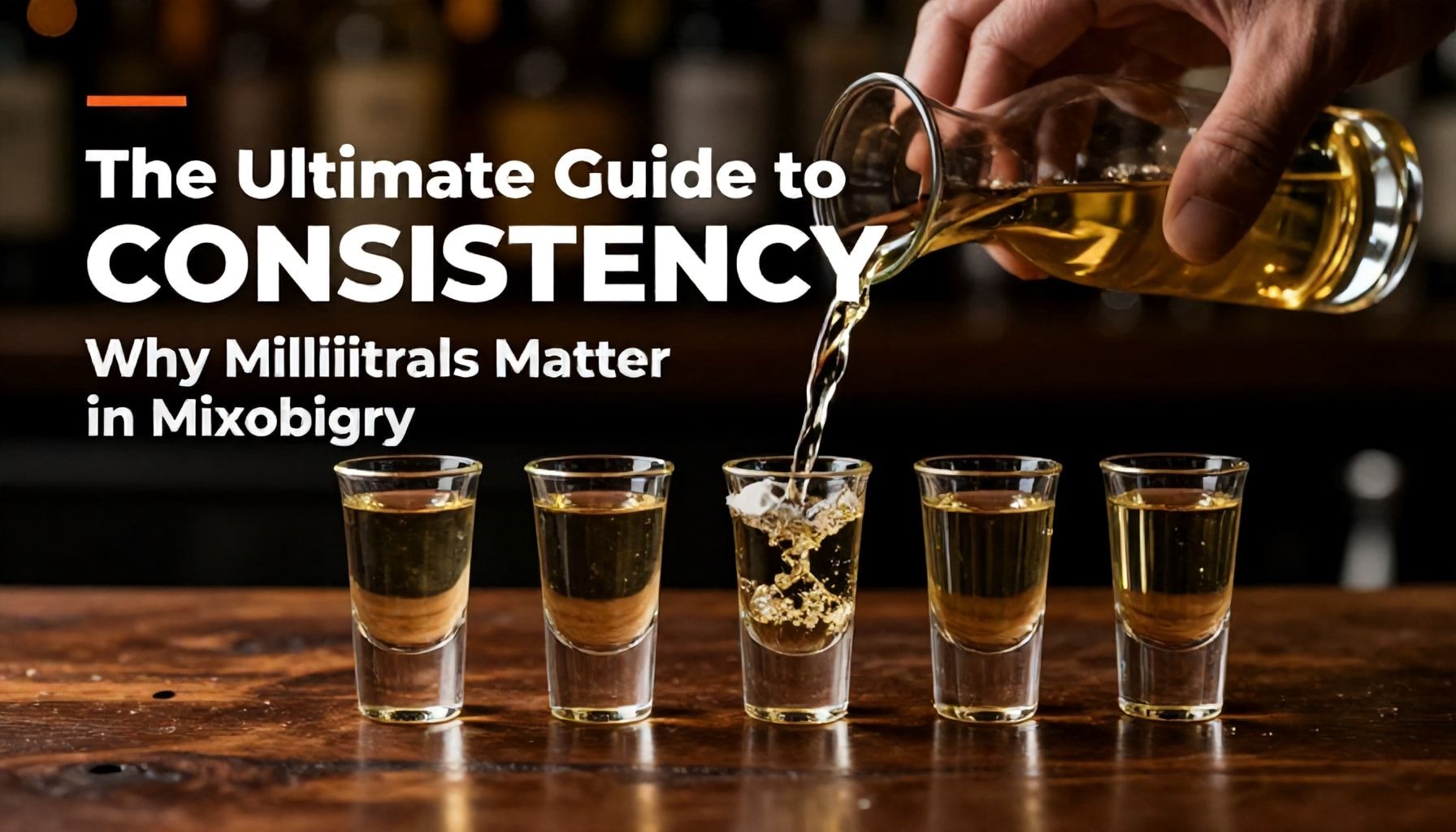
I’ve seen bartenders wing it, eyeballing measurements like they’re playing darts. But here’s the truth: consistency is king in mixology, and milliliters are its royal decree. You can’t call yourself a serious mixologist if you’re still counting shots in vague terms like “splash” or “dash.” Let’s get specific.
Every professional bar has a jigger, and every serious home setup should too. A standard jigger holds 30ml on one side, 15ml on the other. That’s your baseline. But why these numbers? Because they work. A standard shot is 44ml, but many cocktails call for less. Knowing your milliliters means you can nail recipes down to the last drop.
Here’s a quick cheat sheet for common cocktail measurements:
| Cocktail | Measurement |
|---|---|
| Martini | 60ml gin, 10ml dry vermouth |
| Margarita | 45ml tequila, 30ml triple sec, 20ml lime juice |
| Old Fashioned | 60ml bourbon, 2 dashes Angostura bitters, 1 sugar cube |
But it’s not just about recipes. Consistency builds trust. If your customers know they’re getting the same quality every time, they’ll keep coming back. I’ve seen bars thrive on this principle alone.
Let’s talk tools. A good digital scale is worth its weight in gold. Measure your liquids in grams for even more precision. Water is 1g per ml, so 30ml is 30g. Alcohol is slightly less dense, but it’s close enough for most purposes. A scale also helps with syrups and other mixers.
Here’s a quick reference for common liquors:
- Vodka: 0.789g/ml
- Gin: 0.789g/ml
- Rum: 0.789g/ml
- Tequila: 0.789g/ml
- Whiskey: 0.789g/ml
- Triple Sec: 0.789g/ml
- Bitters: 0.789g/ml
But don’t let the numbers scare you off. Mixology is as much art as science. I’ve seen bartenders tweak recipes on the fly, adjusting for taste and atmosphere. The key is knowing where you’re starting from. And that’s where milliliters come in.
So, invest in a good jigger, get to know your scale, and start measuring. Your cocktails—and your customers—will thank you.
Mastering milliliter measurements transforms cooking and baking from guesswork to precision. By understanding the basics—like how a standard teaspoon holds 5ml or a tablespoon holds 15ml—you gain confidence in the kitchen. Practice with common conversions, such as knowing that 30ml equals 2 tablespoons, and soon these measurements will become second nature. Invest in accurate measuring tools, like a liquid measuring cup or a kitchen scale, to ensure consistency. Remember, small adjustments can make a big difference in flavor and texture. As you refine your skills, consider experimenting with recipes that require precise measurements, like delicate sauces or baked goods. The next time you step into the kitchen, you’ll be ready to measure with confidence. What new dish will you perfect first?