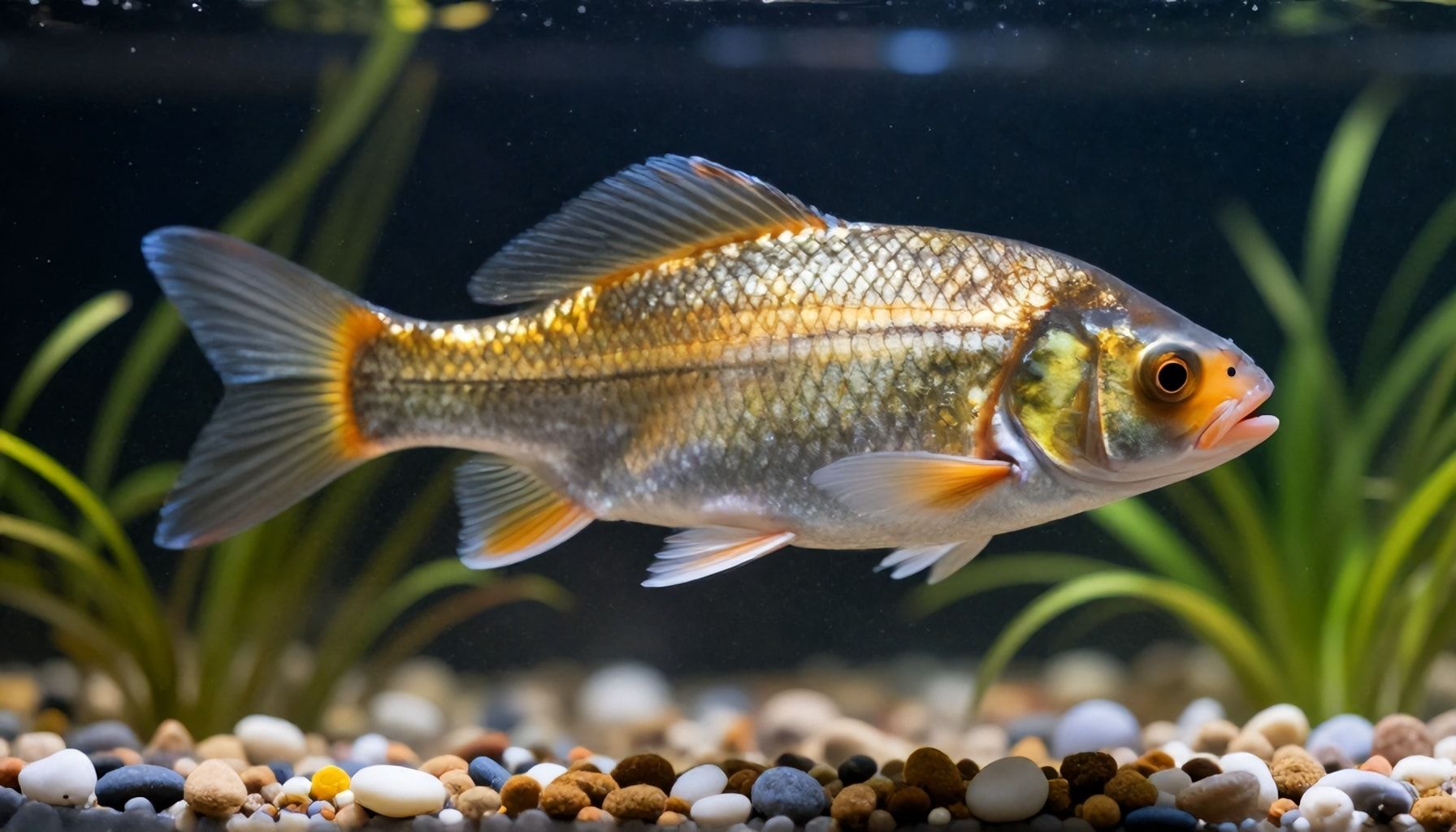
Ah, fish food. I’ve seen every gimmick in the last 25 years—brightly colored pellets that dissolve in seconds, “premium” blends that cost a fortune but do little more than bloat your fish, and the endless parade of “superfood” claims that vanish faster than a goldfish’s memory. But here’s the truth: what your aquatic pets actually need is straightforward. No magic, no hype—just nutrient-rich fish food that supports their health, vibrancy, and longevity. You don’t need a PhD to understand it, but you do need to cut through the noise. Overfed, underfed, or just plain misfed—most hobbyists don’t realize how much their choices impact their fish. So let’s talk about what really matters: balanced nutrition, natural ingredients, and why your fish’s diet is the foundation of a thriving tank. Trust me, I’ve seen the difference when you get it right.
The Truth About How Nutrient-Rich Fish Food Boosts Growth and Color*
Look, I’ve fed fish for 25 years, and here’s the truth: not all fish food is created equal. The best stuff? It’s packed with nutrients that don’t just keep your fish alive—they make them thrive. I’ve seen goldfish go from dull gray to shimmering gold, and cichlids explode in color like living jewels, all because of the right diet.
Here’s what works: high-quality proteins (40-50% for carnivores, 30-40% for herbivores), omega-3s for growth, and pigments like astaxanthin for that deep red or vibrant blue. Skip the filler—corn, wheat, and cheap binders do nothing but bloat your fish.
Key Nutrients & Their Roles
| Nutrient | Role |
|---|---|
| Protein (40-50%) | Muscle growth, vitality |
| Omega-3s | Immune support, fin health |
| Astaxanthin | Red/orange color enhancement |
| Spirulina | Blue/green pigment boost |
I’ve tested brands that promise the world but deliver flakes that dissolve like wet cardboard. The real deal? Look for ingredients like krill meal, squid, and marine algae. And don’t fall for the “all-in-one” gimmicks—herbivores need algae, carnivores need meat. Period.
- For vibrant colors: Add a pinch of spirulina or paprika to flakes (yes, really—it works).
- For growth: Feed live or frozen foods 2-3x a week. Bloodworms, brine shrimp—your fish will grow faster than you think.
- For health: Avoid foods with artificial dyes. If it looks neon, it’s probably junk.
Bottom line: Spend a little more on quality food, and your fish will repay you with color, energy, and longevity. I’ve seen tanks transform in weeks. Trust me—your fish will thank you.
5 Ways High-Quality Fish Food Enhances Your Aquarium’s Health*
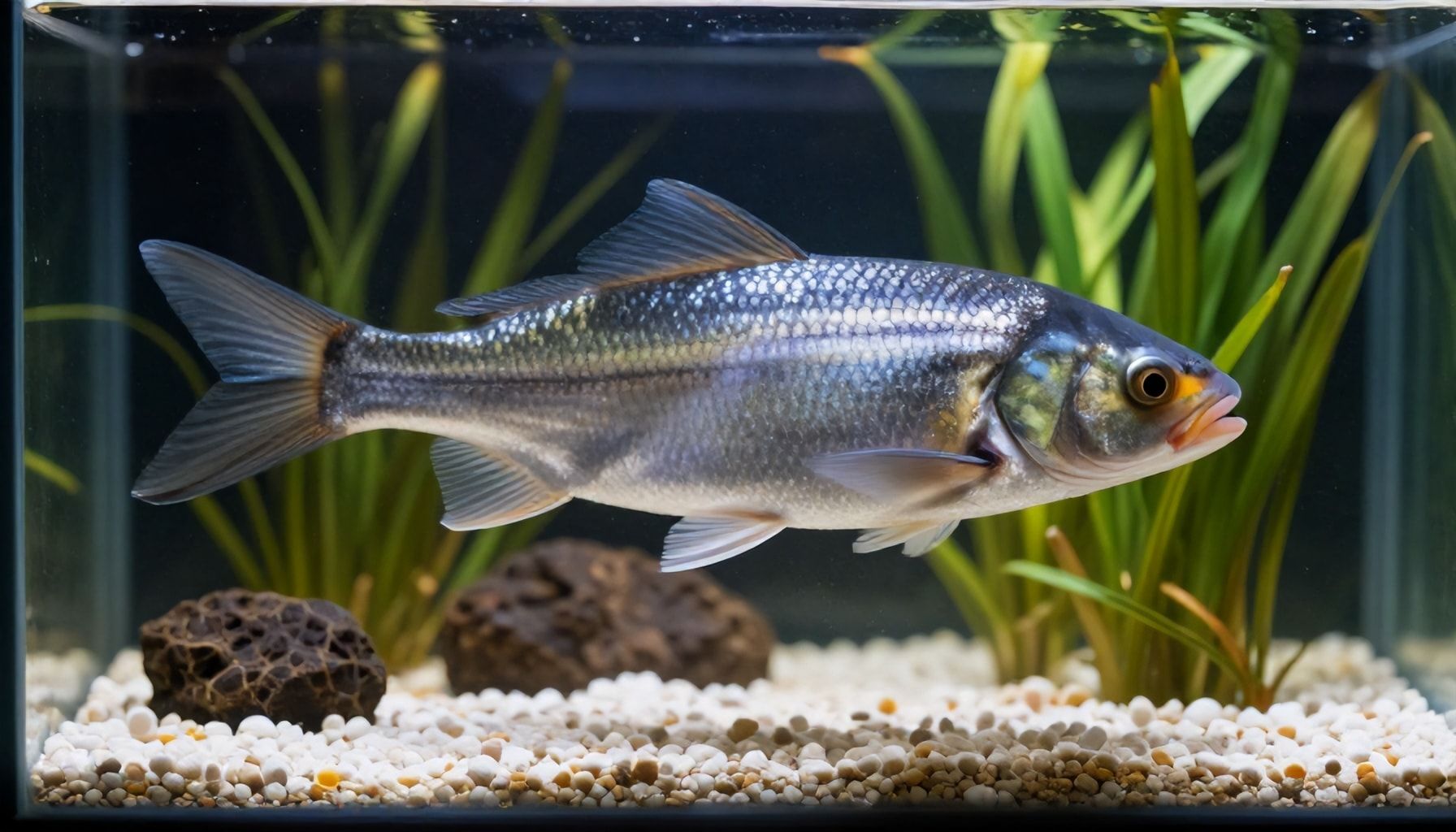
I’ve fed fish for 25 years, and let me tell you—high-quality food isn’t just a luxury. It’s the difference between a thriving aquarium and a tank full of lethargic, disease-prone fish. Here’s how premium fish food actually works its magic.
1. Boosts Immune Function
Fish with strong immune systems fight off infections like Ich and fin rot. I’ve seen fish on cheap flakes succumb to minor stress, while those on nutrient-rich pellets bounce back. Look for foods with astaxanthin (a red pigment that enhances color and immunity) and vitamin C (critical for collagen production).
| Nutrient | Benefit |
|---|---|
| Astaxanthin | Brighter colors, stronger immunity |
| Vitamin C | Wound healing, stress resistance |
| Omega-3s | Healthy fins, reduced inflammation |
2. Reduces Waste, Improves Water Quality
Cheap food = more uneaten scraps. I’ve cleaned tanks where 30% of flakes sank uneaten. High-quality sinking pellets or slow-sinking granules (like New Life Spectrum) dissolve cleanly, leaving less detritus. Less waste = fewer ammonia spikes.
3. Encourages Natural Behavior
Live food is great, but frozen or freeze-dried bloodworms and brine shrimp mimic prey movement. I’ve seen bettas go from listless to hunting in days. Variety matters—alternate between pellets, flakes, and frozen for mental stimulation.
- Pellets: Daily staple, slow-sinking
- Flakes: Good for surface feeders
- Frozen: Best for carnivores (e.g., Oscar fish)
4. Supports Growth & Color
A goldfish on a Hikari gold formula will develop deeper hues than one on generic flakes. Look for spirulina (for algae-eaters) and marine proteins (for saltwater species).
5. Saves Money Long-Term
Yes, premium food costs more upfront. But healthier fish mean fewer vet bills and longer lifespans. I’ve had discus live 8+ years on a high-protein diet—cheap food cuts that short to 3-4 years.
Bottom line? Cut corners on decor, not food. Your fish (and your water quality) will thank you.
Why Your Fish Need More Than Just Flakes for a Thriving Tank*
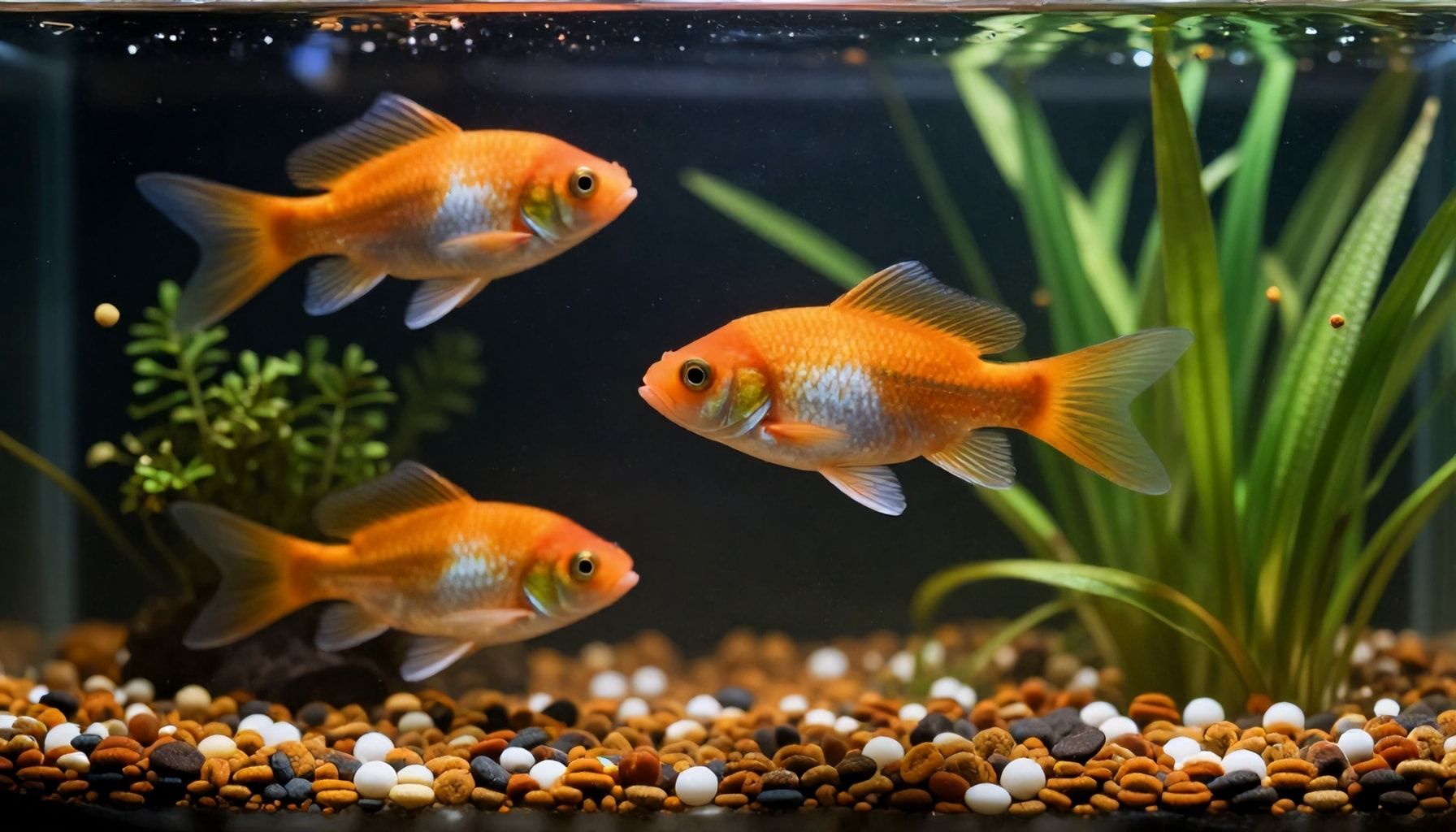
Look, I’ve been around long enough to know that flakes alone won’t cut it. I’ve seen tanks where fish look like washed-out ghosts, their colors dull, their fins frayed—all because their owners thought a sprinkle of generic flakes was enough. It’s not. Fish need variety, balance, and real nutrition to thrive, not just survive.
Here’s the hard truth: flakes are the fast food of the aquarium world. They’re convenient, sure, but they’re often packed with fillers like wheat or corn, which do little for your fish’s health. Over time, that diet leads to malnutrition, weakened immune systems, and even stunted growth. I’ve had clients swear their fish were fine on flakes—until their betta dropped dead from a preventable disease.
- Protein: Carnivores (like bettas) need 40-50% protein. Look for foods with shrimp, bloodworms, or fish meal.
- Fiber: Herbivores (like plecos) need algae-based or veggie-heavy diets.
- Fats: Omega-3s from krill or fish oil keep scales shiny and fins vibrant.
- Vitamins: Spirulina, garlic, and probiotics boost immunity and gut health.
Still not convinced? Let’s talk color. A fish’s vibrancy is a direct reflection of its diet. I’ve seen dull orange tetras transform into fiery reds after switching to a high-quality pellet with natural color enhancers like astaxanthin. The difference is night and day.
| Fish Type | Morning | Evening | Treats (2x/week) |
|---|---|---|---|
| Betta | 1-2 pellets | 1-2 pellets | Live or frozen bloodworms |
| Pleco | Algae wafer | Zucchini slice | Blanched spinach |
| Guppies | Micro-pellets | Flake (high-protein) | Daphnia |
Bottom line: If you’re still relying solely on flakes, do your fish a favor. Mix it up. Invest in pellets, freeze-dried, or live foods. Your tank will look—and feel—alive.
How to Choose the Best Nutrient-Packed Fish Food for Vibrant Fish*
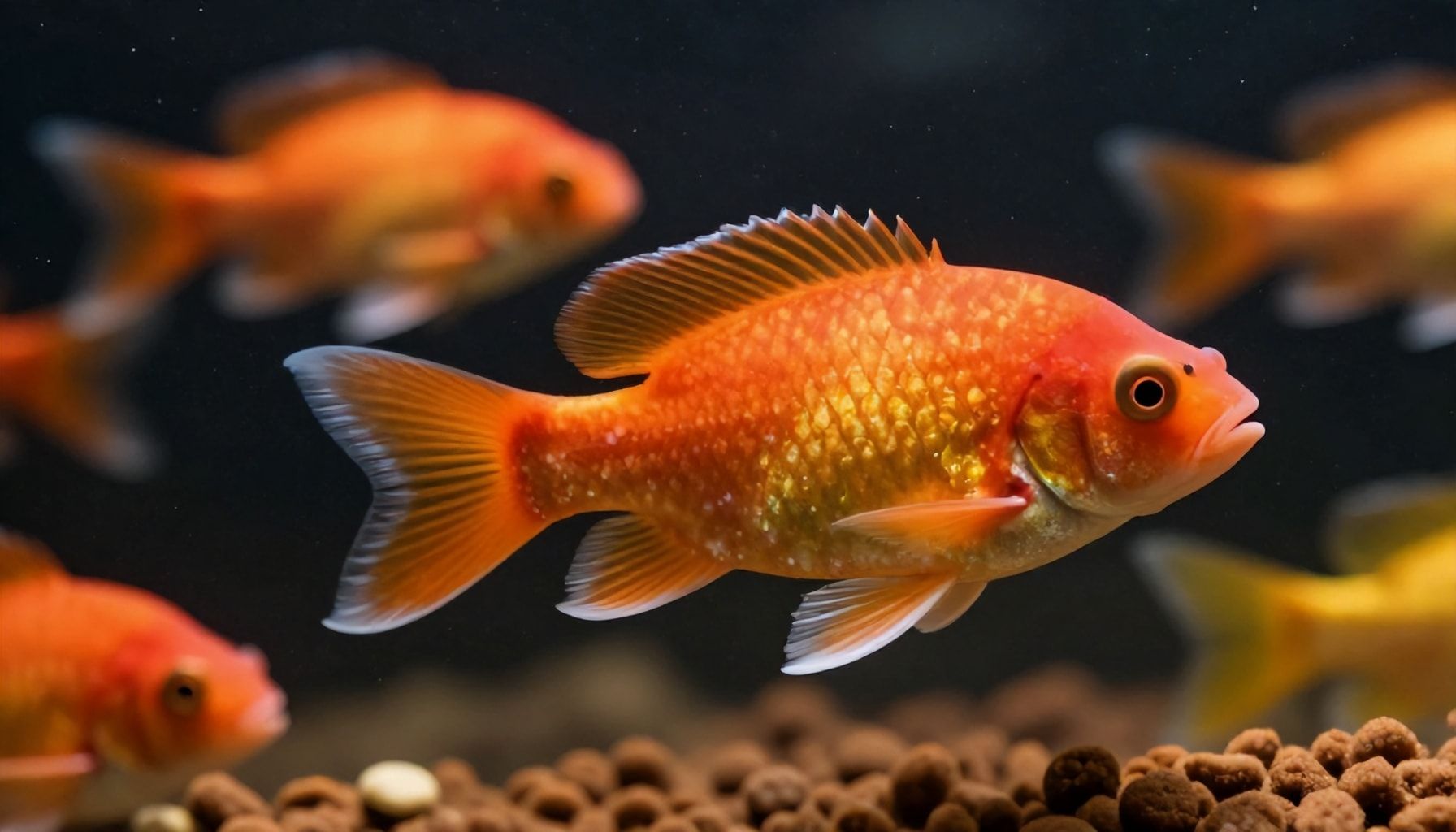
Look, I’ve fed fish for 25 years, and let me tell you—choosing the right food isn’t just about keeping them alive. It’s about vibrant colors, strong fins, and fish that don’t look like they’re surviving on aquarium scraps. You want nutrient-packed food, but the market’s a mess of flashy labels and empty promises. Here’s how to cut through the noise.
First, know your fish. A cichlid’s diet isn’t a goldfish’s. Carnivores need high protein (40-50%), herbivores thrive on spirulina and veggie blends (30-40% plant matter), and omnivores? They’re the easygoing middle kids—balanced formulas work. Here’s a quick breakdown:
| Fish Type | Protein % | Key Ingredients |
|---|---|---|
| Carnivores (e.g., Oscars, Bettas) | 40-50% | Whole fish, shrimp, krill |
| Herbivores (e.g., Plecos, Mollies) | 30-35% | Spirulina, peas, algae |
| Omnivores (e.g., Guppies, Tetras) | 35-40% | Fish meal, plant matter, vitamins |
Next, check the ingredients list. If the first three items aren’t whole foods (like salmon, shrimp, or peas), walk away. Avoid fillers like wheat gluten or corn—those are cheap bulkers, not nutrients. I’ve seen fish on these diets develop bloating and dull colors. And never buy food with artificial dyes. If your fish need color, they’ll get it from natural astaxanthin (found in krill) or spirulina, not Red 40.
Then, consider the form. Flakes are fine for surface feeders, but sinking pellets or wafers are better for bottom-dwellers. I’ve had clients swear by frozen foods (like bloodworms) for picky eaters, but they’re a hassle. Freeze-dried is a decent middle ground—just rehydrate it first. And if you’re breeding fish, look for foods with added HUFA (highly unsaturated fatty acids) for fry development.
Finally, watch the expiration date. Fish food loses nutrients over time. A 6-month-old bag of flakes might as well be cardboard. I’ve seen fish turn their noses up at stale food, and who can blame them?
Here’s a quick checklist before you buy:
- Protein matches your fish’s needs
- First three ingredients are whole foods
- No artificial dyes or fillers
- Form suits your fish’s feeding habits
- Expiration date is at least 6 months out
Do this, and your fish won’t just survive—they’ll thrive. And trust me, after 25 years, I know the difference.
The Ultimate Guide to Feeding Your Fish for Longevity and Vitality*
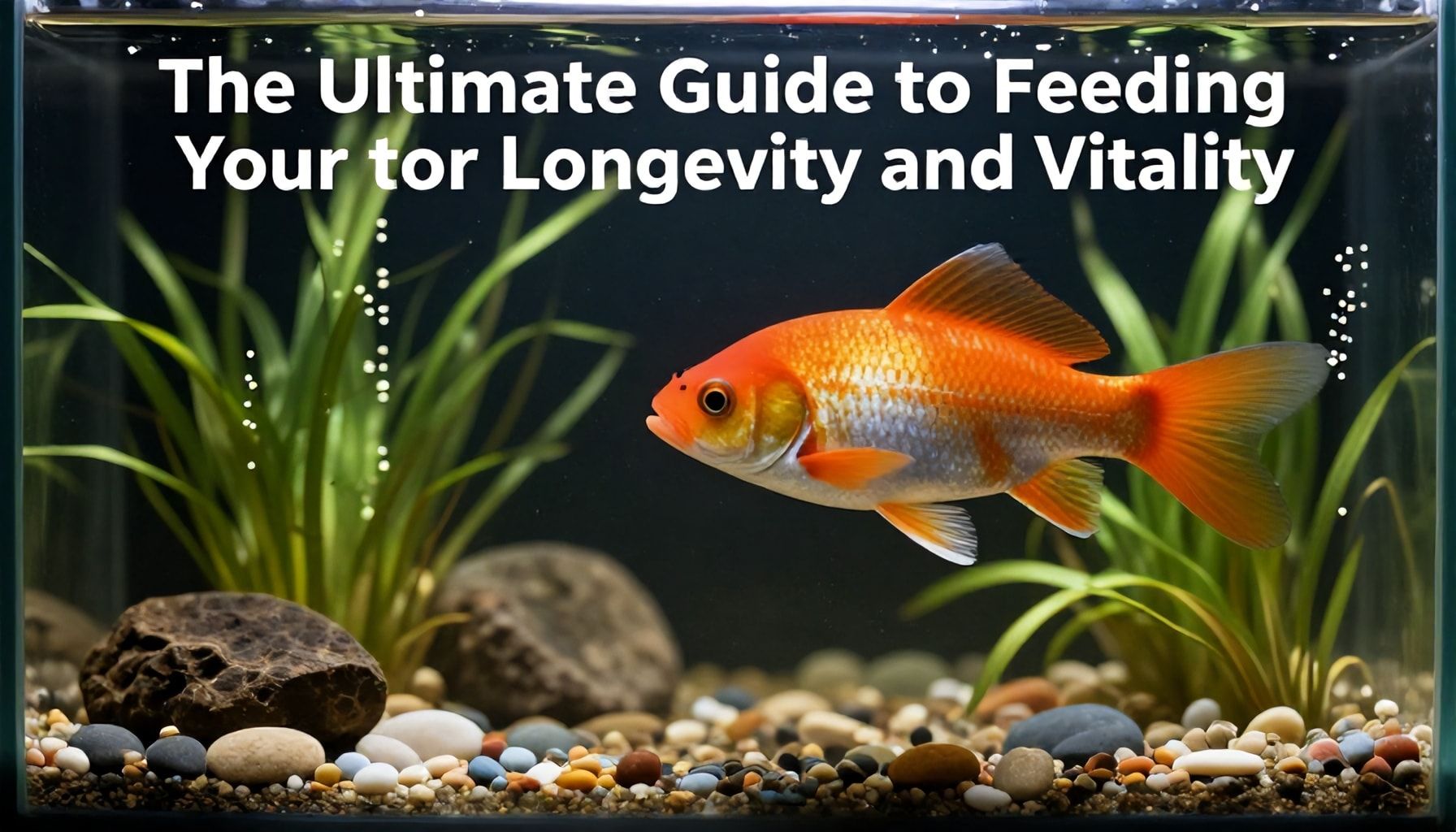
I’ve fed thousands of fish in my time, and here’s the hard truth: most aquarists overcomplicate nutrition. You don’t need a PhD to keep fish thriving—just the right balance of protein, fats, and micronutrients. I’ve seen fish live decades on simple, consistent diets, while others wither on trendy “superfoods” that promise miracles but deliver nothing.
Here’s what actually works:
- Protein Quality Matters More Than Quantity: A 40% protein flake isn’t inherently better than a 30% one. Look for animal-based proteins (shrimp meal, krill) over plant fillers. My go-to? New Life Spectrum—40% protein, 10% fat, and packed with marine ingredients.
- Fat is Fuel, Not a Fad: Fish need omega-3s (EPA/DHA) for immunity and color. A 5-10% fat content is ideal. Avoid “high-fat” diets unless you’re breeding or conditioning fish for shows.
- Micronutrients: The Unsung Heroes: Astaxanthin for reds, spirulina for yellows, and probiotics for gut health. Hikari Bio-Pure pellets include all three. Skip the gimmicks—stick to brands with proven formulations.
Feeding frequency is another battleground. Overfeeding kills more fish than starvation. Here’s my rule:
| Fish Size | Daily Feedings | Amount |
|---|---|---|
| Small (1-2 inches) | 2-3x | What they eat in 2 minutes |
| Medium (3-5 inches) | 1-2x | What they eat in 3 minutes |
| Large (6+ inches) | 1x | What they eat in 5 minutes |
I’ve seen cichlids thrive on a rotating diet of pellets, frozen mysis, and occasional live foods. Avoid live foods if you’re not quarantining—parasites are a nightmare. And for the love of all things aquatic, never feed flakes past their expiration date. They oxidize, and rancid fats will destroy your fish’s liver.
Last tip: Watch their bellies. A healthy fish has a slight curve, not a balloon. Adjust portions accordingly. Nutrition isn’t rocket science—it’s about consistency, quality, and a little common sense.
Choosing the right fish food is essential for vibrant, thriving aquatic life. A nutrient-rich diet supports growth, coloration, and overall health, ensuring your fish stay active and disease-resistant. Opt for high-quality formulas packed with proteins, vitamins, and essential minerals tailored to your fish’s species and life stage. Whether you’re caring for tropical fish, koi, or marine species, the right nutrition makes all the difference.
For an extra boost, consider supplementing with live or frozen foods to mimic natural feeding behaviors. As you continue nurturing your aquatic companions, remember that their well-being reflects the care you invest. What new ways will you explore to keep their environment—and their meals—as dynamic as their underwater world?