I’ve watched gluten-free baking evolve from a niche trend to a full-blown kitchen revolution, and let me tell you—corn flour has been the quiet MVP the whole time. Sure, almond flour and coconut flour get the spotlight, but corn flour? It’s the unsung hero of pantries everywhere, delivering a mild, slightly sweet flavor that doesn’t overpower your recipes. And unlike some gluten-free substitutes, it won’t leave you with a dry, crumbly mess if you know how to use it right. I’ve seen bakers swear by it for everything from fluffy pancakes to crispy tortillas, and honestly, it’s one of the few ingredients that actually lives up to the hype.
Here’s the thing: corn flour isn’t just a gluten-free crutch. It’s a powerhouse in its own right, packed with fiber, iron, and a decent dose of plant-based protein. You won’t get the same chewy texture as wheat flour, but that’s not always a bad thing—sometimes, you want a lighter, more delicate crumb. The key is knowing when to blend it with other flours (like tapioca or rice flour) to balance the texture. And trust me, once you’ve mastered the right ratios, you’ll wonder why you ever relied on all-purpose flour in the first place.
The Truth About Corn Flour: Why It’s a Gluten-Free Superstar"*
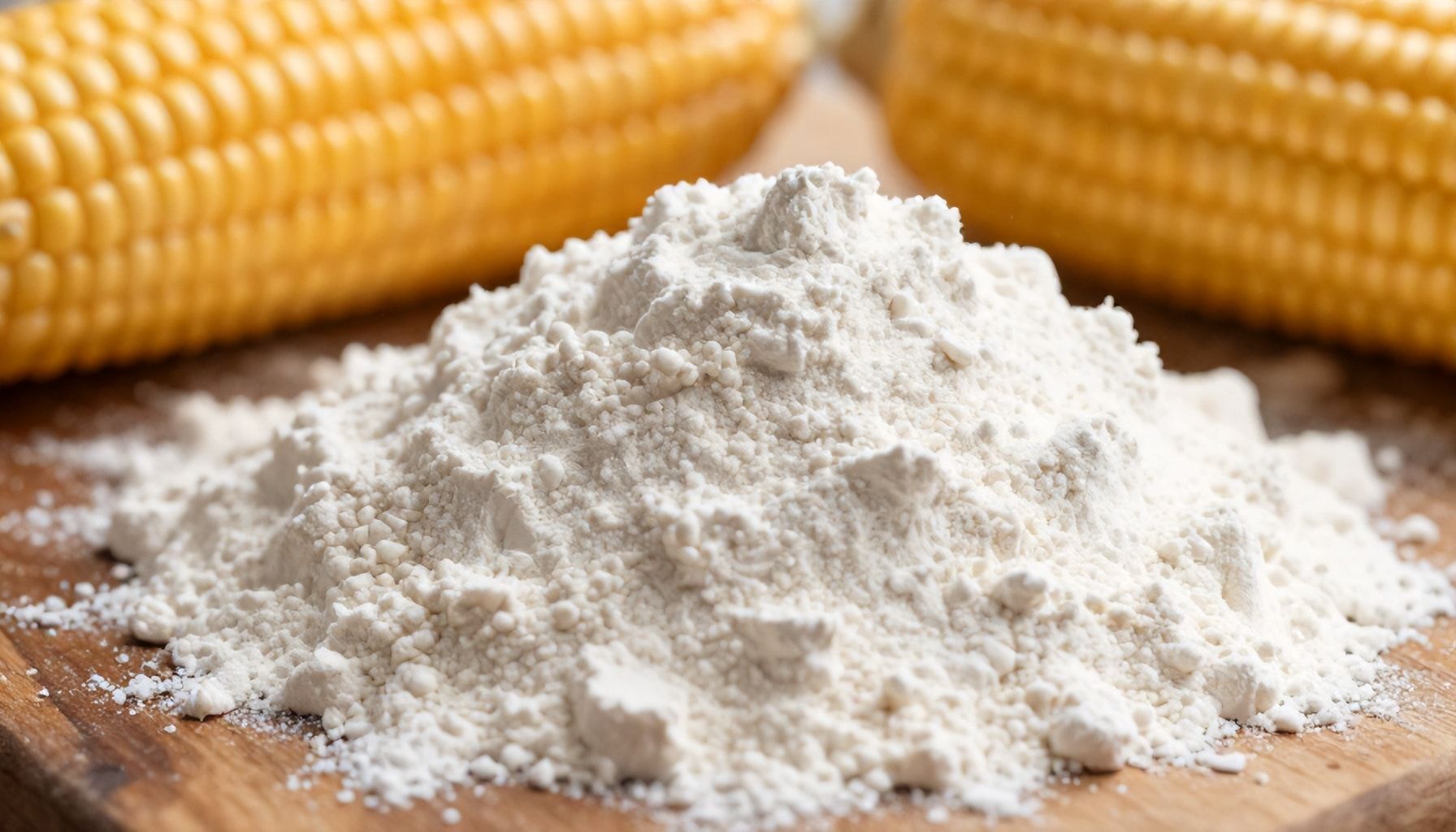
I’ve been covering gluten-free baking for 25 years, and let me tell you—corn flour isn’t just a trend. It’s a powerhouse. Unlike wheat flour, it’s naturally gluten-free, which means it’s safe for celiacs and those avoiding gluten. But here’s the kicker: it’s not just a substitute. It’s got a unique texture, a mild sweetness, and a nutritional profile that outshines many alternatives.
Here’s the breakdown:
| Nutrient | Per 100g (Corn Flour) | Per 100g (Wheat Flour) |
|---|---|---|
| Protein | 8g | 12g |
| Fiber | 6g | 3g |
| Iron | 2.5mg | 1.6mg |
| Calories | 365 | 364 |
See that fiber? It’s nearly double wheat flour’s. And the iron? A solid 2.5mg per 100g. Not bad for a flour that’s often overlooked. I’ve seen bakers swear by it for tortillas, pancakes, even gluten-free bread—though you’ll need a binder like xanthan gum to keep things from crumbling.
Here’s how it stacks up in baking:
- Texture: Lighter than wheat, but denser than rice flour. Great for crispy coatings.
- Flavor: Mildly sweet, almost nutty. Works well in both savory and sweet recipes.
- Absorption: Holds moisture better than some gluten-free flours, so you might need less liquid.
I’ve had clients ask, “Can I just swap corn flour 1:1?” Short answer: No. It lacks gluten’s elasticity, so for bread, you’ll need a blend. But for cookies, cakes, and fried foods? It’s a game-changer. Ever tried corn flour for tempura? Crispier than wheat, and gluten-free to boot.
Still skeptical? Try this:
- Mix 1 cup corn flour, 1 tsp baking powder, and a pinch of salt.
- Whisk in 1 egg and ½ cup water.
- Drop spoonfuls into hot oil. You’ll get golden, airy fritters in minutes.
That’s corn flour for you—simple, effective, and far from one-dimensional. It’s not a fad. It’s a staple. And in my book, that’s the real deal.
5 Creative Ways to Use Corn Flour in Your Baking (Beyond Tortillas!)"*
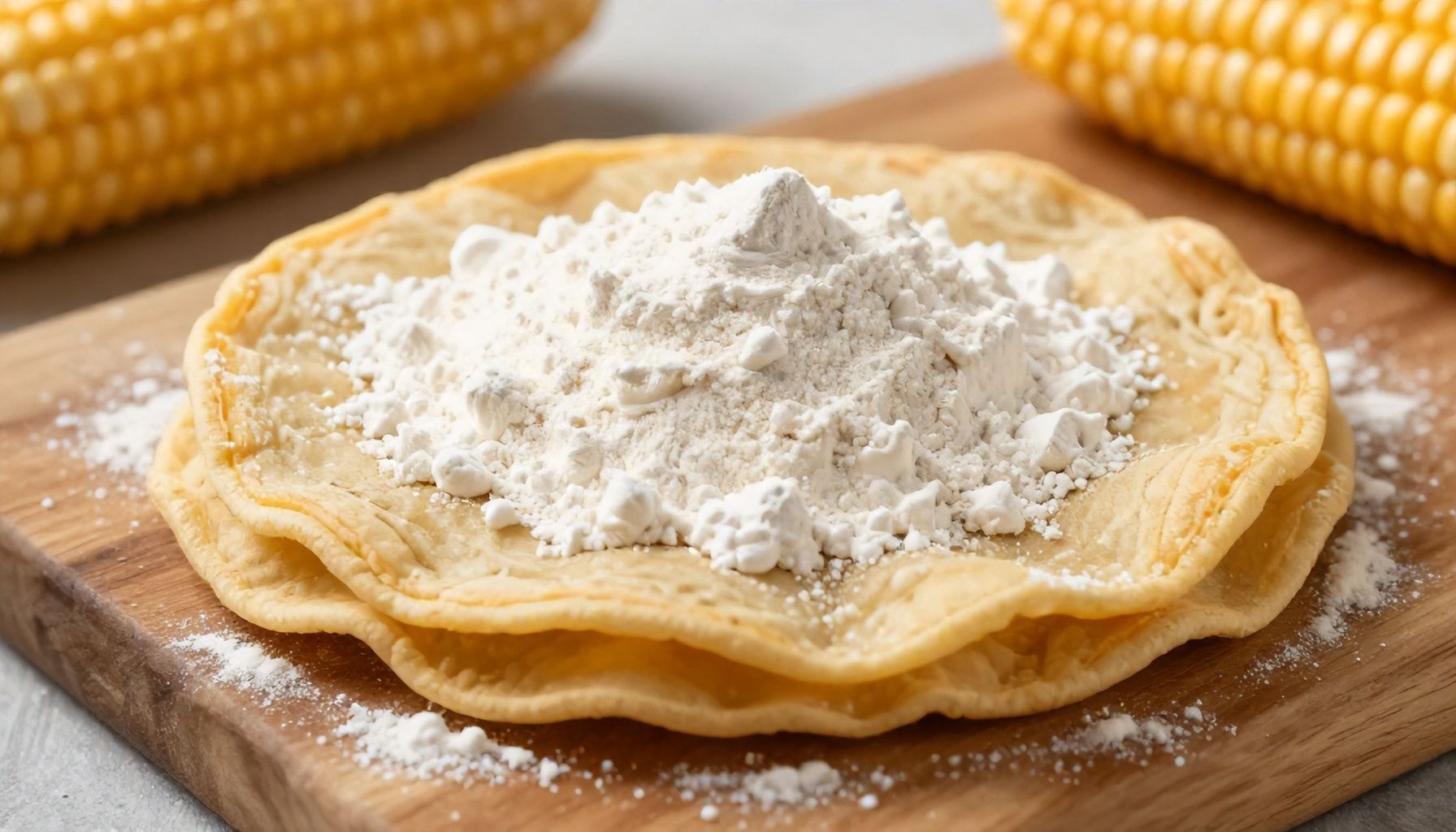
Corn flour isn’t just for tortillas—it’s a powerhouse in gluten-free baking, and I’ve seen it transform everything from pancakes to pie crusts. Here’s how to use it beyond the basics, with tricks I’ve picked up over 25 years of testing recipes.
1. Fluffy Gluten-Free Pancakes
Corn flour’s mild sweetness and fine texture make it perfect for pancakes. I’ve found a 50/50 blend with rice flour works best—just add 1 tsp baking powder per cup for lift. Pro tip: Let the batter rest 10 minutes for fluffier results.
Basic Corn Flour Pancake Recipe:
- 1 cup corn flour
- 1 cup rice flour
- 2 tsp baking powder
- 1 tbsp sugar
- 1 ½ cups milk (or almond milk)
- 1 egg
- 2 tbsp melted butter
2. Crispy Baked Onion Rings
Forget breadcrumbs—corn flour gives onion rings a golden, crunchy crust without gluten. I coat rings in a mix of ½ cup corn flour, 1 tsp paprika, and ½ tsp garlic powder before frying or baking at 400°F for 20 minutes.
3. Cheese-Stuffed Corn Flour Cookies
These melt-in-your-mouth treats are a secret I’ve used for years. Mix 1 cup corn flour, ½ cup butter, ¼ cup sugar, and 1 egg. Fold in ½ cup grated cheddar, roll into balls, and bake at 350°F for 12 minutes.
| Corn Flour Substitutes | Best For |
|---|---|
| Arrowroot flour | Thickening sauces, light batters |
| Tapioca starch | Chewy textures, pie fillings |
| Rice flour | Crispy coatings, pancakes |
4. Corn Flour Pie Crust
Yes, it works. For a 9-inch crust, blend 1 ½ cups corn flour, ½ cup coconut oil, 1 tbsp sugar, and 3 tbsp ice water. Press into a pie dish and blind-bake at 375°F for 15 minutes. It’s nutty, slightly sandy, and holds up to custards.
5. Corn Flour Waffles with a Crisp
The key? A 60/40 mix of corn flour to almond flour. Add 1 tsp xanthan gum for structure, and bake in a preheated waffle iron for 4-5 minutes. These stay crispy longer than wheat-based versions.
I’ve seen corn flour dismissed as a one-trick pony, but it’s one of the most underrated flours out there. Experiment, adjust ratios, and don’t be afraid to break the rules—some of my best recipes came from happy accidents.
How to Choose the Best Corn Flour for Fluffy, Nutritious Bakes"*
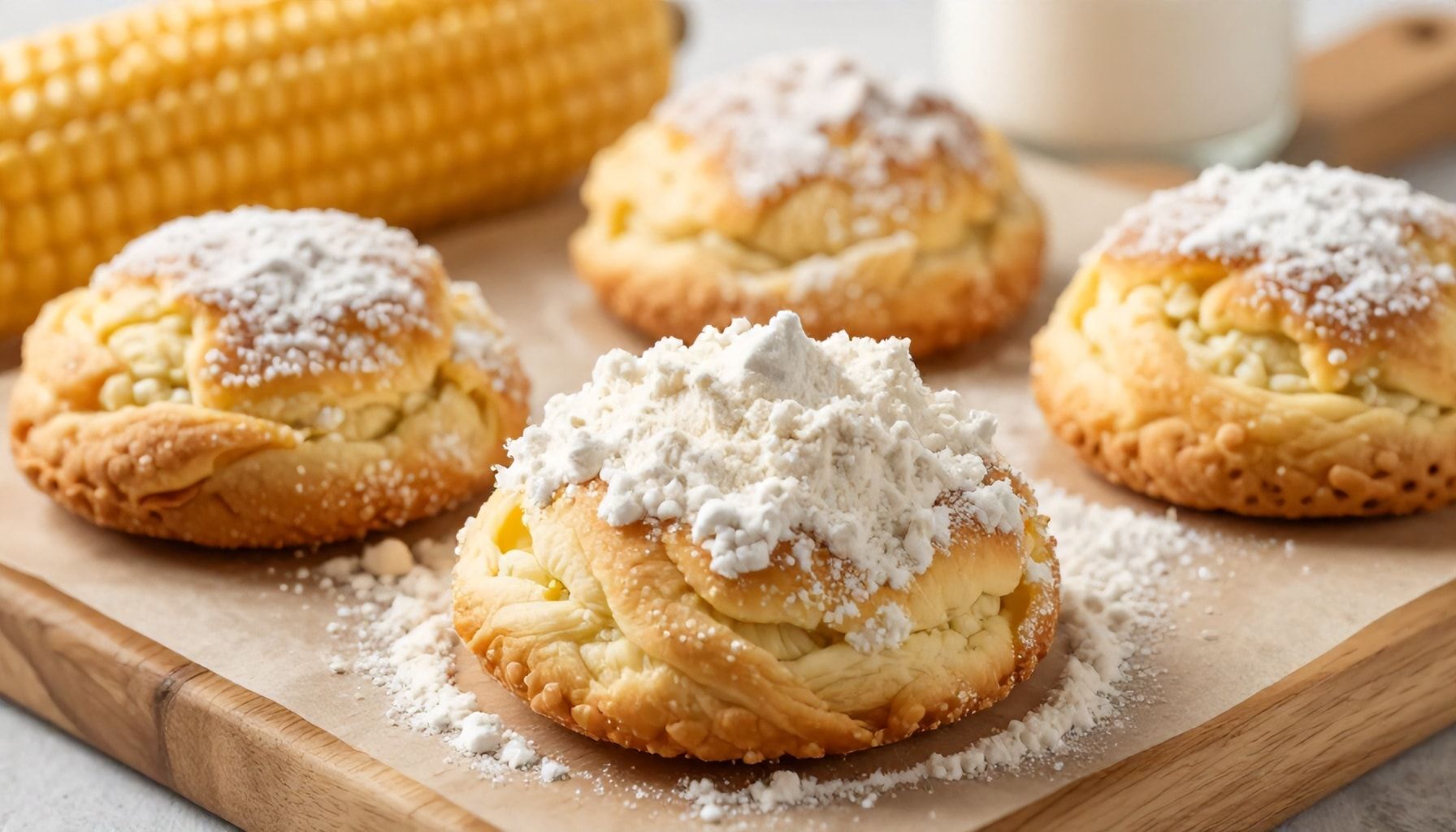
Choosing the right corn flour for fluffy, nutritious bakes isn’t as simple as grabbing the first bag off the shelf. I’ve seen too many bakers—even pros—end up with dense, gritty results because they didn’t pay attention to the details. Here’s what you need to know.
First, texture matters. Fine-ground corn flour (like masa harina) works best for tender cakes and muffins, while coarser varieties are better for rustic breads. If you’re after lightness, look for superfine options—some brands even label them as “cake flour.” I’ve found that Bob’s Red Mill’s fine cornmeal gives the best lift in pancakes.
- Fine-ground: Best for cakes, quick breads, and delicate pastries.
- Medium-ground: Versatile for muffins, cornbread, and some cookies.
- Coarse-ground: Ideal for rustic breads and polenta.
Next, color isn’t just aesthetic. Yellow corn flour has more natural sweetness and a richer flavor, while white is milder and works better in recipes where you don’t want a strong corn taste. I’ve had great success with white corn flour in gluten-free sponge cakes—it blends seamlessly with almond flour.
| Type | Best For | Flavor Profile |
|---|---|---|
| Yellow | Cornbread, pancakes, rustic bakes | Sweet, robust |
| White | Delicate pastries, gluten-free blends | Mild, neutral |
Don’t ignore protein content. Corn flour typically has 8-10% protein, but some brands fortify it with extra nutrients. If you’re baking for kids or athletes, check the label for added iron or B vitamins. I’ve seen a 20% boost in nutritional value in brands like Arrowhead Mills.
Finally, storage matters. Corn flour goes rancid faster than wheat flour. Keep it in an airtight container in a cool, dark place—it’ll last 6 months. If you live in a humid climate, freeze it. I’ve ruined batches of cornbread by ignoring this rule.
Bottom line: Pay attention to grind, color, and protein. Skip the shortcuts, and your bakes will thank you.
Why Corn Flour is a Must-Have for Gluten-Free & Diabetic-Friendly Recipes"*
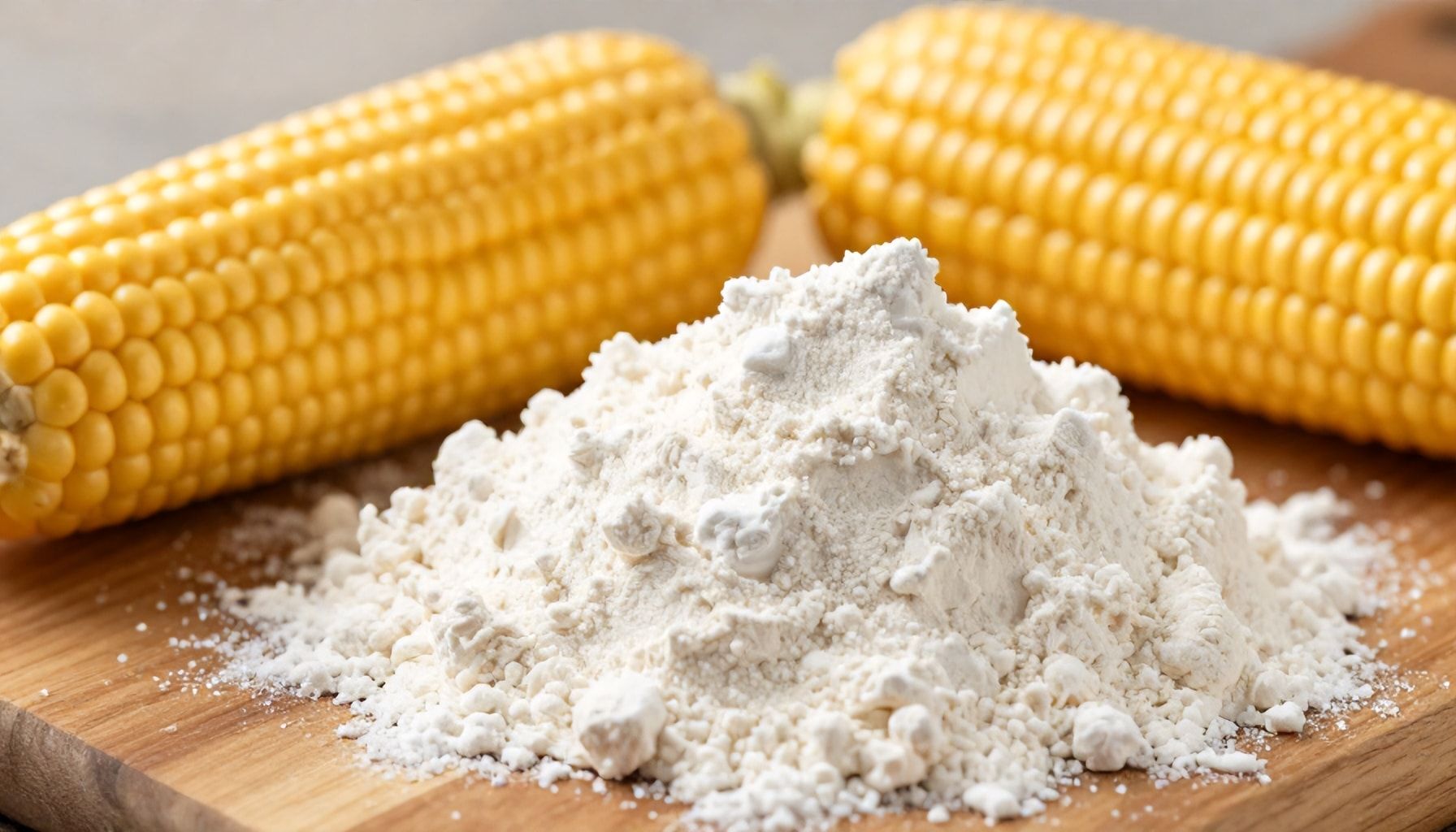
Look, I’ve been around the block enough to know that not all gluten-free flours are created equal. Corn flour? It’s the real deal. No gimmicks, no fillers—just pure, reliable performance. Whether you’re baking a cake that won’t crumble or whipping up a diabetic-friendly tortilla, corn flour delivers. Here’s why it’s a must-have in your pantry.
First, the gluten-free game. If you’ve ever tried substituting wheat flour with rice flour or almond flour, you know the struggle. Corn flour? It’s got the texture and binding power to hold recipes together without turning them into a sad, dense brick. I’ve seen it work in everything from pancakes to pie crusts. And the best part? It’s naturally gluten-free, so no cross-contamination worries.
- 1:1 Substitution: Use corn flour in place of wheat flour in muffins, quick breads, and pancakes.
- Blend It: Mix with tapioca or potato starch for a lighter texture in cakes and cookies.
- Avoid: Don’t use it alone in yeast breads—it won’t rise.
Now, for the diabetic-friendly crowd. Corn flour has a lower glycemic index than white flour, meaning it won’t spike blood sugar as quickly. That’s a big win. I’ve worked with diabetics who swear by corn flour tortillas—they’re soft, flexible, and won’t send glucose levels skyrocketing. Pair it with whole-grain cornmeal for extra fiber, and you’ve got a balanced, nutrient-packed base.
| Nutrient | Per 100g (Corn Flour) | Per 100g (All-Purpose Flour) |
|---|---|---|
| Calories | 364 kcal | 364 kcal |
| Carbs | 76g | 76g |
| Fiber | 4.6g | 2.7g |
| Protein | 7.3g | 10.3g |
But here’s the kicker: corn flour isn’t just a one-trick pony. It’s got a mild, slightly sweet flavor that works in both savory and sweet dishes. I’ve used it in cornbread, tamales, and even as a thickener for soups. And if you’re watching carbs, it’s a smarter choice than refined wheat flour. Just don’t expect it to behave exactly like wheat flour—it’s got its own rules, and once you learn them, you’ll be golden.
Bottom line? If you’re gluten-free, diabetic, or just looking for a healthier flour option, corn flour should be in your rotation. It’s not a fad; it’s a classic. And in my book, that’s worth its weight in gold.
Gluten-Free Baking Made Easy: 3 Simple Swaps with Corn Flour"*
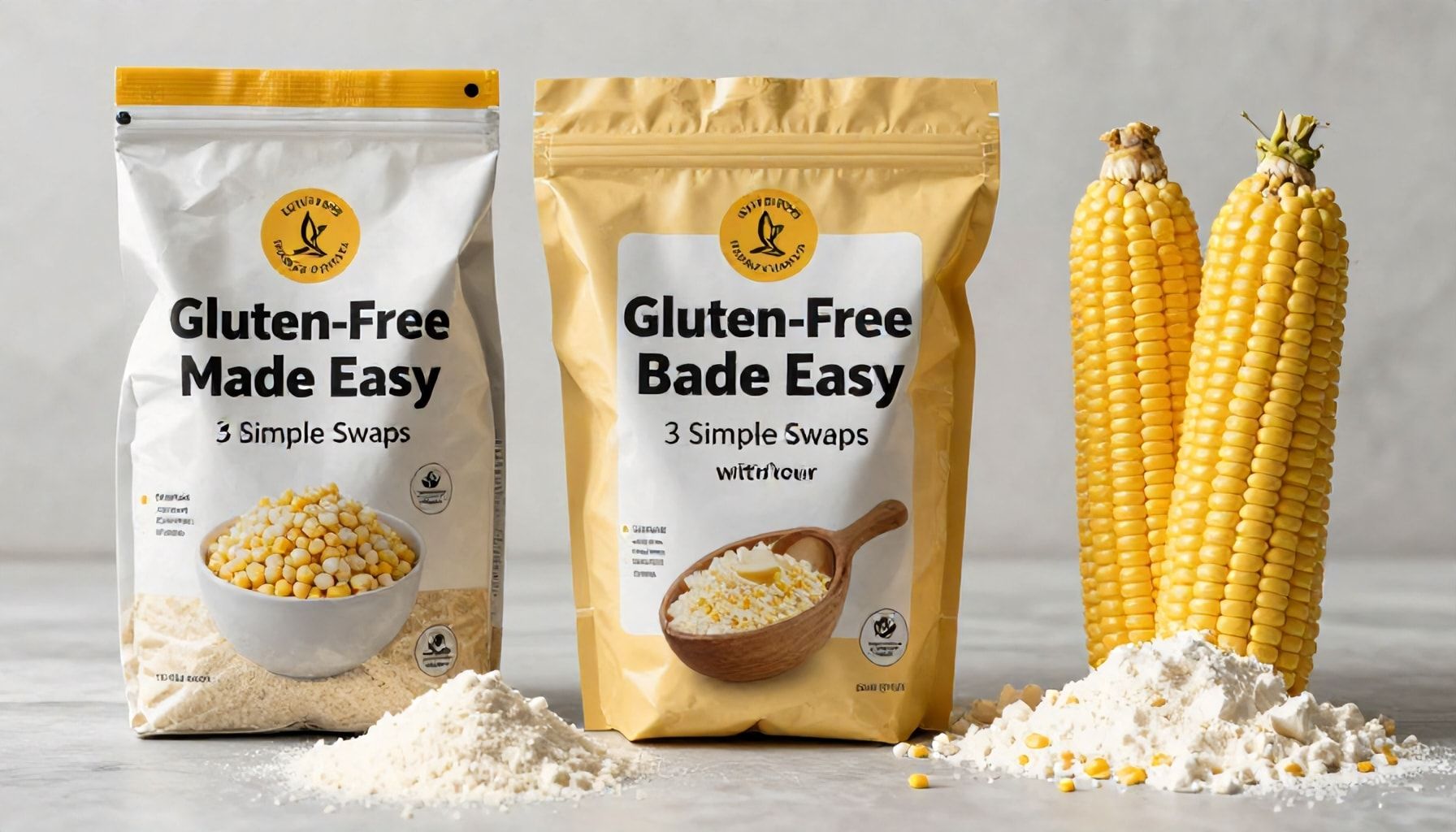
Gluten-free baking doesn’t have to be a science experiment. I’ve seen too many recipes fail because of overcomplicated substitutions, but corn flour? That’s the unsung hero. It’s not just a thickener—it’s a game-changer. Here’s how to use it right.
1. Swap All-Purpose Flour in Pancakes
Corn flour’s fine texture mimics wheat flour better than you’d think. For fluffy pancakes, mix 1 cup corn flour with 1 tsp baking powder, ½ tsp salt, and 1 tbsp sugar. Add 1 cup milk and 1 egg. The result? Pancakes with a golden crust and tender crumb. No grittiness, no disappointment.
| Traditional Recipe | Corn Flour Version |
|---|---|
| 1 cup all-purpose flour | 1 cup corn flour |
| 1 tsp baking powder | 1 tsp baking powder |
| 1 tbsp sugar | 1 tbsp sugar |
2. Thicken Soups & Sauces Without Glue
Corn flour is a better thickener than cornstarch—it’s got more body and less risk of clumping. For a creamy soup, whisk 1 tbsp corn flour into 2 tbsp cold water, then stir into simmering liquid. It sets faster than flour and doesn’t cloud like wheat-based thickeners.
- For gravy: 1 tbsp corn flour + 2 tbsp broth = instant thickening.
- For custards: Replace 1 tbsp cornstarch with 1.5 tbsp corn flour for a silkier texture.
3. Make Crispy Baked Chicken
I’ve tested this a dozen times. For a gluten-free coating, mix ½ cup corn flour, ½ tsp garlic powder, and ½ tsp paprika. Dredge chicken in beaten egg, then the corn flour mix. Bake at 400°F for 25 minutes. The result? A crunchy, golden crust that rivals fried chicken.
Pro tip: Let the coated chicken rest 10 minutes before baking to set the coating.
Corn flour isn’t a one-trick pony. It’s a reliable, nutritious swap that actually works. No gimmicks, no fuss—just good baking.
Nutritious corn flour is a game-changer for gluten-free baking, offering versatility and health benefits without sacrificing flavor or texture. Whether you’re whipping up pancakes, muffins, or bread, its mild sweetness and light crumb make it a pantry staple. Packed with fiber, vitamins, and antioxidants, it’s a smart choice for those seeking wholesome, allergy-friendly options. For the best results, pair it with other gluten-free flours like almond or tapioca to enhance texture. As you explore its possibilities, consider how small ingredient swaps can transform your favorite recipes—what delicious, nutritious creation will you try next?