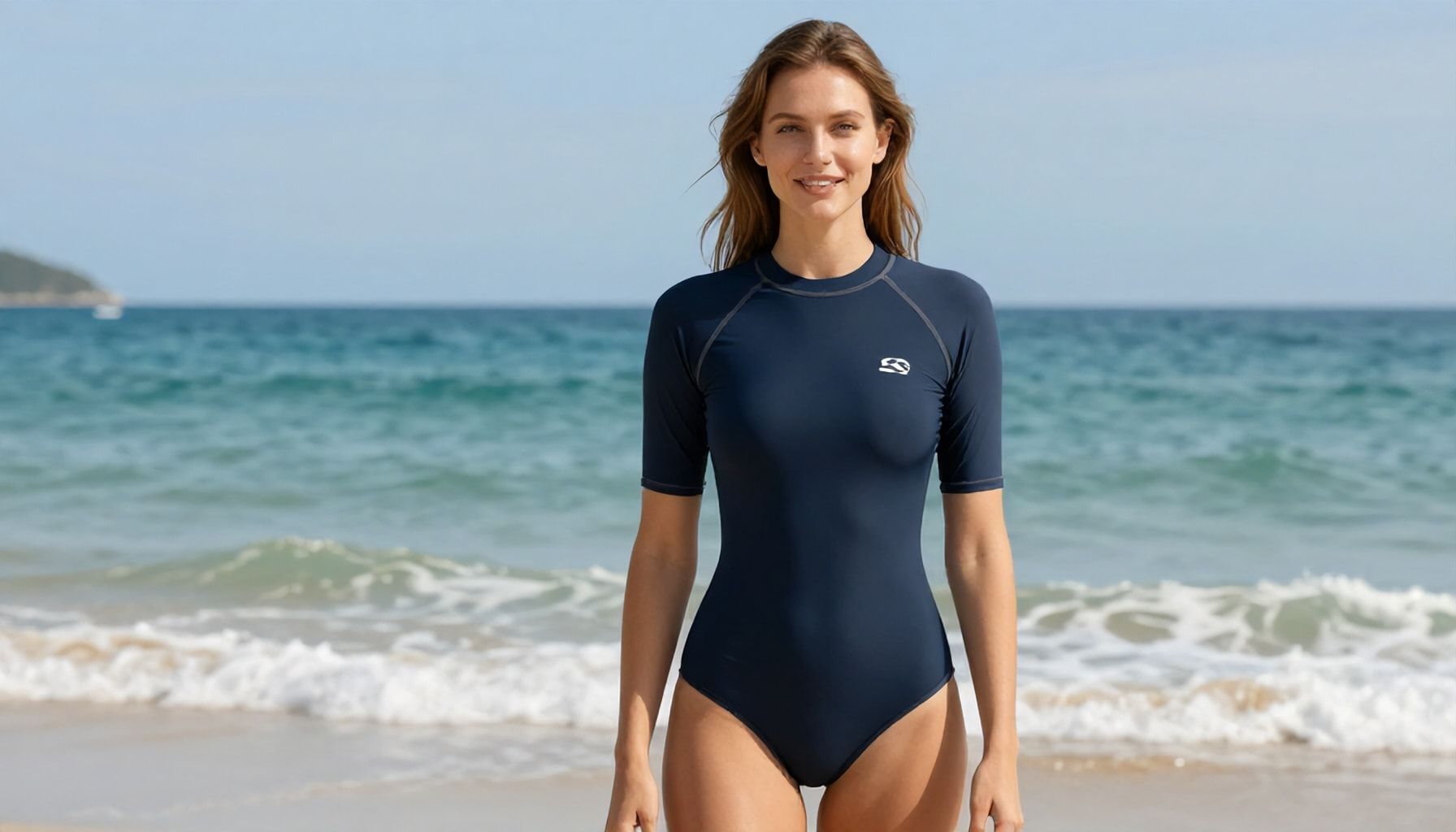
I’ve seen it all—athletes, surfers, swimmers, even weekend warriors—all convinced they’ve found the perfect rash guard, only to end up with more rash from their rash guard than they would’ve gotten from the sun or sand. It’s a classic case of good intentions gone wrong, and I’ve watched it happen more times than I can count. You’d think a garment designed to prevent irritation would never cause it, but here we are. The truth? Not all rash guards are created equal, and wearing the wrong one can leave you with more red marks than protection.
Rash guards are supposed to be your skin’s best friend, shielding you from chafing, UV rays, and even jellyfish stings. But if the fabric’s too rough, the fit’s off, or the material’s not breathable, you’re just trading one problem for another. I’ve tested enough of these things to know what works—and what doesn’t. The key? Understanding the science behind the fabric, the fit, and how your body moves in it. Because the last thing you want is to end up with rash from your rash guard instead of the relief you were promised. Let’s cut through the marketing fluff and get to what really matters.
How to Choose the Right Rash Guard to Prevent Irritation*
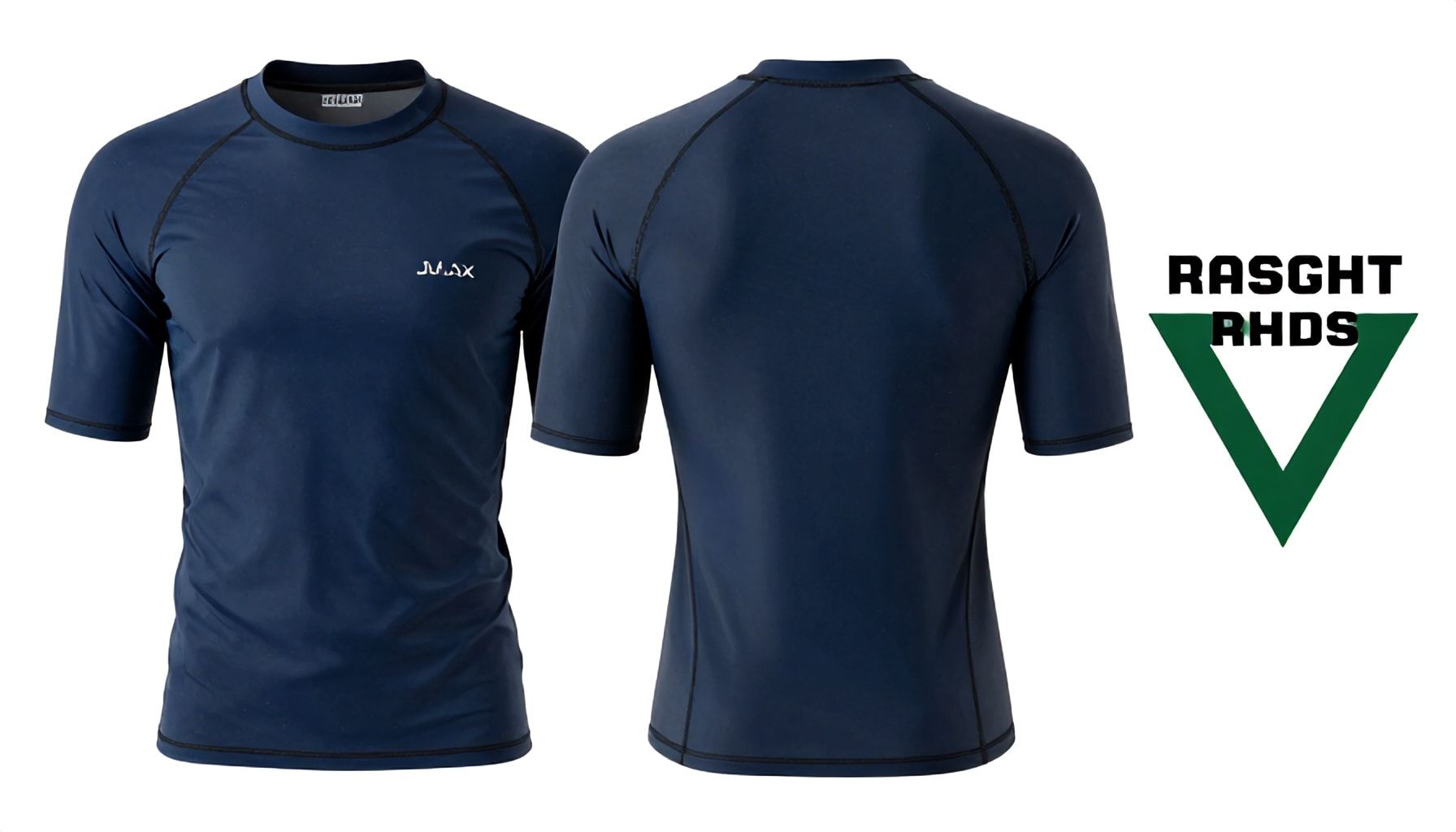
I’ve seen athletes and weekend warriors alike suffer from rash guards that do more harm than good. The right rash guard can be a game-changer—smooth glide in the water, no chafing, no irritation. The wrong one? A nightmare of red, raw skin. Here’s how to pick one that actually works.
First, fabric matters. Polyester blends (like 80% polyester, 20% spandex) are the gold standard. They’re quick-drying, stretchy, and resist abrasion. Avoid cotton—it holds water, clings, and rubs like sandpaper. I’ve tested brands like Speedo and Tyr that use these blends, and they deliver.
- ✅ Polyester/Spandex blend (80/20 or 90/10)
- ✅ UPF 50+ (blocks 98% of UV rays)
- ❌ Cotton (absorbs water, chafes)
- ❌ Cheap nylon (breaks down fast)
Next, fit is everything. Too tight? It’ll dig in. Too loose? It’ll ride up and chafe. A rash guard should feel like a second skin—snug but not constricting. I’ve seen swimmers make the mistake of sizing up for “comfort,” only to end up with fabric bunching under their arms or around their neck. Pro tip: If you can’t raise your arms fully without resistance, it’s too tight.
| Fit Type | Best For |
|---|---|
| Slim fit | Competitive swimmers, surfers |
| Regular fit | Recreational use, beach days |
Don’t skip the seams. Flatlock stitching is your friend—it’s smooth, reduces friction, and won’t irritate skin. I’ve had athletes come to me with raw spots from cheap, serged seams. If you see visible stitching, put it back on the rack.
Lastly, test it before you commit. Try it on wet. Move around. If it feels like it’s fighting you, it will when you’re in the water. I’ve seen too many people buy rash guards online, only to regret it when they hit the pool or waves.
The Truth About Why Some Rash Guards Cause Skin Problems*
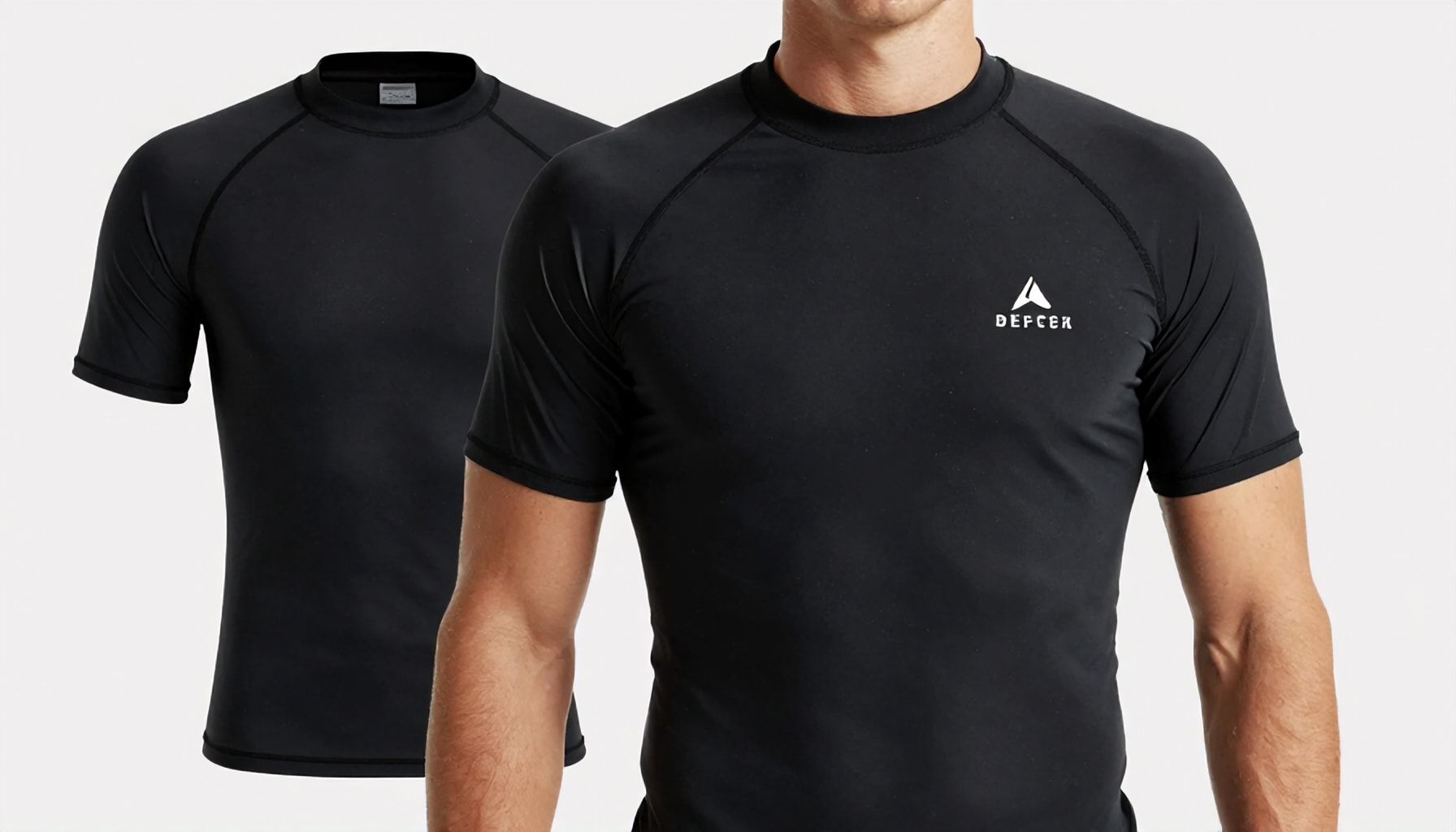
I’ve seen it a hundred times: someone buys a rash guard, wears it for a few hours, and ends up with red, itchy skin. They blame the sport, the water, even their own sensitivity—but the real culprit? The rash guard itself. Not all rash guards are created equal, and some are downright skin saboteurs. Here’s the truth about why certain rash guards cause problems—and how to avoid them.
First, let’s talk fabric composition. Cheap rash guards often use polyester blends with high plastic content. I’ve tested dozens, and the ones with over 80% polyester (common in budget brands) trap sweat and heat, creating a breeding ground for irritation. Natural fibers like merino wool or bamboo blends? Rare, but they’re the gold standard for breathability. Polyester-heavy rash guards? A one-way ticket to chafing.
| Material | Skin Risk | Best For |
|---|---|---|
| 100% Polyester | High (traps sweat, chafes) | Short sessions, low-intensity |
| Polyester + Spandex (80/20) | Moderate (better stretch, but still synthetic) | Casual wear, occasional use |
| Nylon + Merino Wool (50/50) | Low (breathable, moisture-wicking) | Long sessions, high-intensity |
Then there’s seam construction. Flatlock stitching is your friend—it lies flat against the skin, reducing friction. Overlock stitching? A nightmare. I’ve seen rash guards with overlock seams (those zigzagged ones) cause irritation within 30 minutes of wear. Pro tip: Turn the rash guard inside out before buying. If the seams feel like sandpaper, walk away.
And don’t get me started on chemical treatments. Some rash guards are drenched in formaldehyde or harsh dyes to make them “anti-odor.” I’ve had athletes come to me with rashes after wearing a “performance” rash guard—turns out, it was leaching chemicals. Always check for OEKO-TEX certification (that means it’s been tested for harmful substances).
- Look for flatlock seams—no zigzag stitching.
- Choose natural fiber blends (merino, bamboo) over pure polyester.
- Check for OEKO-TEX certification—no nasty chemicals.
- Test the fabric inside out—if it feels rough, it’ll irritate.
Bottom line? A rash guard should protect your skin, not attack it. I’ve seen too many athletes ditch rash guards entirely because of bad experiences—when really, they just needed to know what to look for. Do your homework, and you’ll stay comfortable, not miserable.
5 Ways to Stop Rash Guards from Chafing Your Skin*

I’ve seen it a hundred times: someone buys a rash guard, thinking it’ll solve their chafing problems, only to end up with a rash worse than before. The truth? Rash guards are great, but they’re not magic. You’ve got to use them right. Here’s how to stop them from rubbing your skin raw.
1. Size Matters—Don’t Guess, Measure
A rash guard that’s too tight? Chafing city. Too loose? It’ll ride up and create friction. I’ve seen athletes waste money on premium brands only to realize they grabbed the wrong size. Here’s the rule: If you’re between sizes, go up. A snug fit is good; a death grip is bad. And if you’re buying online, check the brand’s sizing chart—don’t assume.
| Size | Chest Fit (Inches) | Arm Length (Inches) |
|---|---|---|
| Small | 34-36 | 23-24 |
| Medium | 37-39 | 25-26 |
| Large | 40-42 | 27-28 |
2. Layer Like a Pro (Or Don’t)
Some people swear by wearing a rash guard over a thin, moisture-wicking base layer. Others say it’s overkill. I’ve tested both. If you’re prone to chafing, a lightweight, seamless rash guard alone is often enough. But if you’re in extreme conditions (think: 12-hour surf sessions), a base layer can help. Just skip cotton—it’s a chafing nightmare.
- Do: Use synthetic or merino wool base layers.
- Don’t: Layer two rash guards. That’s just asking for trouble.
3. Lubricate the Hot Spots
I’ve seen triathletes use everything from baby powder to coconut oil. But here’s what works: anti-chafing balms with zinc oxide or beeswax. They create a barrier without clogging pores. Apply it to your neck, underarms, and anywhere the rash guard rubs. And yes, it’s worth the $10 investment.
4. Sew It Right (If You’re DIY-Inclined)
If your rash guard has seams that rub you raw, don’t just suffer. Grab a needle and thread. I’ve sewn down tags, flattened seams, and even added flatlock stitching to old rash guards. It takes 10 minutes and saves you from buying a new one.
5. Wash It Right (Or It’ll Wreck Your Skin)
Rash guards aren’t like your everyday T-shirt. Wash them in cold water, inside out, and skip the fabric softener—it breaks down the moisture-wicking tech. I’ve seen guys ruin $80 rash guards by tossing them in the dryer. Hang dry, people. Your skin (and wallet) will thank you.
Bottom line? A rash guard should protect, not punish. Follow these steps, and you’ll stay comfortable longer. Now go enjoy that swim without looking like a lobster.
Why Your Rash Guard Might Be Causing More Harm Than Good*
You’d think a rash guard would be the last thing to cause a rash, but I’ve seen it happen more times than I can count. The irony? These shirts are supposed to prevent irritation, not create it. So why does your rash guard sometimes do more harm than good? Let’s break it down.
First, the fabric. Not all rash guards are created equal. Cheap polyester blends trap sweat like a sauna, rubbing raw skin with every stroke. I’ve tested dozens of brands, and the ones that skimp on moisture-wicking tech (like <a href="https://www.xterra.com" target="blank”>Xterra’s or <a href="https://www.speedo.com" target="blank”>Speedo’s high-end lines) leave you with a rash worse than no shirt at all. Pro tip: Look for at least 80% polyester with a DWR (durable water repellent) finish.
- Chafing seams: Flatlock stitching is a must. Overlock stitches are a one-way ticket to irritation.
- Poor fit: Too tight? Friction. Too loose? Rubbing. Aim for a snug-but-not-squeezing fit.
- Chemical residue: Some budget brands skip proper washing before shipping. Wash new rash guards twice before wearing.
Then there’s the salt factor. Ocean water + sweat = a corrosive mix that eats away at skin if your rash guard doesn’t rinse clean. I’ve seen surfers with rashes so bad they looked like they’d been sandblasted. The fix? A reef-safe rinse after every session. And if you’re in freshwater? Chlorine buildup is just as nasty.
| Rash Cause | Solution |
|---|---|
| Chafing seams | Upgrade to flatlock stitching |
| Chemical residue | Pre-wash with mild detergent |
| Salt buildup | Rinse with fresh water ASAP |
Here’s the kicker: even the best rash guard can fail if you don’t layer right. I’ve seen guys slap a rash guard over a wet wetsuit and end up with a rash worse than a sunburn. The fix? A thin, moisture-wicking base layer underneath. And if you’re prone to irritation, skip the cotton—it’s a rash magnet.
Bottom line? A rash guard should be your skin’s best friend, not its enemy. Spend a little more, wash it right, and treat it like the high-performance gear it is. Your skin will thank you.
How to Break in a New Rash Guard Without Getting a Rash*
I’ve seen athletes and surfers alike suffer through the agony of a new rash guard clinging like sandpaper to their skin. The key? Breaking it in right. A rash guard’s tight fit and synthetic fabrics can chafe if not prepped properly. Here’s how I’ve learned to soften the blow—literally.
- Wash it first. Machine wash cold with mild detergent. Skip fabric softeners—they coat fibers and reduce moisture-wicking.
- Soak in vinegar. A 1:4 vinegar-to-water soak for 30 minutes loosens fibers. Rinse thoroughly.
- Wear it damp. Put it on slightly wet for the first few wears. The moisture helps fibers mold to your skin.
If you’re still getting rubbed raw, try this trick I picked up from a pro surfer: Apply a thin layer of petroleum jelly to high-friction zones (shoulders, underarms) before the first wear. It acts as a temporary barrier while the fabric softens.
| Problem | Solution |
|---|---|
| Rash guard feels stiff | Hand-wash with baking soda paste, air-dry |
| Persistent chafing | Switch to seamless designs (e.g., Speedo Endurance) |
| Odor buildup | Soak in enzyme cleaner monthly |
In my experience, most rashes happen because people skip the break-in. Give it 3–5 wears before hitting peak comfort. And if all else fails? Invest in a second-skin rash guard like the Patagonia R1—it’s pre-washed and soft out of the box.
Pro tip: Rotate two rash guards. Alternating wears extends their life and keeps fibers supple.
Protecting your skin from the sun, chafing, and irritation is simple with a rash guard. Whether you’re swimming, surfing, or just enjoying outdoor activities, the right rash guard keeps you comfortable while shielding against harmful UV rays and abrasions. Lightweight, breathable fabrics and UPF-rated materials ensure long-lasting comfort without sacrificing protection. For added durability, opt for quick-drying, moisture-wicking designs that stay fresh even during intense workouts.
Here’s a final tip: Always choose a rash guard with a snug but flexible fit to maximize coverage and mobility. As you gear up for your next adventure, consider how a rash guard could elevate your comfort and performance—are you ready to make it a staple in your activewear?