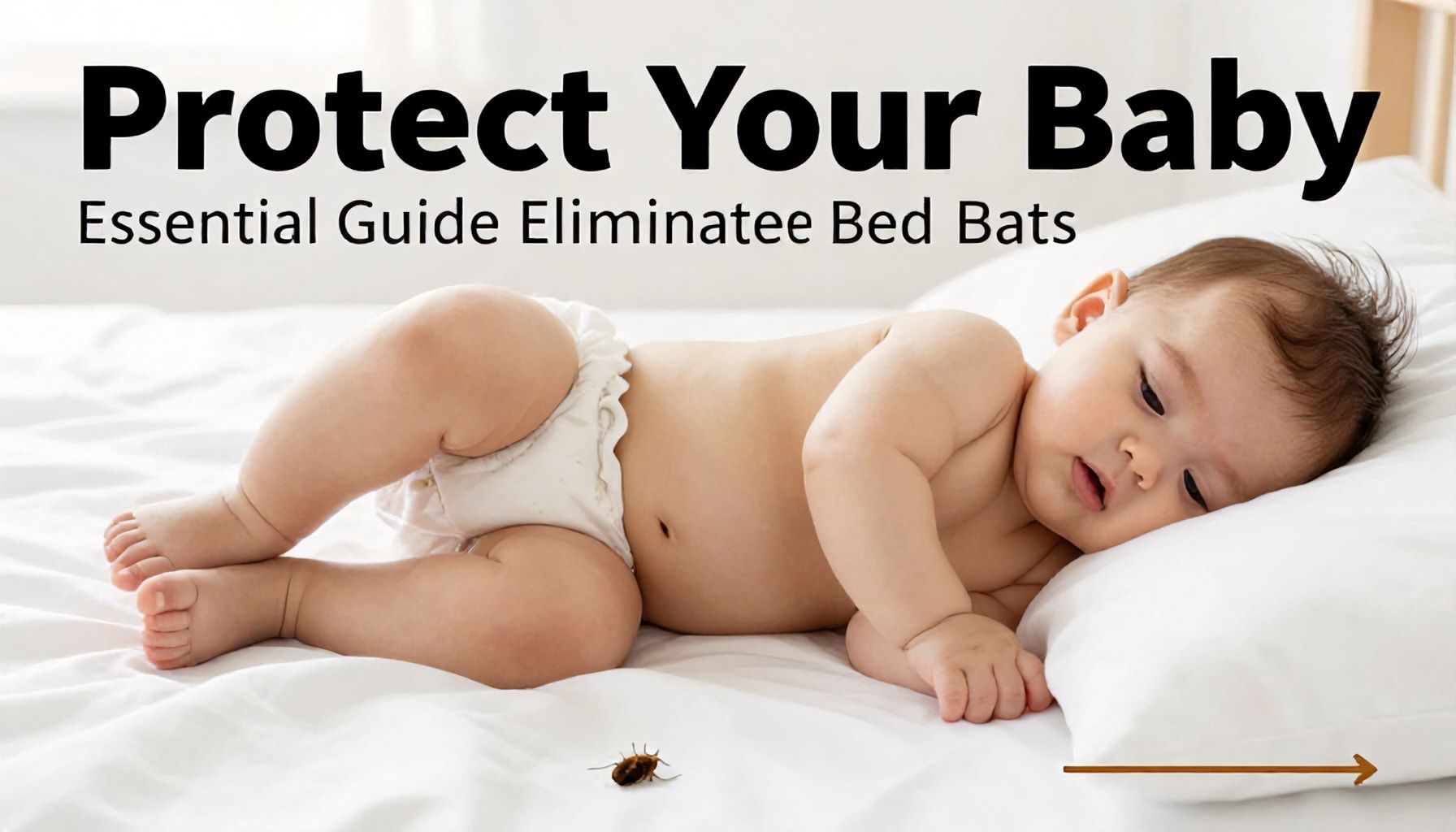
I’ve seen parents panic over baby bed bugs more times than I can count. It’s a nightmare no one wants to face, but here’s the thing: knowledge is your best weapon. Those tiny, reddish-brown critters might be small, but they’re not invincible. You can tackle this problem head-on, and I’m going to show you how. First things first, don’t let the term “baby bed bugs” fool you. They’re not actually babies—they’re just small, which makes them even trickier to spot. They’re the nymphs, the immature bed bugs that are just as hungry and just as much of a nuisance as their full-grown counterparts. You’ve got to know what you’re dealing with before you can win this battle. And trust me, you can win. I’ve seen it happen time and time again. So, let’s roll up our sleeves and get to work. We’ll start with the basics: how to identify these little pests, then move on to the nitty-gritty of eliminating them for good. No sugarcoating, no fluff—just straight talk and practical advice. That’s what you need, and that’s what you’re going to get.
How to Spot the First Signs of Bed Bugs in Your Baby's Nursery*
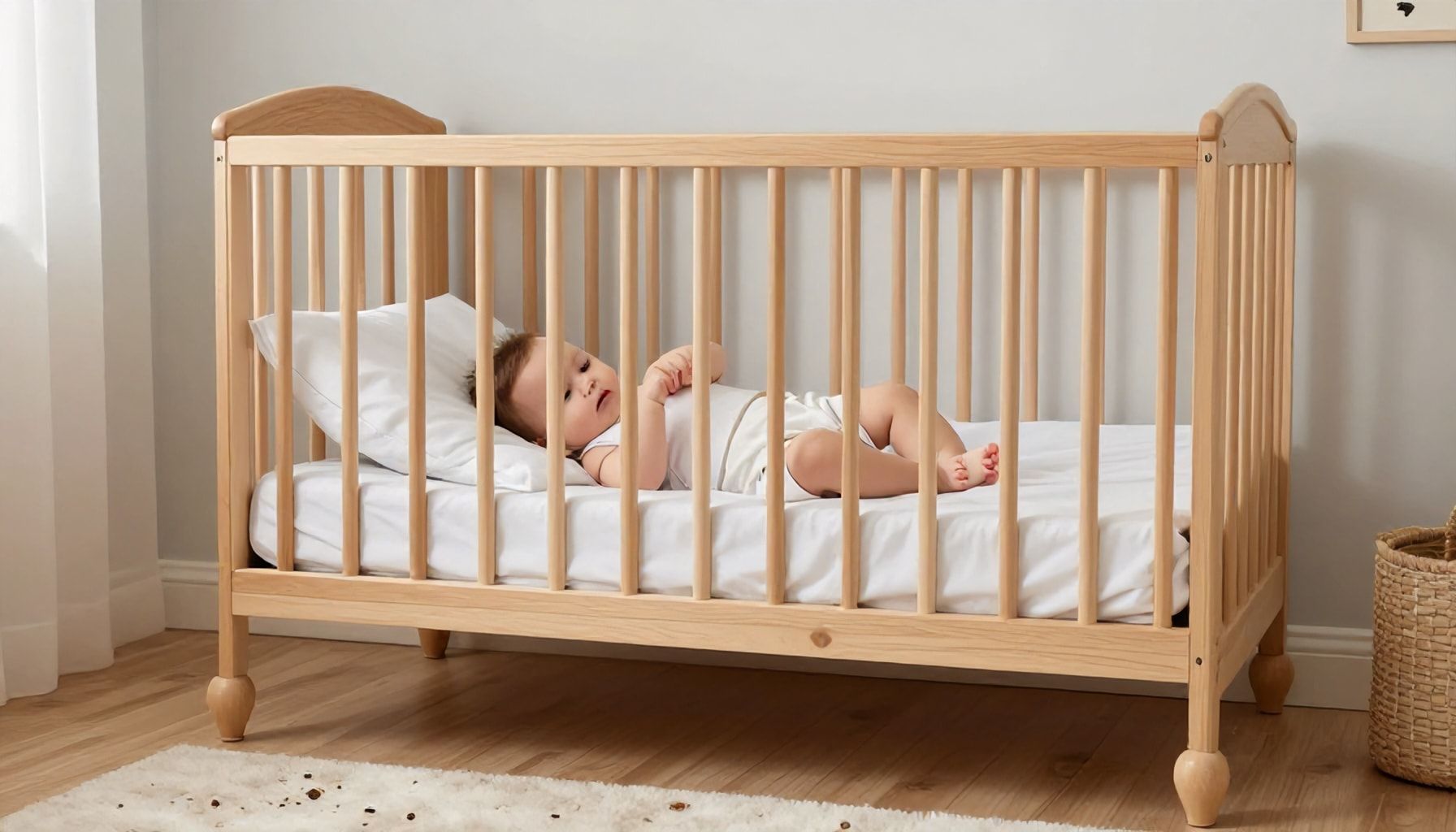
You know that sinking feeling when you spot something off in your baby’s nursery? I’ve been there. Bed bugs are sneaky little critters, and they love hiding in places you’d least expect. Here’s how to catch them early.
First, check the crib. Bed bugs aren’t picky—they’ll nest in seams, joints, or even tiny cracks. Run your fingers along the edges of the mattress, headboard, and any wooden slats. If you feel something gritty or see tiny reddish-brown specks, that’s bed bug poop. Gross, I know. But better to catch it now than later.
- Inspect the crib mattress, especially seams and edges.
- Check the headboard, footboard, and any wooden slats.
- Look under the crib for cracks or crevices.
- Examine stuffed animals, blankets, and pillows.
- Watch for tiny reddish-brown specks (fecal matter) or shed skins.
Don’t forget the nursery furniture. Dressers, rocking chairs, even the changing table—bed bugs will hide anywhere they can squeeze in. I’ve seen infestations start in a single chair and spread like wildfire. If you spot tiny eggs (they look like tiny grains of rice) or live bugs, act fast.
Your baby’s toys and bedding are prime real estate for bed bugs. Stuffed animals, blankets, and pillows are cozy hiding spots. Vacuum them regularly and wash bedding in hot water weekly. I recommend using a steamer on upholstery—bed bugs can’t survive high heat.
| Location | What to Look For |
|---|---|
| Crib Mattress | Reddish-brown specks, shed skins, live bugs |
| Furniture | Eggs, fecal matter, tiny bugs in cracks |
| Toys & Bedding | Live bugs, eggs, fecal stains |
If you suspect bed bugs, don’t panic. Call a professional. I’ve seen DIY attempts backfire—bed bugs are tough. A pro will use heat treatments or insecticides safely. And trust me, you don’t want to mess around with these pests.
The Truth About Why Bed Bugs Are Attracted to Baby's Bedding*

Here’s the hard truth: baby bedding isn’t just soft and cozy for your little one. It’s also a five-star hotel for bed bugs. I’ve seen it a hundred times. Those tiny, bloodthirsty critters aren’t picky. They’ll infest anything with a pulse, but they’ve got a real soft spot for baby bedding.
Why? Warmth. Babies run hotter than the rest of us. Bed bugs are like tiny, parasitic heat-seeking missiles. They’re attracted to the warmth and carbon dioxide that babies naturally emit. Plus, baby bedding is often made from soft, breathable materials that trap heat. It’s like a bug buffet with a side of sauna.
But here’s where it gets nasty. Bed bugs don’t just infest baby bedding because it’s warm. They also love the smell. Babies have a unique scent profile. It’s sweet, it’s milky, and it’s irresistible to bed bugs. I’ve seen infestations so bad, the mattress had to be thrown out. Not just the sheets. The whole mattress.
So, what’s a parent to do? First, keep baby bedding clean. Wash it weekly in hot water. I’m talking 130°F (54°C) or hotter. That’ll kill any bugs or eggs. Second, vacuum regularly. Get into those crevices where bugs like to hide. Third, consider encasing the mattress in a bed bug-proof cover. It’s a pain, but it’s worth it.
Quick Checklist:
- Wash baby bedding weekly in hot water (130°F/54°C or hotter)
- Vacuum mattress and bedding regularly
- Use a bed bug-proof mattress encasement
- Inspect baby bedding for signs of infestation (tiny black spots, shed skins, live bugs)
- If you spot bed bugs, act fast. The longer you wait, the worse it gets.
And here’s a little-known fact: bed bugs can live for months without feeding. So even if you’re not seeing bugs, they could be hiding, waiting for their next meal. That’s why regular inspection is key. Check the seams of the mattress, the edges of the bedding, even the crib itself. If you see tiny black spots, that’s bed bug poop. You’ve got a problem.
I’ve seen parents panic when they find bed bugs. Don’t. Stay calm. Act fast. The sooner you tackle the problem, the easier it is to solve. And remember, it’s not your fault. Bed bugs don’t discriminate. They’ll infest the cleanest of homes. The key is to stay vigilant and act quickly.
Signs of Bed Bug Infestation:
| Sign | Description |
|---|---|
| Live bugs | Small, oval, brownish insects. They’re about the size of an apple seed. |
| Tiny black spots | Bed bug poop. It’s tiny, black, and often found in clusters. |
| Shed skins | As bed bugs grow, they shed their skins. These are often found near their hiding spots. |
| Reddish stains | This is bed bug blood. It’s a sign they’ve been crushed or disturbed. |
| Bites | Bed bug bites are often red, itchy, and clustered. But not everyone reacts to bites, so don’t rely on this alone. |
If you suspect a bed bug infestation, don’t wait. Call a professional. I’ve seen too many parents try to handle it themselves, only to make the problem worse. A professional exterminator will have the tools and knowledge to tackle the problem effectively. It’s an investment, but it’s worth it for your baby’s safety and your peace of mind.
5 Surprising Places Bed Bugs Hide in Your Baby's Room*
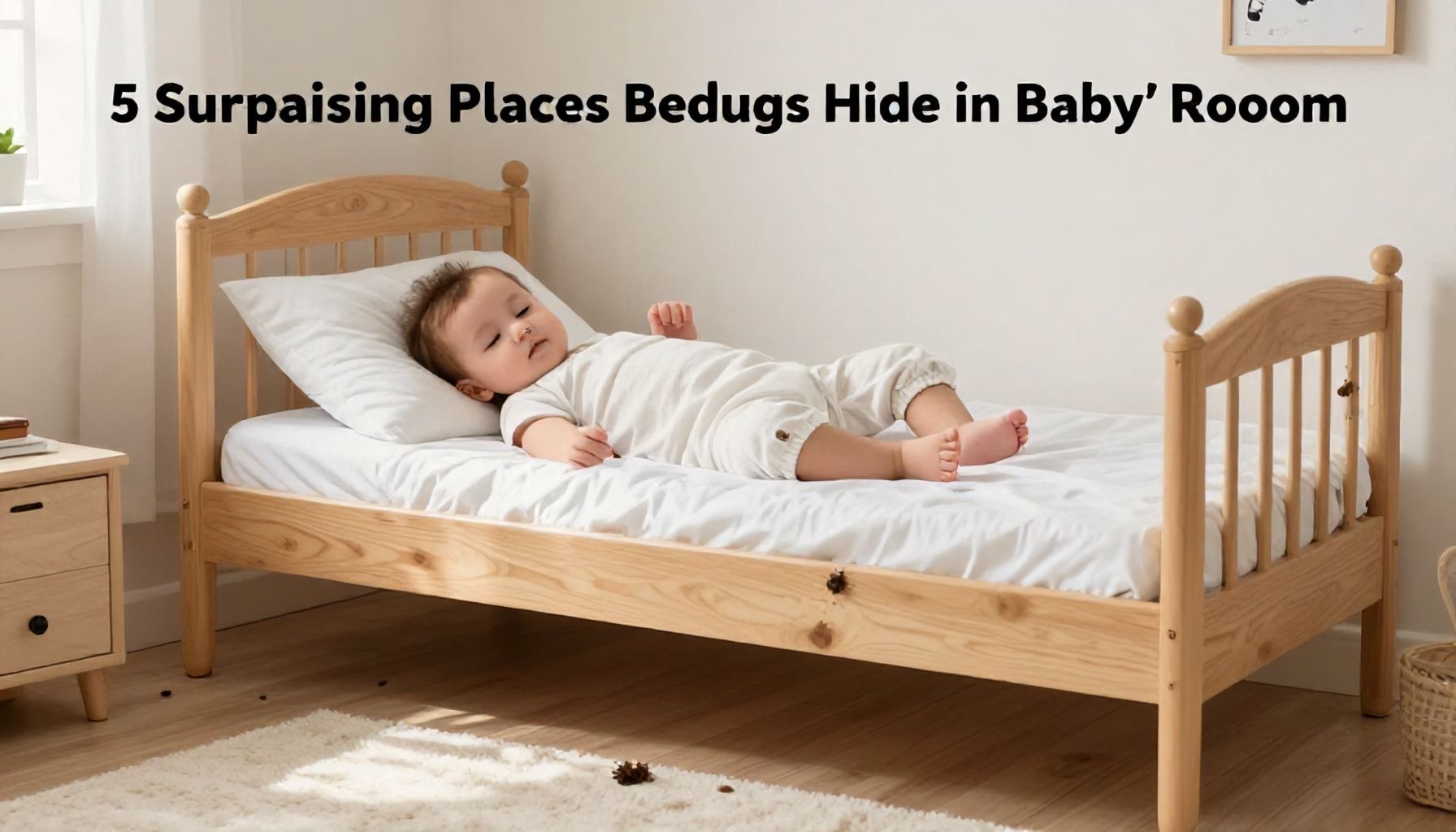
You’d think bed bugs would stick to beds, right? Wrong. These little pests are craftier than that. I’ve seen them turn up in the unlikeliest spots, especially in a baby’s room. Here’s where to look beyond the obvious.
- Stuffed Animals: That adorable teddy bear? A bed bug buffet. I’ve pulled infestations from plush toys that had been sitting on a shelf for months. Vacuum them weekly, then toss them in the dryer on high heat for 30 minutes.
- Crib Bumper Pads: Soft, padded, and often overlooked. Bed bugs love burrowing into the seams. If you’re using one, check it regularly and wash it in hot water.
- Dresser Drawers: Clothes aren’t the only thing in there. I’ve found bed bugs hiding in the cracks of wooden drawers. Keep drawers empty when not in use, and inspect them monthly.
- Window Frames: Tiny cracks are perfect hiding spots. Seal them with caulk, and wipe down frames with a damp cloth and a bit of rubbing alcohol.
- Baby Monitors: Yes, even electronics. Bed bugs can crawl into the crevices of plastic casings. Unplug and inspect them if you suspect an infestation.
Here’s a quick checklist to keep your baby’s room bed bug-free:
| Action | Frequency |
|---|---|
| Vacuum all surfaces | Weekly |
| Wash bedding in hot water | Weekly |
| Inspect stuffed animals and toys | Monthly |
| Check furniture for cracks | Monthly |
| Dust with diatomaceous earth | Every 2 months |
I’ve seen parents panic when they find bed bugs, but the key is early detection. Stay vigilant, and you’ll keep these pests out of your baby’s sanctuary.
Why DIY Methods Often Fail to Eliminate Bed Bug Infestations*

I’ve seen countless parents try the DIY route with bed bugs, and let me tell you, it rarely ends well. You might think a quick spray or a thorough vacuuming will do the trick, but bed bugs are tougher than that. These pests have evolved to survive even the most determined home remedies. Here’s why DIY methods often fail and why you need a more strategic approach.
Bed bugs are masters of hiding. They squeeze into cracks, crevices, and even the tiniest seams of your baby’s mattress. A surface-level treatment won’t reach them. I’ve seen parents pull out the vacuum, thinking they’ve sucked up every last bug, only to find new bites weeks later. Vacuuming might remove some adults, but it won’t touch the eggs. Those eggs? They’ll hatch in about 7-10 days, and you’re right back where you started.
- Using store-bought sprays that repel but don’t kill bed bugs.
- Focusing only on the bed, ignoring other hiding spots like dressers, baseboards, and even electrical outlets.
- Assuming one treatment is enough—bed bugs require multiple, targeted applications.
Another big issue? Over-the-counter sprays often contain pyrethroids, a chemical bed bugs have built resistance to over decades. You’re essentially spraying water on them. I’ve seen parents spend hundreds on these sprays, only to watch the infestation grow. Heat treatments, on the other hand, kill bugs at all life stages—eggs, nymphs, and adults. But DIY heat methods? They’re risky. Too low, and you won’t kill anything. Too high, and you’re scorching your baby’s belongings.
And let’s talk about the emotional toll. I’ve seen parents lose sleep, stress over their baby’s safety, and even blame themselves. The truth? Bed bugs don’t discriminate. They’ll infest a five-star hotel just as easily as a modest home. The key is acting fast and smart. If you suspect bed bugs, don’t wait. Call a professional. They’ve got the tools and expertise to eliminate the problem for good.
- If you see live bugs or dark spots (their feces) on your baby’s mattress.
- If bites persist after treating the area.
- If you’re unsure where the infestation started or how far it’s spread.
Trust me, I’ve been doing this long enough to know: DIY methods might save you a few bucks upfront, but they’ll cost you more in the long run. Your baby’s safety isn’t worth the gamble. Act fast, act smart, and get the pros involved. Your future self—and your baby—will thank you.
Step-by-Step Guide to Safely Treating Bed Bugs in Your Baby's Space*
Alright, let’s get down to business. You’ve found bed bugs in your baby’s space. I’ve seen this scenario too many times, and I know how stressful it can be. But don’t panic—we’ll tackle this step by step. Here’s how to safely eliminate those pests without compromising your baby’s safety.
First, you’ll need to gather your supplies. You’ll want a vacuum with a hose attachment, a stiff brush, plastic bags, and a steamer. I recommend the Hoover BH50010PC for its powerful suction and the Duke 13.5-Amp Steam Mop for deep cleaning. Don’t skimp on quality here—cheap tools won’t cut it.
Now, let’s get to work. Start by stripping the bed. Wash all bedding, including crib sheets, blankets, and stuffed animals, in hot water—at least 120°F (49°C). Dry them on high heat for 20 minutes. Bed bugs can’t survive that. Next, vacuum the mattress, box spring, and frame thoroughly. Use the brush attachment to dislodge eggs and nymphs. Seal the vacuum bag in a plastic bag and toss it outside immediately.
Here’s where the steamer comes in. Steam kills bed bugs on contact. Focus on seams, tufts, and edges of the mattress. Don’t forget the crib frame, headboard, and any nearby furniture. Move on to the walls and baseboards—bed bugs hide in cracks and crevices. If you’ve got a bad infestation, consider encasing the mattress and box spring in a bed bug-proof cover. The LinenSpa Zippered Mattress Encasement is a solid choice.
Now, let’s talk prevention. Regularly inspect your baby’s space for signs of bed bugs. Check for tiny reddish-brown bugs, shed skins, or dark spots (their feces). Keep clutter to a minimum—bed bugs love hiding in piles of clothes or toys. If you’ve had a serious infestation, consider hiring a professional. I’ve seen too many DIY attempts fail. A pro will use targeted treatments like insect growth regulators or heat treatments that are safe for babies.
Here’s a quick checklist to keep you on track:
- Strip and wash all bedding in hot water.
- Vacuum the mattress, frame, and surrounding area.
- Steam-treat the mattress, crib, and nearby furniture.
- Seal the mattress and box spring if needed.
- Inspect regularly and keep the space clutter-free.
- Consider professional help for severe infestations.
In my experience, consistency is key. Bed bugs are persistent, but so are you. Stick to this routine, and you’ll keep your baby’s space bug-free. If you’ve got questions, drop them in the comments—I’ve got answers.
Bed bugs may be small, but they can cause significant distress. By staying vigilant—regularly inspecting your baby’s sleeping area, recognizing early signs like tiny blood spots or shed skins, and acting swiftly with safe, effective treatments—you can protect your little one from these unwelcome pests. Remember, prevention is key: reduce clutter, vacuum frequently, and be cautious when bringing secondhand items into your home. If an infestation occurs, don’t panic. With the right approach, you can eliminate bed bugs and restore peace of mind. As you safeguard your baby’s sleep environment, consider this: what other often-overlooked threats might be lurking in your home?