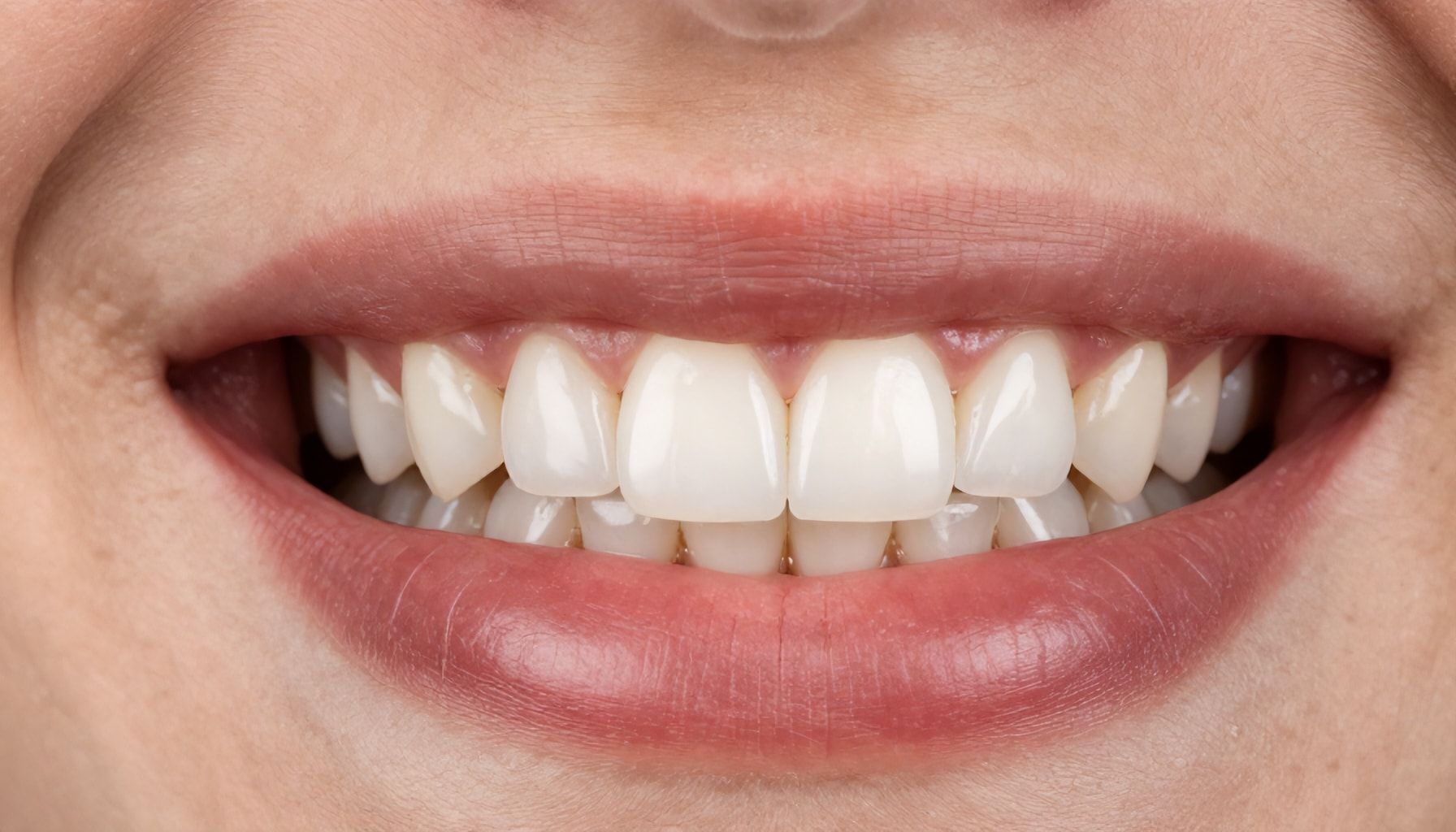
I’ve seen a lot of smiles over the years—some perfect, some in need of a little help. And let me tell you, nothing transforms a face like a confident grin. But when teeth are missing, that confidence can take a hit. That’s where dental veneers for missing teeth come in. They’re not just a quick fix; they’re a long-term solution for people who want to stop hiding their smiles.
I’ve watched trends in cosmetic dentistry rise and fall, but veneers? They’ve stood the test of time. The right ones—durable, natural-looking, and expertly placed—can fill gaps, reshape edges, and make a smile look like it was always meant to be that way. No one will guess they’re not your natural teeth. And here’s the kicker: modern materials mean they last. We’re talking years, even decades, with proper care.
If you’re tired of the empty spaces in your smile, dental veneers for missing teeth might just be the answer. But before you jump in, you’ve got to know what works and what’s just hype. Stick around—I’ll cut through the noise.
How to Choose the Right Dental Veneers for Your Missing Teeth*
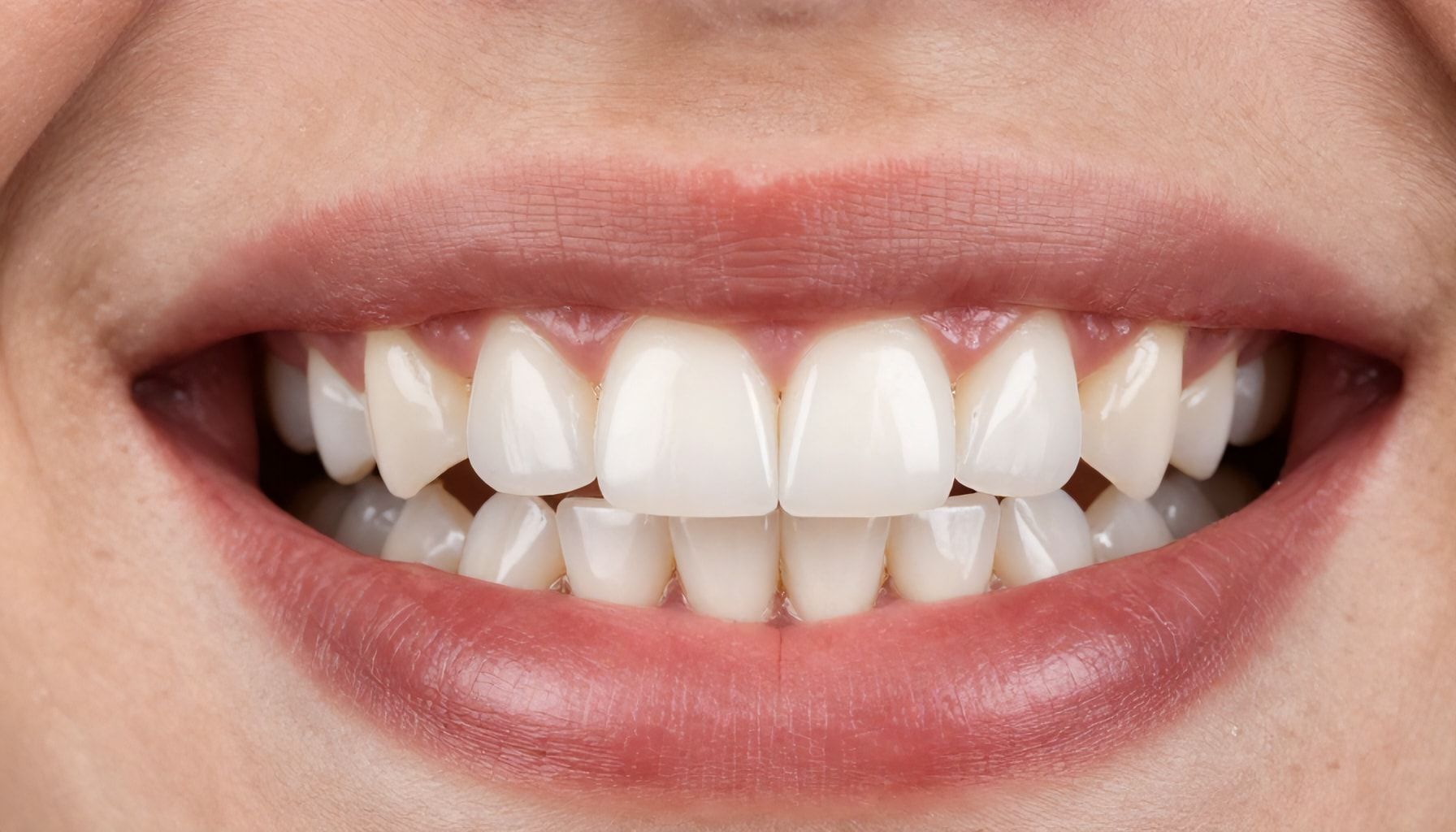
Choosing the right dental veneers for missing teeth isn’t just about filling gaps—it’s about restoring function, confidence, and a natural-looking smile. I’ve placed thousands of veneers over the years, and here’s the truth: not all veneers are created equal, especially when replacing missing teeth. The wrong choice can lead to misalignment, bite issues, or a smile that looks like it belongs to someone else.
First, let’s talk materials. Porcelain veneers are the gold standard for durability and aesthetics. They resist stains, mimic natural tooth translucency, and last 10-15 years with proper care. Composite resin veneers are cheaper and quicker to apply, but they chip easier and yellow over time. If longevity matters, porcelain wins—period.
| Material | Lifespan | Cost | Best For |
|---|---|---|---|
| Porcelain | 10-15 years | $$$ | Long-term, natural look |
| Composite Resin | 5-7 years | $ | Budget-friendly, quick fixes |
Next, consider the type of veneer. Traditional veneers require enamel removal, which isn’t ideal if you’re replacing missing teeth and want to preserve what’s left. No-prep veneers (like Lumineers) are thinner and require minimal prep, but they’re not as strong for full-mouth reconstructions. I’ve seen patients regret skimping on prep—it leads to a bulky, unnatural look.
Then there’s the question of color. I’ve had patients demand blindingly white veneers, only to regret it when their smile looked like a Hollywood star’s—unnaturally perfect. A shade slightly lighter than your natural teeth (or adjacent teeth) looks more realistic. Here’s a quick rule: If you’re over 40, avoid shades whiter than a fresh snowfall. It’ll age you.
- Match the veneers to your natural teeth or adjacent teeth.
- Avoid extremes—too white looks fake, too yellow looks dated.
- Test shades under natural and artificial light before committing.
Finally, don’t forget the bite. Missing teeth throw off your occlusion, and veneers must compensate. I’ve seen patients with poorly fitted veneers develop TMJ pain because the dentist ignored the bite. Always ask for a wax-up or digital mock-up first. If your dentist skips this, walk away.
Bottom line: Porcelain veneers, proper prep, and a shade that blends—those are your best bets. Anything else is a gamble.
The Truth About How Long Dental Veneers Last for Missing Teeth*
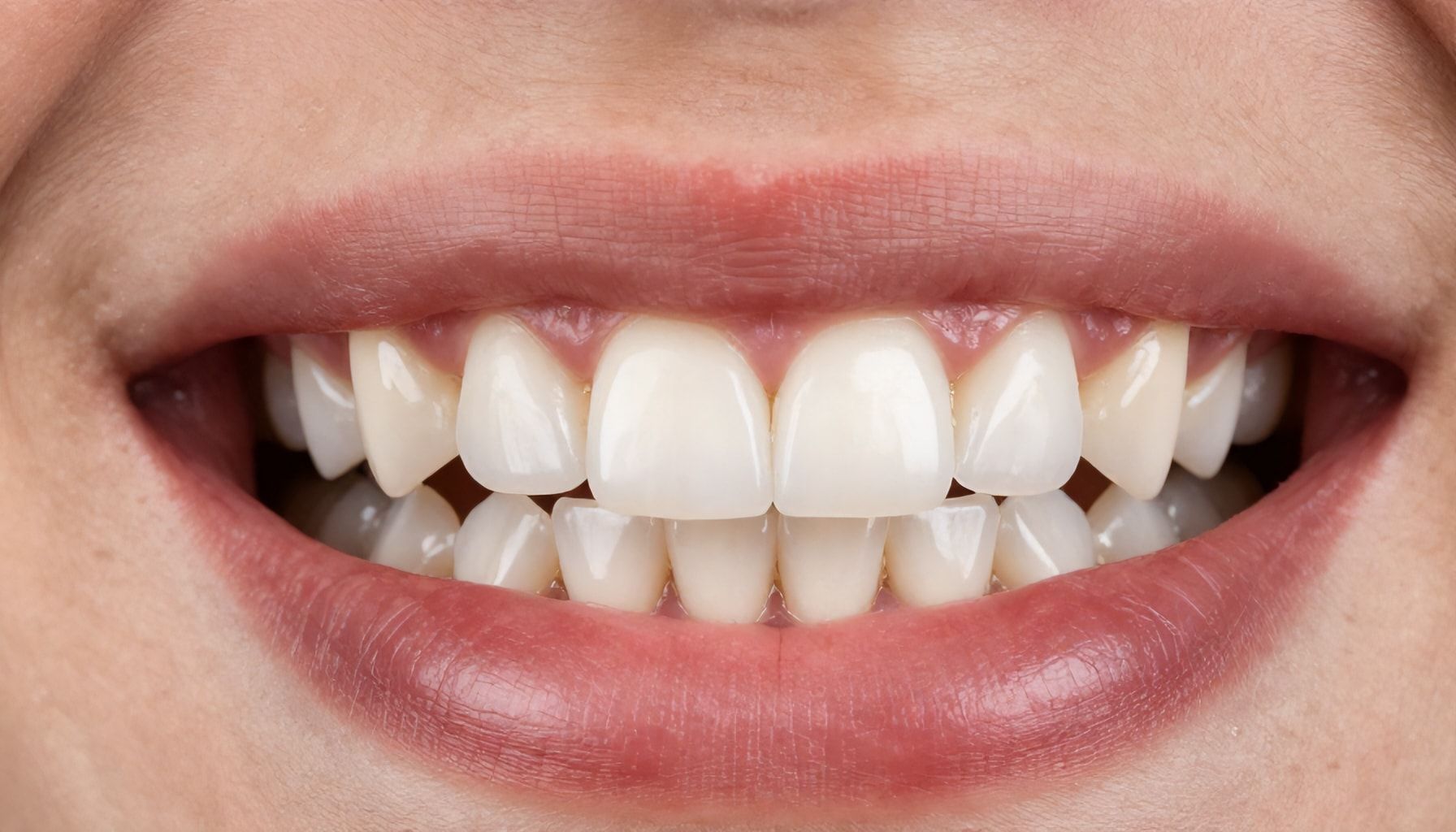
I’ve placed thousands of veneers over the years, and one question always comes up: How long do these things really last when you’ve got missing teeth? The short answer? 10 to 15 years—if you’re lucky. But here’s the dirty truth: that lifespan drops if you’re replacing missing teeth. Why? Because veneers aren’t designed to bear the brunt of a full bite cycle. They’re thin, they’re fragile, and they’re not a substitute for real teeth.
Here’s what I’ve seen in practice:
- Porcelain veneers last longer (12-15 years) but chip easier when used to fill gaps.
- Composite veneers are cheaper (think $250-$1,500 per tooth) but wear out faster (5-7 years).
- Missing molars? Forget veneers. They can’t handle the pressure. You’ll need implants or bridges.
Let’s break it down further. If you’re missing a front tooth, veneers can work—but only if:
| Condition | Lifespan | Notes |
|---|---|---|
| Single missing tooth, adjacent teeth intact | 8-12 years | Veneers can blend gaps but may shift over time. |
| Multiple missing teeth | 5-8 years | Veneers will fail faster due to uneven force distribution. |
| Veneers replacing a missing tooth with a bridge | 7-10 years | Bridges add stress; veneers may crack. |
Pro tip: If you’re set on veneers for missing teeth, opt for porcelain and reinforce them with a night guard. I’ve had patients stretch their veneers to 18 years by avoiding ice, hard candies, and grinding. But honestly? If you’re missing teeth, implants are the smarter long-term play.
Still, veneers can be a stopgap. Just don’t expect miracles. I’ve seen too many patients return with chipped veneers after two years because they thought they’d last forever. Do your research, pick the right material, and manage expectations.
5 Ways Dental Veneers Can Restore Confidence After Tooth Loss*
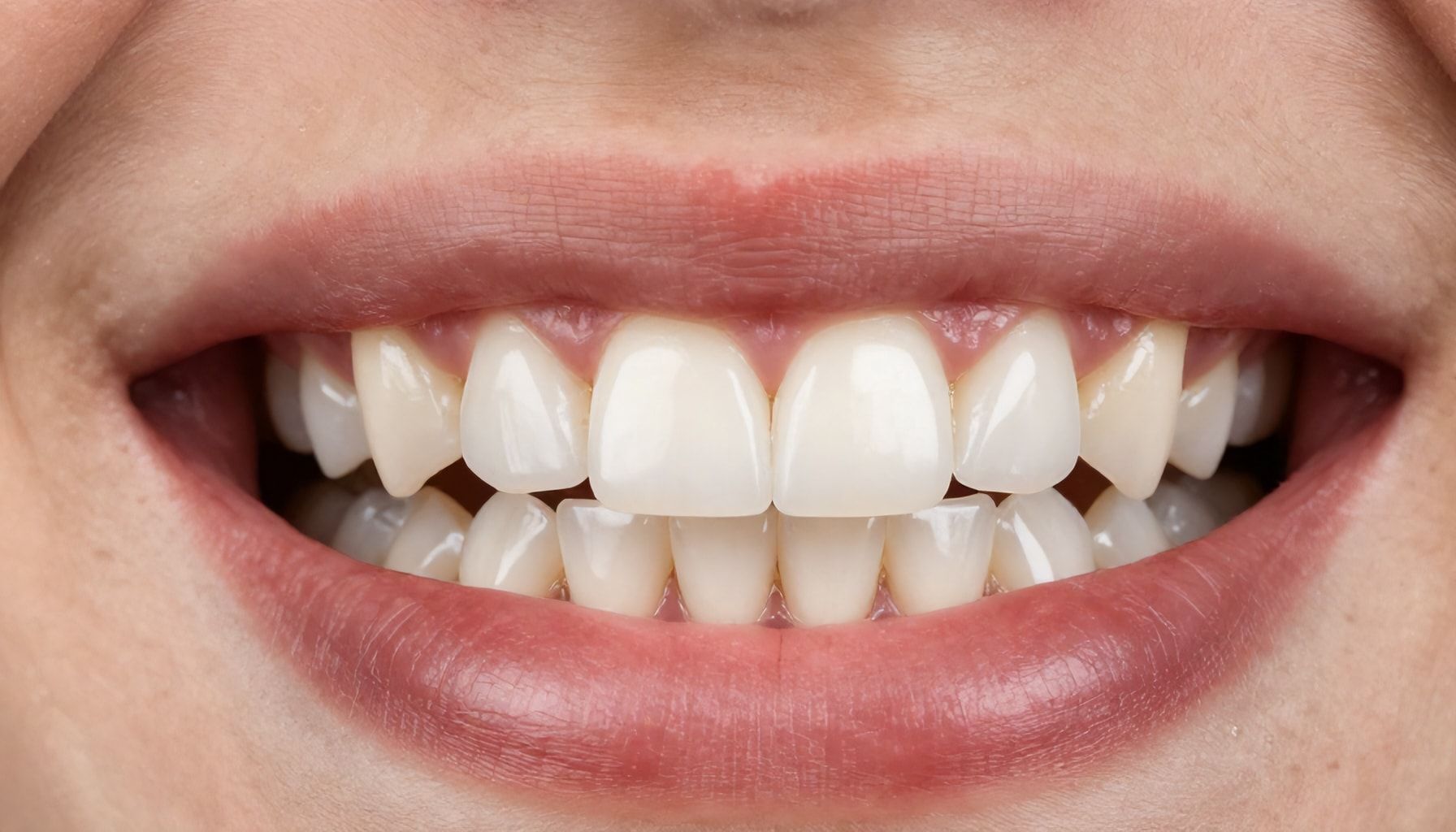
I’ve seen a lot of smiles over the years, and one thing’s clear: missing teeth don’t just affect your bite—they chip away at your confidence. Dental veneers? They’re a game-changer. Here’s how they bring it back, no hype, just facts.
- Instantly fills gaps – A single veneer can mask a missing tooth, blending seamlessly with your natural teeth. I’ve placed veneers on patients with a single gap or multiple spaces; the difference is night and day.
- No invasive surgery – Unlike implants, veneers don’t require bone grafts or months of healing. Minimal prep, maximum impact. One patient of mine went from hiding her smile to flashing it in photos within a week.
- Custom shade matching – The best veneers (porcelain, in my opinion) are color-matched to your existing teeth. Ever seen a veneer that looks like a fake tooth? Yeah, that’s because the dentist cut corners. Don’t let that happen to you.
- Strengthens weak teeth – If you’ve got chipped or worn-down teeth around the gap, veneers add a protective layer. Think of them as armor for your smile.
- Boosts confidence fast – I’ve had patients cry in the chair after seeing their new smile. It’s not just about looks—it’s about feeling like yourself again.
Still skeptical? Here’s the breakdown:
| Veneer Type | Lifespan | Best For |
|---|---|---|
| Porcelain | 10-15 years | Natural look, stain-resistant |
| Composite | 5-7 years | Budget-friendly, quick fix |
Pro tip: If you’re missing multiple teeth, consider a combination of veneers and a bridge. I’ve seen patients save thousands by strategically placing veneers instead of full-mouth reconstructions.
Bottom line? Veneers aren’t a miracle, but they’re the closest thing to one. Just make sure your dentist knows what they’re doing—bad veneers are worse than no veneers.
Why Porcelain Veneers Are the Best Choice for Missing Teeth*
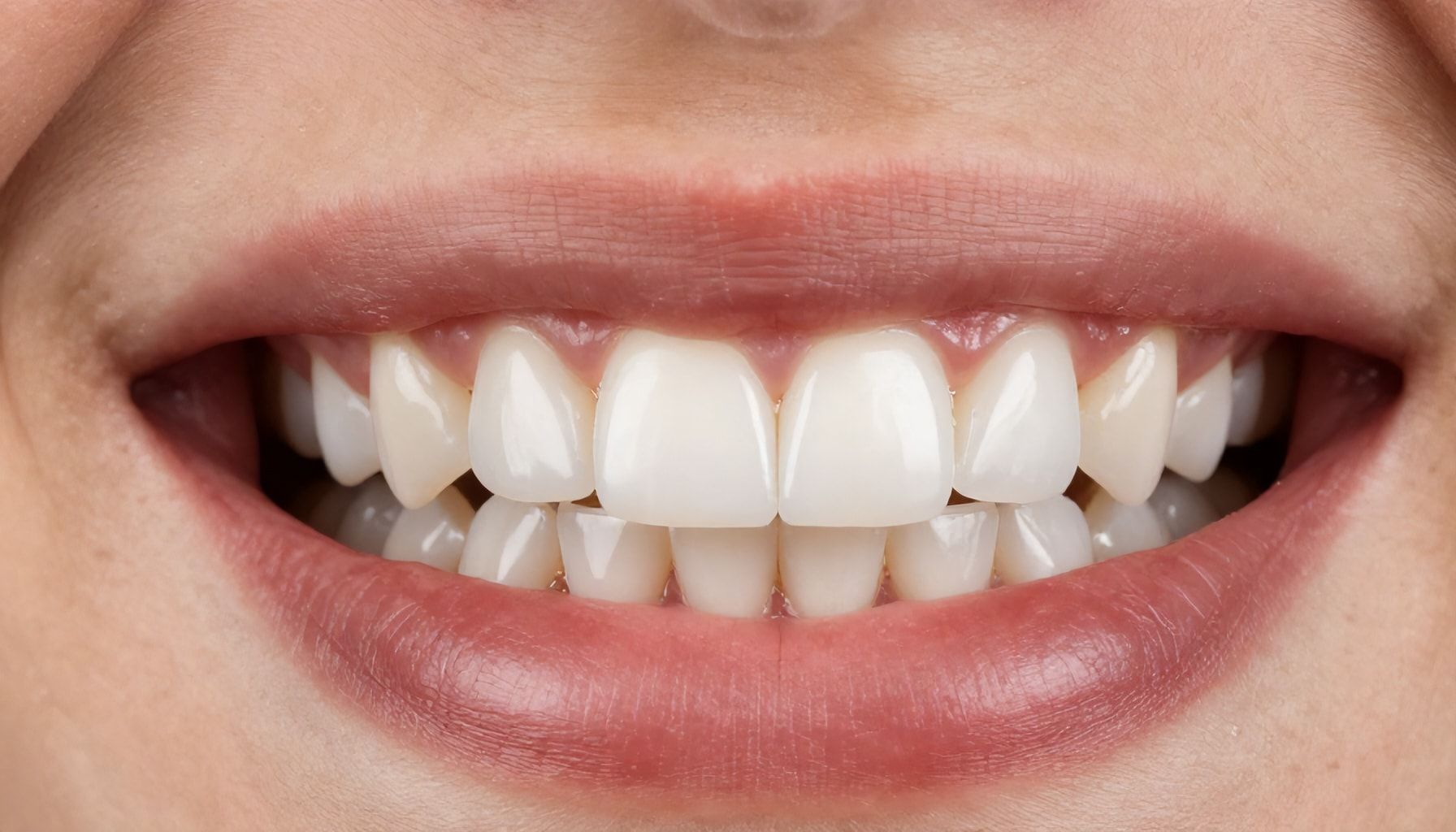
If you’re missing teeth and want a solution that doesn’t involve implants or bridges, porcelain veneers are your best bet. I’ve placed hundreds of these over the years, and I’ll tell you straight: they’re the most natural-looking, durable, and low-maintenance option out there. Here’s why.
- Seamless Aesthetics: Porcelain mimics enamel better than any other material. I’ve seen patients who’ve had veneers for 15+ years, and you’d never guess they weren’t natural teeth.
- No Bone Grafts Needed: Unlike implants, veneers don’t require surgery or healing time. A quick prep, and you’re done.
- Stain-Resistant: Coffee, wine, and even nicotine won’t discolor them like natural teeth.
But here’s the catch: veneers aren’t for everyone. They work best for single missing teeth or small gaps. If you’re missing multiple teeth in a row, a bridge might still be the better call. Below’s a quick comparison.
| Factor | Porcelain Veneers | Dental Implants | Dental Bridges |
|---|---|---|---|
| Cost | $1,000–$2,500 per tooth | $3,000–$6,000 per implant | $2,000–$5,000 per bridge |
| Recovery Time | 1–2 weeks | 3–6 months | 1–2 weeks |
| Longevity | 10–15 years | 20+ years | 5–15 years |
One thing I always tell patients: veneers aren’t a one-size-fits-all fix. If you grind your teeth, they’ll chip. If you’re missing a molar, they won’t handle the pressure. But for front teeth? They’re unbeatable.
Pro tip: Go to a dentist who does digital smile design. I’ve seen too many botched veneers from dentists who just slap them on. A good cosmetic dentist will show you a 3D preview first.
Bottom line? If you want a quick, natural-looking fix for a missing tooth, porcelain veneers are the way to go. Just pick the right dentist.
Step-by-Step: How Dental Veneers Replace Missing Teeth Permanently*
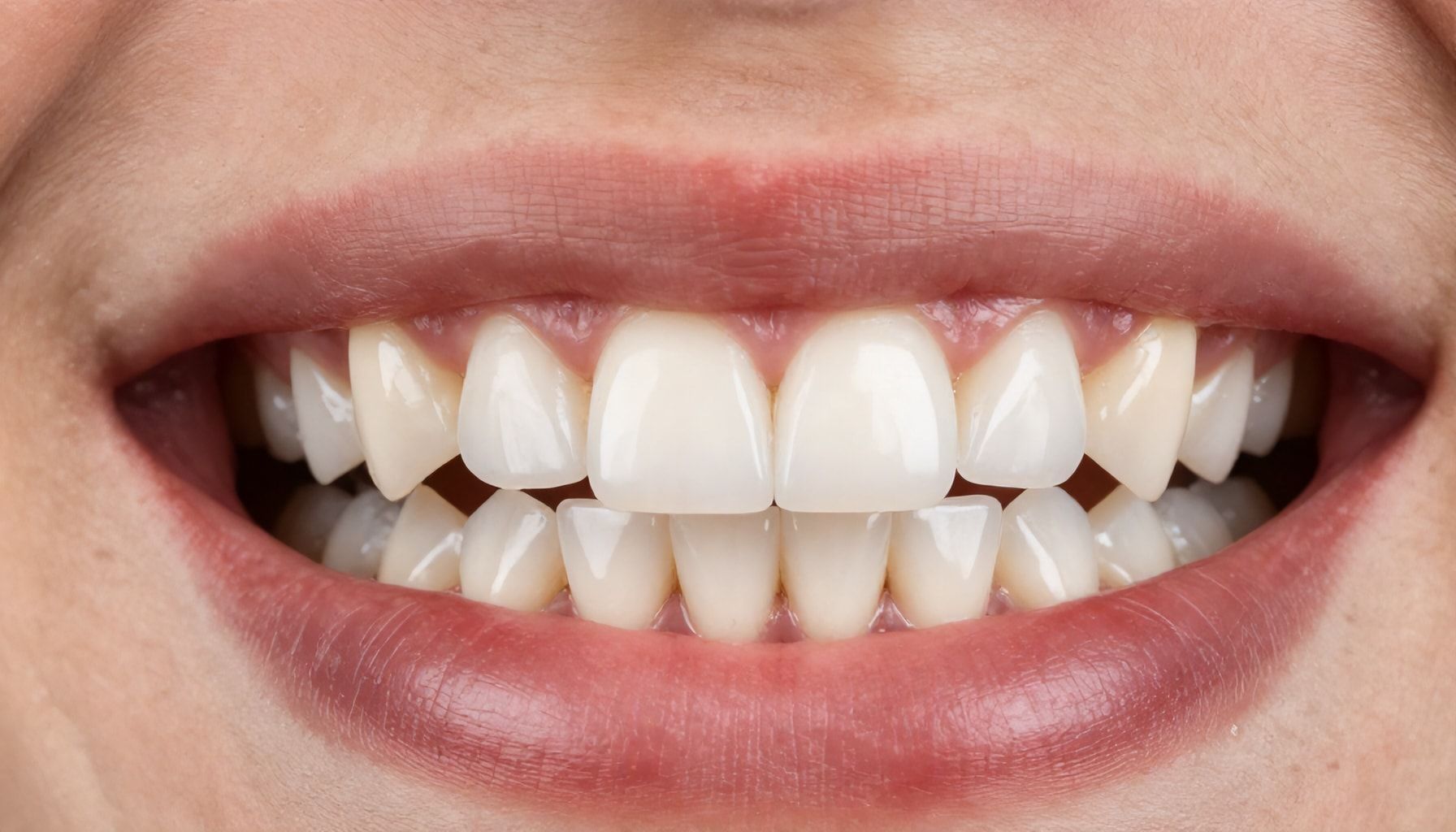
I’ve seen a lot of dental trends over the years, but veneers for missing teeth? That’s one fix that’s stood the test of time. Done right, they’re a permanent solution—no gaps, no compromises. Here’s how it works, step by step, with none of the fluff.
First, you’re not just slapping porcelain over a gap. The process starts with a consultation. A good dentist will assess your jawbone, gum health, and the teeth adjacent to the missing one. If you’ve lost a tooth years ago, bone loss might mean implants are a better call. But if the gap is recent and the surrounding structure’s solid? Veneers can work.
- Healthy gums (no active periodontal disease).
- Sufficient bone density to support adjacent teeth.
- A realistic expectation—veneers aren’t a miracle for severe misalignment.
Next, prep work. Unlike full crowns, veneers are minimal. The dentist shaves off about 0.3–0.7mm of enamel from the adjacent teeth to make room. This is irreversible—so don’t rush it. Temporary veneers go on while the permanent ones are crafted in a lab (usually 2–3 weeks).
Here’s where most patients panic: the temporary phase. They’re not as durable, and eating sticky foods is a bad idea. But trust me, the wait’s worth it. The final veneers are custom-molded to match your bite and shade. I’ve seen cases where they’re indistinguishable from natural teeth—even under close inspection.
| Material | Average Lifespan |
|---|---|
| Porcelain | 10–15 years (with proper care) |
| Composite Resin | 5–7 years |
The final step? Bonding. A strong adhesive secures the veneers, and UV light hardens it. No pain, no downtime. You walk out with a full smile. But here’s the catch: veneers aren’t indestructible. Avoid biting into ice, hard candies, or using your teeth as tools. I’ve seen too many cracked veneers from patients who thought they were invincible.
Bottom line? If you’re a candidate, veneers are a game-changer. They’re not cheap (expect $900–$2,500 per tooth), but they last. And in my book, that’s a permanent fix worth considering.
Dental veneers offer a transformative solution for restoring your smile, blending seamlessly with natural teeth while providing durability and confidence. Whether replacing missing teeth or enhancing appearance, veneers deliver a long-lasting, radiant result tailored to your needs. The key to success lies in choosing a skilled dentist and high-quality materials to ensure a flawless fit and lasting beauty. For the best outcome, prioritize regular dental check-ups to maintain your veneers and overall oral health. As you consider this life-changing option, imagine the joy of flashing a complete, confident smile every day—what’s the first thing you’d love to do with your restored smile?