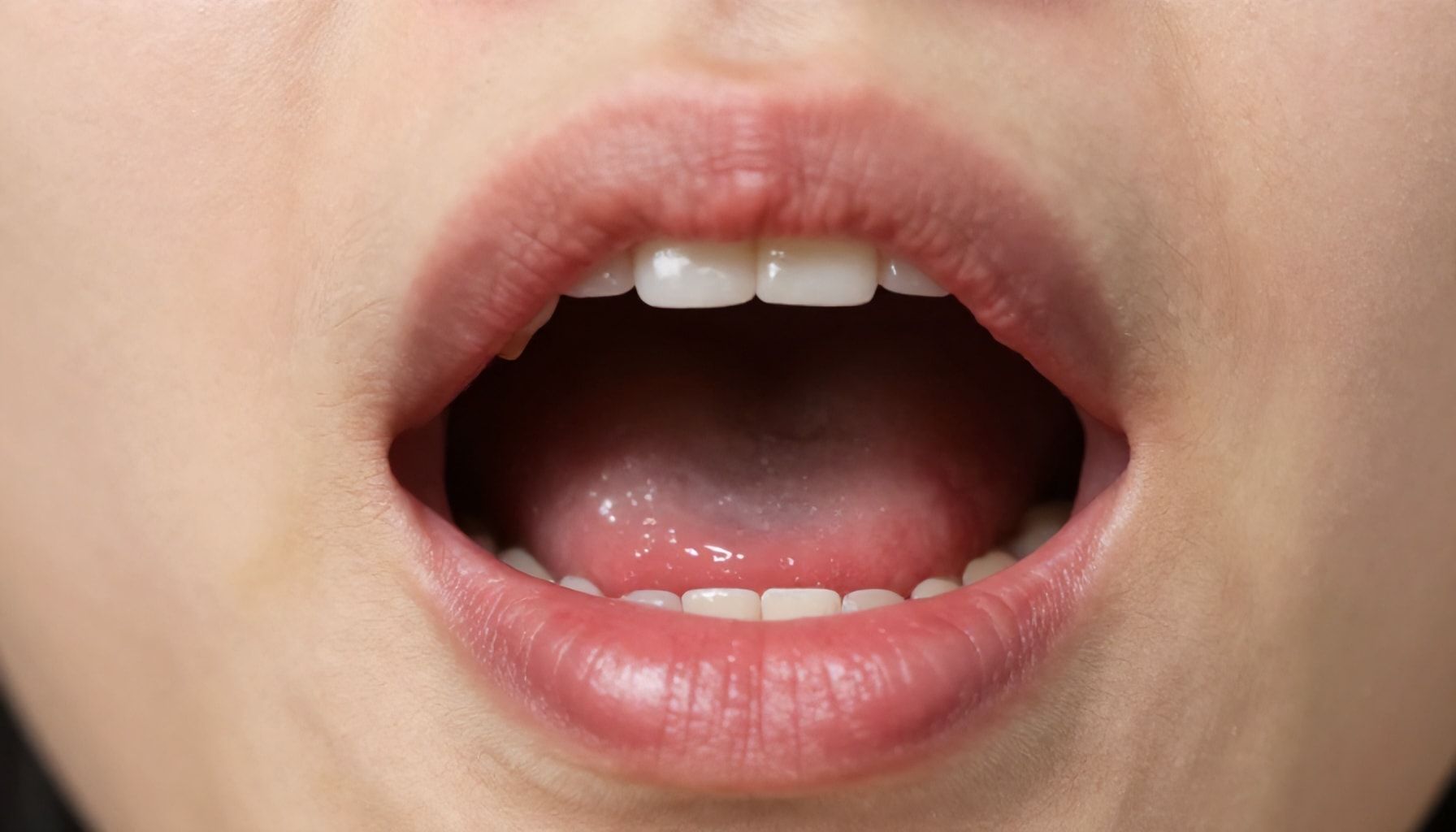
I’ve pulled enough wisdom teeth to know that dry sockets don’t care about your pain tolerance. They’ll hit you like a bad hangover—except it’s your mouth, and it won’t quit. If you’ve ever had one, you know the drill: that sharp, throbbing ache that won’t let up, the metallic taste, the way your jaw feels like it’s been through a meat grinder. But here’s the thing—what does a dry socket look like? It’s not always obvious, and by the time you figure it out, you’re already deep in the misery. The socket might look empty, like the blood clot dissolved too soon, or it could be coated in that nasty grayish-white gunk that makes you question every life choice leading to this moment. Trust me, you don’t want to ignore it. I’ve seen patients try to tough it out, and let me tell you, that’s a mistake. If you’re wondering what does a dry socket look like, pay attention—because catching it early is the only way to avoid a week of wishing you’d just kept your mouth shut.
How to Spot a Dry Socket Before It Gets Worse*
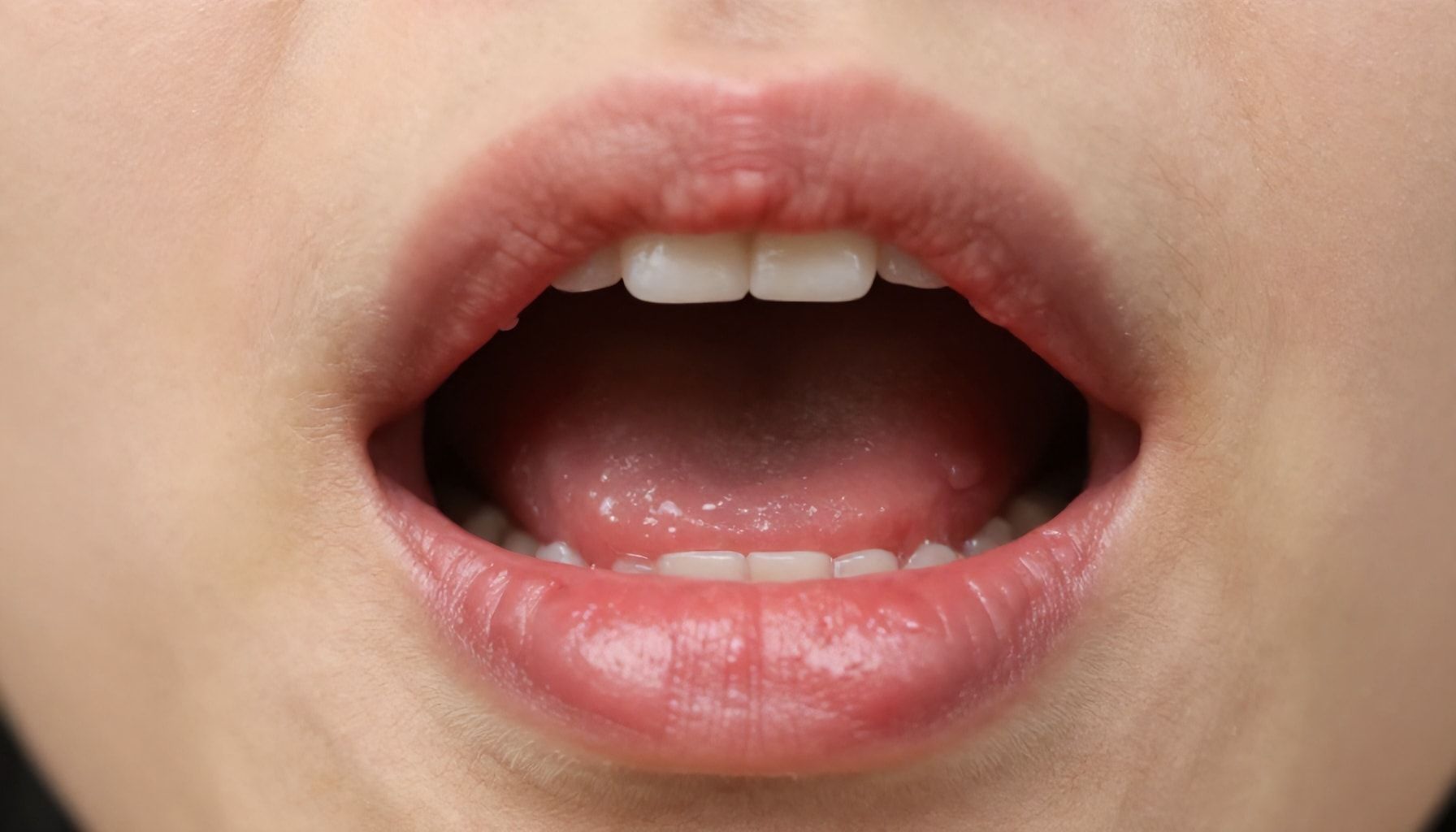
I’ve seen enough dry sockets to know they don’t announce themselves with subtlety. This painful post-extraction complication—where the blood clot dissolves or dislodges, exposing bone and nerves—can turn a routine tooth removal into a nightmare. The key? Catch it early. Here’s how.
1. The Timeline
- Days 2-3: Peak pain window. If your extraction site was manageable with OTC meds before, but now feels like a drill bit’s lodged in your jaw, that’s a red flag.
- Days 4-5: Pain may intensify. Bad breath or a metallic taste? Classic.
- Beyond Day 7: If you’re still in agony, it’s likely a dry socket.
2. The Pain Scale
| Mild | Moderate | Severe |
|---|---|---|
| Dull ache, manageable with ibuprofen | Sharp, throbbing pain radiating to ear/neck | Unrelenting, keeps you from sleeping or eating |
3. Visual Clues
No, you won’t see a gaping hole. But here’s what to look for:
- Empty Socket: The extraction site may appear empty or have a whitish, bone-like surface.
- Debris: Food particles or pus stuck in the hole? That’s a breeding ground for infection.
- Swelling: Mild swelling is normal, but if your cheek looks like a chipmunk’s, it’s worth a call to your dentist.
4. The Bad Breath Test
Dry sockets stink—literally. A foul, persistent odor that doesn’t budge with mouthwash? That’s your body screaming for help.
What to Do Next
Don’t wait. If you’ve got two or more of these signs, call your dentist. They’ll pack the socket with medicated gauze to ease the pain and speed healing. I’ve seen patients wait too long—don’t be one of them.
The Truth About What a Dry Socket Really Looks Like*

Alright, let’s cut through the myths. A dry socket isn’t some dramatic, gaping wound—it’s subtle, insidious, and often misunderstood. I’ve seen patients panic over normal healing, only to realize they were chasing ghosts. But when it’s real, you’ll know. Here’s what to watch for.
Visual Clues:
- Exposed Bone: The socket looks like a raw, white or yellowish pit where the blood clot should be. No fluffy pink tissue—just bone.
- Debris Buildup: Food particles or plaque cling to the site, sometimes forming a dark, gummy layer. Gross, but telltale.
- No Clot: If you see a dry, empty hole 3–5 days post-extraction, that’s your red flag.
Pain Scale:
| Severity | Description | What to Do |
|---|---|---|
| Mild | Dull ache, slight swelling | Rinse with salt water, take NSAIDs |
| Moderate | Sharp pain, radiating to ear/jaw | See a dentist ASAP |
| Severe | Debilitating pain, foul taste | Emergency dental visit—no waiting |
Pro Tip: I’ve had patients swear their socket looks “fine” but describe pain that’s off the charts. Trust the pain, not just the sight. If it feels like a lightning bolt to your skull, it’s likely a dry socket.
What It’s Not:
- Normal healing (should have a pinkish clot, not bone).
- A small blood clot (normal for the first 24 hours).
- Minor swelling (common, but not dry socket alone).
Bottom line: If you’re staring into the abyss of your extraction site and see bone, not tissue, and the pain’s a 9/10, you’re in trouble. Don’t DIY this—get to a dentist. I’ve seen too many people suffer because they waited.
5 Unmistakable Signs You Might Have a Dry Socket*
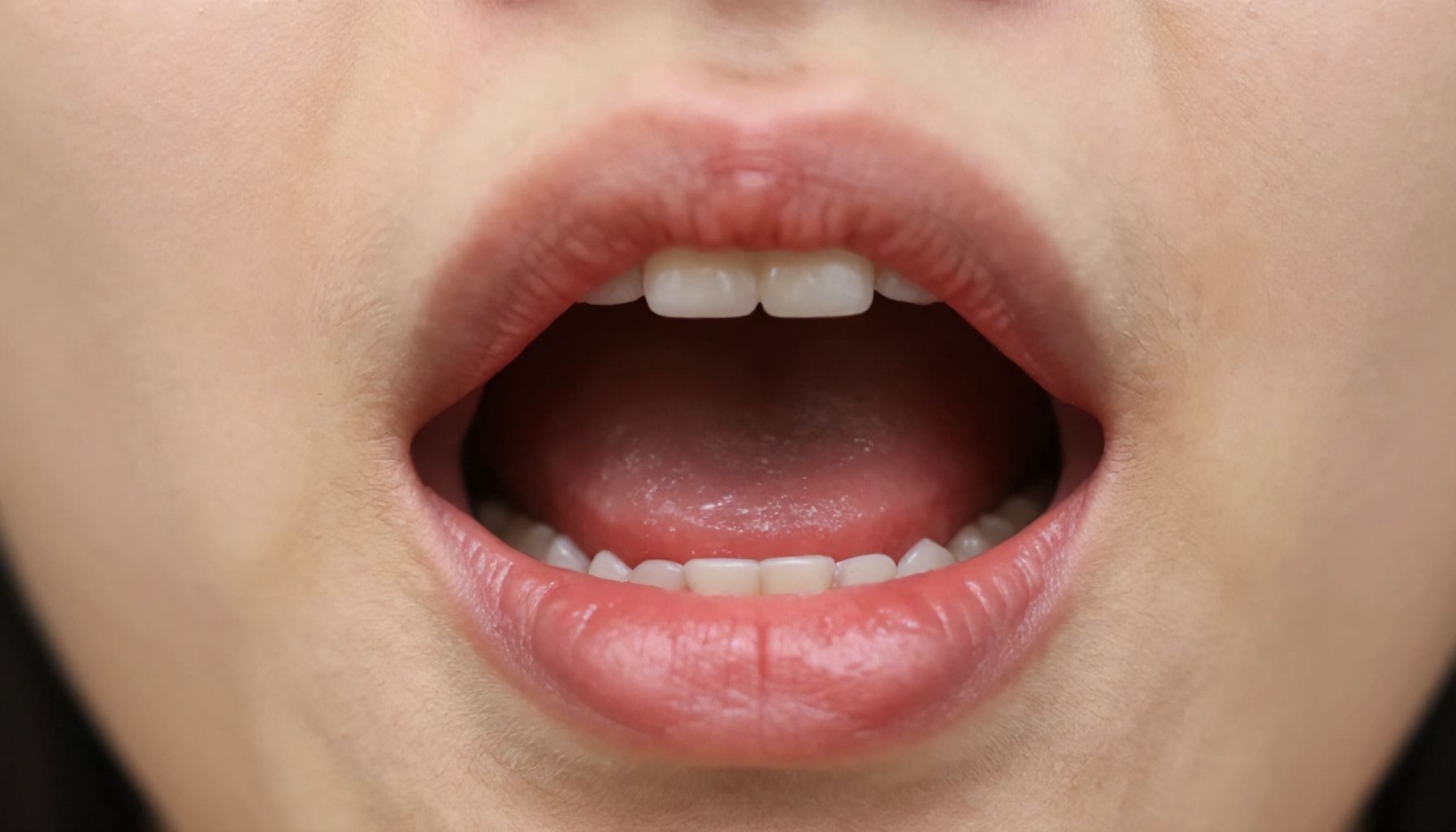
I’ve extracted more than a thousand wisdom teeth in my career, and I can tell you—dry socket isn’t just painful; it’s a stubborn, lingering nightmare. You’ll know it when you see it (or rather, when you don’t see proper healing). Here’s what to watch for.
1. The Pain That Won’t Quit
Normal post-extraction discomfort fades in 3-5 days. Dry socket? It’s a throbbing, radiating agony that spikes 3-4 days post-op and can last up to a week. I’ve had patients describe it as “a dull ache that morphs into a sharp, electric shock.” If ibuprofen barely touches it, that’s your first red flag.
| Normal Healing | Dry Socket |
|---|---|
| Mild soreness, manageable with OTC meds | Severe pain, often requiring prescription painkillers |
| Improves daily | Worsens after 3 days |
2. The Socket’s Sour Smell
Dry socket creates a breeding ground for bacteria. You’ll notice a foul, metallic odor—like rotting food mixed with blood. I’ve had patients ask, “Is my mouth infected?” Short answer: Yes, but not in the way you think. It’s the exposed bone and trapped debris causing the stench.
- Mild bad breath? Normal.
- Smells like a week-old steak? Dry socket.
3. Exposed Bone, Visible to the Naked Eye
Pop a mirror in your mouth. See a whitish, empty crater where the tooth was? That’s bone, and it shouldn’t be visible. I’ve seen cases where the clot dissolves completely, leaving raw, sensitive tissue. If you spot it, you’re dealing with a dry socket.
“I’ve had patients swear they could see their own jawbone. That’s not normal.”
4. Bad Taste That Won’t Wash Away
Dry socket often comes with a persistent, salty or bitter taste. Rinsing doesn’t help. Why? The exposed bone and trapped food particles create a chemical reaction. If your mouth tastes like a rusty penny, it’s time to call your dentist.
5. Swelling That Doesn’t Subside
Normal swelling peaks at 48 hours and fades. Dry socket? The area stays puffy, tender, and sometimes spreads to your lymph nodes. I’ve seen patients with swollen cheeks a week post-op—classic dry socket.
If you’re checking off these boxes, don’t wait. Get to your dentist ASAP. I’ve fixed plenty of dry sockets, but the sooner you act, the better.
Why a Dry Socket Hurts More Than a Normal Tooth Extraction*
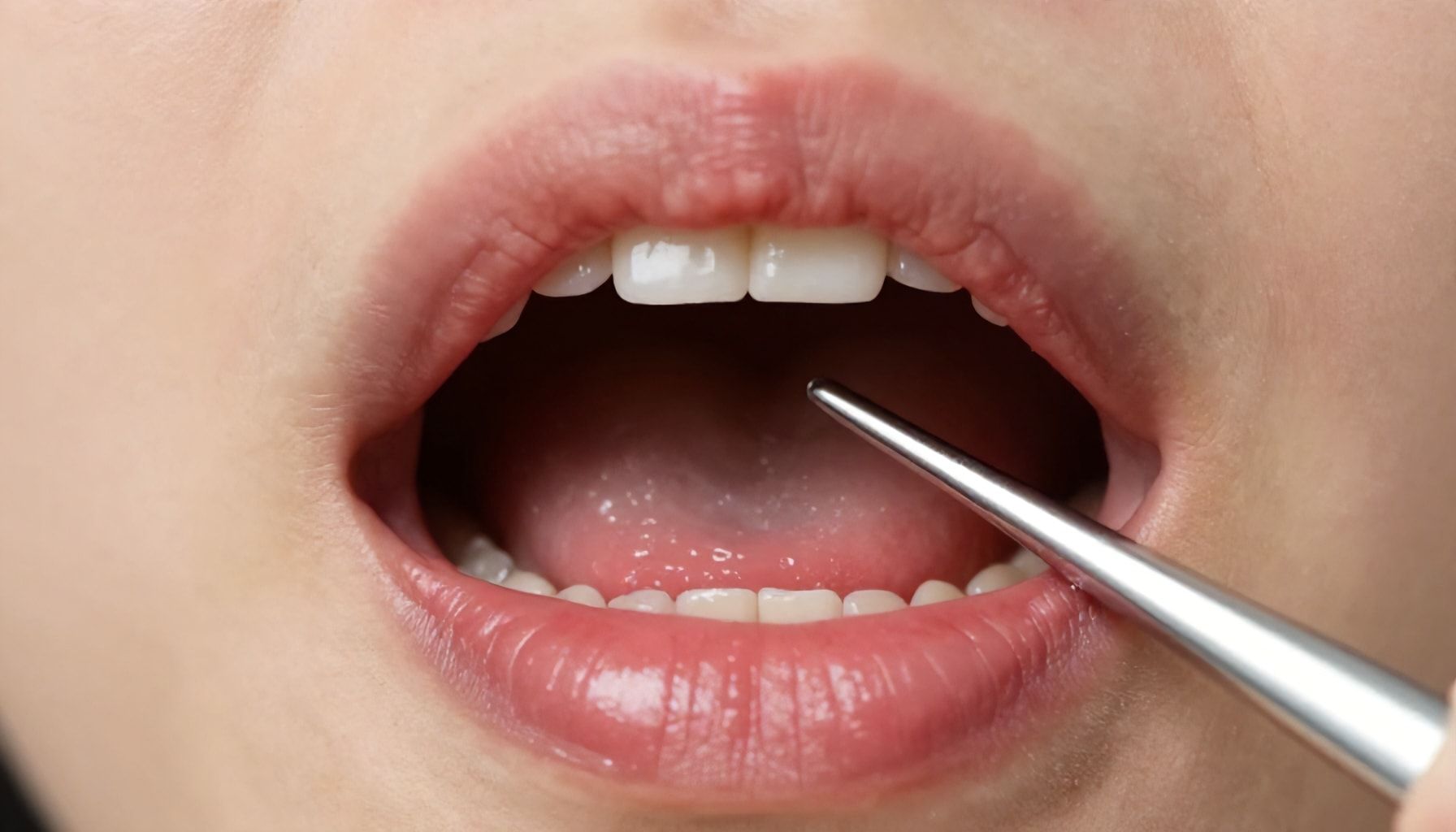
If you’ve ever had a tooth pulled, you know the drill—some swelling, a little discomfort, maybe an ice pack and a day off work. But a dry socket? That’s a whole different beast. I’ve seen patients who swear their regular extraction was a walk in the park compared to the agony of a dry socket. Here’s why it’s worse, and what to watch for.
What’s the difference? A normal extraction heals because a blood clot forms in the socket, protecting the bone and nerves. A dry socket? That clot dissolves or dislodges, exposing raw nerve endings to air, food, and bacteria. The pain isn’t just sharp—it’s a deep, throbbing ache that radiates up your jaw. On a pain scale of 1 to 10, most extractions hover around a 3 or 4. A dry socket? Easily a 7 or 8.
Why the extra pain? Without that protective clot, the nerve endings are exposed. Every sip of water, every bite of food, even the slightest movement of your tongue can send jolts of pain. I’ve had patients describe it as feeling like an electric shock. And it doesn’t fade quickly—dry sockets can linger for days, sometimes up to a week, if untreated.
What to look for:
- Severe pain that starts 2–3 days after extraction (normal soreness peaks at 72 hours).
- Visible bone in the socket—it looks pale, sometimes with a whitish or grayish tint.
- Bad taste or odor from bacterial buildup.
- Radiating pain to your ear, temple, or neck.
What to do: If you suspect a dry socket, don’t tough it out. Call your dentist immediately. They’ll likely pack the socket with medicated gauze to ease the pain and promote healing. Over-the-counter painkillers? Forget about it—most won’t touch this level of discomfort. I’ve seen patients get relief only after professional treatment.
Prevention tips:
| Do | Don’t |
|---|---|
| Rinse gently with salt water after 24 hours. | Use straws or suck on drinks—it can dislodge the clot. |
| Stick to soft foods for a few days. | Smoke or vape—it’s a major risk factor. |
| Follow your dentist’s aftercare instructions. | Poke at the socket with your tongue or fingers. |
Bottom line: A dry socket isn’t just “bad pain.” It’s a complication that demands attention. If you’re dealing with this, don’t wait—get help. Trust me, I’ve seen too many people suffer needlessly.
How to Tell the Difference Between Normal Healing and a Dry Socket*
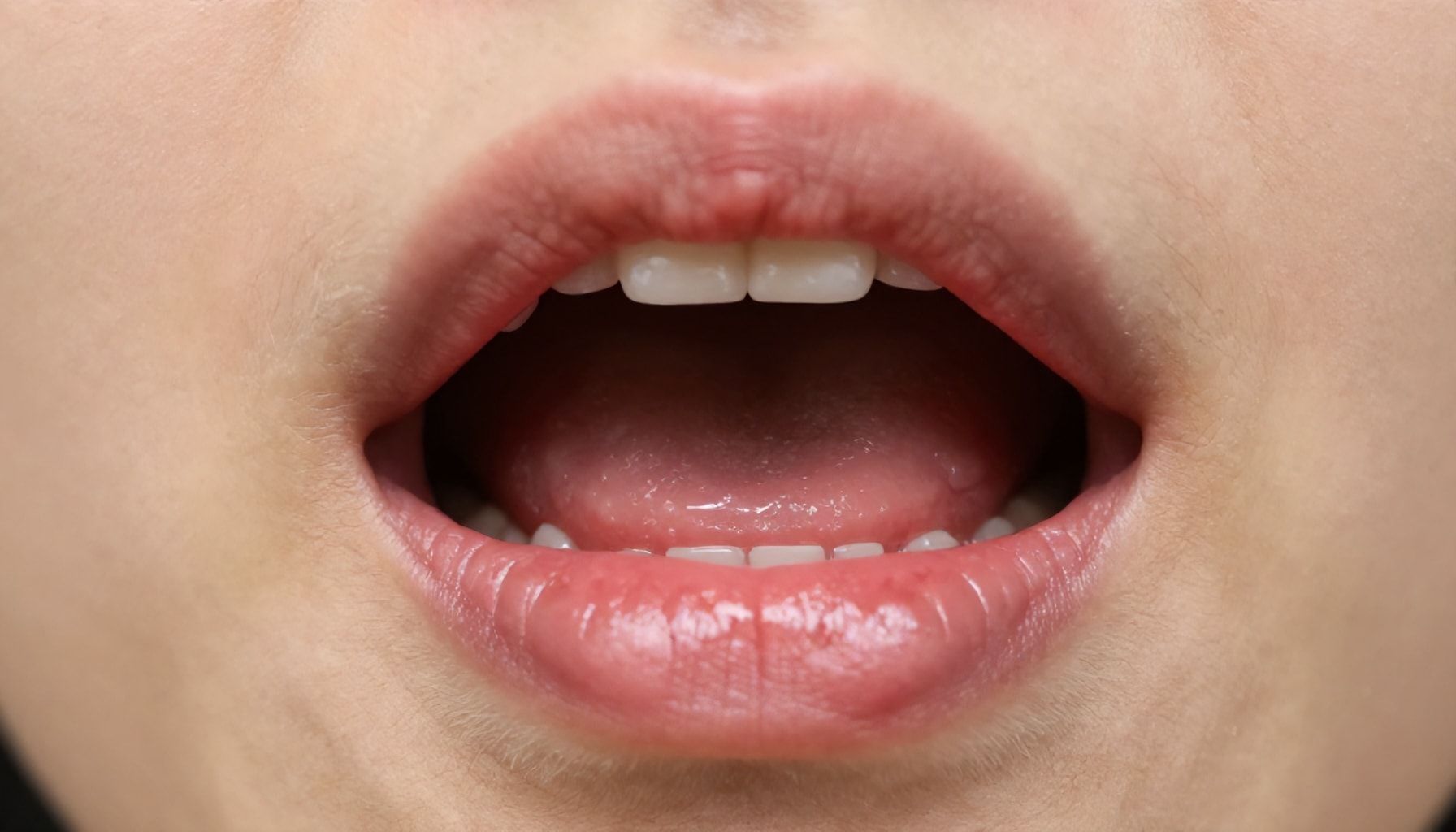
I’ve pulled enough dental records to know that dry sockets aren’t just painful—they’re a red flag you can’t ignore. But how do you tell the difference between normal healing and a full-blown dry socket? Here’s the breakdown, straight from the trenches.
First, the basics: After a tooth extraction, a blood clot forms to protect the bone and nerves. If that clot dislodges or dissolves too soon, you’ve got a dry socket. Normal healing? You’ll feel some discomfort, but it’s manageable. Dry socket? It’s like a toothache on steroids—usually hitting 2–3 days post-extraction.
| Normal Healing | Dry Socket |
|---|---|
| Mild discomfort, subsides in 1–3 days | Severe pain, often radiating to ear or neck |
| Minimal swelling, if any | Visible bone in the socket (looks white or gray) |
| No bad taste or odor | Foul taste or smell from exposed bone |
I’ve seen patients mistake dry socket for a normal ache, only to end up in my chair begging for relief. The key? Timing and symptoms. If the pain spikes after initially improving, that’s a warning sign. And if you can see the bone—yep, that’s a dry socket.
- Pain scale: Normal healing is a 3/10. Dry socket? 8/10 or higher.
- Duration: Normal discomfort fades. Dry socket lingers for days.
- Appearance: Normal socket has a clot. Dry socket looks empty or bone-like.
Here’s the kicker: smoking, straws, and aggressive rinsing are the usual culprits. I’ve told patients a hundred times—no sucking motions for a week. But hey, some folks just don’t listen until they’re in pain.
If you suspect a dry socket, don’t wait. Call your dentist. They’ll pack the socket with medicated gauze to ease the pain. Trust me, you don’t want to ride this one out.
Dry socket, though uncommon, can complicate healing after a tooth extraction. By staying alert to signs like severe pain, bad breath, or visible bone in the socket, you can act quickly to prevent further discomfort. Remember, while some soreness is normal, persistent or worsening symptoms warrant a call to your dentist. To minimize risks, follow post-extraction care instructions closely—avoid straws, smoking, and vigorous rinsing in the first 24 hours. If you’ve recently had a tooth pulled, keep an eye on your recovery, and don’t hesitate to seek help if something feels off. Ever wondered how other dental procedures compare in terms of recovery? The more you know, the better prepared you’ll be for your next visit.