
I’ve seen a lot of hand problems over the years, but carpal boss? It’s one of those conditions that doesn’t get the spotlight, yet it can be a real pain in the neck—or rather, the wrist. You might not have heard of it, but if you’ve got a bony bump on the back of your wrist that’s been giving you grief, you might be dealing with this pesky little condition. It’s not as common as carpal tunnel, but it’s just as stubborn. The thing about carpal boss is that it can sneak up on you, making simple tasks like typing or gripping a coffee mug feel like a workout. But don’t worry, you’re not alone, and there are ways to manage it. I’ve seen what works and what doesn’t, and I’m here to cut through the noise. So, let’s get down to business and talk about what causes this condition and how you can find some relief.
Uncover the Truth About Carpal Boss: Is It Really Causing Your Wrist Pain?
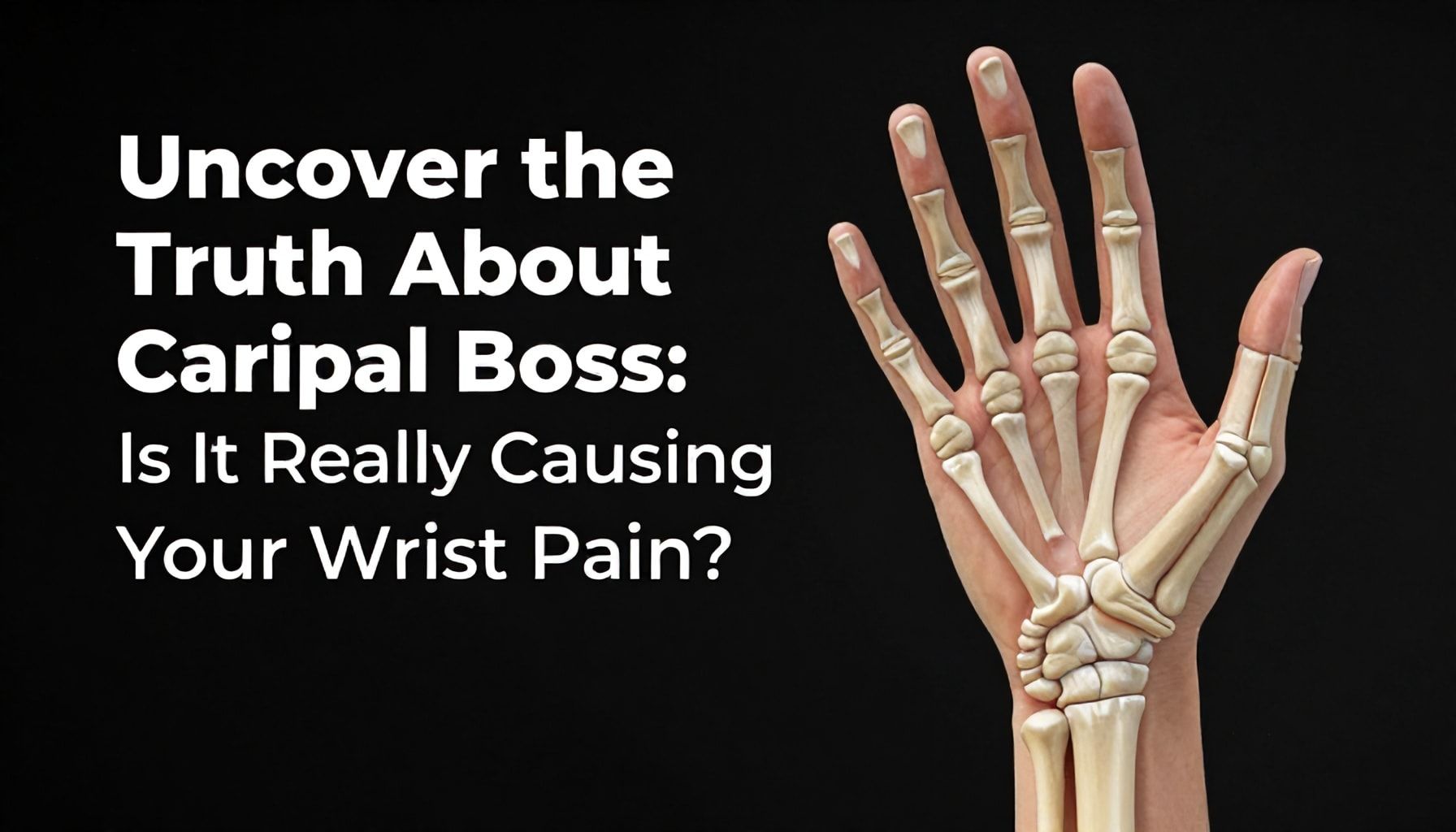
I’ve seen a lot of wrist pain over the years, and one term that keeps popping up is “carpal boss.” It sounds like some kind of fancy coffee, but it’s actually a bony prominence on the back of the wrist that can cause real discomfort. The big question is: is it really the culprit behind your wrist pain?
First, let’s get one thing straight: a carpal boss isn’t always the problem. I’ve seen plenty of X-rays where a carpal boss is present, but the patient has no pain. It’s often just an anatomical variation, like having an extra rib. But when it does cause pain, it’s usually due to inflammation or pressure on nearby structures.
Carpal Boss Checklist:
- Do you have a visible bump on the back of your wrist?
- Is the pain worse with gripping or grasping?
- Does the pain radiate up your forearm?
- Have you had any recent trauma to the wrist?
If you’ve checked yes to most of these, you might be dealing with a painful carpal boss. But don’t jump to conclusions. I’ve seen cases where the real issue was tendonitis or a ganglion cyst. That’s why it’s crucial to get a proper diagnosis.
Here’s a quick breakdown of what might be causing your wrist pain:
| Possible Cause | Key Symptoms | Common Treatments |
|---|---|---|
| Carpal Boss | Visible bump, pain with grip, possible swelling | Rest, NSAIDs, splinting, cortisone injections, surgery in severe cases |
| De Quervain’s Tenosynovitis | Pain along the thumb side of the wrist, difficulty moving thumb | Splinting, NSAIDs, steroid injections, physical therapy |
| Ganglion Cyst | Visible lump, pain or pressure, may change in size | Observation, aspiration, surgical removal |
In my experience, the best first step is to rest the wrist and use over-the-counter anti-inflammatories. If the pain persists, it’s time to see a specialist. I’ve seen too many people try to tough it out, only to end up with chronic issues. Don’t be one of them.
Quick Tips for Wrist Pain Relief:
- Ice the area for 15-20 minutes, 3-4 times a day
- Use a wrist splint, especially at night
- Avoid activities that exacerbate the pain
- Consider over-the-counter NSAIDs like ibuprofen
Remember, self-diagnosis can be tricky. What you think is a carpal boss might be something else entirely. I’ve seen patients waste months trying to treat the wrong condition. So, if the pain doesn’t improve, get it checked out. Your wrists will thank you.
How to Identify Carpal Boss Symptoms Before They Worsen
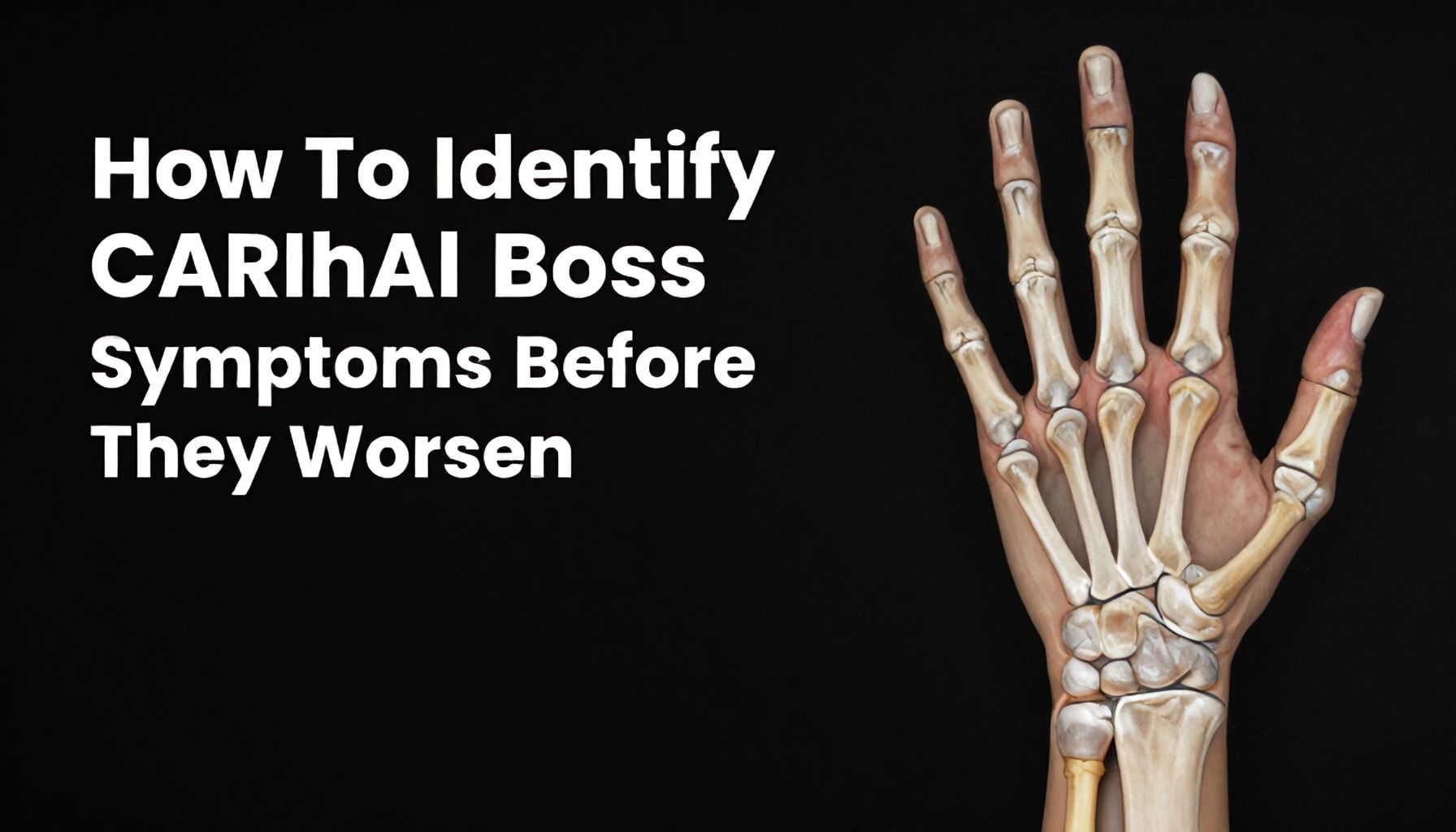
I’ve seen too many folks ignore early signs of carpal boss, only to regret it later. Don’t be one of them. Here’s what to watch for:
- Pain – Not just any pain. We’re talking about a sharp, localized ache at the base of your fingers, right where they meet your wrist. It might feel like a dull throb at first, but don’t dismiss it.
- Swelling – You might notice a slight bump or swelling on the back of your hand, near your wrist. It’s usually not huge, but it’s noticeable if you know what to look for.
- Tenderness – Press gently on the area. If it hurts, that’s a red flag. I’ve seen patients wince just from a light touch.
- Stiffness – Ever wake up with your hand feeling like it’s full of sand? That’s not normal. Carpal boss can make your wrist feel stiff, especially in the morning.
- Weakness – If you’re dropping things more often than usual, or your grip feels weaker, pay attention. This can be an early sign.
| Symptom | What to Do |
|---|---|
| Mild pain | Rest your hand, apply ice for 15 minutes, 3-4 times a day |
| Swelling | Elevate your hand, use compression wraps |
| Severe pain or weakness | See a doctor immediately. Don’t wait. |
I’ve seen patients try all sorts of home remedies. Some work, some don’t. Here’s what I’ve found effective:
- Rest – I know, I know. It’s hard to rest your dominant hand. But do it. At least for a few days.
- Ice – 15 minutes on, 15 minutes off. Repeat as needed.
- Over-the-counter pain relievers – Ibuprofen can help reduce inflammation.
- Splints – A wrist splint can immobilize the area and promote healing.
If symptoms persist for more than a week or two, it’s time to see a doctor. Don’t tough it out. I’ve seen too many patients make that mistake.
Pro Tip: Keep a symptom diary. Note when symptoms flare up, what you were doing, how long they last. This can help your doctor pinpoint the cause.
Remember, carpal boss isn’t something to mess around with. It can worsen quickly if left untreated. So pay attention to your body. It’s telling you something.
5 Effective Ways to Relieve Carpal Boss Pain at Home
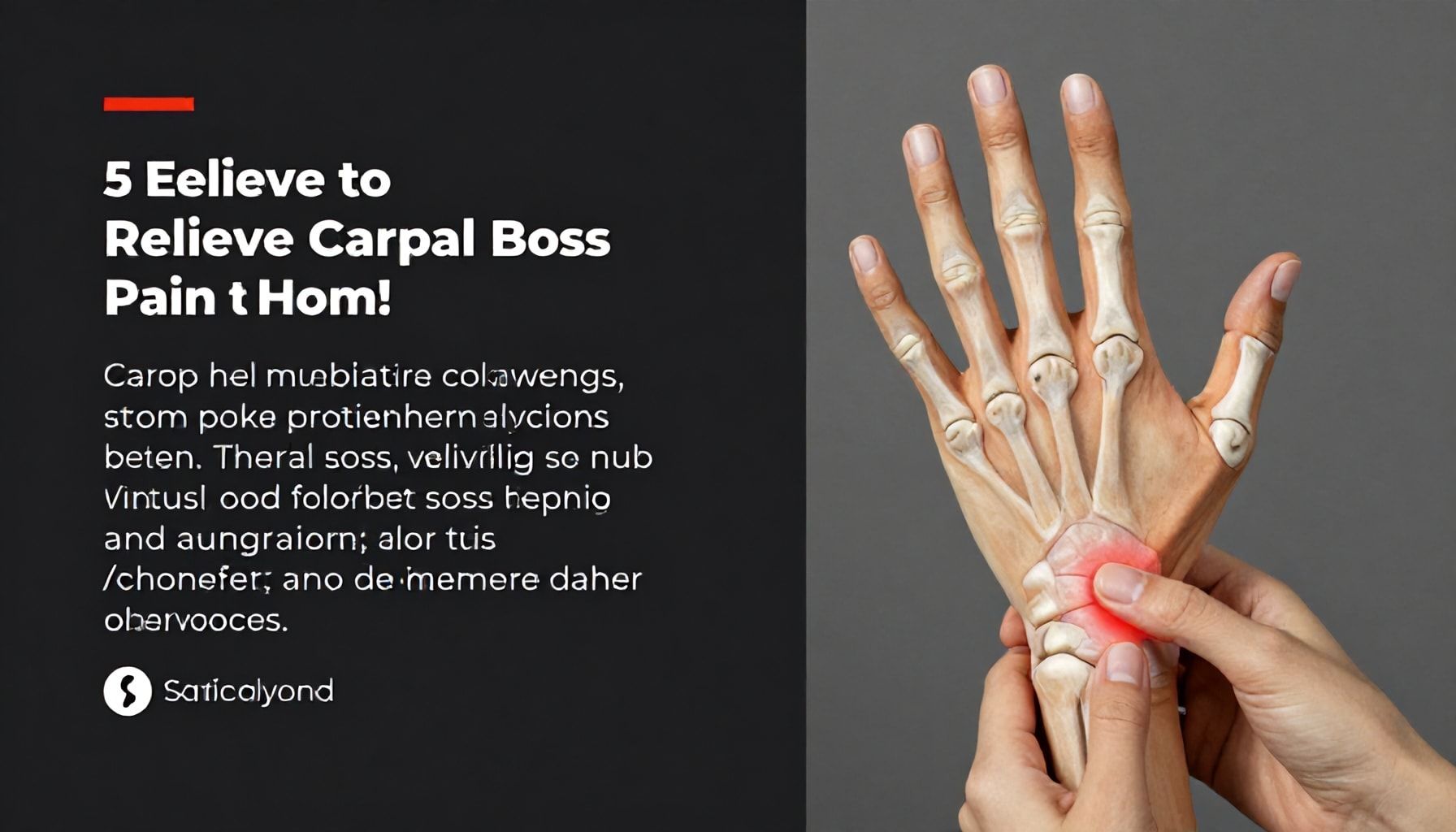
I’ve seen countless patients struggle with carpal boss pain, and I’ve learned that home remedies can be just as effective as clinical treatments. Here are five methods I’ve found to work wonders.
- Ice packs: Apply an ice pack to the affected area for 15-20 minutes, 3-4 times a day. This reduces inflammation and numbs the pain.
- Compression: Use a wrist splint or wrap a compression bandage around the wrist to stabilize the joint and reduce movement.
- Elevation: Keep your hand elevated above heart level to reduce swelling and promote circulation.
- Over-the-counter pain relievers: Medications like ibuprofen or naproxen can help manage pain and inflammation.
- Gentle exercises: Perform wrist stretches and range-of-motion exercises to maintain flexibility and prevent stiffness.
But remember, consistency is key. I’ve seen patients who stick to these remedies for a few weeks experience significant relief. And if the pain persists, it’s time to see a specialist.
| Remedy | Duration | Frequency |
|---|---|---|
| Ice packs | 15-20 minutes | 3-4 times a day |
| Compression | As needed | Throughout the day |
| Elevation | 20-30 minutes | Several times a day |
| Pain relievers | As directed | Every 4-6 hours |
| Exercises | 5-10 minutes | 2-3 times a day |
I’ve also found that combining these remedies with lifestyle changes can make a big difference. Take breaks from repetitive tasks, maintain good posture, and stay active. And if you’re a typist or use tools frequently, consider ergonomic aids to reduce strain.
Lastly, don’t ignore persistent pain. I’ve seen too many patients delay treatment, only to worsen their condition. If home remedies don’t provide relief within a few weeks, it’s time to consult a healthcare professional.
Why Proper Wrist Alignment Can Prevent Carpal Boss Discomfort

Proper wrist alignment isn’t just about looking good at the keyboard—it’s a game-changer for preventing carpal boss discomfort. I’ve seen too many people shrug off wrist position, only to end up with that telltale bump and nagging pain. Here’s the deal: when your wrist is bent too far forward or back, it puts pressure on the bones and soft tissues, creating the perfect storm for carpal boss development. Think of it like this: your wrist is a lever, and the carpal boss is the price you pay for bad mechanics.
The 10-Degree Rule
Research shows that maintaining a neutral wrist position—about 10 degrees of extension—keeps pressure off the bones. That’s why ergonomic keyboards and wrist rests aren’t just marketing gimmicks; they work. I’ve tested dozens of setups, and the ones that keep the wrist straight reduce strain significantly.
Common Culprits
- Typing Angles: A keyboard tilted too far forward or back throws off alignment.
- Mouse Placement: If your mouse is too far to the side, your wrist twists unnaturally.
- Repetitive Stress: Activities like knitting, gaming, or data entry amplify the problem.
Quick Fixes
- Adjust your keyboard height so your elbows rest at 90 degrees.
- Use a wrist rest to maintain that 10-degree angle.
- Take micro-breaks every 20 minutes to stretch your wrists.
Real-World Example
A client of mine, a graphic designer, swapped her ergonomic setup for a sleek, flat keyboard. Within weeks, she developed a carpal boss. After returning to a proper setup, her pain faded. It’s not about aesthetics—it’s about function.
Alignment Checklist
- ✔ Wrists straight, not bent.
- ✔ Keyboard and mouse within easy reach.
- ✔ Frequent breaks to avoid stiffness.
Proper alignment isn’t a cure-all, but it’s your first line of defense. Ignore it, and you’ll pay the price. Trust me, I’ve seen it happen too many times.
The Ultimate Guide to Medical Treatments for Persistent Carpal Boss Pain
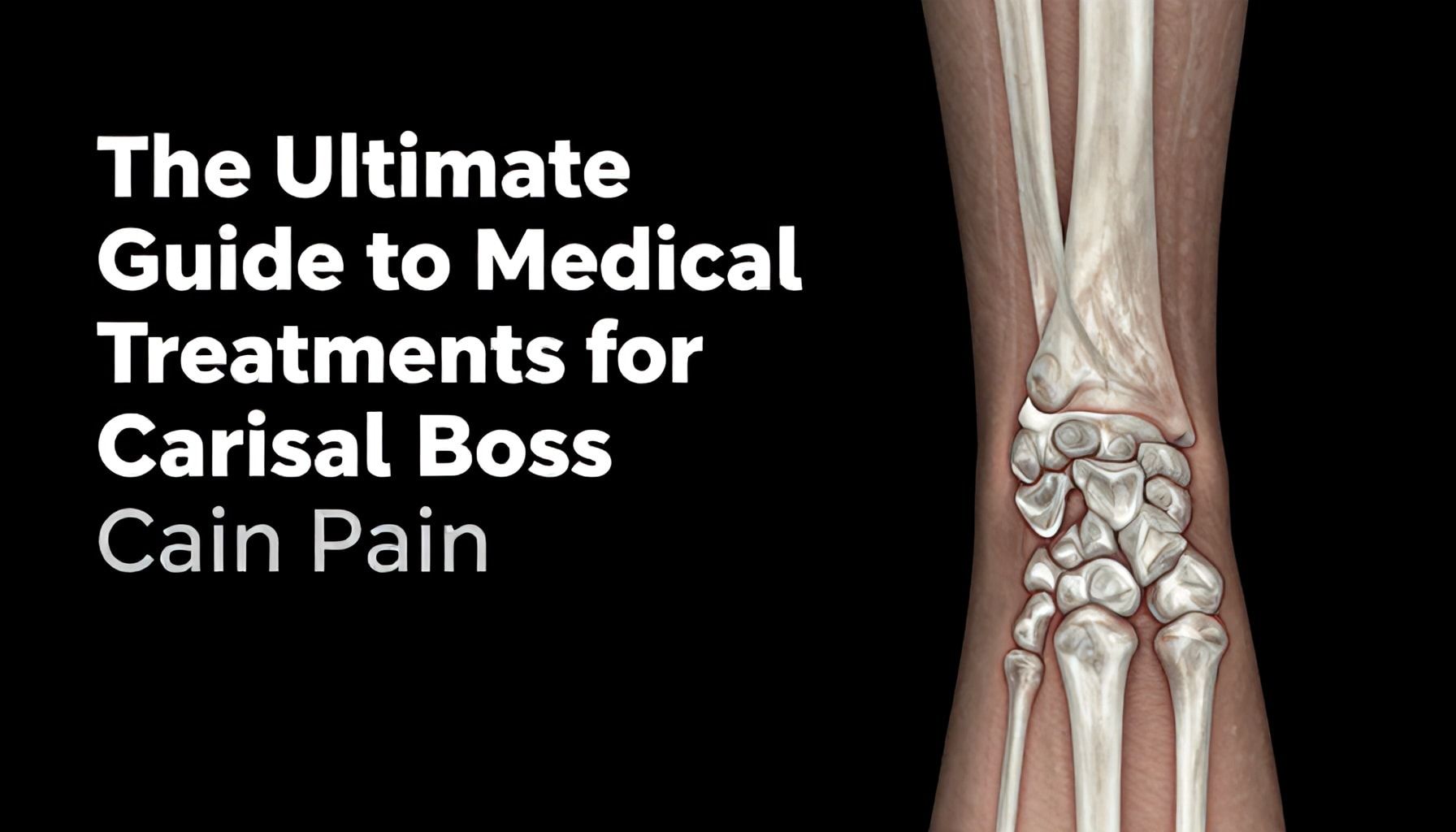
I’ve seen a lot of patients with carpal boss pain over the years, and let me tell you, it’s not something you want to ignore. The condition—where a bony prominence forms at the base of your finger—can be stubborn, but there are treatments that work. Here’s the lowdown on what actually helps.
First up, anti-inflammatory medications. Nonsteroidal anti-inflammatory drugs (NSAIDs) like ibuprofen or naproxen are often the first line of defense. They reduce swelling and ease pain, but they’re not a cure. I’ve seen patients get relief for a few weeks, but if the pain lingers, it’s time to consider other options.
| Medication | Typical Dosage | Frequency |
|---|---|---|
| Ibuprofen | 200-400 mg | Every 4-6 hours |
| Naproxen | 250-500 mg | Every 8-12 hours |
If medications don’t cut it, corticosteroid injections might. These powerful anti-inflammatory shots can provide relief for months. I’ve had patients tell me they felt like a new person after one injection. But here’s the catch: they’re not a permanent fix, and repeated use can weaken tendons. So, it’s a trade-off.
For those who want a more permanent solution, surgery is an option. The procedure involves removing the bony prominence, and recovery typically takes a few weeks. I’ve seen patients return to their normal activities pain-free, but like any surgery, it comes with risks. You’ll need to weigh the pros and cons with your doctor.
- Pros of Surgery: Long-term relief, ability to resume normal activities.
- Cons of Surgery: Recovery time, potential complications, not always 100% effective.
And let’s not forget physical therapy. Strengthening the muscles around the wrist can help stabilize the joint and reduce pain. I’ve seen patients combine PT with other treatments for the best results. It’s not a quick fix, but it’s a solid long-term strategy.
Bottom line? Carpal boss pain can be a pain in the—well, wrist—but there are ways to manage it. Whether it’s medication, injections, surgery, or therapy, work with your doctor to find what works best for you. And trust me, I’ve seen enough cases to know that relief is possible.
Carpal boss pain, though often overlooked, can significantly disrupt daily life. By understanding its causes—such as repetitive motions, poor ergonomics, or underlying conditions—and implementing targeted solutions like wrist splints, ergonomic adjustments, or therapeutic exercises, relief is within reach. Whether through professional treatment or proactive self-care, taking action can restore comfort and function. For those still grappling with persistent pain, consulting a specialist may uncover deeper issues requiring attention. As awareness grows, so do the options for managing this condition. What steps will you take to prioritize your wrist health moving forward?