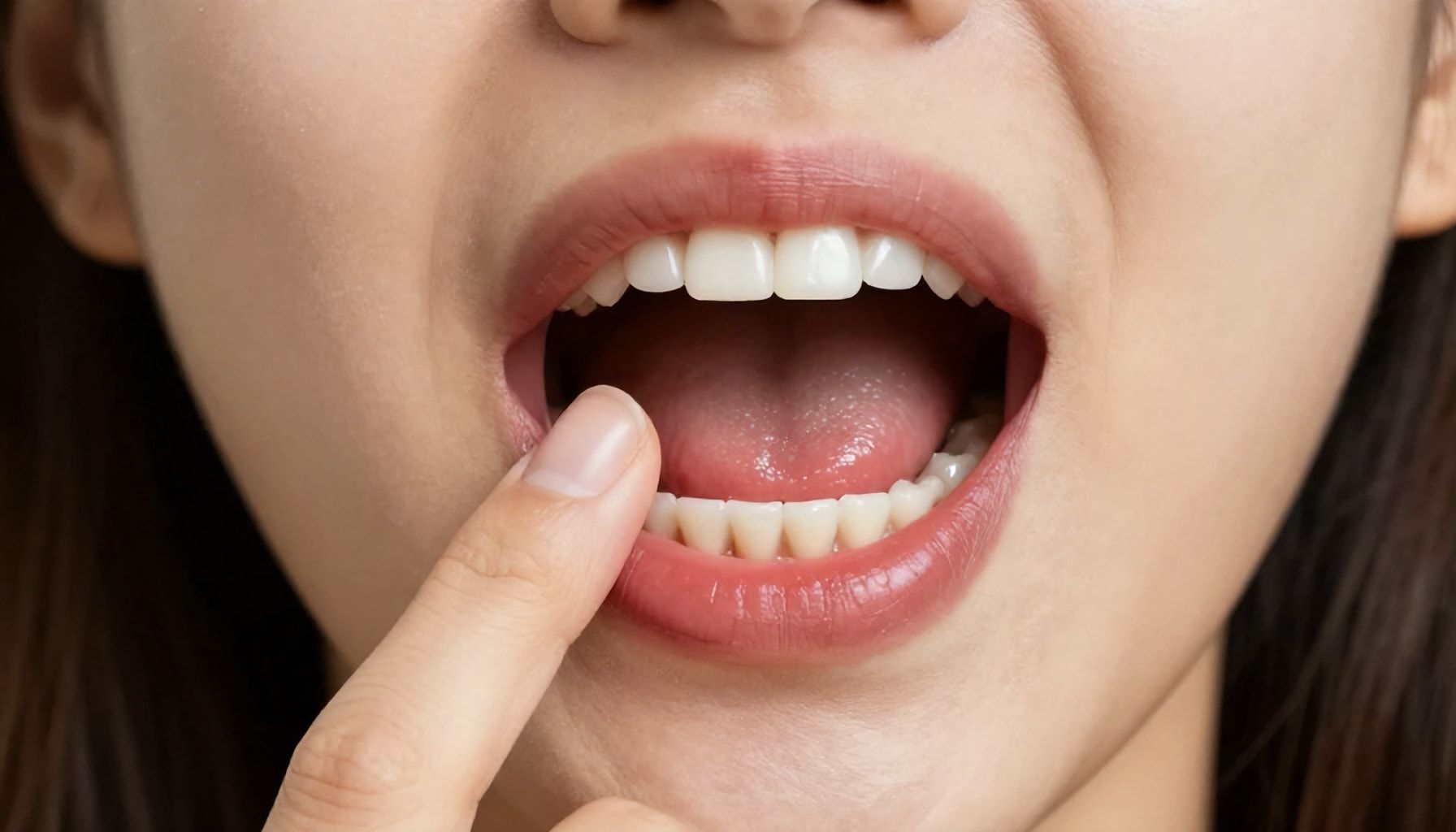
I’ve seen it all—from first-time extractions to wisdom teeth removals gone wrong. And if there’s one thing I know, it’s that dry socket wisdom teeth pain is no joke. You’re already dealing with the aftermath of surgery, and then this happens. But don’t panic; I’ve got you covered.
Dry socket, or alveolar osteitis, is a painful complication that can occur after wisdom teeth removal. It happens when the blood clot that forms in the extraction site dislodges or dissolves too early, exposing the bone and nerves underneath. Trust me, it’s as unpleasant as it sounds. But here’s the good news: there are ways to relieve the pain and help your mouth heal.
First things first, you won’t be able to treat a dry socket at home. You’ll need to see your dentist or oral surgeon. They can clean the site and apply a medicated dressing to protect the area and promote healing. But while you’re waiting for that appointment, there are some things you can do to ease the discomfort.
How to Spot Dry Socket Symptoms Before They Worsen*
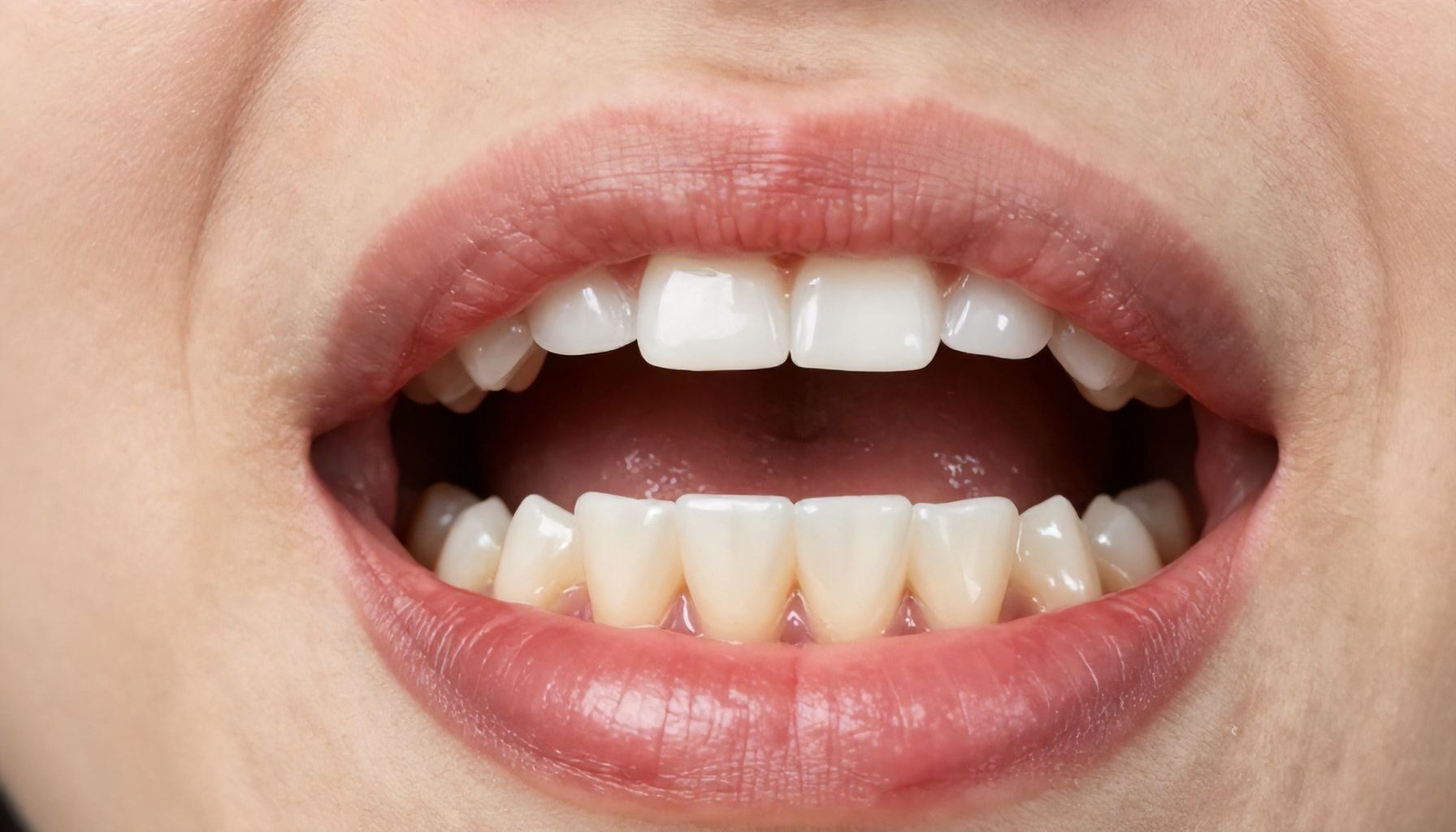
I’ve seen plenty of patients panic when they feel that first twinge after wisdom teeth removal. But here’s the deal: not every twinge means dry socket. You gotta know the signs before things get ugly. Here’s what to watch for.
- Persistent, throbbing pain that starts 2-3 days after extraction. Regular painkillers won’t touch it.
- Bad breath that won’t quit. We’re talking foul, like something died in your mouth.
- Visible bone in the socket. If you peek and see white instead of red, that’s a red flag.
- Unpleasant taste. Like metallic or gross food residue that won’t go away.
- Swollen lymph nodes. If your neck’s feeling like a bowling ball, that’s a bad sign.
I’ve seen patients try to tough it out, thinking it’ll pass. Big mistake. Dry socket pain doesn’t just go away on its own. If you’re checking off these boxes, get to your dentist ASAP. They can pack the socket with medicated gauze to ease the pain.
| Day | Normal Healing | Dry Socket Signs |
|---|---|---|
| 1-2 | Swelling peaks, some bleeding | Minimal discomfort |
| 3-4 | Swelling goes down, pain decreases | Pain worsens, bad taste/breat |
| 5+ | Healing continues, minimal discomfort | Severe pain, visible bone |
Here’s a pro tip: Keep that extraction site clean. Use the syringe your dentist gave you to gently rinse with salt water. But don’t be a hero – no vigorous rinsing or sucking through straws. You’ll disrupt the clot and invite dry socket.
I’ve seen patients swear by clove oil for numbing pain. A drop on a cotton ball, applied gently to the area. But don’t go overboard – too much can irritate the wound. And for heaven’s sake, don’t smoke. The sucking action is a one-way ticket to dry socket city.
Remember, dry socket isn’t an infection – it’s a healing complication. Antibiotics won’t help. Your best bet is catching it early and getting professional treatment. Don’t wait it out. Trust me, I’ve seen what happens when you do.
The Truth About Why Dry Socket Happens (And How to Avoid It)*
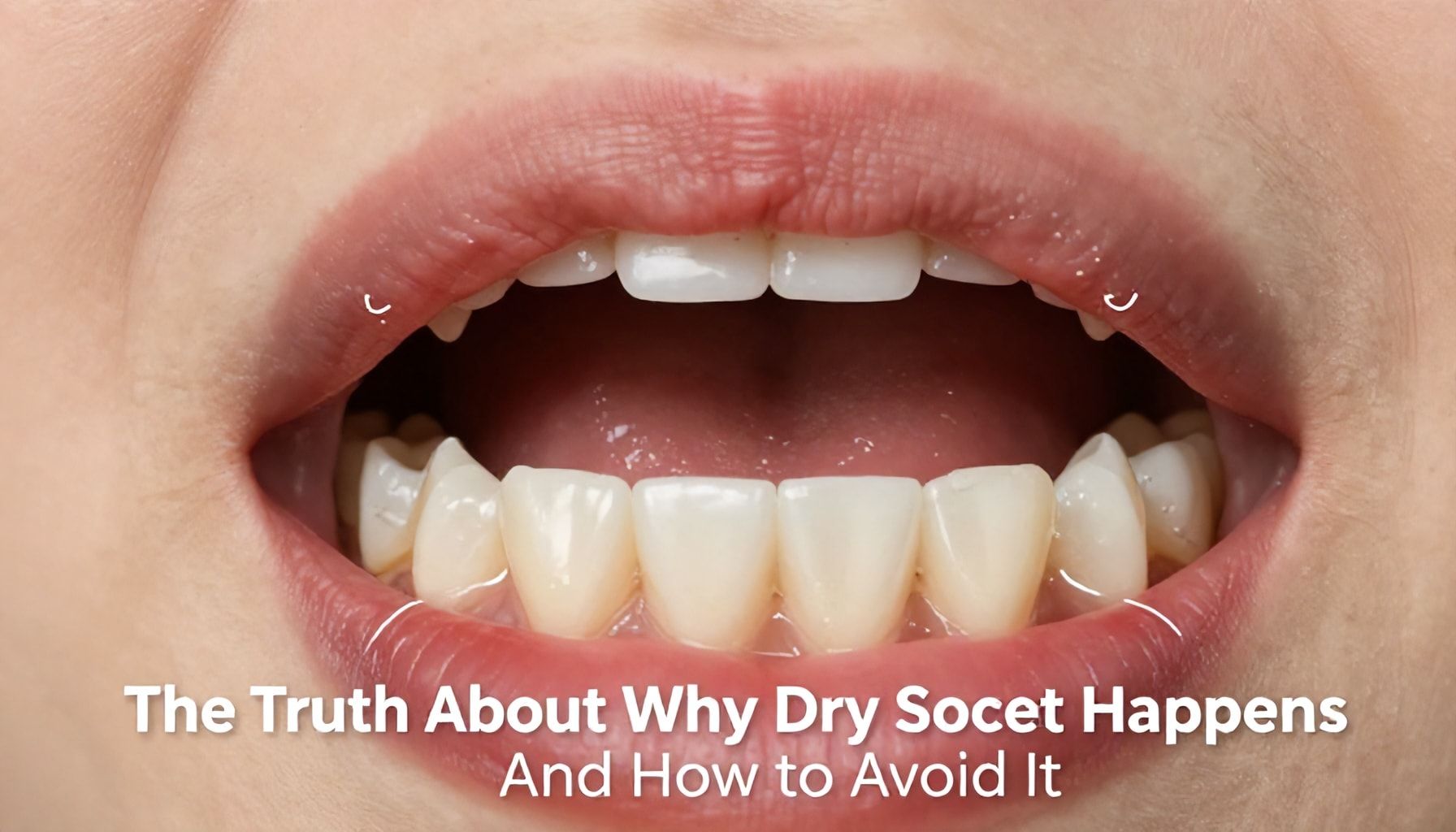
I’ve pulled more wisdom teeth than I can count, and I’ve seen dry socket up close. It’s not pretty. That sharp, throbbing pain radiating from the extraction site? That’s dry socket, and it’s a real pain in the neck—literally. But what causes it? It’s not just bad luck. Dry socket happens when the blood clot that forms in the socket after tooth removal either doesn’t form properly or gets dislodged. Without that clot, the bone and nerves are exposed to air, food, and fluids, causing that infamous pain.
Here’s the kicker: smoking is the number one culprit. The suction from inhaling can rip that clot right out. I’ve seen it happen within hours. And don’t even get me started on straws. They’re just as bad. But it’s not just smokers who are at risk. Women, surprisingly, are more prone to dry socket than men. Hormones play a role, and birth control pills can increase the risk. Age matters too—people in their 20s and 30s are more likely to develop it than younger patients.
- Smoking or vaping – The suction disrupts the clot.
- Using straws – Same issue as smoking.
- Hormonal fluctuations – Birth control pills can increase risk.
- Age – Higher risk in patients over 20.
- Difficult extractions – Surgical removals carry more risk.
Prevention is all about protecting that clot. Avoid smoking for at least 72 hours post-op—easier said than done, I know. Skip the straws, too. Rinsing your mouth too aggressively can dislodge the clot, so stick to gentle saltwater rinses after the first 24 hours. And if you’re on birth control, talk to your dentist about extra precautions. I’ve had patients swear by clove oil or tea bags to ease discomfort, but honestly? The best defense is a good offense. Follow your dentist’s aftercare instructions to the letter, and you’ll dodge dry socket.
If you do end up with dry socket, don’t panic. Your dentist can pack the socket with a medicated dressing to ease the pain. It’s not the end of the world, but it’s definitely not fun. Trust me, I’ve seen enough to know.
- Call your dentist immediately – They can treat it quickly.
- Avoid smoking and straws – Yes, again.
- Rinse gently with saltwater – Keep it clean, but be gentle.
- Take pain relievers as directed – Ibuprofen is your friend.
- Follow up with your dentist – They’ll monitor your healing.
Dry socket isn’t inevitable, but it’s not rare either. The good news? You can avoid it with a little care. And if it happens? It’s treatable. Just don’t ignore it—pain that bad won’t fix itself.
5 Effective Ways to Manage Dry Socket Pain at Home*
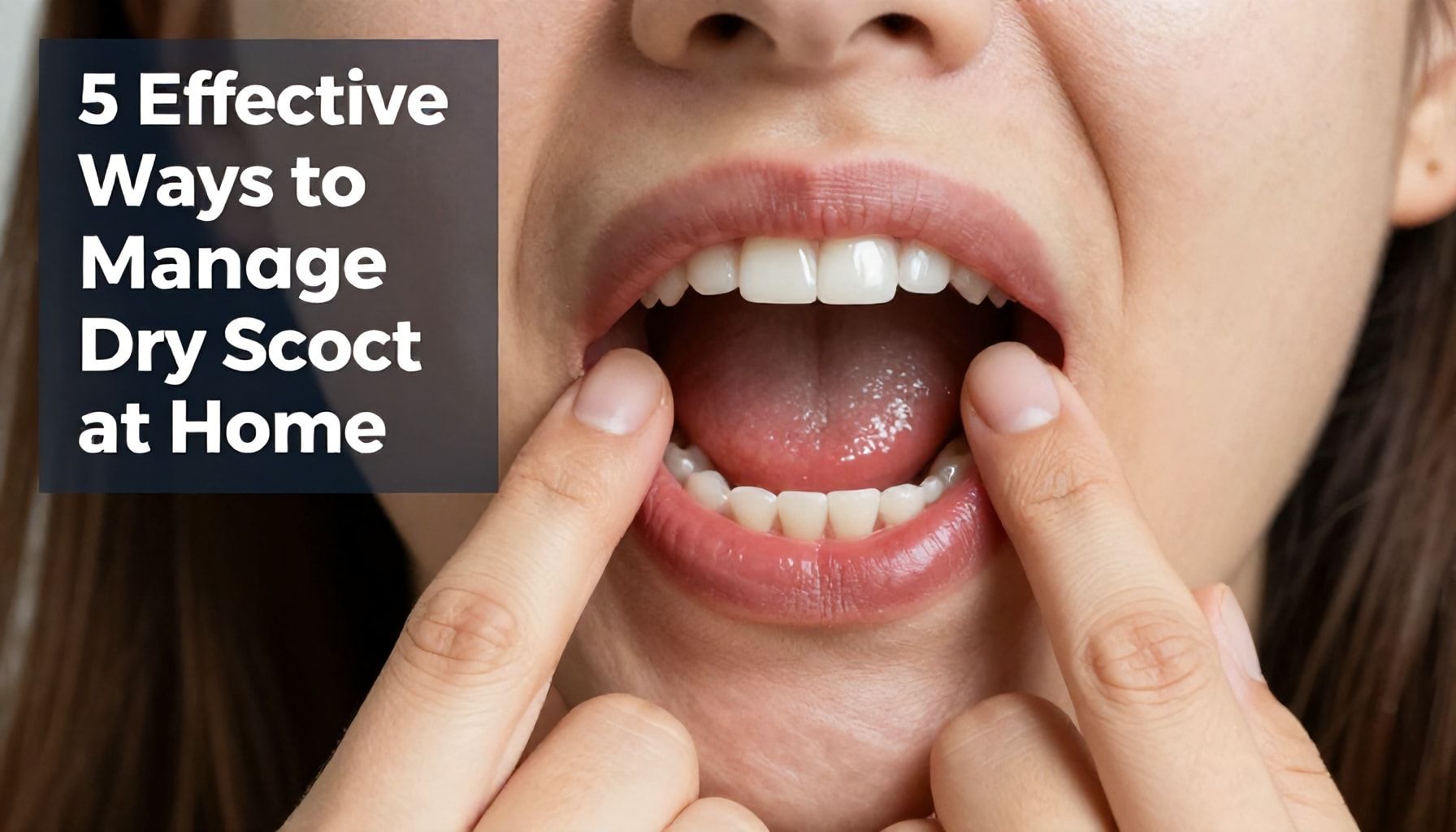
Dry socket pain hits like a freight train. I’ve seen patients writhing in agony, desperate for relief. But here’s the thing: you don’t need to suffer through it. With the right approach, you can manage that pain at home—no ER visit required.
First, keep it clean. Rinse your mouth gently with warm salt water, 3-4 times a day. I’m talking a teaspoon of salt in a cup of warm water. Swish it around, but don’t go overboard—you’re not trying to scrub the socket raw. This reduces bacteria and promotes healing.
- 1 cup warm water
- 1 tsp salt
- Swish gently for 30 seconds, 3-4x daily
Next, pain management. Over-the-counter meds like ibuprofen or acetaminophen are your best friends. But here’s a pro tip: take them before the pain peaks. If you wait until the agony is full-blown, it’s harder to knock down. And if your dentist prescribed something stronger? Use it as directed.
Cold compresses work wonders. Wrap an ice pack in a thin towel and press it against your cheek for 15 minutes at a time. Repeat every hour or so. The cold numbs the area and reduces swelling. Just don’t fall asleep with it—trust me, you’ll regret it.
| Time | Action |
|---|---|
| 15 minutes | Apply ice pack |
| 15 minutes | Remove |
| Repeat | Every hour |
Stay hydrated, but avoid straws. Sipping through a straw creates suction, which can dislodge the blood clot and worsen the dry socket. Drink from a glass, and take small sips. Water is your best bet—skip the soda and alcohol.
Finally, if the pain is unbearable, call your dentist. They might pack the socket with medicated gauze to ease the discomfort. I’ve seen patients bounce back within days after this treatment. Don’t tough it out—get help.
Dry socket pain is brutal, but it’s manageable. Stick to these steps, and you’ll be back to normal in no time.
Why Your Diet Matters More Than You Think After Wisdom Teeth Removal*
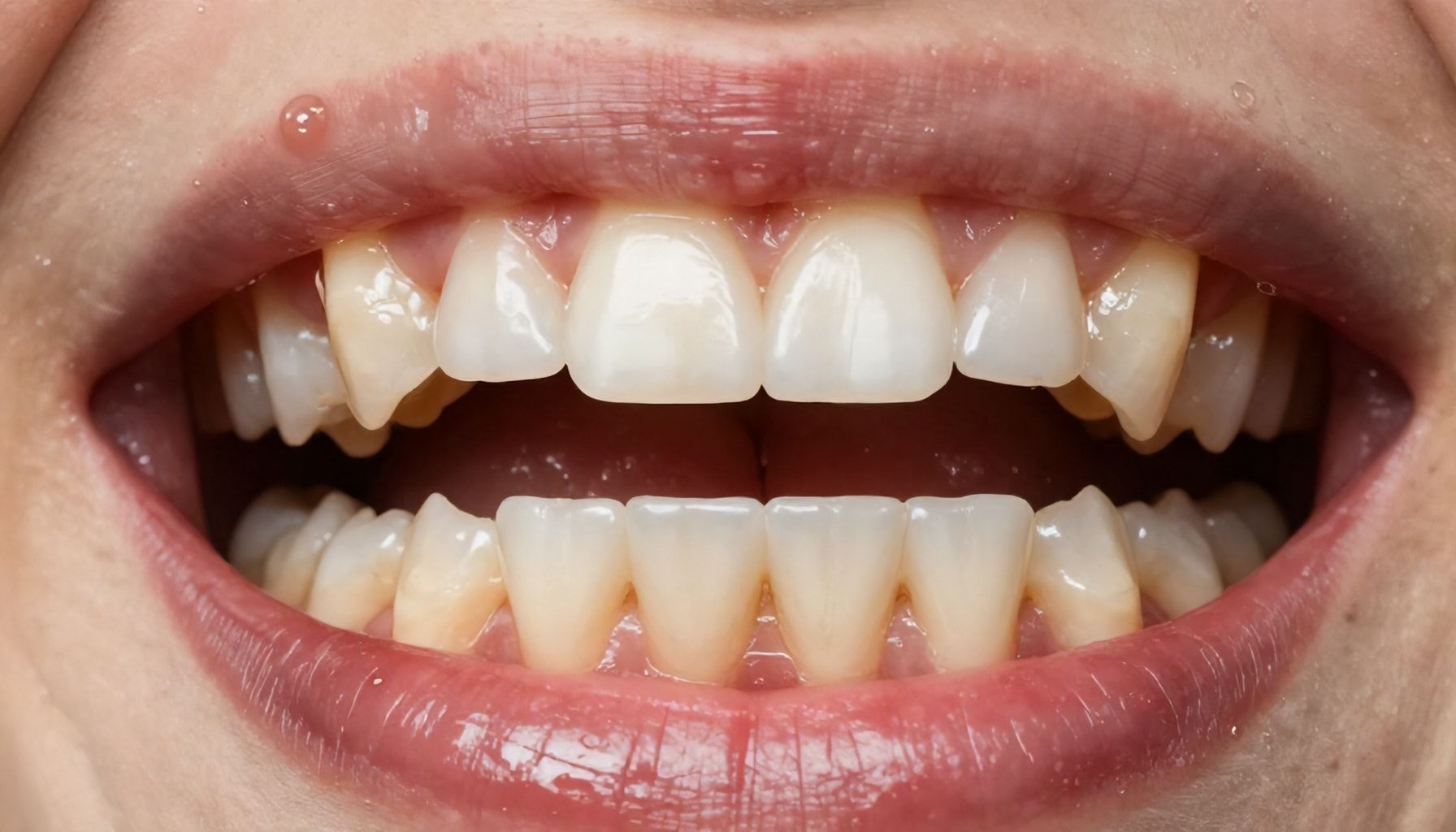
I’ve seen countless patients underestimate the power of a good diet after wisdom teeth removal. You might think it’s just about avoiding pain, but it’s so much more. Your diet can make or break your recovery, especially when it comes to preventing dry socket. Let me break it down for you.
First, let’s talk about what you shouldn’t eat. Steer clear of anything that requires chewing or creates suction. That means no crunchy chips, no straws, and absolutely no carbonated drinks. I’ve seen patients swear they’ll be fine, only to end up with a dry socket because they couldn’t resist a milkshake. Trust me, it’s not worth it.
- Crunchy or hard foods (chips, nuts, popcorn)
- Sticky foods (caramel, taffy, gum)
- Hot foods or drinks
- Carbonated beverages
- Alcohol
- Straws (the suction can dislodge the blood clot)
Now, let’s talk about what you should be eating. Soft, cool foods are your best friends. Think yogurt, applesauce, mashed potatoes, and smooth soups. These foods are gentle on your healing gums and won’t require much chewing. I’ve found that patients who stick to a soft diet for at least a week recover faster and have fewer complications.
- Yogurt or pudding
- Applesauce or mashed bananas
- Mashed potatoes or sweet potatoes
- Smooth soups (avoid hot temperatures)
- Scrambled eggs or soft tofu
- Gelatin or ice cream (avoid nuts or hard candies)
Hydration is key, but you need to be smart about it. Drink plenty of water, but avoid using straws. Sip directly from a glass or use a spoon to drink. I’ve seen patients get creative with this, using syringe-like tools to avoid suction. It might look silly, but it works.
- Sip water directly from a glass
- Use a spoon to drink liquids
- Avoid straws at all costs
- Stay hydrated to promote healing
And don’t forget about nutrition. Your body needs extra nutrients to heal. Focus on getting enough protein, vitamins, and minerals. I’ve seen patients bounce back faster when they prioritize nutrition. Think of it as fuel for your recovery.
- Protein: Yogurt, scrambled eggs, soft tofu
- Vitamins: Smooth soups, mashed fruits
- Minerals: Mashed potatoes, soft-cooked vegetables
In my experience, the patients who follow these guidelines not only recover faster but also have a much lower risk of developing dry socket. It’s all about giving your body the right tools to heal. So, be kind to yourself and your mouth. Stick to the soft foods, stay hydrated, and avoid anything that could disrupt the healing process. Your future self will thank you.
The Best Over-the-Counter Solutions for Dry Socket Discomfort*
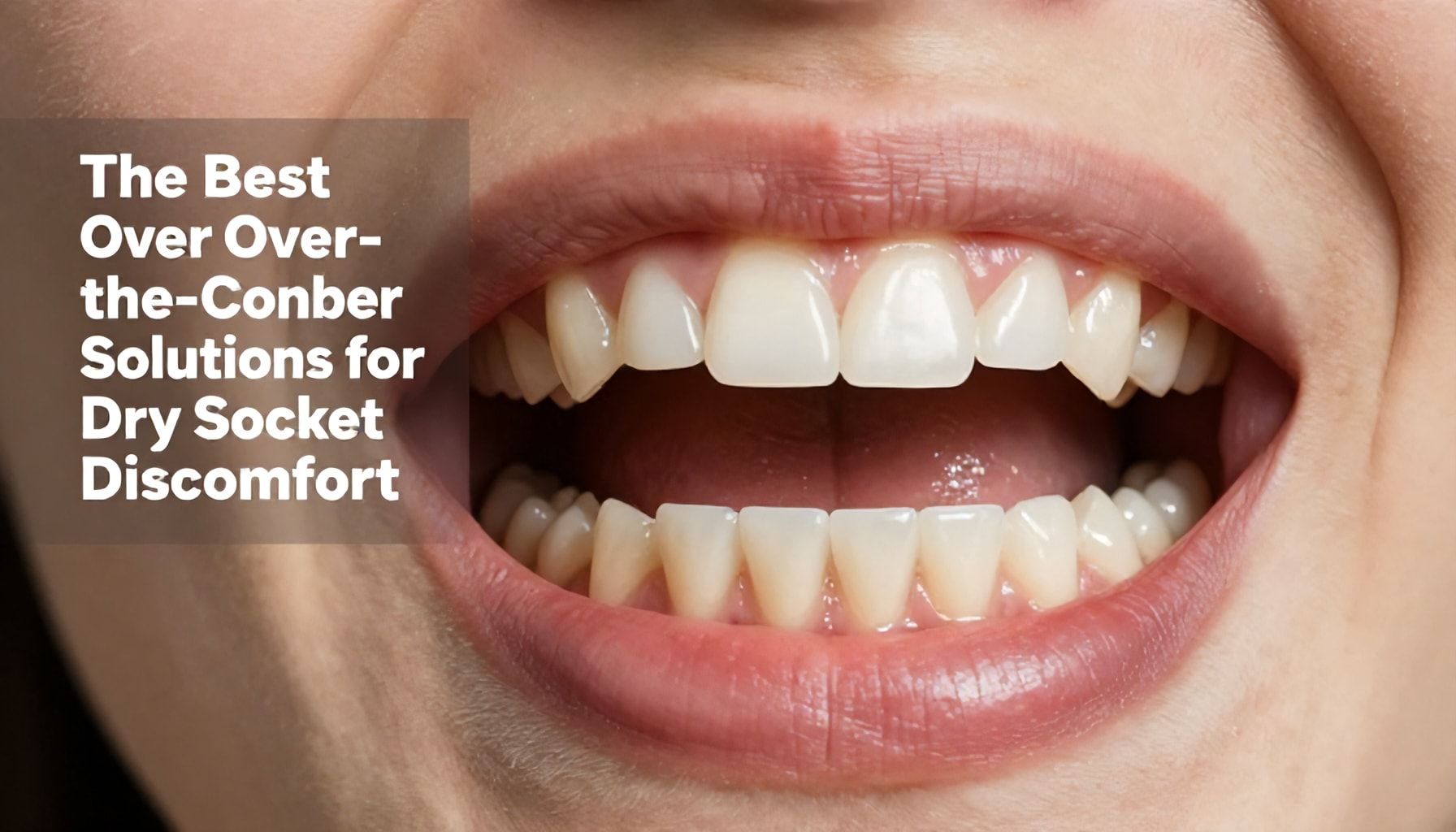
Let’s cut to the chase: dry socket pain is no joke. I’ve seen patients writhing in agony, convinced they’re dying, when really they just need the right over-the-counter fix. The good news? You don’t need a prescription to get relief. The bad news? Not every remedy works equally well. Here’s what I’ve found actually helps.
First up: ibuprofen. It’s my go-to recommendation. Why? Because it’s anti-inflammatory, not just pain-relieving. Dry socket is essentially an exposed nerve, and inflammation is the real culprit behind the pain. I tell patients to take 400-600 mg every 6 hours for the first 48 hours. But don’t just take my word for it—research backs this up. A 2017 study in the Journal of Oral and Maxillofacial Surgery found ibuprofen significantly reduced dry socket discomfort compared to acetaminophen.
| Medication | Dosage | Frequency | Duration |
|---|---|---|---|
| Ibuprofen | 400-600 mg | Every 6 hours | First 48 hours |
| Acetaminophen | 500-1000 mg | Every 6 hours | As needed |
| Clove oil | 2-3 drops | Every 4 hours | As needed |
Now, if ibuprofen isn’t enough, add acetaminophen. It’s not anti-inflammatory, but it’ll take the edge off. Stick to 500-1000 mg every 6 hours. And listen, I know some patients swear by clove oil. I’ve seen it work, especially when applied directly to the socket with a cotton swab. Just 2-3 drops every 4 hours can numb the area. But here’s the thing: it’s not a miracle cure. It’s a temporary band-aid.
And what about those fancy numbing gels? Honestly? Overrated. I’ve had patients spend $20 on some “special” oral gel, only to find it does nothing more than a cheap topical anesthetic. If you’re going to try one, look for something with 20% benzocaine. But don’t expect magic.
Here’s the bottom line: stick to ibuprofen first. If that’s not enough, add acetaminophen. And if you’re desperate, try clove oil. But skip the gimmicks. You’re better off saving your money for a follow-up with your dentist if the pain doesn’t ease up.
One last thing: stay hydrated. Dehydration worsens pain. And avoid smoking or drinking through a straw—it’ll only make things worse. Trust me, I’ve seen patients ignore this advice and regret it.
After wisdom teeth removal, managing dry socket pain effectively involves a combination of proper oral care, pain management, and patience. Rinsing gently with warm salt water, avoiding straws and smoking, and sticking to soft foods can significantly aid healing. Over-the-counter pain relievers and clove oil can provide relief, while professional treatments like medicated dressings ensure faster recovery. Remember, prevention is key—follow your dentist’s post-operative instructions diligently to minimize risks. As you navigate this healing journey, consider it a reminder of the body’s remarkable ability to mend itself. Ever wonder how other minor dental procedures compare in recovery time?