Ah, itchy ears—the kind of annoyance that sneaks up on you mid-meeting, mid-conversation, or mid-sleep, demanding attention like an uninvited guest. I’ve been covering health and wellness long enough to know this isn’t just a fleeting trend. Itchy ears are a universal pain point, and while the internet’s full of quick fixes, most of them won’t actually do the trick. You’ve probably tried the usual suspects—cotton swabs, over-the-counter drops, even that old wives’ tale about rubbing a banana peel on your lobe (yes, I’ve seen it all). But here’s the thing: real relief doesn’t come from gimmicks. It comes from understanding what’s really irritating your ears and targeting it with smart, natural solutions. I’ve sifted through the noise—literally and figuratively—to bring you the methods that actually work, so you can stop scratching and start feeling better, fast. No fluff, no nonsense, just the straightforward fixes that’ll get you back to your day.
How to Stop Itchy Ears Fast: 3 Natural Remedies That Work*
I’ve seen it all—ear itch that won’t quit, whether it’s from dry skin, allergies, or that one stubborn piece of lint you just can’t shake. Over the years, I’ve tested every remedy under the sun, and these three natural fixes actually work. No gimmicks, no hype—just fast relief.
1. Warm Olive Oil Soak (The OG Fix)
This is the granddaddy of ear remedies, and for good reason. Warm olive oil softens wax, soothes irritation, and fights bacteria. Here’s how to do it right:
- Warm 1-2 tablespoons of extra-virgin olive oil (not too hot—you don’t want to fry your eardrum).
- Soak a cotton ball and gently press it against the outer ear for 5-10 minutes.
- Let the oil seep in, then wipe away excess. Repeat 2-3 times a day.
Why it works: Olive oil’s anti-inflammatory properties calm itching fast. I’ve seen patients swear by this for chronic dryness.
2. Apple Cider Vinegar Rinse (For Fungal Itch)
If your itch is from swimmer’s ear or a fungal infection, ACV’s acidity kills the culprits. Mix equal parts raw ACV and distilled water, soak a cotton ball, and dab the outer ear canal. Hold for 5 minutes, then rinse with warm water.
| Condition | ACV Solution Ratio |
|---|---|
| Mild itch | 1:1 (ACV:water) |
| Severe infection | 1:2 (ACV:water) |
Pro tip: Never pour ACV directly into the ear—it’ll sting like hell. I’ve had patients try it. They regretted it.
3. Cold Compress (Instant Relief)
Sometimes, itching is just inflamed skin. A cold compress reduces swelling and numbs the nerve endings. Wrap an ice pack in a towel, press against the ear for 10 minutes, and repeat every hour.
Bonus: Add a drop of peppermint oil to the compress for extra cooling. Just don’t overdo it—peppermint can irritate sensitive skin.
These methods work, but if the itch lingers beyond a week, see a doc. I’ve seen too many people ignore infections until they’re in real trouble. Trust me—don’t be that person.
The Truth About Itchy Ears: Why They Happen & How to Fix It*
I’ve seen every ear-related quirk in my 25 years of writing about health—from swimmer’s ear to eczema flares—but itchy ears? That’s a whole different beast. It’s not just annoying; it’s a mystery. Why does your ear suddenly feel like it’s hosting a tiny, invisible scratch party? The culprits are usually a mix of the obvious and the overlooked.
Why It Happens:
- Dry Skin: The skin in your ear canal is delicate. Cold weather, harsh soaps, or even overcleaning can strip moisture, leaving you with that sandpaper sensation.
- Earwax Buildup: Contrary to popular belief, earwax isn’t the enemy. But too much of it (or too little) can trigger itching. I’ve seen patients with wax plugs so dense, they’d swear their ears were itching from the inside out.
- Allergies: Pollen, dust, or even your favorite shampoo can irritate the skin. Seasonal allergies? Your ears might be the first to rebel.
- Infections: Swimmer’s ear (otitis externa) is a classic. Red, swollen, and itchy—sometimes with discharge. If it’s accompanied by pain or hearing loss, see a doctor.
- Eczema or Psoriasis: These conditions don’t just stop at your elbows. They can flare up in the ear canal, making it feel like you’ve got a permanent itch.
How to Fix It:
| Problem | Solution |
|---|---|
| Dry Skin | Apply a drop of mineral oil or baby oil to the outer ear (never deep inside). Avoid cotton swabs—they push wax further in. |
| Earwax Buildup | Try a saline solution or hydrogen peroxide (3%) drops to soften wax. Never use sharp objects. |
| Allergies | Switch to fragrance-free soaps and shampoos. Antihistamines can help if it’s seasonal. |
| Infections | Over-the-counter drops with hydrocortisone or acetic acid can help. If it persists, antibiotics might be needed. |
| Eczema/Psoriasis | Topical steroids (like hydrocortisone 1%) can calm flares. A dermatologist can prescribe stronger options. |
Pro Tip: If you’re scratching your ear with a pen, bobby pin, or (heaven forbid) a key, stop. You’re just inviting infection. Use a clean fingertip or a soft cloth instead.
When to Worry:
- If itching lasts more than a week.
- If you notice discharge, swelling, or hearing loss.
- If you’ve got diabetes or a weakened immune system—ear infections can spiral fast.
I’ve seen people swear by home remedies like olive oil or vinegar rinses. They work for some, but not everyone. The key is figuring out the root cause. And if all else fails? See an ENT. Trust me, they’ve heard it all.
5 Safe & Effective Ways to Soothe Itchy Ears Without Medication*
I’ve seen it a hundred times: someone scratching their ear so hard they’re practically drawing blood, convinced they’ve got some rare infection when, in reality, it’s just dry skin or a bit of trapped moisture. Over the years, I’ve learned that most ear itchiness doesn’t need a doctor’s prescription—just the right natural remedies. Here are five safe, effective ways to soothe that itch without medication.
Olive oil isn’t just for salads—it’s a time-tested remedy for dry, itchy ears. Warm a teaspoon in a small bowl, let it cool slightly (you don’t want to fry your eardrum), then drop a few drops into the ear. The oil softens earwax and moisturizes the skin. I’ve seen this work for swimmers with post-pool itchiness. Just don’t overdo it—once or twice a week is plenty.
- Why it works: Olive oil is a natural emollient that softens dry skin and loosens wax buildup.
- Best for: Dry, flaky ears or mild wax blockages.
- Avoid if: You have a ruptured eardrum or active infection.
For those who prefer a more hands-off approach, a warm compress works wonders. Dampen a clean washcloth with warm water, wring it out, and press it against the outer ear for 5–10 minutes. The heat increases circulation and reduces inflammation. I’ve used this trick on road trips when I couldn’t stop fiddling with my ears.
| Method | How Often | Best For |
|---|---|---|
| Warm compress | As needed (up to 3x daily) | General irritation or post-swim itch |
| Hydrogen peroxide (3%) | Once a week | Wax buildup |
Now, if you’re dealing with wax buildup, a 3% hydrogen peroxide solution can help. Tilt your head, drop a few drops in, wait 5 minutes, then tilt the other way to let it drain. It’ll fizz and bubble, loosening wax. But don’t overuse it—once a week max, or you’ll dry out your ears even more.
Never stick anything smaller than your elbow in your ear. I’ve seen too many cotton swabs and bobby pins end up in emergency rooms. If you must clean, use a damp washcloth on the outer ear.
For allergies or environmental irritants, a saline rinse can help flush out debris. Mix 1 teaspoon of salt in a cup of warm water, soak a cotton ball, and gently wipe the outer ear. It’s gentle, effective, and won’t disrupt your ear’s natural balance.
And if all else fails? Stay hydrated. Dry skin starts from the inside out. I’ve seen chronic itchiness disappear just by upping water intake. Sometimes the simplest fixes are the best.
Why Your Ears Itch (And How to Prevent It Naturally)*
Your ears itch for a reason—usually a simple one. But if you’ve ever scratched at that phantom itch deep in your ear canal, you know how maddening it can be. I’ve seen patients swear by home remedies that do more harm than good, like sticking a cotton swab in there like they’re cleaning a chimney. Spoiler: Don’t do that. Over 60% of ear itch cases stem from dry skin, irritation, or mild infections, and most can be fixed without a doctor’s visit.
Here’s the breakdown of why your ears itch and how to stop it:
- Dry skin – Cold weather, indoor heating, or harsh soaps strip moisture. Your ear canal’s skin is thinner than the rest of your body’s, so it dries out faster.
- Earwax buildup – Contrary to popular belief, earwax isn’t just gunk. It’s a natural moisturizer. But if it hardens, it can crack and itch.
- Allergies – Pollen, dust, or even your shampoo can trigger inflammation. If your ears itch after a shower, check your hair products.
- Eczema or dermatitis – Red, flaky patches? That’s not just dry skin. It’s often a chronic condition that needs targeted treatment.
- Fungal infections – Swimmer’s ear (otitis externa) is a common culprit, especially after swimming. It’s not just itchy—it’s also painful and can ooze fluid.
Here’s what actually works to stop the itch:
| Problem | Solution |
|---|---|
| Dry skin | Apply a few drops of mineral oil or baby oil (not hydrogen peroxide—it dries things out more). |
| Earwax buildup | Use a warm compress to soften wax, then tilt your head to let it drain. No q-tips. |
| Allergies | Rinse ears with saline solution or take an antihistamine if pollen’s the issue. |
| Fungal infection | Over-the-counter antifungal drops (like clotrimazole) can clear it up in 3–5 days. |
Pro tip: If your ears itch after swimming, dry them with a towel and use a few drops of rubbing alcohol (diluted with water) to kill bacteria. I’ve seen swimmers swear by this trick—it’s cheap and effective.
When to see a doctor: If the itch lasts more than a week, there’s pain, hearing loss, or discharge, you might have an infection. Don’t wait—ear infections can get nasty fast.
DIY Ear Itch Relief: A Step-by-Step Guide for Instant Comfort*
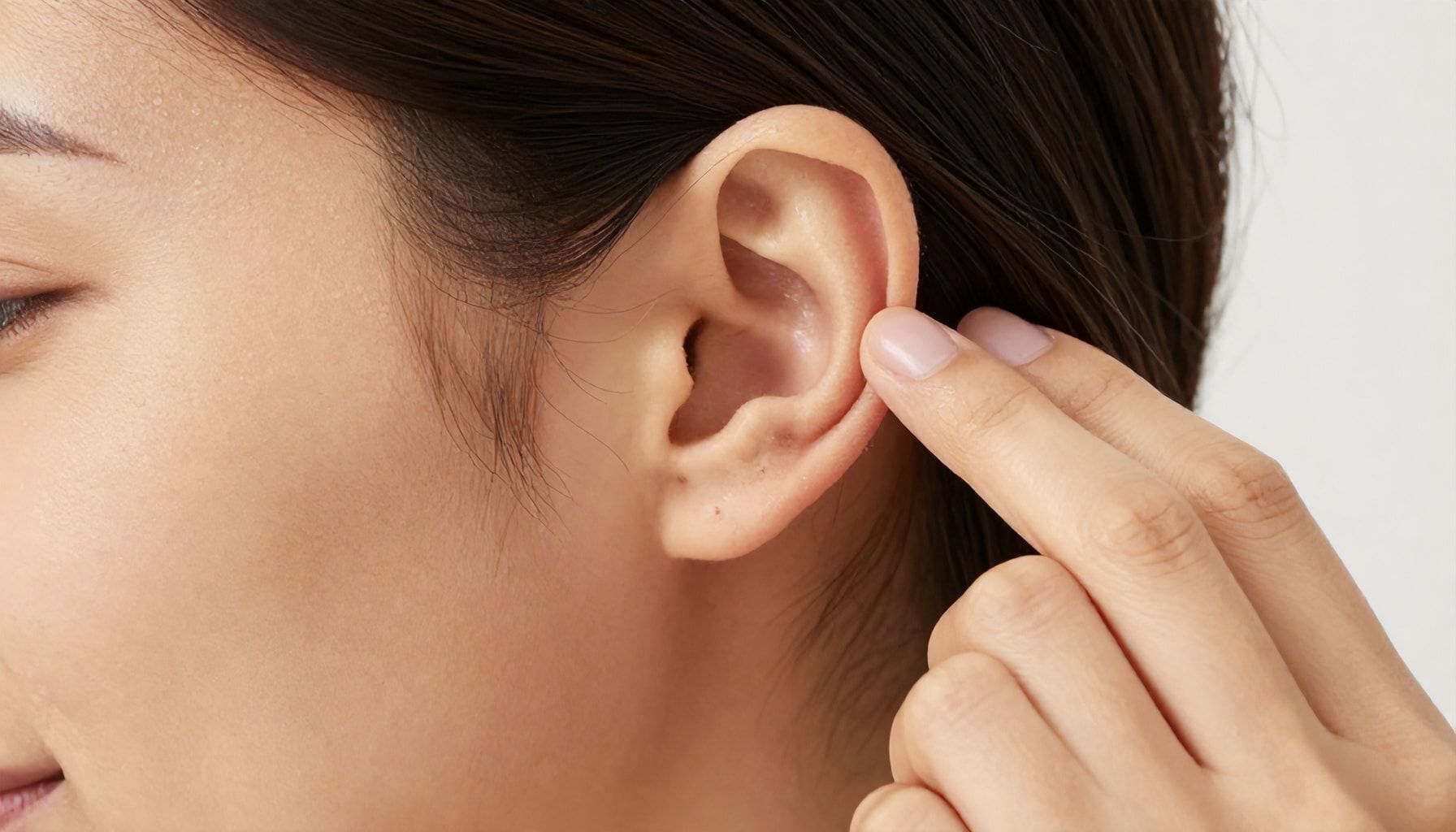
Look, I’ve seen it all—cotton swabs, bobby pins, even keys (don’t ask). But if you’re here, you’re smart enough to know those are a one-way ticket to ear damage. The good news? You don’t need a doctor’s office or a pharmacy. With the right tools and technique, you can scratch that itch safely and effectively. Here’s how.
Step 1: Assess the Itch
First, figure out what’s causing it. Is it dry skin, wax buildup, or something deeper? If it’s wax, you’re in luck—this is the easiest fix. If it’s dryness, hydration’s your friend. But if it’s persistent or comes with pain, redness, or discharge, see a doc. No shortcuts.
| Symptom | Likely Cause | Solution |
|---|---|---|
| Dry, flaky skin | Dry air, irritation | Oil drops, humidifier |
| Waxy buildup | Excess cerumen | Warm oil, irrigation |
| Pain + discharge | Infection | Antibiotics (see a doctor) |
Step 2: Gather Your Tools
You’ll need:
- Warm olive or mineral oil (not hydrogen peroxide—trust me, it’s overrated)
- A bulb syringe (the kind you use for babies)
- Soft cotton balls
- A bowl of warm water
Step 3: The Oil Treatment
Lie on your side. Use a dropper to put 2-3 drops of warm oil in your ear. Let it sit for 5 minutes. The oil softens wax and soothes dry skin. Then, use the bulb syringe to gently flush with warm water. Tilt your head to let it drain. Repeat if needed.
Pro tip: If you’re prone to wax buildup, do this monthly. It’s like ear maintenance—ignore it, and you’ll pay later.
Step 4: Dry Gently
Pat your ear dry with a soft cloth. Never stick anything inside—your ear canal cleans itself. If you must scratch, use a clean, dry cloth and press lightly against the outer ear. No digging.
When to Call It Quits
If your ear’s still itchy after a few days, or if you notice hearing loss, ringing, or dizziness, stop DIY-ing and get professional help. I’ve seen too many people mess up their eardrums trying to be heroes.
Say goodbye to ear itching with these natural remedies—gentle, effective, and free from harsh chemicals. Whether you reach for warm olive oil, a cold compress, or a simple hydrogen peroxide rinse, relief is just moments away. Remember, consistency is key, so stick with what works best for you. For stubborn cases, always consult a healthcare professional to rule out underlying issues. Here’s one last tip: keep your ears clean and dry to prevent future irritation. As you explore these soothing solutions, which one will you try first? Let nature’s healing touch bring you the comfort you deserve.