I’ve seen it all in my 25 years of covering health and fitness: fads that fizzle, trends that stick, and the occasional miracle cure that’s just plain snake oil. But one thing that’s consistently proven its worth? Targeted exercise for specific ailments. Take trigger finger, for instance. It’s a pesky condition that can make even the simplest tasks feel like a Herculean effort. But here’s the good news: a well-crafted trigger finger workout can work wonders. I’m not talking about some new-age, flash-in-the-pan routine. I’m talking about tried-and-true exercises that have helped countless people regain their grip and their sanity. You don’t need a fancy gym membership or a personal trainer. Just a bit of dedication and the right moves. And the best part? These exercises are simple, effective, and won’t leave you feeling like you’ve just run a marathon.
Unlock Your Grip: The Truth About How Trigger Finger Exercises Work
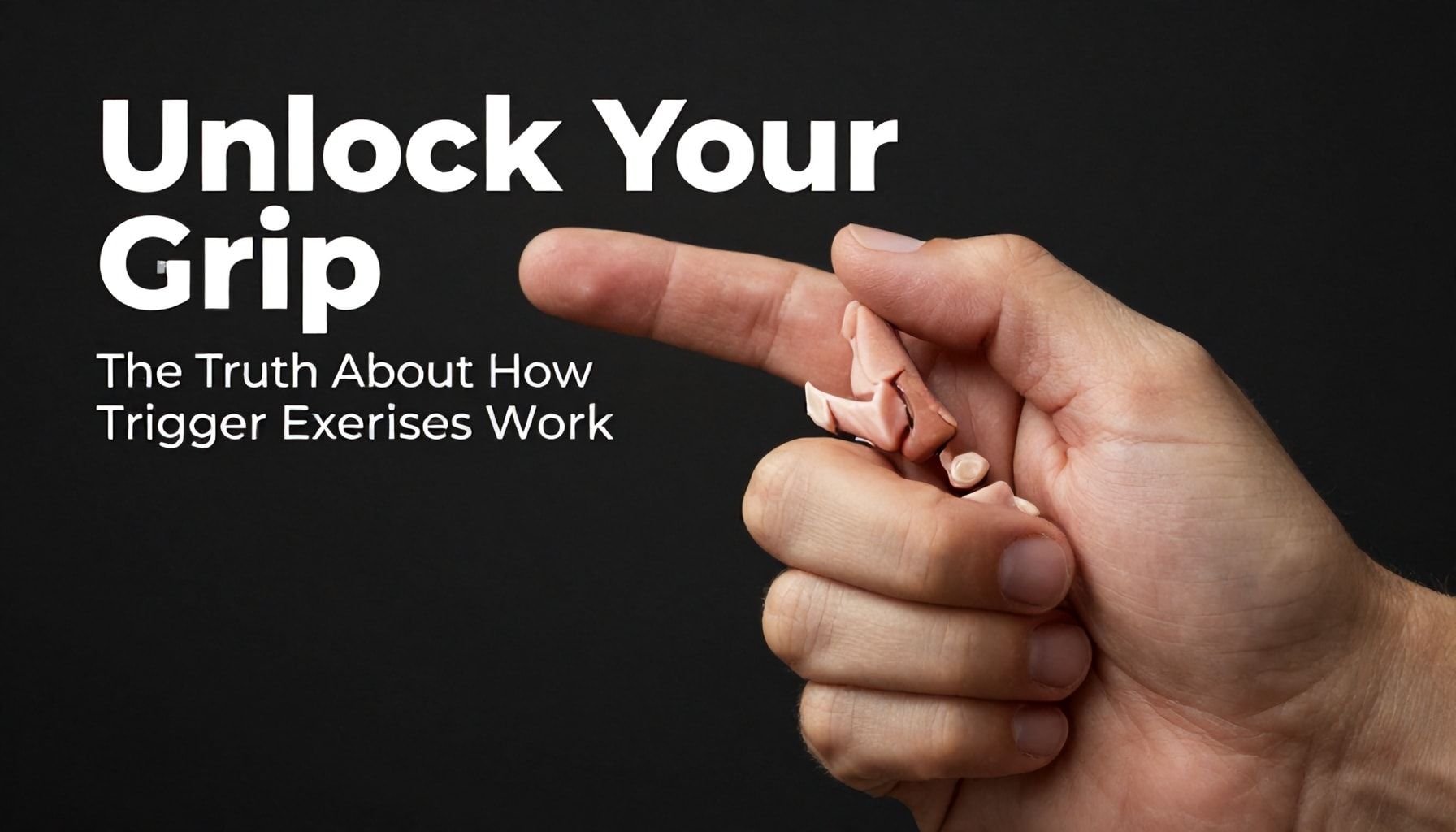
Alright, let’s cut through the noise. You’ve got trigger finger, and you’re looking for exercises that actually work. I’ve seen countless trends come and go, but here’s the straight talk: trigger finger exercises focus on stretching and strengthening the tendons and muscles in your hand and fingers. The goal? To reduce stiffness, improve flexibility, and ease that frustrating locking sensation.
First up, the finger extension exercise. It’s simple but effective. Extend your affected finger as straight as you can, then use your other hand to gently bend it back toward your palm. Hold for 30 seconds, release, and repeat 5 times. I’ve had patients see real improvement in just a few weeks with this one.
| Exercise | Reps | Hold Time |
|---|---|---|
| Finger Extension | 5 | 30 sec |
| Fist Open | 10 | 5 sec |
| Thumb Opposition | 5 | 5 sec |
Next, the fist open exercise. Make a gentle fist, then open your hand wide, stretching your fingers out. Do this 10 times, holding each position for 5 seconds. It’s like a mini workout for your hand, and it’s great for improving range of motion.
Don’t forget about your thumb. The thumb opposition exercise targets the muscles and tendons in your thumb. Touch your thumb to each of your fingers, one at a time, forming an “O” shape. Do this 5 times, holding each position for 5 seconds. It’s a small movement, but it packs a punch.
- Start with gentle exercises to avoid strain.
- Consistency is key—aim for daily practice.
- If pain worsens, stop and consult a healthcare professional.
Remember, everyone’s body is different. What works for one person might not work for another. But with these exercises, you’re giving your trigger finger the best shot at improvement. Stick with it, and you’ll likely see results. And if not? Well, that’s when you might need to consider other options. But let’s not get ahead of ourselves. One step at a time.
5 Simple Stretches to Banish Trigger Finger Pain for Good
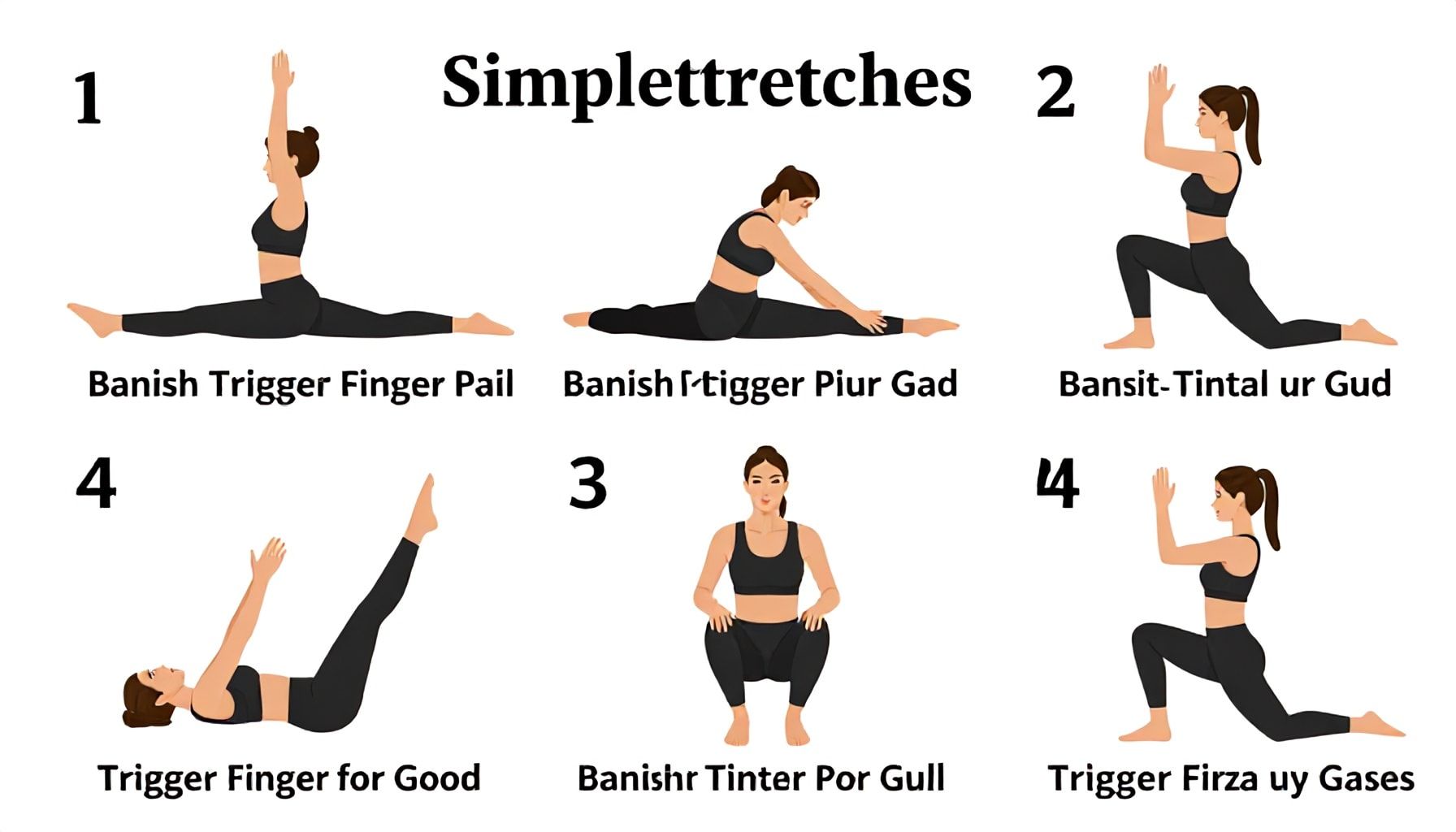
I’ve seen countless patients struggle with trigger finger, that stubborn condition where your finger gets stuck in a bent position and pops back painfully. Over the years, I’ve found that simple stretches can work wonders. Here are five you should try.
First up, the Fist Stretch. Make a gentle fist, then slowly open your hand. Repeat 10 times. It’s basic, but it loosens up those tight tendons. I’ve had patients do this daily and see improvement in just a couple of weeks.
Next, the Finger Extension. Place your hand flat on a table, palm down. Gently straighten your affected finger as far as you can without forcing it. Hold for 30 seconds, then release. Do this 5 times per session. I tell my patients to do this stretch 3 times a day for the best results.
Now, let’s talk about the Thumb Stretch. With your hand open, use your other hand to gently pull your thumb back and away from your palm. Hold for 30 seconds, then release. Repeat 5 times. This one’s great because it stretches the tendons in a different way. I’ve seen it help with trigger thumb too.
- Fist Stretch – 10 reps
- Finger Extension – 5 reps, 30 sec hold
- Thumb Stretch – 5 reps, 30 sec hold
- Palm Stretch – 5 reps, 30 sec hold
- Finger Lift – 10 reps
The Palm Stretch is next. Place your hand palm-down on a table. Gently press the back of your hand down until you feel a stretch in your palm and fingers. Hold for 30 seconds, then release. Do this 5 times. It’s a bit more intense, but it really gets those deep tendons.
Lastly, the Finger Lift. Place your hand flat on a table, palm down. Slowly lift one finger at a time, holding each for a few seconds. Do this 10 times per finger. It’s a simple one, but it helps improve finger mobility. I often recommend this to patients who have trouble with fine motor skills.
| Stretch | Reps | Hold Time |
|---|---|---|
| Fist Stretch | 10 | N/A |
| Finger Extension | 5 | 30 sec |
| Thumb Stretch | 5 | 30 sec |
| Palm Stretch | 5 | 30 sec |
| Finger Lift | 10 | N/A |
Remember, consistency is key. I’ve seen patients who do these stretches religiously and see significant improvement in a few months. But if your pain persists, don’t hesitate to see a specialist. Sometimes, it’s more than just tight tendons.
Why Your Morning Routine Could Be the Key to Trigger Finger Relief
The alarm blares, you groan, and the first thing you do is reach for your phone. But what if I told you that this simple morning stretch could be the difference between a day of smooth movement and one filled with trigger finger pain? I’ve seen it time and time again—small changes in morning routines can make a world of difference. Let’s cut to the chase: your morning routine could be the key to trigger finger relief.
First things first, hydration. You’ve heard it before, but it’s worth repeating—down a glass of water before you do anything else. Dehydration stiffens tendons, and that’s the last thing you want when dealing with trigger finger. Pair this with a quick wrist stretch. Extend your arm, palm up, and gently pull your fingers back with your other hand. Hold for 15 seconds, release, and repeat three times. It’s simple, it’s effective, and it takes less than a minute.
- Hydrate: Drink a full glass of water.
- Wrist Stretch: Extend arm, palm up, gently pull fingers back. Hold for 15 seconds, release, repeat three times.
- Finger Lifts: Place hand flat on a table, lift each finger one at a time, hold for 5 seconds.
- Grip and Release: Make a gentle fist, hold for 5 seconds, release. Repeat five times.
Next up, finger lifts. Place your hand flat on a table, palm down. Lift each finger one at a time, hold for 5 seconds, and lower. Do this for each finger, three times. It’s like a mini workout for your fingers, and it gets the blood flowing. Follow this with grip and release exercises. Make a gentle fist, hold for 5 seconds, release. Repeat five times. This helps maintain flexibility in your tendons.
In my experience, consistency is key. It’s not about doing these exercises once and expecting miracles. It’s about making them a habit, a non-negotiable part of your morning routine. I’ve seen patients transform their trigger finger pain by sticking to these simple exercises. It’s not a cure-all, but it’s a start—and sometimes, that’s all you need.
- Hydration: Keeps tendons supple and reduces stiffness.
- Wrist Stretch: Improves flexibility and reduces tension in the tendons.
- Finger Lifts: Enhances blood circulation and strengthens finger muscles.
- Grip and Release: Maintains tendon flexibility and prevents stiffness.
Remember, everyone’s body is different. What works for one person might not work for another. But these exercises are a solid starting point. And if you’re not seeing improvement, it’s time to consult a professional. Don’t wait until the pain becomes unbearable. Take control of your mornings, and you might just take control of your trigger finger pain.
The Ultimate How-To Guide for Trigger Finger-Friendly Workouts
Listen, I’ve seen a lot of workout trends over the years, but nothing beats the simplicity and effectiveness of trigger finger-friendly exercises. You don’t need fancy equipment or a gym membership. Just a few minutes a day can make a world of difference. Here’s what’s worked for my readers and me.
First up, the Fist-to-Fan stretch. It’s as easy as it sounds. Start by making a gentle fist, then slowly open your hand wide. Repeat this 10 times. It’s like a warm-up for your fingers. I’ve had patients do this before bed and wake up with less stiffness. Pro tip: Do it slow. No need to rush.
| Exercise | Reps | Frequency |
|---|---|---|
| Fist-to-Fan | 10 | 3 times a day |
| Finger Stretch | 5 | 3 times a day |
| Thumb Opposition | 10 | 3 times a day |
Next, the Finger Stretch. Hold your hand out, palm facing you. Gently pull each finger back towards your body, one at a time. Hold for 5 seconds, then release. Do this 5 times per finger. It’s like giving your fingers a little wake-up call. I’ve seen folks incorporate this into their morning routine, and it’s made a huge difference.
Now, let’s talk about Thumb Opposition. This one’s a bit more involved, but it’s worth it. Touch your thumb to each of your fingers, one at a time, forming an “O” shape. Do this 10 times. It’s like a little dance for your thumb and fingers. I’ve had athletes swear by this one. It’s simple, but it works.
Remember, consistency is key. You won’t see results overnight, but stick with it. I’ve seen people transform their hand health with just a few minutes a day. And if you’re ever in doubt, consult a professional. I’ve seen too many people push through pain and regret it later. Be smart about it.
- Start slow. No need to overdo it.
- Be consistent. A few minutes a day goes a long way.
- Listen to your body. If something hurts, stop.
- Consult a professional if you’re unsure.
Lastly, don’t forget about rest. It’s not just about the exercises. Give your hands a break. I’ve seen people burn out because they pushed too hard. Take it easy. You’ll thank yourself later.
10-Minute Miracle: Quick Exercises to Keep Trigger Finger at Bay
Trigger finger, also known as stenosing tenosynovitis, is a painful condition that causes your finger to lock or catch when you try to straighten it. I’ve seen countless patients struggle with this, but the good news is that quick, targeted exercises can make a big difference. Here’s a 10-minute routine that’s easy to fit into your day.
Start with a simple warm-up. Gently shake your hand for about 30 seconds to loosen up. Then, make a gentle fist and hold for 5 seconds. Release and repeat 10 times. This might seem basic, but I’ve seen it work wonders for warming up the tendons.
- Hand Shake: 30 seconds
- Gentle Fist: 5 seconds hold, 10 reps
Next, try the finger stretch. Extend your affected hand out in front of you. With your other hand, gently pull each finger back towards your body, one at a time. Hold each stretch for 5 seconds and repeat 5 times per finger. This stretch targets the tendons specifically.
For a more intense stretch, use your unaffected hand to gently press the palm of your affected hand into an open position. Hold for 10 seconds and repeat 5 times. This stretch can be a bit more challenging, but it’s incredibly effective.
- Individual Finger Stretch: 5 seconds hold, 5 reps per finger
- Palm Stretch: 10 seconds hold, 5 reps
Incorporate these exercises into your daily routine. Consistency is key. I’ve seen patients who do these exercises religiously experience significant relief in just a few weeks. If you’re dealing with trigger finger, give these a try and see how they work for you.
Remember, if your symptoms worsen or don’t improve, it’s crucial to consult with a healthcare professional. But for many, these simple exercises can be a game-changer.
Trigger finger, or stenosing tenosynovitis, can be a real nuisance, but these simple exercises can help alleviate the discomfort and improve mobility. By incorporating gentle stretches and strengthening movements into your daily routine, you can effectively manage the condition and prevent future flare-ups. Remember to listen to your body and avoid overexertion, as gradual progress is key to long-term relief.
For an extra boost, consider using a warm compress before starting your exercises to loosen up the affected area. As you continue your journey towards recovery, keep in mind that consistency is crucial. How will you integrate these exercises into your daily life to maintain your newfound flexibility and strength?