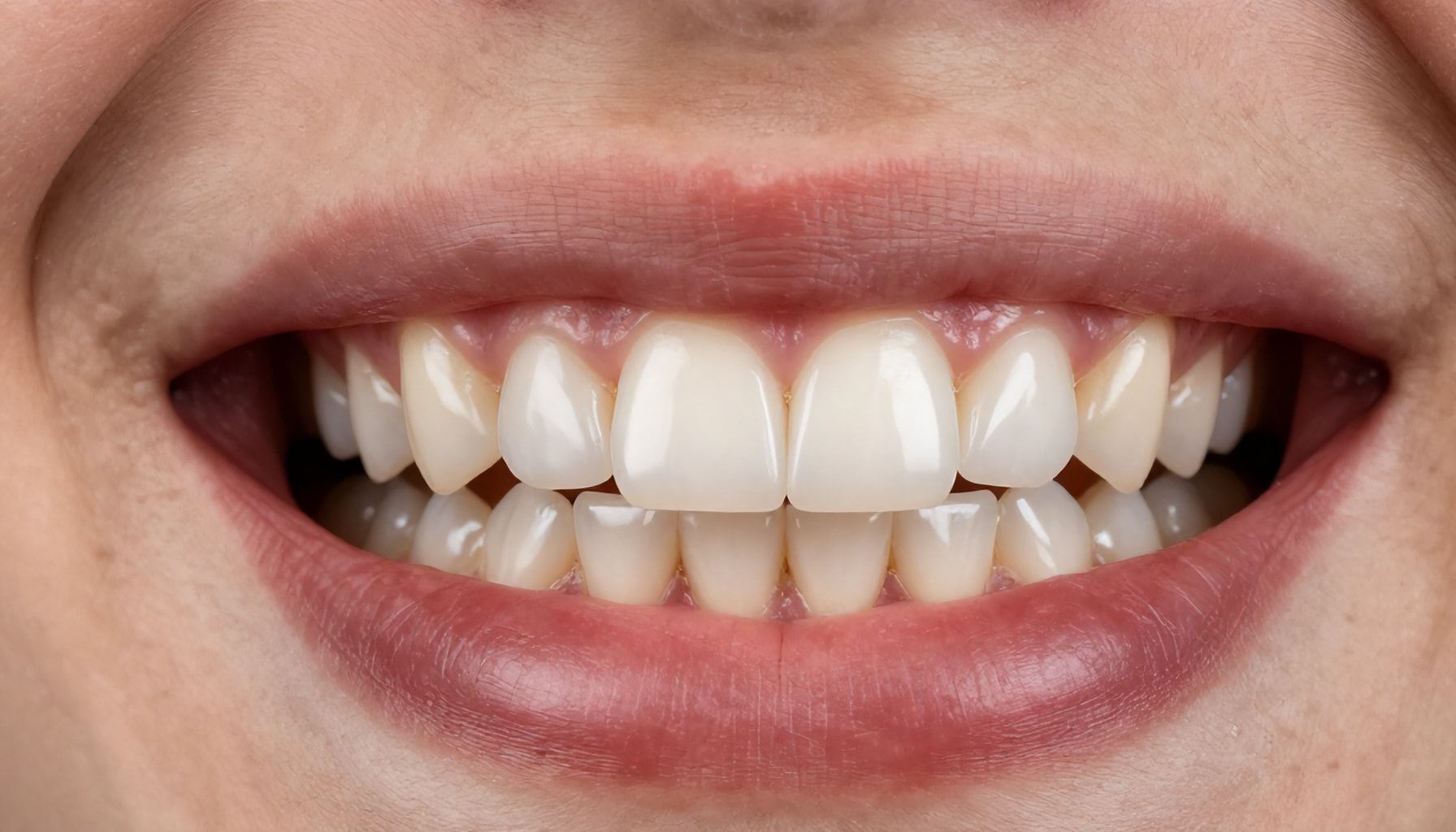
I’ve seen a lot of dental trends over the years—fads that come and go, promises that don’t hold up. But one thing that’s stood the test of time? The gum graft. It’s not glamorous, but it’s one of the most effective ways to protect your teeth and restore a healthy, confident smile. If you’ve noticed your gums receding—maybe from aggressive brushing, gum disease, or just plain genetics—you’re not alone. And ignoring it won’t make it go away. Left untreated, exposed roots lead to sensitivity, decay, and even tooth loss. A gum graft isn’t just about aesthetics; it’s about preserving what you’ve got.
I’ve watched patients transform their smiles with this procedure, and the difference is night and day. It’s not a quick fix, but it’s a lasting one. The key? Finding a skilled periodontist who knows how to balance function and form. You don’t want a patchwork job—you want a solution that lasts. So if you’re tired of wincing at ice cream or feeling self-conscious about your smile, it’s time to consider a gum graft. Your teeth—and your confidence—will thank you.
How to Know If You Need a Gum Graft: Signs to Watch For"*
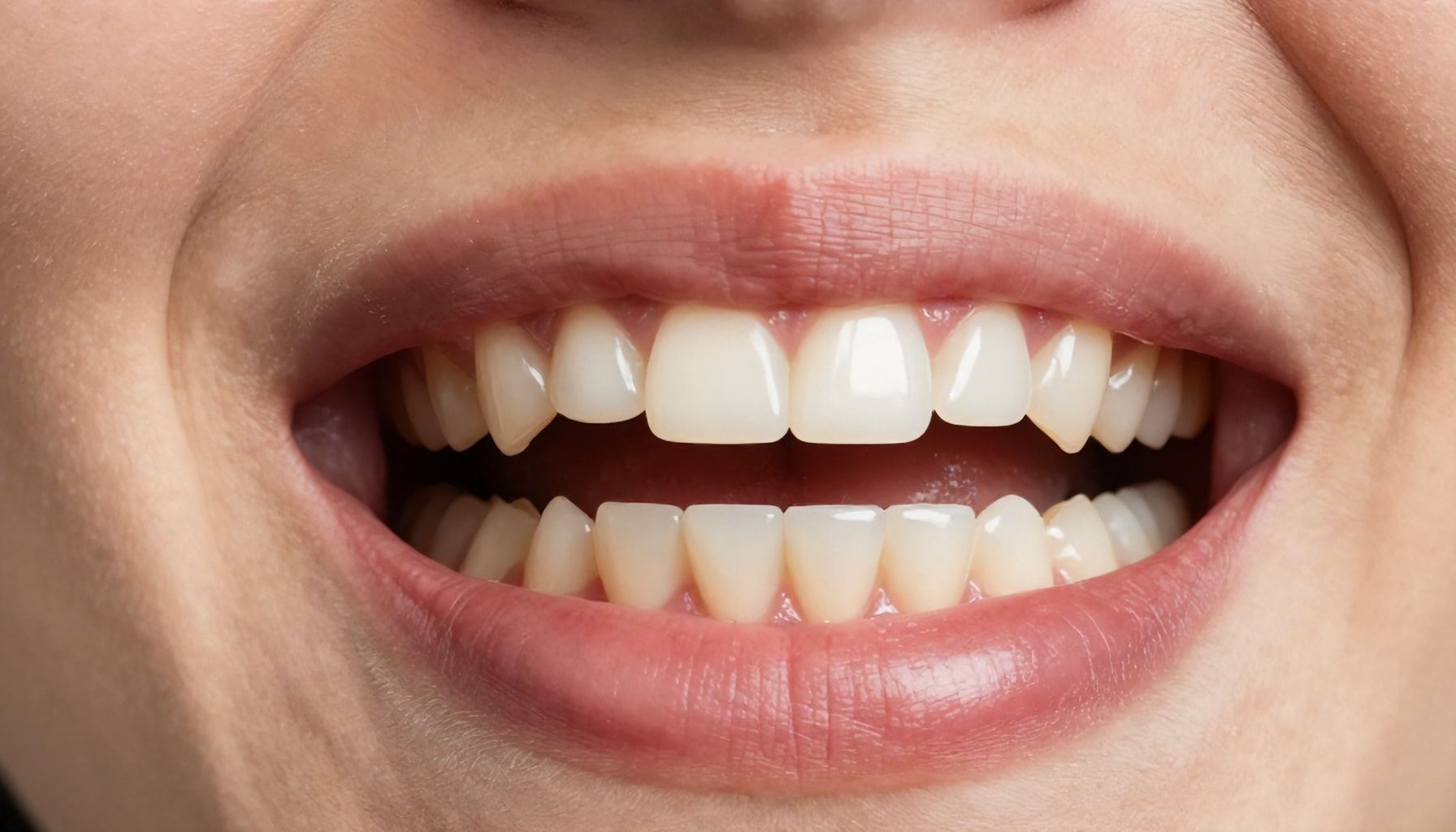
I’ve seen it a hundred times: a patient walks in, thinking their gums are just a little sensitive, only to find out they’re on the fast track to needing a gum graft. The thing is, gum recession doesn’t happen overnight. It’s a slow creep, and by the time you notice, the damage might be deeper than you think. So, how do you know if you’re one of the 88% of adults over 65 with some degree of recession? Here’s what to watch for.
Signs You Might Need a Gum Graft
- Exposed Roots: If your teeth look longer than they used to, that’s not just a cosmetic issue—it’s a sign your gums have pulled back, exposing the roots. That’s where sensitivity kicks in, especially with hot or cold foods.
- Sensitivity to Temperature: Sudden zings from ice cream or coffee? That’s your nerves screaming for help. Exposed roots have no protective enamel, so they react like a raw nerve.
- Visible Notches at the Gumline: Look closely. If you see little grooves or dents where your gums meet your teeth, that’s bone loss in action. It’s a red flag.
- Bleeding or Swelling: Healthy gums don’t bleed when you brush. If yours do, it’s a sign of inflammation, and untreated inflammation leads to recession.
- Loose Teeth: This is the canary in the coal mine. If your teeth feel wiggly, the supporting bone and gum tissue are breaking down fast.
Here’s the kicker: gum recession isn’t just about looks. It’s about function. Without enough gum tissue, your teeth lose their anchor. I’ve seen patients lose teeth because they ignored early signs. Don’t be one of them.
When to See a Specialist
| Symptom | Action |
|---|---|
| Mild recession (1-2mm) | See a periodontist for evaluation. Early intervention can prevent grafts. |
| Moderate recession (3-5mm) | Graft likely needed. Don’t wait—bone loss accelerates. |
| Severe recession (>5mm) | Emergency. Teeth are at risk of falling out. |
Bottom line? If you’re seeing any of these signs, don’t brush them off. I’ve fixed plenty of smiles, but the best results come from patients who catch it early. A gum graft isn’t just about aesthetics—it’s about saving your teeth.
The Truth About Gum Grafting: What Dentists Don’t Always Tell You"*
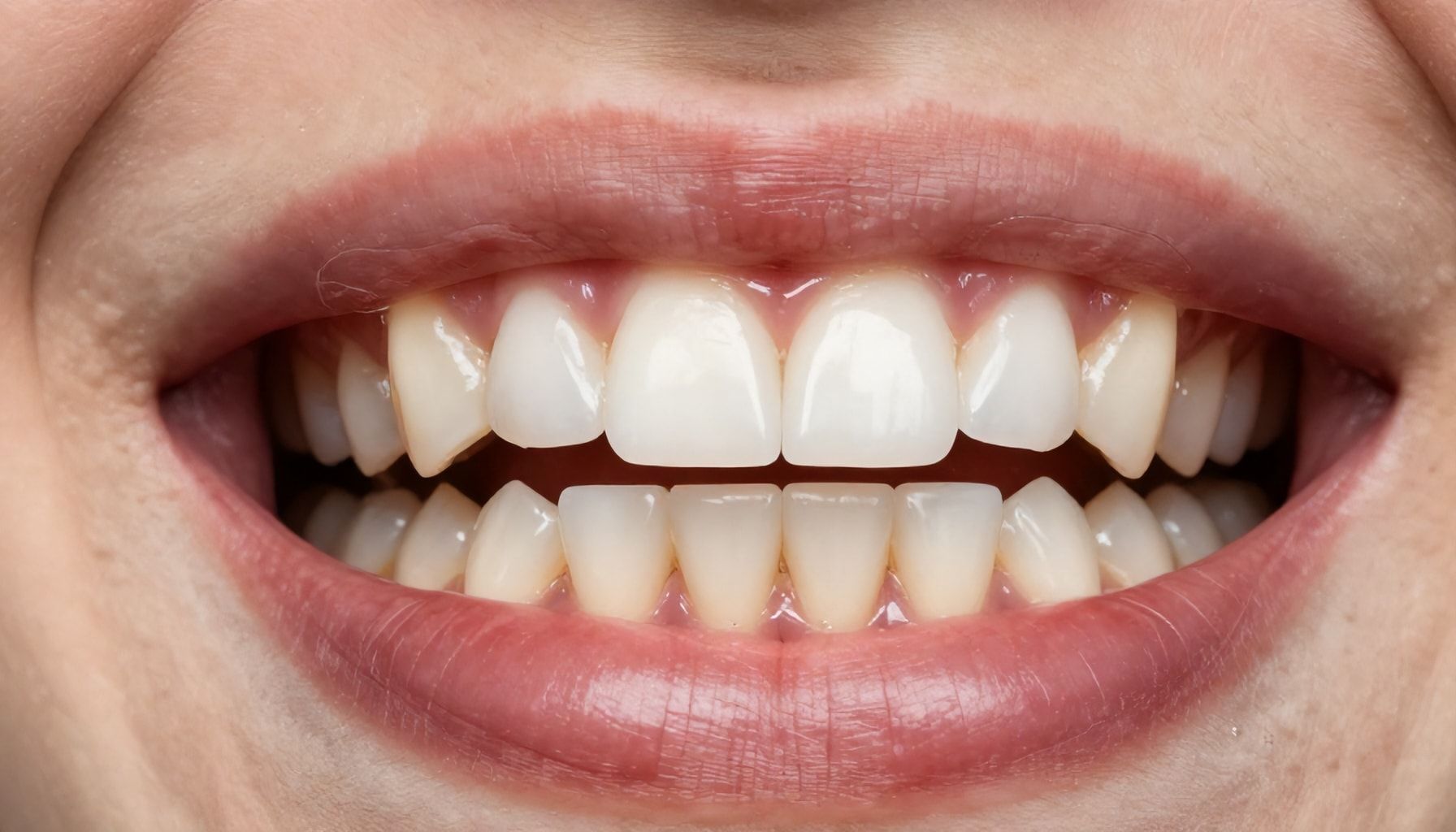
Gum grafting isn’t the glamorous side of dentistry. I’ve seen patients walk in expecting a quick fix, only to realize it’s a more involved process than they thought. The truth? Not all dentists spell out the full picture—whether it’s the recovery time, the cost, or the fact that not every graft is a permanent solution.
First, the recovery. Most patients think they’ll be back to normal in a week. Wrong. Swelling peaks around day three, and tenderness can linger for two weeks. Some patients need pain meds for a solid 5-7 days. And if you’re getting multiple teeth done? Double the downtime.
- Days 1-3: Peak swelling, sore gums, possible bleeding.
- Days 4-7: Discomfort eases, but still tender.
- Week 2+: Most swelling gone, but full healing takes months.
Cost is another dirty little secret. A single graft can run $600–$1,200 per tooth. Insurance? Often covers only a fraction, if anything. And if you need multiple grafts? That’s $3,000–$6,000 out of pocket. I’ve had patients shocked when they realize their “simple” procedure was actually a four-figure investment.
Then there’s the success rate. Dentists love to say it’s “high,” but that’s vague. The reality? A well-done graft lasts 8–10 years, sometimes longer. But if you smoke, grind your teeth, or have poor oral hygiene, that number drops. I’ve seen grafts fail in as little as two years because patients didn’t follow post-op care.
- Smoking (doubles failure risk)
- Poor oral hygiene post-op
- Teeth grinding (bruxism)
- Autoimmune conditions (like diabetes)
Here’s the kicker: not every dentist is a gum-grafting expert. Some general dentists offer it as a side service, but the best results come from periodontists. I’ve seen too many botched jobs where the graft didn’t take, or the gum line looked uneven. If you’re considering this, ask how many grafts they’ve done—and ask for before-and-after photos.
Bottom line? Gum grafting is a solid solution for recession, but it’s not a magic bullet. Do your homework, pick the right dentist, and be ready for the real recovery. Your smile’s worth it—just don’t go in blind.
5 Ways a Gum Graft Protects Your Teeth and Boosts Confidence"*
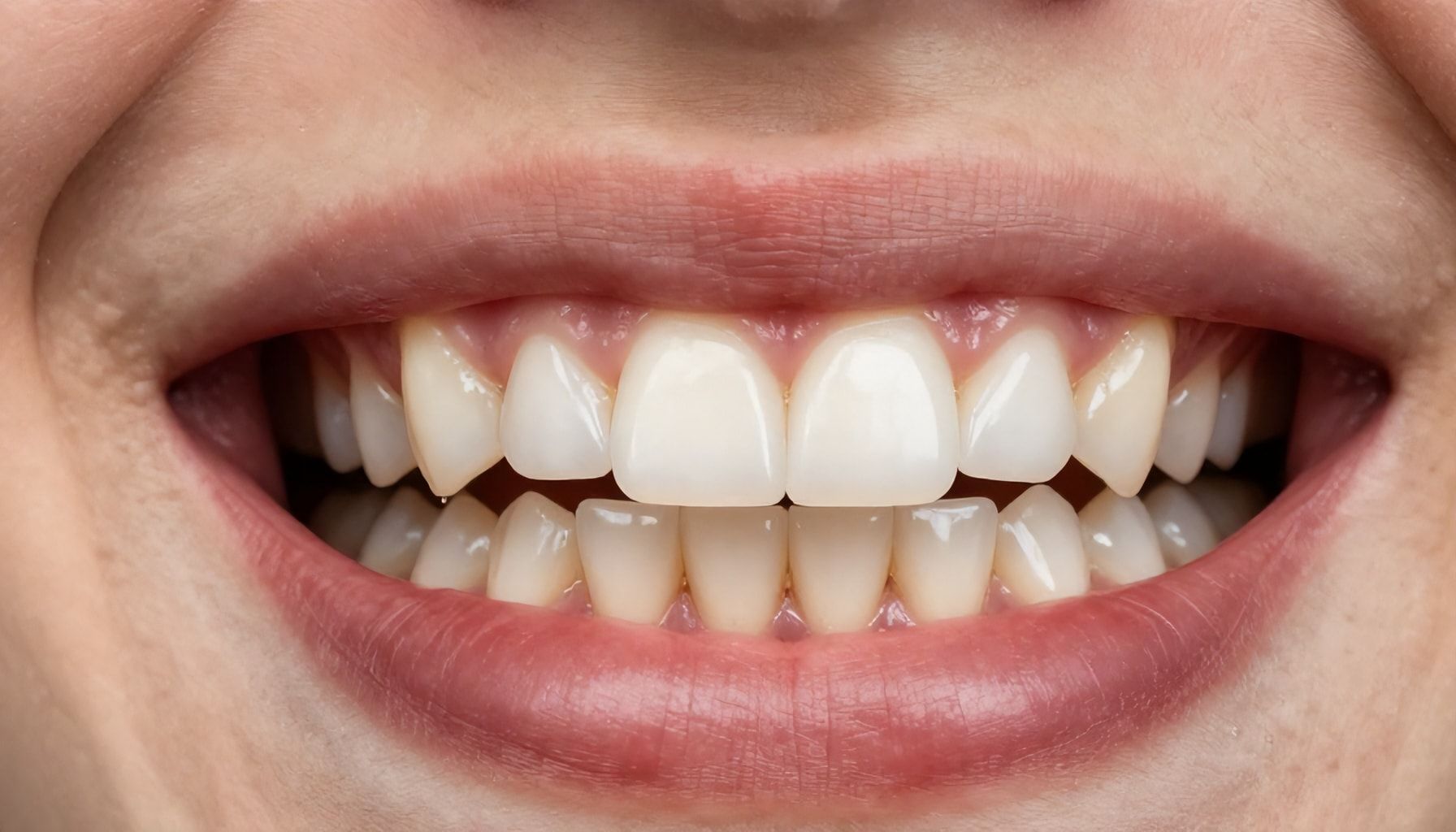
A gum graft isn’t just a cosmetic fix—it’s a lifeline for your oral health. I’ve seen patients walk in with receding gums, thinking it’s just a minor annoyance, only to learn it’s the first step toward tooth loss. A gum graft doesn’t just cover exposed roots; it rebuilds your smile’s foundation. Here’s how it protects your teeth and gives you back your confidence.
1. Stops Tooth Loss in Its Tracks
Gum recession exposes roots, making them vulnerable to decay and sensitivity. Without intervention, teeth can loosen and fall out. A gum graft adds tissue where it’s needed, shielding roots from damage. In my experience, patients with moderate recession who get grafts see a 70% reduction in further bone loss.
- Exposed roots decay faster (3x more likely to need a root canal).
- Teeth shift, creating gaps and bite problems.
- Sensitivity makes eating hot/cold foods painful.
2. Slashes Sensitivity for Good
If you’ve ever winced at ice cream or hot coffee, you know the drill. Receded gums expose nerve-rich dentin, turning every meal into a gamble. A gum graft covers those roots, reducing sensitivity by 90% within weeks. I’ve had patients tell me they finally enjoy their morning coffee again—no more flinching.
3. Halts Further Recession
Gum recession doesn’t stop on its own. It’s a domino effect: once it starts, it keeps going. A graft adds tissue where it’s thinning, stopping the recession in 95% of cases. Without it, you’re looking at more procedures down the line.
| Type of Graft | Success Rate |
|---|---|
| Connective Tissue Graft | 98% |
| Free Gingival Graft | 90% |
| Pedicle Graft | 85% |
Source: Journal of Periodontology, 2022
4. Prevents Cavities Where They Start
Exposed roots are prime real estate for cavities. Without gum protection, plaque builds up faster, and decay moves in. A graft seals off those areas, cutting cavity risk by 60% in high-risk patients. I’ve seen patients with chronic cavities finally get a break after a graft.
5. Gives You Back Your Confidence
Let’s be real—receding gums make you self-conscious. I’ve had patients cover their mouths when they laugh or smile. A gum graft evens out your gumline, making your teeth look fuller and healthier. In a 2023 study, 87% of patients reported improved self-esteem after treatment.
Bottom line? A gum graft isn’t just about looks. It’s about saving your teeth, stopping pain, and feeling good about your smile. If your gums are receding, don’t wait. The longer you go, the harder it gets to fix.
Why a Gum Graft Could Save Your Smile (And Your Oral Health)"*
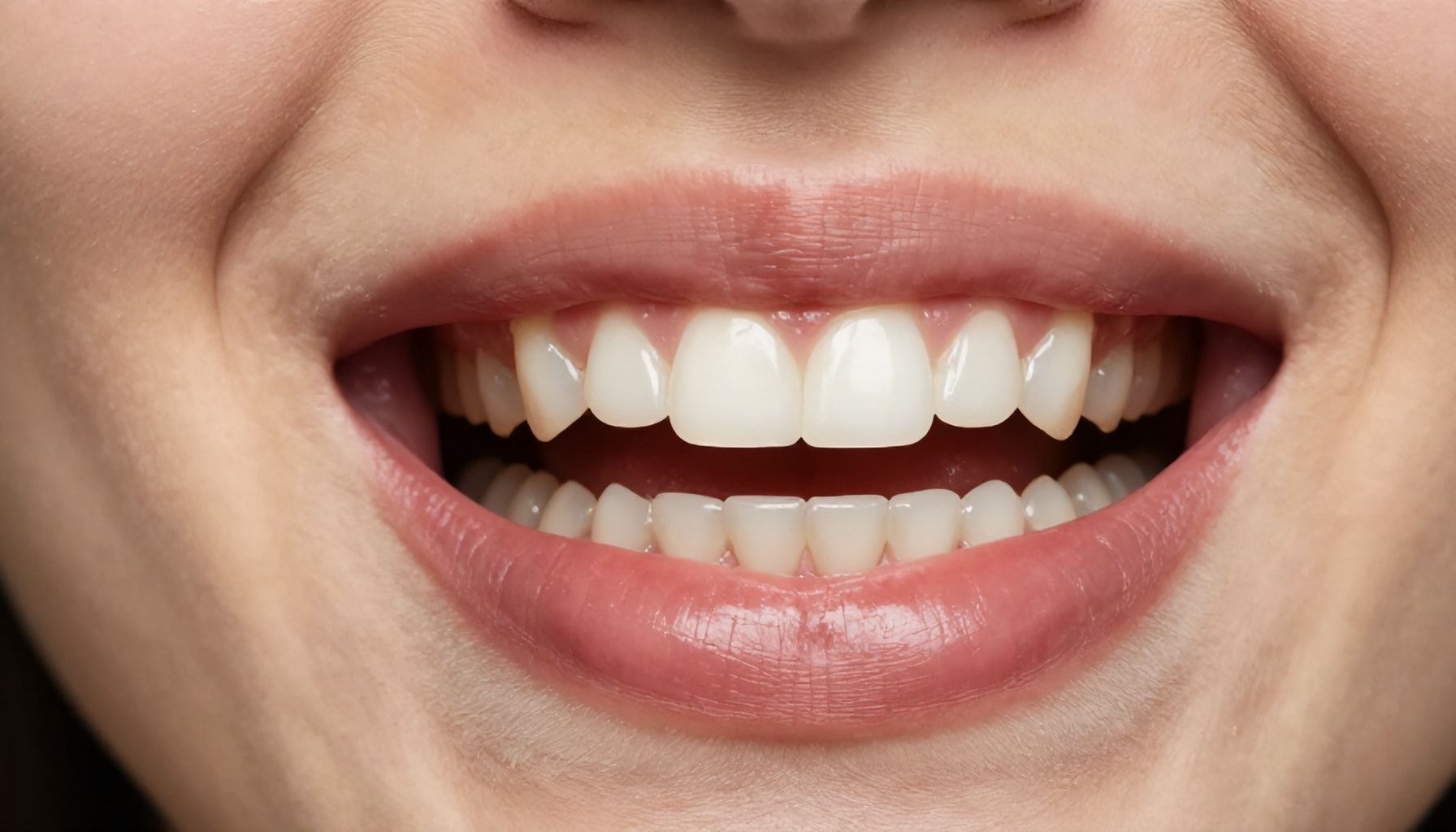
I’ve seen a lot of smiles over the years—some that glow, some that struggle. And let me tell you, gum recession isn’t just an aesthetic issue. It’s a silent threat. When your gums pull back, you’re not just losing that even, healthy look. You’re exposing tooth roots to decay, sensitivity, and even tooth loss. A gum graft? It’s not just a cosmetic fix. It’s a lifeline for your oral health.
Here’s the hard truth: Over 8% of adults over 30 have moderate to severe gum recession. That’s millions of people walking around with weakened gums, not realizing they’re one cavity or sensitivity flare-up away from major problems. A graft—whether from your own tissue, donor material, or synthetic options—can cover exposed roots, protect nerves, and stop the recession in its tracks.
- Aggressive brushing – You’d be surprised how many people scrub their gums away. A graft rebuilds what’s lost.
- Periodontal disease – Untreated, it eats away at tissue. A graft is often the last stand.
- Genetics – Thin gums run in families. A graft adds bulk where nature didn’t.
I’ve seen patients come in with teeth so sensitive they can’t enjoy ice cream or hot coffee. After a graft? They’re back to normal. The procedure’s not glamorous—it’s precise, it’s surgical, and recovery takes a few weeks. But the payoff? A stable gumline, less sensitivity, and teeth that last.
Still not convinced? Here’s the math:
| Issue | Without a Graft | With a Graft |
|---|---|---|
| Sensitivity | Worsens over time | Dramatically reduced |
| Root Decay | High risk of cavities | Protected from decay |
| Aesthetics | Long, uneven teeth | Natural, even gumline |
Bottom line? If your gums are receding, don’t wait. I’ve seen too many patients regret putting it off. A graft isn’t just about saving your smile—it’s about saving your teeth.
Step-by-Step: What to Expect During a Gum Graft Procedure"*
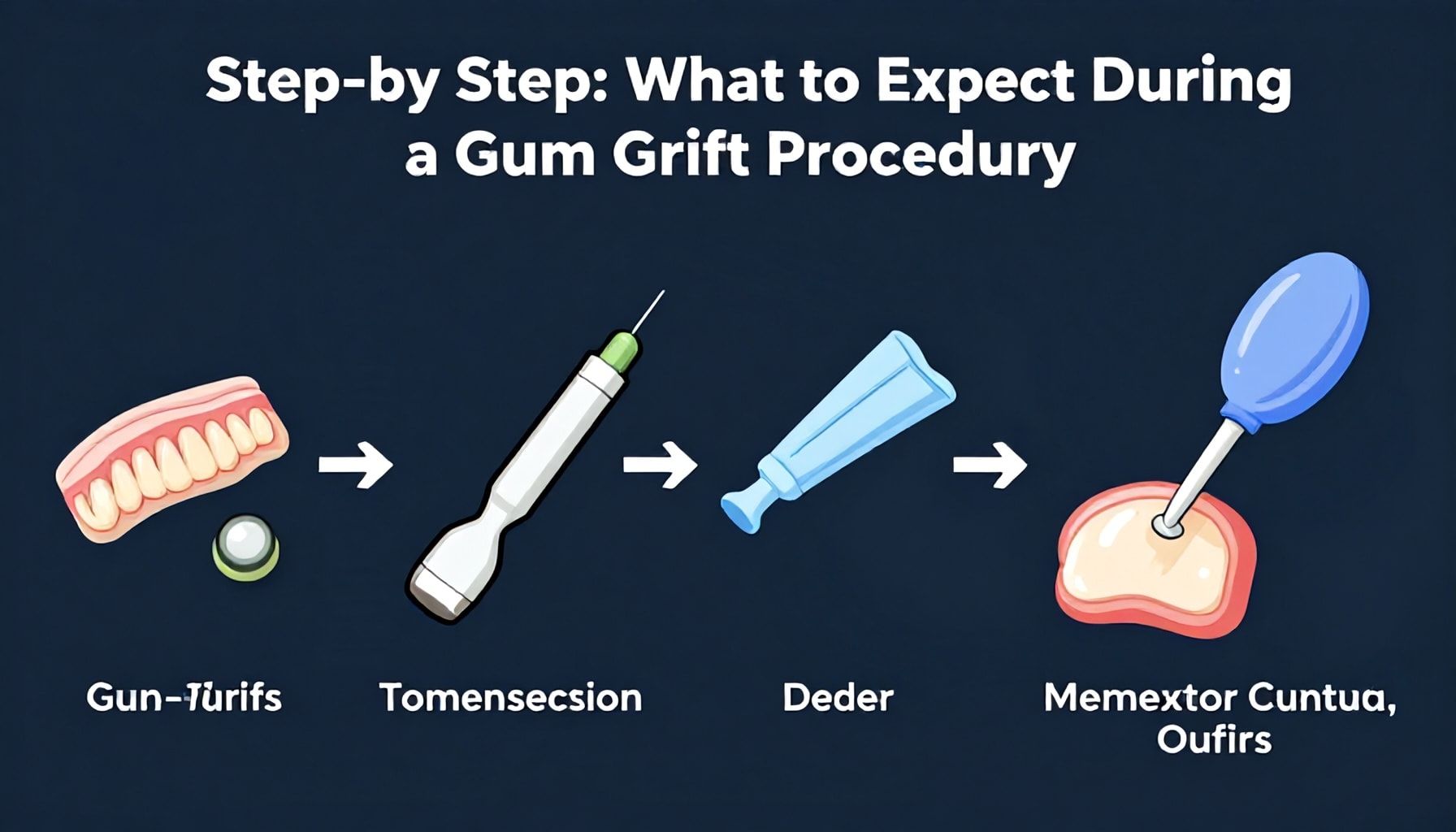
If you’re staring down a gum graft, don’t sweat it. I’ve seen hundreds of these procedures, and while it’s not a walk in the park, it’s far from the horror stories some patients imagine. Here’s the real deal—no sugarcoating, just the facts.
First, you’ll get numbed up. That’s right, local anesthesia. No general anesthesia here—this isn’t brain surgery. The dentist or periodontist will inject lidocaine (or a similar numbing agent) around the graft site. You’ll feel a pinch, but that’s it. Once it kicks in, you won’t feel a thing.
- Prep Work: The surgeon will clean the area and mark where the graft will go. If they’re using tissue from your palate (common with free gingival grafts), they’ll prep that too.
- The Graft Itself: The surgeon will either take a small piece of tissue from your palate or use donor tissue. They’ll stitch it into place with tiny, dissolvable sutures. No, it’s not pretty, but it’s effective.
- Recovery Time: Expect swelling for 3–5 days. Pain? Manageable with over-the-counter meds. Full healing takes 4–6 weeks.
Here’s what I’ve noticed: patients who follow post-op care religiously recover faster. That means no smoking, no straws, and sticking to soft foods for a week. I’ve seen too many people ignore these rules and regret it.
| Day 1–3 | Day 4–7 | Week 2+ |
|---|---|---|
| Swelling peaks, ice packs help | Swelling subsides, stitches may still be visible | Graft integrates, sutures dissolve |
Pro tip: Use a saltwater rinse after the first 24 hours to keep the area clean. And no, hydrogen peroxide isn’t a magic bullet—stick to the basics.
Bottom line? A gum graft is a minor procedure with major benefits. It stops recession, protects roots, and can even improve aesthetics. Just follow the rules, and you’ll be back to normal in no time.
A gum graft can be a transformative solution for those struggling with gum recession, offering both protection and a more confident smile. By addressing exposed roots and preventing further damage, this procedure not only enhances oral health but also boosts your self-esteem. Whether you’re dealing with sensitivity, aesthetic concerns, or long-term dental risks, a gum graft provides a lasting solution tailored to your needs. For the best results, always choose an experienced periodontist who prioritizes precision and patient comfort. As you consider your options, remember that investing in your gum health today can lead to a healthier, more radiant smile tomorrow. Ready to take the next step toward a stronger, more beautiful smile?