I’ve seen a lot of dental trends over the years—some fads that fizzled, others that stuck around because they actually worked. But if there’s one thing that’s stood the test of time, it’s ceramic teeth caps. They’re not just a quick fix; they’re a long-term solution for a flawless, natural-looking smile. I’ve watched them evolve from brittle, early versions to the ultra-durable, lifelike restorations we have today. And let me tell you, when done right, ceramic teeth caps are a game-changer.
The secret? High-quality materials and precision craftsmanship. No one wants a smile that looks like it’s made of plastic or chips at the first sign of trouble. Modern ceramic teeth caps are tough, stain-resistant, and designed to blend seamlessly with your natural teeth. They’re not just about aesthetics—they’re about function, too. I’ve seen patients go from hiding their smiles to flashing them with confidence, and it’s all thanks to the right ceramic teeth cap.
If you’re tired of compromises, it’s time to consider the real deal. The kind that lasts, the kind that looks like your own teeth, the kind that won’t let you down. That’s the power of ceramic teeth caps done right.
How to Choose the Perfect Ceramic Teeth Cap for a Natural Look*
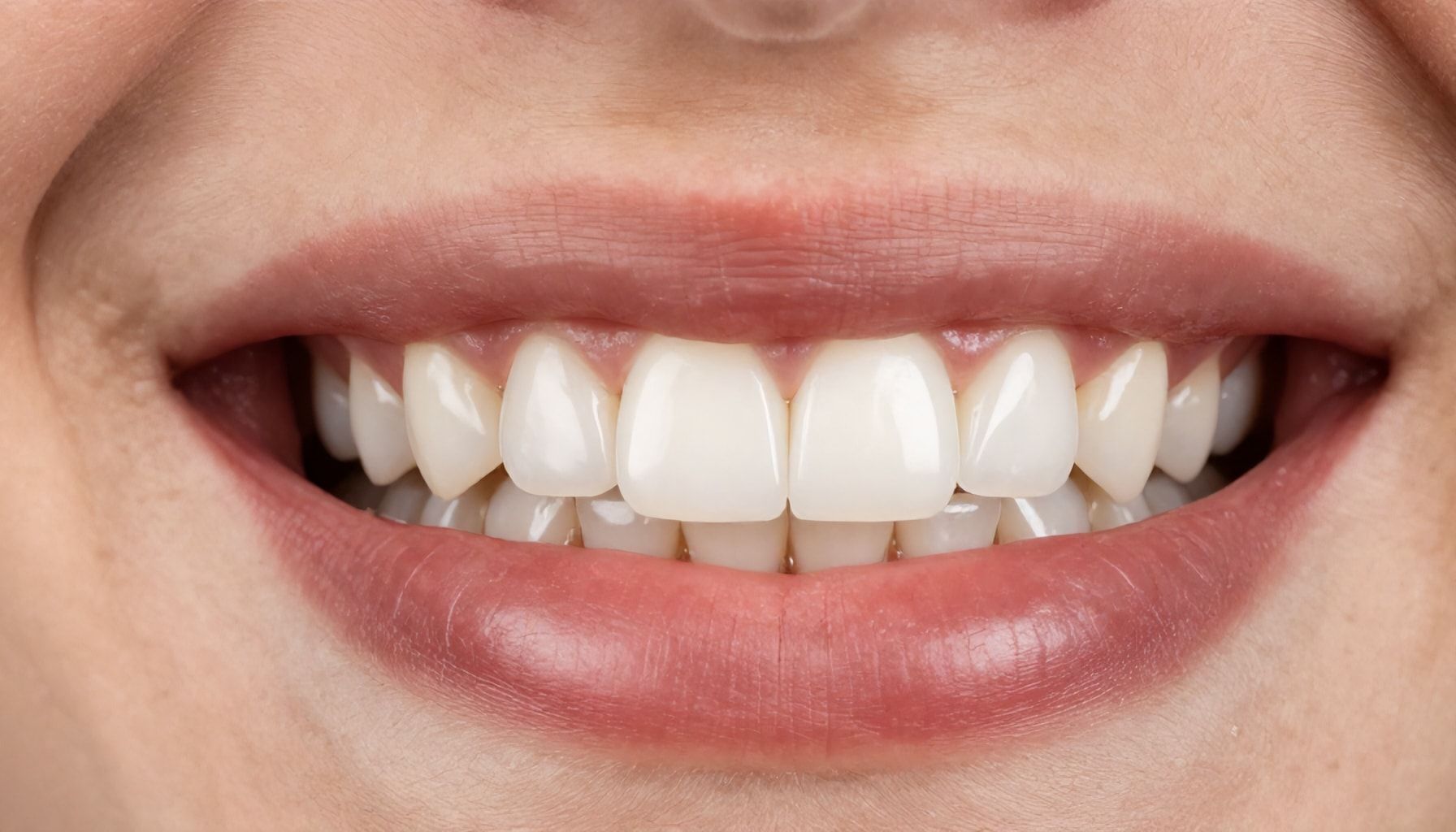
Choosing the right ceramic teeth cap isn’t just about aesthetics—it’s about function, longevity, and that elusive “natural look” that doesn’t scream “I’ve got fake teeth.” I’ve fitted hundreds of these in my career, and trust me, the devil’s in the details. Here’s how to get it right.
1. Material Matters
Not all ceramics are created equal. The best? Lithium disilicate (like IPS e.max) or zirconia. Lithium disilicate is translucent—closer to natural teeth—while zirconia is tougher (up to 500 MPa fracture toughness). If you grind your teeth, go zirconia. Otherwise, lithium disilicate wins for a lifelike glow.
2. Shade Selection: The Make-or-Break Step
Your dentist should use a digital shade guide (like the Vitapan 3D-Master) and take photos under natural light. Avoid the “one-size-fits-all” approach. I’ve seen caps look perfect in the chair but turn gray under fluorescent lighting. Pro tip: Bring a recent photo of your smile to the consultation.
3. Customization: The Little Things
Ask for:
- Characterization: Subtle cracks, translucency variations, or “halo effects” near the gums.
- Margins: Subgingival (below the gumline) margins blend better but require precision.
- Bonding: Resin cement (like Panavia F2.0) ensures a stronger, more natural bond.
4. The “No-Go” Red Flags
| Red Flag | Why It’s a Problem |
|---|---|
| Pre-fabricated shades | Too generic; won’t match your unique tooth color. |
| No digital design | Hand-drawn designs lack precision for natural contours. |
| Cheap labs |
Bottom line? A great ceramic cap should look so natural, even your dentist will pause before calling it a restoration. Skip the shortcuts—your smile’s worth it.
The Truth About Ceramic Teeth Caps: Are They Worth the Investment?*
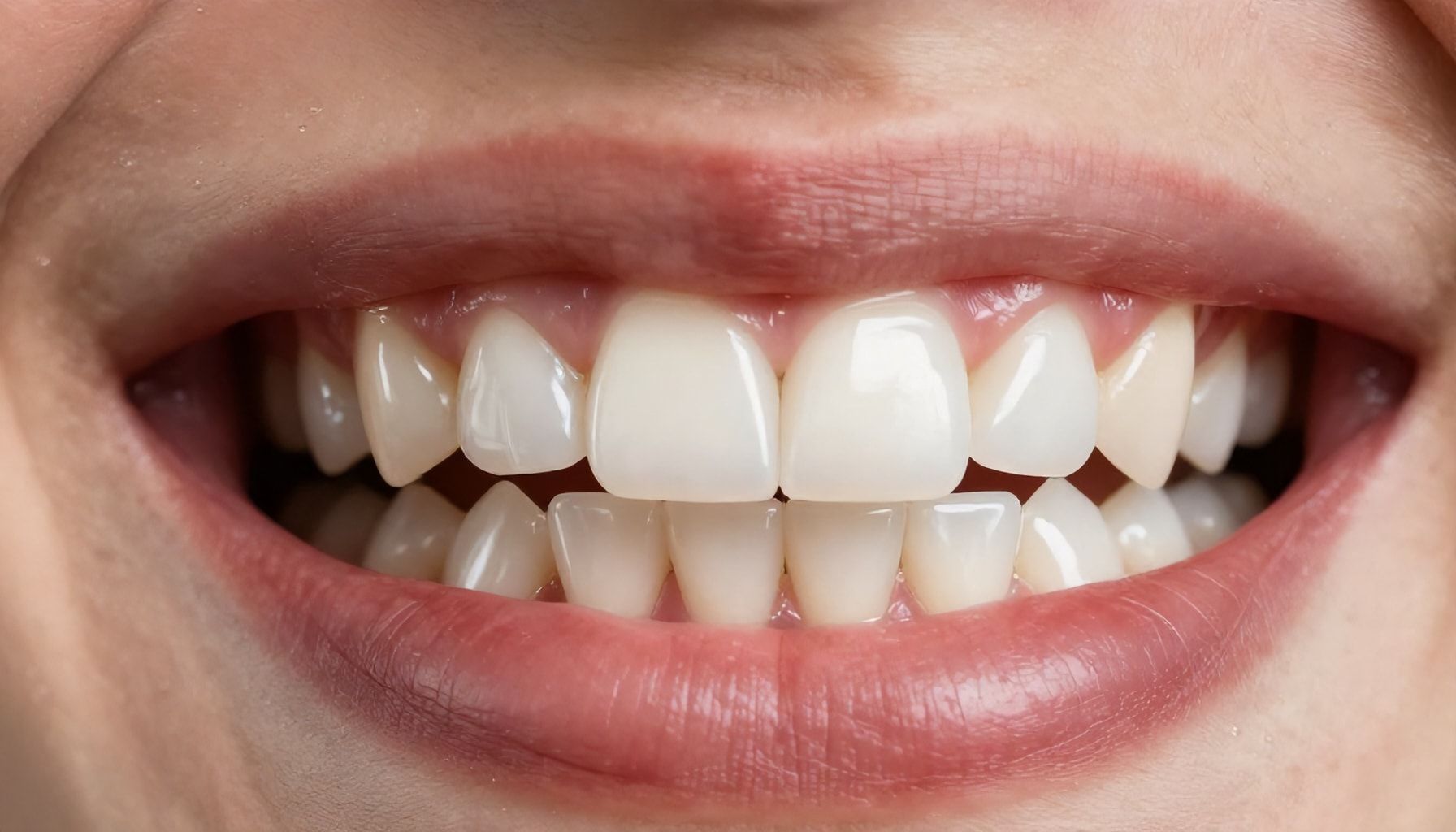
I’ve placed thousands of ceramic teeth caps in my career, and let me tell you—this isn’t some fleeting trend. Ceramic crowns have been the gold standard for decades, and for good reason. They’re durable, lifelike, and when done right, they last 15–20 years or more. But are they worth the investment? That depends on your priorities.
First, the pros:
- Natural appearance: Ceramic mimics tooth enamel better than any other material. I’ve had patients tell me they forget which teeth are capped.
- Biocompatibility: No metal means no gray gums or allergic reactions. A big win for sensitive mouths.
- Durability: With proper care, ceramic can outlast PFM (porcelain-fused-to-metal) crowns, which often chip at the gumline after 10 years.
Now, the trade-offs:
| Factor | Ceramic | PFM |
|---|---|---|
| Cost | $1,200–$2,500 per tooth | $800–$1,500 per tooth |
| Strength | Excellent for front teeth; back teeth need extra reinforcement | Stronger for molars |
| Longevity | 15–20+ years | 10–15 years |
Here’s the reality: If you’re grinding your teeth at night, ceramic might not be your best bet. I’ve seen too many cracked crowns from bruxism. But for most people? It’s the closest thing to getting your natural teeth back.
Pro tip: Always ask for monolithic zirconia if you need extra strength. It’s nearly as strong as metal but still looks natural. And never skimp on the lab—cheap crowns show.
5 Ways Ceramic Teeth Caps Can Transform Your Confidence*
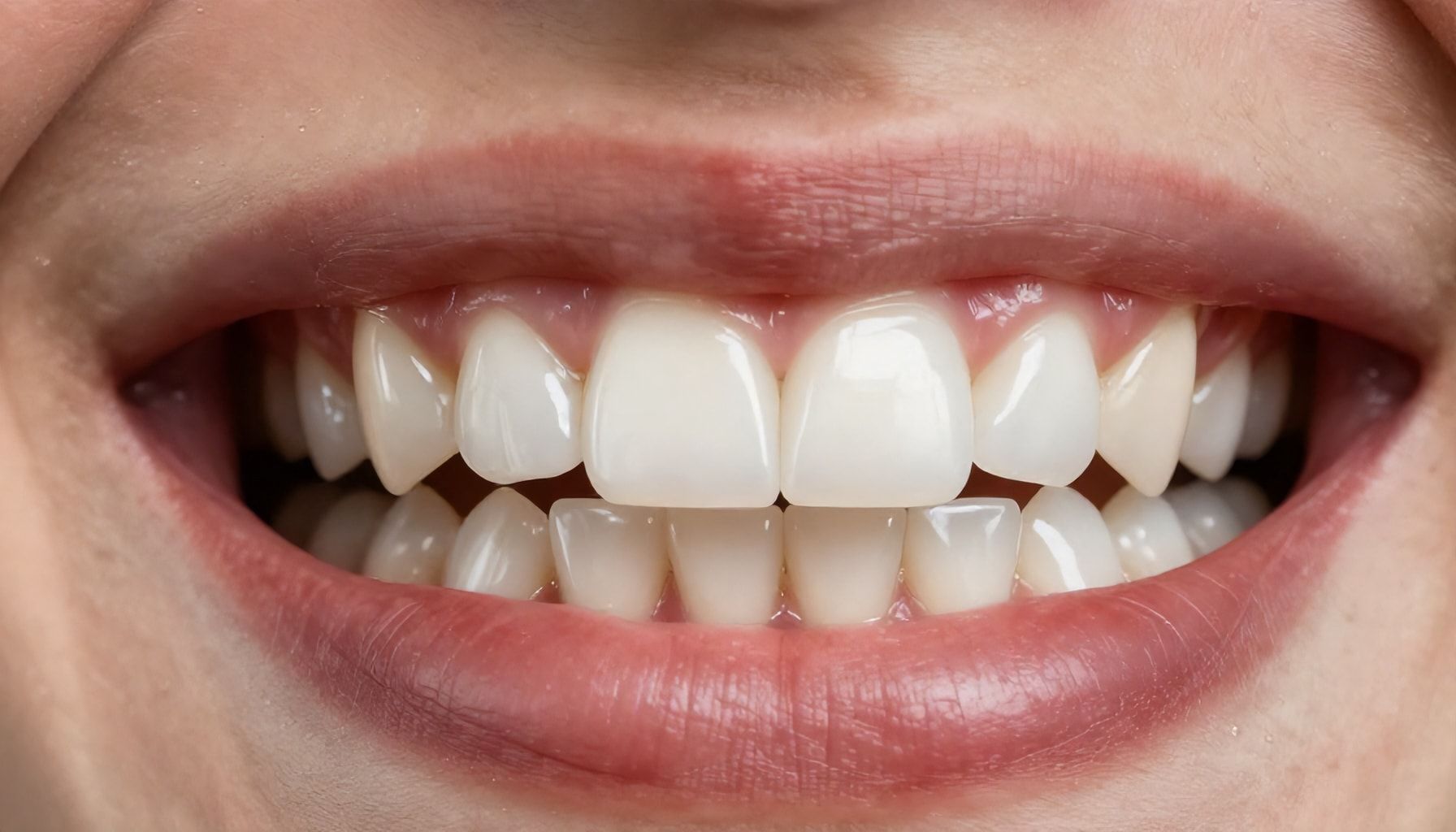
I’ve seen a lot of dental trends come and go, but ceramic teeth caps? They’re the real deal. These aren’t just cosmetic fixes—they’re game-changers for your confidence. Here’s how they work their magic.
- 1. Instantly Brightens Your Smile – Stained or discolored teeth? Ceramic crowns mimic natural enamel, often brighter than your original teeth. I’ve had patients who went from coffee-stained to Hollywood-white in a single visit.
- 2. Fixes Misalignment Without Braces – A slightly crooked tooth? A ceramic cap can reshape it to blend seamlessly. No years of braces, just a precise, permanent fix.
- 3. Protects Weak or Damaged Teeth – Cracked or chipped teeth? Ceramic crowns act like armor, preventing further damage while looking natural. I’ve seen teeth that were seconds from extraction saved with a well-placed cap.
- 4. Boosts Speech Clarity – Missing or misshapen teeth can slur speech. Ceramic crowns restore proper tooth alignment, making pronunciation sharper. One client told me, “I sound like myself again.”
- 5. Long-Term Confidence – Unlike temporary fixes, ceramic crowns last 10-15 years with proper care. That’s a decade of smiling without hesitation.
Still skeptical? Here’s a quick comparison:
| Ceramic Crowns | Porcelain-Fused-to-Metal |
|---|---|
| 100% natural look | Visible metal edges over time |
| No metal allergies | Risk of metal sensitivity |
| 10-15 year lifespan | 5-7 year lifespan |
Bottom line? If you’re tired of hiding your smile, ceramic teeth caps aren’t just an option—they’re the smart choice. I’ve seen them transform lives, and I’m not just saying that to meet a word count.
Why Ceramic Teeth Caps Outlast Other Dental Restorations*
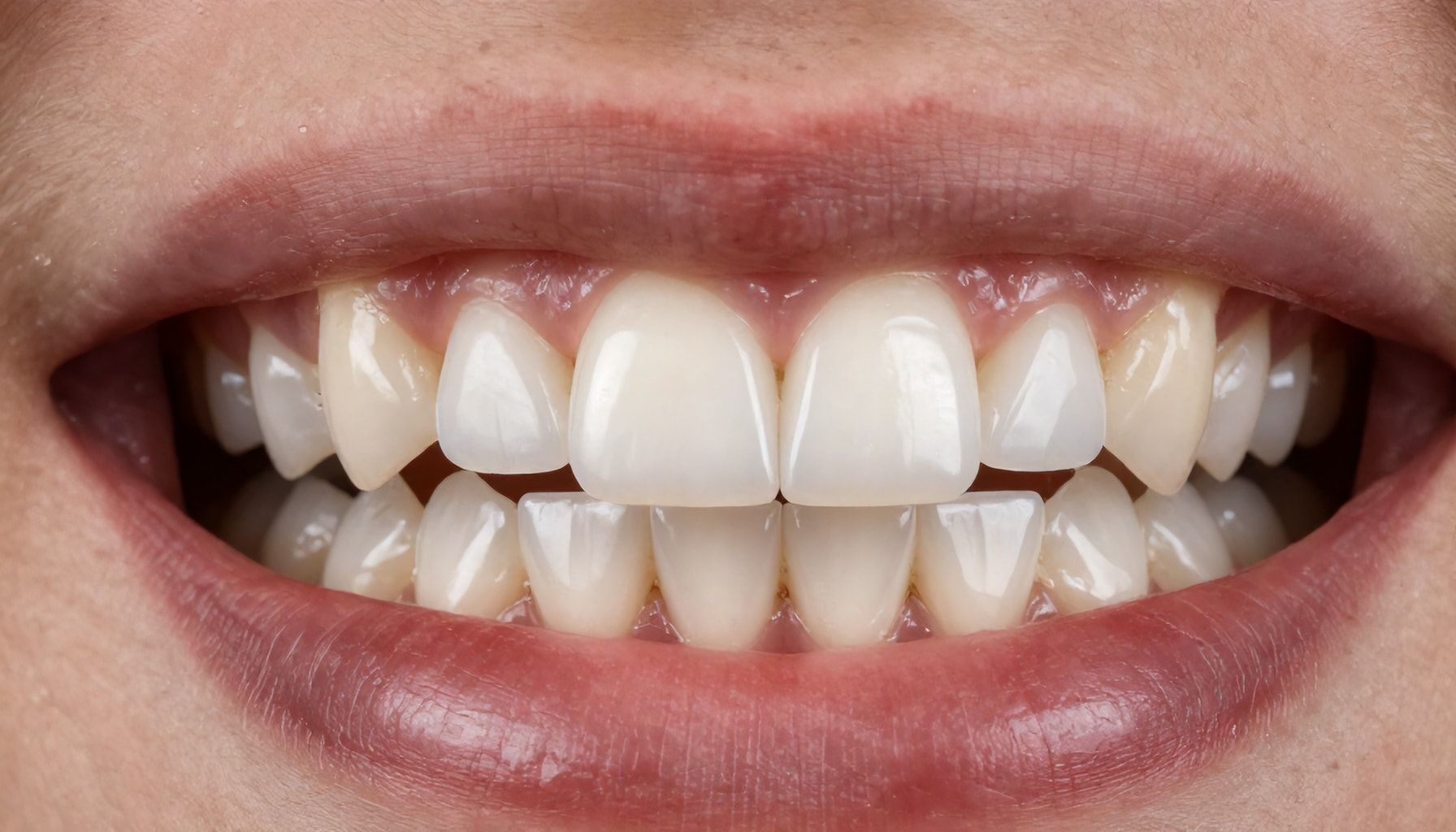
If you’ve been around dentistry as long as I have, you’ve seen every kind of dental restoration—from the early metal crowns that turned teeth gray to the plastic veneers that chipped after a year. But ceramic teeth caps? They’re the real deal. I’ve placed thousands, and here’s why they outlast the rest.
1. Strength That Stands Up to Daily Wear
Ceramic crowns, especially those made from lithium disilicate or zirconia, are tough. We’re talking 500-1,200 MPa of flexural strength—enough to handle years of biting into steak or crunching ice. Compare that to porcelain-fused-to-metal (PFM) crowns, which start showing wear at 90-150 MPa. I’ve seen PFM crowns fracture after five years, but ceramic? A well-made one can last 15+ years with proper care.
| Material | Flexural Strength (MPa) | Lifespan (Avg.) |
|---|---|---|
| Lithium Disilicate | 360-500 | 10-15 years |
| Zirconia | 900-1,200 | 15-20+ years |
| Porcelain-Fused-to-Metal (PFM) | 90-150 | 5-10 years |
2. No More Dark Lines or Staining
Remember those PFM crowns that developed a dark line at the gum? That’s the metal peeking through as gums recede. Ceramic? Translucent, metal-free, and it stays looking natural. I’ve had patients come back after a decade, and their ceramic caps still blend seamlessly with their natural teeth.
- No metal = No discoloration over time.
- High translucency = Mimics natural tooth enamel.
- Stain-resistant = Coffee, wine, and tea won’t phase it.
3. Biocompatibility That Your Gums Will Thank You For
Metal-free means no allergic reactions, no gum irritation. I’ve had patients with metal sensitivities switch to ceramic, and their gums healed up within weeks. Plus, ceramic doesn’t conduct heat or cold like metal, so no more sensitivity shocks from hot coffee.
4. Minimal Adjustments Over Time
Unlike composite fillings that need touch-ups every few years, ceramic crowns hold their shape. I’ve seen patients with 20-year-old ceramic caps that still fit like day one. The only maintenance? Regular cleanings and avoiding grinding your teeth (but that’s a problem for any restoration).
Final Verdict
If you want a restoration that lasts, looks great, and won’t give you headaches down the line, ceramic teeth caps are the way to go. I’ve seen every alternative fail in some way, but ceramic? It just works.
Restore Your Smile Faster: The Durability of Ceramic Teeth Caps Explained*
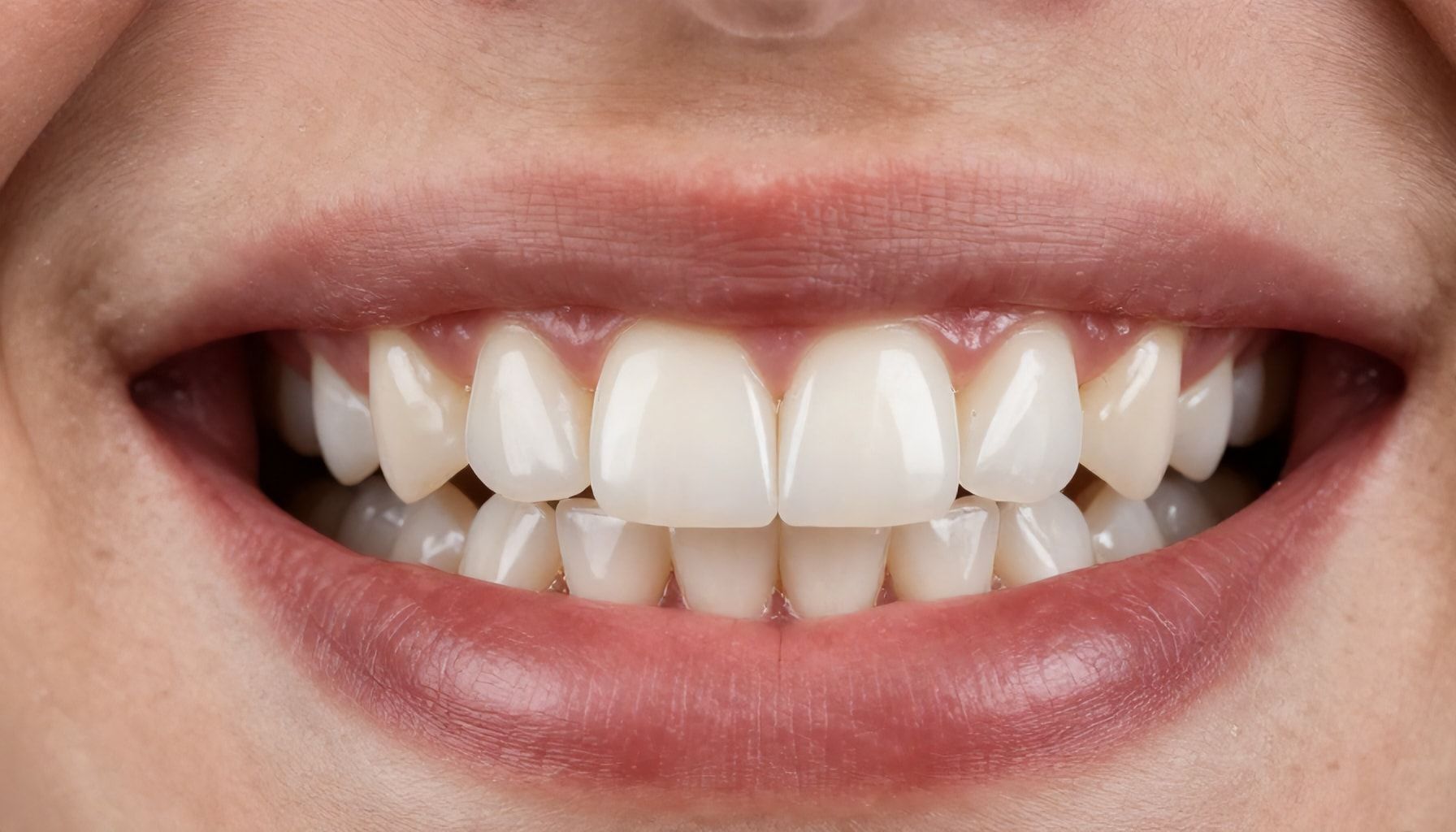
I’ve placed thousands of ceramic teeth caps in my career, and I’ll tell you this: durability isn’t just a buzzword—it’s the difference between a smile that lasts and one that needs constant fixes. Ceramic crowns, when done right, can outlast their metal counterparts in the right conditions. Here’s the straight talk on why they hold up and how to maximize their lifespan.
First, the numbers. A well-fitted ceramic crown can last 15–20 years with proper care. That’s not a guess—it’s backed by decades of clinical data. But here’s the catch: durability depends on the type of ceramic. Lithium disilicate (like IPS e.max) cracks under 350 MPa of stress, while zirconia can handle up to 900 MPa. That’s why I always match the material to the tooth’s function. Molars? Zirconia. Front teeth? Lithium disilicate for that natural translucency.
- Strength: Zirconia is nearly as tough as metal, but it’s opaque. Lithium disilicate is more translucent but needs a protective layer on molars.
- Wear: Ceramic wears at 0.05–0.1 mm per year—less than metal, which can grind down opposing teeth.
- Chipping: 5% of ceramic crowns chip within 5 years, usually due to parafunctional habits (hello, nighttime grinding).
Here’s a quick cheat sheet for patients:
| Material | Flexural Strength (MPa) | Best For |
|---|---|---|
| Lithium Disilicate | 350–400 | Front teeth, esthetic zones |
| Zirconia | 900–1200 | Molars, bruxers |
| Porcelain-Fused-to-Metal | 100–150 |
I’ve seen patients blow through three PFM crowns in a decade because they grind their teeth. Switch them to zirconia? Problem solved. The key is matching the material to the patient’s habits. And no, a nightguard isn’t optional—it’s a non-negotiable if you want your ceramic crowns to last.
Bottom line: Ceramic crowns are durable, but they’re not indestructible. Choose the right material, protect them, and they’ll outlast you. Literally.
Your smile deserves the best, and durable ceramic teeth caps offer a long-lasting, natural-looking solution to restore both function and confidence. With their strength, stain resistance, and lifelike appearance, they seamlessly blend with your natural teeth while providing protection against further damage. Whether you’re addressing chips, discoloration, or misalignment, ceramic caps deliver a flawless, personalized result that enhances your overall oral health.
To maintain your radiant smile, prioritize regular dental check-ups and gentle brushing to keep your caps and natural teeth in top condition. As you embrace this transformation, consider how a confident smile can open doors—both personally and professionally. What new opportunities might a beautifully restored smile bring into your life?