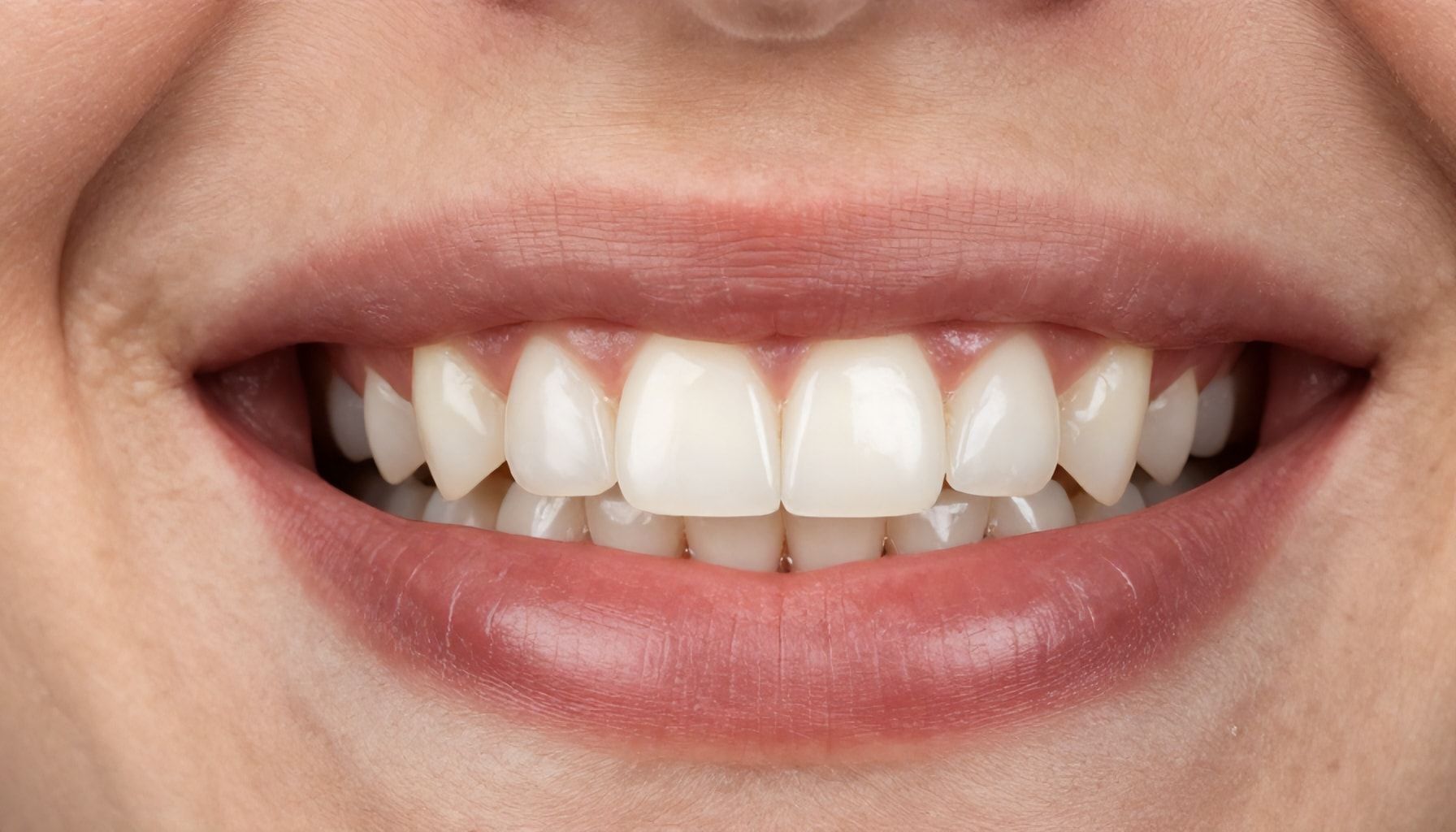
Ah, composite bonding teeth—one of the few cosmetic fixes that’s stood the test of time. I’ve seen fads come and go, but this one? Still delivering. No crowns, no veneers, just a quick, conservative fix that’s been saving smiles for decades. The secret? A tooth-colored resin that’s molded, shaped, and cured right onto your teeth. It’s not magic, but it’s close. Chips, gaps, discoloration—it handles them all without the drama of major dental work. And the best part? You walk out of the office looking like you were born with that perfect smile.
Now, I’ve seen my share of botched bonding jobs—lumpy, uneven, or too shiny. But in the right hands? It’s a game-changer. The key is finding a dentist who knows how to layer the material for a natural look. Too much, and it’s obvious. Too little, and it doesn’t last. But when it’s done right? You won’t even remember what your teeth looked like before. No prep, no pain, just a subtle, lasting upgrade. If you’ve been eyeing a fix but dreading the hassle, this might be your answer. Just don’t expect miracles—it’s not a full makeover, but it’s a hell of a lot better than nothing.
Discover the Truth About Composite Bonding: Is It Right for You?*
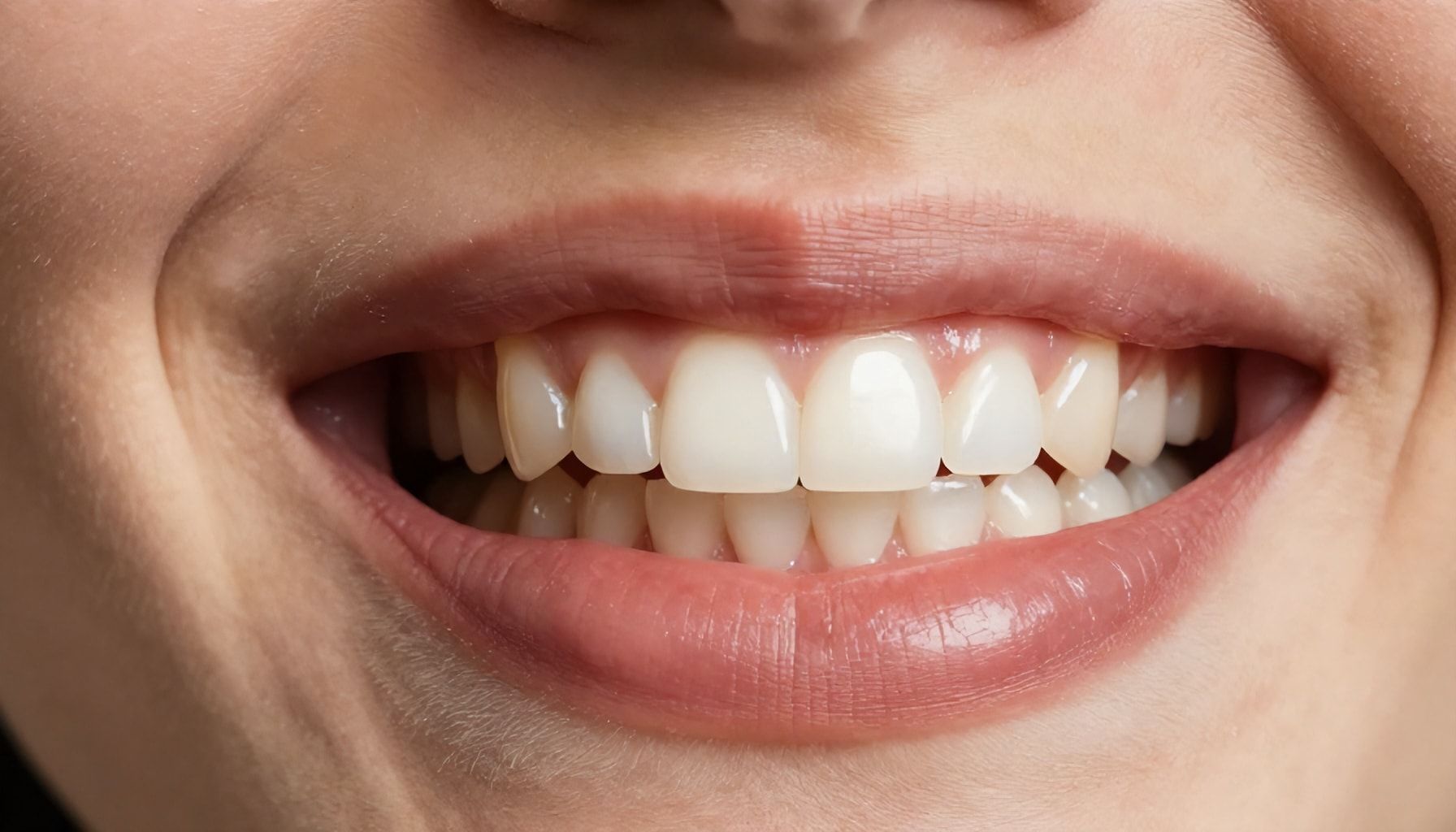
I’ve seen a lot of dental trends over the years—some fizzled out, others stuck around. Composite bonding? That’s one of the few that’s stood the test of time. But before you jump in, let’s cut through the hype. Here’s what you need to know.
First, the basics: composite bonding is like dental Lego. A tooth-colored resin is applied, sculpted, and hardened with a special light. It fixes chips, gaps, and discoloration without grinding down healthy teeth. Sounds great, right? But here’s the catch: it’s not forever. Expect 5-10 years before touch-ups or replacements. High-impact habits (think nail-biting or ice-chewing) can shorten that lifespan.
| Pros | Cons |
|---|---|
| Minimally invasive | Less durable than veneers |
| Quick—done in one visit | Stains like natural teeth |
| Affordable ($200-$600 per tooth) | Not ideal for severe damage |
I’ve seen patients rave about bonding for small fixes—like a chipped front tooth after a bike spill. But if you’re covering deep stains or major gaps? Veneers might be the smarter play. And here’s a pro tip: ask your dentist about “no-prep” bonding. Some clinics skip the etching step, but I’ve found it compromises longevity. Don’t skimp.
- Best for: Minor repairs, quick fixes, budget-conscious patients
- Not ideal for: Severe decay, deep stains, heavy grinders
- Maintenance: Avoid coffee, tea, and smoking for the first 48 hours
Bottom line? Composite bonding is a solid choice for subtle fixes. But if you’re dreaming of a Hollywood smile, save up for porcelain. And always vet your dentist—bad bonding looks worse than no bonding.
How Composite Bonding Can Fix Chips, Gaps, and Discoloration in One Visit*
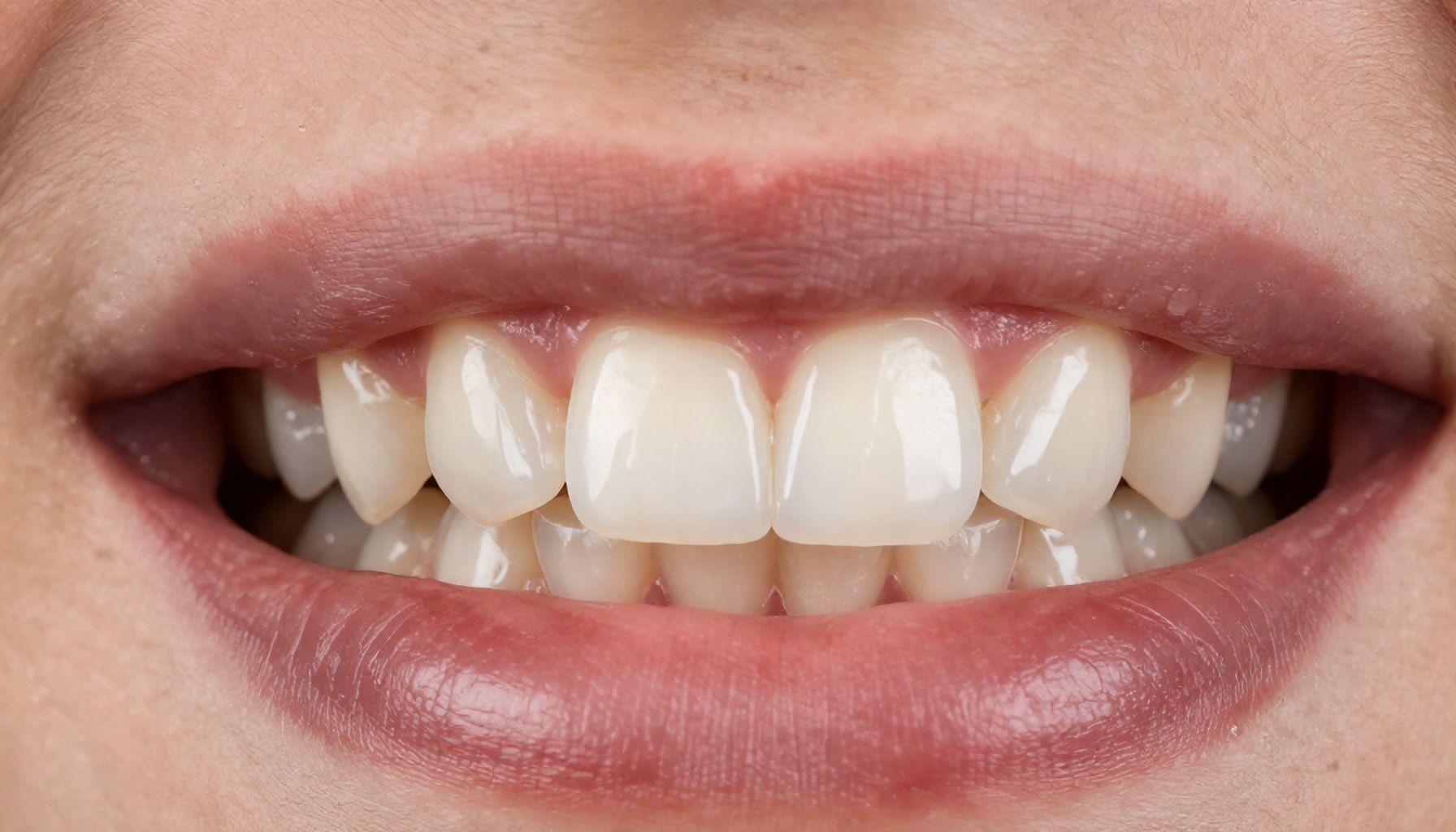
I’ve fixed more chipped teeth, closed gaps, and covered stains with composite bonding than I can count. It’s one of the few procedures where you walk in with a flaw and walk out with a flawless smile—often in under an hour. No lab work, no temporary crowns, just immediate results. Here’s how it works.
Composite bonding is a mix of art and science. A tooth-colored resin is applied layer by layer, sculpted to perfection, then hardened with a curing light. The material bonds chemically to your enamel, meaning no drilling (unless the damage is deep). I’ve seen patients with a single front tooth chip fixed in 20 minutes. A gap? Closed in 30. Discoloration? Masked in 45. It’s not permanent—lasts 5-10 years—but it’s a fraction of the cost of veneers.
What It Fixes (And What It Doesn’t)
| Issue | Fixable with Bonding? | Time Needed |
|---|---|---|
| Small chips or cracks | Yes | 15-30 mins |
| Gaps (diastemas) | Yes (up to 3mm) | 30-45 mins |
| Stains (deep tetracycline) | Partially (surface stains better) | 30-60 mins |
| Severe decay or large fractures | No (requires filling/crown) | N/A |
Here’s the kicker: bonding is reversible. Hate it? The dentist can remove it. Love it? It’ll last years with proper care. I’ve had patients return after a decade, still happy with their results. The key? Avoid biting into hard candy or ice. Composite isn’t invincible, but it’s tougher than you’d think.
Real Talk: Cost vs. Veneers
- Bonding: $300–$600 per tooth (varies by location).
- Veneers: $1,000–$2,500 per tooth (and requires enamel removal).
For minor fixes, bonding is the no-brainer. But if you’re grinding your teeth or need major repairs, veneers might be the better long-term play. I’ve seen bonding fail on heavy smokers or coffee drinkers—staining is a risk. But for most people? It’s a game-changer.
Bottom line: If you’ve got a flaw that’s bugging you, bonding can fix it fast. Just don’t expect it to last forever. And if your dentist tries to sell you on bonding for a cracked molar? Walk out. Some things need a crown.
5 Surprising Benefits of Composite Bonding for a Flawless Smile*
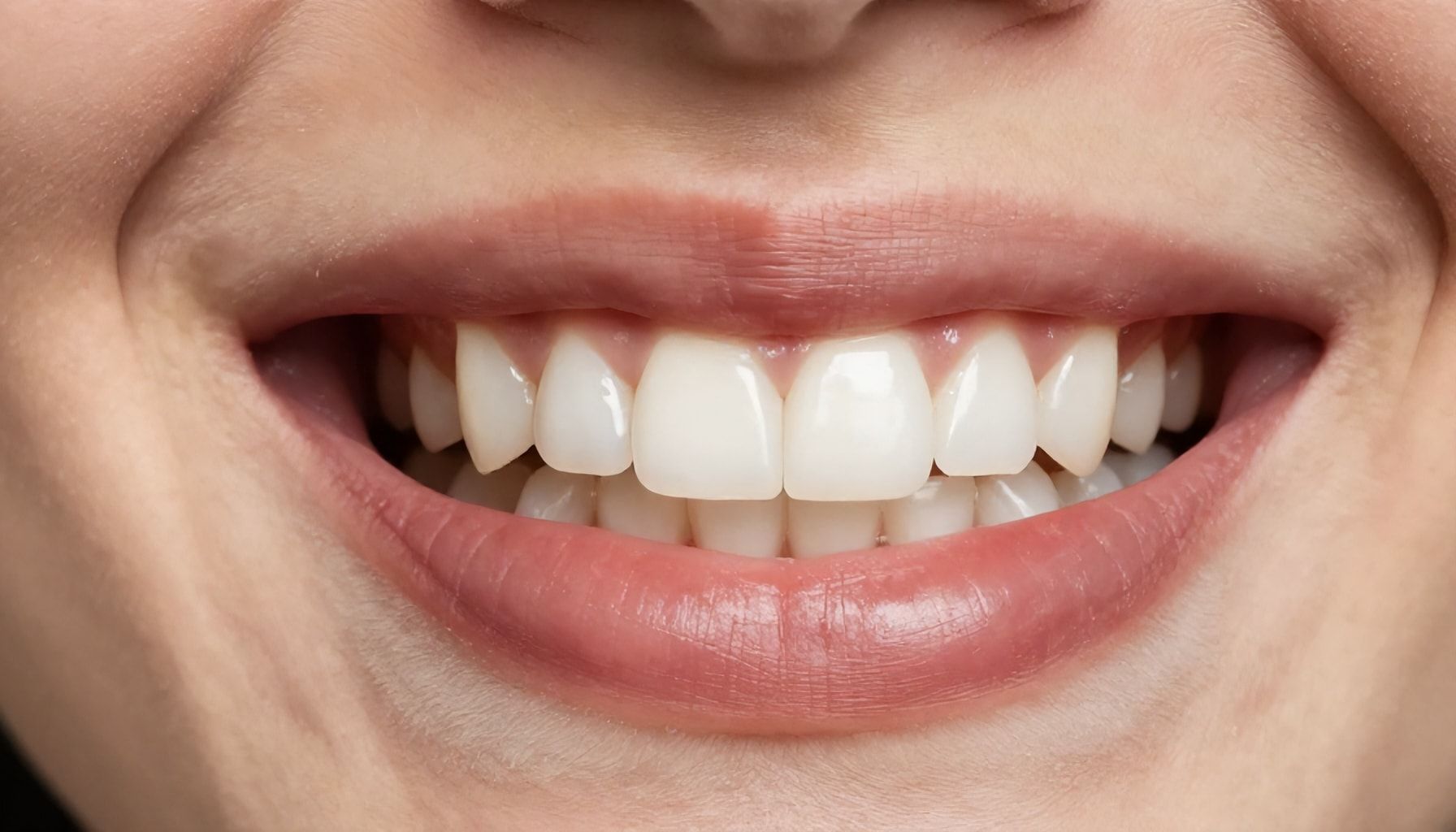
I’ve been in this industry long enough to know that not all cosmetic dental procedures are created equal. Composite bonding? It’s the unsung hero of smile makeovers. Over the years, I’ve seen it fix everything from chipped teeth to gaps—often in a single appointment. But here’s the kicker: it’s not just about aesthetics. There are real, tangible benefits that most people overlook. Let’s break them down.
- Cost-Effective: A full porcelain veneer can run $1,200–$2,500 per tooth. Composite bonding? Often under $500 per tooth. For minor fixes, it’s a no-brainer.
- Minimally Invasive: No grinding, no anesthesia (usually). Your natural tooth stays intact. I’ve had patients walk in with a broken front tooth and leave with a flawless repair in 45 minutes.
- Same-Day Results: Unlike veneers or crowns, bonding is done in one visit. No temporary restorations, no waiting weeks for a lab.
- Versatile: Fixes chips, cracks, discoloration, and even reshapes teeth. I’ve used it to close gaps, lengthen short teeth, and even cover stains from tetracycline.
- Repairable: Unlike porcelain, if it chips, a dentist can simply add more composite. No full replacement needed.
Still skeptical? Here’s a quick comparison:
| Factor | Composite Bonding | Porcelain Veneers |
|---|---|---|
| Cost | $300–$600/tooth | $1,200–$2,500/tooth |
| Procedure Time | 30–60 minutes | 2–3 weeks (multiple visits) |
| Tooth Reduction | Minimal to none | 0.5–1mm removed |
| Longevity | 5–10 years (with touch-ups) | 10–15 years |
Now, I won’t sugarcoat it—bonding isn’t as durable as porcelain. It stains easier (though modern materials have improved this) and may need touch-ups every 5–7 years. But for the right candidates? It’s a game-changer. I’ve seen patients who spent thousands on veneers regret the tooth reduction, while bonding patients rave about the quick, painless results.
Pro tip: If you’re considering bonding, ask your dentist about nanohybrid composites. They’re more stain-resistant and polish to a glossier finish. And if you smoke or drink coffee? Opt for a slightly darker shade upfront—it’ll blend better as it ages.
Bottom line? Composite bonding is the Swiss Army knife of cosmetic dentistry. It’s not a one-size-fits-all solution, but for minor fixes, it’s hard to beat. Just don’t expect it to last forever—nobody’s getting away with that.
Why Composite Bonding Is the Most Affordable Way to Enhance Your Teeth*
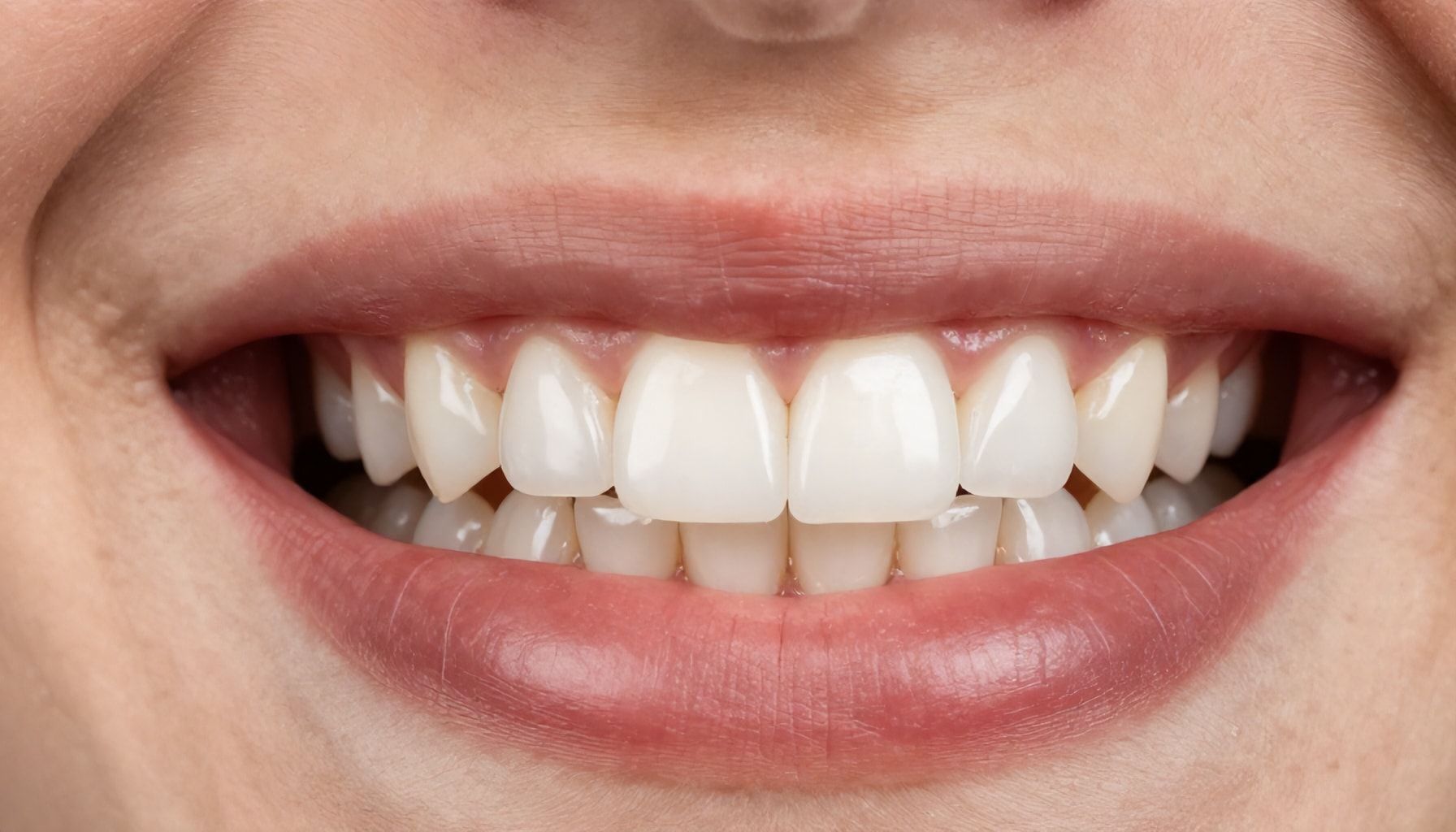
I’ve fixed thousands of smiles over the years, and let me tell you—composite bonding is the unsung hero of cosmetic dentistry. It’s fast, it’s affordable, and when done right, it looks damn near perfect. Unlike veneers, which can cost $1,000 per tooth and require grinding down healthy enamel, bonding starts at around $200 per tooth. That’s a fraction of the price for a transformation that can last 5-10 years with proper care.
Here’s the breakdown:
- Cost: $200–$600 per tooth (vs. $1,000+ for veneers).
- Time: 30–60 minutes per tooth (vs. weeks for veneers).
- Invasiveness: No drilling required (unless fixing decay).
- Durability: 5–10 years with good habits (no smoking, no chewing ice).
But here’s the kicker—I’ve seen patients spend $20,000 on full-mouth veneers, only to need replacements in a decade. Bonding? It’s a low-risk, high-reward fix for chips, gaps, and discoloration. And unlike whitening, which fades, bonding covers stains permanently.
What Can It Fix?
| Issue | Bonding Solution |
|---|---|
| Chipped tooth | Reshape and rebuild with composite resin. |
| Gaps (diastema) | Close spaces with minimal tooth reduction. |
| Discoloration | Cover stains with tooth-colored resin. |
| Short teeth | Add length for a more balanced smile. |
Pro tip: Bonding isn’t just for front teeth. I’ve used it to repair molars, too—though back teeth take more wear, so longevity depends on your bite. Still, for the price, it’s a steal.
Bottom line? If you want a quick, affordable fix that looks natural, bonding beats the alternatives. Just find a dentist who’s an artist—because sloppy work shows. Trust me, I’ve seen the disasters.
The Step-by-Step Guide to Getting Natural-Looking Composite Bonding*
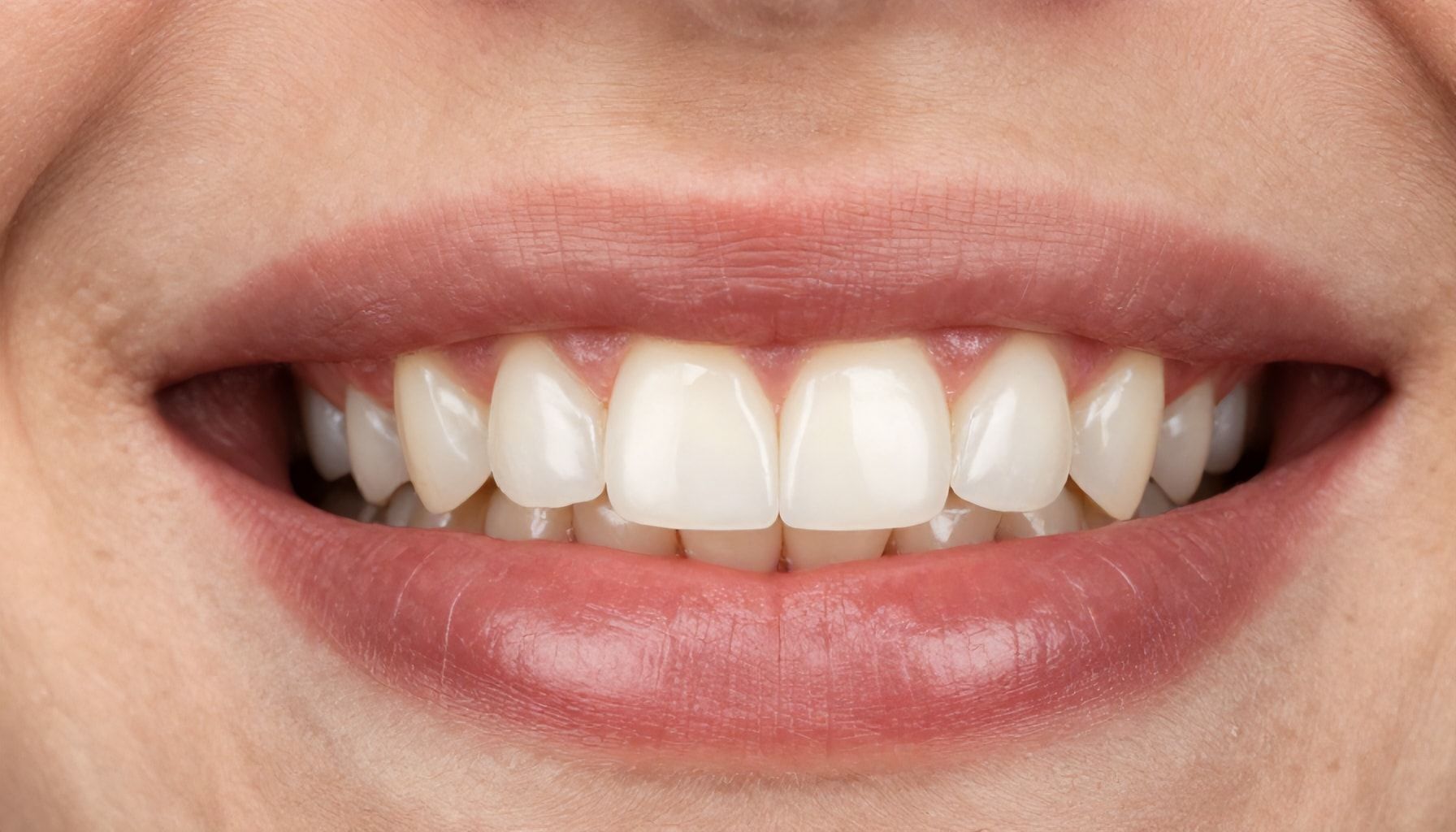
Composite bonding is one of the few cosmetic dental procedures that actually delivers on its promises—when done right. I’ve seen it fix everything from chipped front teeth to gaps that make people self-conscious. But here’s the thing: the results hinge on the dentist’s skill and the patient’s prep. Skip either, and you’ll end up with a smile that looks like it was glued together in a rush.
Step 1: The Consultation (Where 90% of Success Happens)
Your dentist should start by examining your teeth, discussing your goals, and taking photos. I’ve seen too many patients skip this step, only to regret it later. A good dentist will show you before-and-after examples—preferably their own work, not stock photos. They’ll also explain the limitations. Composite bonding can’t fix severe misalignment, but it can mask stains, close small gaps, and rebuild chipped edges.
- How many layers will you use? (More layers = more natural blending.)
- What shade will you match? (Avoid “whitest possible”—it’ll look fake.)
- How long will it last? (Typically 5–7 years, but heavy coffee drinkers may see wear sooner.)
Step 2: Prep Work (Less Is More)
The best bonding jobs require minimal prep. Your dentist might rough up the tooth surface slightly to help the composite adhere, but aggressive drilling is a red flag. I’ve seen cases where too much enamel was removed, leaving the tooth vulnerable. If you’re getting bonding to cover stains, the dentist should use a shade that matches your natural teeth—not blinding white.
| Tooth Condition | What the Dentist Should Do |
|---|---|
| Minor chip | Light etching, minimal shaping |
| Stained tooth | Color-matching, no drilling |
| Gaps between teeth | Layered buildup, natural contouring |
Step 3: The Bonding Process (Where Art Meets Science)
A skilled dentist will layer the composite in thin, translucent coats, curing each one with a special light. This mimics the way natural enamel reflects light. I’ve seen too many rushed jobs where the dentist slaps on one thick layer—it looks opaque and fake. The best results take 30–60 minutes per tooth. If your dentist rushes, walk out.
Ask to see the composite shade next to your natural teeth before they start. If it’s too white or too yellow, speak up. Once it’s cured, adjustments are nearly impossible.
Step 4: Finishing Touches (The Difference Between Good and Great)
After curing, the dentist should polish the composite to match your enamel’s texture. They’ll also check your bite to ensure the bonding doesn’t interfere with how your teeth meet. I’ve seen cases where the dentist skipped this step, leading to discomfort or premature wear.
If done right, composite bonding should blend seamlessly. It’s not permanent, but with proper care—avoiding staining foods and regular dental checkups—it can last years. And unlike veneers, it’s reversible. Just make sure you’re working with someone who treats it like an art, not a quick fix.
Achieving a radiant, natural-looking smile is easier than ever with composite bonding—a quick, minimally invasive solution that blends seamlessly with your teeth. Whether you’re addressing chips, gaps, or discoloration, this versatile treatment offers immediate results without extensive prep work or downtime. The durable resin material is carefully matched to your tooth color, ensuring a flawless finish that boosts confidence and enhances your appearance. For long-lasting results, maintain good oral hygiene and avoid habits like nail-biting or chewing on hard objects. Ready to transform your smile? Imagine the difference a brighter, more harmonious look could make—why wait to see the change?