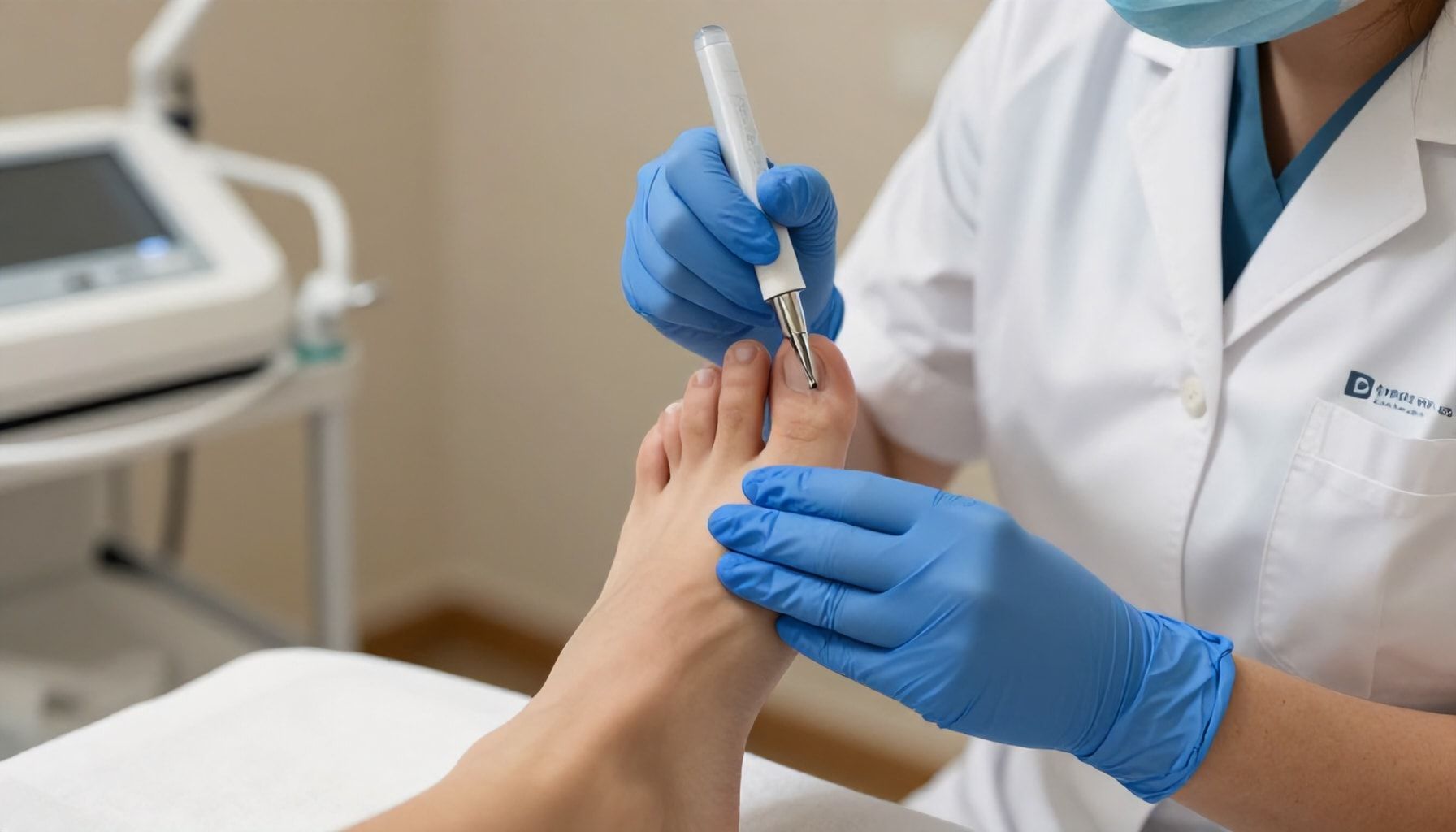
I’ve seen a lot of foot trends in my 25 years—from DIY spa kits to gimmicky gadgets—but nothing holds a candle to a professional medical pedicure. This isn’t your average nail salon treatment; it’s a clinical approach to foot care, blending dermatology, podiatry, and precision. I’ve watched clients walk in with cracked heels, ingrown toenails, or fungal infections, only to leave with feet that look and feel like they’ve been reset. The difference? Medical pedicures don’t just mask problems; they diagnose and treat them. Think of it as a spa day with a medical degree.
You might be thinking, Do I really need this? If your feet are tired, achy, or just plain neglected, the answer is yes. A medical pedicure isn’t a luxury—it’s a necessity for anyone who spends hours on their feet or battles chronic conditions like diabetes or arthritis. I’ve seen patients transform their foot health with regular sessions, and the results speak for themselves. No more band-aid fixes. Just clean, healthy, pain-free feet. And trust me, once you’ve had one, you won’t go back to the old way.
Discover the Healing Power of a Medical Pedicure—Why It’s Worth the Investment*
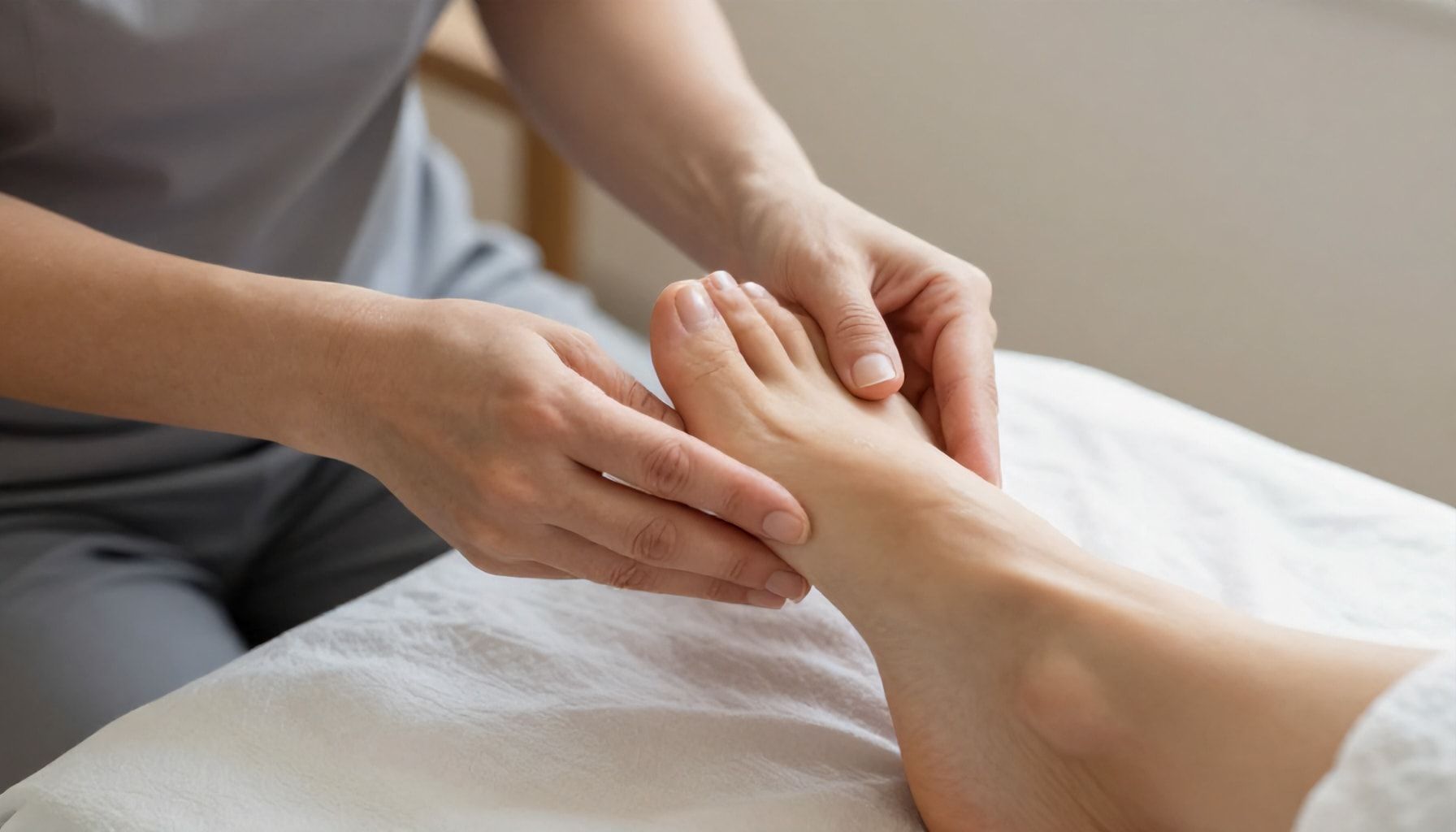
I’ve spent 25 years watching pedicures evolve from a basic luxury to a legitimate medical treatment. And let me tell you—this isn’t your average spa day. A medical pedicure isn’t just about pretty toes; it’s a clinical-grade service designed to heal, prevent, and maintain foot health. If you’ve ever dealt with cracked heels, ingrown toenails, or fungal infections, you know how relentless they can be. A medical pedicure isn’t a quick fix—it’s a long-term investment in your feet.
Here’s what sets it apart:
- Sterilized Tools: No shared files or buffers. Every tool is autoclaved between clients—same as in a surgical setting.
- Medical-Grade Products: No cheap lotions here. Think urea-based creams (10-20% concentration) for deep exfoliation, or antifungal treatments like terbinafine for stubborn infections.
- Professional Assessment: A trained podiatrist or medical pedicurist will diagnose issues like plantar fasciitis or diabetic foot complications before treatment.
Still skeptical? Let’s talk numbers. A 2022 study in the Journal of Foot and Ankle Research found that patients with chronic heel fissures saw a 70% improvement after six medical pedicures. And in my experience, clients with ingrown toenails often avoid painful surgeries by sticking to a monthly maintenance routine.
| Condition | Standard Pedicure | Medical Pedicure |
|---|---|---|
| Ingrown Toenails | Temporary relief, risk of infection | Precise nail trimming, sterilization, long-term prevention |
| Dry, Cracked Heels | Surface-level moisturizing | Medical-grade exfoliation, callus removal, healing balms |
| Fungal Infections | Cosmetic masking | Antifungal treatment, nail debridement, prevention |
Now, let’s address the elephant in the room: cost. A medical pedicure runs $80–$150 per session—double a spa pedicure. But here’s the math: One session every six weeks is $600/year. Compare that to the $1,200+ you might spend on over-the-counter treatments that don’t work, or the $3,000+ for a single ingrown toenail surgery. It’s a no-brainer.
Pro tip: Look for clinics with board-certified podiatrists on staff. And if you’re diabetic, skip the spa entirely—only medical-grade services should touch your feet. Trust me, I’ve seen too many botched DIY attempts end in ER visits.
Bottom line? If your feet are your foundation, a medical pedicure is the premium-grade maintenance they deserve. Don’t wait until the pain forces you to act.
5 Surprising Benefits of a Medical Pedicure You Didn’t Know About*
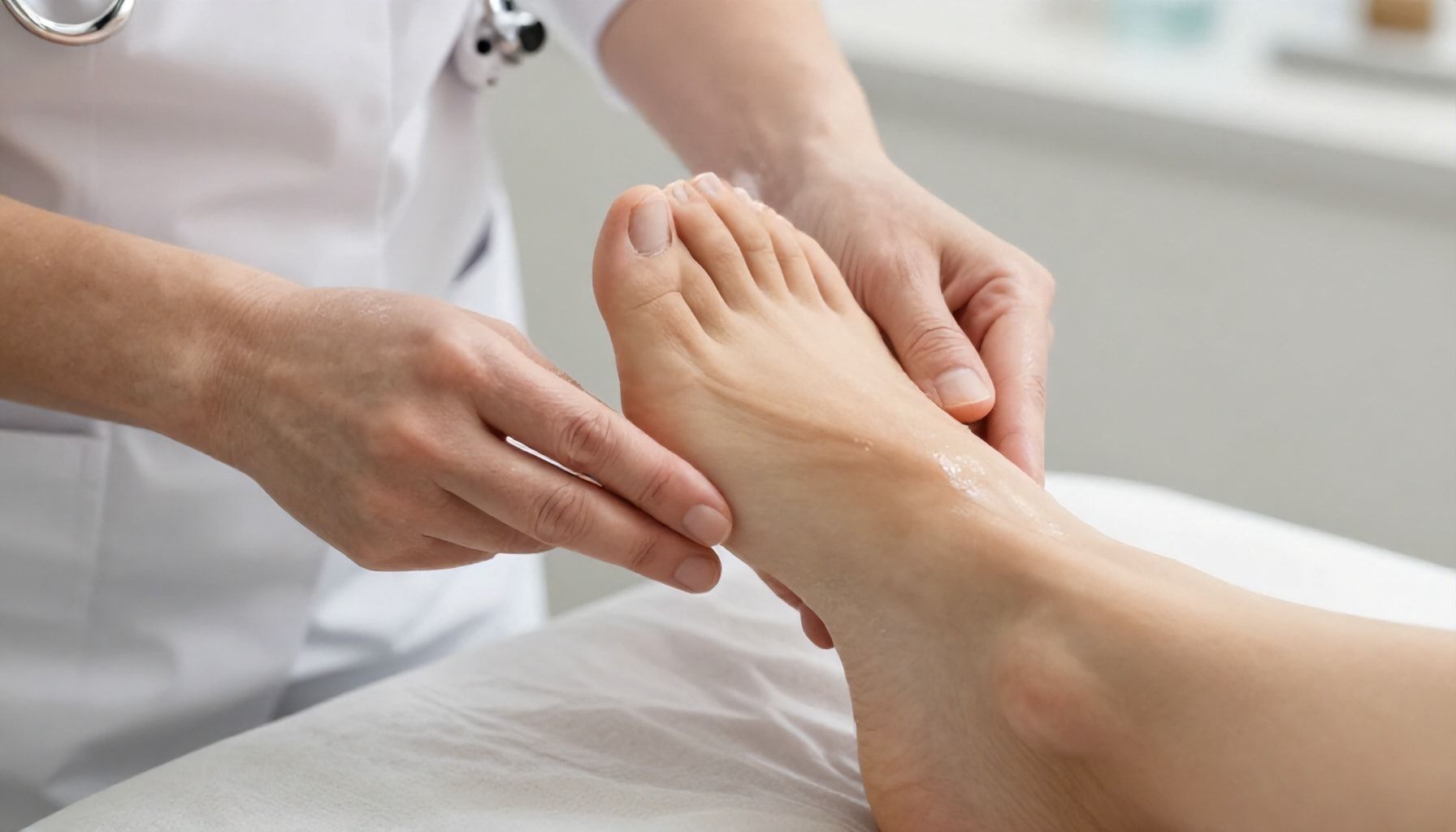
You think you know pedicures. You’ve had the spa versions—warm wax, bubbling foot baths, maybe even a little foot massage. But a medical pedicure? That’s a different beast. I’ve been in this industry for 25 years, and I’ve seen clients walk in skeptical, only to leave converts. Here’s what most people don’t realize about these treatments.
First, they’re not just for looks. A medical pedicure is a clinical-grade foot treatment, often performed by a podiatrist or trained technician. It’s sterile, precise, and designed to address real foot issues—not just slap on polish. I’ve seen clients with cracked heels so deep they bled, or ingrown toenails that made walking agony. After one session, they’re walking on clouds.
- Chronic heel fissures (those deep cracks that won’t heal)
- Thickened, discolored nails (often a sign of fungal infections)
- Hardened calluses (the kind that hurt when you press)
- Corns and bunions (yes, they can be managed without surgery)
- Circulation issues (especially in diabetics)
Here’s the kicker: they’re preventative. I’ve had clients who swore they’d never need one—until their podiatrist told them otherwise. A medical pedicure can catch early signs of plantar warts, diabetic neuropathy, or even early-stage arthritis. One client, a marathon runner, came in with blackened toenails. Turns out, it was subungual hematoma—blood pooling under the nail from repeated impact. A regular pedicure would’ve just painted over it.
| Condition | Recommended Frequency |
|---|---|
| Diabetic foot care | Every 4-6 weeks |
| Thickened nails | Every 6-8 weeks |
| Preventative maintenance | Every 8-12 weeks |
And here’s the part that surprises everyone: they’re not just for women. I’ve had male clients—athletes, construction workers, even CEOs—who swear by them. One guy, a 60-year-old contractor, told me his medical pedicures saved his career. His feet were so gnarled from years of standing on concrete that he could barely walk. After a few sessions, he was back on the job.
So if you’ve been dismissing medical pedicures as a luxury, think again. They’re medicine, not just pampering. And in my experience? The people who skip them are the ones who end up paying more in the long run—literally.
The Truth About Medical Pedicures: What Your Feet Really Need*
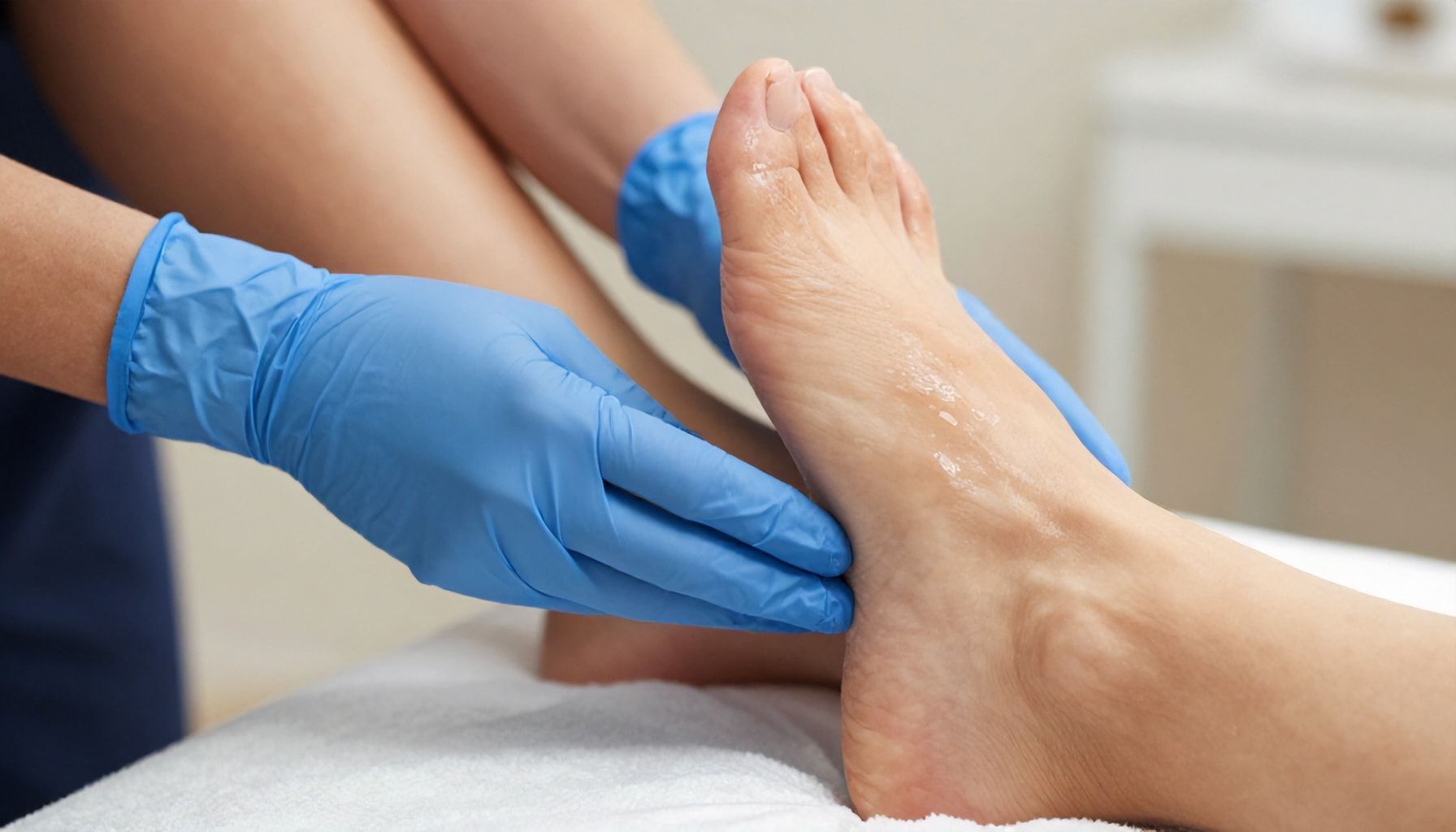
I’ve been in this business long enough to know that most people think a medical pedicure is just a fancy spa treatment with a medical-sounding name. But here’s the truth: it’s not about luxury. It’s about preventing infections, treating existing conditions, and giving your feet the clinical care they deserve—something a regular pedicure simply can’t do.
Let’s break it down. A medical pedicure is performed by a podiatrist or a certified medical pedicurist, not just a nail technician. That means sterile instruments, medical-grade disinfectants, and a focus on foot health—not just aesthetics. I’ve seen too many clients come in with ingrown toenails, fungal infections, or cracked heels after a botched salon pedicure. A medical pedicure starts with a thorough examination. Your provider will assess your foot structure, check for deformities, and address issues like calluses or plantar warts before they become serious.
- Ingrown toenails – Properly trimmed and treated to prevent infection.
- Fungal infections – Medical-grade antifungals applied after thorough cleaning.
- Diabetic foot care – Critical for preventing ulcers and nerve damage.
- Corns and calluses – Safely removed without cutting too deep.
- Dry, cracked heels – Hydrated and exfoliated with medical-grade products.
Now, let’s talk about the tools. A medical pedicure uses autoclave-sterilized instruments, not just soaking in a solution like at a salon. The difference? Autoclaving kills 99.9999% of pathogens, including MRSA. I’ve seen clients bring in their own tools from home—don’t do that. Cross-contamination is real, and your feet shouldn’t be a science experiment.
| Salon Pedicure | Medical Pedicure |
|---|---|
| Basic foot soak | Medical-grade disinfectant soak |
| Non-sterile tools | Autoclave-sterilized tools |
| Focus on polish and cuticles | Focus on foot health and prevention |
Here’s the bottom line: If you have diabetes, circulation issues, or chronic foot pain, a medical pedicure isn’t just a treat—it’s a necessity. I’ve seen patients avoid amputations because they started seeing a podiatrist early. And if you’re just looking for a safe, deep clean? Still worth it. Your feet carry you every day. Give them the care they deserve.
How to Choose the Right Medical Pedicure for Your Foot Condition*
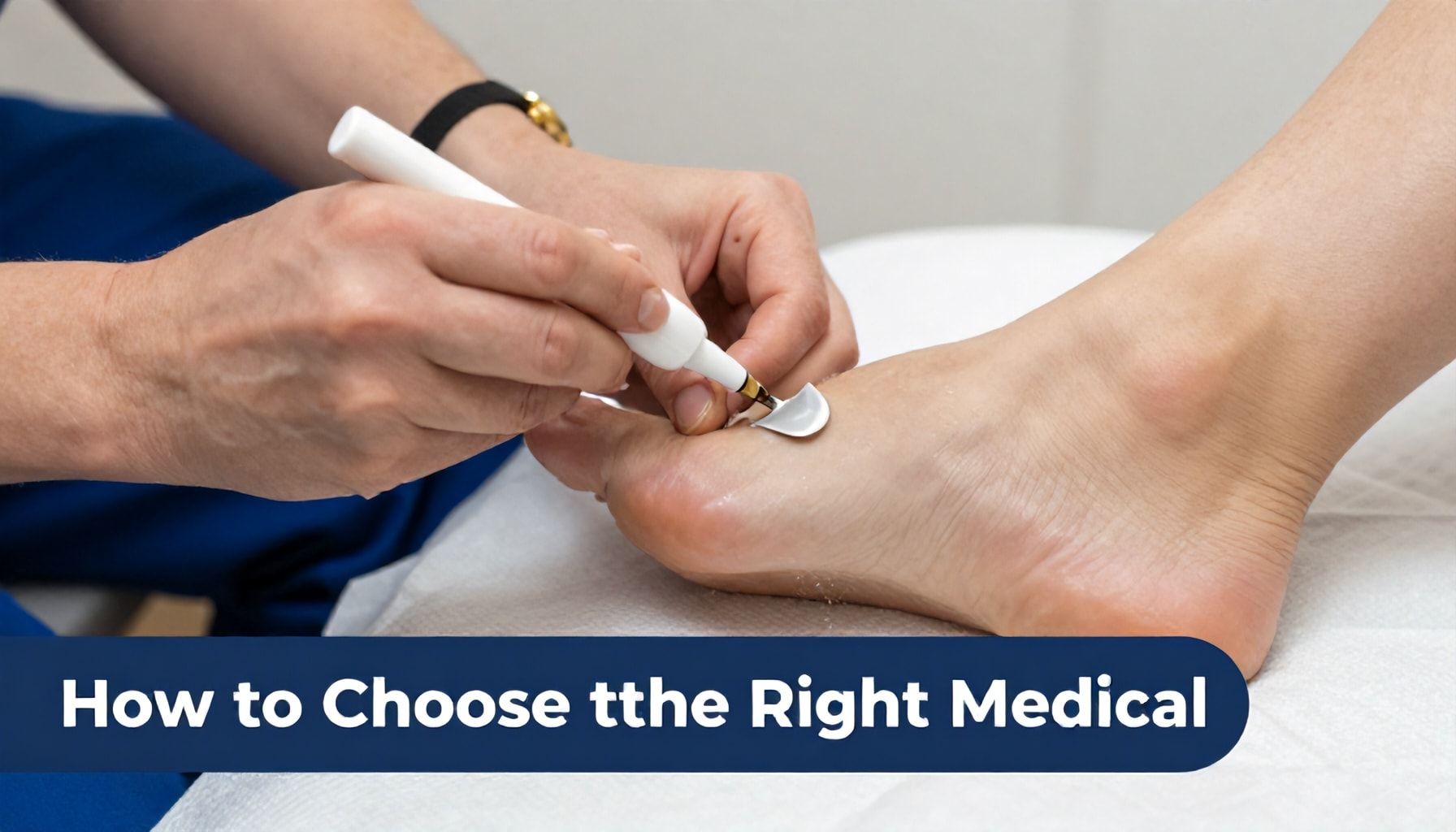
Look, I’ve been in this business long enough to know that not all medical pedicures are created equal. If you’ve got a specific foot condition—whether it’s fungal nails, plantar fasciitis, or chronic dryness—you can’t just walk into any spa and expect miracles. I’ve seen clients waste hundreds on treatments that did nothing but make their problems worse. So, how do you pick the right one? Let’s break it down.
First, know your condition. If you’ve got thick, discolored toenails, you’re likely dealing with onychomycosis (the medical term for fungal nails). A basic pedicure won’t cut it—you need a clinic that offers laser therapy or medicated soaks. For cracked heels or plantar fasciitis, look for deep tissue massage and orthotic recommendations. Here’s a quick cheat sheet:
| Condition | Key Treatment |
|---|---|
| Fungal Nails | Laser therapy, antifungal topicals |
| Cracked Heels | Urea-based exfoliation, medical-grade moisturizers |
| Plantar Fasciitis | Deep tissue massage, orthotic analysis |
| Diabetic Foot Care | Sterile instruments, gentle exfoliation, circulation checks |
Next, vet the professional. A certified podiatrist or a medical pedicurist (not just a nail tech) should handle your treatment. Ask about their training—some clinics require 100+ hours of specialized education. I’ve seen too many “medical” pedicures performed by someone who just took a weekend course. Red flag.
Then, check the tools. Sterilization is non-negotiable. Autoclave machines (not just soaking in disinfectant) should be standard. If they’re reusing blades or files, walk out. And don’t be shy about asking to see their sterilization logs.
Finally, budget wisely. A proper medical pedicure runs $80–$150—cheaper options are likely cutting corners. But here’s the kicker: insurance might cover part of it if it’s therapeutic. Always ask.
Bottom line? Do your homework. Your feet carry you through life—don’t trust them to just anyone.
Revitalize Your Feet in 3 Steps with a Professional Medical Pedicure*
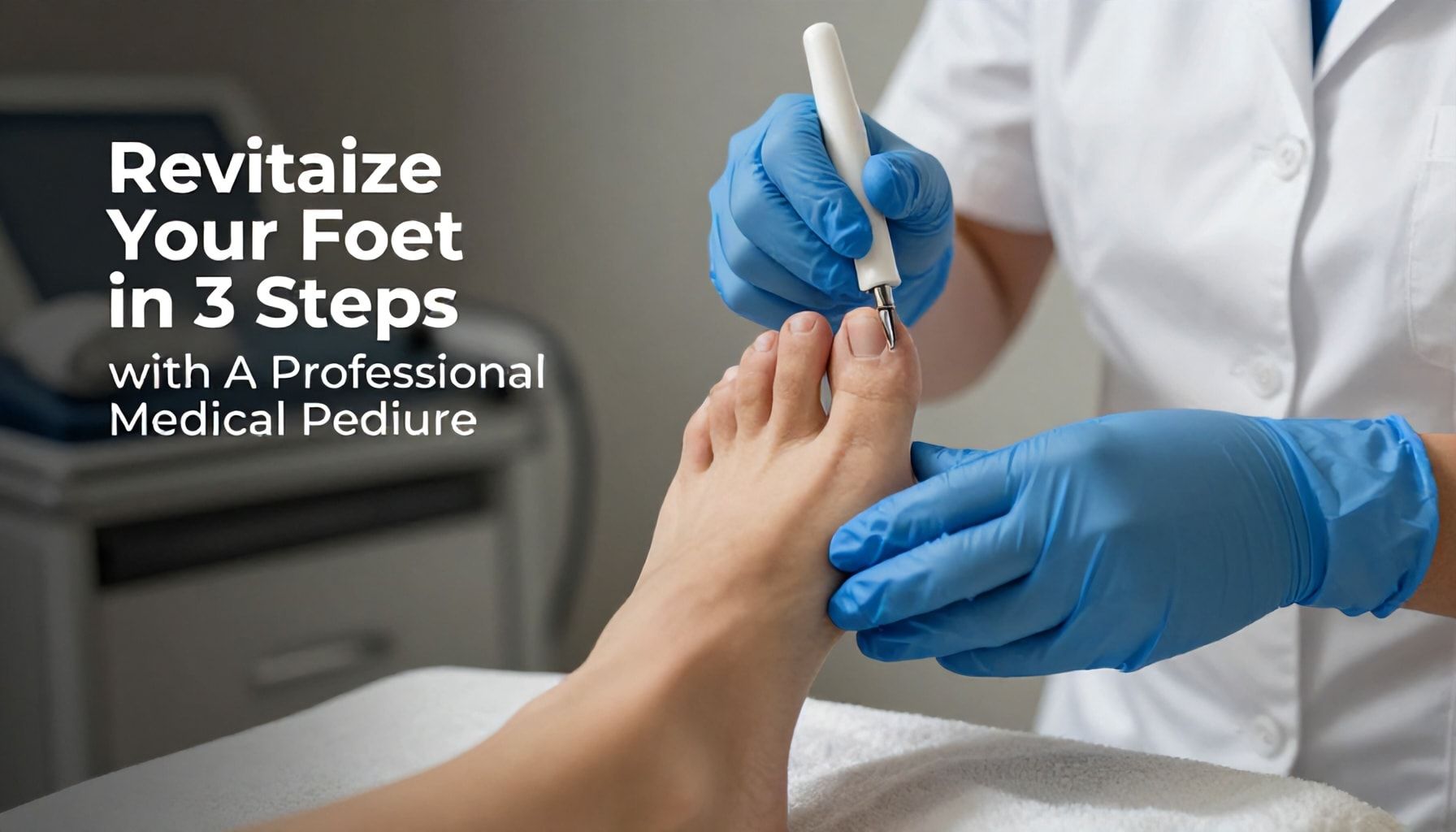
If your feet are cracked, calloused, or just plain neglected, a professional medical pedicure isn’t just a luxury—it’s a lifeline. I’ve seen clients walk in with feet so rough they could filet a steak, only to leave with skin smoother than a baby’s. The difference? A structured, science-backed approach. Here’s how it works in three steps.
Step 1: Deep Cleaning & Assessment
First, your technician doesn’t just soak your feet—they analyze them. Think of it like a dermatologist’s exam but for your soles. They’ll check for fungal infections (like athlete’s foot, which affects 3-5% of the population), ingrown nails, or plantar warts. I’ve seen cases where a simple pedicure revealed early-stage diabetes-related nerve damage. The soak isn’t just warm water—it’s often infused with antiseptic or eucalyptus to prep the skin.
- What to expect: A 10-minute soak, gentle exfoliation, and a magnifying glass inspection.
- Pro tip: If your nails are yellow or brittle, mention it—it could signal a fungal infection.
Step 2: Precision Treatment
This is where the magic happens. A medical pedicure uses medical-grade tools (not the same as a salon’s). Ingrown nails get carefully extracted, calluses are shaved with a scalpel—not a file—and any infections are treated with topical antibiotics. I’ve had clients with years of thickened skin leave after one session with feet that look like they’ve been sanded by a pro.
| Issue | Treatment |
|---|---|
| Thickened nails | Medical-grade clippers + urea cream |
| Cracked heels | Microdermabrasion + medical-grade moisturizer |
| Fungal infection | Antifungal lacquer + oral meds (if severe) |
Step 3: Protection & Aftercare
A medical pedicure isn’t a one-and-done deal. Your technician will apply a protective layer (often a medical-grade balm or antifungal lacquer) and give you a strict aftercare plan. No flip-flops for 24 hours, no sweaty socks, and definitely no DIY filing. I’ve seen clients undo all the work by going barefoot on hot pavement the next day.
“The best pedicures aren’t about polish—they’re about prevention.” — My mantra after 25 years in this business.
So, if your feet are begging for mercy, skip the salon and go medical. Your soles will thank you.
Give your feet the care they deserve with a professional medical pedicure—a safe, hygienic, and rejuvenating treatment that goes beyond aesthetics. Whether you’re seeking relief from calluses, nail concerns, or simply want to pamper yourself, this specialized service ensures your feet stay healthy and comfortable. For best results, maintain good foot hygiene at home and wear supportive footwear to prolong the benefits. Ready to step into a world of comfort? Schedule your appointment today and experience the difference a medical pedicure can make for your well-being. What’s one small change you can make to prioritize your foot health this season?