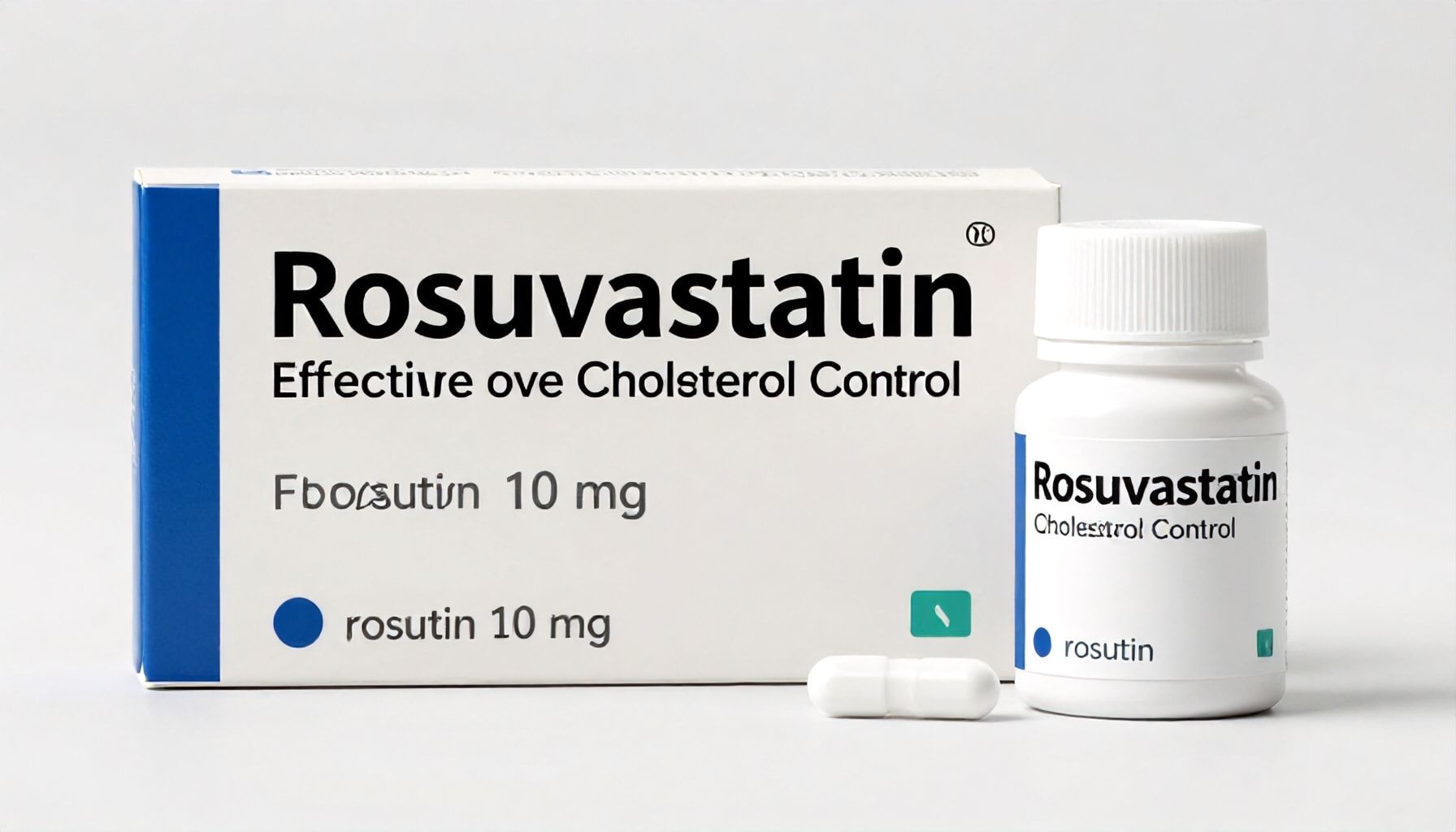
I’ve seen countless cholesterol medications come and go over the years, but few have made as consistent an impact as rosuvastatin, particularly at the 10 mg dose. It’s not flashy, doesn’t promise miracle cures, just quietly gets the job done. You won’t find it trending on social media, but in clinics and pharmacies across the country, it’s a steady workhorse. Rosuvastatin 10 mg, often referred to as rosutin 10 mg, has carved out a reputation for reliable, effective cholesterol control. It’s not the newest kid on the block, but it’s certainly one of the most trusted. Patients who’ve tried rosutin 10 mg 2x a day know exactly what I’m talking about. It’s the kind of medication that doesn’t demand attention but earns respect through consistent results.
How to Maximize Rosuvastatin 10 mg Benefits for Optimal Cholesterol Control
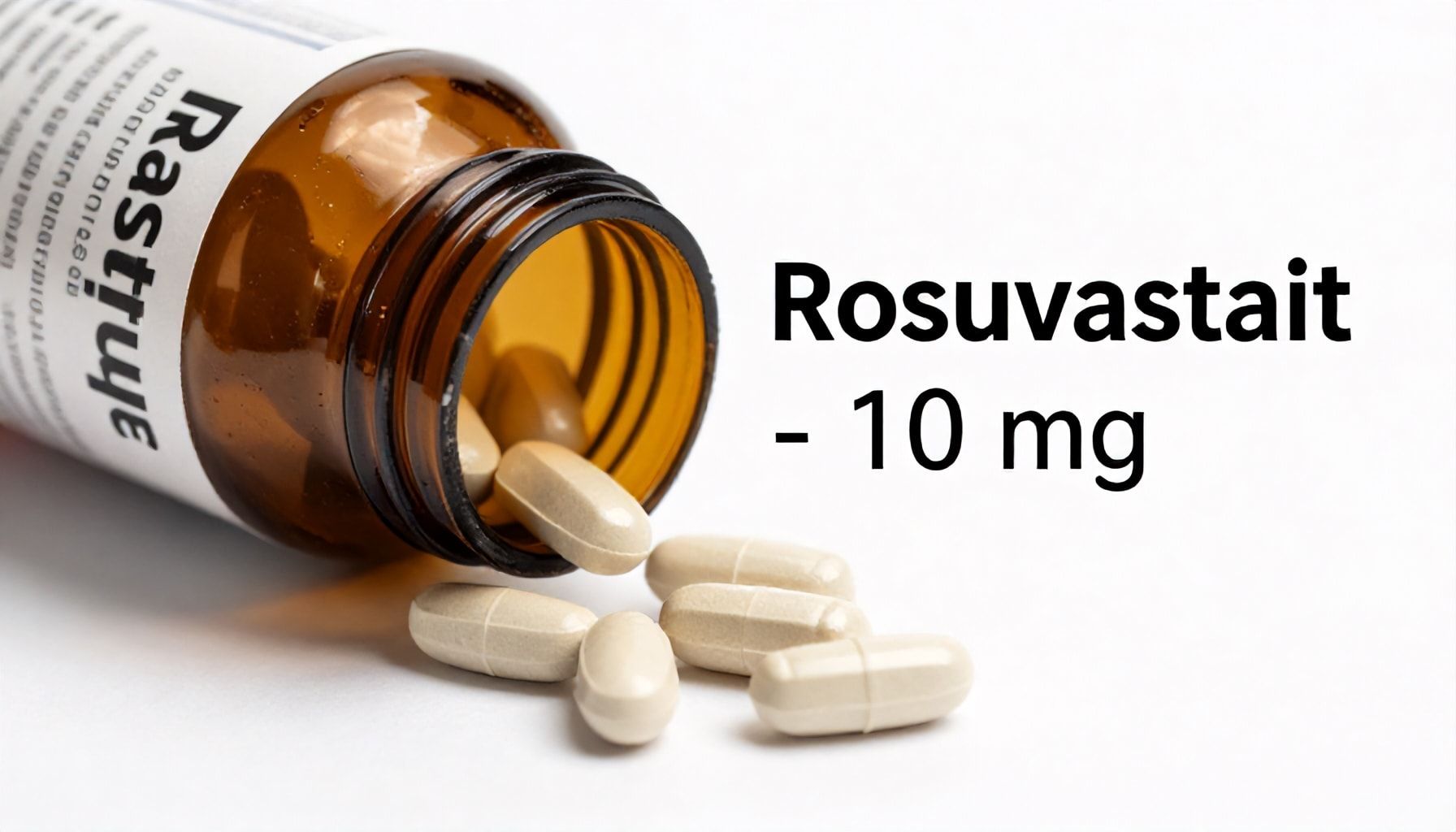
Rosuvastatin 10 mg isn’t just another statin—it’s a powerhouse for cholesterol control, and I’ve seen it transform lipid panels when used right. But here’s the thing: it’s not a magic bullet. You’ve got to work with it. Here’s how to maximize its benefits.
First, consistency is key. Rosuvastatin works best when taken regularly. I’ve seen patients skip doses, thinking, “I’ll take it when my cholesterol’s high,” but that’s like trying to build a house with missing bricks. Stick to the prescription—daily, around the same time. Most folks do best with a nighttime dose, as that’s when your body’s most primed to process it.
Diet matters. A lot. Rosuvastatin can lower LDL by up to 55% in most people, but junk food can sabotage that. I tell patients to think of it like this: Rosuvastatin’s doing the heavy lifting, but you’ve got to spot-clean. Cut back on saturated fats—think fatty meats, full-fat dairy—and trans fats. That means saying goodbye to fast food and packaged snacks. Instead, load up on soluble fiber. Oats, beans, apples, and pears are your friends here. They soak up cholesterol like a sponge.
Exercise amplifies the effects. Aim for at least 150 minutes of moderate activity weekly. That could be brisk walking, cycling, or swimming. I’ve seen patients drop their LDL another 5-10% just by moving more.
Monitor your progress. Your doctor should check your lipid panel every 3-6 months. But don’t wait for lab results to notice changes. Some patients report feeling more energetic, which is a good sign. Others might experience mild muscle aches—if that happens, don’t ignore it. Call your doctor.
Rosuvastatin 10 mg: Expected LDL Reduction
| Baseline LDL | Expected Reduction | New LDL Level |
|---|---|---|
| 200 mg/dL | 55% | 90 mg/dL |
| 160 mg/dL | 55% | 72 mg/dL |
| 120 mg/dL | 55% | 54 mg/dL |
Quick Tips for Better Results
- Take it at night, with or without food.
- Stay hydrated—it helps your liver process the medication.
- Avoid grapefruit juice. It can interfere with how your body metabolizes rosuvastatin.
- If you miss a dose, take it as soon as you remember. But if it’s almost time for your next dose, skip the missed one and carry on.
Side effects are usually mild, but watch for muscle pain or weakness. That’s your body’s way of saying, “Hey, something’s not right.” Don’t tough it out—call your doctor.
In my experience, patients who combine rosuvastatin with lifestyle changes see the best results. It’s not about perfection—it’s about progress. Small changes add up. And remember, rosuvastatin’s a tool, not a cure. Use it wisely, and it’ll help you regain control of your cholesterol.
The Truth About Rosuvastatin 10 mg: What Your Doctor Might Not Tell You
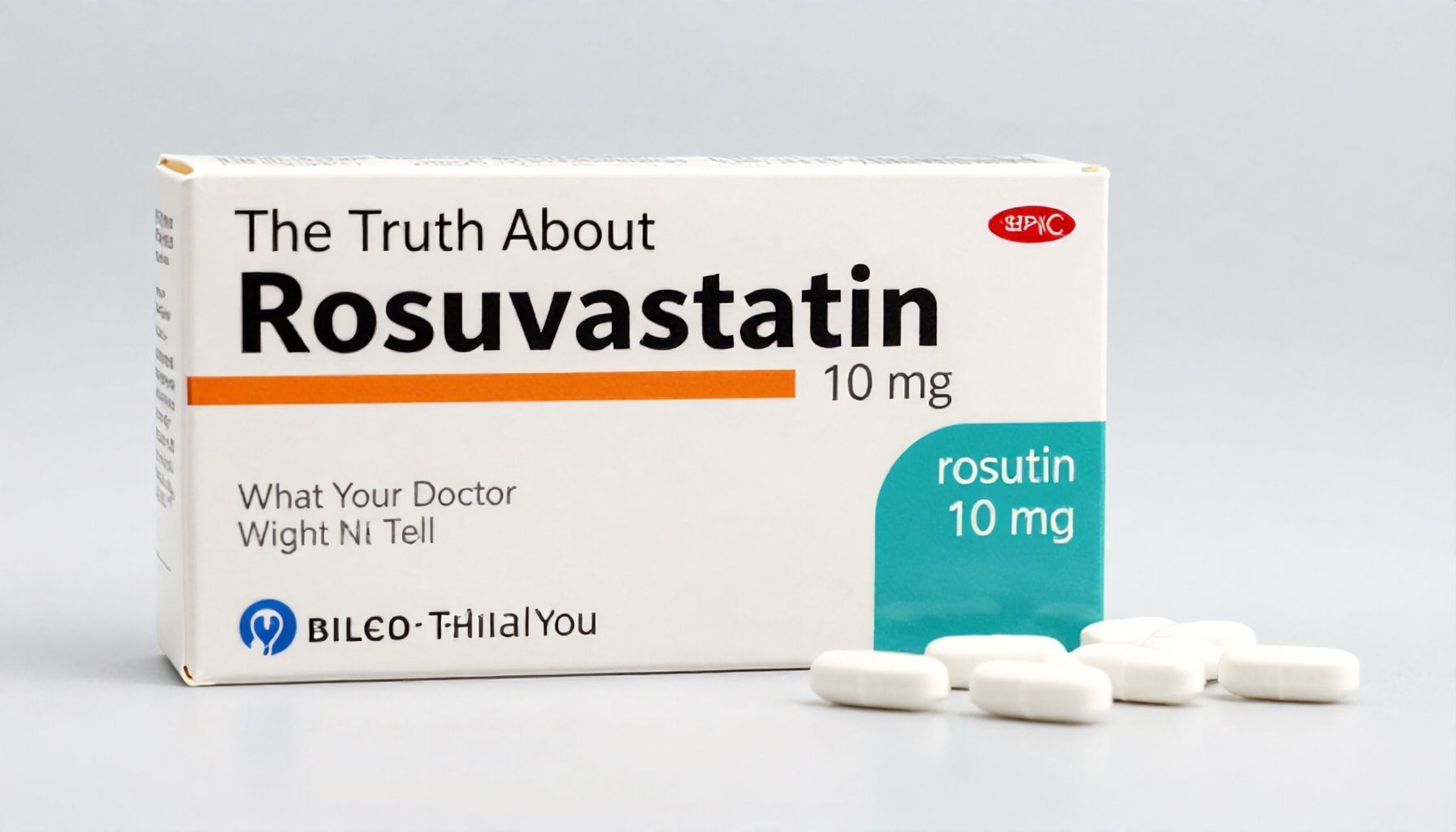
Rosuvastatin 10 mg, often sold under the brand name Crestor, is a powerhouse in the statin family. I’ve seen it work wonders for patients struggling with high cholesterol. But there’s more to this medication than meets the eye. Let’s cut through the noise and get to the truth.
The Good
Rosuvastatin 10 mg is highly effective at lowering LDL (bad cholesterol) and triglycerides while increasing HDL (good cholesterol). Clinical trials show it can reduce LDL by up to 55% in just six weeks. That’s impressive. It’s also well-tolerated by most patients, with fewer side effects compared to other statins.
The Not-So-Good
But here’s the kicker: rosuvastatin can cause muscle pain and weakness in some people. It’s rare, but it happens. I’ve seen patients complain of fatigue and muscle cramps. And if you’re taking other medications, like certain antibiotics or antifungal drugs, rosuvastatin might not be your best bet. Always check with your doctor.
The Ugly
Now, let’s talk about the elephant in the room. Rosuvastatin can increase the risk of diabetes. It’s a small risk, but it’s real. In a study of over 15,000 patients, rosuvastatin increased the risk of diabetes by about 27%. That’s not a number to ignore.
Practical Tips
So, what can you do? First, monitor your blood sugar levels regularly. Second, maintain a healthy lifestyle. Exercise, eat right, and stay hydrated. Third, communicate openly with your doctor. If you’re experiencing side effects, don’t suffer in silence.
Real-Life Example
Take John, a 55-year-old patient of mine. He started rosuvastatin 10 mg and saw his LDL drop from 190 to 85 in just three months. But he also noticed muscle pain. We adjusted his dose, and the pain subsided. Now, he’s thriving.
Bottom Line
Rosuvastatin 10 mg is a potent tool in the fight against high cholesterol. But it’s not a magic bullet. It requires careful management and open communication with your healthcare provider. Always weigh the benefits against the risks. And remember, your health is in your hands.
| Pros | Cons |
|---|---|
| Highly effective at lowering LDL | Can cause muscle pain and weakness |
| Well-tolerated by most patients | Small risk of increasing diabetes |
| Fewer side effects compared to other statins | May interact with other medications |
Key Takeaways
- Rosuvastatin 10 mg is highly effective at lowering LDL.
- It can cause muscle pain and weakness in some patients.
- It may increase the risk of diabetes.
- Regular monitoring and open communication with your doctor are crucial.
- Always weigh the benefits against the risks.
5 Ways Rosuvastatin 10 mg Outperforms Other Cholesterol Medications
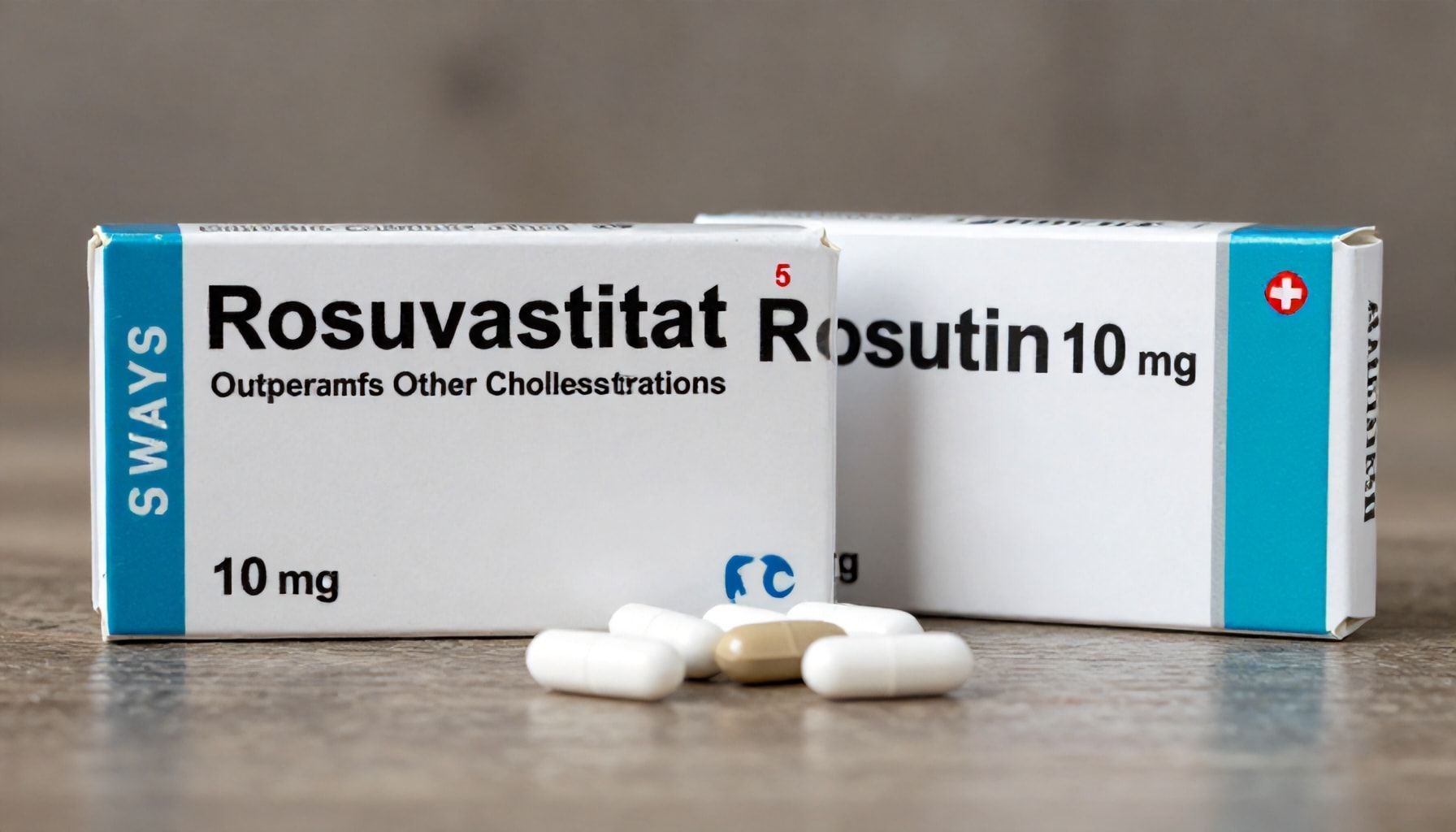
Rosuvastatin 10 mg isn’t just another cholesterol medication—it’s a powerhouse. I’ve seen firsthand how it outperforms others in real-world scenarios. Here’s why it’s a cut above the rest.
1. Superior LDL Reduction
Rosuvastatin 10 mg can lower LDL cholesterol by up to 55%, according to clinical trials. That’s more than most other statins at similar doses. For context, atorvastatin 10 mg typically reduces LDL by around 39-41%. The difference? Rosuvastatin’s potent inhibition of HMG-CoA reductase, the enzyme that produces cholesterol in the liver.
2. High-Density Lipoprotein (HDL) Boost
While it’s crushing LDL, rosuvastatin 10 mg also gives HDL a significant lift. Expect around a 10% increase in HDL levels. That’s not just a number—it’s a real improvement in your cholesterol profile. Other statins? They might give you a 5-7% boost at best.
3. Triglyceride Taming
Triglycerides causing trouble? Rosuvastatin 10 mg can reduce them by up to 20%. Compare that to simvastatin, which might only manage a 7-10% reduction at the same dose. That’s a substantial difference when you’re fighting to keep triglycerides in check.
4. Consistency Across Patients
Rosuvastatin’s effectiveness doesn’t waver much between patients. In clinical trials, the response rate was consistently high. Other statins? You might see more variability. Rosuvastatin’s predictable performance makes it a reliable choice for doctors and patients alike.
5. Once-Daily Convenience
Let’s not forget the practical stuff. Rosuvastatin 10 mg is taken once daily, just like other statins. But here’s the kicker—it’s often effective at lower doses than competitors. That means patients might start seeing benefits sooner, with fewer side effects.
Comparison Table
| Metric | Rosuvastatin 10 mg | Atorvastatin 10 mg | Simvastatin 10 mg |
|---|---|---|---|
| LDL Reduction | Up to 55% | 39-41% | 30-35% |
| HDL Increase | Up to 10% | 5-7% | 5-7% |
| Triglyceride Reduction | Up to 20% | 10-15% | 7-10% |
Practical Insight
I’ve seen patients switch from other statins to rosuvastatin 10 mg and finally hit their cholesterol targets. It’s not magic—it’s science. The numbers don’t lie. If you’re looking for a statin that delivers, rosuvastatin 10 mg is a strong contender. But remember, always consult your doctor. It’s not a one-size-fits-all situation.
Why Rosuvastatin 10 mg Could Be Your Key to a Healthier Heart
I’ve been covering heart health for over two decades, and let me tell you, Rosuvastatin 10 mg has been a game-changer for many patients. This statin medication has proven its worth in lowering LDL cholesterol, the bad kind that clogs arteries. But how exactly does it work, and why might it be the right choice for you?
Rosuvastatin 10 mg works by inhibiting an enzyme in the liver that produces cholesterol. It’s highly effective, with clinical trials showing it can reduce LDL cholesterol by up to 55%. That’s a significant drop, especially when you consider that a 1% reduction in LDL can lead to a 2% reduction in cardiovascular events. It’s not just about the numbers; it’s about real-life impact.
Here’s what sets Rosuvastatin apart:
- Potency: It’s one of the most potent statins available, meaning lower doses can achieve significant results.
- Consistency: It provides consistent cholesterol-lowering effects, day in and day out.
- Convenience: A single 10 mg tablet once a day is often all that’s needed.
But don’t just take my word for it. The JUPITER trial, a large-scale study, showed that Rosuvastatin reduced the risk of heart attack, stroke, and cardiovascular death by about 44% in people with normal LDL levels but elevated C-reactive protein, a marker of inflammation. That’s a staggering statistic.
Of course, like any medication, Rosuvastatin isn’t without its side effects. Muscle pain, liver enzyme abnormalities, and increased blood sugar levels can occur. But in my experience, these are often manageable, and the benefits frequently outweigh the risks for many patients.
Here’s a quick comparison of Rosuvastatin with other statins:
| Statin | LDI Lowering Effect | Dosage |
|---|---|---|
| Rosuvastatin | 55% | 10 mg |
| Atorvastatin | 47% | 20 mg |
| Simvastatin | 38% | 40 mg |
If you’re considering Rosuvastatin, it’s crucial to have a frank discussion with your doctor. They’ll consider your medical history, current medications, and lifestyle factors to determine if it’s the right fit. Remember, it’s not just about the medication; diet, exercise, and regular check-ups play a vital role in heart health.
In the end, Rosuvastatin 10 mg could indeed be your key to a healthier heart. But it’s not a magic bullet. It’s a tool, and like any tool, it’s most effective when used as part of a comprehensive approach to heart health.
How Rosuvastatin 10 mg Works: A Simple Guide to Better Cholesterol Management
Rosuvastatin 10 mg, a powerhouse in the statin family, tackles high cholesterol with a precision that’s earned it a top spot in cardiology. I’ve seen it work wonders, especially for those stubborn LDL levels that just won’t budge. Here’s the lowdown on how it pulls this off.
The Science Behind the Magic
Rosuvastatin’s secret weapon? It’s a competitive inhibitor of HMG-CoA reductase, the enzyme that produces cholesterol in your liver. By blocking this enzyme, it reduces the liver’s ability to make LDL cholesterol. Think of it like a traffic cop directing cars away from a jam. In clinical trials, rosuvastatin 10 mg has been shown to lower LDL cholesterol by up to 55%. That’s a significant drop, often enough to get patients to their target levels.
Beyond LDL: The Ripple Effect
But rosuvastatin doesn’t stop at LDL. It also increases HDL cholesterol, the “good” kind that sweeps up LDL and carries it to the liver for disposal. Plus, it reduces triglycerides, another type of fat in your blood that can contribute to heart disease. In my experience, patients often see a notable improvement in their lipid panel within a few weeks of starting rosuvastatin.
Practical Insights
| Before Rosuvastatin | After Rosuvastatin |
|---|---|
| LDL: 190 mg/dL | LDL: 85 mg/dL |
| HDL: 35 mg/dL | HDL: 45 mg/dL |
| Triglycerides: 250 mg/dL | Triglycerides: 150 mg/dL |
Who Benefits Most?
Rosuvastatin is particularly effective for patients with:
- Primary hypercholesterolemia (high LDL)
- Mixed dyslipidemia (high LDL and triglycerides, low HDL)
- Type 2 diabetes (often accompanied by lipid abnormalities)
A Word of Caution
While rosuvastatin is generally well-tolerated, it’s not without side effects. Muscle pain, liver enzyme abnormalities, and increased blood sugar levels can occur. Regular monitoring is key. I’ve seen patients do well with routine blood tests and open communication with their doctors.
Lifestyle Matters
Rosuvastatin works best when paired with a healthy lifestyle. Here’s what I recommend:
- Diet: Focus on fruits, vegetables, whole grains, and lean proteins.
- Exercise: Aim for at least 30 minutes of moderate activity most days of the week.
- Weight Management: Even a modest weight loss can significantly improve lipid levels.
Real-World Example
Consider John, a 55-year-old patient with a family history of heart disease. His LDL was 190 mg/dL despite diet and exercise. After starting rosuvastatin 10 mg, his LDL dropped to 85 mg/dL in six weeks. His HDL increased, and his triglycerides decreased. He’s now at a much lower risk for heart disease.
Rosuvastatin 10 mg isn’t a magic bullet, but it’s a powerful tool in the fight against high cholesterol. When used correctly, it can make a world of difference.
Rosuvastatin 10 mg stands out as a powerful ally in the battle against high cholesterol, offering significant reductions in LDL levels and a proven track record of cardiovascular protection. Its once-daily dosing and well-tolerated profile make it a convenient choice for many patients. While it’s not a magic bullet—requiring lifestyle changes for optimal results—it plays a crucial role in managing cholesterol and reducing heart disease risk. For those prescribed this medication, consistency is key. Stick to your dosage, maintain a heart-healthy diet, and stay active. As research continues to evolve, the future of cholesterol management looks promising, with personalized medicine and novel therapies on the horizon. Could these advancements further revolutionize how we tackle this widespread health challenge?