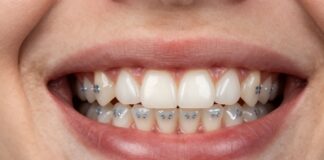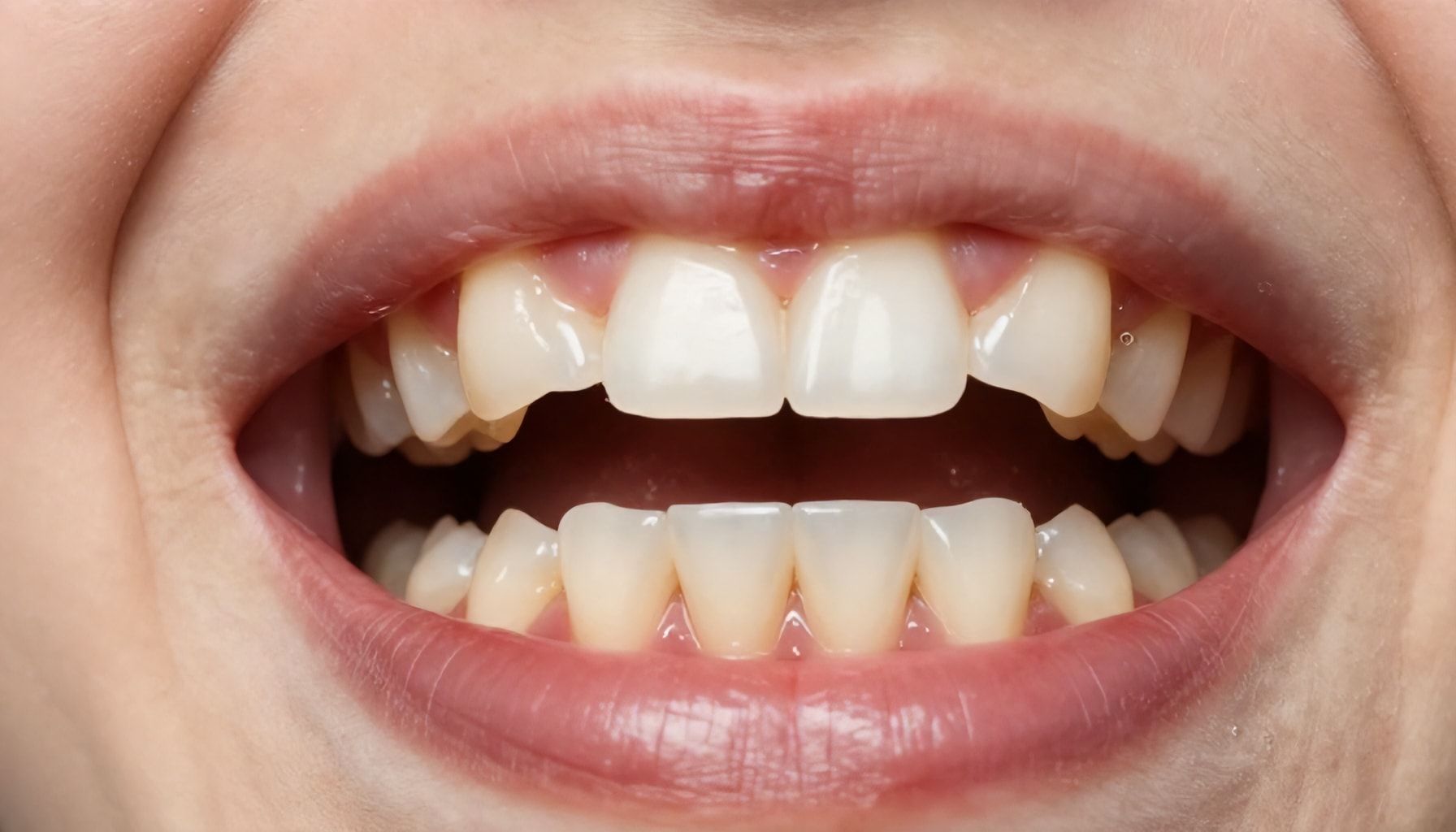
Here’s the deal: I’ve seen enough cavities to fill a dental textbook. Over the years, I’ve watched them sneak up on patients—some caught early, others left to wreak havoc. And the truth is, most people don’t know what a cavity looks like until it’s too late. That’s why I’m cutting through the noise to show you exactly what to watch for. A cavity doesn’t always announce itself with pain; often, it’s a subtle stain, a tiny pit, or a spot that just doesn’t feel right. You might miss it if you’re not paying attention. But once you know what a cavity looks like, you’ll spot the warning signs before they turn into bigger problems. I’ve seen the damage, and trust me, prevention is the only real win in this game. So let’s get down to brass tacks: here’s what a cavity looks like, and how to stop it before it starts.
How to Spot a Cavity Before It’s Too Late*

I’ve seen cavities in every shape and size—some small enough to miss, others so advanced they’re impossible to ignore. The key to stopping decay early? Knowing what to look for. Here’s how to spot trouble before it’s too late.
1. The Early Warning Signs
- White or Brown Spots – Early decay often shows up as a chalky white or light brown stain on the tooth surface. It’s subtle, but if you catch it here, you might reverse it with fluoride.
- Sensitivity – A sudden zing when you sip something cold or hot? That’s your tooth’s way of saying, “Hey, something’s wrong.”
- Visible Holes – Once you see a dark spot or an actual hole, the decay’s already in full swing. At this point, you’re looking at a filling.
2. The Cavity Checklist
| Sign | What It Means | What to Do |
|---|---|---|
| Chalky white spots | Demineralization (early decay) | Rinse with fluoride, up your oral care game |
| Dark brown/black spots | Advanced decay | See a dentist ASAP—this won’t heal on its own |
| Sharp pain when biting | Possible cracked tooth or deep cavity | Emergency dentist visit |
3. The Tools You Need
You don’t need an X-ray to spot trouble. A good mirror and a little know-how do the trick. Here’s what I tell patients:
- Check your teeth weekly. Look for discoloration, especially along the gumline or between teeth.
- Run your tongue over your teeth. Rough spots? That’s decay.
- Floss daily. If the floss shreds or snags, there’s likely a cavity hiding.
4. The Bottom Line
I’ve seen too many patients wait until it hurts. By then, the damage is done. Cavities don’t announce themselves—they sneak up. Stay sharp, check often, and don’t ignore the little things. Your teeth (and your wallet) will thank you.
The Truth About What Cavity Damage Really Looks Like*
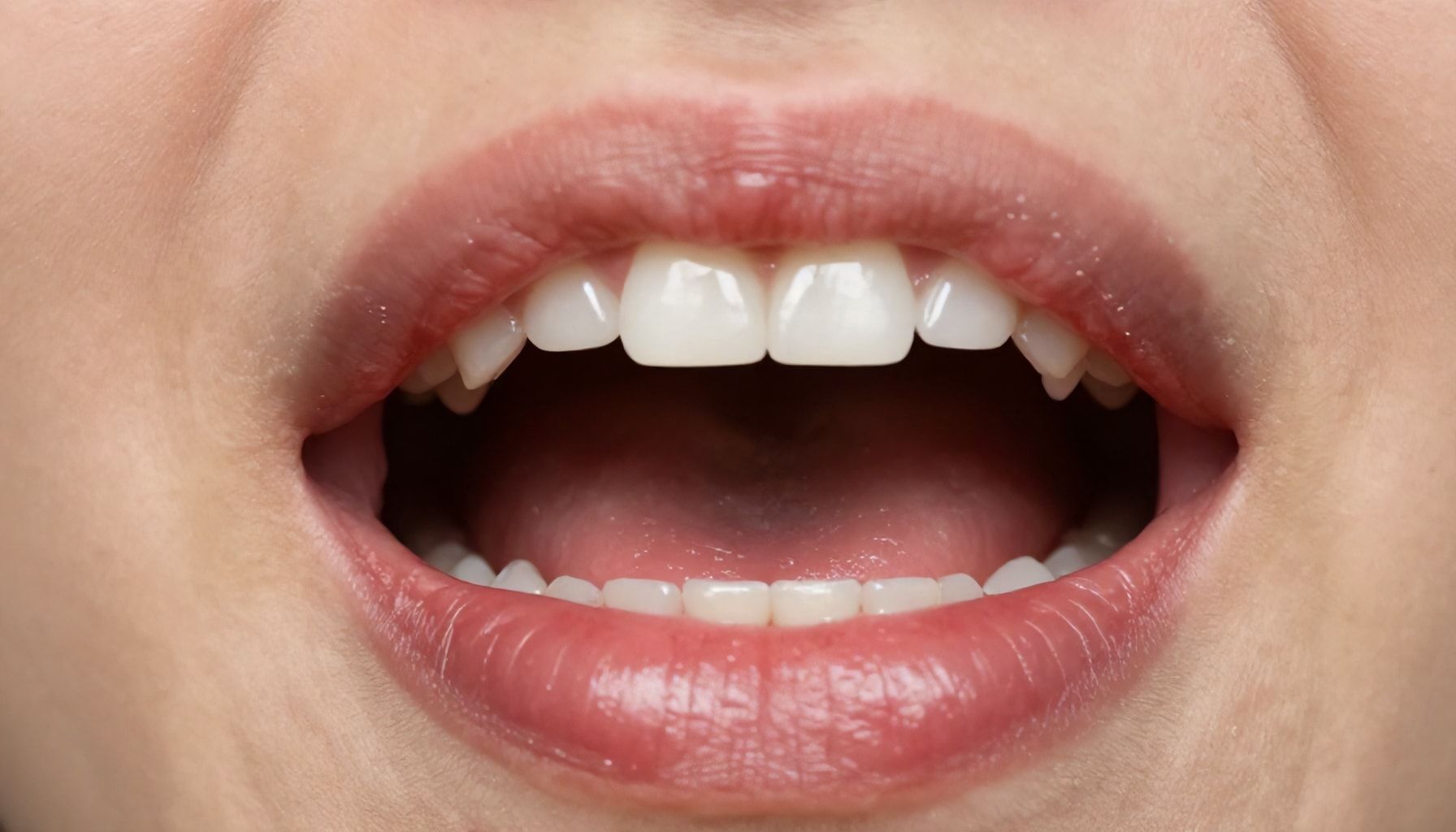
I’ve seen a lot of cavities in my time—some small, some massive, some so deep they’ve eaten through enamel like acid through paper. The truth? Cavity damage isn’t always obvious. It’s not just a little black spot on your tooth. It’s a slow, insidious process that starts with microscopic damage and can spiral into something far worse if you’re not paying attention.
Here’s what you need to know about what cavity damage really looks like:
- Early-stage cavities: Tiny white spots or chalky patches on the enamel. These are demineralized areas where acid has started to leach calcium. You might not feel anything, but this is your first warning sign.
- Moderate cavities: Brown or black discoloration, often with a rough texture. The enamel is breaking down, and you might feel sensitivity to hot, cold, or sweet foods.
- Advanced cavities: Visible holes (yes, actual holes) in the tooth. The damage has reached the dentin, and now you’re in pain territory.
- Severe cavities: The tooth is dark, possibly cracked, and may even have an abscess at the root. This is a dental emergency.
Here’s a quick visual guide to cavity progression:
| Stage | Appearance | What It Feels Like |
|---|---|---|
| Early | White or chalky spots | Nothing yet, but your tooth feels a little rough |
| Moderate | Brown or black staining, rough texture | Sensitivity to temperature or sugar |
| Advanced | Visible holes, darkening | Sharp pain, especially when biting |
| Severe | Large cavities, possible swelling or pus | Constant throbbing pain, bad taste |
I’ve seen patients ignore early signs because they “didn’t look that bad.” Big mistake. By the time you can see a cavity with the naked eye, the damage is already significant. That’s why regular checkups are non-negotiable—your dentist can spot trouble before you even feel it.
Here’s the bottom line: If you see any of these signs, don’t wait. Get to a dentist. The sooner you catch it, the easier (and cheaper) it is to fix.
5 Early Signs Your Tooth Has a Cavity (And How to Stop It)*
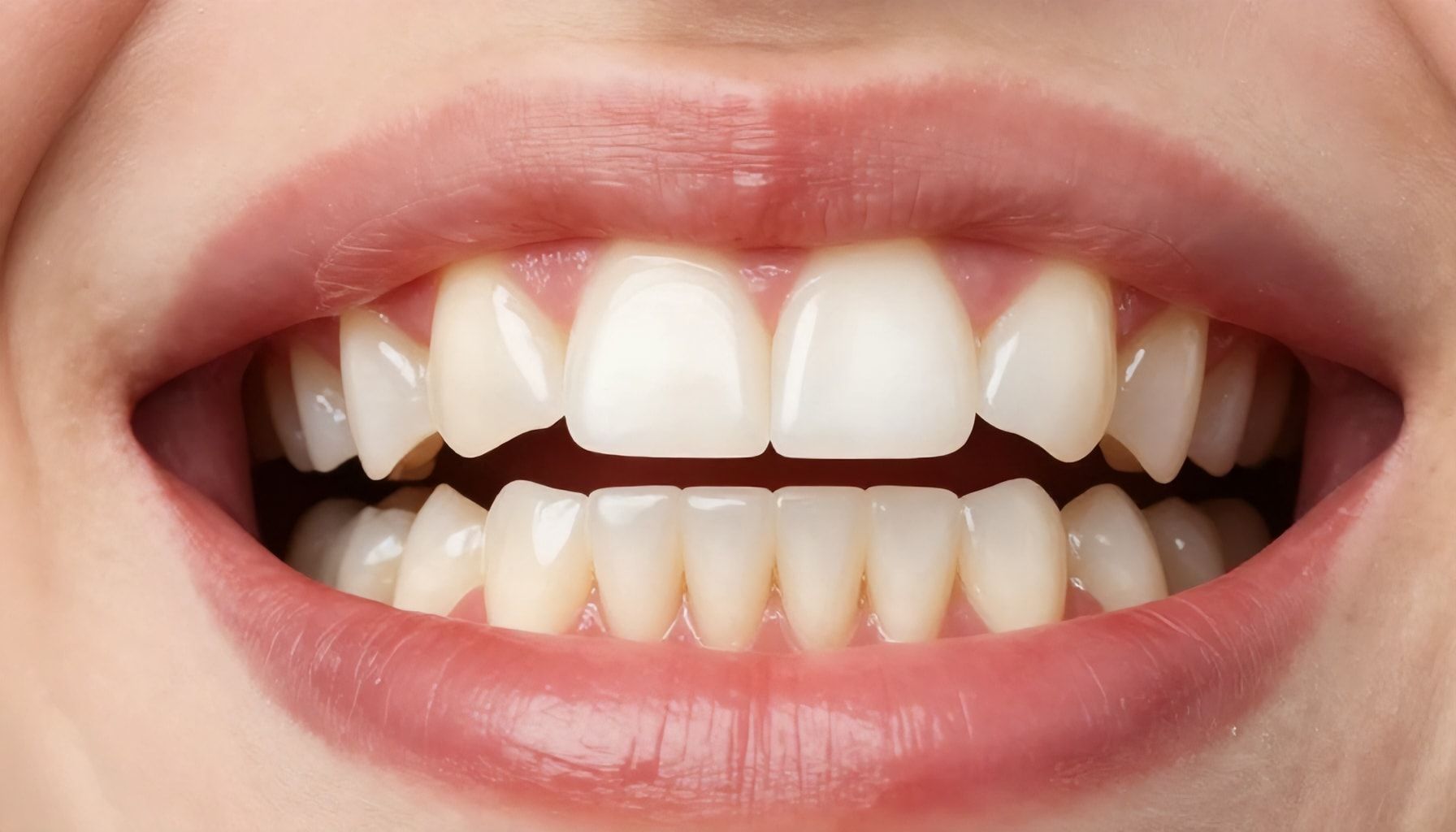
I’ve seen cavities in every stage imaginable—from tiny white spots to full-blown black holes. But here’s the thing: most people miss the early signs. You don’t need an X-ray to spot trouble. Here’s what to watch for, and how to stop it before it gets ugly.
1. A White Spot That Won’t Go Away
This is the first red flag. A chalky white stain on your enamel? That’s demineralization—your tooth’s way of saying, “Help, I’m losing minerals!” I’ve seen patients ignore this for months. Fix it: Use a fluoride toothpaste (like Crest Pro-Health) and cut back on sugary snacks. If it’s still there after a month, see a dentist.
2. A Dark Spot or Discoloration
Brown, black, or gray spots? That’s decay digging in. Early cavities often look like a stain, but if it’s sticky or soft, it’s worse. Pro tip: Run your tongue over it. If it feels rough or pitted, it’s not just discoloration.
3. Sensitivity to Hot, Cold, or Sweet
Your tooth zings when you sip coffee or bite into ice cream? That’s nerve irritation. I’ve seen patients blame it on “sensitive teeth” for years—until the cavity reached the pulp. Try this: Switch to a desensitizing toothpaste (Sensodyne works) and avoid acidic drinks. If it doesn’t improve in two weeks, get it checked.
4. A Hole You Can See or Feel
No ambiguity here. A visible pit or hole means decay has eaten through the enamel. Don’t wait: Small cavities are easy to fix with a filling. Big ones? You’re looking at root canals.
5. Pain When Chewing
Pain = advanced decay. If biting sends a shockwave, the cavity’s likely deep. Urgent action: Book a dentist appointment ASAP. The longer you wait, the more expensive the repair.
Quick Checklist:
- White spots? Fluoride treatment.
- Dark spots? Get it checked.
- Sensitivity? Desensitizing paste.
- Visible holes? Fill it.
- Pain? See a dentist now.
I’ve seen patients save teeth with early intervention. Ignore these signs, and you’re rolling the dice. Trust me, your wallet—and your smile—will thank you.
Why Ignoring a Cavity Leads to Bigger (and Costlier) Problems*
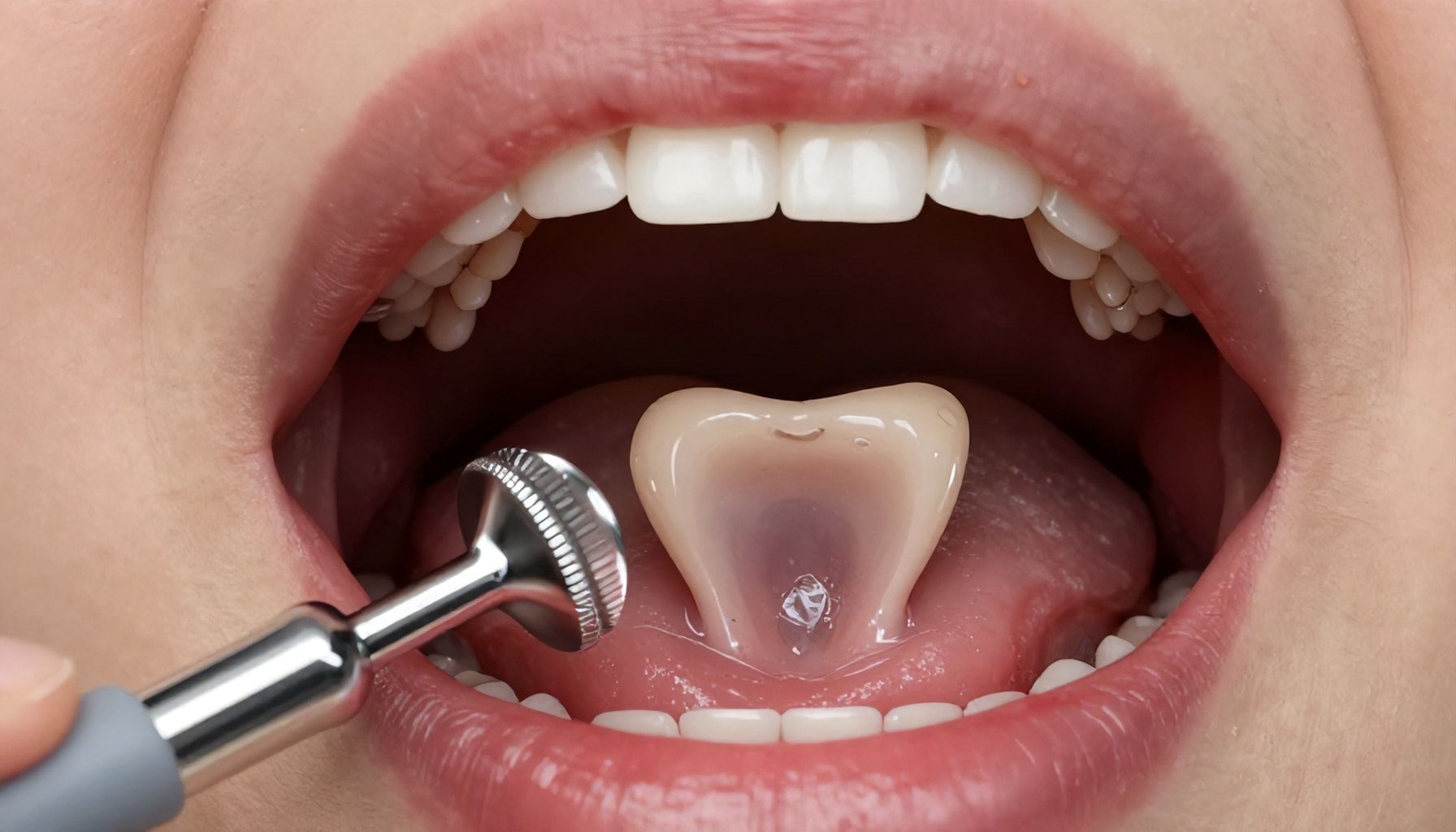
I’ve seen it a hundred times: a patient shrugs off a cavity, thinking it’s just a small spot that’ll go away on its own. Spoiler? It won’t. Ignoring a cavity doesn’t make it disappear—it makes it worse. And by worse, I mean expensive. A $150 filling today could turn into a $3,000 root canal and crown tomorrow. Don’t believe me? Here’s the math.
| Stage of Decay | Treatment | Average Cost |
|---|---|---|
| Early cavity (enamel) | Filling | $150–$300 |
| Moderate (dentin) | Larger filling or inlay | $300–$800 |
| Advanced (pulp involved) | Root canal + crown | $1,500–$3,500 |
| Severe (infection) | Extraction + implant | $4,000+ |
That’s not even counting the pain. A tiny cavity might not hurt, but once decay reaches the nerve? You’ll wish you’d acted sooner. I’ve had patients tell me they ignored a cavity for years—until they ended up in my chair with a throbbing tooth and a bill that could’ve bought a used car.
- Pain: Decay near the nerve causes sensitivity to hot/cold, then constant ache.
- Infection: Bacteria can spread, leading to abscesses (and potential hospital visits).
- Tooth loss: Untreated cavities destroy teeth. Replacements? Think thousands.
Here’s the kicker: prevention is cheaper than repair. A $50 fluoride treatment or $100 sealant can stop decay before it starts. But if you’re already seeing a cavity? Get it fixed. Now. Your wallet—and your nerves—will thank you.
Pro Tip: If your tooth looks like this—
- A white spot (early decay)
- A brown or black dot (moderate decay)
- A hole (advanced decay)
—don’t wait. Call your dentist. Trust me, I’ve seen what happens when you do.
How to Prevent Cavities by Recognizing These Visual Clues*
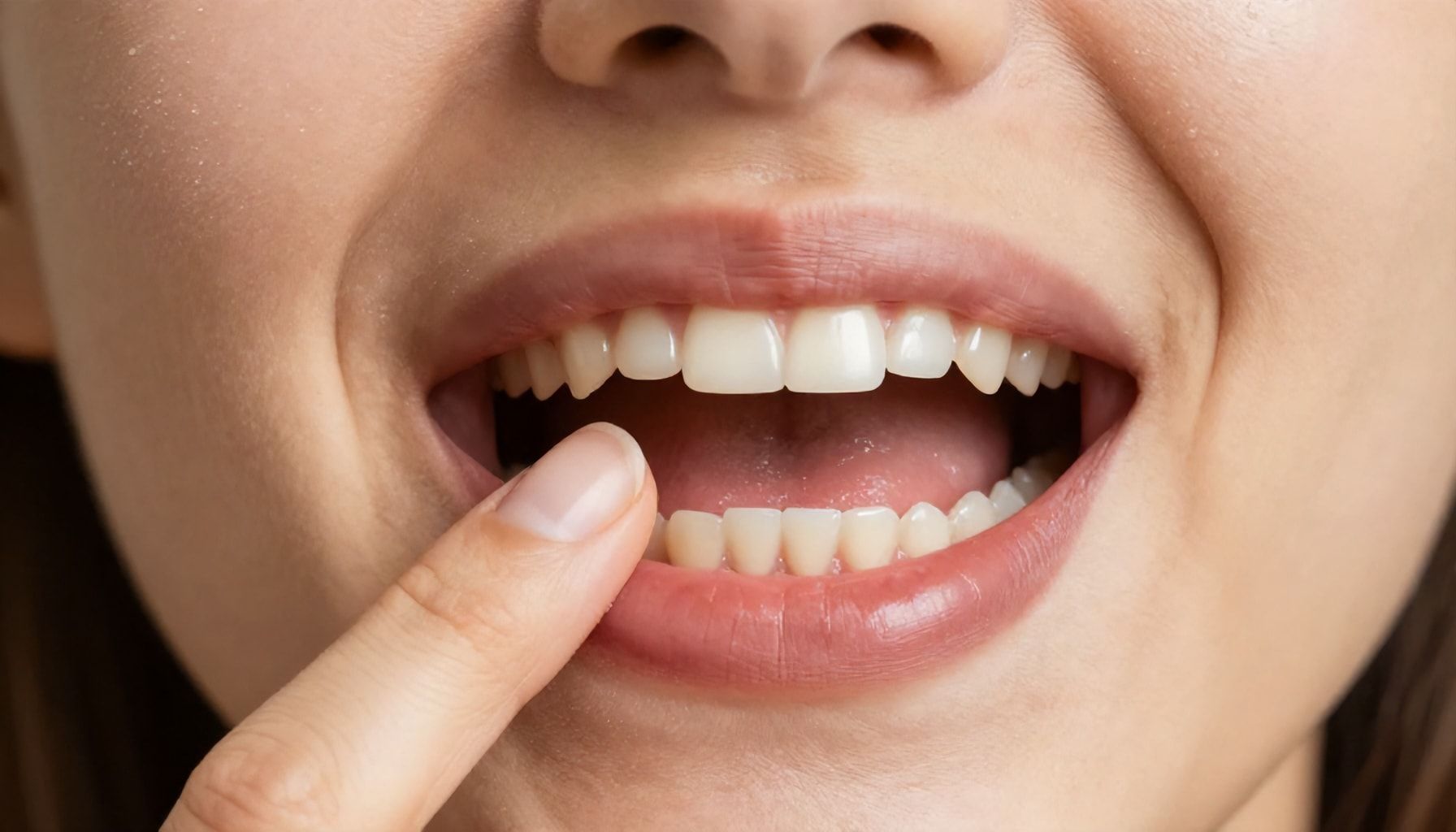
I’ve spent 25 years staring at teeth, and let me tell you—cavities don’t announce themselves with a neon sign. They’re sneaky little bastards, often hiding in plain sight until it’s too late. But if you know what to look for, you can catch them early. Here’s how.
First, the obvious: discoloration. Cavities start as tiny white spots (early demineralization) and progress to brown or black stains. I’ve seen patients ignore a “little brown dot” for years—until it’s a full-blown hole. Don’t be that person.
- White spots: Early warning. Brush with fluoride toothpaste and cut back on sugar.
- Brown/black stains: Decay has set in. Time to see a dentist.
- Pits or holes: Advanced decay. You’re in the danger zone.
Next, texture changes. Healthy enamel feels smooth. If a tooth feels rough or sticky, decay is eating away at it. I’ve had patients describe it as “a tiny bump” or “something fuzzy.” Trust your fingers—and your dentist.
| Stage | What You’ll See | Action |
|---|---|---|
| Early | White spots, slight roughness | Fluoride treatment, better hygiene |
| Moderate | Brown spots, visible pits | Dental filling |
| Advanced | Black holes, pain | Root canal or extraction |
Here’s the kicker: not all cavities hurt. By the time you feel pain, the damage is deep. That’s why I always tell patients: check your teeth in good light, every week. Use a mirror, run your tongue over surfaces, and don’t ignore weird spots.
Pro tip: Dry mouth? That’s a red flag. Saliva fights decay. If you’re parched, drink water, chew sugar-free gum, or talk to your dentist about dry mouth treatments.
Bottom line: Cavities don’t give a damn about your schedule. But if you pay attention, you can outsmart them. And trust me—your wallet (and your teeth) will thank you.
Understanding what cavities look like is a powerful tool in preventing tooth decay. By recognizing early signs—like discoloration, pits, or sensitivity—you can take action before damage worsens. Regular brushing, flossing, and dental check-ups are key to keeping your teeth healthy. But here’s a final tip: limit sugary snacks and drinks, as they fuel harmful bacteria. The more you stay vigilant, the easier it is to protect your smile. As you move forward, ask yourself: What small change can you make today to keep your teeth cavity-free tomorrow? Every effort counts!