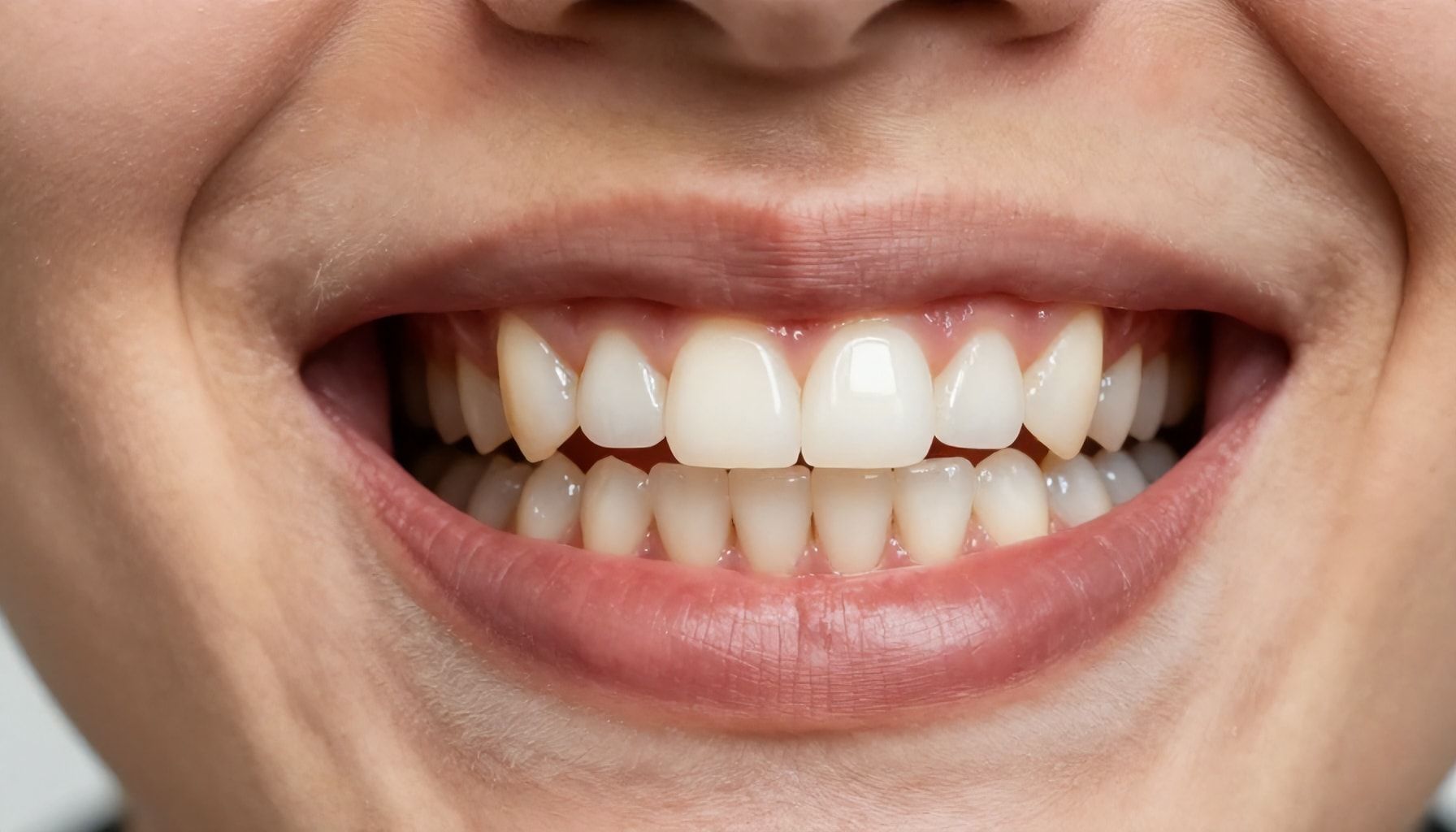
I’ve seen a lot of smiles in my time—crooked, crowded, gapped—and I’ve watched orthodontics evolve from metal mouth to nearly invisible fixes. Back in the day, braces were a rite of passage for teens, but these days? Adult orthodontics is booming. And why not? Straight teeth aren’t just for kids. They’re for anyone who’s tired of hiding their smile or struggling with misalignment. You’re never too old to fix what’s been bugging you for years.
The truth is, adult orthodontics isn’t just about aesthetics—though, let’s be real, a confident smile changes everything. It’s about function, too. Crooked teeth can lead to headaches, jaw pain, or even digestive issues. And with options like clear aligners, lingual braces, or discreet ceramic brackets, there’s no reason to live with a smile you don’t love. I’ve seen patients in their 60s transform their bites and their confidence. Age is just a number when it comes to straightening your teeth. The only question is: Why wait?
Why Adult Orthodontics Can Transform Your Confidence (And It’s Not Just About Looks)*
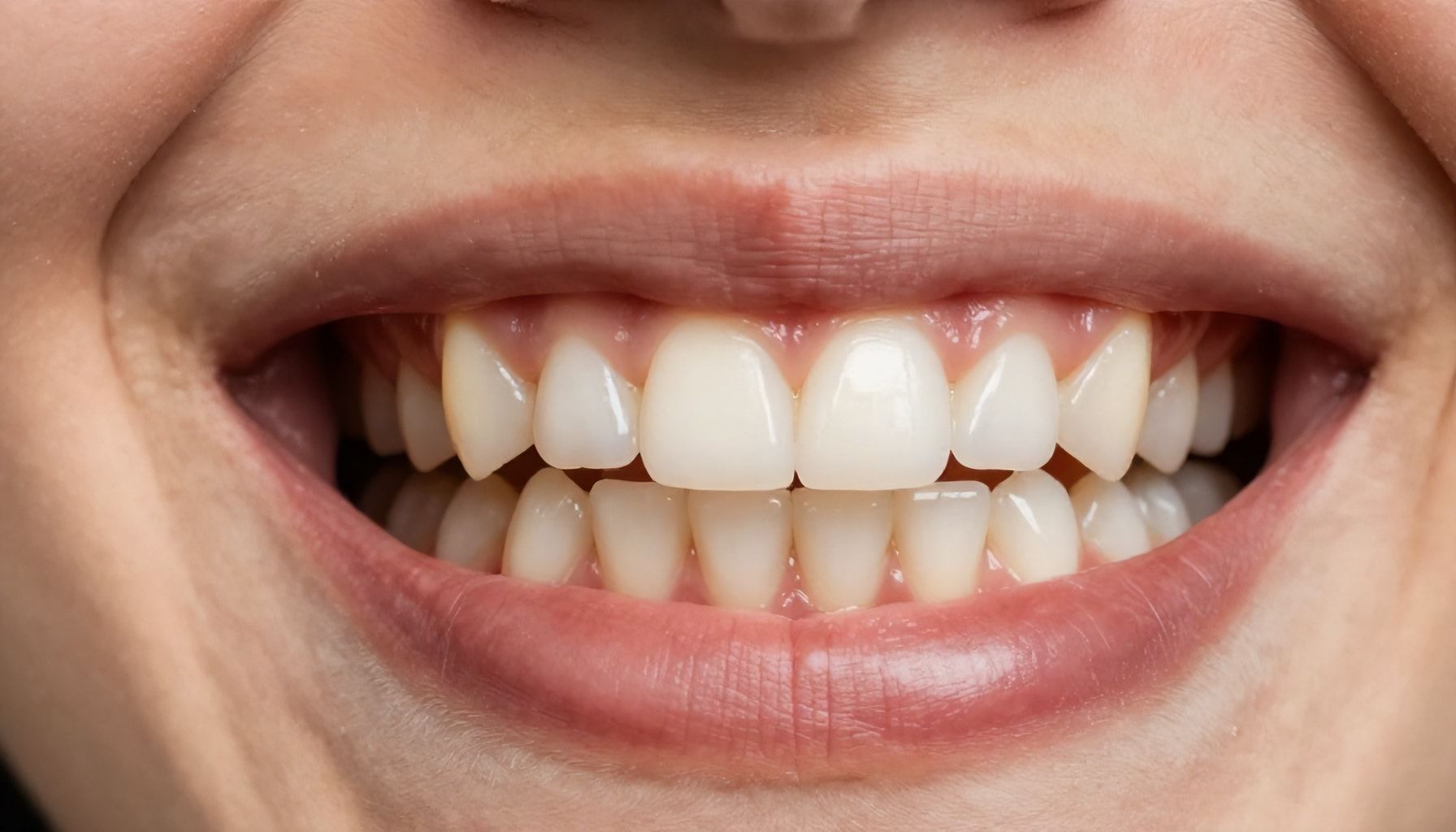
I’ve seen it a hundred times: a patient walks in, shoulders slumped, avoiding eye contact, and by the time their treatment’s done, they’re standing taller, smiling wider. Adult orthodontics isn’t just about straightening teeth—it’s about reclaiming confidence. And no, it’s not just about looks. It’s about how you feel in your own skin, how you present yourself, and how the world responds to you.
Here’s the hard truth: crooked teeth, gaps, or misaligned bites don’t just affect your smile. They can mess with your speech, make chewing a chore, and even lead to long-term jaw pain. I’ve had patients tell me they stopped laughing in photos, hesitated before speaking up in meetings, or avoided dating because they felt self-conscious. That’s not just vanity—it’s a quality-of-life issue.
- Speech issues: Overbites or gaps can make certain sounds harder to pronounce, affecting clarity.
- Digestive problems: Poor chewing leads to incomplete digestion, which can cause bloating and nutrient absorption issues.
- TMJ pain: Misalignment strains jaw joints, leading to headaches, neck pain, and even earaches.
And let’s talk about the ripple effect. I’ve seen careers shift after orthodontic treatment. One client, a 42-year-old sales rep, told me he closed more deals after straightening his teeth—because clients took him more seriously. Another, a 35-year-old nurse, said her patients trusted her more when she smiled without hesitation. It’s not magic; it’s psychology. A confident smile makes you approachable, authoritative, and memorable.
But here’s the kicker: adult orthodontics isn’t one-size-fits-all. Clear aligners? Great for subtle corrections. Traditional braces? Still the gold standard for complex cases. Lingual braces? Invisible but effective. The key is working with an orthodontist who gets your lifestyle and goals.
| Treatment Type | Best For | Average Duration |
|---|---|---|
| Clear Aligners (e.g., Invisalign) | Mild to moderate crowding, minimal rotation | 6–18 months |
| Traditional Braces | Severe crowding, deep bites, complex cases | 18–24 months |
| Lingual Braces | Professionals who want invisibility but need strong correction | 12–24 months |
Bottom line? If you’ve been putting it off, stop. I’ve seen 60-year-olds transform their smiles and their confidence. It’s never too late. And trust me, the payoff—both personally and professionally—is worth every penny.
The Truth About Adult Braces: What to Expect (And How to Make It Easier)*
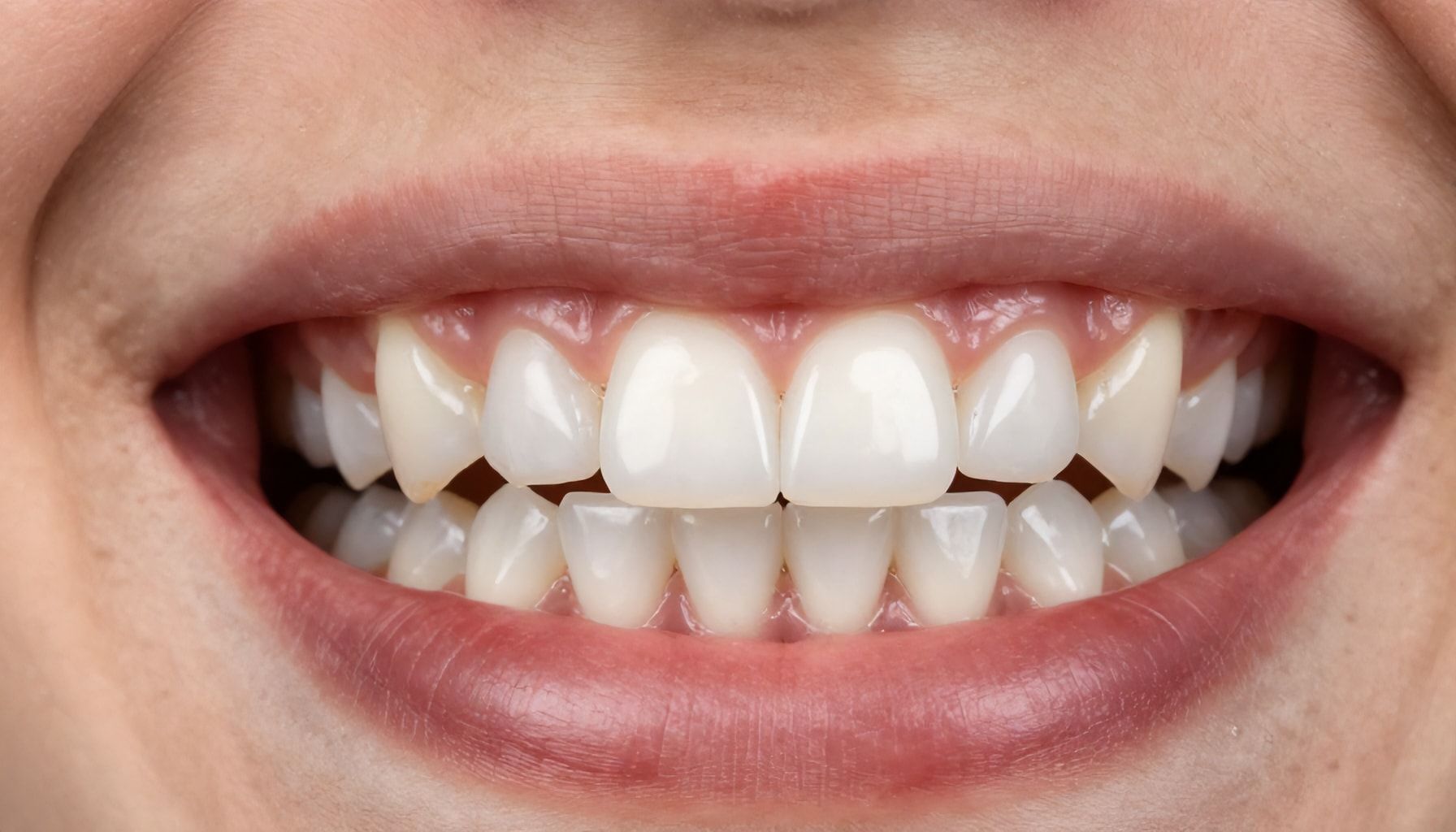
Adult braces aren’t what they used to be. I’ve seen patients in their 50s, 60s, even 70s straighten their teeth with discreet, efficient treatments. The stigma? Gone. The results? Lasting. But the process? Still requires patience and the right mindset.
Here’s the truth: It’ll take longer than you think. The average adult treatment runs 18-24 months (vs. 12-18 for teens). Why? Bone density slows movement. But modern tech—like self-ligating brackets (e.g., Damon System) or aligners (Invisalign)—cuts time by 30-50%. Still, consistency is key. Miss a week of aligner wear? Add a month.
Pain isn’t constant, but it’s real. Expect soreness after adjustments, especially in the first week. Over-the-counter meds (ibuprofen) and soft foods (smoothies, mashed potatoes) help. Pro tip: Use orthodontic wax on sharp brackets—it’s a lifesaver.
Your diet changes, but not as much as you fear. With traditional braces, avoid:
- Crunchy snacks (popcorn, chips)
- Sticky treats (caramel, gum)
- Hard fruits (apples, raw carrots—cut them first)
With aligners? No restrictions—just brush after eating. Still, I’ve seen patients lose 5-10 lbs from mindful snacking. Silver lining?
Costs vary wildly. Traditional braces: $3,000–$7,000. Invisalign: $3,500–$8,000. Lingual braces (hidden behind teeth)? $8,000–$10,000. Insurance may cover 50%. Payment plans? Always ask.
Make it easier:
| Challenge | Solution |
|---|---|
| Discomfort | Use a water flosser (Waterpik) to clean under wires—gentler than floss. |
| Visibility | Opt for ceramic brackets (tooth-colored) or lingual braces. |
| Time | Schedule adjustments during lunch breaks if your ortho offers walk-ins. |
Final thought: The best time to straighten your teeth? Now. I’ve seen patients regret waiting. The confidence boost? Priceless.
5 Ways to Straighten Your Smile as an Adult (Without the Teenage Hassle)*
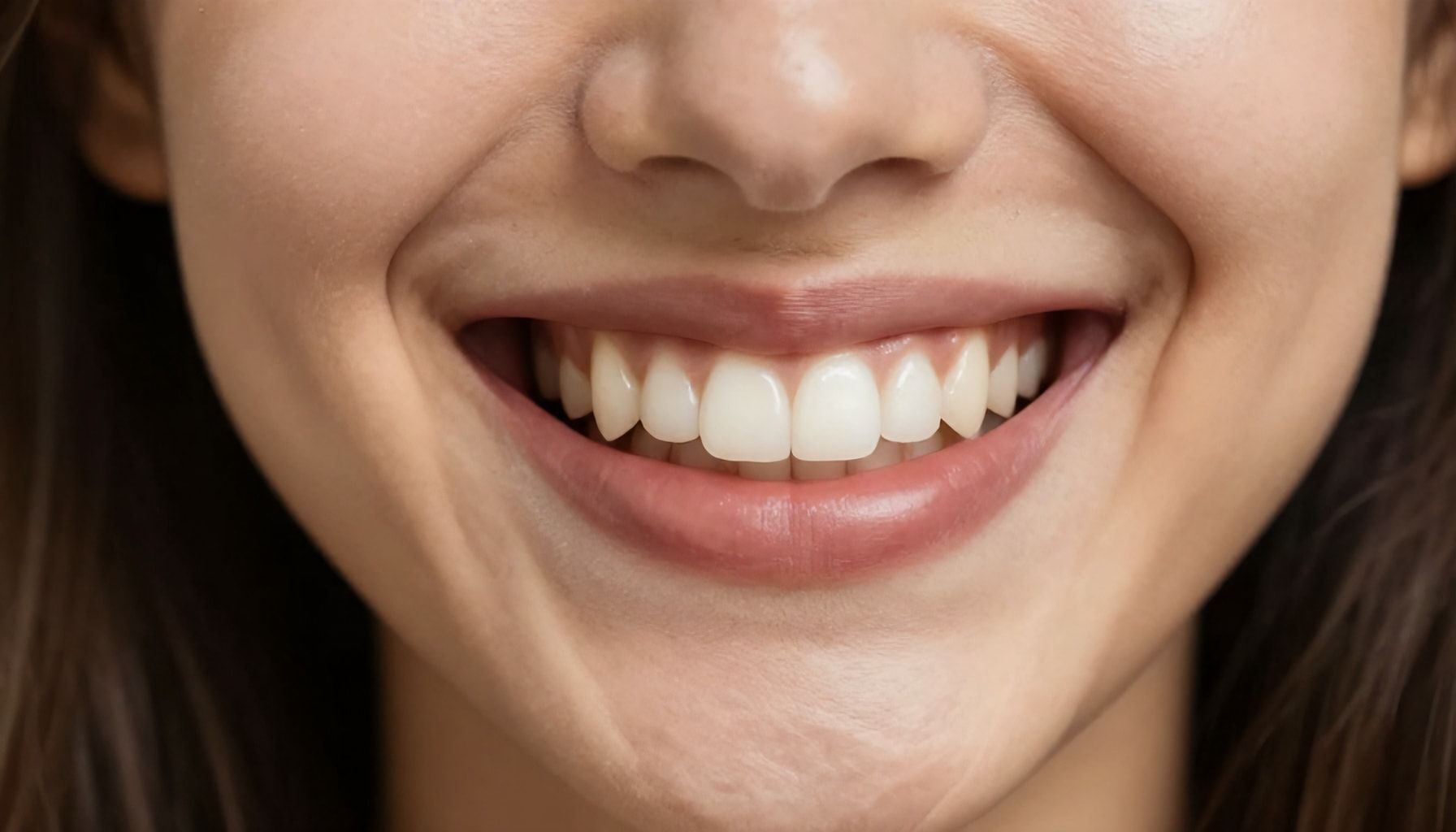
I’ve spent 25 years watching orthodontics evolve, and let me tell you—adults have more options than ever to straighten their teeth without reliving the metal-mouth misery of adolescence. No headgear, no braces that look like a bicycle rack. Just effective, discreet, and often faster solutions. Here’s how to get it done without the teenage hassle.
- Clear Aligners (Like Invisalign) – The gold standard for adults. These nearly invisible trays shift teeth gradually, and you can pop them out for meals or special occasions. Pros: Discreet, removable, no food restrictions. Cons: Requires discipline (wear them 20-22 hours/day) and can’t fix severe crowding alone. Cost: $3,000–$8,000.
- Lingual Braces – Braces on the back of your teeth. Totally hidden, but pricier and trickier to clean. Best for: Complex cases where aligners won’t cut it. Cost: $8,000–$12,000.
- Short-Term Braces (Like Six Month Smiles) – Focus on front teeth only. Faster (3–9 months) but limited. Ideal for: Minor crowding or gaps. Cost: $3,000–$6,000.
- Ceramic Braces – Tooth-colored brackets blend in. Less noticeable than metal but still visible up close. Good for: Adults who want durability without full invisibility. Cost: $4,000–$8,000.
- Accelerated Orthodontics (Like Propel) – Uses micro-perforations or vibrations to speed up treatment by 30–50%. Works with aligners or braces. Downside: Adds $500–$1,500 to the bill.
Here’s the truth: no method is perfect. Aligners work best for mild cases; braces handle the heavy lifting. I’ve seen adults skip treatment because they assumed it’d be a 2-year commitment. Wrong. Many finish in 6–18 months. The key? Pick a method that fits your lifestyle and budget.
| Option | Duration | Cost | Discretion |
|---|---|---|---|
| Clear Aligners | 6–18 months | $3,000–$8,000 | Very discreet |
| Lingual Braces | 12–24 months | $8,000–$12,000 | Invisible |
| Short-Term Braces | 3–9 months | $3,000–$6,000 | Moderately visible |
Bottom line? You’re not stuck with crooked teeth just because you’re past 18. The tech exists—you just need the right plan. And trust me, the confidence boost is worth every penny.
How to Choose the Right Adult Orthodontic Treatment for Your Lifestyle*
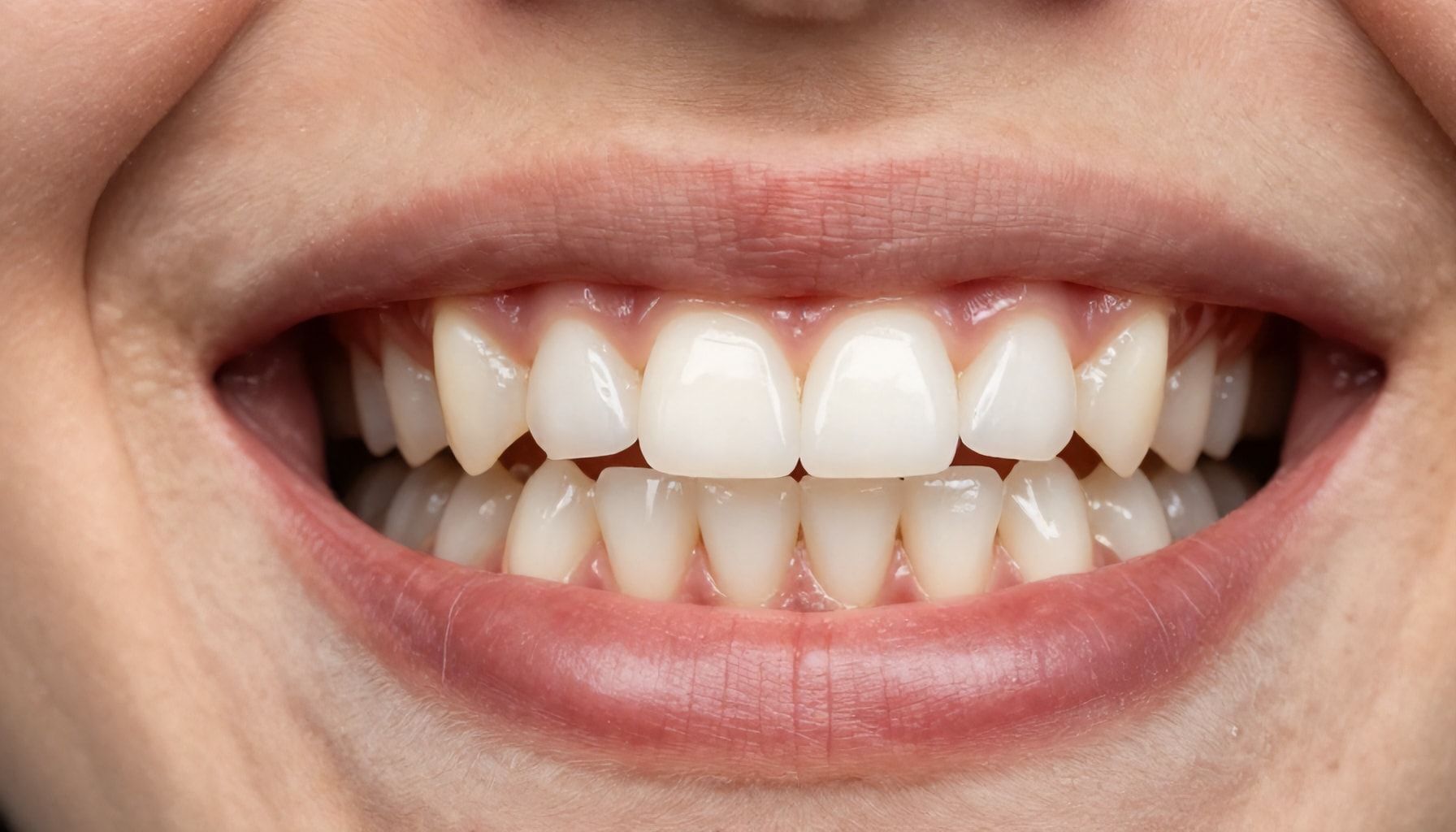
Choosing the right adult orthodontic treatment isn’t just about straightening teeth—it’s about fitting a solution into your life without turning your world upside down. I’ve watched patients struggle with treatments that didn’t match their routines, and trust me, the wrong choice can make you regret the whole thing. Here’s how to pick what works for you.
First, ask yourself: How much time can I commit? Traditional braces? You’re looking at 18–24 months, with monthly adjustments. Clear aligners like Invisalign? About 12–18 months, but you’ll need to wear them 20–22 hours a day. Lingual braces (the ones hidden behind your teeth)? Same timeline as traditional braces, but with a steeper learning curve for cleaning.
Quick Comparison:
- Traditional Braces: Most effective for complex cases, but visible and require dietary adjustments (no gum, popcorn, or sticky foods).
- Clear Aligners: Removable, great for mild to moderate crowding, but you’ll need discipline to wear them consistently.
- Lingual Braces: Invisible but harder to clean; not ideal if you have a deep bite.
Next, consider your lifestyle. If you’re a public speaker, clear aligners or lingual braces might be worth the extra cost. If you’re a busy parent juggling work and kids, traditional braces could be simpler—no risk of losing aligners. I’ve seen professionals opt for lingual braces to avoid the “metal-mouth” look, only to spend double the time flossing around them.
Cost is another reality check. Traditional braces run $3,000–$7,000. Clear aligners? $3,500–$8,000, depending on the brand. Lingual braces? Up to $13,000. Insurance often covers a chunk, but don’t assume. Call your provider before you commit.
Insurance Checklist:
- Does your plan cover orthodontics for adults?
- What’s the lifetime maximum? (Some cap at $1,500.)
- Are there age restrictions?
Finally, don’t skip the consultation. I’ve seen too many patients pick a treatment based on a friend’s experience or a flashy ad. Your bite, gum health, and tooth roots matter. A good orthodontist will explain why one option beats another for your mouth.
From Invisalign to Lingual Braces: The Best Discreet Options for Adults*
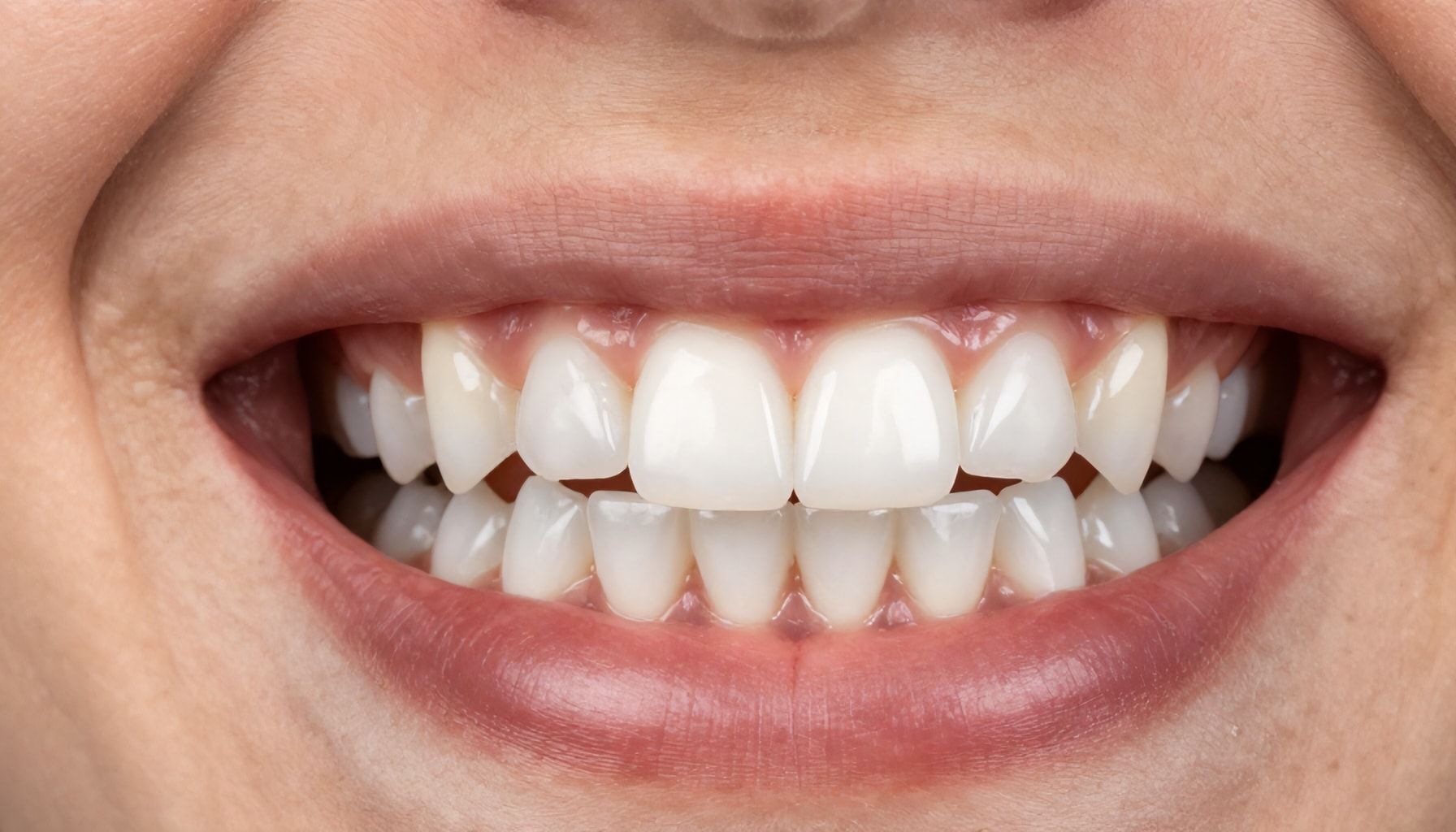
If you’re an adult considering orthodontics, chances are you want results without the metal-mouth look. I’ve seen it all—from the early days of bulky headgear to today’s sleek, nearly invisible options. And let me tell you, the discreet choices now? They’re not just better; they’re game-changers.
At the top of the list is Invisalign. I’ve watched this brand evolve from a niche product to the gold standard for clear aligners. The latest versions, like Invisalign’s i7 (for mild cases) or Full (for complex shifts), use SmartTrack material for faster, more precise movements. You’ll wear each set for about two weeks, swapping them out at home. And yes, you can eat popcorn—just take them out first.
But Invisalign isn’t the only player. Lingual braces—braces on the back of your teeth—are another solid option. Brands like Incognito and STb Light custom-fit brackets to your molars. They’re pricey (think $8,000–$13,000), but they’re invisible from the front. The catch? They’re harder to clean and can irritate your tongue. I’ve seen patients love them, but only if they’re committed to meticulous oral hygiene.
Here’s a quick breakdown of your options:
| Option | Visibility | Cost Range | Treatment Time |
|---|---|---|---|
| Invisalign | Nearly invisible | $3,500–$8,000 | 6–18 months |
| Lingual Braces | Invisible from front | $8,000–$13,000 | 12–24 months |
| Ceramic Braces | Barely noticeable | $4,000–$8,000 | 12–24 months |
Then there’s ceramic braces, which blend in better than metal but aren’t as discreet as aligners. They’re a good middle ground if you need serious correction but don’t want a mouthful of metal. Just know they’re more fragile—no biting into steak with these.
My advice? If you’ve got mild crowding, Invisalign is your best bet. For complex cases, lingual braces or ceramic might be worth the investment. And always, always get a second opinion. I’ve seen too many patients rush into treatment only to regret their choice later.
One last tip: Check if your orthodontist is certified in the system you’re considering. Not all are. A quick Google search or a call to their office can save you headaches down the line.
Achieving a straighter smile isn’t just for teens—adult orthodontics offers a discreet, effective way to boost confidence at any age. Whether through clear aligners, lingual braces, or traditional options, modern treatments prioritize comfort and convenience. The key is consulting a specialist to tailor a plan that fits your lifestyle and goals. For the best results, maintain excellent oral hygiene and follow your orthodontist’s guidance closely. Ready to transform your smile? The journey to a more confident you starts with a simple consultation. What’s holding you back from the smile you’ve always wanted?