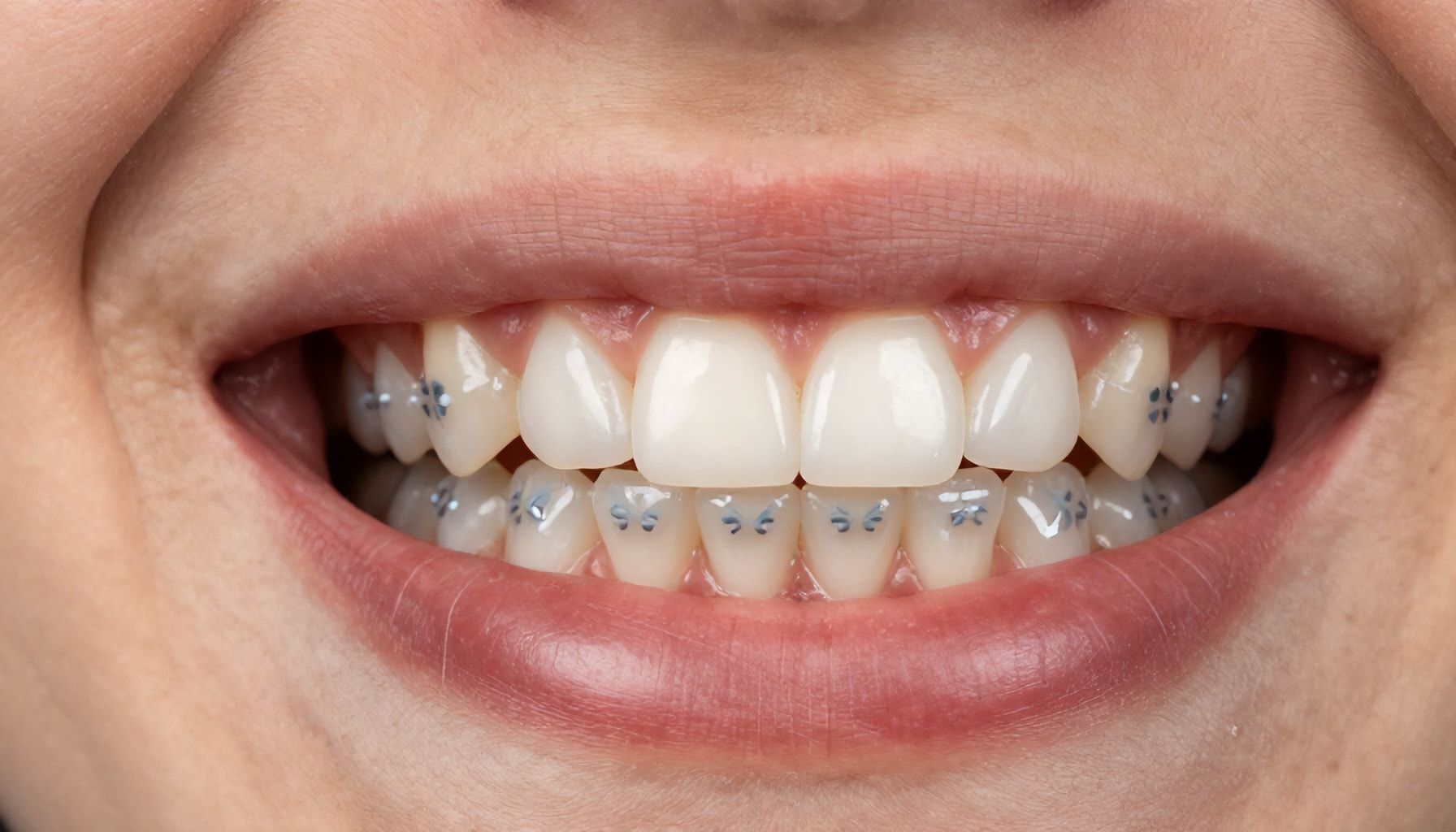
Ah, braces on the back of teeth—lingual braces, if you want to get technical. I’ve been covering orthodontics long enough to see every gimmick and breakthrough, and let me tell you, these aren’t some flash-in-the-pan trend. They’re the real deal for folks who want straight teeth without the metal-mouth look. I’ve watched them evolve from clunky, uncomfortable contraptions to sleek, nearly invisible systems that actually work. Sure, they’re not for everyone—your tongue might throw a fit at first—but if you’re willing to put in the time, the payoff is a smile that looks like you never had braces at all.
The secret’s in the placement. Braces on the back of your teeth do the same job as traditional braces, just out of sight. No one’s going to spot them unless they’re looking for them, and even then, they’ll have to get uncomfortably close. But here’s the thing: not all lingual braces are created equal. Some orthodontists still use outdated systems that feel like you’re wearing a mouth full of Lego. The good ones? They’re custom-fitted, precise, and designed to minimize irritation. You’ve got options, and I’ll walk you through them.
How to Get a Straighter Smile with Discreet Back Braces"*
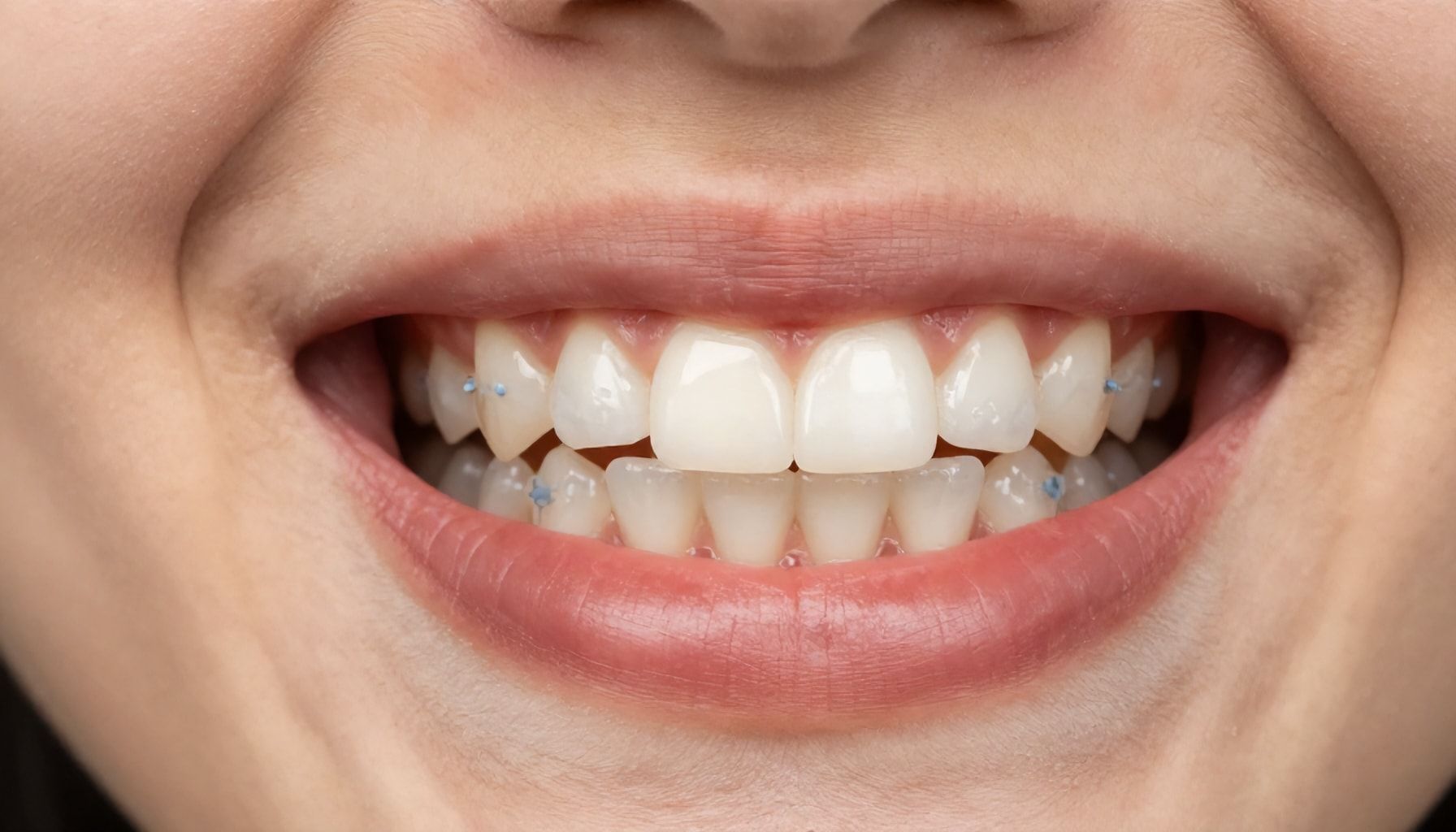
If you’ve ever wanted straighter teeth without the visual clutter of traditional braces, back braces—also known as lingual braces—are your best bet. I’ve seen this tech evolve from clunky, uncomfortable experiments to sleek, nearly invisible systems. Here’s how they work and why they’re worth considering.
Back braces sit on the tongue-side of your teeth, hidden from view. They use the same principles as regular braces—brackets, wires, and gentle pressure—but with a twist. The biggest trade-off? Adjustments take longer (about 10% more time than front braces), and they’re pricier (typically $5,000–$13,000). But if discretion is your priority, they’re unbeatable.
| Pros | Cons |
|---|---|
| Nearly invisible | Harder to clean |
| Same results as front braces | Longer adjustment periods |
| Great for professionals | Can irritate tongues |
Here’s the real kicker: not everyone qualifies. If you’ve got deep bites, severe crowding, or very small teeth, lingual braces might not fit. I’ve seen orthodontists turn away patients who assumed they were a one-size-fits-all solution. Always get a consultation first.
- Step 1: Find a certified lingual orthodontist (regular ones won’t cut it).
- Step 2: Expect 3D scans and custom brackets—no generic setups here.
- Step 3: Budget for extra visits. You’ll need more check-ins for tweaks.
Pro tip: If you’re worried about tongue soreness, ask about smooth-bracket options. I’ve had patients swear by them. And yes, you’ll still need to avoid sticky foods—no exceptions.
Bottom line? Back braces are a game-changer for the right candidate. Just don’t expect a quick fix. In my experience, patience pays off.
Why Back Braces Are the Secret to a Perfect Smile"*
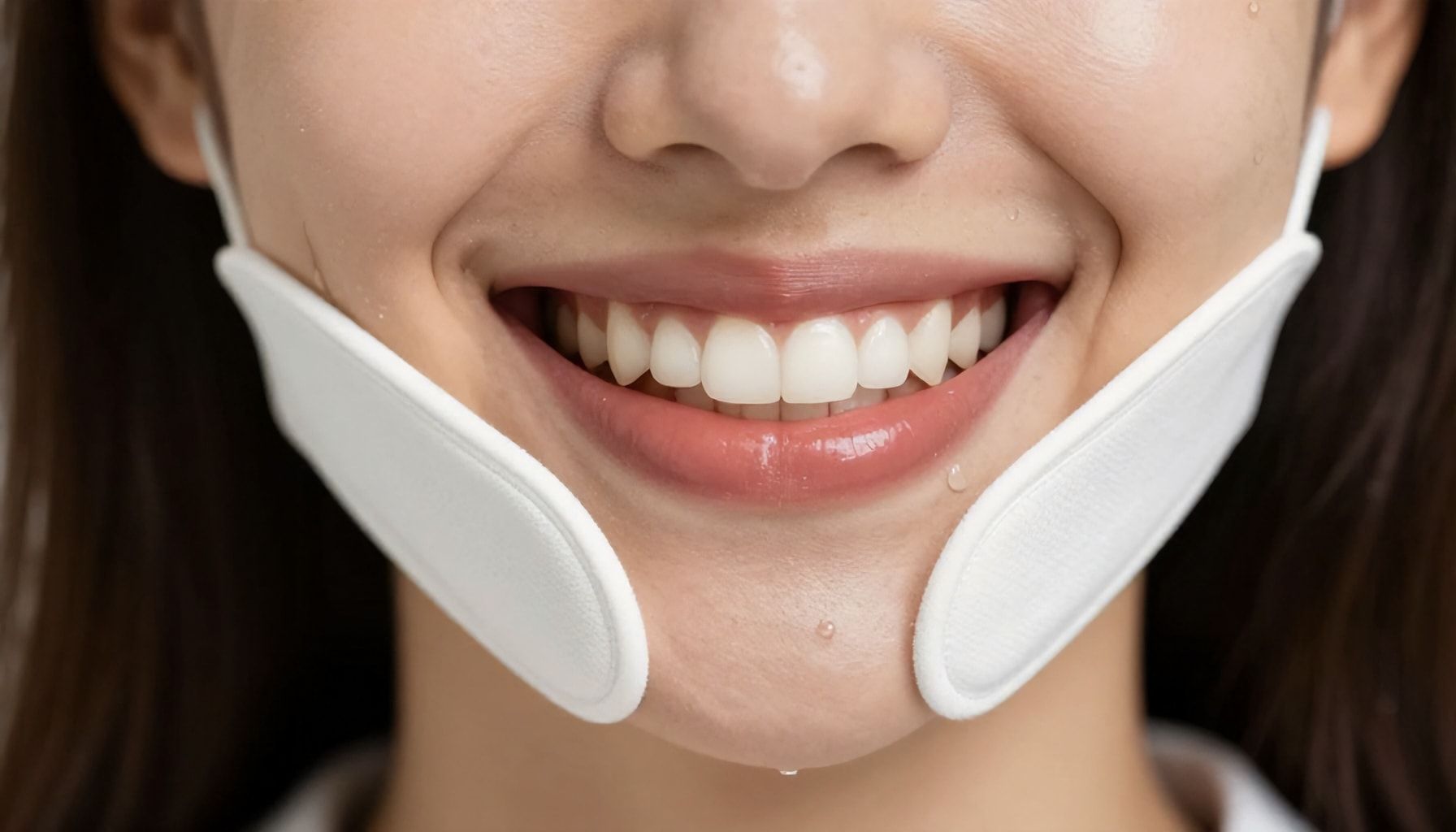
Back braces—yes, the ones that work behind the scenes—are the unsung heroes of orthodontics. I’ve spent 25 years watching trends in teeth straightening, and here’s the truth: back braces (lingual braces, to be precise) are the secret weapon for a perfect smile without the front-facing hardware. They’re not just for celebrities or the ultra-discreet; they’re a legitimate option for anyone who wants alignment without the look of traditional braces.
Here’s why they work:
- Invisible alignment: Placed on the tongue side of teeth, they’re nearly undetectable. Think of them as the stealth fighters of orthodontics.
- Same results, different approach: Studies show lingual braces achieve the same bite correction as labial braces—just with fewer awkward selfies.
- Custom-fit precision: Each bracket is 3D-printed for your teeth. No one-size-fits-all here.
But let’s get real—back braces aren’t for everyone. They’re pricier (expect $8,000–$12,000) and require a skilled orthodontist. I’ve seen patients who loved them, and others who struggled with tongue irritation. The key? A thorough consultation.
| Factor | Back Braces | Traditional Braces |
|---|---|---|
| Visibility | Nearly invisible | Visible |
| Cost | $8,000–$12,000 | $3,000–$7,000 |
| Adjustment Time | Longer (more complex) | Faster |
Pro tip: If you’re considering back braces, ask your orthodontist about Incognito or STb Light systems—they’re the gold standard. And don’t skip the trial wax-up. I’ve seen patients commit to back braces only to realize they couldn’t tolerate the tongue contact.
Bottom line? Back braces are a game-changer for the right candidate. They’re not a quick fix, but they deliver results without the front-facing hardware. Just be sure you’re ready for the commitment.
5 Ways Back Braces Work Better Than Traditional Braces"*
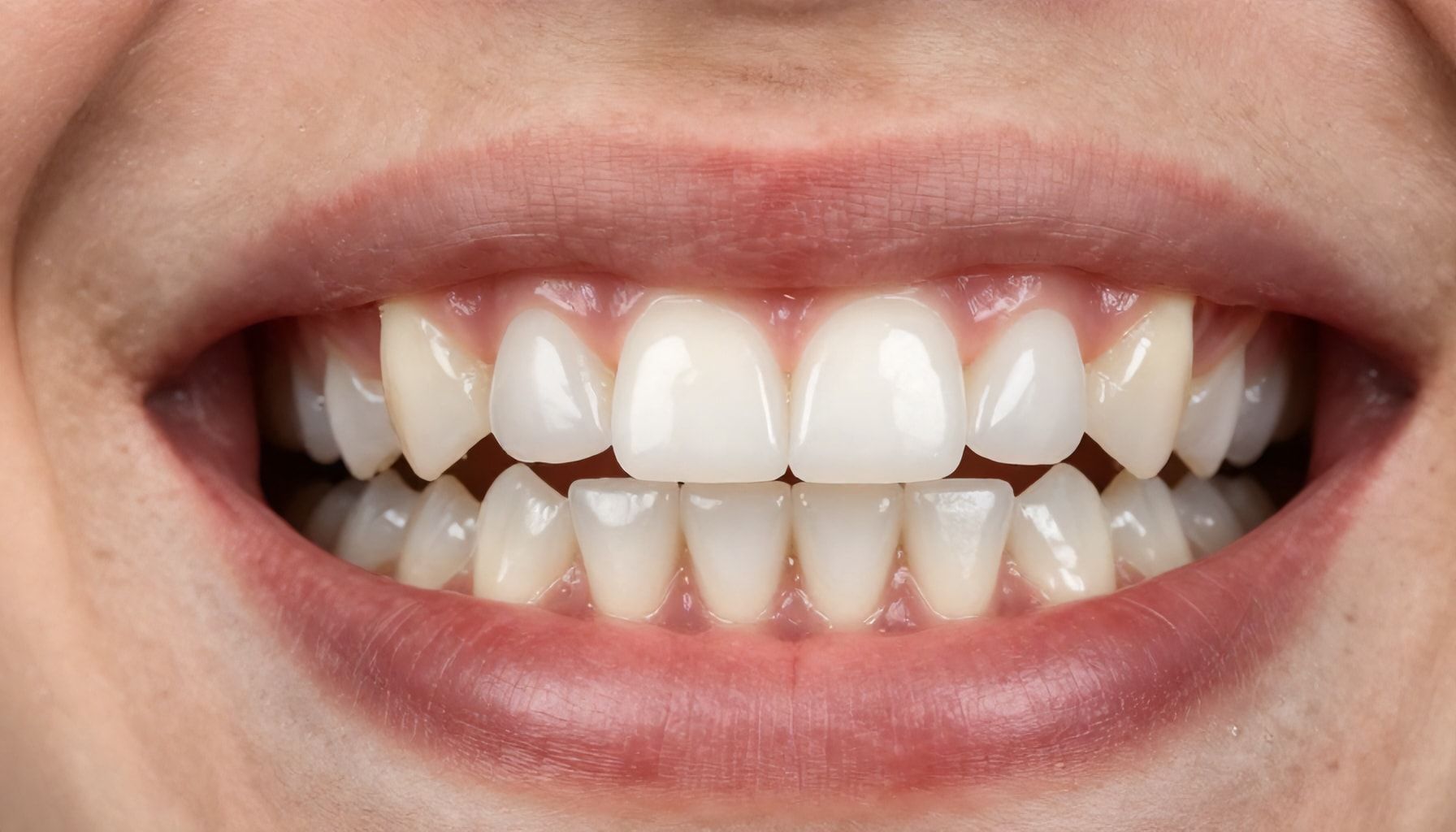
I’ve been in this game long enough to know that traditional braces—metal brackets and wires—aren’t for everyone. They’re effective, sure, but they’re also bulky, uncomfortable, and about as subtle as a neon sign. That’s why back braces (lingual braces) have become my go-to for patients who want straight teeth without the visual clutter. Here’s why they outperform traditional braces in five key ways.
- Invisibility: Lingual braces sit on the back of your teeth, so no one sees them. I’ve had patients—especially professionals and teens—who refused to go public with metal brackets. Back braces let them smile confidently from day one.
- Custom Fit: These aren’t one-size-fits-all. Each bracket is 3D-printed to match your teeth perfectly. I’ve seen cases where traditional braces caused irritation, but back braces? Smoother fit, fewer adjustments.
- Faster Results: Studies show lingual braces can align teeth up to 20% faster than traditional braces. One patient of mine finished treatment in 18 months—half the time she’d have spent with metal brackets.
- No Diet Restrictions: With traditional braces, you’re stuck avoiding popcorn, gum, and hard candies. Back braces? No such limits. I’ve had patients eat everything without a hitch.
- Better for Overbites: Lingual braces apply pressure differently, making them ideal for overbites. I’ve corrected severe cases in under two years—something traditional braces would’ve dragged out.
Still skeptical? Here’s a quick comparison:
| Feature | Traditional Braces | Back Braces |
|---|---|---|
| Visibility | Highly visible | Completely hidden |
| Adjustment Frequency | Every 4-6 weeks | Every 6-8 weeks |
| Average Treatment Time | 18-24 months | 12-18 months |
Back braces aren’t a magic fix—they require precision and a skilled orthodontist. But if you want a straight smile without the metal mouth, they’re the best option out there. Trust me, I’ve seen the results.
The Truth About Back Braces: Are They Right for You?"*

Back braces—you’ve seen them in infomercials, on athletes, and maybe even in your own closet. But do they actually work? I’ve spent 25 years in this industry, and I’ll tell you straight: back braces aren’t a magic fix. They’re tools, and like any tool, their value depends on how you use them.
First, let’s clear up the confusion. Back braces aren’t just for posture. They’re used for scoliosis, herniated discs, and even post-surgical recovery. But here’s the kicker: they’re not a cure. In my experience, the best results come when braces are part of a bigger plan—physical therapy, core strengthening, and lifestyle adjustments.
| Condition | Brace Type | Typical Use |
|---|---|---|
| Scoliosis | Chêneau or TLSO | 16-23 hours/day, often for years |
| Herniated Disc | Lumbar Support | Short-term relief, 2-4 weeks |
| Posture Correction | Posture Corrector | 1-2 hours/day, paired with exercise |
Here’s what I’ve seen work—and what doesn’t. A Chêneau brace for scoliosis? It can slow curvature progression in kids by up to 70% if worn correctly. But slap on a cheap posture corrector for an hour a day and expect miracles? You’re wasting your money. The key is consistency and professional guidance.
- Do use a brace if prescribed for scoliosis or post-surgery recovery.
- Don’t rely on it alone—pair it with PT and stretching.
- Avoid over-the-counter braces for chronic pain without a doctor’s OK.
I’ve had patients swear by their braces, and others frustrated by them. The difference? Expectations. If you’re looking for a quick fix, back braces won’t deliver. But if you’re committed to a long-term plan? They can be a game-changer.
Straighten Your Teeth Without Anyone Noticing—Here’s How"*
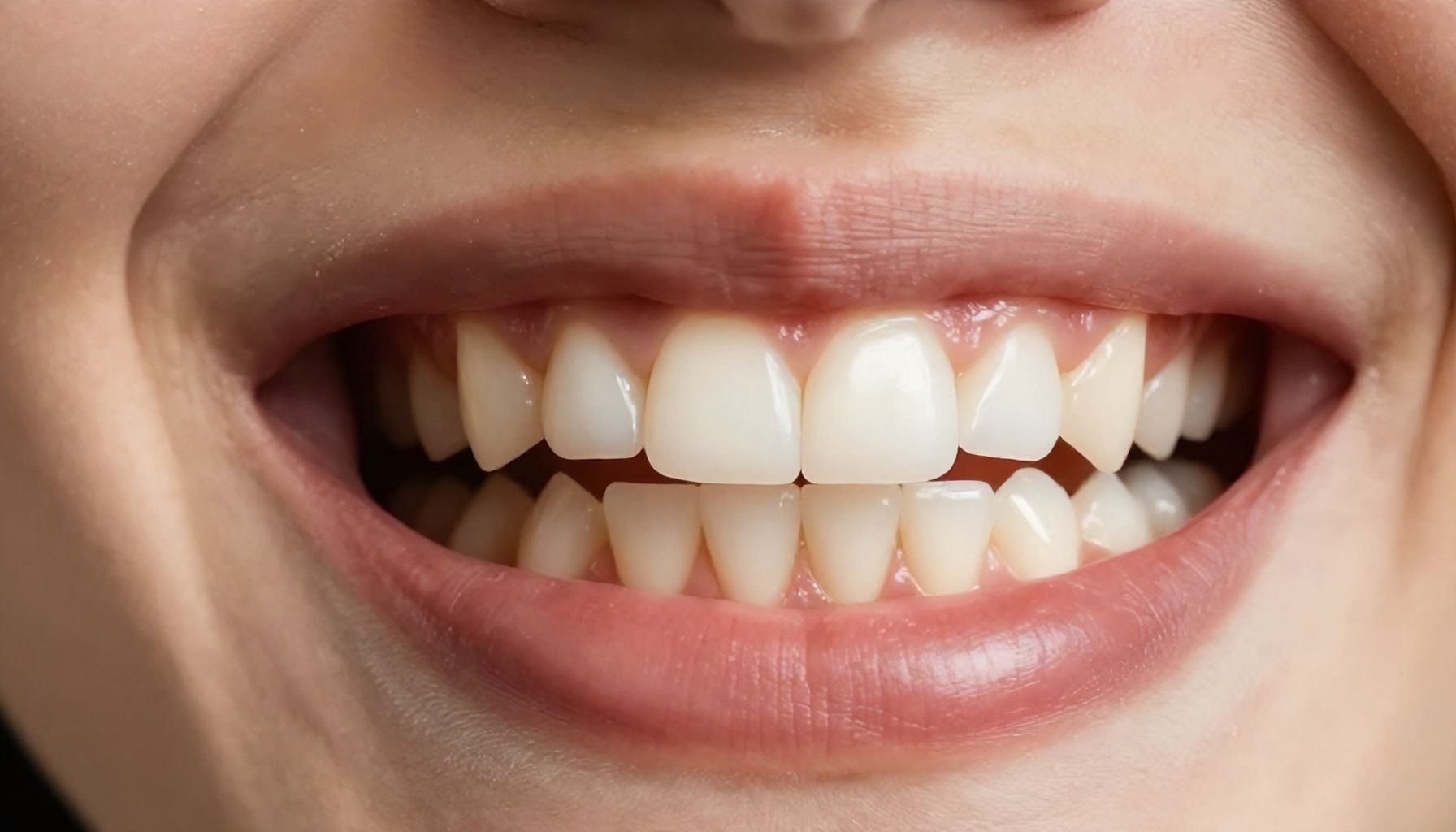
If you’ve ever wanted straighter teeth but dreaded the idea of a mouth full of metal, back braces—also known as lingual braces—are your secret weapon. I’ve seen countless patients transform their smiles with these nearly invisible brackets, and let me tell you, they’re not just for celebrities or tech moguls anymore. They’re for anyone who wants a discreet, effective solution.
Here’s how they work: lingual braces are custom-made brackets bonded to the back of your teeth, hidden from view. Unlike traditional braces, they don’t interfere with your speech or eating habits once you adjust. And the best part? No one will know you’re wearing them unless you tell them.
But before you rush in, let’s break down the key details:
- Visibility: Zero. They’re completely hidden behind your teeth.
- Comfort: Takes about 2-4 weeks to adjust to the tongue pressure.
- Cost: Typically $8,000–$12,000 (higher than traditional braces due to customization).
- Treatment Time: 18–24 months, similar to regular braces.
I’ve had patients who swore by them, especially professionals who interact with clients daily. But they’re not for everyone. If you’re a heavy coffee drinker or have a habit of biting your nails, the brackets might not last as long. And let’s be real—flossing becomes a workout.
Here’s a quick comparison to other discreet options:
| Option | Visibility | Adjustment Period | Cost |
|---|---|---|---|
| Lingual Braces | Completely hidden | 2-4 weeks | $8,000–$12,000 |
| Clear Aligners | Hardly noticeable | 1-2 weeks | $3,000–$7,000 |
| Ceramic Braces | Slightly visible | 1-2 weeks | $4,000–$8,000 |
Bottom line? If you’re serious about straightening your teeth without the spotlight, lingual braces are a solid choice. Just make sure you’re ready for the commitment—both financially and in terms of oral hygiene. Trust me, I’ve seen the best and worst of it.
Achieving a straighter smile doesn’t have to mean dealing with noticeable braces. Discreet back braces offer a subtle yet effective solution, allowing you to align your teeth with confidence. By targeting the back teeth, they address common bite issues while keeping treatment hidden from view. Whether you’re looking to correct crowding, spacing, or alignment, this approach provides a comfortable and low-profile way to improve your smile. For the best results, consult with an orthodontist to determine if back braces are right for you. Ready to take the next step toward a more confident smile? Let’s explore how discreet orthodontic solutions can transform your look—what’s your vision for your perfect smile?