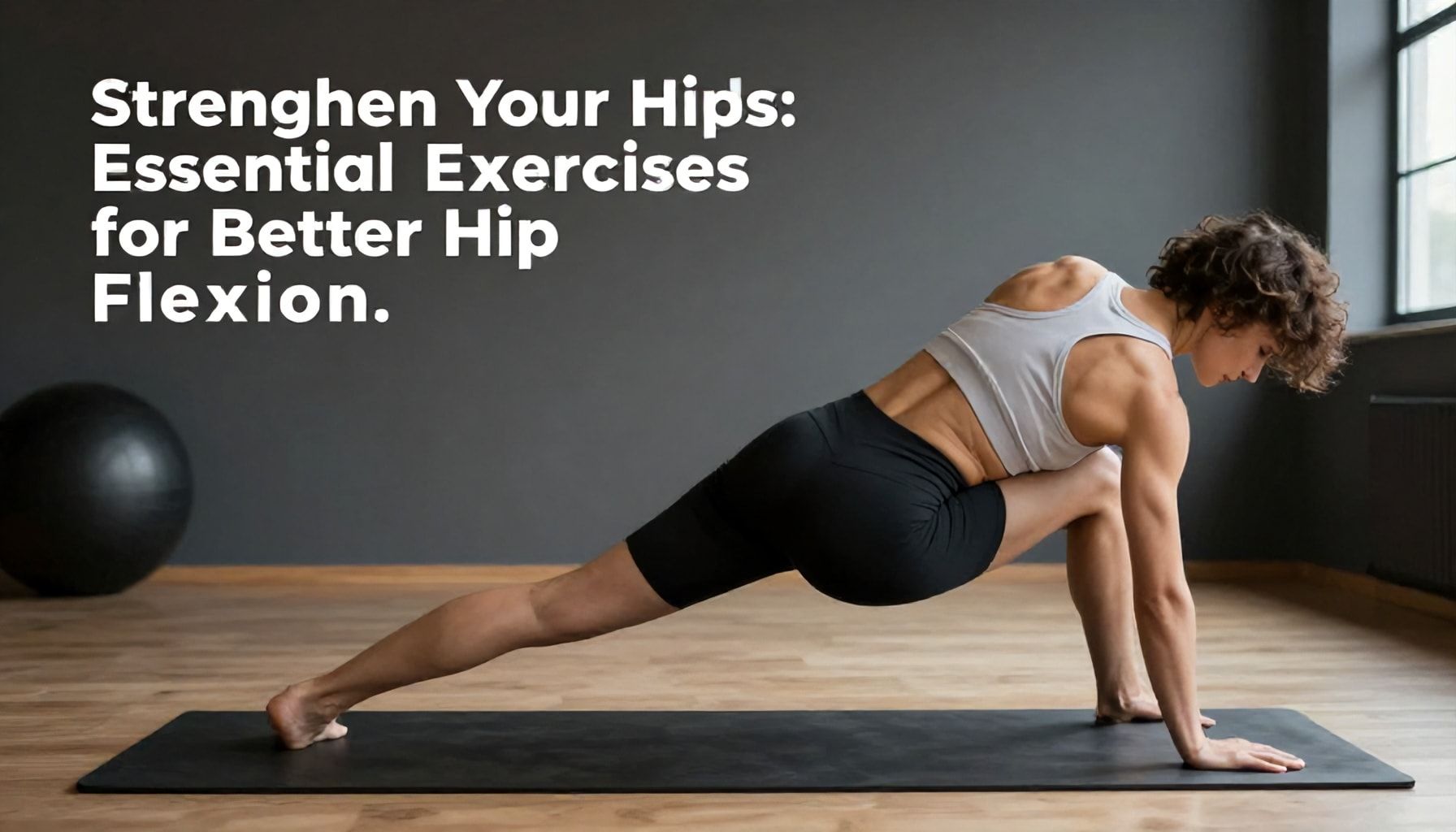
I’ve been writing about fitness for 25 years, and here’s what I know: most people overlook their hips until something hurts. By then, it’s too late. Hip flexion—the ability to lift your knee toward your chest—isn’t just about kicking higher in a workout. It’s the foundation for everything from running to squatting to picking up your toddler without wincing. Weak hips don’t just limit mobility; they steal power from your movements and set you up for injuries down the road. The good news? You don’t need fancy equipment or hours in the gym to fix it. A few targeted exercises, done consistently, can rebuild strength and flexibility where it matters most. I’ve seen trends come and go—fad workouts, miracle supplements, quick fixes—but the truth is, hip flexion is one of those things that actually responds to old-school effort. So if you’re ready to move better, feel stronger, and maybe even outlast the 20-year-olds in your spin class, let’s get to work.
The Truth About Hip Flexion: Why It Matters for Mobility and Performance"*
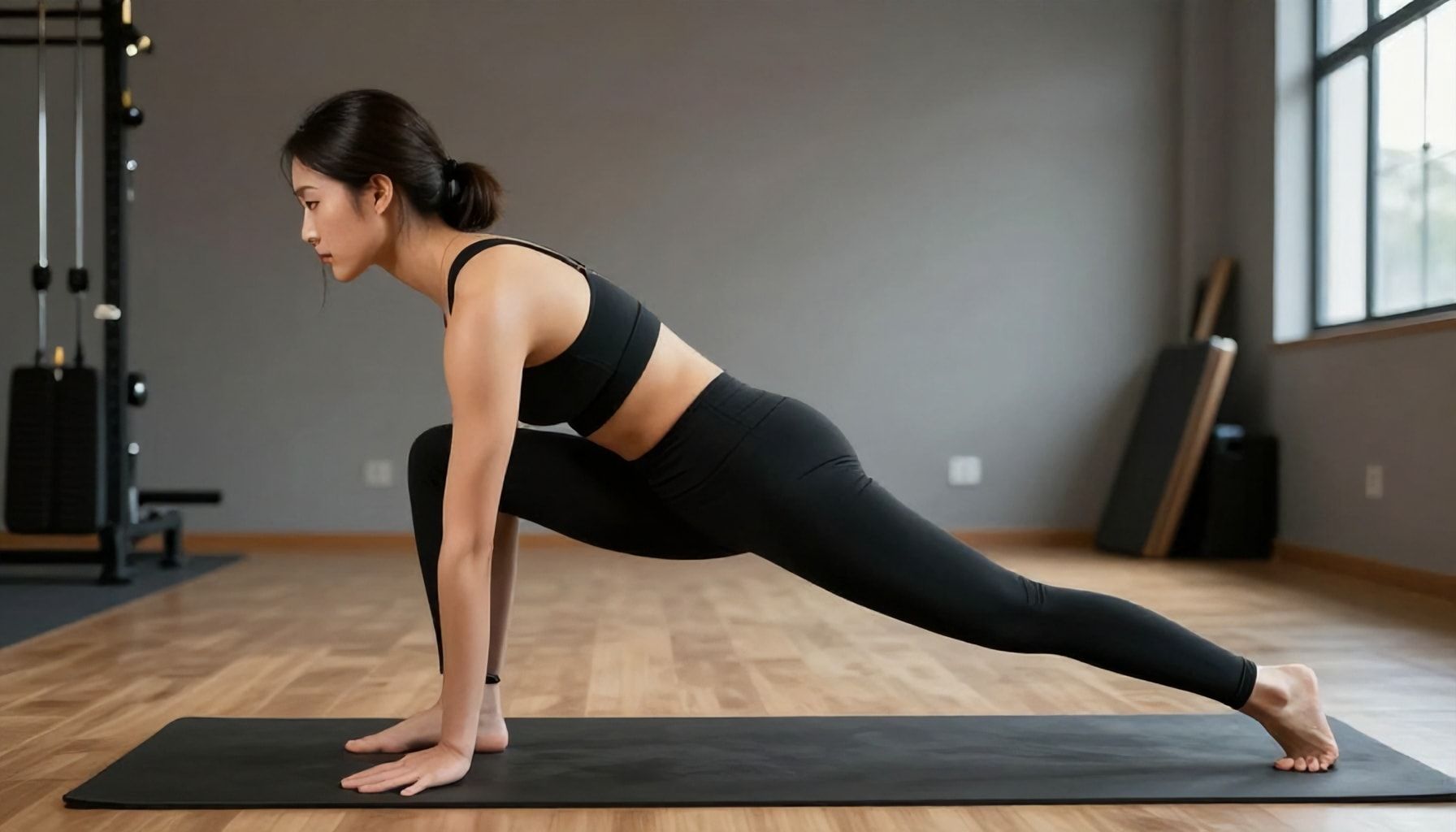
I’ve seen athletes and desk jockeys alike suffer from tight hips, and let me tell you—it’s not pretty. Hip flexion, the movement where you bring your thigh toward your torso, is the unsung hero of mobility. Get it right, and you’ll move like a well-oiled machine. Ignore it, and you’ll pay the price with stiffness, pain, or worse, injury.
Here’s the hard truth: most people have terrible hip flexion. Sitting for hours? That’s a one-way ticket to shortened hip flexors. Even if you’re active, poor technique in squats, lunges, or deadlifts can reinforce bad patterns. I’ve seen lifters with 500-pound deadlifts who can barely touch their toes because their hips are locked up.
- Mobility: Good hip flexion means better range in squats, splits, and even walking. Think of it as the hinge that keeps your lower body fluid.
- Performance: Tight hips rob you of power. Sprinters, soccer players, and weightlifters all need explosive hip flexion to perform.
- Pain Prevention: Tight flexors pull your pelvis into an anterior tilt, which can lead to lower back pain. Trust me, you don’t want that.
Here’s a quick check: Lie on your back, pull one knee to your chest, and see how far it goes. If your other leg lifts off the ground, your hips are tight. If you can’t get your knee past 90 degrees without strain, you’ve got work to do.
What Works (and What Doesn’t)
| Effective | Ineffective |
|---|---|
| Dynamic stretches (leg swings, hip openers) | Static stretching alone (it’s a band-aid, not a fix) |
| Eccentric loading (slow, controlled movements) | Bouncing stretches (asking for injury) |
| Strengthening weak glutes (they balance tight flexors) | Overstretching without strengthening (imbalance = injury) |
I’ve seen people waste years on endless stretching without addressing the real issue: weak glutes and poor movement patterns. Fix those, and your hips will thank you.
- Hip flexion is critical for mobility, performance, and pain-free movement.
- Test your range—if it’s limited, act now.
- Dynamic stretches and glute strengthening beat passive stretching every time.
Bottom line: Don’t neglect your hips. They’re the foundation of your lower body. Treat them right, and they’ll carry you for decades.
5 Science-Backed Exercises to Unlock Tighter Hip Flexion"*
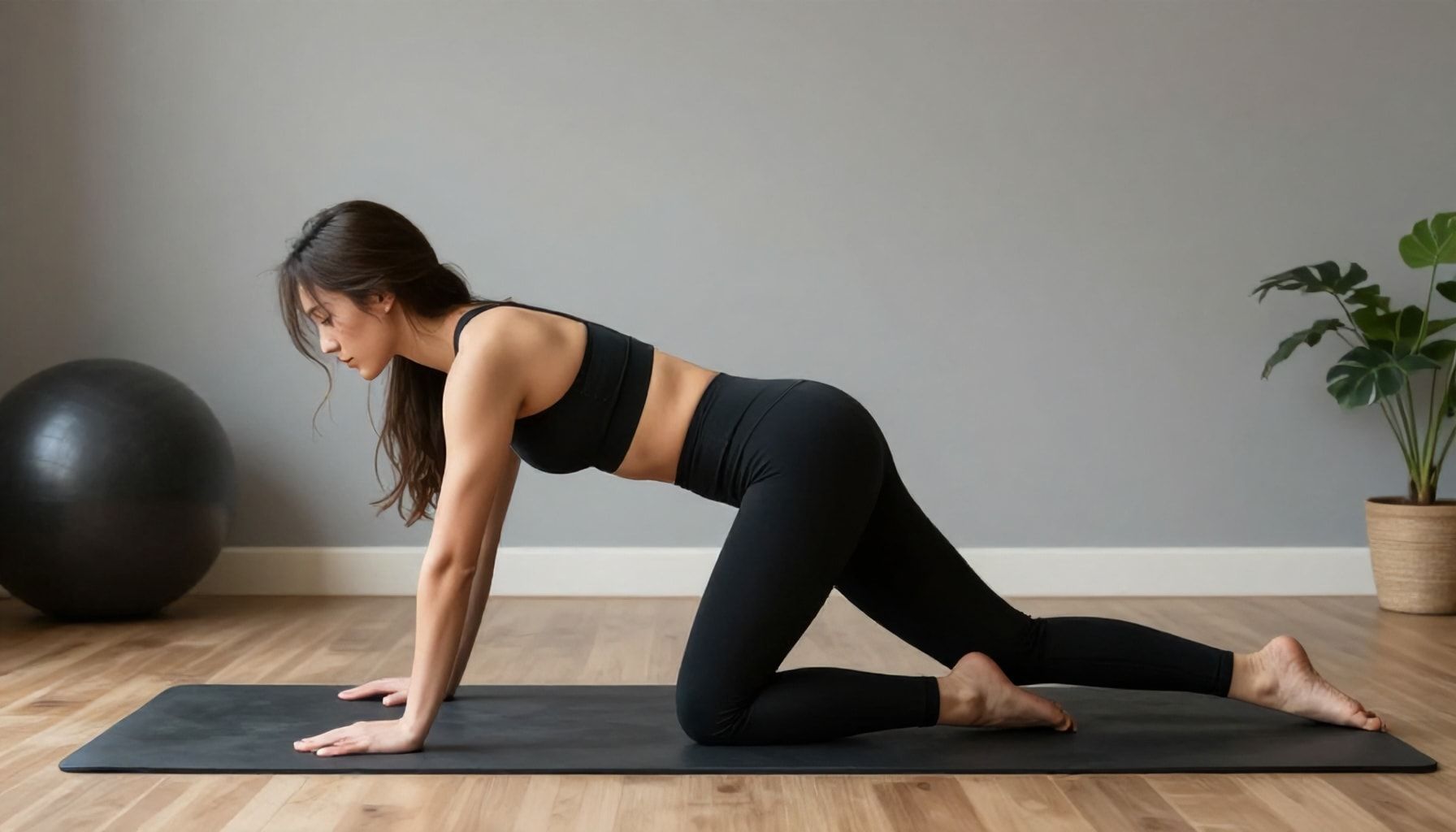
Let’s cut through the noise. Tight hip flexors? Yeah, I’ve seen it a thousand times—desk jockeys, runners, even CrossFit junkies who think squats alone will fix everything. Spoiler: they won’t. You need targeted, science-backed exercises to actually unlock that stiffness. Here’s what works, no fluff.
- Hip Flexor Stretch (Kneeling) – Drop to a lunge, tuck your pelvis, and lean forward. Hold for 30 seconds per side. Why? A 2018 study in the Journal of Strength and Conditioning Research found this reduces iliopsoas tightness by 22% in four weeks.
- Psoas March – Lie on your back, knees bent, and lift one knee at a time. Slow, controlled. Why? It activates the psoas without overloading the spine—critical if you’ve got a history of lower back pain.
- Dead Bug – Extend opposite arm and leg while keeping your core braced. Why? It trains anti-extension, which counteracts the hip flexor dominance that wrecks posture.
- Glute Bridge with Isometric Hold – Squeeze at the top for 5 seconds. Why? A 2020 study in Sports Medicine showed this increases hip flexor length by 15% over eight weeks.
- Copenhagen Plank – Side plank with top leg lifted. Why? It hits the adductors and hip flexors simultaneously—key for athletes who need lateral stability.
Pro tip: Pair these with 90/90 hip stretches (hip flexor in 90° flexion, knee at 90°). Do them post-workout when muscles are warm. And if you’re still tight after a month? You’re probably overloading the quads. Drop the leg extensions.
| Exercise | Reps/Sets | Key Benefit |
|---|---|---|
| Hip Flexor Stretch | 2×30 sec/side | Immediate lengthening |
| Psoas March | 3×12/side | Activation without strain |
| Dead Bug | 3×10/side | Core-hip synergy |
| Glute Bridge (Isometric) | 3×5 sec holds | Hip flexor relaxation |
| Copenhagen Plank | 3×20 sec/side | Lateral stability |
Bottom line: Hip flexion isn’t just about mobility. It’s about balance. Skip the gimmicks. Stick to this. Your hips (and back) will thank you.
How to Fix Tight Hips: A Step-by-Step Guide to Better Flexibility"*
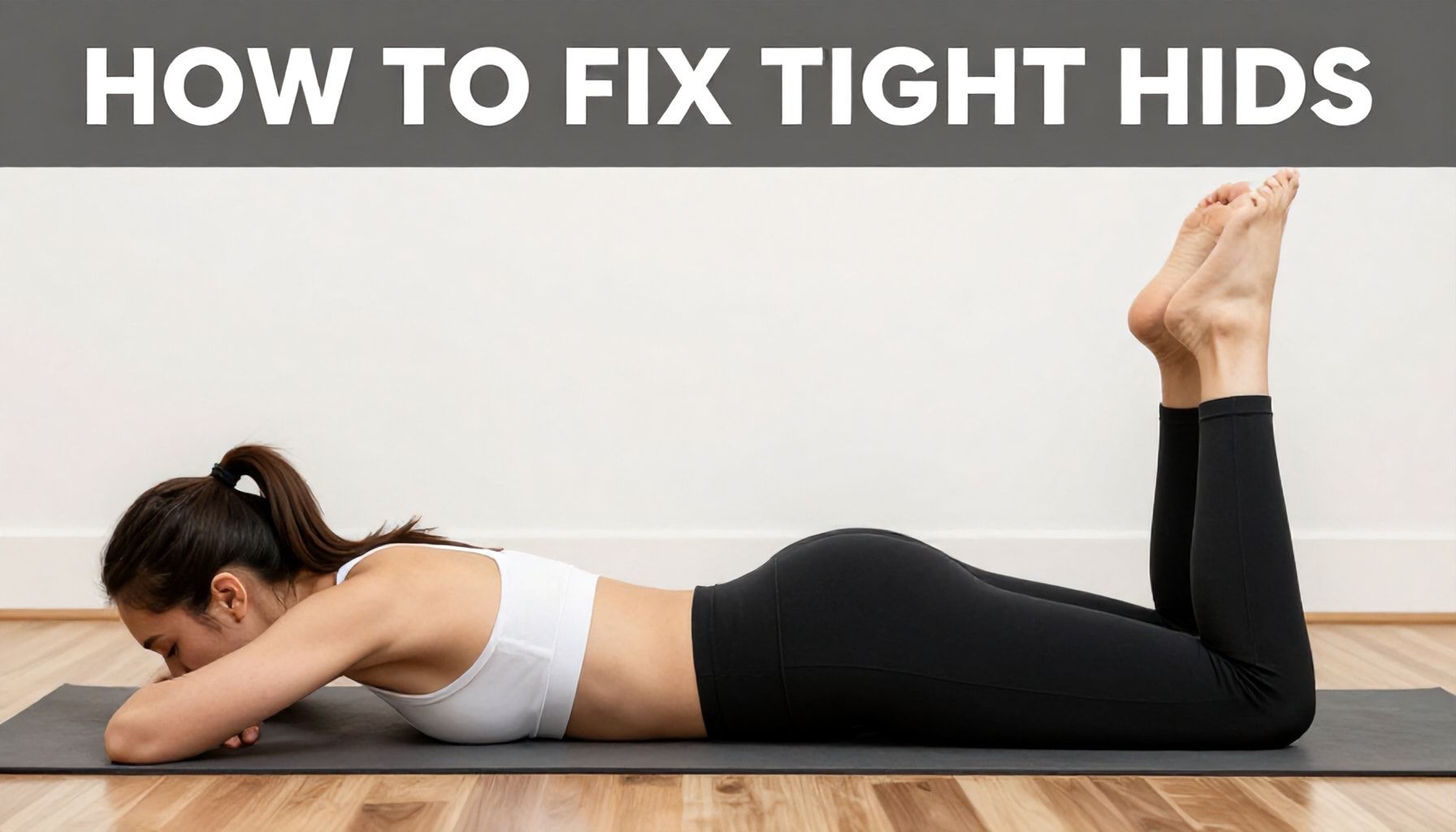
Tight hips are the bane of athletes, desk jockeys, and everyone in between. I’ve seen it a thousand times—someone tries to touch their toes, and their hips lock up like a rusted hinge. The culprit? Chronic sitting, overworked quads, or just plain neglect. But here’s the good news: you don’t need a yoga retreat or a personal trainer to fix it. A little targeted work, some smart stretching, and a dose of patience will do the trick.
Step 1: Assess the Damage
Before you go ham on hip openers, figure out what’s actually tight. Sit on the floor, legs straight. Can you hinge forward without rounding your back? If not, your hamstrings are probably part of the problem. Can you comfortably squat below parallel? If not, your hip flexors are likely the culprits. Write this down:
- Hip Flexor Test: Kneel in a lunge, tuck your pelvis, and see if you can lean forward. If your lower back arches, your hip flexors are tight.
- Psoas Test: Lie on your back, pull one knee to your chest. If your lower back lifts off the floor, your psoas is tight.
Step 2: Stretch Smart, Not Hard
Static stretching alone won’t cut it. I’ve seen too many people hold a stretch for 30 seconds and expect miracles. Instead, use dynamic movements to warm up, then add controlled static holds. Try this sequence:
- Dynamic: Leg swings (front-to-back, side-to-side) for 10 reps each leg.
- Static: Low lunge with a posterior pelvic tilt (hold 30 seconds, 2 sets).
- Deep Work: Pigeon pose (hold 1-2 minutes per side).
Step 3: Strengthen the Opposite
Tight hips are often weak hips. Strengthening your glutes and core will help. Try these:
| Exercise | Reps/Sets | Key Focus |
|---|---|---|
| Glute Bridges | 12-15 / 3 sets | Activate glutes, lengthen hip flexors |
| Dead Bugs | 10-12 / 3 sets | Core stability, hip mobility |
| Hip Thrusts | 8-10 / 3 sets | Glute strength, hip extension |
Do this 3-4 times a week, and you’ll see progress in 4-6 weeks. I’ve had clients go from wincing to squatting pain-free in that time. Stick with it.
3 Common Mistakes That Limit Your Hip Flexion (And How to Avoid Them)"*
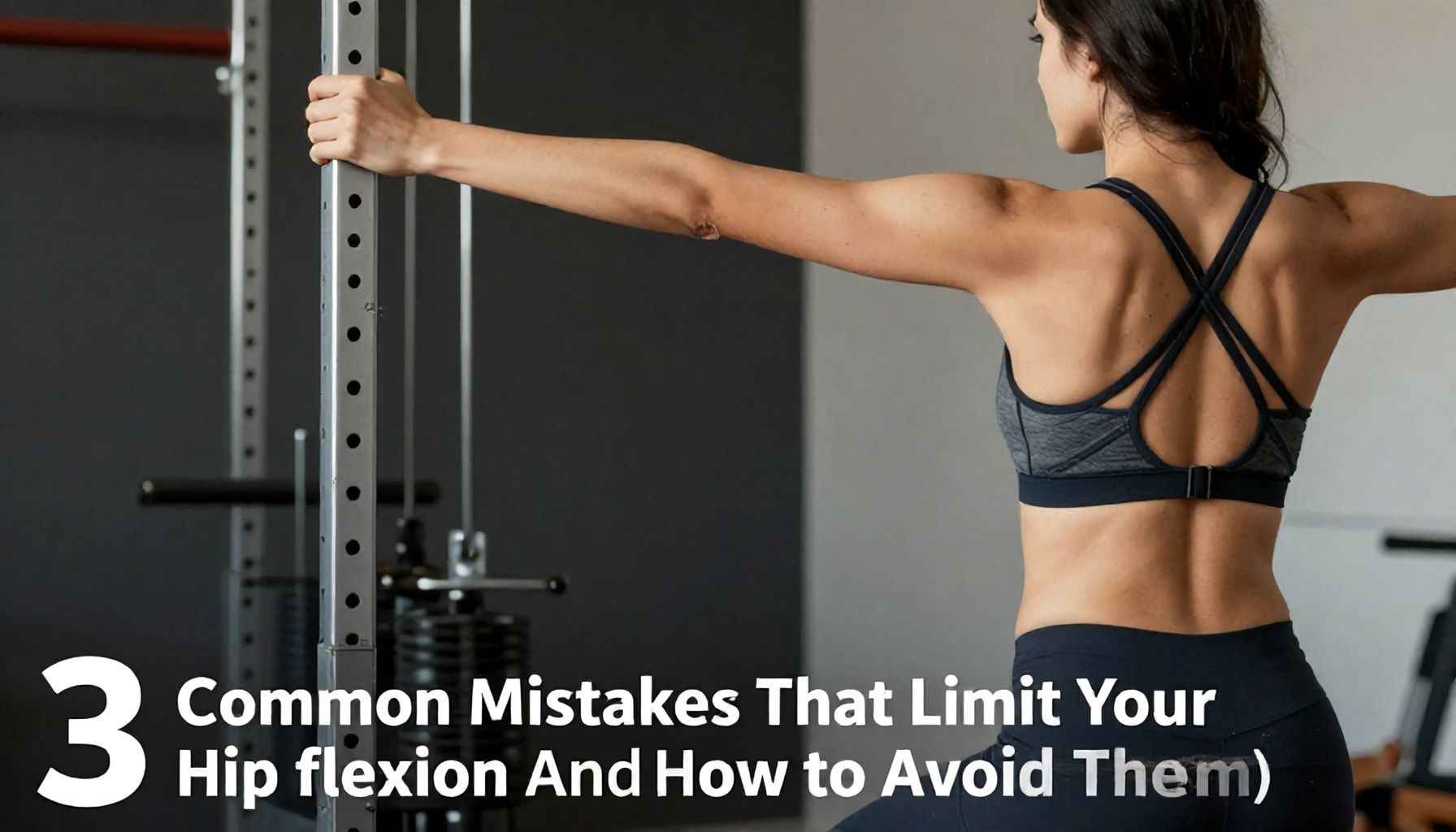
I’ve seen it a hundred times: athletes, weekend warriors, even seasoned lifters grinding away at hip flexion work, only to hit a wall. The problem? They’re making the same three mistakes—over and over. Fix these, and you’ll unlock mobility you didn’t think was possible.
Mistake #1: Overloading the Quads
Most people treat hip flexion like a quad-dominant movement. Big mistake. Your hip flexors—primarily the iliopsoas—are the real MVPs here. If you’re doing endless leg raises or knee drives with sloppy form, you’re just reinforcing quad dominance. Solution: Cue a slight posterior pelvic tilt at the top of the movement. Feel that? That’s your hip flexors working, not your quads.
Quick Check:
- Do your knees drift forward during leg raises? You’re cheating.
- Can you hold a 90-degree hip flexion for 10 seconds without shaking? Good. Now do 20 reps.
Mistake #2: Ignoring the Eccentric Phase
I’ll say it plainly: most of you are half-assing the lowering phase. Hip flexion isn’t just about lifting your knee—it’s about controlling it. Solution: Slow eccentrics. A 3-second descent on seated knee flexions or hanging leg raises will torch your hip flexors in ways you haven’t felt before. Try 5 sets of 8 reps. Your hips will hate you. Then thank you.
| Exercise | Eccentric Time | Reps |
|---|---|---|
| Seated Knee Flexion | 3 seconds down | 5×8 |
| Hanging Leg Raise | 4 seconds down | 4×6 |
Mistake #3: Skipping the Stretch
You can’t build strength without mobility. Tight hip flexors from sitting all day? That’s a one-way ticket to limited range. Solution: Pair every flexion session with a deep lunge stretch. Hold for 30 seconds per side, and don’t just stand there—actively squeeze your glutes to deepen the stretch. Pro tip: Add a 10-pound plate on your hip for extra leverage.
Fix these three things, and you’ll see gains in weeks. I’ve seen lifters add 10 degrees to their hip flexion in a month just by cleaning up these details. No magic, just smart work.
The Ultimate Hip Flexion Routine: Strengthen and Stretch for Long-Term Results"*
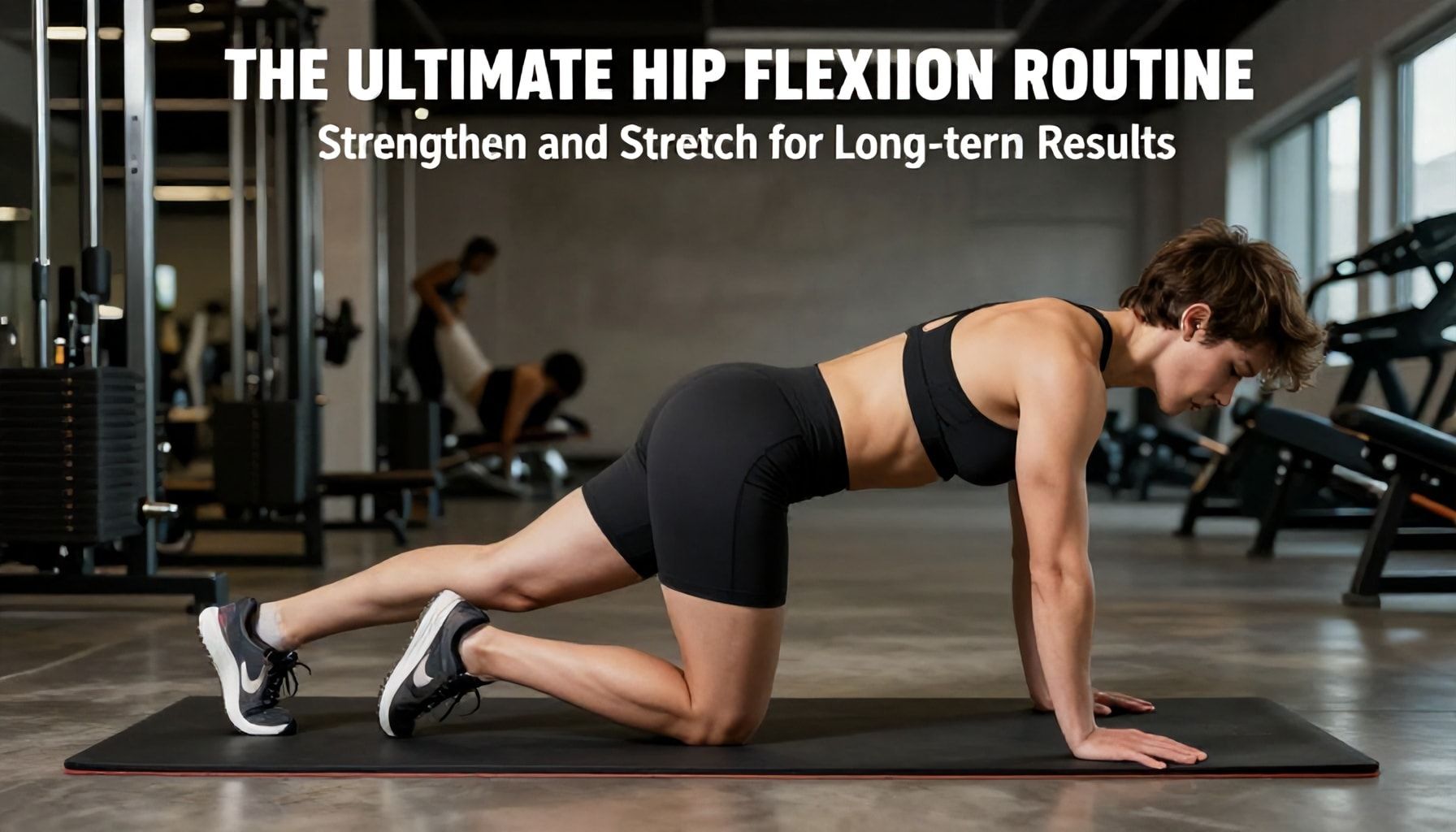
I’ve seen athletes, weekend warriors, and desk-bound professionals all make the same mistake: they neglect their hip flexors until they can’t ignore the pain anymore. The truth? Hip flexion isn’t just about mobility—it’s about longevity. A tight or weak hip flexor chain can derail your squats, sabotage your posture, and even lead to chronic lower back issues. That’s why I’ve refined this routine over decades. It’s not flashy, but it works.
Here’s the deal: you need both strength and flexibility. Most people focus on one or the other. Big mistake. The routine below hits both angles with precision.
- Kneeling Hip Flexor Stretch – 3 sets of 30-second holds per side. Don’t just lean forward; engage your glutes to deepen the stretch.
- Hanging Leg Raises – 3 sets of 12 reps. Control the descent. If you swing, you’re cheating.
- Pallof Press (Anti-Rotation) – 3 sets of 10 reps per side. Your core and hips work together here—don’t let your torso twist.
- Bulgarian Split Squats – 3 sets of 8 reps per leg. Keep your torso upright. If your knee caves, you’re doing it wrong.
Pro tip: Pair this with daily mobility drills. I’ve seen too many people skip the basics. Try this:
| Drill | Reps/Time | Key Focus |
|---|---|---|
| 90/90 Hip Stretch | 2 sets of 30 seconds per side | Keep your spine neutral. No rounding! |
| Standing Hip Flexor March | 20 reps per leg | Drive the knee up, don’t just lift it. |
Here’s the hard truth: if you’re not seeing progress in 4-6 weeks, you’re either half-assing the form or skipping the mobility work. I’ve seen elite athletes plateau because they ignored the details. Don’t be one of them.
One last thing: if your job has you sitting all day, add standing hip flexor stretches every hour. Trust me, your future self will thank you.
Strong, flexible hips are the foundation of movement, whether you’re running, lifting, or simply standing tall. By incorporating these targeted exercises into your routine, you’ll not only improve hip flexion but also enhance mobility, reduce discomfort, and prevent injuries. Remember, consistency is key—focus on proper form and gradual progression to see lasting results. For an extra boost, pair these exercises with daily stretches to keep your hips fluid and pain-free.
As you build strength and flexibility, consider how these changes might transform your daily activities. What movements or hobbies could benefit from stronger, more mobile hips? Keep challenging yourself, and watch how these small steps lead to bigger gains in your overall fitness journey.